

Free Evansville Travel Guide & Mobile App
Plan your Evansville trip with Evendo. Get free guides to top attractions, restaurants, hotels, and bars. Web access or download the mobile app.


Evansville, Indiana, pairs Ohio River views with historic districts, Angel Mounds, museums, local dining, lively neighbourhoods and Southern Indiana culture.
River City Character
Evansville occupies a broad bend of the Ohio River in southwestern Indiana, where waterfront landscapes, civic ambition and Southern Indiana traditions shape the city’s identity. Its historic centre rises just inland from the river, with civic buildings, former commercial blocks and restored streets reflecting the prosperity once generated by shipping, manufacturing and regional trade. The riverfront itself is a place for walking, festivals and expansive views towards Kentucky, while the nearby Four Freedoms Monument provides one of the city’s most recognisable public spaces.Read more about Evansville
History Beneath the Landscape
Culture, Sport and Everyday Life
When is the best time to visit Evansville?
Best: May, September–October · 19–27°C| Month | High (°C) | Rainfall (mm) |
|---|---|---|
| January | 7 | 76 |
| February | 9 | 79 |
| March | 16 | 97 |
| April | 20 | 107 |
| May (best) | 26 | 112 |
| June | 31 | 107 |
| July | 33 | 112 |
| August | 32 | 102 |
| September (best) | 27 | 97 |
| October (best) | 19 | 86 |
| November | 13 | 91 |
| December | 9 | 86 |
Getting to and around Evansville
How to get there
Transportation
Best attractions in Evansville
Evansville’s attractions range from riverfront history to family-friendly culture and deep regional archaeology. The USS LST-325, moored on the Ohio River, offers access to a surviving Second World War landing ship and an unusually direct encounter with the city’s wartime manufacturing story. At Angel Mounds State Historic Site, preserved earthworks and interpretation reveal the scale of the Mississippian community that occupied the area centuries before European settlement. The Evansville Museum of Arts, History & Science combines local history with art and science exhibitions, while Mesker Park Zoo & Botanic Garden provides landscaped grounds and animal habitats on the city’s north side. Bosse Field adds historic baseball atmosphere, and the riverfront’s Four Freedoms Monument, walking areas and open views create a spacious counterpoint to downtown streets. Haynie’s Corner and Franklin Street are useful for experiencing independent businesses, galleries and neighbourhood life rather than only formal attractions.
-
Hotel
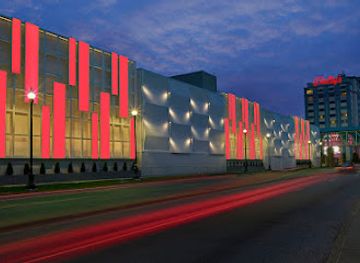
Bally's Evansville Casino & Hotel
Experience the excitement of gaming and luxury accommodations at Bally's Evansville Casino & Hotel, the ultimate destination in Indiana.
9 min walk · 0.7 km from city centre
-
Arena
Ford Center
Discover thrilling events and vibrant entertainment at the Ford Center in Evansville, Indiana's premier arena for concerts and sports.
4 min walk · 0.3 km from city centre
-
Tourist attraction
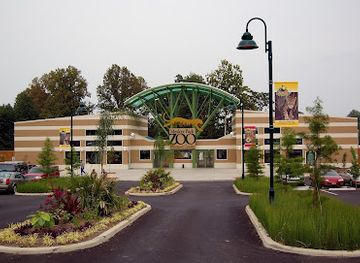
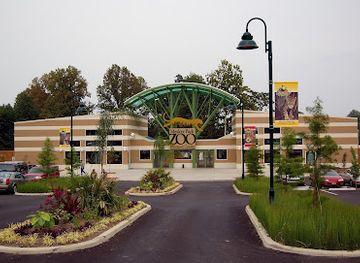
Mesker Park Zoo
Explore the enchanting Mesker Park Zoo, where wildlife meets botanical beauty in the heart of Evansville, Indiana.
12 min drive · 4.1 km from city centre
-
Tourist attraction
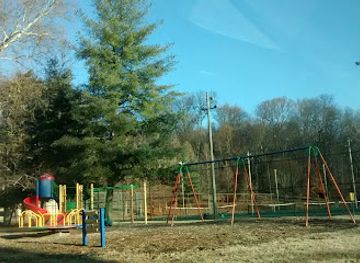
Burdette Park
Experience the perfect blend of nature and recreation at Burdette Park in Evansville, Indiana, where adventure and relaxation await every visitor.
21 min drive · 6.9 km from city centre


Best landmarks in Evansville
Evansville’s landmarks express its river commerce, industrial history and civic aspirations. The Four Freedoms Monument on the Ohio River commemorates Franklin D. Roosevelt’s four freedoms and provides a defining public viewpoint beside the water. USS LST-325 is both a preserved vessel and an industrial memorial, recalling the landing ships built in Evansville during the Second World War. Bosse Field, opened in 1915, is one of the city’s most distinctive sporting landmarks, while the Victory Theatre represents the grand entertainment architecture associated with the early twentieth century. The Evansville Museum’s landmark building gives the riverfront district a cultural anchor, and the historic houses and streets around Haynie’s Corner reveal the scale of earlier residential Evansville. Angel Mounds, although an archaeological rather than urban monument, is perhaps the region’s most important surviving physical record of its pre-colonial past.
-
Hotel
Bally's Evansville Casino & Hotel
Discover the perfect blend of entertainment and luxury at Bally's Evansville Casino & Hotel, where excitement meets comfort in downtown Indiana.
9 min walk · 0.7 km from city centre
-
German
Gerst Bavarian Haus
Experience authentic German cuisine and vibrant atmosphere at Gerst Bavarian Haus in Evansville, a culinary gem for all food lovers.
7 min drive · 2.4 km from city centre
-
Arena
Ford Center
Discover thrilling events and unforgettable performances at the Ford Center, Evansville's premier arena and auditorium, where entertainment meets community.
4 min walk · 0.3 km from city centre
-
Zoo
Mesker Park Zoo
Experience diverse wildlife and stunning botanical gardens at Mesker Park Zoo in Evansville, Indiana, a perfect family-friendly attraction.
12 min drive · 4.1 km from city centre

Explore Evansville on the map
Plan your Evansville trip on one map. See where the top attractions, landmarks, restaurants, bars and hotels are, find what's near where you're staying, and book hotels and experiences in a few clicks.
Best hotels in Evansville
Best restaurants in Evansville
Evansville’s food culture reflects southwestern Indiana’s position between the Ohio River, the Midwest and the South. Local menus include American comfort food, burgers, barbecue, fried chicken, sandwiches and dishes built around regional produce, while the city’s famous brain sandwich—traditionally made with breaded animal brain—belongs to an older working-class culinary tradition that is now encountered only in selected places and forms. Italian-American influence is also part of Evansville’s dining history, alongside Mexican, Asian and contemporary American cooking. Downtown, Haynie’s Corner and Franklin Street provide clusters of independent restaurants, cafés, breweries and casual eateries, while markets and seasonal events bring local produce and prepared food into public spaces. The dining scene is generally relaxed rather than formal, with long-established neighbourhood establishments sitting beside newer kitchens and coffee shops in reused commercial buildings.
-
Hamburger
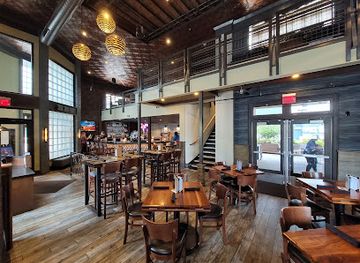
BRU Burger Bar - Evansville
Discover BRU Burger Bar in Evansville - where gourmet burgers meet vibrant nightlife in a casual downtown setting.
2 min walk · 0.2 km from city centre
-
German
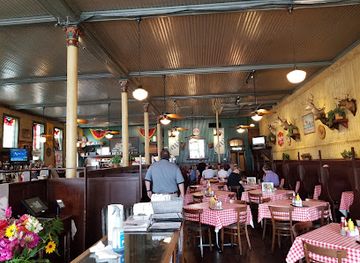
Gerst Bavarian Haus
Savor the flavors of Germany at Gerst Bavarian Haus in Evansville – where tradition meets taste.
7 min drive · 2.4 km from city centre
-
Traditional American
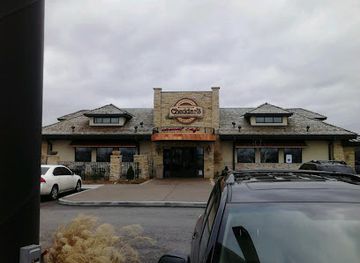
Cheddar's Scratch Kitchen
Experience the heartwarming flavors of traditional American cuisine at Cheddar's Scratch Kitchen – perfect for families and food lovers alike.
22 min drive · 7.4 km from city centre
-
American
COMFORT by the Cross-Eyed Cricket
Experience culinary excellence at COMFORT by the Cross-Eyed Cricket in Evansville—where American cuisine meets vibrant nightlife.
2 min walk · 0.1 km from city centre
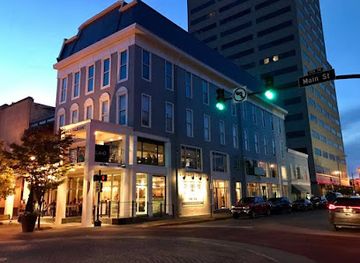
Best bars in Evansville
Evansville’s evening scene is centred more on neighbourhood bars, breweries, live music and theatre than on a large club circuit. Franklin Street is associated with casual bars, restaurants and a social atmosphere, while Haynie’s Corner brings smaller independent venues and periodic community events around its historic residential setting. Downtown offers drinks near the riverfront and opportunities to combine an evening out with a performance at the Victory Theatre or another cultural venue. Bosse Field and local event spaces can add seasonal entertainment, particularly when sport, concerts or festivals are scheduled. The city’s nightlife is relatively modest and spread across distinct areas, so checking current venue and performance listings is useful. As elsewhere in Indiana, alcohol service and entry are subject to venue rules and legal identification requirements.
-
Grill
Bar Louie - Evansville
Experience the vibrant flavors of American cuisine at Bar Louie in Evansville, where great food meets a lively atmosphere.
30 min drive · 9.9 km from city centre
-
Bar
Lamasco Bar
Experience the lively atmosphere of Lamasco Bar, a top destination in Evansville for great food, drinks, and live music entertainment.
19 min walk · 1.5 km from city centre
-
Grill
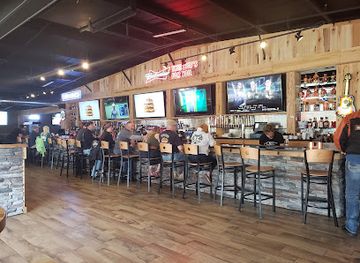
Bud's Rockin' Country Bar & Grill
Discover Bud's Rockin' Country Bar & Grill for a taste of country cuisine and vibrant nightlife in the heart of Evansville, Indiana.
7 min drive · 2.4 km from city centre
-
Grill
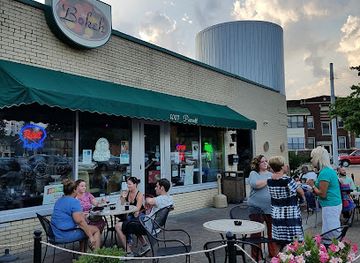
Bokeh Lounge
Experience the vibrant atmosphere of Bokeh Lounge in Evansville, where delicious grilled food meets lively live music for an unforgettable outing.
14 min walk · 1.1 km from city centre
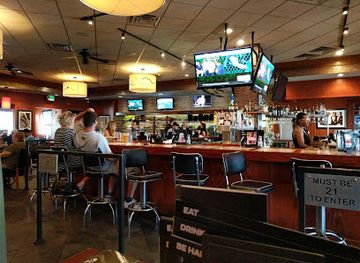

Best nightclubs in Evansville
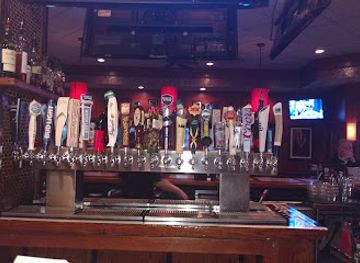
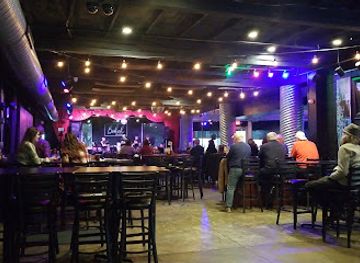
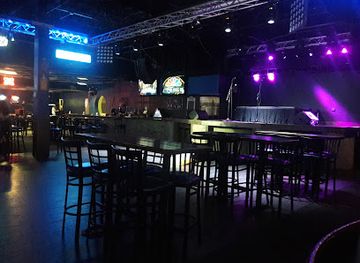
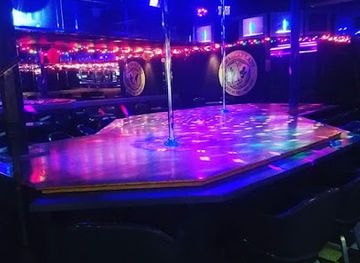
Evansville’s evening scene is centred more on neighbourhood bars, breweries, live music and theatre than on a large club circuit. Franklin Street is associated with casual bars, restaurants and a social atmosphere, while Haynie’s Corner brings smaller independent venues and periodic community events around its historic residential setting. Downtown offers drinks near the riverfront and opportunities to combine an evening out with a performance at the Victory Theatre or another cultural venue. Bosse Field and local event spaces can add seasonal entertainment, particularly when sport, concerts or festivals are scheduled. The city’s nightlife is relatively modest and spread across distinct areas, so checking current venue and performance listings is useful. As elsewhere in Indiana, alcohol service and entry are subject to venue rules and legal identification requirements.
-
Grill
Bar Louie - Evansville
Experience the vibrant atmosphere and delicious American cuisine at Bar Louie in Evansville, a must-visit for food and cocktail lovers.
30 min drive · 9.9 km from city centre
-
Grill
Bokeh Lounge
Discover the vibrant atmosphere of Bokeh Lounge, where delicious grilled dishes meet live music in Evansville's Riverside neighborhood.
14 min walk · 1.1 km from city centre
-
Night club
KC's Time Out Lounge and Grill
Discover the lively nightlife at KC's Time Out Lounge and Grill, where great food, karaoke, and fun await in Evansville.
21 min drive · 7.1 km from city centre
-
Night club
The Lucky Lady Lounge
Discover the vibrant nightlife at The Lucky Lady Lounge, a top night club in Evansville offering exciting entertainment and a lively atmosphere.
18 min walk · 1.4 km from city centre
Best shops in Evansville
Shopping in Evansville combines practical regional retail with independent businesses in older neighbourhoods and the central districts. Downtown and Haynie’s Corner are the most atmospheric areas for boutiques, galleries, gifts, vintage goods and locally made items, although individual businesses and opening patterns change over time. Franklin Street adds small retailers, food-and-drink stops and a neighbourhood feel, while larger commercial centres and shopping corridors outside the historic core provide everyday goods and national chains. Visitors interested in local character can look for Indiana food products, small-batch beverages, art, handmade items and Ohio River-region souvenirs rather than generic merchandise. Farmers’ markets and seasonal community events may offer produce, baked goods and crafts when operating. Shopping is best understood as part of Evansville’s local districts and social life, not as a single concentrated luxury or department-store quarter.
-
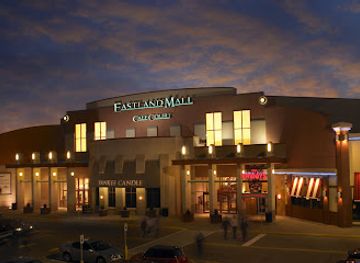
Shopping mall
Eastland Mall
Explore Eastland Mall in Evansville, Indiana - a shopping haven with diverse stores, delightful eateries, and entertainment options for everyone.
20 min drive · 6.8 km from city centre
-
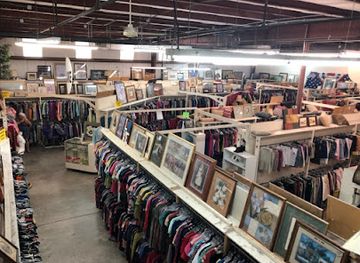
Consignment shop
World Wide Missions Consignment Store
Explore the World Wide Missions Consignment Store for a unique shopping experience featuring sustainable fashion and great deals on clothing for all ages.
19 min drive · 6.4 km from city centre
-
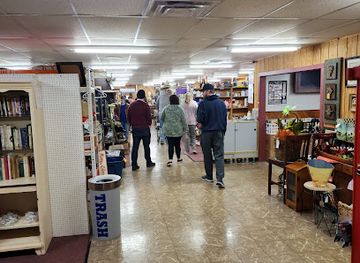
Flea market
His N Hers Flea Market
Experience the eclectic charm of His N Hers Flea Market in Evansville, Indiana, where antiques, collectibles, and vintage finds await every treasure hunter.
10 min drive · 3.3 km from city centre
-
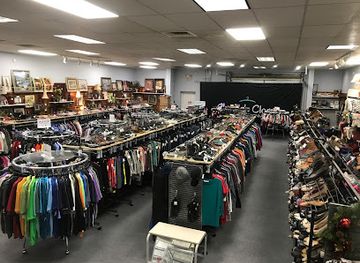
Consignment shop
Camilla’s Closet
Explore Camilla’s Closet, Evansville's beloved consignment shop for unique clothing and jewelry treasures that celebrate style and sustainability.
21 min drive · 7.0 km from city centre
Get your free copy of our complete guide to Evansville, delivered straight to you.
Everything on this page, from attractions and restaurants to essentials and local phrases, in one PDF you can read offline, print or share.
Already have an account? Sign in
Your Evansville guide is ready.
We'll send it to · Not you? Sign out

Getting your guide ready…
We are putting together a fresh copy of the Evansville guide. This can take up to a minute.
This can take a few moments. If your browser asks, choose Allow so the download can start. You'll find the guide in your Downloads folder.
Nothing happened? Download it again
Sorry, the guide is taking longer than usual. Please try again in a minute, or get it by email instead.
Evansville essentials
Currency and Payment
Safety
Emergency Situations
Do's and Don'ts
Local Tips
From Eve
Local phrases worth knowing
You don't need to get them perfect. A few words go a long way, and locals appreciate the effort.
Basics
| English | Local | Say it |
|---|---|---|
| Hello | Howdy | [haw-dee] |
| Goodbye | See ya | [see yuh] |
| Yes | Yep | [yep] |
| No | Nah | [nuh] |
| Please/You're welcome | Please/No problem | [pleez/no prob-lem] |
| Thank you | Thanks | [thanks] |
| Excuse me/Sorry | Pardon me/My bad | [par-dn me/my bad] |
| How are you? | How ya doin'? | [how yuh doin] |
| Fine. And you? | Good. You? | [good. yuh] |
| Do you speak English? | Ya speak English? | [ya speak ing-lish] |
| I don't understand | I ain't gettin' it | [I aint get-tin it] |
Eating & Drinking
| English | Local | Say it |
|---|---|---|
| I'd like to see the menu, please | Can I see the menu? | [ken I see the menu] |
| I don't eat meat | I don't eat meat | [I don't eat meat] |
| Cheers! | Cheers! | [cheers] |
| I would like to pay, please | Can I pay now? | [ken I pay now] |
Emergencies
| English | Local | Say it |
|---|---|---|
| Help! | Help! | [help] |
| Go away! | Get outta here! | [get out-uh here] |
| Call the Police! | Call the cops! | [call the cops] |
| Call a doctor! | Get a doc! | [get a doc] |
| I'm lost | I'm lost | [I'm lost] |
| I'm ill | I'm sick | [I'm sick] |
Shopping
| English | Local | Say it |
|---|---|---|
| I'd like to buy... | I wanna buy... | [I wanna buy] |
| I'm just looking | Just lookin' | [just look-in] |
| How much is it? | How much? | [how much] |
| That's too expensive | That's pricey | [thats pry-see] |
| Can you lower the price? | Can ya drop it? | [can ya drop it] |
Time & Numbers
| English | Local | Say it |
|---|---|---|
| What time is it? | What time is it? | [what time is it] |
| It's one o'clock | It's one | [its one] |
| Half past (10) | Half past ten | [half past ten] |
| Morning | Morning | [mor-ning] |
| Afternoon | Afternoon | [af-ter-noon] |
| Evening | Evening | [ee-ven-ing] |
| Yesterday | Yesterday | [yes-ter-day] |
| Today | Today | [to-day] |
| Tomorrow | Tomorrow | [to-mor-row] |
| 1 | One | [wun] |
| 2 | Two | [too] |
| 3 | Three | [three] |
| 4 | Four | [four] |
| 5 | Five | [five] |
| 6 | Six | [six] |
| 7 | Seven | [seven] |
| 8 | Eight | [eight] |
| 9 | Nine | [nine] |
| 10 | Ten | [ten] |
Transport & Directions
| English | Local | Say it |
|---|---|---|
| Where's a/the...? | Where's the...? | [wheres the] |
| What's the address? | What's the address? | [whats the address] |
| Can you show me (on the map)? | Can you show me (on the map)? | [can you show me on the map] |
| When's the next (bus)? | When's the next (bus)? | [whens the next bus] |
| A ticket (to ....) | A ticket (to ....) | [a ticket to] |
History of Evansville
Mississippian Communities at Angel Mounds
Long before the modern city was established, the Ohio River valley around present-day Evansville supported complex Indigenous societies. Angel Mounds, on the city’s southeastern edge, was a substantial Mississippian-period settlement occupied approximately between AD 1000 and 1450. Its residents built earthen platform mounds, maintained a planned community and participated in regional exchange networks. The site’s position near the river and productive bottomlands helped sustain agriculture and settlement, while the surviving earthworks reveal a highly organised society rather than an isolated village. Today Angel Mounds State Historic Site preserves this archaeological landscape and provides essential context for understanding the Indigenous history of southwestern Indiana.
Settlement on the Ohio River
The modern city emerged in the early nineteenth century as settlers and entrepreneurs developed the Ohio River frontage. Evansville was founded in 1812 by Hugh McGary and named for Colonel Robert M. Evans; its river location connected the settlement with the wider Ohio and Mississippi systems. State incorporation followed in 1817, and Evansville’s fortunes became closely tied to steamboat traffic, agriculture and commerce. Warehouses, workshops and commercial buildings grew around the landing, while the surrounding countryside supplied grain, livestock and other products. The river was both an economic route and a defining physical presence, shaping the city’s street pattern and regional importance.
Trade, Industry and Civic Growth
During the nineteenth century, Evansville expanded as a commercial and industrial centre for southwestern Indiana and neighbouring parts of Kentucky and Illinois. River trade was joined by rail connections, manufacturing and boatbuilding, encouraging population growth and the construction of substantial homes, shops and public buildings. The city became an important centre for furniture, machinery and other industries, while education, religious institutions and civic organisations developed alongside business. Many historic buildings and residential streets visible today date from this period of expansion or from the early twentieth century, when Evansville’s prosperity supported increasingly ambitious public architecture and cultural institutions.
War Production and the LST Legacy
Evansville played a major industrial role during the Second World War. Local factories produced military equipment, including landing ship tanks, or LSTs, vessels designed to carry troops, vehicles and supplies directly onto shore. The city’s manufacturing effort drew workers from across the region and transformed its industrial capacity, while wartime production brought women and previously under-represented workers into new roles. USS LST-325, now preserved on the Evansville riverfront, is a tangible reminder of this chapter. Built in 1942 and later brought to Evansville, the ship connects the city’s industrial history with the broader Allied campaign and the logistics of amphibious warfare.
Post-war Change and Urban Renewal
After 1945, Evansville experienced the same broad changes affecting many American industrial cities: manufacturing employment evolved, suburban development expanded and river-oriented commercial patterns weakened. Automobile travel altered the relationship between neighbourhoods and the central business district, while older buildings faced periods of decline. At the same time, local institutions preserved important parts of the city’s heritage. Bosse Field, opened in 1915, remained a distinctive sporting landmark, and the Victory Theatre continued to anchor the performing arts. Historic preservation, downtown revitalisation and investment in the riverfront have since helped reconnect civic life with Evansville’s architectural and industrial past.
A Contemporary Regional Centre
Modern Evansville remains a regional centre for healthcare, education, manufacturing, retail and culture in southwestern Indiana. The University of Evansville and the University of Southern Indiana contribute to the area’s educational and artistic life, while museums, performance venues and neighbourhood organisations maintain a varied civic calendar. The city’s identity now combines its Ohio River setting, industrial inheritance and archaeological significance with contemporary dining, arts programming and community events. Rather than being defined solely by its manufacturing past, Evansville presents that history alongside renewed public spaces, preserved neighbourhoods and institutions that interpret the region for new generations.
Evansville in Photos
Browse through our photo collection highlighting the charm and character of the destination.
Cities near Evansville
The closest cities to Evansville, if you have time for more than one stop.
-

-

-

-

-


Swipe for more cities
Explore more

Explore more of Indiana
Explore Indiana: From the bustling streets of Indianapolis to the serene beauty of Indiana Dunes, discover the diverse experiences that make Indiana the Crossroads of America.
Explore Indiana