

Free Tafilalt Travel Guide & Mobile App
Explore Tafilalt with free travel guides. Discover regional history, expert tips, proposed trips, and audio guides on web or mobile app.


Explore Tafilalt’s palm-filled oases, adobe ksour, Sijilmasa ruins and desert landscapes around Erfoud and Rissani in south-eastern Morocco.
Read more about Tafilalt
When is the best time to visit Tafilalt?
Best: March–April, November · 20–27°C| Month | High (°C) | Rainfall (mm) |
|---|---|---|
| January | 15 | 5 |
| February | 18 | 6 |
| March (best) | 22 | 7 |
| April (best) | 27 | 8 |
| May | 34 | 4 |
| June | 40 | 1 |
| July | 44 | 1 |
| August | 43 | 1 |
| September | 39 | 2 |
| October | 31 | 3 |
| November (best) | 20 | 5 |
| December | 15 | 6 |
Getting to and around Tafilalt
How to get there
Transportation
Top city travel guides in Tafilalt
The cities of Tafilalt, and the easiest places to base yourself.
-

-


Swipe for more cities
Destinations in Tafilalt
Resorts, valleys and scenic spots worth a trip of their own.
-

-

-

-

-


Swipe for more destinations
Best attractions in Tafilalt
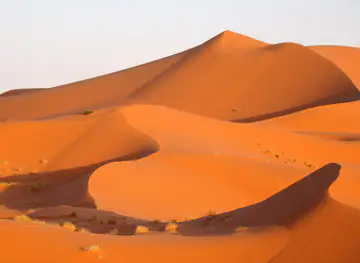
Tafilalt’s attractions are shaped by the meeting of oasis agriculture, desert geology and caravan history. Around Rissani, the ruins of Sijilmasa introduce the region’s medieval role in trans-Saharan commerce, while the Mausoleum of Moulay Ali Cherif connects the oasis with the origins of Morocco’s Alaouite dynasty. The market at Rissani offers a living view of exchange and rural supply rather than a staged heritage display. Erfoud provides access to date-palm groves, fossil workshops and routes into the Ziz landscape. Further north, the valley and reservoir near Er-Rachidia, outside the historic core of Tafilalt, show how water has influenced settlement and travel. The nearby dunes of Erg Chebbi around Merzouga are commonly combined with an oasis itinerary, although they lie beyond Tafilalt’s central historic area. Visitors can also explore ksour, adobe villages, cultivated gardens and desert plateaux, usually with a guide or organised transfer where tracks and private land make independent access uncertain. The strongest experiences come from reading the landscape: shaded palm agriculture, fortified settlement, exposed geological formations and the long routes that once carried caravans across the Sahara.
-
Historical landmark
Lahdim Square
Explore the vibrant Lahdim Square in Meknès, a historic landmark that embodies the rich culture and lively spirit of Morocco.
-
Tourist attraction
Place Al-Mouahidine
Explore Place Al-Mouahidine, the vibrant plaza in Ouarzazate, where culture, cuisine, and local charm come together in a lively atmosphere.
-
Marina
IMINTOURGA
Explore the captivating IMINTOURGA Marina in Mirleft, where stunning views and rich Moroccan culture await you.
-
ATV rental service
Merzouga Desert
Discover the stunning dunes and rich culture of Merzouga Desert in Morocco, an unforgettable destination for adventure and tranquility.


Best landmarks in Tafilalt
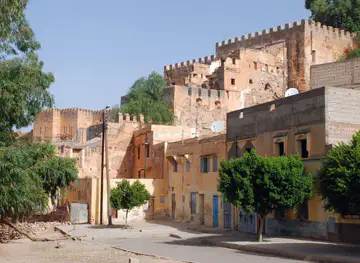
The most important historic landmark in Tafilalt is the archaeological site of Sijilmasa near Rissani. Its surviving earthen remains mark the location of a medieval city that once controlled a crucial northern gateway to trans-Saharan trade. The site is best understood as a broad archaeological landscape rather than a fully restored monument. In Rissani, the Mausoleum of Moulay Ali Cherif is associated with the founder of the Alaouite dynasty and gives the oasis national historical significance; access to religious interiors is subject to local custom and permission. The adobe ksour around the oasis are landmarks of a different kind, with fortified walls, gateways and narrow shaded lanes showing how architecture responded to security, heat and scarce water. Erfoud’s date-palm belt forms a defining living landscape, while the Ziz valley and its steep-sided approaches provide a geographical counterpoint to the flat desert hamada. The dunes of Erg Chebbi near Merzouga are among the region’s most recognisable nearby natural features, but they should be described as an adjoining desert destination rather than as part of the historic Tafilalt oasis itself.
-
Cultural landmark
Jemaa el-Fnaa
Experience the vibrant heart of Marrakesh at Jemaa el-Fnaa, where culture, cuisine, and captivating performances come together in a bustling marketplace.
-
Tourist attraction
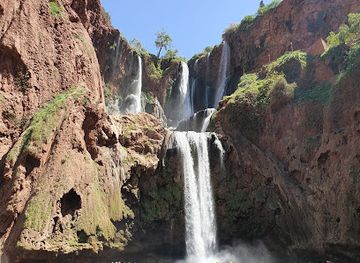
Ouzoud Waterfalls
Explore Ouzoud Waterfalls, a breathtaking natural wonder in Morocco, where cascading waters meet vibrant landscapes and endless adventure awaits.
-
Historical landmark
Bahia Palace
Discover the enchanting Bahia Palace in Marrakesh, a historical landmark showcasing exquisite Moroccan architecture and lush gardens.
-
Historical landmark
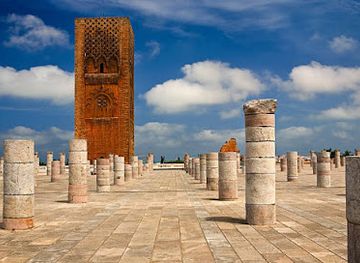
Hassan Tower
Explore the grandeur of Hassan Tower, a remarkable historical landmark in Rabat, showcasing Morocco's rich architectural heritage and cultural significance.


Explore Tafilalt on the map
Plan your trip on one map. See where the top cities, national parks and sights are, and book hotels and experiences in a few clicks.
Best hotels in Tafilalt
Best restaurants in Tafilalt
Food in Tafilalt is closely connected with oasis agriculture, market life and the wider culinary traditions of south-eastern Morocco. Dates are the signature local product, appearing as a snack, gift and ingredient, with the harvest giving the palm groves an important seasonal rhythm. Restaurants, riads and family-run eateries commonly serve tagines, couscous, harira, salads, breads and Moroccan mint tea, while slow-cooked meat dishes and seasonal vegetables reflect the supplies available in the oasis and surrounding settlements. Rissani is known for its market-centred food culture, where visitors may encounter local specialities such as medfouna, a filled bread associated with the desert towns of the south-east. Erfoud offers the broadest choice of cafés and hotel dining, while smaller ksour and rural stops have fewer options and may require advance arrangements. In desert camps and guesthouses near Erg Chebbi, meals are generally organised as part of the stay. Vegetarian visitors can usually find vegetable tagines and couscous, but it is sensible to explain dietary restrictions clearly.
-
Moroccan
Café Restaurant Terrasse Jardin Farkla
Experience authentic Moroccan flavors in a charming garden setting at Café Restaurant Terrasse Jardin Farkla in Tinejdad.
-
Restaurant
Restaurant Barka Tizi
Experience authentic Moroccan cuisine at Restaurant Barka Tizi – where every dish tells a story.
-
Restaurant
Café Restaurant Tagudalt
Discover the flavors of Morocco at Café Restaurant Tagudalt – where tradition meets taste in a cozy atmosphere.
-
Restaurant
Café restaurant tafraout toufliht
Discover authentic Moroccan flavors at Café Restaurant Tafraout Toufliht near Marrakech, where stunning views meet delightful cuisine.


Best bars in Tafilalt
Tafilalt does not have a major nightclub scene. Evening life is centred on cafés, hotel restaurants, traditional guesthouses and the social atmosphere of market towns, with Erfoud offering the widest choice of places to sit over mint tea or a meal. Rissani is quieter and more closely tied to family, religious and market rhythms than to late-night entertainment. Some larger hotels may serve alcoholic drinks in designated areas, but alcohol is not central to local public life and availability varies considerably. Near Erg Chebbi, desert camps create evening programmes around dinner, conversation, music and stargazing rather than conventional clubs. In rural areas, services may close early and distances between settlements make walking home impractical, so arrange transport in advance. During religious periods such as Ramadan, daytime eating and evening schedules can change, and visitors should follow the atmosphere of the place they are visiting.
-
Moroccan
Café Restaurant Terrasse Jardin Farkla
Experience authentic Moroccan cuisine amidst tranquil gardens at Café Restaurant Terrasse Jardin Farkla in Tinejdad, a culinary gem for every traveler.
-
Pub
O’Mulligan Resto Pub
Experience the vibrant nightlife and diverse culinary delights at O'Mulligan Resto Pub in the heart of Marrakech.
-
Bar
Chesterfield Pub
Experience the unique charm of Chesterfield Pub in Marrakech, where vibrant atmosphere meets refreshing drinks in a cozy setting.
-
Pub
Bar CasArt
Discover the vibrant atmosphere of Bar CasArt, a favorite pub in Casablanca offering local drinks and a friendly vibe.


Best nightclubs in Tafilalt
Tafilalt does not have a major nightclub scene. Evening life is centred on cafés, hotel restaurants, traditional guesthouses and the social atmosphere of market towns, with Erfoud offering the widest choice of places to sit over mint tea or a meal. Rissani is quieter and more closely tied to family, religious and market rhythms than to late-night entertainment. Some larger hotels may serve alcoholic drinks in designated areas, but alcohol is not central to local public life and availability varies considerably. Near Erg Chebbi, desert camps create evening programmes around dinner, conversation, music and stargazing rather than conventional clubs. In rural areas, services may close early and distances between settlements make walking home impractical, so arrange transport in advance. During religious periods such as Ramadan, daytime eating and evening schedules can change, and visitors should follow the atmosphere of the place they are visiting.
-
Night club
BABOUCHKA
Discover the exhilarating nightlife at Babouchka in Marrakech, where vibrant music and exquisite ambiance combine for an unforgettable evening.
-
Disco club
Yellow CLUB
Immerse yourself in the vibrant nightlife of Casablanca at Yellow CLUB, where music, dance, and cocktails create an unforgettable experience.
-
Night club
555 Famous Club Marrakech
Join the vibrant nightlife at 555 Famous Club Marrakech – where music, dance, and unforgettable moments await!
-
Night club
Stage Night Club Marrakech
Discover the vibrant nightlife of Marrakech at Stage Night Club, where electrifying music and a lively atmosphere await every night.


Best shops in Tafilalt
Shopping in Tafilalt is strongest in the market towns rather than in formal retail centres. Rissani’s souk is the most atmospheric place to look for dates, spices, household goods, textiles and everyday provisions, while Erfoud has shops and workshops selling fossil pieces, carved stone and objects made from locally sourced geological material. Buyers should distinguish legally sold, prepared specimens from archaeological artefacts and ask about transport or export requirements before purchasing substantial pieces. Dates are the region’s most characteristic food souvenir, although packaging and quality vary by seller. Small shops and cooperatives may also offer woven goods, leather items, baskets and desert clothing, with the selection changing according to season and location. Bargaining is common in markets but not universal, so ask the price politely and accept that some fixed-price businesses operate alongside traditional stalls. Visitors travelling onwards to Erg Chebbi may find souvenirs aimed at desert tourism, but the most locally grounded purchases are food products, craftwork and carefully documented fossils from established sellers.
-
Shopping mall
Centre Commercial Tafilalt
Explore Tangier's Centre Commercial Tafilalt: A Shopping Paradise with Local Flair and Modern Amenities.
-
Gift shop
Latifshop Moroccan Artisanat & déco
Explore Latifshop Moroccan Artisanat & Déco, a gem in Marrakesh's Medina offering exquisite handicrafts and gifts reflecting Moroccan artistry.
-
Gift shop
Fashion STORE
Explore the vibrant Fashion Store in Ville de Deroua for unique gifts, handcrafted treasures, and a taste of local Moroccan culture.
-
Jewelry store
MAISON TAFILALET
Explore exquisite handcrafted jewelry that embodies the rich cultural heritage of Morocco at MAISON TAFILALET in Rissani.


Get your free copy of our complete guide to Tafilalt, delivered straight to you.
Everything on this page, from attractions and restaurants to essentials and local phrases, in one PDF you can read offline, print or share.
Already have an account? Sign in
Your Tafilalt guide is ready.
We'll send it to · Not you? Sign out

Getting your guide ready…
We are putting together a fresh copy of the Tafilalt guide. This can take up to a minute.
This can take a few moments. If your browser asks, choose Allow so the download can start. You'll find the guide in your Downloads folder.
Nothing happened? Download it again
Sorry, the guide is taking longer than usual. Please try again in a minute, or get it by email instead.
Tafilalt essentials
Currency and Payment
Safety
Emergency Situations
Do's and Don'ts
Local Tips
From Eve
Local phrases worth knowing
You don't need to get them perfect. A few words go a long way, and locals appreciate the effort.
Basics
| English | Local | Say it |
|---|---|---|
| Hello | سلام | [salaam] |
| Goodbye | إلى اللقاء | [ila al-liqaa] |
| Yes | نعم | [na'am] |
| No | لا | [laa] |
| Please/You're welcome | من فضلك | [min fadlik] |
| Thank you | شكرا | [shukran] |
| Excuse me/Sorry | عذرًا | [udhuran] |
| How are you? | كيف حالك؟ | [kayfa halak?] |
| Fine. And you? | بخير، وأنت؟ | [bikhayr, wa anta?] |
| Do you speak English? | هل تتحدث الإنجليزية؟ | [hal tatahadath al-ingliziyya?] |
| I don't understand | لا أفهم | [laa afham] |
Eating & Drinking
| English | Local | Say it |
|---|---|---|
| I'd like to see the menu, please | أود رؤية القائمة، من فضلك | [awad ru'yat al-qa'ima, min fadlik] |
| I don't eat meat | لا أتناول اللحم | [laa atanaawal al-lahm] |
| Cheers! | في صحتك! | [fi sihatak!] |
| I would like to pay, please | أود الدفع، من فضلك | [awad al-daf', min fadlik] |
Emergencies
| English | Local | Say it |
|---|---|---|
| Help! | نجدة! | [najda!] |
| Go away! | ابتعد! | [ibta'id!] |
| Call the Police! | اتصل بالشرطة! | [ittasil bil-shurta!] |
| Call a doctor! | اتصل بالطبيب! | [ittasil bil-tabeeb!] |
| I'm lost | أنا ضائع | [ana da'i'] |
| I'm ill | أنا مريض | [ana marid] |
Shopping
| English | Local | Say it |
|---|---|---|
| I'd like to buy... | أود شراء... | [awad shir'a...] |
| I'm just looking | أنا فقط أنظر | [ana faqat anzur] |
| How much is it? | كم ثمنه؟ | [kam thamanuh?] |
| That's too expensive | هذا مكلف جدًا | [hatha mukallaf jiddan] |
| Can you lower the price? | هل يمكنك تخفيض السعر؟ | [hal yumkinuka takhfid al-si'r?] |
Time & Numbers
| English | Local | Say it |
|---|---|---|
| What time is it? | كم الساعة؟ | [kam al-saa'a?] |
| It's one o'clock | الساعة واحدة | [al-saa'a waahida] |
| Half past (10) | نصف (10) | [nisf (10)] |
| Morning | صباح | [sabah] |
| Afternoon | بعد الظهر | [ba'd al-dhuhr] |
| Evening | مساء | [masaa] |
| Yesterday | أمس | [ams] |
| Today | اليوم | [al-yawm] |
| Tomorrow | غدًا | [ghadan] |
| 1 | 1 | [1] |
| 2 | 2 | [2] |
| 3 | 3 | [3] |
| 4 | 4 | [4] |
| 5 | 5 | [5] |
| 6 | 6 | [6] |
| 7 | 7 | [7] |
| 8 | 8 | [8] |
| 9 | 9 | [9] |
| 10 | 10 | [10] |
Transport & Directions
| English | Local | Say it |
|---|---|---|
| Where's a/the...? | أين هو...؟ | [ayn huwa...?] |
| What's the address? | ما هو العنوان؟ | [ma huwa al-'unwan?] |
| Can you show me (on the map)? | هل يمكنك أن تريني (على الخريطة)؟ | [hal yumkinuka an turini (ala al-kharita)?] |
| When's the next (bus)? | متى يأتي (الباص) التالي؟ | [mata ya'ti (al-bas) al-tali?] |
| A ticket (to ....) | تذكرة (إلى ....) | [tadhkira (ila ....)] |
History of Tafilalt
Early Oasis Settlement and Desert Exchange
The Ziz basin has supported settlement for centuries because its river, seasonal floods and groundwater made intensive oasis agriculture possible in an otherwise arid environment. Palm groves, grain plots and small irrigation channels developed alongside communities adapted to movement across the desert margins. Archaeological evidence from the wider region indicates long-standing human activity, while ancient routes linked the northern Maghreb with Saharan communities and territories farther south. Tafilalt’s later importance was built on this combination of cultivable land, strategic water and access to trans-Saharan travel.
The Foundation of Sijilmasa, Eighth Century
Sijilmasa was established in the mid-eighth century near present-day Rissani, traditionally dated to around 757 or 758. Founded by the Midrarid polity, it became a major town on the northern edge of the Sahara and an important centre of Ibadi Islam before later dynastic changes. Its location allowed merchants to organise caravans carrying goods between Morocco and the Sahel. The surviving ruins are now an archaeological landscape rather than a functioning city, but they explain why Tafilalt became one of Morocco’s most significant historic oasis regions.
Sijilmasa and the Trans-Saharan Trade
For several centuries, Sijilmasa prospered through caravan commerce. Gold, salt, textiles, metals and other goods moved through routes linking the Maghreb with markets in the western Sahel, although the organisation and volume of trade changed over time. The city’s prosperity supported urban institutions, craft production and distinctive earthen architecture. Political competition, changing commercial routes and the increasing importance of Atlantic and coastal trade eventually reduced Sijilmasa’s prominence. The ruins near Rissani remain the clearest physical reminder of Tafilalt’s medieval international connections.
The Alaouite Origins in Tafilalt
Tafilalt holds a central place in the history of Morocco’s Alaouite dynasty. Moulay Ali Cherif, regarded as the dynasty’s founder, established his authority in the oasis during the seventeenth century. His mausoleum at Rissani is associated with this foundational history and is an important place of local religious memory. The Alaouites gradually extended their control across Morocco, and their dynasty remains the country’s ruling house. Tafilalt’s importance here is not merely genealogical: the oasis supplied a strategic base from which political influence could develop across the south-east.
Oasis Agriculture and Irrigation
Tafilalt’s agricultural life has always depended on managing scarce and variable water. Date palms form the upper storey of the oasis, creating shade for fruit trees, cereals, vegetables and other crops below. Traditional channels and communal arrangements distributed water through cultivated plots, while later infrastructure altered parts of the Ziz basin. The systems have faced pressure from drought, falling groundwater and changing agricultural practices. Even so, the palm groves around Erfoud and Rissani remain a visible expression of how settled communities have made productive land in the desert.
French Protectorate and Changing Routes
During the French Protectorate, which began in 1912, south-eastern Morocco was incorporated into a new political and administrative framework through military, road-building and communications projects. Control of oasis routes and frontier zones was strategically important, and roads gradually changed the relationship between Tafilalt and northern Moroccan centres. The period brought major disruption as well as new infrastructure, while local authority, tribal organisation and religious institutions continued to influence daily life. Modern transport later reduced the dependence on caravan routes that had shaped the region for centuries.
Modern Tafilalt: Dates, Fossils and Desert Tourism
Contemporary Tafilalt combines established oasis agriculture with activities developed for national and international visitors. Dates remain a defining product, while Erfoud’s fossil workshops draw on scientifically important Devonian-era material found in the surrounding desert and nearby geological formations. Tourism has expanded around desert excursions, ksour, archaeological remains and the dunes near Merzouga, which are commonly approached from the Tafilalt area. These sectors bring income but also create pressures involving water use, landscape conservation, fossil extraction and the protection of historic earthen settlements.
Tafilalt in Photos
Browse through our photo collection highlighting the charm and character of the destination.
Neighbouring regions of Tafilalt
The closest regions to Tafilalt, if you have time for more than one.
-
-
-

-

-


Swipe for more regions
Explore more

Explore more of Morocco
Discover Morocco: A land of rich history, vibrant culture, and stunning landscapes, where ancient traditions meet modern allure.
Explore Morocco