

Free Golden Triangle Travel Guide & Mobile App
Explore Golden Triangle with free travel guides. Discover regional history, expert tips, proposed trips, and audio guides on web or mobile app.


Explore Myanmar’s Golden Triangle through Shan hill culture, Kengtung heritage and borderland landscapes, with careful attention to current travel conditions.
Read more about Golden Triangle
When is the best time to visit Golden Triangle?
Best: December–February · 23–25°C| Month | High (°C) | Rainfall (mm) |
|---|---|---|
| January (best) | 23 | 10 |
| February (best) | 25 | 20 |
| March | 30 | 40 |
| April | 33 | 80 |
| May | 34 | 200 |
| June | 31 | 300 |
| July | 30 | 400 |
| August | 30 | 400 |
| September | 31 | 300 |
| October | 29 | 200 |
| November | 26 | 80 |
| December (best) | 23 | 20 |
Getting to and around Golden Triangle
How to get there
Transportation
Top city travel guides in Golden Triangle
The cities of Golden Triangle, and the easiest places to base yourself.
-

-

-

-

-

-


Swipe for more cities
Destinations in Golden Triangle
Resorts, valleys and scenic spots worth a trip of their own.
-
-

-


Swipe for more destinations
Best attractions in Golden Triangle
The attractions of Myanmar’s Golden Triangle are primarily cultural, historical and landscape-based rather than built for mass tourism. Kengtung’s monasteries, market streets and surviving traditional buildings provide the most accessible introduction to eastern Shan life, while Tachileik offers a busier view of cross-border commerce and urban change. Around Kengtung, upland scenery, cultivated valleys and the cooler hill station of Loi Mwe can be significant draws when access is permitted and roads are suitable. Markets are valuable for observing regional produce, textiles and household trade, but visitors should behave discreetly and ask before taking photographs. Rural excursions to Akha, Lahu, Wa or other communities require particular care, since access may be restricted and communities should not be treated as displays for tourists. The wider border landscape is historically important for understanding trade, migration and the opium economy, but remote areas may be affected by armed conflict, unexploded ordnance or illicit activity. The Thai Golden Triangle park and viewpoint at Sop Ruak are nearby across an international border, not attractions within Myanmar, and should not be folded into a Myanmar itinerary without checking crossing rules.
-
Tourist attraction
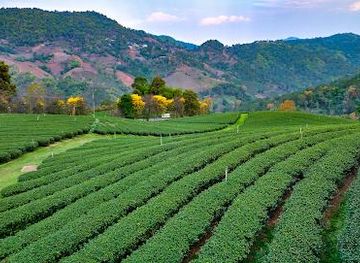
Tea Plantation 101 Doi Mae Salong
Discover the tranquil beauty and rich flavors of Tea Plantation 101 Doi Mae Salong in Chiang Rai, Thailand, a must-visit for tea lovers and nature enthusiasts.
-
Buddhist temple
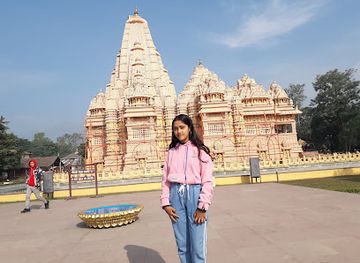
Myanmar Golden Temple
Discover the serene Myanmar Golden Temple in Lumbini, a stunning Buddhist site that embodies peace and rich cultural heritage.
-
National museum
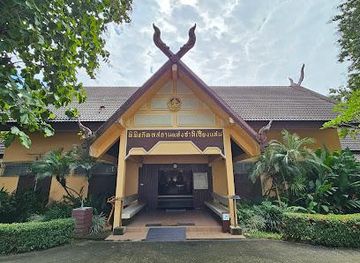
Chiang Saen National Museum
Explore Chiang Saen National Museum and uncover the fascinating history and culture of Northern Thailand through rich exhibits and artifacts.
-
Tea manufacturer
ไร่ชา 101 ดอยแม่สลอง (101 Tea Plantation Thailand)
Experience the lush landscapes and rich flavors of 101 Tea Plantation in Mae Fa Luang, Chiang Rai, a serene escape into Thailand's tea culture.

Best landmarks in Golden Triangle
Kengtung’s Buddhist monuments and historic urban fabric are the principal architectural landmarks on Myanmar’s side of the Golden Triangle. Maha Myat Muni Pagoda is an important religious site in the town, while Wat Zom Kham reflects the area’s Shan and Tai Buddhist connections. Naung Tung Lake, known locally as Naung Tung Lake, is a recognisable feature of Kengtung and forms a quieter counterpoint to the town’s market and commercial streets. Traditional monasteries, timber houses and older shopfronts reveal the town’s role as a former Shan principality and trading centre, although individual buildings may change or deteriorate. Loi Mwe’s hill-station landscape, including its cooler upland setting and surviving colonial-era associations, represents a different layer of the region’s history when travel there is allowed. The Mekong and Ruak rivers are fundamental geographical landmarks of the wider Golden Triangle, but the most commonly photographed confluence viewpoint at Sop Ruak lies in Thailand. Myanmar’s border landscapes should therefore be understood as part of a wider transnational geography, not represented through landmarks that belong to neighbouring countries.
-
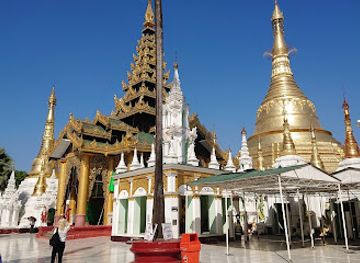
Pagoda
Shwedagon Pagoda
Explore the majestic Shwedagon Pagoda, Yangon’s iconic landmark, where spirituality meets stunning architecture amidst a vibrant cultural backdrop.
-
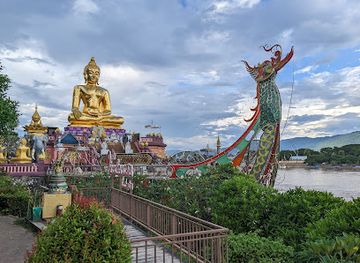
Tourist attraction
The Golden Triangle
Explore the Golden Triangle: A breathtaking blend of nature, culture, and history at the crossroads of Thailand, Laos, and Myanmar.
-
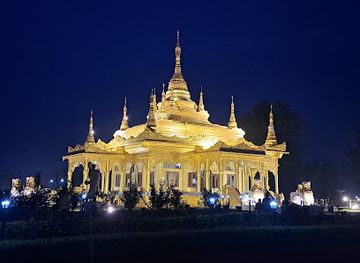
Buddhist temple
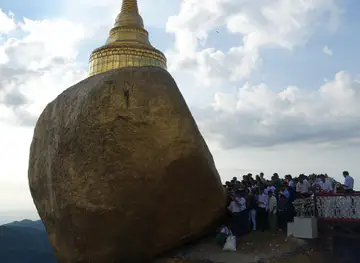
GOLDEN PAGODA
Explore the majestic Golden Pagoda in Arunachal Pradesh, a stunning Buddhist temple blending spirituality with breathtaking architecture amid nature's beauty.
-
Buddhist temple
Mahamuni Pagoda
Discover the spiritual heart of Mandalay at Mahamuni Pagoda, home to a revered golden Buddha and rich cultural traditions.

Explore Golden Triangle on the map
Plan your trip on one map. See where the top cities, national parks and sights are, and book hotels and experiences in a few clicks.
Best hotels in Golden Triangle
Best restaurants in Golden Triangle
Food in eastern Shan State reflects the region’s position between Myanmar, Thailand, Laos and China. Kengtung eateries commonly serve rice and noodle dishes, soups, grilled meats, fermented or pickled accompaniments, fresh herbs and tea, with flavours that differ from the richer dishes of central Myanmar. Shan culinary traditions are especially visible in rice preparations, noodles and vegetable-based side dishes, although recipes vary between households and communities. Tachileik’s restaurants and market stalls show stronger Thai and Chinese influence because of its busy cross-border setting, while Kengtung offers a more locally focused eating scene. Tea shops are useful places for breakfast, snacks and everyday observation, and markets provide seasonal fruit, vegetables and prepared foods when operating. Hygiene standards and refrigeration can vary, so choose busy establishments, drink treated or sealed water and eat food that is freshly cooked. Alcohol and imported products may be available in commercial areas, but local dining is better understood through ordinary cafés, market food and family-run restaurants than through a formal fine-dining scene.
-
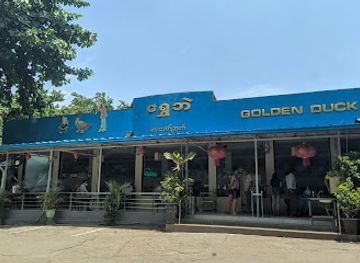
Restaurant
Golden Duck Restaurant
Experience authentic Myanmar cuisine at Golden Duck Restaurant in Yangon – where tradition meets flavor in a delightful setting.
-
Restaurant
Shan Yoe Yar Restaurant (Manaw Hari)
Discover authentic Shan cuisine at Shan Yoe Yar Restaurant in Yangon – a culinary gem showcasing Myanmar's rich flavors.
-
Chinese
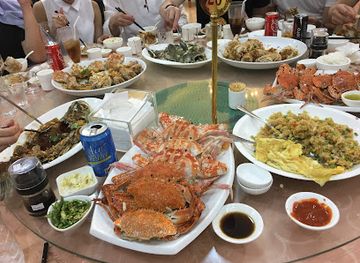
Golden Crab House Restaurant
Discover exquisite crab dishes at Yangon’s Golden Crab House Restaurant, where authentic Chinese cuisine meets a warm dining atmosphere.
-
French
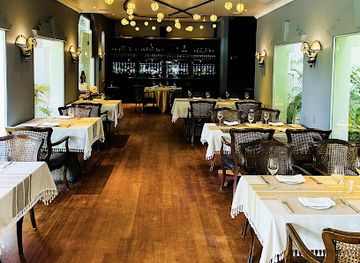
Le Planteur Restaurants & Lounge
Experience the elegance of French fine dining at Le Planteur in Yangon - where gourmet cuisine meets sophisticated ambiance.

Best bars in Golden Triangle
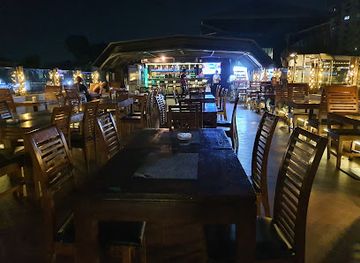
Nightlife in Myanmar’s Golden Triangle is modest and concentrated in Tachileik and Kengtung rather than organised around a major club district. In Tachileik, hotel lounges, karaoke venues, beer stations and restaurants reflect the town’s commercial links with Thailand, while Kengtung’s evenings are quieter and tend to centre on tea shops, hotel restaurants and informal local meeting places. Some venues may cater mainly to cross-border workers or local residents, and standards, opening arrangements and availability can change quickly. Visitors should avoid establishments associated with gambling, trafficking or illicit activity and should take particular care with alcohol because security and transport options become less dependable after dark. In rural areas, evening entertainment is generally community-based rather than visitor-oriented. There is no need to treat drinking as central to understanding the region; early starts are more useful for markets, religious sites and mountain travel when such excursions are authorised.
-
Restaurant
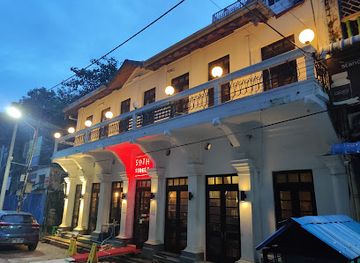
50th Street Restaurant & Bar
Experience the culinary delights of 50th Street Restaurant & Bar, where vibrant flavors and a lively atmosphere meet in the heart of Yangon.
-
Bar
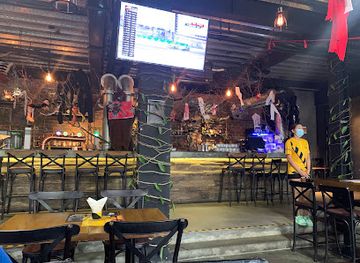
The Beer Factory Yangon
Discover Yangon’s vibrant nightlife at The Beer Factory, where local craft beers and a lively atmosphere create unforgettable experiences.
-
Bar
Vista Bar
Discover the vibrant nightlife of Yangon at Vista Bar, where refreshing cocktails and a lively atmosphere await every visitor.
-
Bar
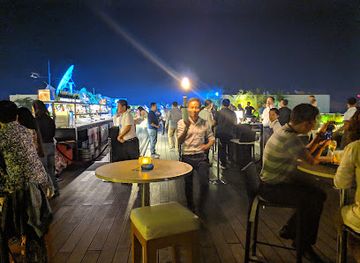
Atlas Rooftop Bar & Lounge
Discover the breathtaking views of Shwedagon Pagoda and indulge in exquisite drinks at Atlas Rooftop Bar & Lounge in Yangon.
Best nightclubs in Golden Triangle
Nightlife in Myanmar’s Golden Triangle is modest and concentrated in Tachileik and Kengtung rather than organised around a major club district. In Tachileik, hotel lounges, karaoke venues, beer stations and restaurants reflect the town’s commercial links with Thailand, while Kengtung’s evenings are quieter and tend to centre on tea shops, hotel restaurants and informal local meeting places. Some venues may cater mainly to cross-border workers or local residents, and standards, opening arrangements and availability can change quickly. Visitors should avoid establishments associated with gambling, trafficking or illicit activity and should take particular care with alcohol because security and transport options become less dependable after dark. In rural areas, evening entertainment is generally community-based rather than visitor-oriented. There is no need to treat drinking as central to understanding the region; early starts are more useful for markets, religious sites and mountain travel when such excursions are authorised.
-
Disco club
Pioneer
Experience the vibrant nightlife of Yangon at Pioneer, a premier disco club known for its energetic atmosphere and unforgettable dance parties.
-
Disco club
Emperor
Experience the vibrant nightlife of Yangon at Emperor, where music, dancing, and fun come together in an electrifying atmosphere.
-
Disco club
Club 5
Discover the electrifying nightlife of Yangon at Club 5, a premier disco club with vibrant music and a stylish atmosphere, perfect for unforgettable nights out.
-
Club
The Maze - Night Club
Experience the electric nightlife of Yangon at The Maze Night Club, where every night is a celebration of music, dance, and unforgettable moments.


Best shops in Golden Triangle
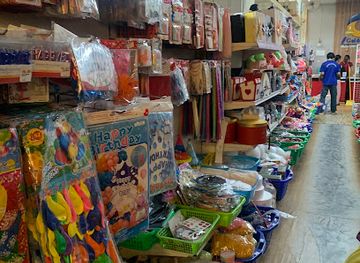
Shopping in Myanmar’s Golden Triangle is centred on markets, small-town high streets and cross-border commerce rather than large retail complexes. Tachileik has a more commercial atmosphere, with shops selling household goods, clothing, food products and imported items influenced by nearby Thailand. Kengtung’s markets are better for observing regional produce, Shan snacks, tea, woven textiles and ordinary household trade, although stock and opening arrangements vary. Handicrafts associated with Shan, Akha, Lahu and other communities can be meaningful purchases when sourced transparently and with fair payment, but visitors should avoid buying antiquities, wildlife products, narcotics or goods whose origin is unclear. Textiles and jewellery may carry cultural significance, so ask about appropriate use and photography before buying or documenting them. Carry kyat for smaller purchases, inspect goods carefully and do not assume that Thai baht or cards will be accepted away from the busiest border businesses. The most responsible souvenirs are contemporary products bought directly or through reputable community-linked sellers rather than objects removed from religious or archaeological sites.
-
Shopping mall
Sule Square
Explore Sule Square in Yangon for a vibrant shopping experience with luxury brands, local boutiques, and diverse dining options.
-
General store
HLA DAY
Explore Hla Day, a vibrant store in Yangon showcasing handcrafted goods and design innovations that celebrate Myanmar's rich cultural heritage.
-
Stationery wholesaler
Golden Tiger Stationery - KMD
Explore Golden Tiger Stationery in Yangon for a diverse selection of art supplies, office essentials, and creative crafting materials.
-
Souvenir store
Amazing Grace
Explore Amazing Grace in Yangon for unique Myanmar souvenirs, handcrafted with love and steeped in culture.



Get your free copy of our complete guide to Golden Triangle, delivered straight to you.
Everything on this page, from attractions and restaurants to essentials and local phrases, in one PDF you can read offline, print or share.
Already have an account? Sign in
Your Golden Triangle guide is ready.
We'll send it to · Not you? Sign out

Getting your guide ready…
We are putting together a fresh copy of the Golden Triangle guide. This can take up to a minute.
This can take a few moments. If your browser asks, choose Allow so the download can start. You'll find the guide in your Downloads folder.
Nothing happened? Download it again
Sorry, the guide is taking longer than usual. Please try again in a minute, or get it by email instead.
Golden Triangle essentials
Currency and Payment
Safety
Emergency Situations
Do's and Don'ts
Local Tips
From Eve
Local phrases worth knowing
You don't need to get them perfect. A few words go a long way, and locals appreciate the effort.
Basics
| English | Local | Say it |
|---|---|---|
| Hello | မင်္ဂလာပါ | [Mingalaba] |
| Goodbye | သွားတော့မယ် | [Thwa tar meh] |
| Yes | ဟုတ်ပါတယ် | [Hote par tal] |
| No | မဟုတ်ဘူး | [Ma hote bu] |
| Please/You're welcome | ကျေးဇူးပြုပါ | [Kyeizu pyu par] |
| Thank you | ကျေးဇူးအထူးတင်ပါတယ် | [Kyeizu a htu tin par tal] |
| Excuse me/Sorry | စိတ်မကောင်းပါ | [Sate ma kaung par] |
| How are you? | ခင်ဗျားဘေးကောင်းလား? | [Khin bya be kaung lar?] |
| Fine. And you? | ကောင်းပါတယ်။ သင်လည်းကောင်းလား? | [Kaung par tal. Thin le kaung lar?] |
| Do you speak English? | အင်္ဂလိပ်စကားပြောလား? | [English sa ka pyaw lar?] |
| I don't understand | နားမလည်ဘူး | [Nar ma le bu] |
Eating & Drinking
| English | Local | Say it |
|---|---|---|
| I'd like to see the menu, please | မင်္ဂလာပါ၊ မီနူးကိုကြည့်ချင်ပါတယ် | [Mingalaba, menu ko kya chin par tal] |
| I don't eat meat | အသားမစားပါဘူး | [A thar ma sa bu] |
| Cheers! | ကျန်းမာရေးအတွက်! | [Kyanma yay a twet!] |
| I would like to pay, please | ငွေပေးချင်ပါတယ် | [Nge pay chin par tal] |
Emergencies
| English | Local | Say it |
|---|---|---|
| Help! | ကူညီပါ! | [Ku nyi par!] |
| Go away! | သွားလိုက်ပါ! | [Thwa lite par!] |
| Call the Police! | ရဲတပ်ဖွဲ့ကိုခေါ်ပါ! | [Ye tat phwe ko khaw par!] |
| Call a doctor! | ဆရာဝန်ကိုခေါ်ပါ! | [Sayar wun ko khaw par!] |
| I'm lost | လမ်းလွဲနေပါသည် | [Lan lwe nay par thi] |
| I'm ill | နာကျင်နေပါသည် | [Na kyin nay par thi] |
Shopping
| English | Local | Say it |
|---|---|---|
| I'd like to buy... | ဝယ်ချင်ပါတယ်... | [Wai chin par tal...] |
| I'm just looking | လှည့်ကြည့်နေပါတယ် | [Hlye kya nay par tal] |
| How much is it? | ဘယ်လောက်လဲ? | [Be lauk leh?] |
| That's too expensive | အဲဒါတန်ဖိုးလွန်ပါတယ် | [Aye da tan phoe lon par tal] |
| Can you lower the price? | ဈေးကိုလျှော့ပေးလို့ရမလား? | [Zay ko lya pay lo ya ma lar?] |
Time & Numbers
| English | Local | Say it |
|---|---|---|
| What time is it? | အချိန်ဘယ်လောက်ရောက်ပြီလဲ? | [A hkyin be lauk yauk pyi leh?] |
| It's one o'clock | တစ်နာရီ | [Ta na yi] |
| Half past (10) | ဆယ်နာရီသုံးဝက် | [Hsae na yi thone wet] |
| Morning | မနက် | [Ma nak] |
| Afternoon | နေ့လည် | [Nay lyae] |
| Evening | ညနေ | [Nya nay] |
| Yesterday | မနေ့ | [Ma nay] |
| Today | ယနေ့ | [Ya nay] |
| Tomorrow | မနက်ဖြန် | [Ma nak phyan] |
| 1 | တစ် | [Ta] |
| 2 | နှစ် | [Hna] |
| 3 | သုံး | [Thone] |
| 4 | လေး | [Lay] |
| 5 | ငါး | [Ngar] |
| 6 | ခြောက် | [Hkyauk] |
| 7 | ခုနှစ် | [Khu hna] |
| 8 | ရှစ် | [Shit] |
| 9 | ကိုး | [Ko] |
| 10 | ဆယ် | [Hsae] |
Transport & Directions
| English | Local | Say it |
|---|---|---|
| Where's a/the...? | ဘယ်မှာ...ဖြစ်လဲ? | [Be hma...phit leh?] |
| What's the address? | လိပ်စာဘယ်လိုပါလဲ? | [Leip sa be lo par leh?] |
| Can you show me (on the map)? | မြေပုံပေါ်မှာပြပါ | [Myei pone paw hma pyaw par] |
| When's the next (bus)? | နောက် (ဘတ်စ်) ဘယ်အချိန်လဲ? | [Nauk (bus) be a hkyin leh?] |
| A ticket (to ....) | လက်မှတ် (သို့...) | [Let hmat (tho...)] |
History of Golden Triangle
Early Shan and Tai Borderland Networks
Eastern Shan State developed through a network of Tai-speaking principalities, valley settlements and mountain communities rather than as a single centralised kingdom. Kengtung, historically known as Chiang Tung, became an important centre in these networks, maintaining connections with northern Thailand, Laos and Yunnan as well as with the Burmese plains. Buddhist monasteries, local ruling families and market routes shaped the cultural landscape. Many present-day patterns of language, architecture, dress and food reflect this long history of movement across what are now international borders.
Kengtung and the Incorporation of Shan State
During the nineteenth century, the Kengtung polity balanced relationships with Burma, Siam and China. British expansion after the Anglo-Burmese wars brought much of Shan State into the orbit of British India, although local rulers retained varying degrees of authority. The 1890s saw the British establish control over Kengtung, incorporating it into the wider colonial administration while preserving elements of princely rule. Roads, administrative buildings and commercial links altered the region, but the uplands remained more loosely governed than the central Burmese heartland.
War, Occupation and Interrupted Trade
The eastern Shan borderlands were drawn into the upheavals of the Second World War. Chinese, British, Japanese and local forces operated across the wider region, disrupting established trade routes and political authority. After the war and Burma’s independence in 1948, the area again became strategically important because of its borders and difficult terrain. Conflict between the central government, Shan movements and other armed organisations reshaped travel, settlement and commerce across many parts of eastern Shan State.
The Opium Economy and the Golden Triangle
The phrase Golden Triangle became internationally associated with opium production in the mountainous borderlands of Myanmar, Thailand and Laos during the twentieth century. Opium cultivation was influenced by poverty, limited transport, warfare, displaced communities and the financing needs of armed groups; it was also connected to regional and international trafficking networks. The subject is historically important but should not be romanticised. Anti-narcotics campaigns, crop-substitution programmes and changing armed alliances have altered the economy, while illicit activity and limited governance remain significant concerns in some border areas.
Post-independence Border Politics
After independence, eastern Shan State remained one of Myanmar’s most politically complex regions. The Union government, Shan nationalist movements, local militias and other armed organisations competed for territory and influence. Ceasefires at different times reduced fighting in particular areas without producing uniform security across the region. The resulting patchwork of checkpoints, administrative systems and access rules helps explain why journeys that appear short on a map may be impractical or restricted for foreign visitors.
Contemporary Cross-border Commerce and Conflict
Tachileik and other border towns have been shaped by trade with Thailand, while Kengtung continues to serve as a regional commercial and administrative centre. At the same time, renewed conflict in Myanmar since 2021 has affected roads, communications, public services and border operations across Shan State. The modern Golden Triangle is therefore both a zone of economic exchange and a region of serious political and humanitarian complexity. Visitors should consult current information rather than relying on older guidebooks or assumptions based on the pre-conflict period.
Golden Triangle in Photos
Browse through our photo collection highlighting the charm and character of the destination.
Neighbouring regions of Golden Triangle
The closest regions to Golden Triangle, if you have time for more than one.
-

-

-

-

-


Swipe for more regions
Explore more

Explore more of Myanmar (Burma)
Discover Myanmar: A land of golden pagodas, ancient temples, and breathtaking natural beauty, where warm hospitality and rich culture await every traveler.
Explore Myanmar (Burma)