

Bahan (Yangon) Travel Guide - Free
Explore Bahan in Yangon with Evendo's free guide. Find the best shops, historic streets, restaurants, and gems on web or mobile.


Bahan, Yangon, brings together the Bogyoke Aung San Museum, revered Buddhist sites, leafy villa streets, Kandawgyi views and a quieter side of Myanmar’s largest city.
A Residential District with Cultural Depth
Bahan occupies a broad, largely residential part of eastern central Yangon, where tree-lined roads, diplomatic compounds, religious sites and older villas sit alongside busy urban corridors. Its character is quieter than downtown, but it is far from anonymous: the township contains some of the city's most meaningful places connected with Myanmar's modern history and Buddhist culture. The area is especially associated with the Bogyoke Aung San Museum, housed in the former family residence of independence leader Aung San, and with the great reclining Buddha at Chauk Htat Gyi Pagoda.Read more about Bahan
Pagodas, Gardens and Everyday Yangon
Architecture and Memory
Best attractions in Bahan
Bahan's principal attractions combine political memory with Buddhist devotion. The Bogyoke Aung San Museum occupies the former family home of independence leader Aung San, allowing visitors to see domestic rooms, photographs and personal objects in an intimate setting. Chauk Htat Gyi Pagoda draws worshippers and visitors to its large reclining Buddha image, whose richly detailed features are best appreciated from the spacious interior. Nearby Nga Htat Gyi Pagoda is recognised for its imposing seated Buddha image and ornate devotional setting. The neighbourhood's quieter residential roads, particularly around Golden Valley, offer glimpses of leafy compounds and older houses, although visitors should respect privacy and security. Kandawgyi Lake and its parkland are close to Bahan and can be reached easily by road, but parts of the lakeside area lie across neighbouring township boundaries; it is therefore best treated as a nearby extension rather than assumed to be wholly within Bahan.
-
Tourist attraction
Kandawgyi Natural Garden
Discover the tranquility of Kandawgyi Natural Garden, an urban oasis in Yangon featuring lush landscapes, serene lake views, and vibrant wildlife.
15 min walk · 1.2 km from neighbourhood centre

Best landmarks in Bahan
Bahan's most significant landmarks are places where national history and Buddhist practice remain visible in the urban landscape. The Bogyoke Aung San Museum is important not only for its collection but also because the building is the former residence of Aung San and his family, giving the site a direct connection with Myanmar's independence struggle. Chauk Htat Gyi Pagoda is distinguished by its monumental reclining Buddha image, while Nga Htat Gyi Pagoda is centred on a large seated Buddha beneath an elaborate shrine structure. The neighbourhood's older villas, walled compounds and mature trees provide a less formal architectural record of Yangon's suburban expansion, although many properties are private and should be viewed from public roads. Kandawgyi Lake and its park structures are prominent nearby landmarks, but their exact relationship to Bahan depends on the section of lakeside being visited.
-
Park
Kandawgyi Natural Garden
Explore the beauty of Kandawgyi Natural Garden in Yangon, a serene escape with stunning lake views and lush greenery, perfect for relaxation and family outings.
15 min walk · 1.2 km from neighbourhood centre
-
Buddhist temple
Chaukhtatgyi Buddha Temple
Discover the tranquility and beauty of Chaukhtatgyi Buddha Temple, home to a magnificent reclining Buddha statue in the heart of Yangon, Myanmar.
18 min walk · 1.5 km from neighbourhood centre
-
Park
General Aung San Park
Explore the lush landscapes and rich history of General Aung San Park, a tranquil escape in the bustling heart of Yangon, Myanmar.
5 min drive · 1.6 km from neighbourhood centre
-
Pagoda
Maha Satkya Atulamanaung Ngarhtatgyi
Explore the breathtaking Maha Satkya Atulamanaung Ngarhtatgyi Pagoda, a cultural gem in Yangon, showcasing stunning architecture and rich Buddhist traditions.
15 min walk · 1.2 km from neighbourhood centre


Explore Bahan on the map
A handpicked selection of must-see spots in Bahan, mapped for you.
Best hotels in Bahan
Best restaurants in Bahan
Bahan's food scene is shaped less by a single market street than by the needs of a large residential district, with modest Burmese eateries, tea shops, noodle counters and restaurants scattered along major roads and near religious sites. Visitors can look for Myanmar staples such as rice-and-curry dishes, salads, noodles and grilled snacks, while neighbourhood cafés and hotel restaurants provide more familiar settings around the Kabar Aye Road and central Bahan corridors. Small tea shops are particularly useful for observing everyday local life, though menus may be displayed only in Burmese and seating can be informal. The district's diplomatic and professional communities have also encouraged a broader selection of international dining, but individual businesses and opening arrangements change frequently. Food around pagodas is often simple and practical, while the quieter residential lanes are better known for local businesses than for a concentrated restaurant quarter.
-
Restaurant
Golden Duck (SayarSan Branch) Restaurant
Discover the culinary delights of Myanmar at Golden Duck Restaurant – where tradition meets taste in every dish.
16 min walk · 1.3 km from neighbourhood centre
-
Restaurant
Shan Yoe Yar Restaurant (Manaw Hari)
Discover authentic Shan cuisine at Shan Yoe Yar Restaurant in Yangon - a culinary gem celebrating Myanmar's rich flavors.
7 min drive · 2.2 km from neighbourhood centre
-
Burmese
Aung Thu Kha Traditional Myanmar Food House
Discover authentic Burmese cuisine at Aung Thu Kha Traditional Myanmar Food House in Yangon - where tradition meets taste.
7 min walk · 0.6 km from neighbourhood centre
-
French
Le Planteur Restaurants & Lounge
Experience exquisite French cuisine at Le Planteur in Yangon - where fine dining meets elegance amidst stunning views.
7 min drive · 2.3 km from neighbourhood centre


Best bars in Bahan
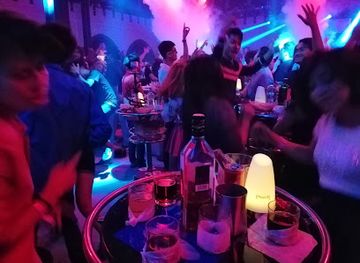
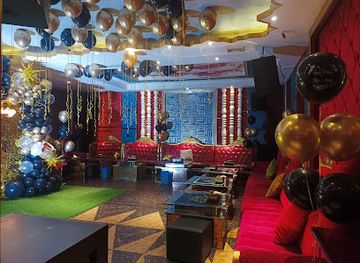
Bahan is not one of Yangon's principal nightlife districts, and evenings are generally quieter than in the downtown entertainment areas. The neighbourhood's after-dark life is more likely to involve tea shops, casual restaurants, hotel lounges and small social venues along its main roads than a dense strip of clubs. Some larger hotels and dining establishments may provide drinks or evening music, but programmes and opening arrangements can change, so current local information is essential. Around the pagodas, activity is devotional and family-oriented rather than nightlife-focused, while Golden Valley and other residential areas require consideration for neighbours after dark. Visitors seeking a wider choice of bars, live music or late-night venues may need to travel towards downtown or other established entertainment areas, which should be described as outside Bahan rather than folded into its local scene.
-
Bar
The Beer Factory Yangon
Experience the best of Myanmar's nightlife at The Beer Factory Yangon, a vibrant bar offering a unique selection of local and international beers.
4 min walk · 0.4 km from neighbourhood centre
-
Bar
Vista Bar
Discover the vibrant nightlife at Vista Bar in Yangon, where innovative cocktails and a lively atmosphere await every visitor.
4 min walk · 0.3 km from neighbourhood centre
-
Grill
Byblos Pub & Grill
Experience the perfect blend of flavors at Byblos Pub & Grill in Yangon, where traditional meets modern in an inviting atmosphere.
14 min walk · 1.1 km from neighbourhood centre
-
Bar
TIPSY
Discover Yangon’s vibrant nightlife at Tipsy, where delightful drinks and a lively atmosphere await every traveler.
6 min drive · 1.9 km from neighbourhood centre


Best nightclubs in Bahan
Bahan is not one of Yangon's principal nightlife districts, and evenings are generally quieter than in the downtown entertainment areas. The neighbourhood's after-dark life is more likely to involve tea shops, casual restaurants, hotel lounges and small social venues along its main roads than a dense strip of clubs. Some larger hotels and dining establishments may provide drinks or evening music, but programmes and opening arrangements can change, so current local information is essential. Around the pagodas, activity is devotional and family-oriented rather than nightlife-focused, while Golden Valley and other residential areas require consideration for neighbours after dark. Visitors seeking a wider choice of bars, live music or late-night venues may need to travel towards downtown or other established entertainment areas, which should be described as outside Bahan rather than folded into its local scene.
-
Disco club
Pioneer
Experience the vibrant nightlife of Yangon at Pioneer, where music, dance, and unforgettable memories await in this premier disco club.
5 min drive · 1.8 km from neighbourhood centre
-
Karaoke bar
World Wide KTV
Discover the ultimate karaoke experience at World Wide KTV, where fun, music, and great company come together in the heart of Yangon.
5 min drive · 1.8 km from neighbourhood centre
-
Night club
Crush Bar
Experience the pulse of Yangon's nightlife at Crush Bar, where vibrant energy meets stunning ambiance and unforgettable music.
7 min drive · 2.2 km from neighbourhood centre

Best shops in Bahan
Shopping in Bahan is primarily local and practical rather than organised around a major tourist market. Main roads carry supermarkets, pharmacies, small clothing shops, mobile-phone retailers, bakeries and everyday services, while residential lanes contain neighbourhood businesses that serve local households. Visitors may find Burmese snacks, thanaka, devotional items and inexpensive handicrafts near busy religious sites, although selection and availability vary and respectful bargaining is preferable where bargaining is customary. The township does not have the concentrated antique and souvenir atmosphere associated with central Yangon's Bogyoke Market, which lies elsewhere in the city. Instead, its retail character is dispersed: tea shops, small food sellers and independent stores are part of the ordinary streetscape, while larger contemporary shopping options are generally reached outside the immediate neighbourhood. Ask before photographing shop interiors or people at market stalls.
-
Cell phone store
UNiQUE (U Chit Maung)
Explore the latest technology at UNiQUE in Yangon, your ultimate destination for cell phones and computer accessories.
6 min drive · 2.1 km from neighbourhood centre
-
 Gift shop
Yangoods Shan Gone Boutique
Discover unique gifts and fashion accessories at Yangoods Shan Gone Boutique in Yangon, a treasure trove of local craftsmanship and culture.
15 min walk · 1.2 km from neighbourhood centre
-
Fabric store
Pandora
Explore the rich heritage of Myanmar through exquisite textiles at Pandora, a premier fabric store in Yangon offering unique fabrics and local craftsmanship.
5 min drive · 1.6 km from neighbourhood centre
-
Clothing store
Moe Hti Nan Taw Silk & Fabrics (Bahan)
Explore exquisite silk fabrics and traditional garments at Moe Hti Nan Taw Silk & Fabrics in Yangon, a treasure trove of Myanmar's textile artistry.
16 min walk · 1.3 km from neighbourhood centre


Bahan essentials
Getting There
Getting Around
Safety
Emergency Situations
Do's and Don'ts
Local Tips

From Eve
Local phrases worth knowing
You don't need to get them perfect. A few words go a long way, and locals appreciate the effort.
Basics
| English | Local | Say it |
|---|---|---|
| Hello | မင်္ဂလာပါ | [mingalarpar] |
| Goodbye | သွားပါ | [swarrpar] |
| Yes | ဟုတ်ကဲ့ | [hotege] |
| No | မဟုတ်ဘူး | [ma hotebu] |
| Please/You're welcome | ကျေးဇူးပါရှင် | [chotebasher] |
| Thank you | ကျေးဇူးပါရှင် | [kya zubasher] |
| Excuse me/Sorry | နားလည်ပါ့တယ် | [nalapyet] |
| How are you? | ဘယ်လို့လဲ? | [byalelaga?] |
| Fine. And you? | ကောင်းလဲ။ မင်္ဂလာပါသလဲ။ | [kaungla? mingalarparla?] |
| Do you speak English? | အင်္ဂလိပ်လဲ? | [ingalela?] |
| I don't understand | မဟုတ်ဘူးမသိသေးဘူး | [ma hotebu maitsabe] |
Eating & Drinking
| English | Local | Say it |
|---|---|---|
| I'd like to see the menu, please | မန္တလေးကိုသိချင်ရယ် | [manteyko thikyinnya] |
| I don't eat meat | အခက်အထိမဟုတ်တယ် | [akatamahote taya] |
| Cheers! | အလှကညာ | [a la nya] |
| I would like to pay, please | ငွေပေးလိုက်သွားပါ့ | [ngwe paylokswarpar] |
Emergencies
| English | Local | Say it |
|---|---|---|
| Help! | ကိုယ်ပါ့ | [koypar] |
| Go away! | လောင်းပါ့ | [laungpar] |
| Call the Police! | ရဲ့ရဲ့ဆန်းသွားပါ | [yer yer hsin swarpar] |
| Call a doctor! | ဆရာဝန်သွားပါ | [shayarwan swarpar] |
| I'm lost | ခြောက်ခဲ့သွားပါ | [khaokkya swarpar] |
| I'm ill | ကြိုုက်သေးပါ့ | [kuyetsabe] |
Shopping
| English | Local | Say it |
|---|---|---|
| I'd like to buy... | ဝယ်ယူခဲ့သွားပါ | [weyuhkya swarpar] |
| I'm just looking | ရှေးခဲ့သွားပါ | [shaykya swarpar] |
| How much is it? | စျေးနှယ်လည်ပါ့ | [tsaynhailepasher] |
| That's too expensive | ဤအနည်းအရမ်းပါ | [ina nye a ram par] |
| Can you lower the price? | စျေးနှယ်နှင့်တည်းပါ့ | [tsaynhainghantepasher] |
Time & Numbers
| English | Local | Say it |
|---|---|---|
| What time is it? | နာရီဘက်လဲ? | [nari bala?] |
| It's one o'clock | တစ်နာရီတယ် | [tane nari taya] |
| Half past (10) | ဆယ်သိန်း | [say thin] |
| Morning | နန်းတော် | [nanta] |
| Afternoon | နေ့လော် | [ne lau] |
| Evening | ညနေ | [nya ne] |
| Yesterday | မနေ့ | [mane] |
| Today | ယနေ | [ye ne] |
| Tomorrow | မနက် | [mak] |
| 1 | တစ် | [taut] |
| 2 | နှစ် | [hnac] |
| 3 | သုံး | [son] |
| 4 | လေး | [lei] |
| 5 | ငါး | [nga] |
| 6 | ခြောက် | [khaok] |
| 7 | ခွက် | [khwat] |
| 8 | ရှစ် | [shay] |
| 9 | ကိုး | [ko] |
| 10 | တန်း | [tan] |
Transport & Directions
| English | Local | Say it |
|---|---|---|
| Where's a/the...? | မည်းရှိသလဲ? | [nyarela?] |
| What's the address? | လိပ်စာမည်းလဲ? | [lip sama nyala?] |
| Can you show me (on the map)? | မည်းရှိခြံရယ်လဲ? | [nyare hkyanyya la?] |
| When's the next (bus)? | ရှေ့မနက်ဘယ်လဲ? | [shay mak byala?] |
| A ticket (to ....) | လက်မှတ်ချင်း | [lakmat kyin] |
History of Bahan
From Outskirts to Eastern Suburb
Bahan developed beyond the older colonial commercial core of Yangon as the city expanded eastwards and northwards during the nineteenth and early twentieth centuries. Its land was less densely built than downtown and was used for residences, religious compounds, gardens and institutional properties. Roads linking the central city with the northern suburbs gradually gave the area greater importance, while the combination of spacious plots and relatively elevated ground encouraged the construction of substantial homes and compounds. The township's later identity grew from this mixture of suburban residence, religious life and access to the city's principal roads.
Aung San’s House and National Memory
The house now known as the Bogyoke Aung San Museum became connected with one of the most important chapters in Myanmar's modern political history. Aung San and his family lived there in the final years before independence, and the residence preserves domestic rooms and personal objects associated with that period. Aung San was assassinated in 1947, before Burma achieved independence in 1948. The museum's survival in Bahan gives the neighbourhood a direct physical link to the independence movement, while its domestic setting presents political history through the scale of family life rather than through a monumental civic building.
Religious Landmarks and Urban Growth
Bahan's Buddhist identity was reinforced by the development and prominence of major pagodas and Buddha images, including Chauk Htat Gyi and Nga Htat Gyi. These religious sites have long served as places of devotion as well as recognisable points of orientation within the expanding city. As Yangon grew during the twentieth century, roads, schools, hospitals, embassies and private residences filled spaces between older religious compounds. The result was a district in which sacred precincts remained visually and socially prominent even as surrounding land uses became increasingly urban and diverse.
A Changing Residential Landscape
In recent decades Bahan has continued to change through redevelopment, new apartment construction, commercial activity along major roads and the adaptation of older houses. Areas such as Golden Valley retain a leafy, low-rise character, although walls, security arrangements and newer buildings have altered the visual texture of some streets. The presence of embassies, offices, schools, hotels and restaurants reflects Bahan's continuing appeal as a central residential district, while its museums and religious sites preserve links with earlier phases of Yangon's political, social and spiritual history.
Bahan in Photos
Browse through our photo collection highlighting the charm and character of the destination.
Neighbourhoods near Bahan
The closest neighbourhoods to Bahan, if you have time for more than one stop.
-

-

-

-

-


Swipe for more neighbourhoods
Explore more

Explore more of Yangon
Yangon reveals Myanmar’s golden pagodas, colonial architecture, lively markets and teahouse culture through deeply layered history and expressive urban life.
Explore Yangon