

Namaland, Namibia Travel Guide
Explore Namaland: A captivating blend of Namibia's natural wonders, ancient history, and vibrant culture awaits in this stunning desert region.
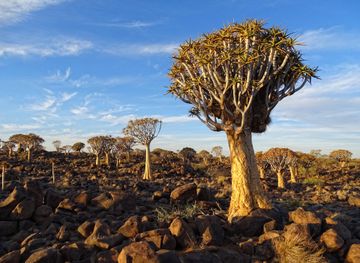
Namaland, a captivating region in Namibia, is a land of contrasts where the arid desert meets rolling hills and fascinating geological formations. This destination is rich in history, culture, and natural beauty, making it an exciting place for adventurous travelers. In Namaland, you can discover the ancient petroglyphs at Twyfelfontein, a UNESCO World Heritage Site, where rock paintings tell the stories of early inhabitants. The area is also home to the stunning Fish River Canyon, the second-largest canyon in the world, offering breathtaking views and challenging hiking trails for outdoor enthusiasts. The region's unique flora and fauna are a treat for nature lovers. You can spot the elusive desert-adapted elephants and marvel at the resilient plants like the quiver tree. Namaland's local communities, including the Nama people, provide a rich cultural experience with their traditional crafts, music, and dance. The warm hospitality of the locals ensures that every visitor feels welcome in this rugged yet enchanting land.

Know before you go
Hi, I'm Eve. Here are a few practical things to know before exploring Namaland.
- Visit Twyfelfontein in the early morning to avoid the midday heat and crowds.
- Carry plenty of water and sunscreen when exploring the Fish River Canyon.
- Hire a local guide to gain deeper insights into the region's history and culture.
- Try traditional Nama cuisine, such as kapana and roosterbrood, for an authentic taste experience.
- Respect local customs and ask for permission before photographing people or sacred sites.
Top City Travel Guides in Namaland
The cities of Namaland, and the easiest places to base yourself.

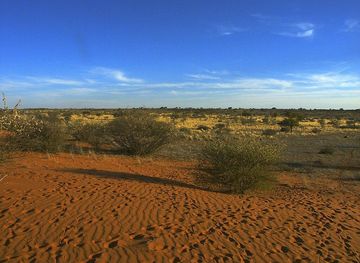
Destinations in Namaland
Resorts, valleys and scenic spots worth a trip of their own.


Explore Namaland: Things to Do, Places to Eat, Hotels & More
Handpicked recommendations for top attractions, local dining, accommodations, and more

Top Attractions & Sightseeing in Namaland
Top-rated picks
Best Attractions
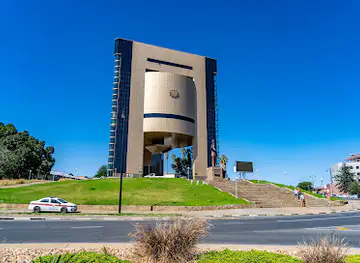
Independence Museum
Explore Namibia's journey to independence at the Independence Museum, a must-visit for history enthusiasts and travelers alike.
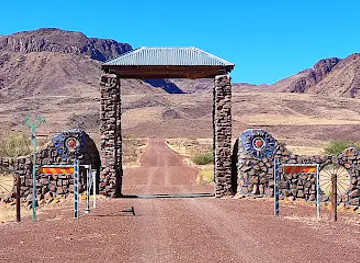
Brukkaros Crater
Explore Brukkaros Crater, a stunning volcanic landmark in Namibia, rich in history and natural beauty, perfect for adventure seekers and nature enthusiasts.

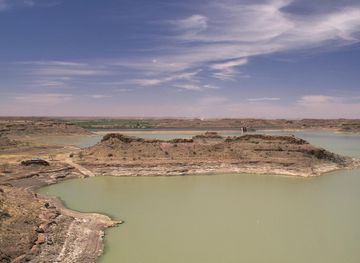
Naute Dam, Keetmanshoop, Namibia
Explore the breathtaking natural beauty of Naute Dam, a serene preserve in Keetmanshoop, Namibia, perfect for outdoor adventures and relaxation.

Best landmarks in Namaland
Top-rated picks
Best Landmarks
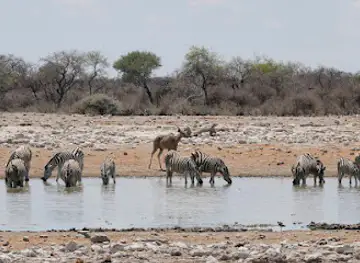
Etosha National Park
Explore Etosha National Park, Namibia's wildlife sanctuary with stunning landscapes, diverse animals, and unforgettable safari adventures.

Deadvlei
Discover the surreal beauty of Deadvlei, where ancient trees and stunning landscapes create an unforgettable desert experience.

Canyon Roadhouse, Gondwana Collection Namibia
Experience the unique charm of Canyon Roadhouse, where adventure meets comfort in the heart of Namibia's breathtaking landscapes.

Cape Cross Seal Reserve
Discover the breathtaking Cape Cross Seal Reserve, a natural sanctuary for Cape fur seals and a stunning coastal escape in Namibia.

Best restaurants in Namaland
Top-rated picks
Best Restaurants
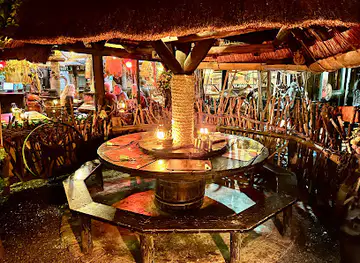
Joe's Beerhouse
Discover the heart of Namibian culture at Joe's Beerhouse – where great food meets vibrant atmosphere in Windhoek.
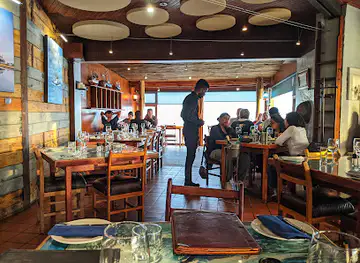
The Tug Restaurant
Experience exquisite dining with ocean views at The Tug Restaurant in Swakopmund - where local flavors meet stunning seaside scenery.

The Stellenbosch Wine Bar and Bistro
Discover a unique blend of South African cuisine and fine wines at The Stellenbosch Wine Bar and Bistro in Windhoek.

Anchors Waterfront Restaurant
Experience exquisite seafood and authentic Portuguese cuisine at Anchors Waterfront Restaurant in Walvis Bay's stunning coastal setting.

Best bars in Namaland
Top-rated picks
Best Bars

Brewer & Butcher
Discover the vibrant flavors of Namibia at Brewer & Butcher, Swakopmund's premier pub for craft beer and gourmet meats.

Andy's Pub & Restaurant
Discover the vibrant flavors and lively atmosphere of Andy's Pub & Restaurant in Windhoek - a must-visit for tourists seeking authentic local experiences.

Desert Tavern
Discover the heart of Swakopmund at Desert Tavern, where vibrant nightlife meets local charm and delicious beverages.

Bar Zonder Naam
Discover the perfect blend of wine and ambiance at Bar Zonder Naam, Swakopmund's beloved wine bar offering local and international selections.

Best nightclubs in Namaland
Top-rated picks
Best Nightclubs

Infinity Lounge Swakopmund
Discover the vibrant nightlife at Infinity Lounge Swakopmund, where dance, music, and fun collide for an unforgettable experience.

Tall Trees Lounge Bar
Experience the enchanting ambiance of Tall Trees Lounge Bar, a perfect evening retreat in Windhoek under the stars.

Kings Lounge
Experience the vibrant atmosphere of Kings Lounge in Windhoek, a premier disco club and cocktail bar, perfect for nightlife enthusiasts.

MYNT Nightclub and Lounge
Discover the vibrant nightlife at MYNT Nightclub and Lounge in Windhoek, where great music and a lively atmosphere await every visitor.

Best shops in Namaland
Top-rated picks
Best Shops

Wernhil
Explore Wernhil Shopping Mall in Windhoek for a vibrant shopping experience with diverse stores, dining options, and unique local crafts.

The Grove Mall of Namibia
Experience vibrant shopping and dining at The Grove Mall of Namibia, where local culture meets modern retail in Windhoek.

Maerua Mall
Explore Maerua Mall, Windhoek's premier shopping destination with a diverse range of shops, dining, and entertainment for every visitor.

Dunes Mall
Explore Dunes Mall in Walvis Bay for a delightful shopping experience with diverse stores, dining options, and entertainment for all ages.

Explore Namaland on the Map
A handpicked selection of must-see spots in Namaland, mapped for you.
Namaland Essentials
-
Namaland is located in the southern part of Namibia. The nearest major airport is Hosea Kutako International Airport in Windhoek, approximately 800 kilometers away. From Windhoek, you can take a domestic flight to Luderitz or Keetmanshoop, which are closer to Namaland. Alternatively, you can rent a car and drive, which provides a scenic journey through the Namibian landscape. The drive typically takes around 8 to 10 hours depending on your stops along the way.
-
Transportation in Namaland primarily consists of rental cars and local taxis. While there are some bus services that connect major towns within the region, having a rental car provides the most flexibility for exploring. The roads are generally in good condition, but be cautious of wildlife and livestock on the roads. If you prefer guided tours, there are several operators that offer excursions to key attractions.
-
The official currency in Namibia is the Namibian Dollar (NAD), which is pegged to the South African Rand (ZAR). Credit cards are widely accepted in hotels, restaurants, and larger shops. However, it is advisable to carry cash when traveling to more remote areas or small towns. ATMs are available in the larger towns like Luderitz and Keetmanshoop, but it is wise to withdraw sufficient cash before heading into rural areas.
-
Namaland is generally a safe destination for tourists. However, like any travel destination, it is advisable to take standard precautions. Avoid walking alone at night in unfamiliar areas and keep an eye on your belongings in crowded places. While the crime rate targeting tourists is relatively low, it is always best to stay vigilant and aware of your surroundings. Be cautious in areas that are less populated, especially after dark.
-
In case of an emergency, dial 112 for immediate assistance. There are local police stations and medical facilities available in larger towns like Luderitz and Keetmanshoop. It is recommended to have travel insurance that covers medical emergencies. For minor health issues, there are pharmacies in the major towns where you can purchase over-the-counter medications.
-
Fashion: Do dress modestly and comfortably, especially when visiting rural areas. Avoid wearing overly revealing clothing. Religion: Do respect local customs and traditions. When visiting religious sites, dress conservatively and remove your hat as a sign of respect. Public Transport: Do be respectful and give up your seat to elderly passengers. Don't eat or drink on public transport. Greetings: Do greet people with a handshake. A smile and a friendly greeting in the local language, such as 'Hello' or 'Good day,' are appreciated. Eating & Drinking: Do try local delicacies and accept food offerings graciously. Don't refuse hospitality, as it is considered impolite.
-
To experience Namaland like a local, visit the local markets where you can buy fresh produce and traditional Namibian goods. Engage with locals, as they are often friendly and willing to share stories about the region's history and culture. Don't miss visiting the Fish River Canyon, which is one of the largest canyons in the world. For a unique experience, explore the ghost town of Kolmanskop, which provides a fascinating glimpse into Namibia's diamond mining history.
When is the best time to visit Namaland?
Useful Local Phrases for Namaland
You don't need to speak the language perfectly. Even learning a few simple words can make conversations warmer—and locals usually appreciate the effort.
— Eve

Here are the phrases I use most often in Namaland. Try a few—you'll be surprised how far they go! 😊
❤️
-
- HelloHallo
[hahl-loh] - GoodbyeTotsiens
[toh-tsiens] - YesJa
[yah] - NoNee
[nee] - Please/You're welcomeAsseblief
[ah-seh-bleef] - Thank youDankie
[dahn-kee] - Excuse me/SorryVerskoon my
[fuhr-skohn my] - How are you?Hoe gaan dit?
[hoo gahn dit] - Fine. And you?Goed. En jy?
[khoot. en yay] - Do you speak English?Praat jy Engels?
[praht yay eng-uhls] - I don't understandEk verstaan nie
[ek fer-stahn nee]
- HelloHallo
-
- I'd like to see the menu, pleaseEk wil graag die spyskaart sien, asseblief
[ek vil khrahg dee spays-kaart seen, ah-seh-bleef] - I don't eat meatEk eet nie vleis nie
[ek eet nee flys nee] - Cheers!Gesondheid!
[geh-sont-hayt] - I would like to pay, pleaseEk wil graag betaal, asseblief
[ek vil khrahg beh-tal, ah-seh-bleef]
- I'd like to see the menu, pleaseEk wil graag die spyskaart sien, asseblief
-
- Help!Help!
[help] - Go away!Gaan weg!
[khaan vek] - Call the Police!Bel die Polisiemag!
[bel dee po-lee-see-mahg] - Call a doctor!Bel 'n dokter!
[bel 'n dok-ter] - I'm lostEk is verlore
[ek is fer-loh-reh] - I'm illEk is siek
[ek is seek]
- Help!Help!
-
- I'd like to buy...Ek wil graag koop...
[ek vil khrahg koop] - I'm just lookingEk kyk net
[ek kahyk net] - How much is it?Hoeveel kos dit?
[hoo-feel kos dit] - That's too expensiveDit is te duur
[dit is tuh dyur] - Can you lower the price?Kan jy die prys verlaag?
[kan yay dee prys fer-lahg]
- I'd like to buy...Ek wil graag koop...
-
- What time is it?Hoe laat is dit?
[hoo laat is dit] - It's one o'clockDit is een uur
[dit is een oor] - Half past (10)Half tien
[half teen] - MorningOggend
[oh-khuhnd] - AfternoonMiddag
[mi-dahg] - EveningAand
[ahnd] - YesterdayGister
[khis-ter] - TodayVandag
[fahn-dahg] - TomorrowMôre
[mo-rah] - 1Een
[een] - 2Twee
[twee] - 3Drie
[dree] - 4Vier
[feer] - 5Vyf
[fife] - 6Ses
[ses] - 7Sewe
[seh-veh] - 8Agt
[aht] - 9Nege
[neh-gah] - 10Tien
[teen]
- What time is it?Hoe laat is dit?
-
- Where's a/the...?Waar is 'n...?
[vahr is 'n] - What's the address?Wat is die adres?
[vaht is dee ah-dres] - Can you show me (on the map)?Kan jy my wys (op die kaart)?
[kan yay my vais (op dee kaart)] - When's the next (bus)?Wanneer is die volgende (bus)?
[vah-neer is dee fol-guhn-deh] - A ticket (to ....)‘n kaartjie (na ...)
[‘n kaart-kee (nah)]
- Where's a/the...?Waar is 'n...?
History of Namaland
-
Namaland, located in the southern part of Namibia, is home to the Nama people, one of the oldest ethnic groups in the region. Their history dates back thousands of years. The Nama are known for their unique language, which includes click consonants, and their semi-nomadic pastoral lifestyle. They traditionally herded livestock and lived in portable shelters called 'matjieshuise' made from reed mats.
-
In the late 19th century, the area now known as Namaland came under German colonial rule as part of German South West Africa. The Nama people, led by notable leaders such as Hendrik Witbooi, resisted German colonization. The resistance culminated in the Nama-Herero Genocide between 1904 and 1908, during which many Nama people were killed or displaced.
-
After World War I, German South West Africa was mandated to South Africa by the League of Nations. Namaland continued to be marginalized under South African rule, with discriminatory policies affecting the Nama people's land rights and freedom. The apartheid era further entrenched social and economic disparities.
-
Throughout the 20th century, the Nama people, alongside other Namibian groups, participated in the struggle for independence from South African rule. The South West Africa People's Organization (SWAPO) led the liberation movement, which eventually resulted in Namibia gaining independence in 1990. The Nama people were among those who celebrated the newfound freedom and the end of apartheid policies.
-
Namaland is rich in cultural heritage. The Nama people are known for their traditional dances, music, and storytelling. The annual Nama Cultural Festival celebrates these traditions, bringing together communities to preserve and promote their heritage. Crafts such as beadwork and leatherwork are also integral to Nama culture.
-
Today, Namaland continues to be a region of cultural significance. Efforts are ongoing to promote sustainable tourism that respects and preserves the Nama way of life. Visitors to Namaland can explore historical sites, engage with local communities, and learn about the resilience and traditions of the Nama people. The region's unique landscapes, including the Fish River Canyon, add to its allure as a travel destination.
Neighbouring Regions of Namaland
The closest regions to Namaland, if you have time for more than one.



Your all‑in‑one travel companion app
Explore expert travel guides, compare and book tours, experiences, hotels, and more—all from the palm of your hand. Download now for seamless trip planning wherever your wanderlust takes you.


Explore More of Namibia

Looking beyond Namaland? Discover Namibia for broader travel guides, local hot-spots, and regional highlights.
Explore NamibiaNamaland in Photos
Browse through our photo collection highlighting the charm and character of the destination.

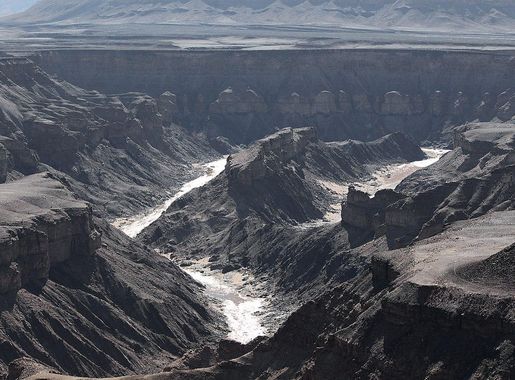

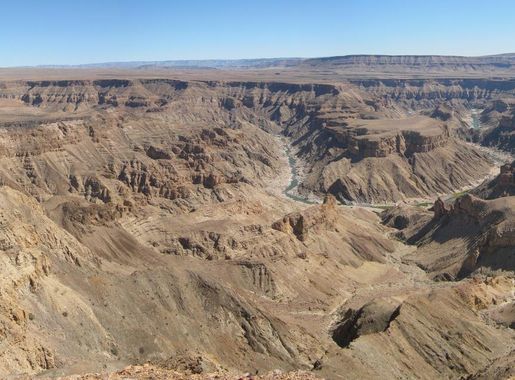


Namaland: The Heart of Namibia's Rugged Beauty
Namaland, a captivating region in Namibia, is a land of contrasts where the arid desert meets rolling hills and fascinating geological formations. This destination is rich in history, culture, and natural beauty, making it an exciting place for adventurous travelers. In Namaland, you can discover the ancient petroglyphs at Twyfelfontein, a UNESCO World Heritage Site, where rock paintings tell the stories of early inhabitants. The area is also home to the stunning Fish River Canyon, the second-largest canyon in the world, offering breathtaking views and challenging hiking trails for outdoor enthusiasts. The region's unique flora and fauna are a treat for nature lovers. You can spot the elusive desert-adapted elephants and marvel at the resilient plants like the quiver tree. Namaland's local communities, including the Nama people, provide a rich cultural experience with their traditional crafts, music, and dance. The warm hospitality of the locals ensures that every visitor feels welcome in this rugged yet enchanting land.