

Free Elkhorn River Valley Travel Guide & Mobile App
Explore Elkhorn River Valley with free travel guides. Discover regional history, expert tips, proposed trips, and audio guides on web or mobile app.


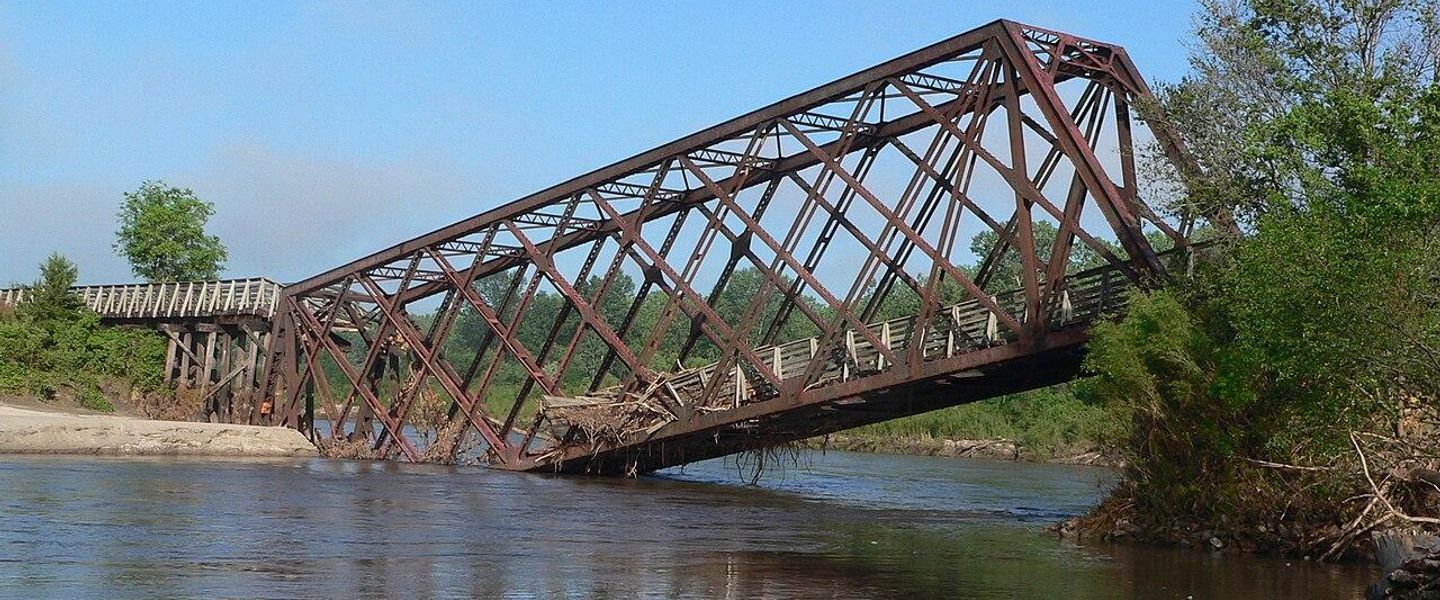


Explore Nebraska’s Elkhorn River Valley for river parks, historic towns, cycling trails, local museums and wide-open agricultural landscapes.
Read more about Elkhorn River Valley
Getting to and around Elkhorn River Valley
How to get there
Transportation
Top city travel guides in Elkhorn River Valley
The cities of Elkhorn River Valley, and the easiest places to base yourself.
-

-

-

-


Swipe for more cities
Best attractions in Elkhorn River Valley
The Elkhorn River Valley’s attractions are rooted in local history, outdoor recreation and the working landscape. Norfolk offers the Elkhorn Valley Museum, which explains the region’s settlement, transport and agricultural development, as well as Ta-Ha-Zouka Park and other places for riverside recreation. The city also has an active arts presence centred on the Norfolk Arts Center. At Neligh, the Neligh Mill State Historic Site preserves a nineteenth-century water-powered mill and interprets the relationship between the river, grain production and early commerce. The Cowboy Trail is the valley’s most extensive recreational feature, providing opportunities for cycling, walking, photography and wildlife observation along a former railway corridor, although surface conditions and access should be checked before departure. West Point and other Cuming County communities offer museums, historic churches, civic buildings and views of the fertile lower valley. Rural drives reveal farmsteads, shelterbelts, river woods and open fields rather than a concentration of major commercial attractions. Fishing, birdwatching, camping and park visits are possible in designated areas, while local fairs and cultural events add a seasonal dimension. The valley rewards visitors who combine several modest stops rather than expecting a single dominant attraction.
-
Tourist attraction
Ponca State Park
Explore Ponca State Park, a stunning Nebraska destination offering breathtaking views, diverse wildlife, and endless outdoor adventures.
-
State park
Niobrara State Park
Experience the breathtaking landscapes and outdoor adventures at Niobrara State Park, a hidden gem in Nebraska perfect for nature lovers.
-
Tourist attraction
Klown Doll Museum
Explore the Klown Doll Museum in Plainview, Nebraska - a quirky tribute to clown dolls that delights visitors of all ages.
-
Campground
Niobrara Adventures
Explore the breathtaking landscapes and outdoor adventures at Niobrara Adventures Campground, a serene escape in Nebraska's nature.


Best landmarks in Elkhorn River Valley
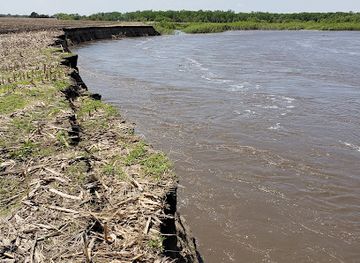
The Elkhorn River itself is the valley’s defining natural landmark, its wooded banks and broad floodplain creating the geographical line around which settlements and farms developed. In Norfolk, Ta-Ha-Zouka Park provides one of the clearest public encounters with the river and its urban setting. The Neligh Mill State Historic Site is the valley’s most distinctive surviving industrial landmark: its water-powered machinery and riverside position represent the period when grain mills linked local agriculture with commercial development. The former railway corridor now followed by the Cowboy Trail is another important landscape marker, preserving the transport infrastructure that helped build the valley’s towns. West Point’s historic civic and religious buildings reflect the German and Czech settlement that shaped Cuming County, while older main streets in communities such as Neligh, Tilden and Scribner preserve the scale of railway-era commerce. Across the countryside, cottonwoods, shelterbelts, farmsteads and river bluffs provide visual landmarks rather than monumental architecture. Their significance lies in showing how water, railway, agriculture and immigration combined to form the region’s present-day pattern.
-
State park
Niobrara State Park
Experience the breathtaking beauty and diverse wildlife of Niobrara State Park, a premier destination for outdoor adventures in Nebraska.
-
Museum
Klown Doll Museum
Explore the whimsical Klown Doll Museum in Plainview, Nebraska, where over a thousand clown dolls bring joy and nostalgia to all visitors.
-
Museum
Niobrara Museum
Uncover the history and culture of Nebraska at the Niobrara Museum, a captivating tourist attraction in the heart of the Niobrara River Valley.
-
 Tourist attraction
Kreycik Riverview Elk Ranch
Explore the breathtaking Kreycik Riverview Elk Ranch in Nebraska—a wildlife haven offering unforgettable elk encounters and stunning river views.


Explore Elkhorn River Valley on the map
Plan your trip on one map. See where the top cities, national parks and sights are, and book hotels and experiences in a few clicks.
Best hotels in Elkhorn River Valley
Best restaurants in Elkhorn River Valley
Dining in the Elkhorn River Valley reflects Nebraska’s agricultural economy and small-town social life. Norfolk has the broadest choice, including cafés, bakeries, family restaurants, casual grills and establishments serving contemporary American food, while smaller communities tend towards traditional diners, local bars with food and independent cafés. Menus commonly feature beef, pork, burgers, sandwiches, chicken, potatoes and seasonal produce, with locally raised ingredients part of the wider regional supply chain rather than a narrowly defined valley cuisine. German and Czech settlement has influenced family recipes, baking and community food traditions, although many restaurants serve broadly American fare. Farmers’ markets and seasonal events are useful places to look for vegetables, baked goods, preserves and locally produced foods when operating. Breakfast is often an important part of the café culture, and portions and service styles can be informal. Evening dining choices become more limited outside Norfolk and West Point, so travellers making a rural tour should check meal availability and plan fuel and food stops rather than assuming every town has late service.
-
American
Udder Delights
Experience the heartwarming taste of American comfort food at Udder Delights in Wayne, Nebraska—where every meal feels like home.
-
Traditional American
Country Cafe
Experience authentic American comfort food at Country Cafe in Niobrara - where every meal tells a story.
-
Restaurant
Sportsmen's Bar and Two Rivers Coffee
Experience local flavors at Sportsmen's Bar and Two Rivers Coffee in Niobrara - a perfect blend of delicious dining and rustic charm.
-
Pizza
Sam & Louie's Italian Restaurant & New York Pizzeria
Experience authentic Italian cuisine and delicious New York-style pizza at Sam & Louie's in Elkhorn – perfect for families and food lovers!


Best bars in Elkhorn River Valley
Nightlife in the Elkhorn River Valley is modest and concentrated in Norfolk, West Point and other larger communities rather than organised around a large club district. Traditional bars, grill-and-bar restaurants, taverns and bowling or community venues provide much of the evening social life, while occasional live music, comedy, theatre and seasonal events broaden the choice. Norfolk’s arts and entertainment calendar can offer more structured evening activities than the smaller towns, but exact programmes and opening arrangements vary. In rural communities, evenings generally centre on dining, conversation, local events or gatherings rather than late-night dancing. Visitors should expect distances between towns, limited taxi availability and earlier closing times than in major American cities; arranging a safe return is particularly important when staying outside a town centre. Local breweries or drinks-focused venues may appear in the regional scene, but the valley is better understood through its pubs, restaurants and community events than through a dense nightlife culture.
-
Bowling alley
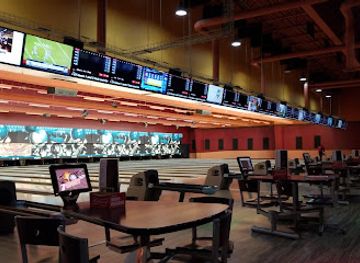
Bowlero Elkhorn
Experience the ultimate bowling adventure at Bowlero Elkhorn, where modern entertainment meets delicious dining and fun-filled activities.
-
Traditional American
Country Cafe
Experience the heart of American dining at Country Cafe, where comfort food meets a welcoming atmosphere in Niobrara, Nebraska.
-
Restaurant
Sportsmen's Bar and Two Rivers Coffee
Experience the charm of Niobrara at Sportsmen's Bar and Two Rivers Coffee, where local flavors meet warm hospitality in a cozy setting.
-
Sandwich
Subway
Experience fast and fresh dining at Subway, where you can customize delicious sandwiches and salads in Wayne, Nebraska.


Best nightclubs in Elkhorn River Valley
Nightlife in the Elkhorn River Valley is modest and concentrated in Norfolk, West Point and other larger communities rather than organised around a large club district. Traditional bars, grill-and-bar restaurants, taverns and bowling or community venues provide much of the evening social life, while occasional live music, comedy, theatre and seasonal events broaden the choice. Norfolk’s arts and entertainment calendar can offer more structured evening activities than the smaller towns, but exact programmes and opening arrangements vary. In rural communities, evenings generally centre on dining, conversation, local events or gatherings rather than late-night dancing. Visitors should expect distances between towns, limited taxi availability and earlier closing times than in major American cities; arranging a safe return is particularly important when staying outside a town centre. Local breweries or drinks-focused venues may appear in the regional scene, but the valley is better understood through its pubs, restaurants and community events than through a dense nightlife culture.
-
River
Elkhorn River
Experience the tranquil beauty and outdoor adventures that await at the Elkhorn River in Nebraska.
Best shops in Elkhorn River Valley
Shopping in the Elkhorn River Valley is centred on practical local high streets, independent businesses, supermarkets, antique shops, galleries, western and workwear retailers, and seasonal markets rather than large metropolitan shopping complexes. Norfolk has the widest selection and is the most convenient place to combine everyday supplies with gifts, books, art and locally made products. West Point and other market towns offer smaller collections of independent shops and services, often occupying historic commercial streets. Farmers’ markets and community events can provide Nebraska-grown produce, baked goods, preserves, crafts and handmade items when in season. Visitors may also find regional souvenirs connected with agriculture, the Cowboy Trail, river communities and local history. Availability varies considerably by town and day of the week, so do not assume that a small community’s shops will open late or every day. For antiques, craft goods and food products, asking at a local visitor centre, museum or accommodation can be more useful than searching for a single designated shopping quarter.
-
Bowling alley
Bowlero Elkhorn
Bowlero Elkhorn: A premier bowling alley, grill, and entertainment venue offering fun, food, and excitement for all ages.
-
Florist
De Fleur Box
Discover De Fleur Box, where stunning floral designs and exceptional service create the perfect gift for every occasion.
-
Women's clothing store
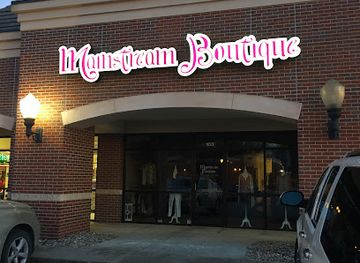
Mainstream Boutique - Omaha
Explore unique fashion at Mainstream Boutique in Omaha, where trendy women's clothing and accessories come together for the perfect shopping experience.
-
Grocery store
Niobrara Market
Explore the heart of Nebraska at Niobrara Market, where local flavors and friendly service create an unforgettable grocery experience.


Get your free copy of our complete guide to Elkhorn River Valley, delivered straight to you.
Everything on this page, from attractions and restaurants to essentials and local phrases, in one PDF you can read offline, print or share.
Already have an account? Sign in
Your Elkhorn River Valley guide is ready.
We'll send it to · Not you? Sign out

Getting your guide ready…
We are putting together a fresh copy of the Elkhorn River Valley guide. This can take up to a minute.
This can take a few moments. If your browser asks, choose Allow so the download can start. You'll find the guide in your Downloads folder.
Nothing happened? Download it again
Sorry, the guide is taking longer than usual. Please try again in a minute, or get it by email instead.
Elkhorn River Valley essentials
Currency and Payment
Safety
Emergency Situations
Do's and Don'ts
Local Tips
From Eve
Local phrases worth knowing
You don't need to get them perfect. A few words go a long way, and locals appreciate the effort.
Basics
| English | Local | Say it |
|---|---|---|
| Hello | Howdy | [Haudi] |
| Goodbye | See ya later | [See ya layter] |
| Yes | Yep | [Yep] |
| No | Nah | [Nah] |
| Please/You're welcome | Please/No problem | [Please/No prob-lum] |
| Thank you | Thanks a lot | [Thanks a lot] |
| Excuse me/Sorry | Pardon me/Sorry | [Pardon me/Sorry] |
| How are you? | How ya doin'? | [How ya doin'?] |
| Fine. And you? | Good. And you? | [Good. And you?] |
| Do you speak English? | Do ya speak English? | [Do ya speak English?] |
| I don't understand | I ain't gettin' it | [I ain't gettin' it] |
Eating & Drinking
| English | Local | Say it |
|---|---|---|
| I'd like to see the menu, please | Can I see the menu, please? | [Can I see the menu, please?] |
| I don't eat meat | I don't eat no meat | [I don't eat no meat] |
| Cheers! | Cheers! | [Cheers!] |
| I would like to pay, please | Can I get the check, please? | [Can I get the check, please?] |
Emergencies
| English | Local | Say it |
|---|---|---|
| Help! | Help! | [Help!] |
| Go away! | Leave me be! | [Leave me be!] |
| Call the Police! | Call the cops! | [Call the cops!] |
| Call a doctor! | Get a doc! | [Get a doc!] |
| I'm lost | I'm turned around | [I'm turned around] |
| I'm ill | I'm feelin' sick | [I'm feelin' sick] |
Shopping
| English | Local | Say it |
|---|---|---|
| I'd like to buy... | I'm lookin' to buy... | [I'm lookin' to buy...] |
| I'm just looking | Just lookin' | [Just lookin'] |
| How much is it? | What's the price? | [What's the price?] |
| That's too expensive | That's a bit pricey | [That's a bit pricey] |
| Can you lower the price? | Can ya give me a better deal? | [Can ya give me a better deal?] |
Time & Numbers
| English | Local | Say it |
|---|---|---|
| What time is it? | What time ya got? | [What time ya got?] |
| It's one o'clock | It's one o'clock | [It's one o'clock] |
| Half past (10) | Half past ten | [Half past ten] |
| Morning | Mornin' | [Mornin'] |
| Afternoon | Afternoon | [Afternoon] |
| Evening | Evenin' | [Evenin'] |
| Yesterday | Yesterday | [Yesterday] |
| Today | Today | [Today] |
| Tomorrow | Tomorrow | [Tomorrow] |
| 1 | One | [One] |
| 2 | Two | [Two] |
| 3 | Three | [Three] |
| 4 | Four | [Four] |
| 5 | Five | [Five] |
| 6 | Six | [Six] |
| 7 | Seven | [Seven] |
| 8 | Eight | [Eight] |
| 9 | Nine | [Nine] |
| 10 | Ten | [Ten] |
Transport & Directions
| English | Local | Say it |
|---|---|---|
| Where's a/the...? | Where's the...? | [Where's the...?] |
| What's the address? | What's the address? | [What's the address?] |
| Can you show me (on the map)? | Can ya show me on the map? | [Can ya show me on the map?] |
| When's the next (bus)? | When's the next bus? | [When's the next bus?] |
| A ticket (to ....) | A ticket to... | [A ticket to...] |
History of Elkhorn River Valley
Indigenous Homelands and the River Corridor
Long before American settlement, the Elkhorn River and its tributaries formed part of the homelands and travel networks of Indigenous peoples of the central Plains. The region has connections with peoples including the Omaha, Ponca, Pawnee, Otoe-Missouria and Dakota, although their histories are distinct and should not be reduced to a single regional narrative. Rivers supplied water, fish, wildlife and transport routes, while the surrounding prairie supported seasonal movement and settlement. The arrival of American traders, military authorities and settlers brought profound territorial change, displacement and the restructuring of Indigenous life.
Exploration, Trade and Early American Expansion
During the nineteenth century, the Elkhorn Valley lay within a wider network of routes linking the Missouri River with the northern and central Plains. Traders, surveyors and emigrants used river corridors and established trails, while federal land policies and expanding American settlement transformed the area. The main Oregon Trail passed south of much of the Elkhorn Valley rather than directly following the river, but its wider movement of people and commerce helped draw Nebraska into national migration routes. Town development accelerated as transport, land surveys and new county institutions followed.
Railways and the Founding of Valley Towns
Railway construction was one of the decisive forces in the growth of the Elkhorn Valley. Lines associated with the Fremont, Elkhorn and Missouri Valley Railroad, later connected with larger railway systems, reached communities that became shipping and commercial centres. Norfolk was founded in the 1860s and expanded as a railway and agricultural hub; other settlements including West Point, Wisner, Neligh, Tilden and Scribner developed through similar relationships with rail transport and county trade. Railways carried grain, livestock, manufactured goods and settlers, while depots and main streets established the pattern still visible in many valley towns.
Immigration, Homesteading and Agriculture
German, Czech, Scandinavian and other immigrant communities helped shape the valley’s farms, churches, schools, businesses and civic organisations during the late nineteenth and early twentieth centuries. Homesteading and land sales converted much of the prairie into cultivated fields, while livestock and grain production became the foundation of local economies. Cultural influences remain visible in church architecture, family histories, community festivals and food traditions, though the valley’s population has always included several overlapping communities rather than one uniform ethnic identity.
Milling, Manufacturing and the Working River
The Elkhorn River supported local industry as well as agriculture. Water-powered mills processed grain and served nearby farms, and the Neligh Mill, established in the nineteenth century, is an important surviving example of this relationship between river power and rural commerce. As technology changed, railways and electrical power reduced the importance of small water mills, but grain handling, livestock production, machinery, food processing and other agricultural services continued to sustain the valley. The river became less an industrial power source than an environmental, recreational and flood-management concern.
Modern Communities and Conservation
In the twentieth and twenty-first centuries, the Elkhorn Valley experienced the same changes affecting many rural American regions: farm consolidation, improved roads, population shifts, changing retail patterns and the decline of some railway services. At the same time, communities invested in museums, parks, trail conversion and historic preservation. The Cowboy Trail, created along a former railway corridor, reflects this transition from transport infrastructure to recreation. Flooding has also shaped public policy and local memory, encouraging attention to river management, riparian habitat and the vulnerability of settlements and farmland along the valley.
Elkhorn River Valley in Photos
Browse through our photo collection highlighting the charm and character of the destination.
Neighbouring regions of Elkhorn River Valley
The closest regions to Elkhorn River Valley, if you have time for more than one.
-

-

-

-
-


Swipe for more regions
Explore more

Explore more of Nebraska
Discover Nebraska: A blend of rich history, diverse landscapes, and unique attractions in the heartland of America.
Explore Nebraska