

Free Mechi Zone Travel Guide & Mobile App
Explore Mechi Zone with free travel guides. Discover regional history, expert tips, proposed trips, and audio guides on web or mobile app.


Explore Mechi Zone in eastern Nepal for tea gardens, Limbu heritage, Terai markets and trekking routes towards Kanchenjunga.
Read more about Mechi Zone
When is the best time to visit Mechi Zone?
Best: March–April, November · 21–26°C| Month | High (°C) | Rainfall (mm) |
|---|---|---|
| January | 17 | 30 |
| February | 20 | 40 |
| March (best) | 23 | 60 |
| April (best) | 26 | 80 |
| May | 29 | 120 |
| June | 30 | 240 |
| July | 29 | 360 |
| August | 29 | 320 |
| September | 28 | 200 |
| October | 25 | 100 |
| November (best) | 21 | 40 |
| December | 18 | 30 |
Getting to and around Mechi Zone
How to get there
Transportation
Destinations in Mechi Zone
Resorts, valleys and scenic spots worth a trip of their own.

Swipe for more destinations
Best attractions in Mechi Zone
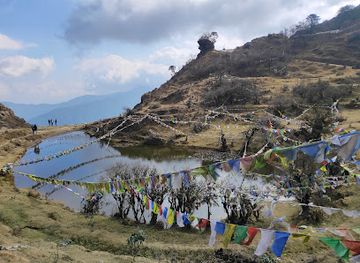
Mechi Zone's attractions follow its dramatic change in altitude. In Jhapa, visitors encounter lowland market towns, agricultural landscapes, community forests and religious sites such as Arjundhara, as well as the commercial energy of Birtamod, Damak and the border area around Kakarbhitta. Ilam is the best-known hill destination, with tea estates near Kanyam and Fikkal, viewpoints around Ilam Bazaar and the wetland and forest environment of Mai Pokhari. Panchthar offers quieter ridge journeys, village scenery and access to rural landscapes shaped by Limbu culture and cardamom cultivation. Taplejung provides the approach to Pathibhara Temple and to the Kanchenjunga Conservation Area, where trekking leads through forests, settlements, alpine terrain and high mountain valleys. The region is particularly suited to visitors who enjoy landscapes and journeys rather than a dense sequence of formal attractions. Distances, road conditions and altitude change matter, so each district is best explored at a measured pace.
-
Park
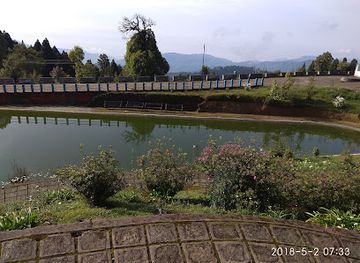
Jorepokhri
Discover the serene beauty of Jorepokhri, a lush park in West Bengal perfect for nature lovers and outdoor enthusiasts.
-
Mountain peak
Sandakphu
Explore Sandakphu, the highest peak in West Bengal, offering breathtaking views of the Himalayas and an unforgettable trekking experience.
-
Park
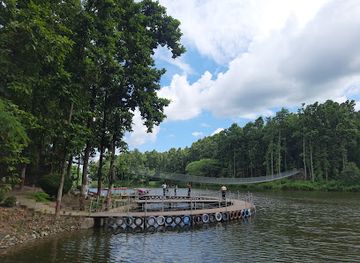
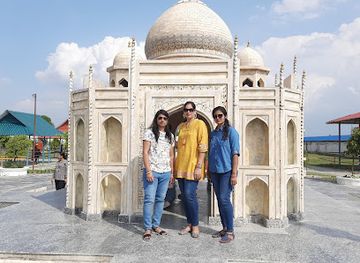
Salbari Park
Experience the tranquility and beauty of Salbari Park in Arjundhara Municipality, where nature and culture blend seamlessly for an unforgettable visit.
-
Tourist attraction
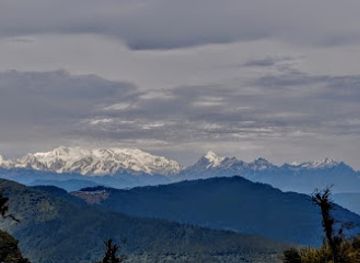
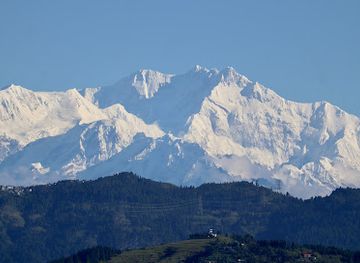
Antu View Tower Samalbung
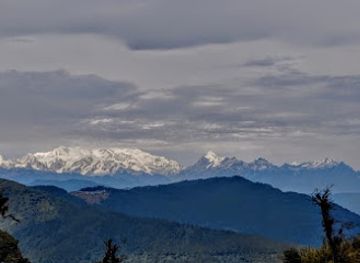
Discover the stunning vistas of Mt. Kanchenjunga at Antu View Tower, a top tourist attraction in Samalbung, perfect for nature lovers and photographers.
Best landmarks in Mechi Zone
The most recognisable landmarks of the former Mechi Zone range from sacred hill sites to working cultural landscapes. Pathibhara Temple, high on a ridge above Taplejung, is one of eastern Nepal's most important pilgrimage destinations and is reached by a demanding road-and-walking journey. The Kanchenjunga mountain landscape gives northern Taplejung its greatest geographical identity, with forests, high valleys and distant peaks forming a landmark environment rather than a single monument. In Ilam, the ordered slopes of tea gardens around Kanyam and the ridges above Ilam Bazaar express the region's agricultural history. Mai Pokhari, a highland wetland surrounded by forest, has both ecological and religious importance. In Jhapa, Arjundhara's temple complex is a longstanding local pilgrimage site, while Kakarbhitta's border setting represents the commercial and cultural connections that have shaped the eastern Terai. These places are significant because they reveal how faith, farming, conservation and cross-border movement define the region.
-
Amusement park
Happyland Funpark
Discover the joy of fun and adventure at Happyland Funpark, Kankai's ultimate amusement park for families and thrill-seekers.
-
Hindu temple
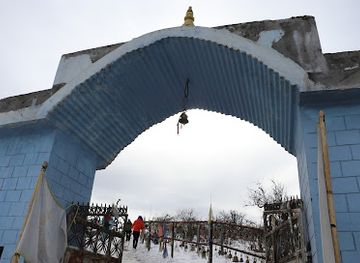
Pathibhara Devi Temple
Experience the divine at Pathibhara Devi Temple, a spiritual sanctuary nestled in the stunning Himalayas of eastern Nepal, perfect for pilgrims and travelers alike.
-
Mountain peak
Sandakphu
Discover the breathtaking beauty of Sandakphu, offering stunning views of Kanchenjunga and a memorable trekking experience in the heart of the Himalayas.
-
River
Mechi River
Explore the picturesque Mechi River, where nature's tranquility meets rich cultural heritage along the Nepal border.
Explore Mechi Zone on the map
Plan your trip on one map. See where the top cities, national parks and sights are, and book hotels and experiences in a few clicks.
Best hotels in Mechi Zone
Best restaurants in Mechi Zone
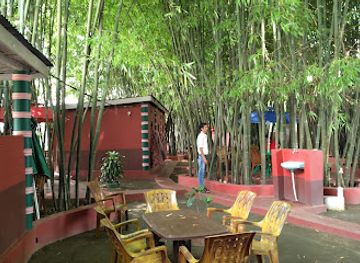
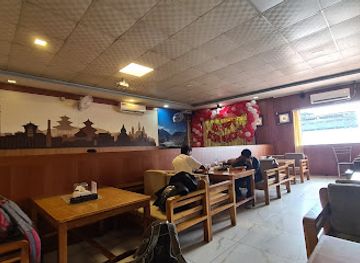
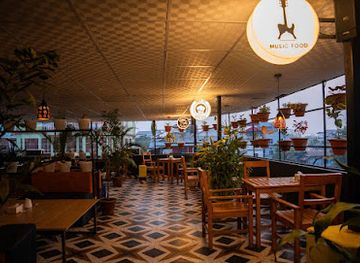
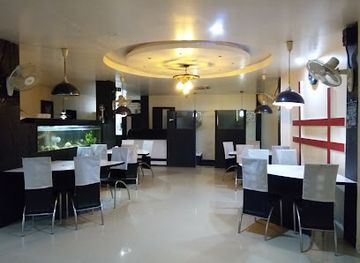
Dining across Mechi Zone reflects the contrast between the Terai and the eastern hills. Jhapa's towns offer Nepalese staples such as dal bhat, tarkari, momo, chow mein and snacks influenced by cross-border trade, alongside Indian-style sweets, tea stalls and roadside eateries. In Ilam and Panchthar, locally grown orthodox tea is central to the food culture, while dairy products, seasonal vegetables, ginger, maize and large cardamom appear in household and market cooking. Rural inns and small cafés are more common than formal restaurants outside the main towns, and menus may be simple but filling. Taplejung's trekking lodges generally focus on practical meals for walkers, with dal bhat, noodles, soup, eggs and hot drinks. Food markets and small producers are good places to find packaged tea and regional spices, although visitors should distinguish genuinely local products from items brought in through national distribution networks.
-
Restaurant
Ghaari Restaurant
Discover a culinary gem in Mechinagar at Ghaari Restaurant - where authentic flavors meet warm hospitality.
-
Restaurant
Thakali Kitchen & Bar
Discover the heart of Nepali cuisine at Thakali Kitchen & Bar in Damak – where tradition meets taste.
-
Restaurant
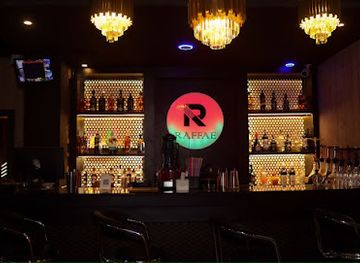
Raffae Restaurant & Lounge
Discover the exquisite flavors and vibrant ambiance at Raffae Restaurant & Lounge in Damak – where every meal is a celebration.
-
Restaurant
Hangout Restaurant and Bar
Experience delightful flavors at Hangout Restaurant and Bar in Anarmani—where every meal becomes a celebration of taste.
Best bars in Mechi Zone
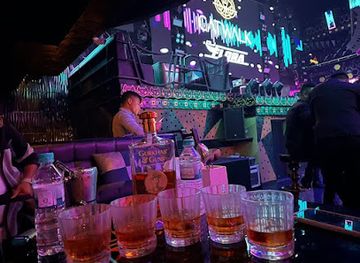
Nightlife in Mechi Zone is modest and varies sharply by district. Birtamod and Damak have the broadest choice of restaurants, cafés, lounges and contemporary music venues, while border and highway towns usually offer informal evening activity rather than a concentrated club district. Ilam Bazaar and Fikkal are better suited to tea houses, relaxed cafés and conversations than late-night entertainment. In Panchthar and Taplejung, evenings generally centre on family-run restaurants, small local bars, guesthouses and community gatherings, with limited late transport. Traditional music and local festivals may provide cultural entertainment at particular times, but schedules are changeable. Visitors should follow local norms around alcohol, avoid isolated roads after dark and check return transport before travelling into rural areas.
-
Lounge
Raffae Restaurant & Lounge
Experience the vibrant atmosphere and exquisite cuisine at Raffae Restaurant & Lounge, a top dining destination in Damak.
-
Bar
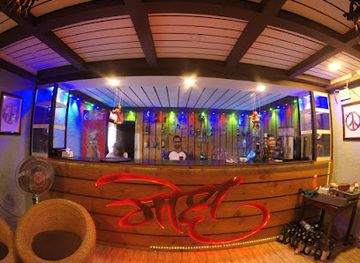
Mokshya मोक्ष
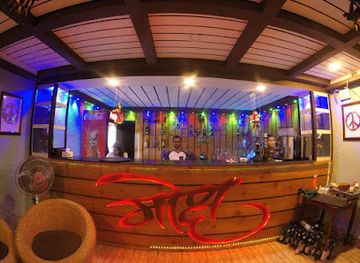
Discover Mokshya in Birtamode, where serene ambiance meets a diverse drink menu for the perfect relaxation spot.
-
Lounge
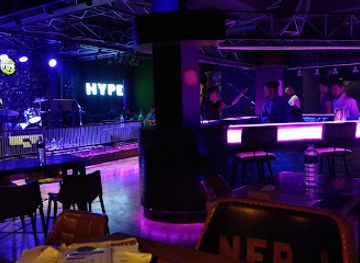
Hype Lounge & Bar
Experience the vibrant nightlife at Hype Lounge & Bar in Birtamode, where exquisite drinks and delightful ambiance meet.
-
Bar
Lotus Lounge
Discover the vibrant nightlife at Lotus Lounge in Birtamode, where unique beverages and a welcoming atmosphere await.
Best nightclubs in Mechi Zone
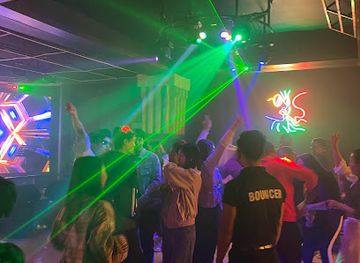
Nightlife in Mechi Zone is modest and varies sharply by district. Birtamod and Damak have the broadest choice of restaurants, cafés, lounges and contemporary music venues, while border and highway towns usually offer informal evening activity rather than a concentrated club district. Ilam Bazaar and Fikkal are better suited to tea houses, relaxed cafés and conversations than late-night entertainment. In Panchthar and Taplejung, evenings generally centre on family-run restaurants, small local bars, guesthouses and community gatherings, with limited late transport. Traditional music and local festivals may provide cultural entertainment at particular times, but schedules are changeable. Visitors should follow local norms around alcohol, avoid isolated roads after dark and check return transport before travelling into rural areas.
-
Night club
Club Catwalk
Discover the vibrant nightlife at Club Catwalk in Pokhara, where music, dance, and delightful dining come together for an unforgettable night out.
-
Lounge
Raffae Restaurant & Lounge
Experience the vibrant atmosphere and delectable cuisine at Raffae Restaurant & Lounge in Damak, a hub for food lovers and night owls alike.
-
Bar
Mokshya मोक्ष
Experience the vibrant nightlife of Birtamode at Mokshya, the perfect bar for relaxation and socializing with friends.
-
Night club
Club Sixteen
Immerse yourself in Pokhara’s vibrant nightlife at Club Sixteen, where electrifying music and a lively atmosphere await every night of the week.

Best shops in Mechi Zone
Shopping in Mechi Zone is centred on market towns rather than large destination malls. Birtamod, Damak and Mechinagar provide the widest range of clothing, household goods, electronics and everyday Nepalese retail, while Ilam Bazaar and Fikkal are useful for tea, local produce, handicrafts and supplies for hill journeys. Packaged orthodox tea is the region's most recognisable purchase, with qualities and prices varying between estates, cooperatives and general retailers. Visitors may also find large cardamom, ginger products, honey, pickles and seasonal agricultural goods, particularly in hill markets. Panchthar and Taplejung have smaller retail scenes, where weekly markets are more important than permanent specialist shops. Buy food products that are sealed and labelled if taking them abroad, and remember that border-town merchandise is not necessarily locally produced. Independent craft and textile items are best assessed for provenance rather than assumed to represent a single regional tradition.
-
Bicycle store
Pack and Pedal Nepal
Discover the breathtaking landscapes of Nepal with Pack and Pedal Nepal, your ultimate bicycle rental and adventure hub in Birtamode.
-
Shopping mall
fikkal
Explore the vibrant shopping scene at Fikkal, where local culture meets modern retail in the heart of Suryodaya.
-
Gift shop
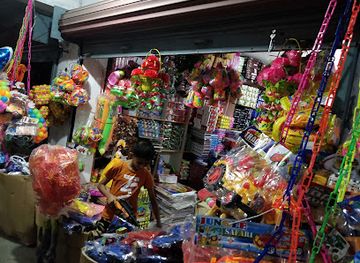
Unique Gift varieties - Wholesale
Explore a treasure trove of unique gifts at Birtamode's wholesale haven, perfect for souvenirs and memorable keepsakes.
-
Grocery store
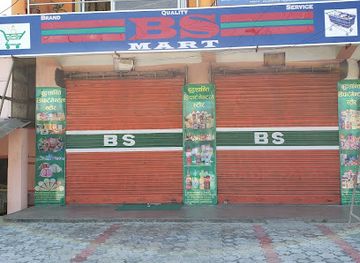
BS Mart (Buddhashanti Mart) Department store
Experience the vibrant local culture at BS Mart, your go-to grocery store in Budhabare, Nepal, offering a delightful range of products and local delicacies.
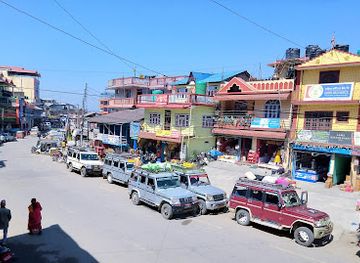
Get your free copy of our complete guide to Mechi Zone, delivered straight to you.
Everything on this page, from attractions and restaurants to essentials and local phrases, in one PDF you can read offline, print or share.
Already have an account? Sign in
Your Mechi Zone guide is ready.
We'll send it to · Not you? Sign out

Getting your guide ready…
We are putting together a fresh copy of the Mechi Zone guide. This can take up to a minute.
This can take a few moments. If your browser asks, choose Allow so the download can start. You'll find the guide in your Downloads folder.
Nothing happened? Download it again
Sorry, the guide is taking longer than usual. Please try again in a minute, or get it by email instead.
Mechi Zone essentials
Currency and Payment
Safety
Emergency Situations
Do's and Don'ts
Local Tips
From Eve
Local phrases worth knowing
You don't need to get them perfect. A few words go a long way, and locals appreciate the effort.
Basics
| English | Local | Say it |
|---|---|---|
| Hello | नमस्ते | [Namaste] |
| Goodbye | बिदाई | [Bidaai] |
| Yes | हो | [Ho] |
| No | हुँदैन | [Hundain] |
| Please/You're welcome | कृपया | [Kripaya] |
| Thank you | धन्यवाद | [Dhanyabad] |
| Excuse me/Sorry | माफ गर्नुहोस् | [Maaf garnuhos] |
| How are you? | तिमीलाई कस्तो छ? | [Timilai kasto cha?] |
| Fine. And you? | ठिक छ। र तिमी? | [Thik cha. Ra timi?] |
| Do you speak English? | के तिमी अंग्रेजी बोल्छौ? | [Ke timi angreji bolchau?] |
| I don't understand | म बुझ्दिन | [Ma bujhdina] |
Eating & Drinking
| English | Local | Say it |
|---|---|---|
| I'd like to see the menu, please | कृपया मीनु देखाउनुस् | [Kripaya menu dekhaunus] |
| I don't eat meat | म मांस खाउँदिन | [Ma maans khaundina] |
| Cheers! | सौभाग्य! | [Saubhagya!] |
| I would like to pay, please | कृपया म भुक्तानी गर्न चाहन्छु | [Kripaya ma bhuktani garn chahanchu] |
Emergencies
| English | Local | Say it |
|---|---|---|
| Help! | सहायता! | [Sahayata!] |
| Go away! | फर्क! | [Pharka!] |
| Call the Police! | पुलिसलाई फोन गर्नुहोस्! | [Polis lai phone garnuhos!] |
| Call a doctor! | डाक्टरलाई फोन गर्नुहोस्! | [Doctor lai phone garnuhos!] |
| I'm lost | म हराएँ | [Ma harayen] |
| I'm ill | म बिरामी छु | [Ma birami chu] |
Shopping
| English | Local | Say it |
|---|---|---|
| I'd like to buy... | म किन्न चाहन्छु... | [Ma kinn chahanchu...] |
| I'm just looking | म मात्र हेरिरहेको छु | [Ma maatra heriraheko chu] |
| How much is it? | यो कति हो? | [Yo kati ho?] |
| That's too expensive | यो धेरै महँगो छ | [Yo dherai mahango cha] |
| Can you lower the price? | की तिमी मूल्य घटाउन सक्छौ? | [Ki timi moolya ghatauna sakchau?] |
Time & Numbers
| English | Local | Say it |
|---|---|---|
| What time is it? | कति बज्यो? | [Kati bajyo?] |
| It's one o'clock | यो एक बजेको छ | [Yo ek bajeko cha] |
| Half past (10) | साढे (10) | [Saaḍhe (10)] |
| Morning | बिहान | [Bihan] |
| Afternoon | मध्याह्न | [Madhyahn] |
| Evening | साँझ | [Saanjh] |
| Yesterday | हिजो | [Hijo] |
| Today | आज | [Aaja] |
| Tomorrow | भोलि | [Bholi] |
| 1 | १ | [1] |
| 2 | २ | [2] |
| 3 | ३ | [3] |
| 4 | ४ | [4] |
| 5 | ५ | [5] |
| 6 | ६ | [6] |
| 7 | ७ | [7] |
| 8 | ८ | [8] |
| 9 | ९ | [9] |
| 10 | १० | [10] |
Transport & Directions
| English | Local | Say it |
|---|---|---|
| Where's a/the...? | कहाँ छ...? | [Kahaan cha...?] |
| What's the address? | ठेगाना के हो? | [Thegana ke ho?] |
| Can you show me (on the map)? | के तिमीले मलाई देखाउन सक्छौ (नक्सामा)? | [Ke timile malai dekhauna sakchau (naksama)?] |
| When's the next (bus)? | अर्को (बस) कहिले आउँछ? | [Arko (bas) kahile aauchha?] |
| A ticket (to ....) | एक टिकट (तिर...) | [Ek ticket (tira...)] |
History of Mechi Zone
Early Kirat and Limbu Cultural Landscapes
Eastern Nepal has long been associated with Kirat cultural traditions, and the hills of present-day Ilam, Panchthar and Taplejung remain important to Limbu communities. Local histories, ritual sites, oral traditions and village land patterns preserve memories of older forms of authority and customary landholding. The lowland plains developed in different ways, with forests, seasonal settlement and later agricultural expansion shaping Jhapa. This cultural layering is still visible in language, music, festivals, religious practice and the names of hills, rivers and settlements.
Gorkha Expansion and Eastern Nepal
During the late eighteenth century, the expanding Gorkha state incorporated the eastern hill territories into the kingdom that became modern Nepal. The process altered political authority and the relationship between local chiefs, customary institutions and the central state. Eastern hill communities retained distinctive cultural identities while becoming part of Nepal's wider administrative and military systems. Fortified locations, old routes and settlement patterns across the hills reflect the strategic importance of controlling passes between the Terai and Himalayan districts.
The Terai Frontier and Cross-Border Exchange
Jhapa's position beside India has made it a frontier of movement, trade and settlement for generations. The eastern Terai was once heavily forested, but roads, malaria-control programmes, agricultural expansion and planned settlement transformed the landscape during the modern period. Markets grew around transport corridors and border crossings, linking Nepalese producers and traders with the Indian states of West Bengal and Bihar. Kakarbhitta and Mechinagar remain especially important in understanding the region's commercial and social connections beyond Nepal.
Tea Cultivation in Ilam and the Eastern Hills
Tea became a defining agricultural industry in eastern Nepal during the nineteenth century, encouraged by the region's cool climate, slopes and proximity to established tea-growing areas across the border. Ilam developed a particularly strong identity around orthodox tea, with estates and smallholder gardens spreading across the hills. The industry influenced roads, labour patterns, local commerce and the region's reputation among visitors. Today, tea landscapes are both working farms and important cultural symbols, although production ranges from commercial estates to smaller household plots.
Roads, Market Towns and Administrative Change
Improved roads gradually connected the eastern plains with hill headquarters such as Ilam Bazaar, Phidim and Taplejung. These routes strengthened the movement of agricultural products, especially tea, ginger and large cardamom, while bringing state services and new goods into formerly remote settlements. Nepal's federal restructuring in 2015 replaced the former zone system with provinces and local governments. Mechi Zone therefore survives mainly as a historical and geographic term, while its four districts now operate within Koshi Province.
Conservation and the Kanchenjunga Landscape
The northern part of the former zone contains one of Nepal's most important high-mountain environments. The Kanchenjunga Conservation Area was established in Taplejung to protect forests, wildlife habitats and spectacular Himalayan terrain while recognising the role of local communities in managing natural resources. Its landscape ranges from temperate and rhododendron forests to alpine meadows and high mountain valleys. Conservation has also shaped trekking practices, requiring visitors to treat the area as a living environment rather than simply a route to mountain viewpoints.
Mechi Zone in Photos
Browse through our photo collection highlighting the charm and character of the destination.
Neighbouring regions of Mechi Zone
The closest regions to Mechi Zone, if you have time for more than one.
-

-

-

-

-


Swipe for more regions
Explore more

Explore more of Nepal
Discover Nepal: A land of towering peaks, spiritual harmony, and vibrant culture, offering endless adventures and serene escapes for every traveler.
Explore Nepal