

Sagarmatha Zone, Nepal Travel Guide
Explore Sagarmatha Zone: Home to Mount Everest, diverse wildlife, and rich Sherpa culture in the heart of the Himalayas.
Sagarmatha Zone in Nepal is a dream destination for adventure seekers and nature lovers alike. It is home to Mount Everest, the highest peak in the world, standing tall at 8,848 meters. This region is part of the Himalayas, offering some of the most breathtaking scenery on Earth. The Sagarmatha National Park, a UNESCO World Heritage Site, is located here. It is a haven for diverse wildlife, including the elusive snow leopard and the Himalayan tahr. Trekking through the park offers a chance to experience the unique flora and fauna, as well as stunning views of the mountains. The local Sherpa culture adds a rich cultural dimension to the visit. The Sherpas are known for their mountaineering skills and warm hospitality. Visitors can explore traditional villages such as Namche Bazaar, which serves as a hub for trekkers. The village offers shops, cafes, and a vibrant local market. For those seeking spiritual solace, the Tengboche Monastery is a must-visit. Located at an altitude of 3,867 meters, this Buddhist monastery offers serene surroundings and a chance to learn about the spiritual practices of the Himalayan people.

Know before you go
Hi, I'm Eve. Here are a few practical things to know before exploring Sagarmatha Zone.
- Acclimatize properly to avoid altitude sickness. Spend a few days in Namche Bazaar before trekking higher.
- Hire a local guide for a more enriching experience. They can share insights into the region's culture and history.
- Visit in the spring (March to May) or autumn (September to November) for the best trekking conditions.
- Carry cash, as ATMs are scarce and credit card facilities are limited in remote areas.
- Respect local customs and traditions. Always ask for permission before taking photographs of people.
Top City Travel Guides in Sagarmatha Zone
The cities of Sagarmatha Zone, and the easiest places to base yourself.

Destinations in Sagarmatha Zone
Resorts, valleys and scenic spots worth a trip of their own.


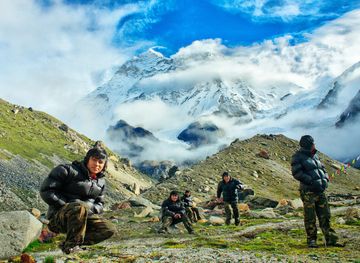
Explore Sagarmatha Zone: Things to Do, Places to Eat, Hotels & More
Handpicked recommendations for top attractions, local dining, accommodations, and more

Top Attractions & Sightseeing in Sagarmatha Zone
Top-rated picks
Best Attractions

Everest Base Camp
Experience the breathtaking beauty and rich culture at Everest Base Camp, the gateway to the world's highest peak, Mount Everest.

Gorak Shep
Explore the breathtaking heights of Gorak Shep, the gateway to Everest Base Camp, and immerse yourself in the majestic beauty of the Himalayas.
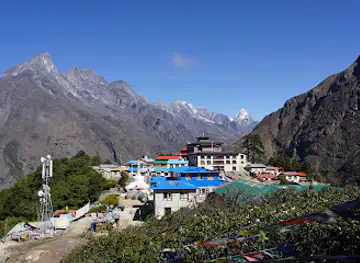
Tengboche Monastery
Explore the spiritual beauty of Tengboche Monastery, an iconic landmark in the Himalayas offering breathtaking views and rich cultural experiences.

Kala Patthar Summit
Discover the breathtaking views of Mount Everest and the Himalayas at Kala Patthar, an iconic summit in Nepal's Khumbu region, perfect for adventure seekers.

Best landmarks in Sagarmatha Zone
Top-rated picks
Best Landmarks
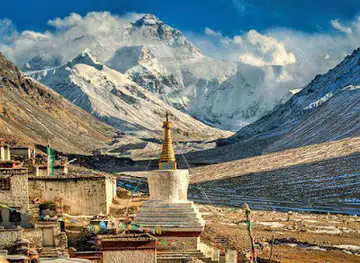
Sagarmatha National Park
Explore the breathtaking beauty of Sagarmatha National Park, home to Mount Everest and rich Sherpa culture, a must-visit for adventure lovers.

Everest Base Camp
Experience the breathtaking beauty of Everest Base Camp, the ultimate trekking destination surrounded by majestic peaks and rich Sherpa culture.

Gorak Shep
Discover Gorak Shep, the gateway to Everest Base Camp, where adventure meets breathtaking Himalayan beauty in the heart of Nepal.

Tengboche Monastery
Experience the tranquil beauty and spiritual essence of Tengboche Monastery, a breathtaking gem in the heart of Nepal's Himalayas.

Best restaurants in Sagarmatha Zone
Top-rated picks
Best Restaurants

Cafe4410
Discover Cafe4410 in Dingboche – your cozy retreat offering delicious meals and stunning mountain views amidst your Himalayan adventure.

Debit Hotel
Experience authentic Nepali cuisine at Debit Hotel in Chandra Ayodhyapur - where flavor meets tradition.

Third Pole Summiter Lodge
Discover authentic Nepalese cuisine at Third Pole Summiter Lodge, nestled in the heart of the Himalayas with breathtaking views.

Silauta Bhanchha Ghar (सिलौटा भान्छा घर)
Discover authentic Nepalese cuisine at Silauta Bhanchha Ghar in Katari - where family-friendly dining meets rich cultural flavors.

Best bars in Sagarmatha Zone
Top-rated picks
Best Bars

Everest Base Camp
Experience the breathtaking beauty and adventure at Everest Base Camp, the gateway to the world's highest peak, surrounded by rich culture and stunning landscapes.

Irish Pub
Experience the warmth and camaraderie at the Irish Pub in Namche Bazar, a must-visit stop for trekkers exploring the Everest Base Camp route.

Liquid Bar Namche
Experience the warmth of Liquid Bar Namche, a welcoming retreat for trekkers in the breathtaking Himalayas, serving delightful drinks and local culture.

The Irish Pub
Experience the warmth of The Irish Pub along the Everest Base Camp trek, where hearty meals and local drinks await weary adventurers.

Best nightclubs in Sagarmatha Zone


Best shops in Sagarmatha Zone
Top-rated picks
Best Shops

Gokyo Lake
Experience the breathtaking beauty of Gokyo Lake, a serene glacial wonder nestled in the heart of the Nepalese Himalayas, perfect for adventure and tranquility.

Caravan Souvenir Shop
Explore the Caravan Souvenir Shop in Lukla for authentic treasures that capture the spirit of the Everest region, perfect for every traveler.

Gokyo Lake Trail
Explore the breathtaking Gokyo Lake Trail, a stunning hiking route in the Himalayas offering mesmerizing views and rich Sherpa culture.

Gokyo Lake V
Discover the breathtaking beauty of Gokyo Lake V, a serene oasis in the heart of the Himalayas, perfect for hiking and nature exploration.

Explore Sagarmatha Zone on the Map
A handpicked selection of must-see spots in Sagarmatha Zone, mapped for you.
Sagarmatha Zone Essentials
-
Sagarmatha Zone is located in northeastern Nepal and is part of the Solukhumbu District. The most common way to reach Sagarmatha Zone is by flying to Tribhuvan International Airport in Kathmandu, the capital of Nepal. From Kathmandu, you can take a domestic flight to Tenzing-Hillary Airport in Lukla, which is the gateway to the Everest region. The flight takes about 30 minutes. Alternatively, you can opt for an overland route by taking a bus or private vehicle from Kathmandu to Jiri or Salleri, followed by a multi-day trek to reach the region.
-
Within Sagarmatha Zone, the primary mode of transportation is trekking. There are no roads for vehicles in most parts, so porters and yaks are commonly used to carry goods. For those who prefer not to trek the entire way, helicopter services are available for transportation between key points. It's essential to plan your trekking routes and accommodations in advance, especially during the peak trekking seasons.
-
The official currency in Nepal is the Nepalese Rupee (NPR). In the Sagarmatha Zone, cash is the preferred method of payment. ATMs are scarce, and credit card acceptance is limited, so it is advisable to carry sufficient cash. Exchange your currency in Kathmandu before heading to Sagarmatha Zone. Make sure to have smaller denominations for easier transactions in remote areas.
-
Sagarmatha Zone is generally safe for tourists, but standard travel precautions should be taken. Petty theft can occur, so keep your belongings secure. Be cautious while trekking and always stick to marked trails. High-altitude sickness is a significant risk; acclimatize properly and be aware of the symptoms. There are no specific high-crime areas targeting tourists in this region, but always stay vigilant.
-
In case of emergency, contact the local police or emergency services at 100 for police assistance and 102 for medical emergencies. The Himalayan Rescue Association operates aid posts in various trekking areas, including Pheriche and Machhermo, where you can get medical assistance. It is crucial to have comprehensive travel insurance that includes high-altitude trekking and emergency evacuation. Carry a first aid kit and familiarize yourself with basic first aid procedures.
-
Fashion: Do dress modestly, especially in villages and religious sites. Avoid wearing revealing clothing. Religion: Do show respect at monasteries and stupas. Always ask for permission before taking photos inside religious sites. Public Transport: Do be respectful and patient. In crowded spaces, give priority to locals. Greetings: Do greet people with 'Namaste' and a slight bow. Eating & Drinking: Do try local foods and accept food offerings politely. Don't waste food, as it is considered disrespectful.
-
To experience Sagarmatha Zone like a local, visit local tea houses and engage in conversations with the owners and fellow trekkers. Participate in local festivals if your visit coincides with one. Hiring a local guide not only supports the local economy but also enhances your trekking experience with insightful local knowledge. Respect the environment by following the 'Leave No Trace' principles.
When is the best time to visit Sagarmatha Zone?
Useful Local Phrases for Sagarmatha Zone
You don't need to speak the language perfectly. Even learning a few simple words can make conversations warmer—and locals usually appreciate the effort.
— Eve

Here are the phrases I use most often in Sagarmatha Zone. Try a few—you'll be surprised how far they go! 😊
❤️
-
- Helloनमस्ते
[Namaste] - Goodbyeअलविदा
[Alvida] - Yesहो
[Ho] - Noहोइन
[Hoin] - Please/You're welcomeकृपया/स्वागत छ
[Kripaya/Swagat cha] - Thank youधन्यवाद
[Dhanyabad] - Excuse me/Sorryमाफ गर्नुहोस्
[Maaf garnuhos] - How are you?तिमीलाई कस्तो छ?
[Timilai kasto cha?] - Fine. And you?म राम्रो छु। तपाईँलाई?
[Ma ramro chu. Tapaailai?] - Do you speak English?के तपाईंलाई अंग्रेजी बोल्न आउँछ?
[Ke tapaainlai angreji bolna aauchha?] - I don't understandम बुझ्दिन
[Ma bujhdina]
- Helloनमस्ते
-
- I'd like to see the menu, pleaseकृपया म्यासु देख्न चाहन्छु
[Kripaya myasu dekhna chahanchu] - I don't eat meatम मासु खाँदैन
[Ma maasu khaandaina] - Cheers!सुपर!
[Supar!] - I would like to pay, pleaseकृपया म भुक्तानी गर्न चाहन्छु
[Kripaya ma bhuktani garn chahanchu]
- I'd like to see the menu, pleaseकृपया म्यासु देख्न चाहन्छु
-
- Help!मद्दत!
[Maddat!] - Go away!फर्क!
[Pharka!] - Call the Police!पुलिसलाई फोन गर्नुहोस्!
[Pulislai phone garnuhos!] - Call a doctor!डाक्टरलाई फोन गर्नुहोस्!
[Daktar lai phone garnuhos!] - I'm lostम हराएँ
[Ma harain] - I'm illम बिरामी छु
[Ma biraami chu]
- Help!मद्दत!
-
- I'd like to buy...म किन्न चाहन्छु...
[Ma kinna chahanchu...] - I'm just lookingम मात्र हेरिरहेको छु
[Ma maatra heriraheko chu] - How much is it?यो कति हो?
[Yo kati ho?] - That's too expensiveयो धेरै महँगो छ
[Yo dherai mahango cha] - Can you lower the price?के तपाईं मूल्य घटाउन सक्नुहुन्छ?
[Ke tapaain mulya ghatauna saknuhunchha?]
- I'd like to buy...म किन्न चाहन्छु...
-
- What time is it?कति बजेको छ?
[Kati bajeko cha?] - It's one o'clockयो एक बजेको छ
[Yo ek bajeko cha] - Half past (10)साढे (१०)
[Saadhe (10)] - Morningबिहान
[Bihan] - Afternoonदिउँसो
[Diunso] - Eveningसाँझ
[Saanjh] - Yesterdayहिजो
[Hijo] - Todayआज
[Aaja] - Tomorrowभोली
[Bholi] - 1१
[1] - 2२
[2] - 3३
[3] - 4४
[4] - 5५
[5] - 6६
[6] - 7७
[7] - 8८
[8] - 9९
[9] - 10१०
[10]
- What time is it?कति बजेको छ?
-
- Where's a/the...?कहाँ छ...?
[Kahaan cha...?] - What's the address?ठेगाना के हो?
[Thegana ke ho?] - Can you show me (on the map)?के तपाईं मलाई देखाउन सक्नुहुन्छ (नक्सामा)?
[Ke tapaain malai dekhauna saknuhunchha (naksama)?] - When's the next (bus)?अर्को (बस) कहिले आउँछ?
[Arko (bus) kahile aauchha?] - A ticket (to ....)एक टिकट (....तर्फ)
[Ek ticket (....tarfa)]
- Where's a/the...?कहाँ छ...?
History of Sagarmatha Zone
-
Sagarmatha Zone, named after the Nepali term for Mount Everest, has a rich history rooted in its indigenous communities, primarily the Sherpa people. The region's name itself means 'Forehead of the Sky,' reflecting the towering peaks that dominate the area. Historically, this zone has been a center for trade and cultural exchange due to its strategic position along ancient trading routes between Nepal and Tibet.
-
The Sherpa people are the indigenous inhabitants of the Sagarmatha Zone and have lived in this high-altitude region for centuries. They have developed unique cultural practices and traditions adapted to the harsh environment. The Sherpas are best known internationally for their mountaineering skills, which have made them indispensable guides for Everest expeditions. Their culture is deeply intertwined with Tibetan Buddhism, which is evident in the region's monasteries, prayer flags, and Mani stones.
-
One of the most significant historical events related to Sagarmatha Zone is the first successful ascent of Mount Everest by Sir Edmund Hillary and Tenzing Norgay in 1953. This monumental achievement brought global attention to the region and highlighted the extraordinary capabilities of the Sherpa climbers. It also marked the beginning of a new era in mountaineering and tourism for the Sagarmatha Zone.
-
Established in 1976, Sagarmatha National Park is a UNESCO World Heritage Site that covers an area of 1,148 square kilometers. The park is home to some of the world's highest peaks, including Mount Everest, Lhotse, and Cho Oyu. It protects a diverse range of flora and fauna, including the snow leopard and the red panda. The park's establishment aimed to preserve the unique natural and cultural heritage of the region.
-
The cultural landscape of Sagarmatha Zone is heavily influenced by Tibetan Buddhism, introduced centuries ago through trade and migrations. Monasteries such as Tengboche, one of the most important religious centers in the region, serve as focal points for spiritual life. Festivals like Mani Rimdu, celebrated with masked dances and rituals, reflect the deep-rooted Buddhist traditions that continue to thrive in the region.
-
The rise of mountaineering and trekking tourism has significantly impacted the economy of Sagarmatha Zone. Villages like Namche Bazaar have transformed into bustling hubs, offering amenities and services to trekkers and climbers from around the world. This influx of tourism has brought economic benefits as well as challenges, including environmental concerns and the need for sustainable development practices.
Neighbouring Regions of Sagarmatha Zone
The closest regions to Sagarmatha Zone, if you have time for more than one.


Your all‑in‑one travel companion app
Explore expert travel guides, compare and book tours, experiences, hotels, and more—all from the palm of your hand. Download now for seamless trip planning wherever your wanderlust takes you.


Explore More of Nepal

Looking beyond Sagarmatha Zone? Discover Nepal for broader travel guides, local hot-spots, and regional highlights.
Explore NepalSagarmatha Zone in Photos
Browse through our photo collection highlighting the charm and character of the destination.


Sagarmatha Zone: The Gateway to Everest
Sagarmatha Zone in Nepal is a dream destination for adventure seekers and nature lovers alike. It is home to Mount Everest, the highest peak in the world, standing tall at 8,848 meters. This region is part of the Himalayas, offering some of the most breathtaking scenery on Earth. The Sagarmatha National Park, a UNESCO World Heritage Site, is located here. It is a haven for diverse wildlife, including the elusive snow leopard and the Himalayan tahr. Trekking through the park offers a chance to experience the unique flora and fauna, as well as stunning views of the mountains. The local Sherpa culture adds a rich cultural dimension to the visit. The Sherpas are known for their mountaineering skills and warm hospitality. Visitors can explore traditional villages such as Namche Bazaar, which serves as a hub for trekkers. The village offers shops, cafes, and a vibrant local market. For those seeking spiritual solace, the Tengboche Monastery is a must-visit. Located at an altitude of 3,867 meters, this Buddhist monastery offers serene surroundings and a chance to learn about the spiritual practices of the Himalayan people.