

Free Province No. 1 Travel Guide & Mobile App
Explore Province No. 1 with free travel guides. Discover regional history, expert tips, proposed trips, and audio guides on web or mobile app.


Explore Koshi Province for eastern Nepal’s tea hills, Terai wetlands, Himalayan trekking routes and culturally varied mountain landscapes.
Read more about Province No. 1
When is the best time to visit Province No. 1?
Best: April–May, October · 25–28°C| Month | High (°C) | Rainfall (mm) |
|---|---|---|
| January | 15 | 10 |
| February | 17 | 12 |
| March | 20 | 15 |
| April (best) | 25 | 20 |
| May (best) | 28 | 25 |
| June | 30 | 30 |
| July | 30 | 35 |
| August | 30 | 35 |
| September | 28 | 30 |
| October (best) | 25 | 25 |
| November | 20 | 15 |
| December | 15 | 10 |
Getting to and around Province No. 1
How to get there
Transportation
Top city travel guides in Province No. 1
The cities of Province No. 1, and the easiest places to base yourself.

Swipe for more cities
Destinations in Province No. 1
Resorts, valleys and scenic spots worth a trip of their own.
-

-

-

-

-


Swipe for more destinations
Best attractions in Province No. 1
Koshi Province offers an unusually broad range of attractions, beginning with the wetlands and grasslands of Koshi Tappu Wildlife Reserve in the southern plains. Birdwatching, river excursions and the chance to see wild water buffalo provide a very different experience from the high mountains. Around Ilam, tea gardens, processing areas and cool hill scenery create a slower agricultural itinerary, while Dhankuta and Hile combine viewpoints, market-town life and access to forested ridges. Dharan and Biratnagar provide urban culture, commerce and gateways to nearby hills. In the north, Sagarmatha National Park opens onto the Everest trekking landscape, Makalu-Barun offers demanding trails through an extraordinary vertical range of habitats, and Kanchenjunga Conservation Area provides remote routes in the far east. Buddhist monasteries, Hindu pilgrimage sites, village homestays, terraced fields and community forests add cultural depth. These attractions are widely dispersed, so the province is better explored through focused itineraries than by attempting to cover every district from one base.
-
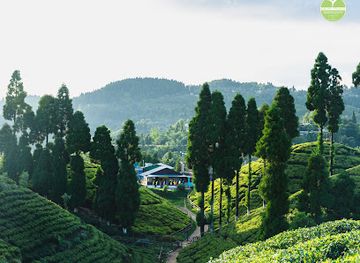
Tea store
Golpahar Viewpoint Tea Shop
Discover the enchanting Golpahar Viewpoint Tea Shop in Mirik, where breathtaking views and delightful teas create unforgettable moments in nature's embrace.
-
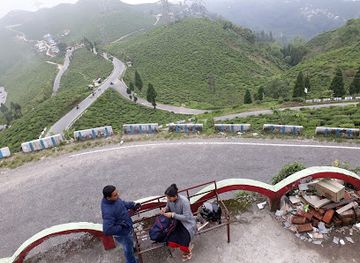
Tourist attraction
Tingling View Point
Discover breathtaking views and serene landscapes at Tingling View Point, a must-visit tourist attraction in West Bengal, India.
-
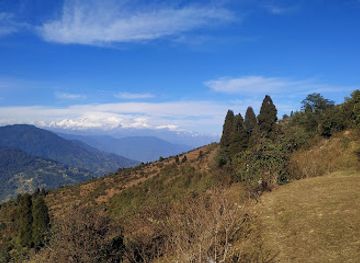
Tourist attraction
Simana View Point
Discover the breathtaking beauty of the Himalayas at Simana View Point, a must-visit destination in Koshi Province, Nepal.
-
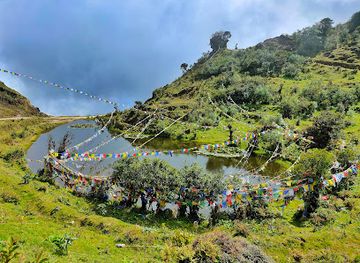
National park
Singalila National Park
Discover the beauty of Singalila National Park: a gem in West Bengal with stunning Himalayan views and rich biodiversity.
Best landmarks in Province No. 1
The province’s most recognisable landmarks range from Himalayan summits to lowland river landscapes. Mount Everest forms the symbolic centre of Sagarmatha National Park in Solukhumbu, although viewpoints and trekking approaches rather than the summit itself define most visitor experiences. The mountain skyline around the Khumbu gives the region its most internationally known image, while Makalu and the Kanchenjunga massif represent equally important eastern Himalayan landscapes in Sankhuwasabha and Taplejung. In the hills, the tea estates and ridgelines around Ilam are distinctive cultural landscapes shaped by plantation agriculture. The Saptakoshi River and its broad floodplain are defining geographical features of the south, particularly around Koshi Tappu Wildlife Reserve. Biratnagar’s industrial heritage, including the historic Biratnagar Jute Mill, recalls the province’s role in Nepal’s modern economic development. Buddhist monasteries, Hindu temples, traditional houses and old hill settlements complete a landmark landscape that is cultural as well as geological.
-
Plaza
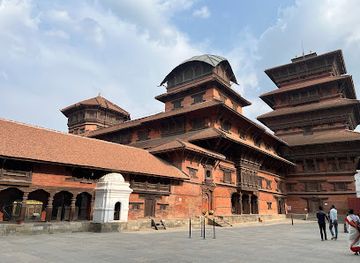
Kathmandu Durbar Square
Explore Kathmandu Durbar Square, a UNESCO World Heritage Site filled with stunning temples, rich history, and vibrant culture in the heart of Nepal.
-
Historical landmark
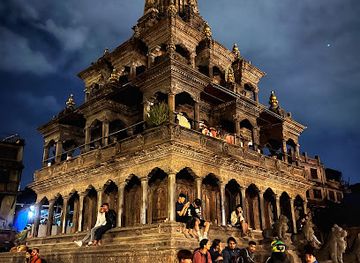
Patan Darbar Square
Explore the rich history and stunning architecture of Patan Darbar Square, a UNESCO World Heritage Site in Lalitpur, Nepal, full of vibrant culture and artistry.
-
Tourist attraction
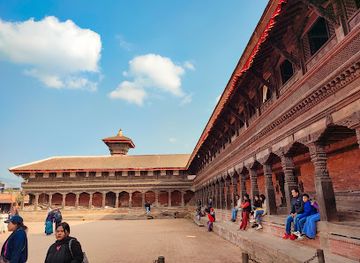
Bhaktapur Durbar Square
Explore the cultural heart of Nepal at Bhaktapur Durbar Square, a stunning UNESCO World Heritage site filled with history, architecture, and vibrant local life.
-
Buddhist temple
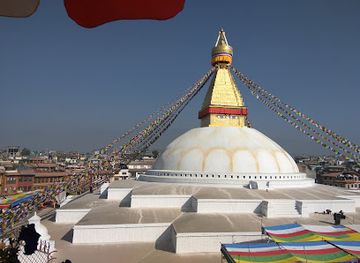
Buddha Stupa
Immerse yourself in the spiritual atmosphere of Buddha Stupa, a UNESCO World Heritage Site in Kathmandu, where tranquility and culture meet.
Explore Province No. 1 on the map
Plan your trip on one map. See where the top cities, national parks and sights are, and book hotels and experiences in a few clicks.
Best hotels in Province No. 1
Best restaurants in Province No. 1
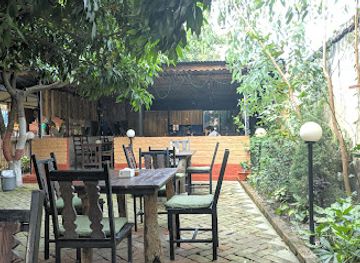
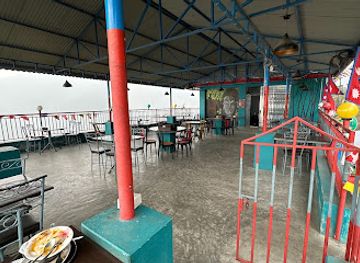
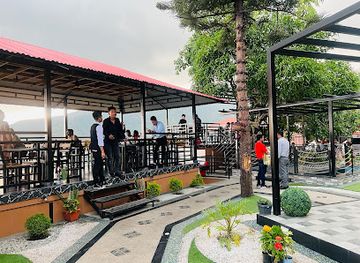
Dining in Koshi Province changes markedly between the Terai, hills and mountain trails. Biratnagar, Itahari and Dharan offer Nepali staples alongside Indian-influenced Terai cooking, while local eateries and family kitchens commonly serve dal bhat, tarkari, pickles, momo and noodle dishes. The eastern hills are associated with tea, cardamom, ginger and other crops, and Ilam is the natural place to explore Nepalese orthodox tea through estates, cafés and small producers. Limbu and Rai food traditions include fermented and smoked preparations, millet-based drinks and regional pickles, although recipes vary between households and communities. In trekking districts, menus are shaped by altitude, supply chains and teahouse cooking, with soups, Tibetan-influenced breads, noodles and simple rice meals being practical choices. Markets and roadside stalls provide seasonal fruit, sweets and savoury snacks; hygiene, water treatment and food freshness deserve more attention in remote areas than in established urban restaurants.
-
Restaurant
Olive Cafe
Experience the rich flavors of Nepal at Olive Cafe in Biratnagar - where every meal tells a story.
-
Restaurant
Nisane View Point
Discover unparalleled beauty and delicious cuisine at Nisane View Point in Dharan - an unforgettable experience awaits every visitor.
-
Restaurant
The Dharan View
Savor authentic Nepalese cuisine with stunning views at The Dharan View in Dharan—your perfect dining destination.
-
Restaurant
Gurung's BBQ
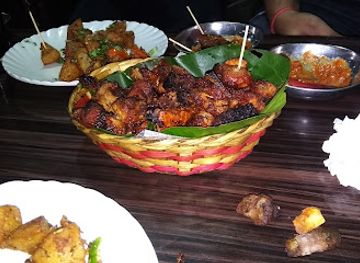
Experience authentic Nepali barbecue at Gurung's BBQ in Dharan - where every bite tells a story.
Best bars in Province No. 1
Evening life in Koshi Province is concentrated in Biratnagar, Dharan, Itahari and other larger towns rather than in a single province-wide nightlife district. Restaurants, cafés, live-music venues and modest bars provide the main urban options, while Dharan is known for a comparatively active evening social scene within eastern Nepal. In smaller hill towns, evenings generally centre on teahouses, family restaurants, local gatherings and hotel cafés, with limited late-night transport. Trekking areas offer convivial teahouse evenings, but these are early-closing mountain communities rather than nightclub destinations. Local beer, spirits and tea may be available, yet visitors should follow the tone of the place, particularly near religious sites and in villages. Commercial venues and opening arrangements change, so current local information is more reliable than assuming that a town has a permanent club circuit.
-
Grill
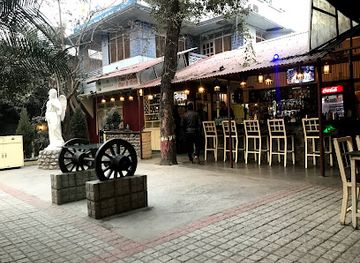
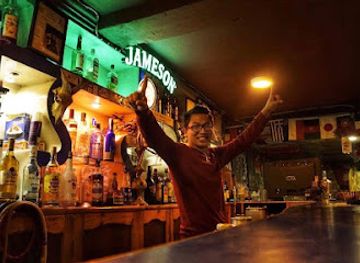
Feel Good Bar & Grill
Experience a delightful blend of local and international flavors at Feel Good Bar & Grill, the culinary hotspot in Biratnagar.
-
Pub
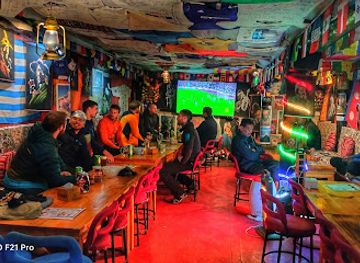
Irish Pub
Experience the unique charm of an Irish Pub in Namche Bazar, a perfect stop for trekkers seeking warmth, good food, and great company amidst breathtaking Himalayan views.
-
Restaurant
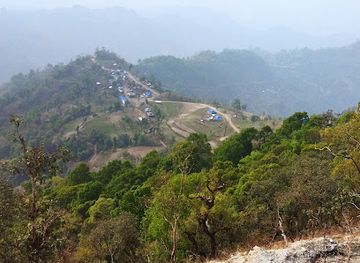
Vintage Family Lodge & Bar
Discover the heart of Letang with delightful dishes and a cozy atmosphere at Vintage Family Lodge & Bar, ideal for tourists and families alike.
-
Bar
Liquid Bar Namche
Experience the vibrant atmosphere and stunning mountain views at Liquid Bar Namche, the ultimate social hub in the heart of the Himalayas.
Best nightclubs in Province No. 1
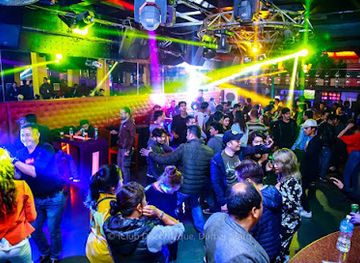
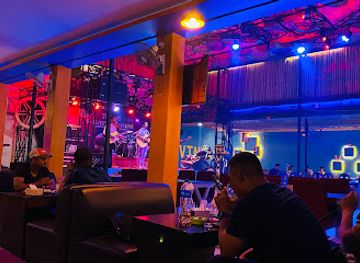
Evening life in Koshi Province is concentrated in Biratnagar, Dharan, Itahari and other larger towns rather than in a single province-wide nightlife district. Restaurants, cafés, live-music venues and modest bars provide the main urban options, while Dharan is known for a comparatively active evening social scene within eastern Nepal. In smaller hill towns, evenings generally centre on teahouses, family restaurants, local gatherings and hotel cafés, with limited late-night transport. Trekking areas offer convivial teahouse evenings, but these are early-closing mountain communities rather than nightclub destinations. Local beer, spirits and tea may be available, yet visitors should follow the tone of the place, particularly near religious sites and in villages. Commercial venues and opening arrangements change, so current local information is more reliable than assuming that a town has a permanent club circuit.
-
Night club
LOD - Lord of the Drinks
Dive into the vibrant nightlife of Thamel at Lord of the Drinks, a premier club known for its lively atmosphere, innovative cocktails, and unforgettable experiences.
-
Adult entertainment club
Iclub
Experience the electrifying nightlife at Iclub, Kathmandu's premier adult entertainment club with exhilarating music and dance.
-
Night club
Vintage Cafe, Lounge & Bar
Experience the vibrant nightlife at Vintage Cafe, Lounge & Bar in Dharan, where great food, drinks, and live entertainment await.
-
Disco club
Club Omnia
Discover the pulsating nightlife of Kathmandu at Club Omnia, where music and celebration come together in an unforgettable experience.


Best shops in Province No. 1
Shopping in Koshi Province is strongest in its market towns and agricultural centres rather than in large, specialised retail districts. Biratnagar, Itahari and Dharan have the broadest selection of clothing, household goods, electronics and food, while local markets in Ilam and Dhankuta are useful for regional produce. Tea is the defining purchase of the eastern hills, with packaged orthodox varieties from Ilam making a practical gift when bought from a reputable producer. Cardamom, ginger, honey, pickles, millet products and seasonal fruit may also be available through cooperatives and local shops. In hill and mountain areas, textiles, woven items, handmade baskets and small craft products can provide more meaningful souvenirs than imported trekking merchandise, though quality and provenance vary. Bargaining is common in informal markets but less appropriate in established shops; ask before photographing stalls or craftspeople and carry cash outside the main urban centres.
-
Department store
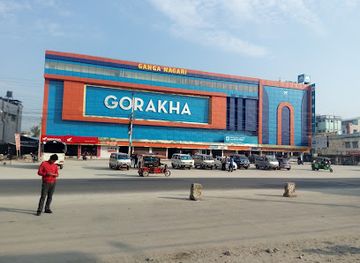
Gorakha Department Store
Discover a diverse range of products at Gorakha Department Store in Damak, your essential shopping stop for local goods and everyday items.
-
Department store
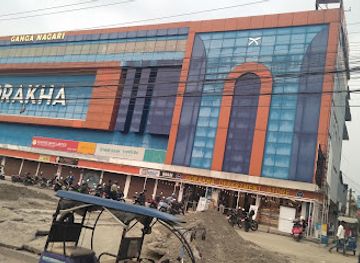
Gorkha Department Store Damak
Explore Gorkha Department Store in Damak for a diverse shopping experience featuring local goods, groceries, and unique souvenirs.
-
Gift shop
Friendshop
Explore Friendshop in Itahari for unique gifts and souvenirs that capture the essence of your travels in Nepal.
-
Department store
Barah Department Store
Discover the vibrant shopping experience at Barah Department Store in Dharan, offering a wide range of local products and a taste of Nepali culture.
Get your free copy of our complete guide to Province No. 1, delivered straight to you.
Everything on this page, from attractions and restaurants to essentials and local phrases, in one PDF you can read offline, print or share.
Already have an account? Sign in
Your Province No. 1 guide is ready.
We'll send it to · Not you? Sign out

Getting your guide ready…
We are putting together a fresh copy of the Province No. 1 guide. This can take up to a minute.
This can take a few moments. If your browser asks, choose Allow so the download can start. You'll find the guide in your Downloads folder.
Nothing happened? Download it again
Sorry, the guide is taking longer than usual. Please try again in a minute, or get it by email instead.
Province No. 1 essentials
Currency and Payment
Safety
Emergency Situations
Do's and Don'ts
Local Tips
From Eve
Local phrases worth knowing
You don't need to get them perfect. A few words go a long way, and locals appreciate the effort.
Basics
| English | Local | Say it |
|---|---|---|
| Hello | नमस्ते | [Namaste] |
| Goodbye | अलविदा | [Alvida] |
| Yes | हो | [Ho] |
| No | होइन | [Hoin] |
| Please/You're welcome | कृपया/स्वागत छ | [Kripaya/Swagat cha] |
| Thank you | धन्यवाद | [Dhanyabad] |
| Excuse me/Sorry | माफ गर्नुहोस् | [Maaf garnuhos] |
| How are you? | तिमीलाई कस्तो छ? | [Timilai kasto cha?] |
| Fine. And you? | राम्रो। र तिमी? | [Ramro. Ra timi?] |
| Do you speak English? | के तिमी अंग्रेजी बोल्छौ? | [Ke timi angrezi bolchau?] |
| I don't understand | म बुझ्न सक्दिन | [Ma bujhna sakdina] |
Eating & Drinking
| English | Local | Say it |
|---|---|---|
| I'd like to see the menu, please | कृपया मीनु देखाउनुभयो | [Kripaya menu dekhaunuhos] |
| I don't eat meat | म मासु खाँदैन | [Ma masu khandaina] |
| Cheers! | स्वास्थ्यको लागि! | [Swasthyakko lagi!] |
| I would like to pay, please | कृपया म तिर्न चाहन्छु | [Kripaya ma tirna chahanchu] |
Emergencies
| English | Local | Say it |
|---|---|---|
| Help! | मद्दत गर्नुहोस्! | [Maddat garnuhos!] |
| Go away! | फर्कनुहोस्! | [Pharkunuhos!] |
| Call the Police! | पुलिसलाई फोन गर्नुहोस्! | [Pulislai phone garnuhos!] |
| Call a doctor! | डाक्टरलाई फोन गर्नुहोस्! | [Daktaralai phone garnuhos!] |
| I'm lost | म हराएको छु | [Ma harayeko chu] |
| I'm ill | म बिरामी छु | [Ma birami chu] |
Shopping
| English | Local | Say it |
|---|---|---|
| I'd like to buy... | म किन्न चाहन्छु... | [Ma kinna chahanchu...] |
| I'm just looking | म केवल हेरिरहेको छु | [Ma keval heriraheko chu] |
| How much is it? | यो कति हो? | [Yo kati ho?] |
| That's too expensive | यो धेरै महँगो हो | [Yo dherai mahango ho] |
| Can you lower the price? | के तपाईँ मूल्य घटाउन सक्नुहुन्छ? | [Ke tapai mulya ghatauna saknuhunchha?] |
Time & Numbers
| English | Local | Say it |
|---|---|---|
| What time is it? | यो कति बजे हो? | [Yo kati baje ho?] |
| It's one o'clock | यो एक बजे हो | [Yo ek baje ho] |
| Half past (10) | साढे (10) | [Sadhay (10)] |
| Morning | बिहान | [Bihan] |
| Afternoon | बेलुका | [Beluka] |
| Evening | साँझ | [Sajh] |
| Yesterday | हिजो | [Hijo] |
| Today | आज | [Aaja] |
| Tomorrow | भोलि | [Bholi] |
| 1 | १ | [1] |
| 2 | २ | [2] |
| 3 | ३ | [3] |
| 4 | ४ | [4] |
| 5 | ५ | [5] |
| 6 | ६ | [6] |
| 7 | ७ | [7] |
| 8 | ८ | [8] |
| 9 | ९ | [9] |
| 10 | १० | [10] |
Transport & Directions
| English | Local | Say it |
|---|---|---|
| Where's a/the...? | कहाँ छ ...? | [Kahaan cha ...?] |
| What's the address? | ठेगाना के हो? | [Thegana ke ho?] |
| Can you show me (on the map)? | के तपाईँ मलाई देखाउन सक्नुहुन्छ (नक्सामा)? | [Ke tapaai malai dekhauna saknuhunchha (naksama)?] |
| When's the next (bus)? | अर्को (बस) कहिले छ? | [Arko (bus) kahile cha?] |
| A ticket (to ....) | एक टिकट (....को लागि) | [Ek ticket (....ko lagi)] |
History of Province No. 1
Early Kirata and Himalayan Cultures
Eastern Nepal has long been associated with Kirata peoples and with the Rai and Limbu communities whose histories, land traditions and ritual practices remain important in the hills. The region’s geography encouraged numerous local settlements linked by footpaths rather than one dominant urban centre. Oral traditions, clan histories, sacred landscapes and distinctive languages preserve aspects of this past, while archaeological evidence and early political records show that the eastern hills were connected to wider Himalayan and South Asian networks. These cultural foundations continue to shape festivals, architecture and community life across Koshi Province.
Medieval Hill Principalities and Trade Routes
Before the consolidation of modern Nepal, eastern Nepal was divided among local principalities and political territories, including Limbuwan areas and the Sen kingdoms of the eastern Terai and hills. Market routes connected the plains with Tibet-facing valleys and with settlements farther west. Fortified positions, religious sites and old trading paths reflect a period when local rulers, merchants and agricultural communities negotiated influence across difficult terrain. The region’s later incorporation into the expanding Gorkha state did not erase these identities; land, language and customary institutions remain central to the historical character of eastern Nepal.
Unification and the Eighteenth-Century Kingdom
The Gorkha expansion led by Prithvi Narayan Shah and his successors brought much of eastern Nepal into the kingdom that developed into modern Nepal. Campaigns and political agreements altered the balance between hill principalities, local elites and the central court. The eastern frontier was also shaped by relations with Sikkim and British India, making the area strategically significant. Although the process created a wider Nepali state, it also produced long-running debates over land rights, representation and the political status of Limbuwan and other eastern communities.
The Anglo-Nepalese War and the Eastern Frontier
The Anglo-Nepalese War of 1814–1816 had important consequences for Nepal’s eastern frontier. The Treaty of Sugauli required Nepal to cede substantial territories, including areas east of the Mechi River that became part of British India. The resulting border helped define the modern relationship between Nepal and neighbouring India and divided communities with older cultural and trading connections. Later frontier settlements and cross-border commerce continued to influence the Terai districts, while the hills retained their role as a meeting point between Nepali, Himalayan and South Asian worlds.
Biratnagar and the Growth of Industry
Biratnagar developed into one of Nepal’s principal industrial and commercial centres during the twentieth century. Its location in the eastern Terai, close to the Indian border and connected to agricultural hinterlands, supported mills, manufacturing and regional trade. The city also became associated with labour organisation and political activism; the Biratnagar Jute Mill, established in the 1930s, is particularly important in Nepal’s industrial history. Although the economy has diversified and industrial fortunes have changed, Biratnagar remains a major gateway and an urban counterpoint to the province’s hill and mountain districts.
Tea Cultivation in Ilam and the Eastern Hills
Commercial tea cultivation transformed parts of the eastern hills, especially around Ilam, during the nineteenth and twentieth centuries. Nepal’s first tea plantation was established at Ilam in the 1860s, and later estates and smallholder production helped establish the area’s reputation for orthodox tea. Tea shaped land use, seasonal work and local commerce while adding a distinctive agricultural identity to the hills. Today, gardens, processing facilities and tea culture form an important part of Koshi’s visitor economy, alongside cardamom, ginger and other highland crops.
Protected Landscapes and Conservation
Late twentieth-century conservation efforts created a connected set of protected landscapes across Koshi Province. Sagarmatha National Park, established in 1976, protects the Everest region’s high mountain ecosystems and was later recognised by UNESCO for its natural and cultural significance. Makalu-Barun National Park and Conservation Area protects an exceptional range of elevations, while Kanchenjunga Conservation Area safeguards remote eastern Himalayan habitats. Koshi Tappu Wildlife Reserve, established in the Terai in 1976, centres on wetlands and floodplain ecology. Together these areas illustrate Nepal’s attempt to conserve environments ranging from subtropical grasslands to glaciated peaks.
Koshi Province and Federal Nepal
Nepal’s federal restructuring created Province No. 1 under the 2015 Constitution, with Biratnagar as its capital. In 2023 the province was officially renamed Koshi Province, reflecting the importance of the Koshi River system and eastern regional identity. The change formed part of continuing discussions about history, representation and provincial identity in Nepal. For travellers, the administrative label matters because it groups very different destinations under one government but does not imply that they are close together or easily visited on a single short itinerary.
Province No. 1 in Photos
Browse through our photo collection highlighting the charm and character of the destination.
Neighbouring regions of Province No. 1
The closest regions to Province No. 1, if you have time for more than one.
-

-

-

-

-


Swipe for more regions
Explore more

Explore more of Nepal
Discover Nepal: A land of towering peaks, spiritual harmony, and vibrant culture, offering endless adventures and serene escapes for every traveler.
Explore Nepal