

Free Drenthe Travel Guide & Mobile App
Explore Drenthe with free travel guides. Discover regional history, expert tips, proposed trips, and audio guides on web or mobile app.


Explore Drenthe’s prehistoric hunebedden, heathland parks, peat villages, cycling routes and museums across the Netherlands’ spacious north-east.
Read more about Drenthe
When is the best time to visit Drenthe?
Best: June–August · 20–22°C| Month | High (°C) | Rainfall (mm) |
|---|---|---|
| January | 6 | 70 |
| February | 7 | 60 |
| March | 10 | 60 |
| April | 13 | 50 |
| May | 17 | 60 |
| June (best) | 20 | 70 |
| July (best) | 22 | 80 |
| August (best) | 22 | 70 |
| September | 19 | 70 |
| October | 14 | 70 |
| November | 9 | 70 |
| December | 7 | 70 |
Getting to and around Drenthe
How to get there
Transportation
Top city travel guides in Drenthe
The cities of Drenthe, and the easiest places to base yourself.
-

-


Swipe for more cities
Destinations in Drenthe
Resorts, valleys and scenic spots worth a trip of their own.
-

-

-


Swipe for more destinations
Best attractions in Drenthe
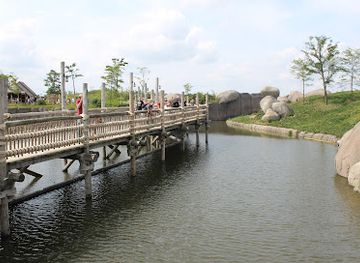
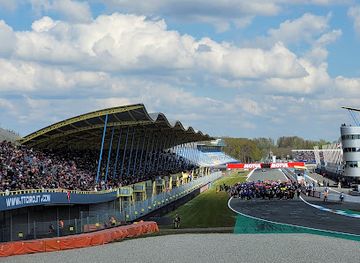
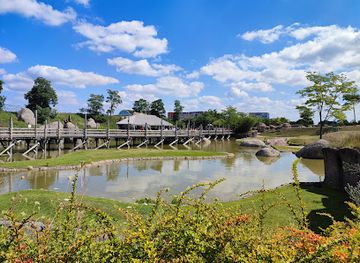
Drenthe’s attractions are closely tied to its landscape and long settlement history. The province’s principal archaeological experience is the network of hunebedden, best understood through the Hunebedcentrum at Borger and then explored at associated sites along the Hondsrug. National parks provide a contrasting focus: Dwingelderveld is known for open wet heathland, pools and quiet walking and cycling routes, while the Drenthe side of Drents-Friese Wold combines forest, heath and sandy terrain. The Drents Museum in Assen brings together archaeology, regional history and changing art exhibitions. Open-air heritage is particularly strong at Orvelte, with historic farmhouses and village lanes, and at Veenpark near Barger-Compascuum, where peat-cutting culture and canal settlements are interpreted. Westerbork Memorial Centre offers a place for careful historical reflection, while the TT Circuit Assen represents the province’s modern motor-sport identity. Family-oriented visits can include Wildlands Adventure Zoo in Emmen, though its scale and urban setting differ from the quieter nature reserves. Cycling, walking, horse riding and birdwatching provide the connective thread between these otherwise varied attractions.
-
Tourist attraction
Wildlands
Explore the wild wonders of nature at Wildlands, Emmen's premier theme park and zoo, where adventure and wildlife come together in harmony.
-
Tourist attraction
TT Circuit Assen
Discover the adrenaline rush of motorsport at TT Circuit Assen, the Netherlands' premier racing destination with thrilling events and rich history.
-
Tourist attraction
Drouwenerzand Attractiepark B.V.
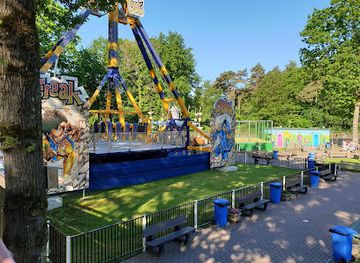
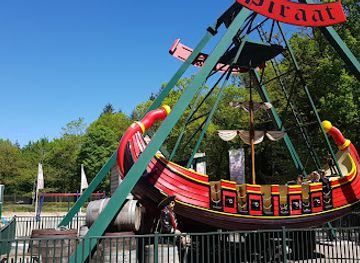
Experience thrilling rides, family fun, and beautiful nature at Drouwenerzand Attractiepark, the ultimate amusement park adventure in the Netherlands.
-
Museum
Herinneringscentrum Kamp Westerbork
Explore the profound history of the Holocaust at Herinneringscentrum Kamp Westerbork, a museum and memorial in Hooghalen, Netherlands.

Best landmarks in Drenthe
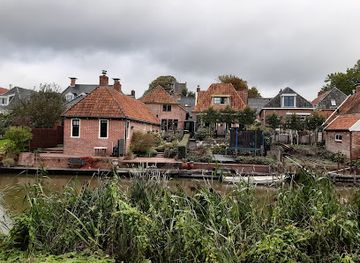
Drenthe’s most recognisable landmarks are often ancient or landscape-based rather than monumental urban structures. The hunebed near Borger is the largest in the Netherlands and, together with the many megalithic tombs along the Hondsrug, gives the province its defining prehistoric identity. The Hondsrug itself is a significant geological and cultural feature: a long sandy ridge carrying villages, historic routes, fields and archaeological remains above former wetland areas. In Coevorden, the surviving urban form and defensive heritage recall the town’s strategic importance on routes towards the German border, while Assen’s provincial government buildings and city institutions express its nineteenth-century rise as an administrative capital. The restrained village architecture of Orvelte, including traditional farm buildings and open lanes, is a landmark of Drenthe’s agricultural past. At Hooghalen, the Westerbork Memorial Centre and the remains and markers of the former camp create a place of national historical significance. Elsewhere, canal alignments, peat workers’ settlements and the open heathland of Dwingelderveld make the transformed and protected landscape itself part of the province’s visual identity.
-
Zoo
Wildlands
Experience the thrill of Wildlands, where adventure meets wildlife in a breathtaking theme park and zoo in Emmen, Netherlands.
-
Amusement park
Drouwenerzand Attractiepark B.V.
Experience the thrill of adventure at Drouwenerzand Attractiepark, a delightful amusement park in Drouwen, perfect for family fun and excitement.
-
Museum
Drents Museum
Explore the Drents Museum in Assen for a captivating journey through Dutch art, history, and archaeological wonders.
-
National reserve
Dwingelderveld National Park
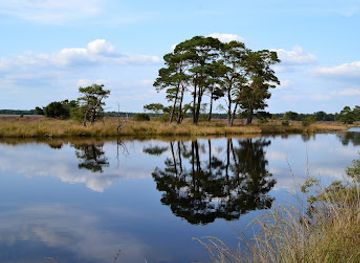
Discover the tranquil beauty of Dwingelderveld National Park, a natural reserve offering diverse landscapes, wildlife, and endless hiking opportunities in the Netherlands.
Explore Drenthe on the map
Plan your trip on one map. See where the top cities, national parks and sights are, and book hotels and experiences in a few clicks.
Best hotels in Drenthe
Best restaurants in Drenthe
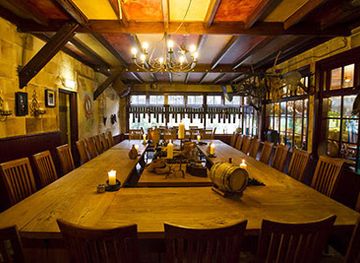
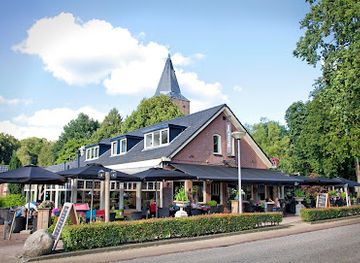
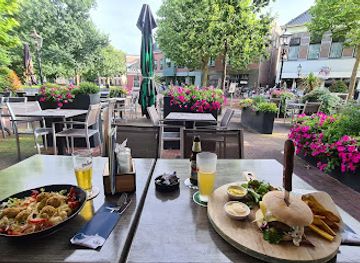
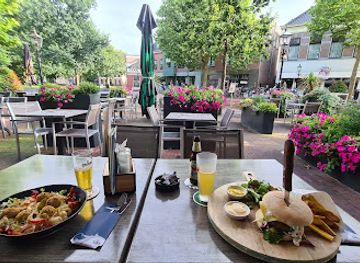
Dining in Drenthe reflects a rural province where agricultural produce, dairy, bread, meat, game and seasonal vegetables are more important than a single signature cuisine. Assen, Emmen, Meppel and Hoogeveen offer the broadest choice of restaurants, cafés and international food, while village pubs, farm restaurants and rural inns provide settings closer to the countryside. Local produce may appear through cheeses, preserves, potatoes, apples, asparagus when in season and products from nearby farms; menus also draw on wider Dutch traditions such as pancakes, pea soup and fried or smoked fish. In the former peat districts, cafés and restaurants are often connected to canal villages and heritage attractions, whereas around the national parks dining options are more dispersed. Farmers’ shops and occasional local markets are useful for bread, cheese, meat, honey and regional drinks. Dutch coffee culture is easy to find in town-centre cafés, and visitors should expect straightforward, seasonal cooking rather than a narrowly defined provincial menu.
-
Restaurant
De Bospub
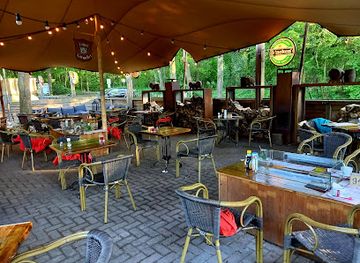
Discover De Bospub: A delightful restaurant surrounded by nature's beauty in Dwingeloo, serving exquisite crepes and family-friendly cuisine.
-
Restaurant
Robin Hood Ribhouse
Experience delicious ribs and enchanting decor at Robin Hood Ribhouse in Drouwen – perfect for families and food lovers alike.
-
Restaurant
Diggels
Discover culinary excellence at Diggels in Westerbork—where local flavors meet exceptional service in a warm and inviting setting.
-
Restaurant
Restaurant & Grandcafé Liff
Experience exquisite Dutch and international cuisine at Restaurant & Grandcafé Liff in Assen – where taste meets tradition in every dish.
Best bars in Drenthe
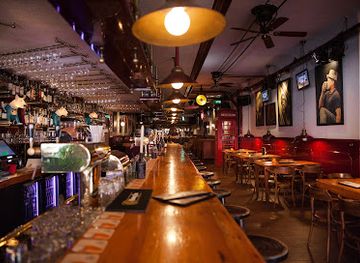
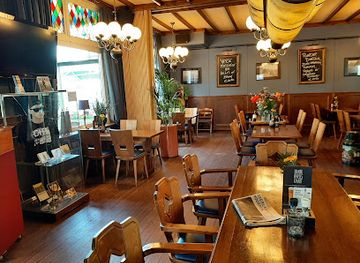
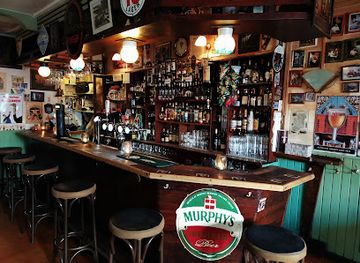
Evening life in Drenthe is concentrated in Assen, Emmen, Meppel, Hoogeveen and Coevorden, with smaller towns and villages relying mainly on traditional pubs, cafés and restaurants. The usual rhythm is relaxed: people meet for beer, coffee, simple food or conversation, while larger towns provide more late-evening options and occasional live music. Assen’s student, cultural and motor-sport connections give it the broadest urban choice, although it does not resemble Amsterdam or Rotterdam for clubbing. Around the countryside, historic inns and village cafés are more common than dedicated nightclubs, and some venues may be quiet outside weekends or major events. Local breweries and Dutch beer lists can be found alongside familiar international brands, while alcohol-free options are widely available. The TT Circuit can bring a markedly busier atmosphere to Assen during major race weekends, but event dates and venue arrangements vary, so visitors should check current information rather than assume a permanent festival scene.
-
Brasserie
Cafe de Brasserie
Discover the culinary delights of Café de Brasserie in Emmen, a perfect blend of local charm and exquisite cuisine for every traveler.
-
Restaurant
Café-Restaurant Hofsteenge
Discover the perfect blend of cozy ambiance and delicious cuisine at Café-Restaurant Hofsteenge in Grolloo, a true culinary gem for every traveler.
-
Restaurant
Restaurant & Grandcafé Liff
Experience the best of Dutch and international cuisine at Restaurant & Grandcafé Liff in the heart of Assen, a culinary gem for every traveler.
-
Irish pub
O'Ceallaigh Traditional Music Bar
Discover the charm of Irish hospitality at O'Ceallaigh Traditional Music Bar in Groningen, where live music and authentic cuisine await.
Best nightclubs in Drenthe
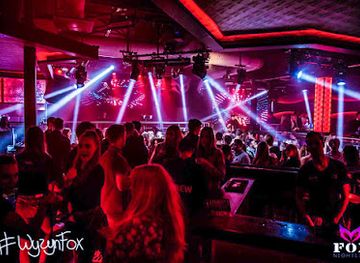
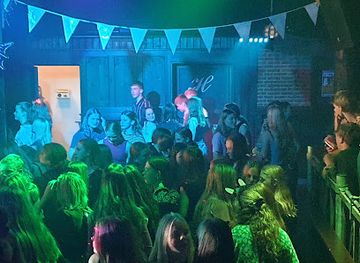
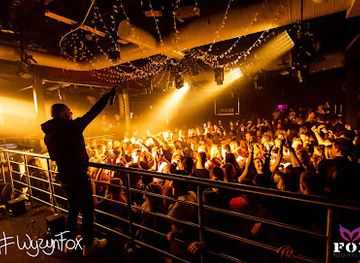
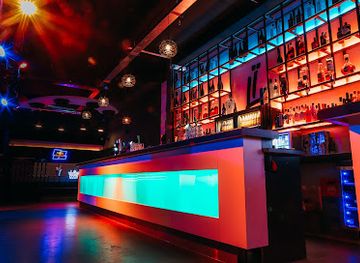
Evening life in Drenthe is concentrated in Assen, Emmen, Meppel, Hoogeveen and Coevorden, with smaller towns and villages relying mainly on traditional pubs, cafés and restaurants. The usual rhythm is relaxed: people meet for beer, coffee, simple food or conversation, while larger towns provide more late-evening options and occasional live music. Assen’s student, cultural and motor-sport connections give it the broadest urban choice, although it does not resemble Amsterdam or Rotterdam for clubbing. Around the countryside, historic inns and village cafés are more common than dedicated nightclubs, and some venues may be quiet outside weekends or major events. Local breweries and Dutch beer lists can be found alongside familiar international brands, while alcohol-free options are widely available. The TT Circuit can bring a markedly busier atmosphere to Assen during major race weekends, but event dates and venue arrangements vary, so visitors should check current information rather than assume a permanent festival scene.
-
Disco club
FOX Nightlife
Discover Stadskanaal's energetic nightlife at FOX Nightlife, where every night is a celebration filled with music, dance, and unforgettable moments.
-
Disco club
Club Smithy`s Palace
Dive into the vibrant nightlife at Club Smithy's Palace, Eesveen's premier disco club offering an unforgettable experience of music and dance.
-
Club
Fox Stadskanaal
Dive into the vibrant nightlife at Fox Stadskanaal, where every night is filled with music, dancing, and unforgettable memories in the heart of Stadskanaal.
-
Night club
Club Limbo Emmen
Unleash your energy at Club Limbo Emmen, the ultimate nightlife destination with electrifying music and an unforgettable party atmosphere.
Best shops in Drenthe
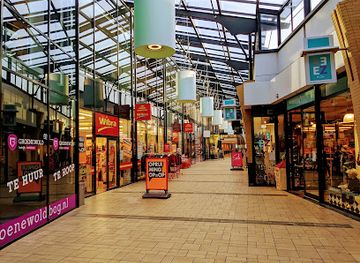
Shopping in Drenthe is centred on the high streets of Assen, Emmen, Meppel, Hoogeveen and Coevorden, where national retailers sit alongside cafés and a smaller number of independent shops. The provincial buying experience becomes more distinctive in market towns and villages, particularly through farm shops, bakeries, delicatessens, garden centres and craft outlets. Visitors can look for regional cheeses, honey, preserves, bread, seasonal fruit, local beer and spirits as practical souvenirs, while galleries and studios offer ceramics, textiles, paintings and handmade objects inspired by the surrounding landscape. Heritage villages and museum sites often sell books about archaeology, peat working, nature and local history, making them more useful than generic gift shops for understanding Drenthe. Weekly markets and seasonal fairs vary by town and date, so current local listings are advisable. Rural retail is dispersed and opening arrangements can be limited outside the larger centres; combining a farm shop or craft visit with a cycling or driving route is usually more rewarding than expecting a single concentrated shopping district.
-
Shopping mall
Winkelcentrum de Weiert
Explore Winkelcentrum de Weiert in Emmen, a shopping paradise featuring diverse stores, delicious dining, and vibrant local culture.
-
Department store
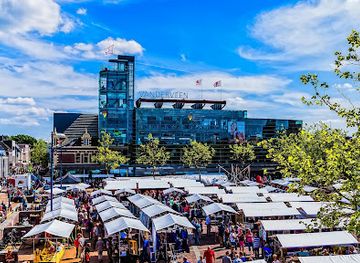
Vanderveen's department store
Discover Vanderveen's Department Store in Assen for an exceptional shopping experience with a delightful mix of local and international products.
-
Gift shop
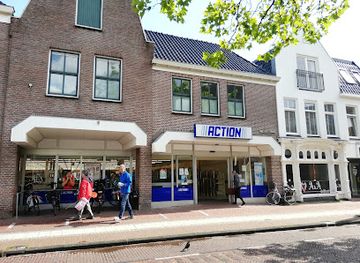
Action Assen
Explore Action Assen for an extraordinary shopping experience offering gifts, home goods, DIY supplies, and more in the heart of Assen.
-
Shopping mall
Winkelcentrum De Triade
Explore Winkelcentrum De Triade, Assen's premier shopping mall, where diverse stores and delightful dining meet in a vibrant atmosphere.
Get your free copy of our complete guide to Drenthe, delivered straight to you.
Everything on this page, from attractions and restaurants to essentials and local phrases, in one PDF you can read offline, print or share.
Already have an account? Sign in
Your Drenthe guide is ready.
We'll send it to · Not you? Sign out

Getting your guide ready…
We are putting together a fresh copy of the Drenthe guide. This can take up to a minute.
This can take a few moments. If your browser asks, choose Allow so the download can start. You'll find the guide in your Downloads folder.
Nothing happened? Download it again
Sorry, the guide is taking longer than usual. Please try again in a minute, or get it by email instead.
Drenthe essentials
Currency and Payment
Safety
Emergency Situations
Do's and Don'ts
Local Tips
From Eve
Local phrases worth knowing
You don't need to get them perfect. A few words go a long way, and locals appreciate the effort.
Basics
| English | Local | Say it |
|---|---|---|
| Hello | Hallo | [Ha-lo] |
| Goodbye | Tot ziens | [Tot zeens] |
| Yes | Ja | [Ya] |
| No | Nee | [Nay] |
| Please/You're welcome | Alstublieft | [Al-stu-bleeft] |
| Thank you | Dank u | [Dahnk oo] |
| Excuse me/Sorry | Sorry | [Sor-ree] |
| How are you? | Hoe gaat het? | [Hoo gaat het] |
| Fine. And you? | Goed. En jij? | [Hoot. En yay] |
| Do you speak English? | Spreekt u Engels? | [Spraykt oo En-gels] |
| I don't understand | Ik begrijp het niet | [Ik be-graip het neet] |
Eating & Drinking
| English | Local | Say it |
|---|---|---|
| I'd like to see the menu, please | Ik zou graag de menukaart willen zien, alstublieft | [Ik zow grach de me-nu-kaart wil-len zeen, al-stu-bleeft] |
| I don't eat meat | Ik eet geen vlees | [Ik eet ghen vlay-s] |
| Cheers! | Proost! | [Prohst] |
| I would like to pay, please | Ik zou graag willen betalen, alstublieft | [Ik zow grach wil-len be-ta-len, al-stu-bleeft] |
Emergencies
| English | Local | Say it |
|---|---|---|
| Help! | Help! | [Help] |
| Go away! | Ga weg! | [Gah vek] |
| Call the Police! | Bel de politie! | [Bel de po-li-tsee] |
| Call a doctor! | Bel een dokter! | [Bel een dok-ter] |
| I'm lost | Ik ben verdwaald | [Ik ben fer-dwaald] |
| I'm ill | Ik ben ziek | [Ik ben zeek] |
Shopping
| English | Local | Say it |
|---|---|---|
| I'd like to buy... | Ik zou graag ... willen kopen | [Ik zow grach ... wil-len ko-pen] |
| I'm just looking | Ik kijk alleen maar | [Ik kike a-lay-en mar] |
| How much is it? | Hoeveel kost het? | [Hoo-vayl kost het] |
| That's too expensive | Dat is te duur | [Dat is te dur] |
| Can you lower the price? | Kunt u de prijs verlagen? | [Kunt oo de prays ver-lah-gen] |
Time & Numbers
| English | Local | Say it |
|---|---|---|
| What time is it? | Hoe laat is het? | [Hoo laat is het] |
| It's one o'clock | Het is één uur | [Het is eyn oor] |
| Half past (10) | Half elf | [Half elf] |
| Morning | Ochtend | [Okh-tend] |
| Afternoon | Middag | [Mid-dahg] |
| Evening | Avond | [A-vond] |
| Yesterday | Gisteren | [Gis-te-ren] |
| Today | Vandaag | [Van-dahg] |
| Tomorrow | Morgen | [Mor-ghen] |
| 1 | Eén | [Eyn] |
| 2 | Twee | [Tway] |
| 3 | Drie | [Dree] |
| 4 | Vier | [Veer] |
| 5 | Vijf | [Vayf] |
| 6 | Zes | [Zes] |
| 7 | Zeven | [Zay-ven] |
| 8 | Acht | [Aht] |
| 9 | Negen | [Nay-ghen] |
| 10 | Tien | [Teen] |
Transport & Directions
| English | Local | Say it |
|---|---|---|
| Where's a/the...? | Waar is een ...? | [Vaar is een ...?] |
| What's the address? | Wat is het adres? | [Wat is het a-dres?] |
| Can you show me (on the map)? | Kunt u het me laten zien (op de kaart)? | [Kunt oo het me la-ten zeen (op de kaart)?] |
| When's the next (bus)? | Wanneer komt de volgende (bus)? | [Van-der komt de vol-gen-de (bus)?] |
| A ticket (to ....) | Een kaartje (naar ...) | [Een kaart-ye (naer ...)] |
History of Drenthe
The Funnelbeaker Culture and the Hunebedden
From approximately 3400 to 2850 BC, farming communities of the Funnelbeaker culture built megalithic tombs from glacial boulders across what is now Drenthe. The hunebedden were collective burial monuments, constructed with upright stones supporting massive capstones and often covered by earth. Their presence demonstrates that prehistoric communities were settled, organised and capable of moving substantial materials. Drenthe contains the greatest concentration of these monuments in the Netherlands, particularly along the Hondsrug and around Borger. They remain the province’s most distinctive archaeological legacy and an enduring reminder that its seemingly quiet landscape has a very deep human history.
Roman-Era Borders and Early Medieval Drenthe
Drenthe lay beyond the heavily urbanised core of the Roman Netherlands, although Roman goods and influences reached the region through trade and contact. The sandy uplands continued to support dispersed farming communities rather than large Roman towns. In the early medieval period, settlement patterns, Christianity and political authority gradually changed. Much of Drenthe became connected to the bishopric of Utrecht, whose influence developed over centuries through churches, landholding and administration. Villages grew around farms, greens and ecclesiastical foundations, creating elements of the settlement pattern still visible in parts of the province today.
Medieval Villages, Landholding and the Bishopric of Utrecht
During the Middle Ages, Drenthe was a relatively sparsely populated frontier of the bishopric of Utrecht, governed through local communities and regional strongholds. Village brink settlements, common grazing rights and cultivated fields on the sandy plateaux formed an agricultural system adapted to poor soils. Coevorden became particularly important because its position controlled routes towards the north and east, and its fortified role brought Drenthe into wider political conflicts. Medieval churches, village layouts and the relationship between arable fields, heathland and common land preserve traces of this long period of local agricultural organisation.
Peat Cutting and the Transformation of the Lowlands
From the early modern period into the nineteenth and twentieth centuries, peat extraction reshaped the south-eastern and central parts of Drenthe. Peat served as a major domestic fuel, while canals were dug to drain the bogs and transport the harvested material. Workers’ settlements developed along these waterways, and former peatlands were gradually converted into farmland or woodland. Barger-Compascuum’s Veenpark presents this history through reconstructed buildings, waterways and working landscapes. The legacy is also visible in the straight canals and planned settlements of the former peat districts, which contrast sharply with the older sandy villages and heathlands.
Assen and the Making of a Provincial Capital
Assen grew from a small settlement associated with the Cistercian Maria in Campis convent, founded in the thirteenth century, into the administrative centre of Drenthe. Its importance increased after the provincial government moved there in the early nineteenth century, when the Netherlands was being reorganised as a modern state. Public buildings, institutions and improved roads strengthened Assen’s role as the province’s political and cultural capital. The city’s later museums, schools and transport links reflect this transformation from a religious and local settlement into a centre serving a predominantly rural province.
Westerbork and the Second World War
The Westerbork camp site near Hooghalen was established by the Dutch government in 1939 to accommodate Jewish refugees from Germany and Austria. During the German occupation it became a transit camp from which more than 100,000 Jews, as well as Roma and Sinti, were deported to concentration and extermination camps in eastern Europe. The camp’s location in an otherwise rural part of Drenthe is central to understanding the concealment and administrative organisation of persecution. The Westerbork Memorial Centre and the marked former camp site preserve this history through exhibitions, reconstructed elements and personal testimony.
Postwar Mobility, Heritage and Outdoor Tourism
After 1945, Drenthe experienced agricultural modernisation, expanded road and rail connections and the growth of regional towns such as Emmen and Assen. At the same time, awareness of the province’s archaeological and ecological value encouraged the protection of heathlands, forests, peat remnants and village landscapes. National parks, cycle routes, museums and heritage sites became important parts of the local economy without erasing Drenthe’s farming and industrial traditions. The TT Circuit Assen, opened in 1955 and subsequently redeveloped, added a modern motor-sport identity to a province otherwise strongly associated with prehistoric monuments and open countryside.
Drenthe in Photos
Browse through our photo collection highlighting the charm and character of the destination.
Neighbouring regions of Drenthe
The closest regions to Drenthe, if you have time for more than one.
-

-

-

-

-


Swipe for more regions
Explore more

Explore more of Netherlands
Discover the Netherlands: A blend of historic charm, artistic treasures, and scenic landscapes, perfect for an enriching travel experience.
Explore Netherlands