

Sandia Peak Tramway Travel Guide - Free Web & App
Your ultimate guide to Sandia Peak Tramway. Discover top landmarks, proposed trips, and local tips. Free on the web or via the Evendo companion app.


Sandia Peak Tramway in New Mexico climbs above Albuquerque for mountain views, forest trails, Sandia Crest scenery and high-desert adventure.
Climbing the Sandia Mountains
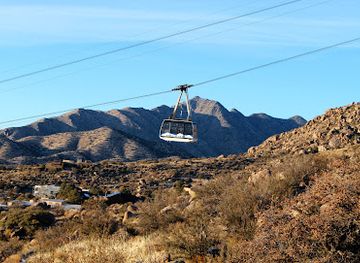
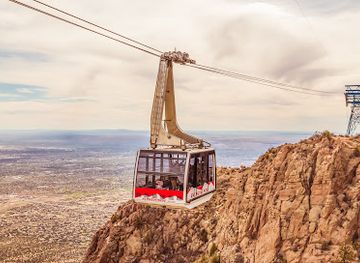
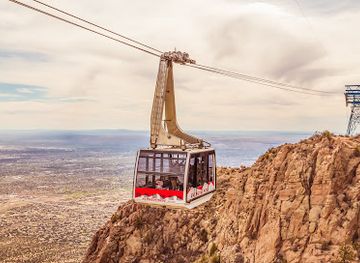
Sandia Peak Tramway rises from the eastern edge of Albuquerque into the Sandia Mountains, carrying visitors across a steep, forested western escarpment to an upper terminal near Sandia Crest. The journey covers approximately 2.7 miles and climbs from the city’s high-desert environment to an elevation of about 10,378 feet, creating a striking change in scenery within a single ride. From the cabins and the mountain station, the view extends across Albuquerque, the Rio Grande valley and, in clear weather, broad stretches of central New Mexico.Read more about Sandia Peak Tramway
High-Desert and Alpine Landscapes
A Scenic Base for Exploration
When is the best time to visit Sandia Peak Tramway?
Best: June–August · 22–24°C| Month | High (°C) | Rainfall (mm) |
|---|---|---|
| January | 4 | 22 |
| February | 5 | 22 |
| March | 9 | 30 |
| April | 13 | 30 |
| May | 18 | 30 |
| June (best) | 22 | 35 |
| July (best) | 24 | 40 |
| August (best) | 23 | 40 |
| September | 19 | 35 |
| October | 14 | 30 |
| November | 8 | 22 |
| December | 4 | 22 |
Getting to and around Sandia Peak Tramway
How to get there
Transportation
Best attractions in Sandia Peak Tramway
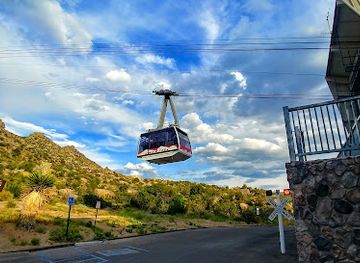
The central attraction is the Sandia Peak Tramway itself, whose cabins cross the western face of the Sandia Mountains between Albuquerque and the upper terminal near Sandia Crest. The ascent reveals changing vegetation, exposed rock and increasingly broad views over the Rio Grande valley and the city. At the summit, visitors can explore viewing areas and link their visit with established routes in the Cibola National Forest, including sections of the Crest Trail and access towards the upper end of La Luz Trail. Sandia Crest, reached separately by the mountain road from the east, provides another perspective on the range and its high-elevation environment. The lower terminal is the practical starting point for the tram experience, while Albuquerque nearby offers museums, historic districts and cultural attractions that complement the mountain excursion. Seasonal snow and cooler conditions can alter the character and accessibility of the upper slopes.
-
Tourist attraction
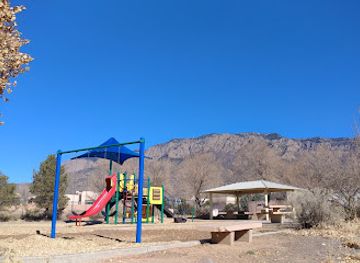
Little Cloud Park
Experience the tranquility of Little Cloud Park in Albuquerque, where scenic trails and stunning mountain views create the perfect outdoor getaway.
-
Hiking area
Grand Enchantment Trail - Tramway Trail Segment Trailhead
Explore the breathtaking Grand Enchantment Trail - Tramway Trail Segment in Albuquerque, NM, a haven for hikers and nature lovers seeking stunning landscapes and tranquility.
-
Hiking area
La Luz Trail
Experience breathtaking views and diverse wildlife on the La Luz Trail in Albuquerque, NM, a must-visit destination for hiking enthusiasts.
-
Tourist attraction
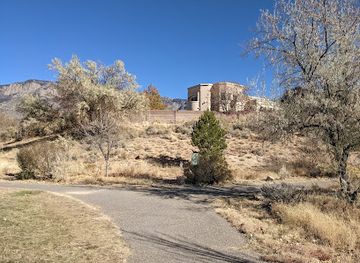
Patricia Cassidy Park
Discover tranquility at Patricia Cassidy Park, a picturesque oasis in Albuquerque featuring walking trails, playgrounds, and community events for all ages.
Best landmarks in Sandia Peak Tramway
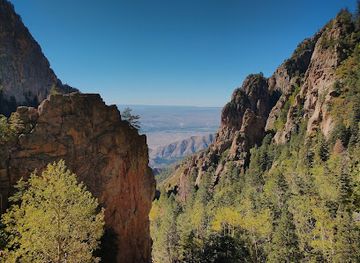
The defining landmark is the Sandia Mountains’ sheer western escarpment, which rises dramatically above Albuquerque and changes colour in the low evening sun. The Sandia Peak Tramway is itself a notable piece of mountain transport infrastructure, spanning the face of the range to an upper station near the crest. Sandia Crest, at roughly 10,678 feet, is the highest point in the range and forms the geographic focus of the wider mountain landscape, although the tram’s upper terminal is lower than the summit. The Rio Grande valley and Albuquerque spread below the western slopes, creating the destination’s characteristic relationship between high desert and mountain forest. Granite outcrops, conifer woodland and open ridge scenery provide the principal natural landmarks; the surrounding Cibola National Forest gives these features their wider ecological and recreational setting.
-
Hiking area
Sandia Peak Tramway First Tower Hike
Discover the breathtaking views and natural beauty of the Sandia Peak Tramway First Tower Hike in Albuquerque, NM, a perfect adventure for outdoor enthusiasts.
Explore Sandia Peak Tramway on the map
Plan your trip on one map. See where the top attractions, landmarks, restaurants and hotels are, and book hotels and experiences in a few clicks.
Best hotels in Sandia Peak Tramway
Best restaurants in Sandia Peak Tramway
Dining directly at Sandia Peak Tramway is limited compared with Albuquerque, and visitors should check which mountain facilities and food services are operating before relying on them. The city below provides the widest choice, from New Mexican restaurants serving chile-based dishes, enchiladas, posole and carne adovada to cafés, breweries and international dining. Albuquerque’s food culture reflects Indigenous, Spanish, Mexican and later regional influences, with red and green chile central to many local menus. Restaurants and casual food outlets are concentrated along the approach roads and throughout the city rather than among the mountain trails. The foothill communities and the eastern side of the Sandias offer additional places to eat, but opening patterns and availability vary, making it sensible to carry water and food when spending several hours away from urban services.
-
Barbecue
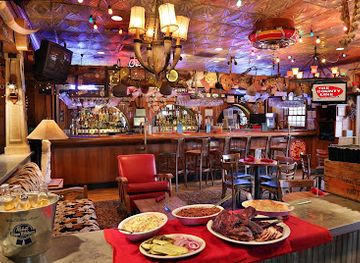
County Line Barbeque of Albuquerque
Experience authentic Southern barbecue at County Line Barbeque in Albuquerque - where flavor meets hospitality.
Best bars in Sandia Peak Tramway
Sandia Peak Tramway is a daytime and outdoor destination rather than a nightlife centre, and there are no grounds for expecting a cluster of bars or nightclubs at the upper mountain terminal. Evening options are concentrated in Albuquerque, where visitors can find neighbourhood pubs, breweries, wine bars, restaurants with evening service and live music in selected venues. The city’s nightlife reflects its regional food, craft beverage and arts scenes more than a single entertainment district. The foothill communities offer a quieter atmosphere, with hospitality venues operating on a smaller scale. Anyone staying near the mountain should plan transport back to Albuquerque or their accommodation in advance, particularly after dark, and verify current opening arrangements rather than assuming that venues operate late.
-
Tourist attraction
Sandia Peak Tramway
Discover the breathtaking views and thrilling adventures at Sandia Peak Tramway, a must-visit attraction in Albuquerque, New Mexico.
-
Barbecue
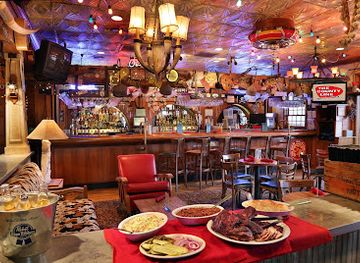
County Line Barbeque of Albuquerque
Discover the essence of New Mexico's barbecue at County Line Barbeque, where smoky flavors and a welcoming atmosphere await your visit.
Best nightclubs in Sandia Peak Tramway
Sandia Peak Tramway is a daytime and outdoor destination rather than a nightlife centre, and there are no grounds for expecting a cluster of bars or nightclubs at the upper mountain terminal. Evening options are concentrated in Albuquerque, where visitors can find neighbourhood pubs, breweries, wine bars, restaurants with evening service and live music in selected venues. The city’s nightlife reflects its regional food, craft beverage and arts scenes more than a single entertainment district. The foothill communities offer a quieter atmosphere, with hospitality venues operating on a smaller scale. Anyone staying near the mountain should plan transport back to Albuquerque or their accommodation in advance, particularly after dark, and verify current opening arrangements rather than assuming that venues operate late.
-
Tourist attraction
Sandia Peak Tramway
Discover breathtaking views and thrilling hikes at the Sandia Peak Tramway – a stunning aerial adventure in Albuquerque, New Mexico.
Best shops in Sandia Peak Tramway
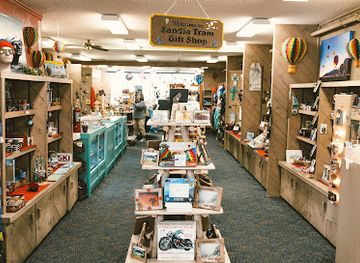
Shopping at the tramway is limited and primarily connected with visitor services, souvenirs and practical items rather than a broad retail district. Albuquerque is the main place to browse for New Mexican products, including chile-based foods, regional crafts, Indigenous art purchased through reputable and authorised sellers, jewellery, pottery, textiles and locally made foodstuffs. Shops and galleries are found across the city, including areas associated with its historic and cultural life, while the foothill communities provide a smaller selection of everyday services and local businesses. Visitors heading into the mountains should obtain substantial supplies in Albuquerque rather than expecting extensive retail facilities at the upper terminal or along remote forest roads. When buying Indigenous artwork, ask about the artist and authenticity and support businesses that represent makers responsibly.
-
Gift shop
Sandia Tram Gift Shop
Explore the Sandia Tram Gift Shop for unforgettable souvenirs and local crafts in the heart of New Mexico's stunning landscapes.
Get your free copy of our complete guide to Sandia Peak Tramway, delivered straight to you.
Everything on this page, from attractions and restaurants to essentials and local phrases, in one PDF you can read offline, print or share.
Already have an account? Sign in
Your Sandia Peak Tramway guide is ready.
We'll send it to · Not you? Sign out

Getting your guide ready…
We are putting together a fresh copy of the Sandia Peak Tramway guide. This can take up to a minute.
This can take a few moments. If your browser asks, choose Allow so the download can start. You'll find the guide in your Downloads folder.
Nothing happened? Download it again
Sorry, the guide is taking longer than usual. Please try again in a minute, or get it by email instead.
Sandia Peak Tramway essentials
Currency and Payment
Safety
Emergency Situations
Do's and Don'ts
Local Tips
From Eve
Local phrases worth knowing
You don't need to get them perfect. A few words go a long way, and locals appreciate the effort.
Basics
| English | Local | Say it |
|---|---|---|
| Hello | Howdy | [HOU-dee] |
| Goodbye | Adios | [ah-dee-OHS] |
| Yes | Yup | [YUHP] |
| No | Nope | [NOHP] |
| Please/You're welcome | Please/You're welcome | [Please/You're welcome] |
| Thank you | Thanks | [THANKS] |
| Excuse me/Sorry | Pardon | [PAR-dn] |
| How are you? | Howdy | [HOU-dee] |
| Fine. And you? | Fine. And you? | [Fine. And you?] |
| Do you speak English? | Speak English? | [Speak English?] |
| I don't understand | I don't get it | [I don't get it] |
Eating & Drinking
| English | Local | Say it |
|---|---|---|
| I'd like to see the menu, please | Menu, please | [Menu, please] |
| I don't eat meat | No meat | [No meat] |
| Cheers! | Cheers! | [Cheers!] |
| I would like to pay, please | Pay, please | [Pay, please] |
Emergencies
| English | Local | Say it |
|---|---|---|
| Help! | Help! | [Help!] |
| Go away! | Go away! | [Go away!] |
| Call the Police! | Call the Sheriff! | [Call the Sheriff!] |
| Call a doctor! | Need a doc! | [Need a doc!] |
| I'm lost | Lost | [Lost] |
| I'm ill | Sick | [Sick] |
Shopping
| English | Local | Say it |
|---|---|---|
| I'd like to buy... | I want to buy... | [I want to buy...] |
| I'm just looking | Just looking | [Just looking] |
| How much is it? | How much? | [How much?] |
| That's too expensive | Too much | [Too much] |
| Can you lower the price? | Lower the price? | [Lower the price?] |
Time & Numbers
| English | Local | Say it |
|---|---|---|
| What time is it? | What time is it? | [What time is it?] |
| It's one o'clock | It's one o'clock | [It's one o'clock] |
| Half past (10) | Half past (10) | [Half past (10)] |
| Morning | Morning | [Morning] |
| Afternoon | Afternoon | [Afternoon] |
| Evening | Evening | [Evening] |
| Yesterday | Yesterday | [Yesterday] |
| Today | Today | [Today] |
| Tomorrow | Tomorrow | [Tomorrow] |
| 1 | One | [One] |
| 2 | Two | [Two] |
| 3 | Three | [Three] |
| 4 | Four | [Four] |
| 5 | Five | [Five] |
| 6 | Six | [Six] |
| 7 | Seven | [Seven] |
| 8 | Eight | [Eight] |
| 9 | Nine | [Nine] |
| 10 | Ten | [Ten] |
Transport & Directions
| English | Local | Say it |
|---|---|---|
| Where's a/the...? | Where's the...? | [Where's the...?] |
| What's the address? | Address? | [Address?] |
| Can you show me (on the map)? | Show me (on the map)? | [Show me (on the map)?] |
| When's the next (bus)? | Next (bus)? | [Next (bus)?] |
| A ticket (to ....) | Ticket (to ...) | [Ticket (to ...)] |
History of Sandia Peak Tramway
A Young Mountain Range
The Sandia Mountains form part of the Rio Grande rift landscape, a zone where the Earth’s crust has been stretching and faulting for millions of years. Their steep western face rises abruptly above Albuquerque, while the eastern side descends more gradually towards the communities of Tijeras and Cedar Crest. The mountains are geologically notable for the contrast between pale granite and other exposed rock on the crest and the darker, forested slopes below. This physical divide has long shaped movement, climate, vegetation and views across the central New Mexico landscape.
Indigenous and Regional Connections
The Sandia Mountains lie within the traditional cultural landscape of Indigenous peoples of the Middle Rio Grande, including communities whose histories remain closely connected with the river valley and surrounding mountains. The name Sandia, meaning ‘watermelon’ in Spanish, is commonly associated with the reddish colour that can appear on the western cliffs at sunset, although the region’s naming history reflects several layers of Indigenous, Spanish and later American usage. Trails, seasonal movement and resource use connected the mountains with settlements and agricultural lands in the valley long before the modern tramway was built.
Settlement and Mountain Use
Albuquerque was established as a Spanish colonial settlement in 1706 near the Rio Grande, and the Sandia Mountains became a constant geographical presence to its east. Over succeeding centuries, the area supported ranching, timber use, recreation and travel through the mountain passes. The eastern foothills developed a number of small communities, while Albuquerque expanded across the valley below. These changing patterns of settlement helped establish the mountains as both a working landscape and a valued recreational resource rather than an isolated natural backdrop.
The Tramway’s Construction
Sandia Peak Tramway opened in 1966 after an ambitious engineering project designed to connect Albuquerque with the high slopes of the Sandias. The aerial route crosses approximately 2.7 miles of rugged terrain and climbs more than 4,000 feet to the upper mountain station. Its construction transformed access to the range, allowing visitors to reach the crest without making the strenuous ascent on foot. The tramway also became an important part of Albuquerque’s visitor identity, linking the city’s high-desert setting with the cooler forests and open viewpoints above it.
Protected Mountain Recreation
The upper tramway area lies within the wider Cibola National Forest landscape, where recreation and environmental management are balanced with the protection of mountain habitats. Hiking routes, scenic driving, winter sports and wildlife observation have developed alongside the tramway, while the Sandia Mountains remain subject to changing weather, fire risk and seasonal trail conditions. Today, the tram offers a concentrated introduction to this larger public-land environment, but the mountain itself continues to be managed as a living forest and watershed rather than simply as a viewpoint.
Sandia Peak Tramway in Photos
Browse through our photo collection highlighting the charm and character of the destination.
Neighbouring destination travel guides
The closest destinations to Sandia Peak Tramway, if you have time for more than one.
-

-

-
-

-


Swipe for more destinations
Explore more

Explore more of Central New Mexico
Explore Central New Mexico for Albuquerque’s Route 66 heritage, Pueblo culture, Sandia Mountain trails, high-desert scenery and distinctive chile-based cuisine.
Explore Central New Mexico
Explore more of New Mexico
Discover the enchanting blend of rich history, diverse cultures, and stunning landscapes in New Mexico, the Land of Enchantment, where adventure and relaxation await.
Explore New Mexico