Dunedin Waterfront (Dunedin) Travel Guide - Free
Explore Dunedin Waterfront in Dunedin with Evendo's free guide. Find the best shops, historic streets, restaurants, and gems on web or mobile.


Dunedin Waterfront pairs Otago Harbour views with railway heritage, Queens Gardens, the Chinese Garden and easy walks through central Dunedin's history.
Harbour Edge and City Threshold
Dunedin Waterfront occupies the harbour-facing edge of the city centre, where broad tidal waters, working wharves and historic transport buildings meet the formal streets around Queens Gardens. It is not a self-contained entertainment quarter: much of the shoreline remains functional port land, and its character comes from the contrast between maritime infrastructure and the ornate Victorian city immediately inland. From the waterfront edge, visitors can read Dunedin's geography clearly, with the long sweep of Otago Harbour leading towards the hills and the more industrial harbour settlements beyond.Read more about Dunedin Waterfront
Railway Heritage and Public Places
Walking the Water's Edge
Best attractions in Dunedin Waterfront
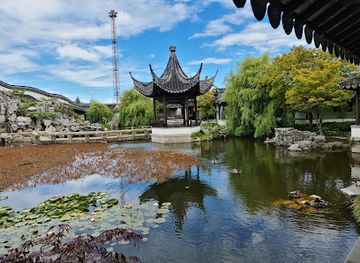
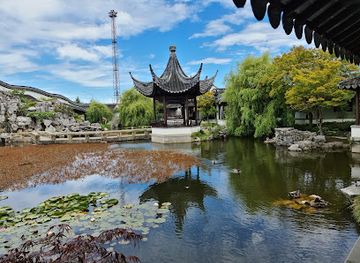
The principal attraction of Dunedin Waterfront is the meeting of open harbour views and a dense concentration of nearby heritage and cultural sites. Dunedin Railway Station, facing Anzac Square, provides an ornate architectural starting point, while Queens Gardens offers lawns, mature planting and a calmer route towards the water. Beside the gardens, the Dunedin Chinese Garden creates a formal landscape of ponds, stonework and pavilions with a direct cultural connection to Dunedin's Chinese community and gold-rush history. Toitū Otago Settlers Museum, close to the southern edge of the waterfront area, explores the people, transport and technologies that shaped Otago. Along the harbour-facing streets, visitors can also observe working wharves, railway remnants, warehouses and wide views towards the hills of Otago Harbour, although port operations mean that some shoreline areas are not open for casual exploration.
-
Museum
Tūhura Otago Museum
Explore the captivating exhibits of Tūhura Otago Museum in Dunedin, where history, culture, and science come alive in an engaging environment.
5 min drive · 1.7 km from neighbourhood centre
-
Tourist attraction
Lan Yuan, Dunedin Chinese Garden
Immerse yourself in the tranquility of Lan Yuan, Dunedin's enchanting Chinese Garden, a cultural gem showcasing the beauty of Chinese landscape design.
5 min walk · 0.4 km from neighbourhood centre
-
Tourist attraction
Dunedin Public Art Gallery
Explore contemporary and historical artworks at the Dunedin Public Art Gallery, a free cultural treasure in the heart of Dunedin.
6 min walk · 0.5 km from neighbourhood centre
-
Tourist attraction
Hair Raiser Tours
Experience the thrill of New Zealand's landscapes with Hair Raiser Tours, where adventure meets storytelling in the heart of Dunedin.
6 min walk · 0.5 km from neighbourhood centre
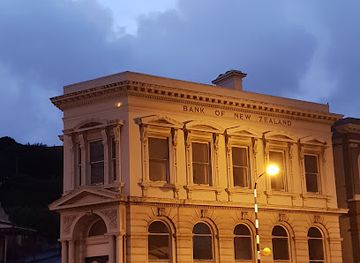
Best landmarks in Dunedin Waterfront
Dunedin Railway Station is the defining architectural landmark beside the waterfront, with its elaborate early-twentieth-century exterior, mosaic work and strong connection to the city's railway age. Anzac Square and the station forecourt mark the transition from the formal central city to the reclaimed land and harbour beyond. Queens Gardens forms another important local landmark, helping preserve a green civic setting between the commercial centre and the water. Nearby, the Dunedin Chinese Garden is both a designed landscape and a monument to the long presence of Chinese people in Otago. Toitū Otago Settlers Museum occupies a significant cultural position near the southern waterfront, interpreting the settlement, transport and social histories that made this harbour edge central to Dunedin's development. Working wharves and surviving maritime infrastructure complete the area's physical identity.
-
Museum
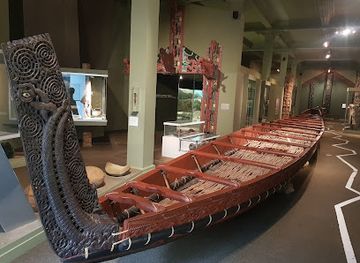
Toitu Otago Settlers Museum
Discover the fascinating history of Otago at the Toitu Otago Settlers Museum, where engaging exhibits and interactive displays await every visitor.
7 min walk · 0.5 km from neighbourhood centre
-
Garden
Lan Yuan, Dunedin Chinese Garden
Experience tranquility and cultural richness at the Dunedin Chinese Garden, a stunning oasis blending nature with traditional Chinese artistry.
5 min walk · 0.4 km from neighbourhood centre
-
Art museum
Olveston Historic Home
Explore the elegance of Olveston Historic Home, a captivating art museum in Dunedin, showcasing Edwardian architecture and a rich cultural tapestry.
17 min walk · 1.4 km from neighbourhood centre
-
Museum
Dunedin Public Art Gallery
Explore the Dunedin Public Art Gallery, a free-entry museum showcasing contemporary and historical art in the heart of Dunedin's vibrant Octagon.
6 min walk · 0.5 km from neighbourhood centre
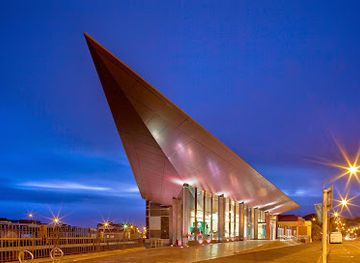
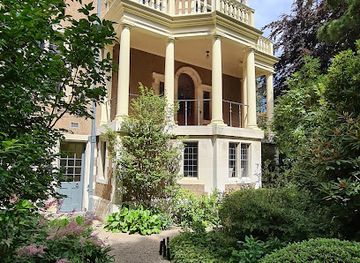
Explore Dunedin Waterfront on the map
A handpicked selection of must-see spots in Dunedin Waterfront, mapped for you.
Best hotels in Dunedin Waterfront
Best restaurants in Dunedin Waterfront
Dunedin Waterfront has a relatively limited dining offer directly beside the working wharves, so eating here is usually combined with the central city and the nearby warehouse and heritage streets. Around Queens Gardens, the railway station and the southern central-city blocks, visitors can find cafés, bakeries, casual restaurants and bars serving the city-centre crowd, with more choice available a short walk uphill towards Princes Street and the Octagon. The area's food identity is therefore linked less to a single waterfront cuisine than to Dunedin's wider mix of New Zealand produce, café culture and international dining. Toitū Otago Settlers Museum and the Chinese Garden provide useful cultural stops between meals, while harbour views and industrial scenery add atmosphere to the walk between venues. Visitors seeking a dedicated seafood or harbour excursion should check locations carefully, since waterfront-looking addresses may lie in other parts of Otago Harbour.
-
Restaurant
Vault 21
Experience the vibrant fusion of dining and nightlife at Vault 21 in Central Dunedin – where great food meets exciting entertainment.
7 min walk · 0.5 km from neighbourhood centre
-
Restaurant
Harbourside Grill
Experience exceptional seafood, steak, and homemade pasta at Harbourside Grill in Dunedin – your perfect culinary escape.
6 min walk · 0.5 km from neighbourhood centre
-
Restaurant
The Black Dog Kitchen & Bar
Savor delicious cuisine and local beverages at The Black Dog Kitchen & Bar in Dunedin - a perfect blend of taste and atmosphere.
4 min walk · 0.3 km from neighbourhood centre
-
Seafood
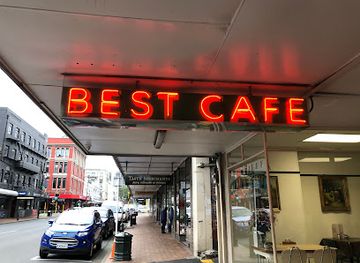
Best Cafe
Discover the best seafood experience at Best Cafe in Dunedin - where fresh flavors meet warm hospitality.
9 min walk · 0.7 km from neighbourhood centre

Best bars in Dunedin Waterfront
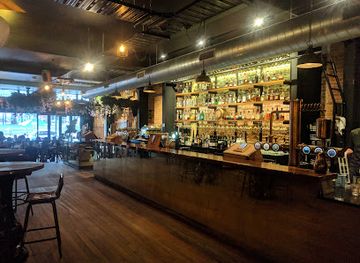
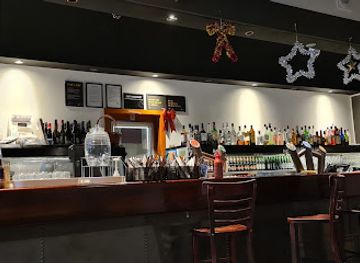
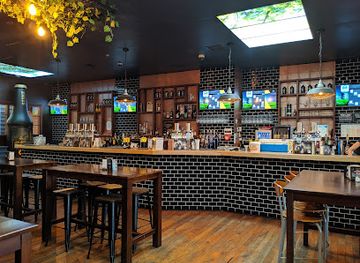
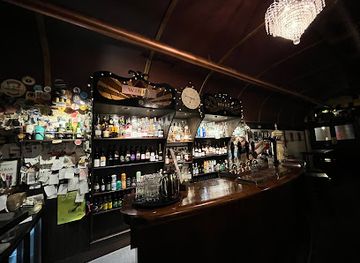
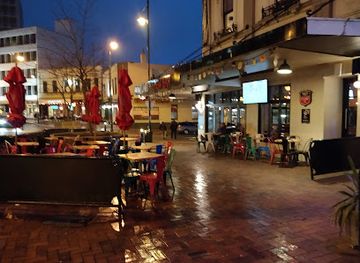
Evenings around Dunedin Waterfront are quieter and more dispersed than in the Octagon and the university-oriented streets. The immediate harbour edge is shaped by port operations, civic spaces and museums rather than a concentrated strip of late-night venues, while nearby Princes Street, the warehouse quarter and central city provide the principal choice of pubs, bars, live music and late dining within walking distance. The railway station and Queens Gardens are particularly atmospheric during an early evening heritage walk, but they are not nightlife venues themselves. After dark, visitors should remain on public, well-used streets and take care around traffic and quieter industrial sections. Club nights, performances and bar availability change regularly, so current local listings are more dependable than assuming the waterfront operates as a dedicated entertainment district.
-
Bar
Craft Bar & kitchen
Experience the vibrant atmosphere and delicious local flavors at Craft Bar & Kitchen in the heart of Dunedin.
8 min walk · 0.6 km from neighbourhood centre
-
Bar
Albar
Discover Albar, the heart of Dunedin's nightlife, where craft drinks and friendly vibes come together for an unforgettable experience.
7 min walk · 0.6 km from neighbourhood centre
-
Bar
Brew Bar
Experience the vibrant atmosphere at Brew Bar in Dunedin, offering local craft beers and delicious meals in a cozy setting.
7 min walk · 0.6 km from neighbourhood centre
-
Bar
Woof!
Discover the cozy charm of Woof! - Dunedin's favorite bar for a unique drink experience in a welcoming atmosphere.
8 min walk · 0.6 km from neighbourhood centre

Best nightclubs in Dunedin Waterfront
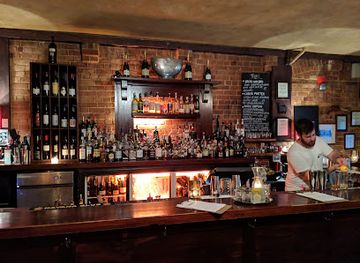
Evenings around Dunedin Waterfront are quieter and more dispersed than in the Octagon and the university-oriented streets. The immediate harbour edge is shaped by port operations, civic spaces and museums rather than a concentrated strip of late-night venues, while nearby Princes Street, the warehouse quarter and central city provide the principal choice of pubs, bars, live music and late dining within walking distance. The railway station and Queens Gardens are particularly atmospheric during an early evening heritage walk, but they are not nightlife venues themselves. After dark, visitors should remain on public, well-used streets and take care around traffic and quieter industrial sections. Club nights, performances and bar availability change regularly, so current local listings are more dependable than assuming the waterfront operates as a dedicated entertainment district.
-
Cocktail bar
Pequeno Wine & Cocktail
Discover the vibrant cocktail culture at Pequeno Wine & Cocktail in Central Dunedin, where exquisite drinks and live music create unforgettable nights.
6 min walk · 0.5 km from neighbourhood centre
-
Bar
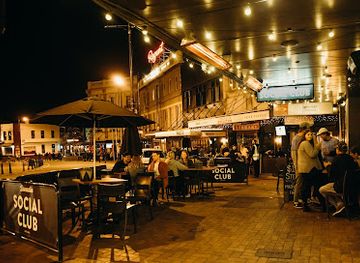
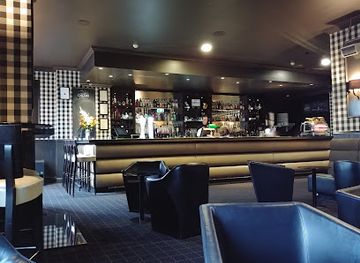
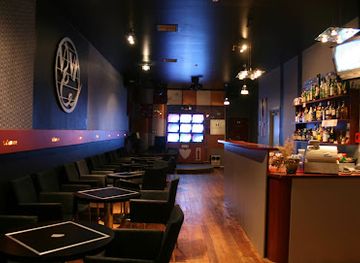
Dunedin Social Club
Discover the heart of Dunedin's nightlife at the Dunedin Social Club, your go-to spot for live music, local brews, and a vibrant social scene.
6 min walk · 0.5 km from neighbourhood centre
-
Night club
Carousel Lounge Bar
Discover the lively ambiance of Carousel Lounge Bar in Dunedin, where cocktails meet vibrant nightlife for an unforgettable experience.
7 min walk · 0.6 km from neighbourhood centre
-
Karaoke bar
Vivace Karaoke Bar & Viva Fried Chicken
Experience the ultimate karaoke night in Dunedin at Vivace Karaoke Bar & Viva Fried Chicken - where great food meets unforgettable entertainment.
14 min walk · 1.1 km from neighbourhood centre
Best shops in Dunedin Waterfront
Shopping directly on Dunedin Waterfront is modest because much of the harbour edge is devoted to port and transport functions rather than continuous retail. The most useful browsing is found in the central city immediately inland, particularly along Princes Street and the streets connecting the Octagon with Queens Gardens and the railway station. There, visitors can encounter independent retailers, bookshops, cafés, galleries and practical city-centre shops, with further choice in the wider central commercial area. The waterfront's more distinctive retail experience is cultural rather than market-based: the Chinese Garden and Toitū Otago Settlers Museum provide context for Dunedin's Chinese, settler and industrial histories, while heritage buildings and former warehouse spaces give the walk a strong sense of place. Visitors should not expect a permanent waterfront craft market or a specialist shopping promenade unless a temporary event is being held.
-
Shopping mall
Meridian Mall
Discover Dunedin's Meridian Mall: A shopping paradise with diverse retail stores, delightful dining, and engaging events for everyone.
12 min walk · 1.0 km from neighbourhood centre
-
Gift shop
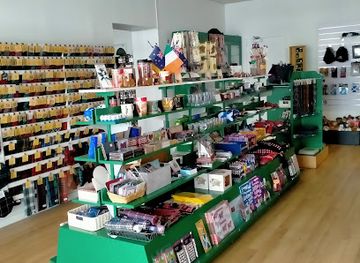
The Scottish Shop
Explore authentic Scottish gifts and souvenirs at The Scottish Shop, Dunedin's cherished destination for a taste of Scotland.
8 min walk · 0.6 km from neighbourhood centre
-
Op Shop
Shop on Carroll
Explore the eclectic offerings of Shop on Carroll, Dunedin's beloved op shop for vintage clothing and unique treasures.
3 min walk · 0.3 km from neighbourhood centre
-
Gift shop
The Outpost Dunedin
Discover unique and locally crafted treasures at The Outpost Dunedin, the ultimate gift shop in the heart of New Zealand's vibrant culture.
9 min walk · 0.7 km from neighbourhood centre



Dunedin Waterfront essentials
Getting There
Getting Around
Safety
Emergency Situations
Do's and Don'ts
Local Tips

From Eve
Local phrases worth knowing
You don't need to get them perfect. A few words go a long way, and locals appreciate the effort.
Basics
| English | Local | Say it |
|---|---|---|
| Hello | Kia ora | [key-ah or-ah] |
| Goodbye | Haere rā | [high-eh rah] |
| Yes | Āe | [eye] |
| No | Kāo | [kar-oh] |
| Please/You're welcome | Tēnā koe | [ten-ah koh-eh] |
| Thank you | Ngā mihi | [nah me-he] |
| Excuse me/Sorry | Whakama | [fah-kah-mah] |
| How are you? | Kei te pēhea koe? | [key teh pay-he-ah koh-eh] |
| Fine. And you? | Kei te pai. Ā, koe? | [key teh pie. eye, koh-eh] |
| Do you speak English? | Kōrero koe i te reo Pākehā? | [koh-reh-ro koh-eh ee teh reh-oh pah-keh-hah] |
| I don't understand | Kaore au i te whakarongo | [kar-or-eh ow ee teh fah-kah-rong-oh] |
Eating & Drinking
| English | Local | Say it |
|---|---|---|
| I'd like to see the menu, please | Me āwhina ki te titiro i te whaimaha, tēnā | [meh aah-fee-nah kee teh tee-tee-roh ee teh fai-mah-hah, ten-ah] |
| I don't eat meat | Kaore au e kai kau | [kar-or-eh ow eh kai kow] |
| Cheers! | Ngā mihi! | [nah me-he] |
| I would like to pay, please | Me āwhina ki te utu, tēnā | [meh aah-fee-nah kee teh oo-too, ten-ah] |
Emergencies
| English | Local | Say it |
|---|---|---|
| Help! | Āwhina! | [ah-fee-nah] |
| Go away! | Haere atu! | [high-eh ah-too] |
| Call the Police! | Karanga ki te Pirihimana! | [kah-rung-ah kee teh pee-ree-hee-mah-nah] |
| Call a doctor! | Karanga ki te rata! | [kah-rung-ah kee teh rah-tah] |
| I'm lost | I wareware au | [ee wah-reh-wah-reh ow] |
| I'm ill | E māuiui ana au | [eh mah-oo-ee-oo-ee ah-nah ow] |
Shopping
| English | Local | Say it |
|---|---|---|
| I'd like to buy... | Te hiahia au ki te hoko... | [teh hee-ah-hee-ah ow kee teh hoh-koh] |
| I'm just looking | Kei te titiro anō au | [key teh tee-tee-roh ah-noh ow] |
| How much is it? | E hia te utu? | [eh hee-ah teh oo-too] |
| That's too expensive | He nui rawa te utu | [heh noo-ee rah-wah teh oo-too] |
| Can you lower the price? | Ka taea e koe te whakaiti i te utu? | [kah teh-ah eh koh-eh teh fah-kai-tee ee teh oo-too] |
Time & Numbers
| English | Local | Say it |
|---|---|---|
| What time is it? | He aha te wā? | [heh ah-hah teh wah] |
| It's one o'clock | Ko tētahi karaka | [koh teh-tah-hee kar-ah-kah] |
| Half past (10) | Tekau mā rua | [teh-kow mah-roo-ah] |
| Morning | Ata | [ah-tah] |
| Afternoon | Ahiahi | [ah-hee-ah-hee] |
| Evening | Pō | [poh] |
| Yesterday | Ināianei | [ee-nah-ee-ah-neh-ee] |
| Today | Tēnei rā | [ten-eh reh] |
| Tomorrow | Āpōpō | [ah-poh-poh] |
| 1 | Tahi | [tah-hee] |
| 2 | Rua | [roo-ah] |
| 3 | Toru | [toh-roo] |
| 4 | Whā | [fah] |
| 5 | Rima | [ree-mah] |
| 6 | Ono | [oh-noh] |
| 7 | Whitu | [fee-too] |
| 8 | Waru | [wah-roo] |
| 9 | Iwa | [ee-wah] |
| 10 | Tekau | [teh-kow] |
Transport & Directions
| English | Local | Say it |
|---|---|---|
| Where's a/the...? | Kei hea te...? | [key heh-ah teh] |
| What's the address? | Ko wai te wāhitau? | [koh why teh wah-hee-tow] |
| Can you show me (on the map)? | Ka taea e koe te whakaatu mai ki ahau (i runga i te mahere)? | [kah teh-ah eh koh-eh teh fah-kah-ah-too my-key ahh how (ee roon-gah ee teh mah-heh-reh)] |
| When's the next (bus)? | Āhea te mutunga o te (pahi)? | [ah-heh-ah teh moo-toong-ah oh teh pah-hee] |
| A ticket (to ....) | He tiki (ki ...) | [heh tee-key (kee)] |
History of Dunedin Waterfront
Harbour, Kai and Early Settlement
The waterfront sits beside Otago Harbour, a long-established mahinga kai area for Kāi Tahu, whose relationship with the harbour predates the colonial city by centuries. Dunedin was founded by Scottish settlers in 1848 on the eastern side of the lower harbour, and the shoreline near the present centre developed as the settlement's commercial outlet. Early tidal flats and shallow water limited access, making reclamation, wharf construction and harbour engineering central to the city's growth. The waterfront's later industrial appearance therefore reflects both the natural shape of the harbour and the deliberate reshaping of its edge for shipping.
Reclamation and a Mercantile City
During the nineteenth century, Dunedin's expanding port, warehouses and railway connections transformed the harbour margin. Reclamation created usable land around the lower city, while trade in wool, gold, grain and imported goods linked the district to Otago's hinterland and overseas markets. The opening of the Dunedin Railway Station in 1906 strengthened the relationship between the waterfront and the city centre, providing a monumental gateway for passengers and goods. Although the station stands inland from the working wharves, its presence remains one of the clearest architectural reminders of the era when rail and shipping shaped Dunedin's economy.
Railways, Industry and Port Operations
In the twentieth century, the waterfront remained primarily a place of transport, storage and industry rather than leisure. Rail sidings, cargo facilities, warehouses and harbour structures supported Dunedin's role as a regional trading centre, while modern reclamation and changing freight practices altered the relationship between the city and its water. Some former industrial buildings near the central waterfront have since gained new cultural or commercial uses, but active port land continues to limit public access along parts of the shoreline. The surviving mix of open water, infrastructure and repurposed buildings records successive phases of urban and maritime development.
Reconnection and Contemporary Change
Recent discussion of the Dunedin waterfront has focused on improving public access, strengthening links between the central city and Otago Harbour, and finding new uses for underused or formerly industrial land. These ambitions sit alongside the continuing requirements of a working port and the protection of historic buildings. Nearby institutions such as Toitū Otago Settlers Museum and the Dunedin Chinese Garden have helped make the southern central waterfront a place where civic, cultural and maritime histories meet. Its contemporary identity remains transitional: part operating harbour, part heritage setting and part long-term urban renewal area.
Dunedin Waterfront in Photos
Browse through our photo collection highlighting the charm and character of the destination.
Neighbourhoods near Dunedin Waterfront
The closest neighbourhoods to Dunedin Waterfront, if you have time for more than one stop.
-

-

-


Swipe for more neighbourhoods
Explore more
Explore more of Dunedin
Dunedin, New Zealand, blends Scottish heritage, Māori history, Victorian architecture, wildlife, galleries and lively student culture beside the Otago coast.
Explore Dunedin