

Free Nelson Travel Guide & Mobile App
Plan your Nelson trip with Evendo. Get free guides to top attractions, restaurants, hotels, and bars. Web access or download the mobile app.


Nelson, New Zealand blends sunny coastal scenery, Māori and settler history, galleries, craft culture and gateway access to Abel Tasman National Park.
A Harbour City with Creative Character
Nelson lies at the top of New Zealand’s South Island, between the forested mountains of the Nelson Tasman region and the broad sweep of Tasman Bay. Its relatively sunny climate, compact centre and proximity to beaches and national parks give the city an appealing balance of urban culture and outdoor access. Streets around Trafalgar Street and Bridge Street combine historic buildings with independent galleries, cafés, craft studios and small retailers, while the Maitai River provides a green corridor close to the centre.Read more about Nelson
Heritage, Art and Local Life
Mountains, Beaches and Vineyards
When is the best time to visit Nelson?
Best: December–February · 23°C| Month | High (°C) | Rainfall (mm) |
|---|---|---|
| January (best) | 23 | 112 |
| February (best) | 23 | 106 |
| March | 22 | 102 |
| April | 20 | 87 |
| May | 16 | 71 |
| June | 14 | 66 |
| July | 13 | 68 |
| August | 14 | 76 |
| September | 16 | 84 |
| October | 19 | 92 |
| November | 21 | 101 |
| December (best) | 23 | 106 |
Getting to and around Nelson
How to get there
Transportation
Best attractions in Nelson
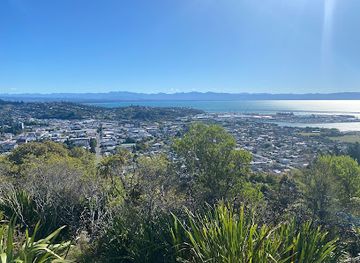
Nelson’s compact centre makes it easy to combine several attractions in a single day. The Suter Art Gallery presents changing exhibitions alongside its riverside setting, while the Nelson Provincial Museum examines the region’s Māori, colonial and natural history. Founders Heritage Park recreates aspects of early settlement through historic buildings, craft demonstrations and a small railway, offering a more immersive approach to local heritage. Queens Gardens provides a landscaped pause near the centre, and the climb to the Centre of New Zealand on Botanical Hill rewards walkers with broad views over the city and Tasman Bay. Tahunanui Beach supplies a distinctly coastal counterpoint, with sand, sea and recreational facilities close to town. For a more contemporary cultural experience, independent studios and galleries around the central streets reveal Nelson’s strong tradition of pottery, jewellery, glass and other studio crafts. Abel Tasman National Park is a major regional attraction, but lies outside Nelson itself.
-
Tourist attraction
The Nelson Market
Experience the vibrant Nelson Market, a delightful hub of local crafts, fresh produce, and community spirit in the heart of Nelson, New Zealand.
3 min walk · 0.3 km from city centre
-
Tourist attraction
Centre of New Zealand Monument
Experience the breathtaking views and rich history at the Centre of New Zealand Monument, a must-see landmark in Nelson for all travelers.
17 min walk · 1.3 km from city centre
-
Park
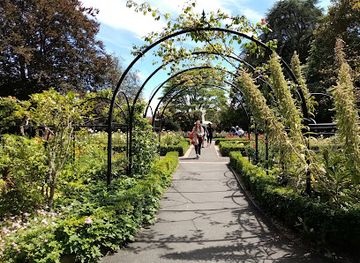
Queen's Gardens
Experience the serene beauty of Queen's Gardens in Nelson, a picturesque park perfect for relaxation and nature exploration.
8 min walk · 0.6 km from city centre
-
Tourist attraction
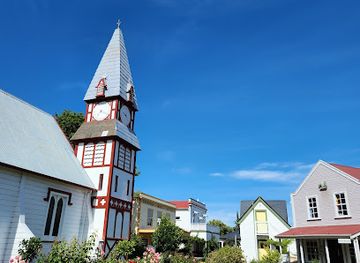
Founders Heritage Park
Experience the enchanting blend of history, amusement, and community events at Founders Heritage Park in Nelson, New Zealand.
5 min drive · 1.6 km from city centre


Best landmarks in Nelson
Christ Church Cathedral is Nelson’s most prominent civic and religious landmark, occupying a central site and reflecting the long development of the city’s Anglican community. Nearby Trafalgar Street and the cathedral precinct retain historic buildings that illustrate Nelson’s colonial commercial growth. The Nelson Provincial Museum is significant not only as a visitor attraction but also as an institution interpreting Māori history, settlement and the region’s social development. The Centre of New Zealand monument on Botanical Hill marks a prominent viewpoint and is associated with the country’s early surveying history, although its popular geographic description requires some qualification. Founders Heritage Park preserves and interprets a collection of historic structures, while the historic Queens Gardens provides a formal Victorian-era landscape near the Maitai River. Together, these sites show how Nelson’s identity developed through religion, administration, trade, surveying and regional cultural institutions.
-
Produce market
The Nelson Market
Experience the vibrant atmosphere of The Nelson Market, where local produce, crafts, and flavors come alive every Saturday.
3 min walk · 0.3 km from city centre
-
Park
Queen's Gardens
Discover the tranquil beauty of Queen's Gardens in Nelson, a historic park filled with vibrant flora, serene pathways, and rich cultural heritage.
8 min walk · 0.6 km from city centre
-
Tourist attraction
Centre of New Zealand Monument
Discover the Centre of New Zealand Monument in Maitai Valley, a stunning landmark offering breathtaking views and a glimpse into New Zealand's geographical heart.
17 min walk · 1.3 km from city centre
-
Event venue
Founders Heritage Park
Explore history and fun at Founders Heritage Park in Nelson, New Zealand - a captivating destination rich in culture, nature, and adventure.
5 min drive · 1.6 km from city centre

Explore Nelson on the map
Plan your Nelson trip on one map. See where the top attractions, landmarks, restaurants, bars and hotels are, find what's near where you're staying, and book hotels and experiences in a few clicks.
Best hotels in Nelson
Best restaurants in Nelson
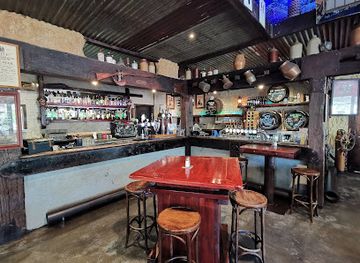
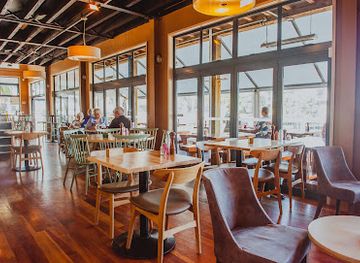
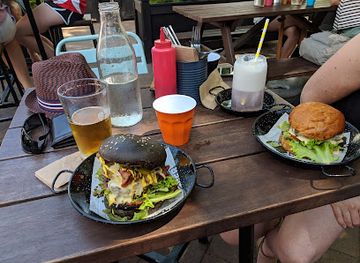
Nelson’s dining scene draws on the produce of the wider Tasman region, where orchards, market gardens, vineyards, hop farms, fisheries and small food producers supply restaurants and cafés. Menus commonly reflect New Zealand cooking through seafood, lamb, seasonal vegetables, berries, apples, stone fruit and locally made cheeses, while the region’s wines provide an important accompaniment. Central streets around Trafalgar Street and the river contain cafés, bakeries, casual eateries and restaurants, with a relaxed daytime culture shaped by the city’s compact scale. The Saturday Market is particularly useful for sampling local produce, baked goods and prepared food when it is operating. Beyond the centre, vineyards and farm-based businesses in the wider Nelson Tasman area add cellar-door tastings and regional food experiences, though these require transport outside the city.
-
European
Smugglers Pub & Cafe
Experience delightful European cuisine in a charming nautical setting at Smugglers Pub & Cafe in Tāhunanui, Nelson.
10 min drive · 3.2 km from city centre
-
Seafood
The Styx
Discover The Styx in Nelson – where fresh seafood meets stunning waterfront views for an unforgettable dining experience.
5 min drive · 1.5 km from city centre
-
Restaurant
Burger Culture
Experience gourmet burgers and craft brews at Burger Culture in Nelson - where flavor meets fun!
5 min walk · 0.4 km from city centre
-
Gastropub
Speight's Ale House Nelson
Discover the perfect blend of craft beer, delicious food, and live music at Speight's Ale House Nelson - your go-to gastropub experience in New Zealand.
14 min drive · 4.7 km from city centre
Best bars in Nelson
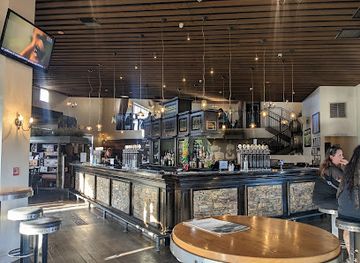
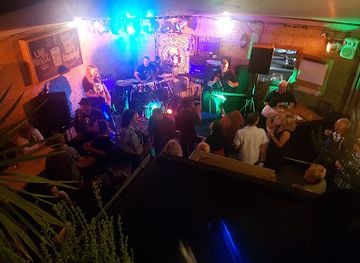
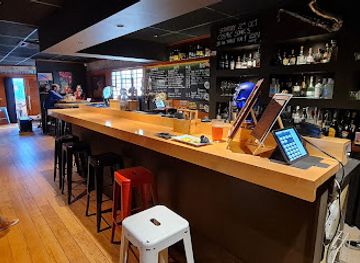
Nelson’s evening scene is relatively intimate rather than club-driven, with activity concentrated around central streets and the compact area near Trafalgar Street. Independent bars, pubs, cafés and restaurants provide places for local beer, New Zealand wine and relaxed conversation, while live music and occasional cultural performances add variety to the calendar. The city’s creative community supports small-scale exhibitions, gigs and events, although programming changes and evenings can be quieter outside busy periods. Tahunanui has a more seasonal beachside atmosphere, while the central area is generally the practical focus for evening entertainment. Visitors should expect earlier and more low-key social rhythms than in Auckland or Wellington, with nightlife shaped by restaurants, music, arts events and informal gatherings rather than a large concentration of late-night venues.
-
Gastropub
Speight's Ale House Nelson
Discover the heart of Nelson's culinary culture at Speight's Ale House, where delicious food, craft beers, and live music await you.
14 min drive · 4.7 km from city centre
-
Bar
Urban Oyster Bar & Eatery
Experience the taste of fresh local oysters and delightful cuisine at Urban Oyster Bar & Eatery, a must-visit dining destination in Nelson.
5 min walk · 0.4 km from city centre
-
Pub
The Free House Pub
Explore the vibrant atmosphere of The Free House Pub in Nelson, where craft beer meets delicious fare in a unique setting.
5 min walk · 0.4 km from city centre
-
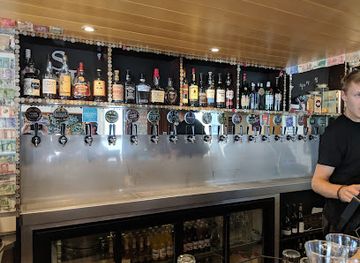
Pub
Sprig + Fern Tavern, Tahuna
Discover the charm of Sprig + Fern Tavern in Tāhunanui, Nelson, where local craft beers and delicious food create unforgettable memories.
9 min drive · 3.1 km from city centre
Best nightclubs in Nelson
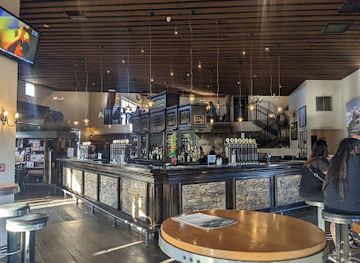
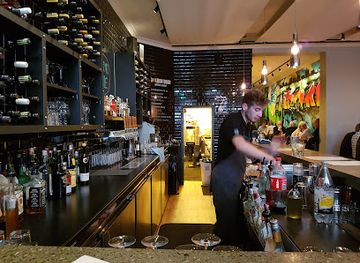
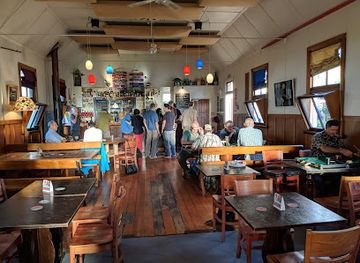
Nelson’s evening scene is relatively intimate rather than club-driven, with activity concentrated around central streets and the compact area near Trafalgar Street. Independent bars, pubs, cafés and restaurants provide places for local beer, New Zealand wine and relaxed conversation, while live music and occasional cultural performances add variety to the calendar. The city’s creative community supports small-scale exhibitions, gigs and events, although programming changes and evenings can be quieter outside busy periods. Tahunanui has a more seasonal beachside atmosphere, while the central area is generally the practical focus for evening entertainment. Visitors should expect earlier and more low-key social rhythms than in Auckland or Wellington, with nightlife shaped by restaurants, music, arts events and informal gatherings rather than a large concentration of late-night venues.
-
Bar
Sprig + Fern Hardy Street
Discover the lively atmosphere of Sprig + Fern Hardy Street, where local brews and delicious food come together in the heart of Nelson.
5 min walk · 0.4 km from city centre
-
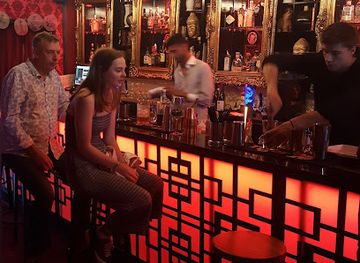
Bar
Bamboo Tiger
Explore the vibrant nightlife at Bamboo Tiger, Nelson's premier bar for cocktails, music, and unforgettable memories.
4 min walk · 0.3 km from city centre
-
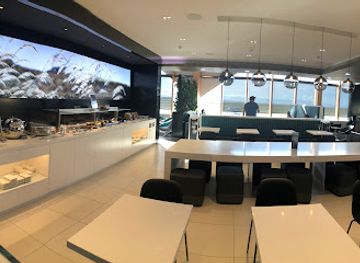
Lounge
Air New Zealand Nelson Airport Regional Lounge
Experience tranquility at the Air New Zealand Nelson Airport Regional Lounge, your perfect escape before flying from stunning Nelson.
17 min drive · 5.8 km from city centre
-
Bar
Red16
Experience the vibrant nightlife of Nelson at Red16, the go-to bar for craft drinks, live entertainment, and a welcoming atmosphere.
2 min walk · 0.2 km from city centre
Best shops in Nelson
Shopping in Nelson is concentrated around Trafalgar Street, Bridge Street and adjoining central lanes, where independent retailers, galleries, bookshops, cafés and specialist stores give the centre a locally scaled character. The city is particularly associated with studio craft, including pottery, glass, jewellery, woodwork and textiles, reflecting the wider region’s established community of artists and makers. The Saturday Market, when operating, offers produce, preserves, baked goods, clothing, crafts and other locally made items, with a stronger connection to regional producers than conventional souvenir outlets. Visitors may also find New Zealand wine, honey, fruit products and other Tasman specialties in food shops and cellar doors. Larger everyday shopping facilities are available in suburban commercial areas, but the central streets and galleries are more useful for distinctive gifts and objects with a clear connection to Nelson’s creative culture.
-
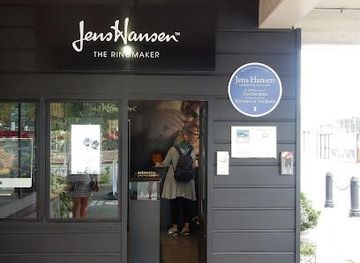
Jeweler
Jens Hansen The Ringmaker
Explore the exquisite craftsmanship at Jens Hansen The Ringmaker, a premier destination for fine jewelry and custom designs in Nelson.
6 min walk · 0.5 km from city centre
-
Department store
The Warehouse Nelson
Explore The Warehouse Nelson, your go-to department store for clothing, home goods, and more in the heart of Nelson, New Zealand.
5 min walk · 0.4 km from city centre
-
Shopping mall
Morrison Square Mall
Explore Morrison Square Mall: A vibrant shopping paradise in Nelson, NZ, blending local boutiques and delightful eateries for a unique experience.
5 min walk · 0.4 km from city centre
-
Department store
Farmers Nelson
Explore Farmers Nelson, your ultimate shopping destination for fashion, toys, and more in the vibrant heart of Nelson, New Zealand.
3 min walk · 0.2 km from city centre


Get your free copy of our complete guide to Nelson, delivered straight to you.
Everything on this page, from attractions and restaurants to essentials and local phrases, in one PDF you can read offline, print or share.
Already have an account? Sign in
Your Nelson guide is ready.
We'll send it to · Not you? Sign out

Getting your guide ready…
We are putting together a fresh copy of the Nelson guide. This can take up to a minute.
This can take a few moments. If your browser asks, choose Allow so the download can start. You'll find the guide in your Downloads folder.
Nothing happened? Download it again
Sorry, the guide is taking longer than usual. Please try again in a minute, or get it by email instead.
Nelson essentials
Currency and Payment
Safety
Emergency Situations
Do's and Don'ts
Local Tips
From Eve
Local phrases worth knowing
You don't need to get them perfect. A few words go a long way, and locals appreciate the effort.
Basics
| English | Local | Say it |
|---|---|---|
| Hello | Kia ora | [key-a or-a] |
| Goodbye | Haere rā | [high-reh rah] |
| Yes | Āe | [eye] |
| No | Kāo | [kah-oh] |
| Please/You're welcome | Whakawhetai | [fah-kah-feh-tie] |
| Thank you | Mihi | [mee-hee] |
| Excuse me/Sorry | Aroha mai | [ah-raw-hah my] |
| How are you? | Kei te pēhea koe? | [keh-ee teh pay-ha koh-eh] |
| Fine. And you? | E pai. Ā, koe? | [eh pie. eye, koh-eh] |
| Do you speak English? | Kei te kōrero koe i te reo Pākehā? | [keh-ee teh core-air-oh koh-eh ee teh reh-oh pah-keh-hah] |
| I don't understand | Kaore au e mohio | [kah-oh-reh ow eh moh-hee-oh] |
Eating & Drinking
| English | Local | Say it |
|---|---|---|
| I'd like to see the menu, please | Me āta kite i te pānui kai, tēnā | [meh aah-tah key-teh ee teh pah-noo-ee kai, teh-nah] |
| I don't eat meat | Kaore au e kai mīti | [kah-oh-reh ow eh kai mee-tee] |
| Cheers! | Tōku waiata! | [toh-koo why-ah-tah] |
| I would like to pay, please | Me hiahia te utu, tēnā | [meh hee-ah-hee-ah teh oo-too, teh-nah] |
Emergencies
| English | Local | Say it |
|---|---|---|
| Help! | Āwhina! | [eye-fee-nah] |
| Go away! | Haere atu! | [high-reh ah-too] |
| Call the Police! | Karanga ki te Pirihimana! | [kah-rah-ngah kee teh pee-ree-hee-mah-nah] |
| Call a doctor! | Karanga ki te doctor! | [kah-rah-ngah kee teh dock-tor] |
| I'm lost | Kei te ngaro au | [keh-ee teh ngah-roh ow] |
| I'm ill | Kei ahau e tino mate | [keh-ee ah-hah-oo eh tee-noh mah-teh] |
Shopping
| English | Local | Say it |
|---|---|---|
| I'd like to buy... | Me hiahia ki te hoko... | [meh hee-ah-hee-ah kee teh hoh-koh] |
| I'm just looking | Kei te titiro tonu au | [keh-ee teh tee-tee-roh toh-noo ow] |
| How much is it? | E hia te utu? | [eh hee-ah teh oo-too] |
| That's too expensive | He nui rawa te utu | [heh noo-ee rah-wah teh oo-too] |
| Can you lower the price? | Ka taea e koe te whakaiti i te utu? | [kah teh-ah eh koh-eh teh fah-kai-tee ee teh oo-too] |
Time & Numbers
| English | Local | Say it |
|---|---|---|
| What time is it? | He aha te wā? | [heh ah-hah teh wah] |
| It's one o'clock | Ko te tahi te hāora | [koh teh tah-hee teh hah-oh-rah] |
| Half past (10) | Tekau mā rima | [teh-koh mah ree-mah] |
| Morning | Ahiahi | [ah-hee-ah-hee] |
| Afternoon | Ahiahi | [ah-hee-ah-hee] |
| Evening | Pō | [poh] |
| Yesterday | Rāwhiti | [rah-fee-tee] |
| Today | Tēnei rā | [teh-nay rah] |
| Tomorrow | Āpōpō | [eye-poh-poh] |
| 1 | Tahi | [tah-hee] |
| 2 | Rua | [roo-ah] |
| 3 | Toru | [toh-roo] |
| 4 | Whā | [fah] |
| 5 | Rima | [ree-mah] |
| 6 | Ono | [oh-noh] |
| 7 | Whitu | [fee-too] |
| 8 | Waru | [wah-roo] |
| 9 | Iwa | [ee-wah] |
| 10 | Tekau | [teh-koh] |
Transport & Directions
| English | Local | Say it |
|---|---|---|
| Where's a/the...? | Kei hea te... | [keh-ee heh-ah teh] |
| What's the address? | Ko wai te wāhitau? | [koh why teh wah-hee-tow] |
| Can you show me (on the map)? | Ka taea e koe te whakaatu mai ki ahau (i te mahere)? | [kah teh-ah eh koh-eh teh fah-kah-ah-too my kee ah-how ee teh mah-heh-reh] |
| When's the next (bus)? | Āhea te wā roa? | [eye-heh teh wah row-ah] |
| A ticket (to ....) | He tiki (ki ....) | [heh tee-kee key] |
History of Nelson
Māori Settlement and Regional Traditions
The Nelson district has a long Māori history, with iwi including Ngāti Kuia, Rangitāne and Ngāti Toa associated with the wider northern South Island and Te Tauihu o Te Waka-a-Māui, the top of the South Island. The region’s coast, rivers, forests and fertile plains supported travel, fishing, gathering and exchange before European settlement. Māori place names and continuing relationships with the land remain important to the identity of Nelson Tasman. European accounts often reduced these complex histories to a simple narrative of first contact, but the region was already shaped by established communities, political relationships and patterns of resource use when British colonisation began.
The New Zealand Company Settlement
The New Zealand Company established Nelson as a planned European settlement in 1841, naming it after Admiral Horatio Nelson. The first immigrant ships arrived in 1842, and the settlement developed around the harbour, the Maitai River and the fertile Waimea Plain. Surveying difficulties, limited land and disagreements over New Zealand Company purchases created tensions with Māori, while settlers faced the practical challenges of building a town at the edge of a large and unfamiliar landscape. Early Nelson combined farming, shipping, administration and small-scale manufacturing, laying out the colonial street pattern that still shapes the central city.
Colonial Growth and Gold
Nelson expanded during the nineteenth century as agriculture, timber, coastal shipping and regional trade became established. Gold discoveries in the 1850s, particularly around the Aorere and Wakamarina fields, brought prospectors and merchants through the wider province, although the boom was temporary and uneven. The town also gained civic institutions, churches, schools and commercial buildings as its population grew. Its port connected the settlement with other parts of New Zealand, while roads and later rail links strengthened ties with the surrounding districts. Many of the buildings and street layouts associated with central Nelson reflect this period of colonial consolidation rather than a single architectural style.
Industry, Orchards and Railways
From the late nineteenth century into the twentieth, Nelson’s economy increasingly relied on horticulture, food processing, fishing, timber and trade. The district’s climate and fertile soils favoured apples, hops, tobacco and other crops, while canneries and related industries connected rural production with the port. Railway development eventually linked Nelson with the nearby settlements of the Waimea and Motueka districts, although Nelson remained separate from New Zealand’s main railway network. These industries shaped migration, employment and the city’s relationship with its hinterland. The modern emphasis on wine, craft food and outdoor tourism has grown from this older agricultural and maritime economy.
Civic and Cultural Development
Nelson’s civic identity developed through institutions such as the provincial government, schools, libraries, museums and churches. Christ Church Cathedral, whose present building was constructed over several decades in the twentieth century, became one of the city’s most recognisable landmarks. The establishment and growth of the Suter Art Gallery reflected a strong regional interest in collecting and exhibiting art, while local pottery, jewellery, glass and studio craft later became prominent parts of the visitor economy. Museums and heritage sites continue to interpret the city’s colonial development alongside Māori history, maritime activity and the working lives of the people who settled the region.
A Contemporary Regional Centre
Nelson today functions as the administrative and cultural centre of the wider Nelson Tasman area, with a population and urban scale smaller than New Zealand’s major cities. Its economy combines public services, education, horticulture, fishing, creative industries, tourism and outdoor recreation. The city’s position between Tasman Bay and the mountains has encouraged a strong environmental identity, while access to Abel Tasman, Kahurangi and Nelson Lakes national parks has increased its importance as a base for visitors. Contemporary Nelson remains shaped by the meeting of Māori heritage, colonial town planning, productive landscapes and a highly visible local arts and craft community.
Nelson in Photos
Browse through our photo collection highlighting the charm and character of the destination.
Cities near Nelson
The closest cities to Nelson, if you have time for more than one stop.
-
-

-

-

-


Swipe for more cities

