

Free Steels Point Travel Guide & Mobile App
Explore Steels Point with free travel guides. Discover regional history, expert tips, proposed trips, and audio guides on web or mobile app.


Steels Point on Norfolk Island offers wind-shaped cliffs, South Pacific views and easy access to Kingston’s convict heritage and coastal landscapes.
Read more about Steels Point
When is the best time to visit Steels Point?
Best: January–March · 25–26°C| Month | High (°C) | Rainfall (mm) |
|---|---|---|
| January (best) | 25 | 100 |
| February (best) | 26 | 90 |
| March (best) | 25 | 95 |
| April | 23 | 105 |
| May | 21 | 110 |
| June | 19 | 115 |
| July | 19 | 120 |
| August | 19 | 115 |
| September | 20 | 110 |
| October | 22 | 105 |
| November | 23 | 100 |
| December | 25 | 105 |
Getting to and around Steels Point
How to get there
Transportation
Top city travel guides in Steels Point
The cities of Steels Point, and the easiest places to base yourself.
-
-

-


Swipe for more cities
Destinations in Steels Point
Resorts, valleys and scenic spots worth a trip of their own.
-

-

-

-

-

-


Swipe for more destinations
Best attractions in Steels Point
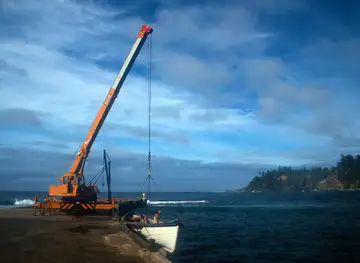
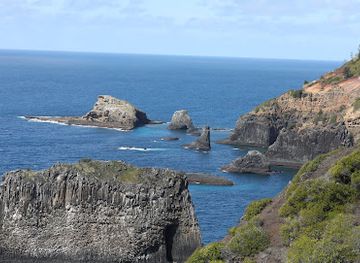
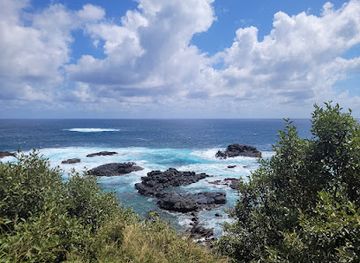
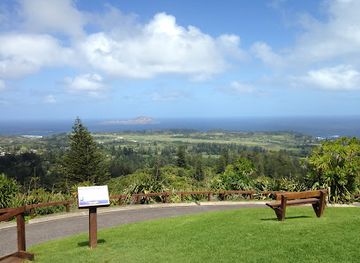
Steels Point’s principal attraction is its open coastal setting: a windswept headland with views over Norfolk Island’s southern waters and a strong sense of geological exposure. It is best included in a wider circuit rather than treated as a conventional visitor precinct. Nearby Kingston and Arthur’s Vale provide the island’s most substantial concentration of attractions, including convict-era buildings, ruins, a historic cemetery, churches and the waterfront landscape associated with the former penal settlement. Emily Bay and Slaughter Bay, east of the headland, offer more sheltered coastal scenery and are closely connected with Norfolk Island’s early Polynesian archaeology. Across the wider island, visitors can add subtropical forest, rural roads, seabird habitats, walking routes and viewpoints over steep coastal valleys. Guided heritage tours are particularly useful because the surviving buildings and ruins make more sense when connected to the stories of convict labour, Pitcairn settlement and later island life. Steels Point itself has little commercial infrastructure, so bring water, sun protection and appropriate footwear and regard the coast as a place for careful observation rather than informal cliff-top access.
-
Tourist attraction
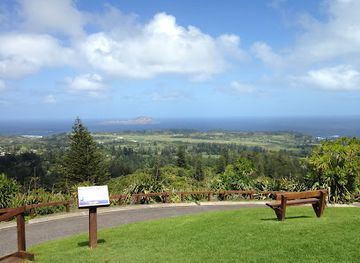
Mount Pitt Lookout
Experience the stunning 360-degree views from Mount Pitt Lookout, a serene park attraction on Norfolk Island, perfect for nature lovers and photographers.
-
Alcoholic beverage wholesaler
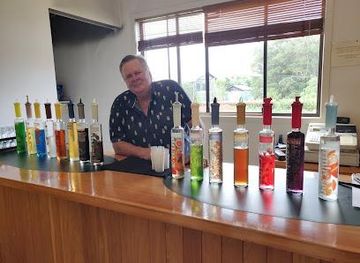
Norfolk Island Liquors
Experience the essence of Norfolk Island with locally crafted beverages at Norfolk Island Liquors, your destination for unique island flavors.
-
History museum
Pier Store Norfolk Island Museum
Explore the captivating history of Norfolk Island at the Pier Store Museum, where stories of the past come alive through engaging exhibitions.
-
 Tourist attraction
East End Point
Experience breathtaking views and tranquil landscapes at East End Point, a serene tourist attraction on Norfolk Island.

Best landmarks in Steels Point
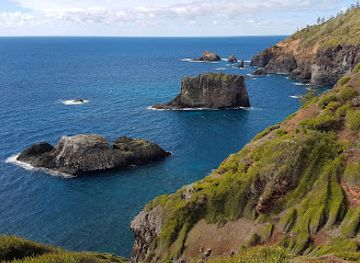
Steels Point itself is the defining landmark of this small coastal area: a bare, ocean-facing promontory whose significance is geographical rather than architectural. Its value lies in the contrast between open South Pacific horizons, dark volcanic shorelines and the cultivated slopes inland. The most important built landmarks near the point are concentrated around Kingston and Arthur’s Vale, outside the headland itself but close enough to form part of the same southern-coast itinerary. These include the remains of the second penal settlement, the convict-era waterfront, historic church buildings, cemetery landscapes and surviving administrative and domestic structures. Together they explain why southern Norfolk Island is one of the territory’s most historically resonant areas. Emily Bay, nearby to the east, is also a significant natural and archaeological reference point because of evidence for the island’s earlier Polynesian settlement. At Steels Point, however, the coast, wind and volcanic landform remain the central visual markers.
-
Vista point
Captain Cook Lookout
Discover the stunning vistas and rich history at Captain Cook Lookout, a premier tourist attraction on Norfolk Island.
-
Holiday apartment rental
Channers On Norfolk - Norfolk Island Holiday Packages, Tours, Accommodation | Travel to Norfolk Island
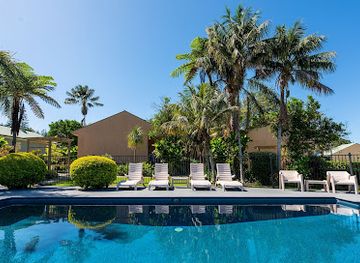
Experience the tranquility of Norfolk Island at Channers On Norfolk, your perfect self-catering getaway in paradise, surrounded by nature and history.
-
National park
Norfolk Island National Park
Explore the stunning natural beauty and rich history of Norfolk Island National Park, a hidden gem in Australia for nature lovers and adventurers alike.
-
Park
Mount Pitt Lookout
Discover the breathtaking views and serene beauty of Mount Pitt Lookout, a premier destination on Norfolk Island for nature lovers and photographers.
Explore Steels Point on the map
Plan your trip on one map. See where the top cities, national parks and sights are, and book hotels and experiences in a few clicks.
Best hotels in Steels Point
Best restaurants in Steels Point
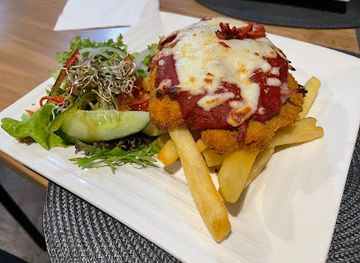
There is no restaurant quarter at Steels Point, and dining is concentrated in Kingston, Burnt Pine and rural accommodation venues elsewhere on Norfolk Island. Local menus commonly draw on the island’s maritime setting, home gardens and small-scale agricultural production, with fish, seafood, pork, seasonal vegetables, fruit and baked goods appearing alongside familiar Australian dishes. Norfolk Island pine is culturally significant but should not be assumed to be a standard food ingredient; ask about local produce and preparation rather than relying on generalised descriptions. Cafés, pubs, takeaway counters, markets and accommodation kitchens are useful for practical meals before or after a southern-coast drive, while more formal dining tends to be found away from rural viewpoints. Visitors staying in self-catering accommodation can look for locally produced eggs, fruit, vegetables and preserves when available. Book ahead for organised dining during busy travel periods and remember that supply, menus and service arrangements can reflect the island’s remoteness.
-
Restaurant
The Olive
Savor authentic local flavors at The Olive on Norfolk Island - where every dish tells a story.
-
Restaurant
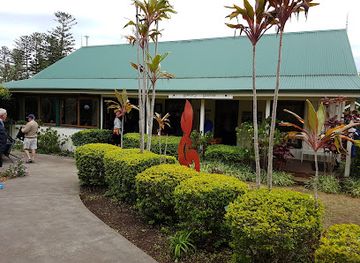
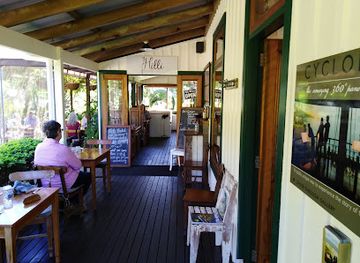
Hilli Restaurant & Cafe
Experience exquisite dining at Hilli Restaurant & Cafe on Norfolk Island, where local flavors meet breathtaking views.
-
Resort hotel
Governor's Lodge
Experience tranquility and adventure at Governor's Lodge - your perfect escape in beautiful Norfolk Island.
-
Western
Bounty Bar & Grill
Experience the best of Western cuisine at Bounty Bar & Grill on Norfolk Island - where every meal is a celebration of local flavors.

Best bars in Steels Point
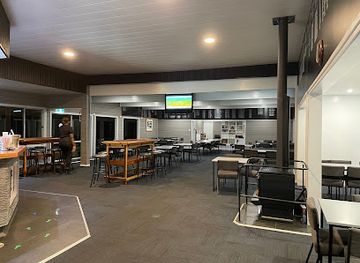
Steels Point has no nightlife venues, and the coastal headland should be visited in daylight with a safe route back. Evening activity on Norfolk Island is generally centred on pubs, restaurants, hotel bars, community events and occasional live entertainment rather than a dense nightclub district. Burnt Pine provides the broadest choice of places to eat and drink, while Kingston and other settlements offer a quieter setting connected with historic buildings and local community life. Some venues may feature Norfolk Island stories, music or local produce, but programmes and opening arrangements can change. A guided evening heritage activity may provide a more distinctive way to understand the island than simply seeking late-night entertainment. Visitors should drink responsibly, arrange transport in advance and avoid driving on unfamiliar rural roads after consuming alcohol.
-
Restaurant
The Olive
Discover the exquisite flavors of Norfolk Island at The Olive, where local ingredients meet culinary artistry in a warm and inviting setting.
-
Restaurant
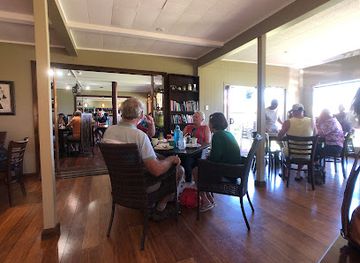
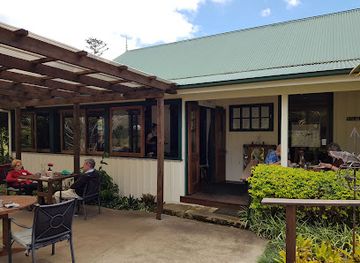
Hilli Restaurant & Cafe
Explore the rich flavors of Norfolk Island at Hilli Restaurant & Cafe, where local ingredients meet breathtaking coastal views.
-
Restaurant
The Bowlo Bistro
Discover The Bowlo Bistro, where Norfolk Island's flavors come alive in a vibrant atmosphere, perfect for tourists seeking a memorable dining experience.
-
Resort hotel
Governor's Lodge
Experience the serene beauty and rich culture of Norfolk Island at Governor's Lodge, a perfect retreat for relaxation and adventure.
Best nightclubs in Steels Point
Steels Point has no nightlife venues, and the coastal headland should be visited in daylight with a safe route back. Evening activity on Norfolk Island is generally centred on pubs, restaurants, hotel bars, community events and occasional live entertainment rather than a dense nightclub district. Burnt Pine provides the broadest choice of places to eat and drink, while Kingston and other settlements offer a quieter setting connected with historic buildings and local community life. Some venues may feature Norfolk Island stories, music or local produce, but programmes and opening arrangements can change. A guided evening heritage activity may provide a more distinctive way to understand the island than simply seeking late-night entertainment. Visitors should drink responsibly, arrange transport in advance and avoid driving on unfamiliar rural roads after consuming alcohol.
-
Resort hotel
Castaway Norfolk Island & Norfolk Island Brewing
Discover the beauty of Norfolk Island at Castaway, a resort hotel offering local brews and serene escapes amidst stunning landscapes.
-
Club
Norfolk Island RSL Memorial Club
Experience the vibrant local culture at the Norfolk Island RSL Memorial Club, where great food and community spirit unite.
-
Brewpub
Norfolk Island Brewing
Experience the Best of Local Brews and Pizzas at Norfolk Island Brewing, a Cozy Brewpub in the Heart of Norfolk Island.
-
Club
Norfolk Island Leagues Club
Discover the heart of Norfolk Island at the Leagues Club, where community spirit and local culture come alive in a welcoming atmosphere.


Best shops in Steels Point
Steels Point has no shops, so shopping should be planned in Burnt Pine, Kingston or other established island settlements. Retail on Norfolk Island is small-scale and practical, with local produce, preserves, baked goods, crafts, artwork, books, clothing and souvenirs commonly more relevant than large commercial brands. Items connected with the island’s convict history, Pitcairn ancestry, maritime setting and Norfolk Island pine may provide more meaningful mementoes than generic beach merchandise. Galleries and craft outlets can offer locally made work, while food shops and markets may stock island-grown or island-produced goods when supplies permit. Availability varies because Norfolk Island depends on freight from Australia and New Zealand, and visitors should not assume that every product will be available throughout the year. Buy responsibly, respect cultural and environmental rules, and avoid removing shells, plants, stones or archaeological material from the coast.
-
Supermarket
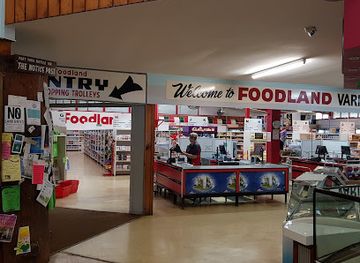
Foodland Supermarket
Experience the essence of Norfolk Island at Foodland Supermarket, offering local produce, gourmet treats, and a delightful shopping atmosphere.
-
Bottle Shop and Liquor Store
Norfolk Island Liquor Bond Store
Explore a diverse selection of local and international beverages at Norfolk Island Liquor Bond Store, a must-visit for all beverage enthusiasts.
-
General store
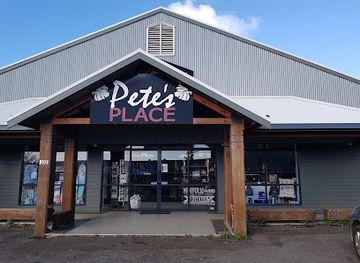
Pete's Place
Discover unique local goods and authentic flavors at Pete's Place, a nostalgic general store in Burnt Pine, Norfolk Island, perfect for tourists.
-
Coffee store
Prinke Eco Store
Explore Prinke Eco Store, where sustainability meets delicious coffee and organic produce in the heart of Norfolk Island.


Get your free copy of our complete guide to Steels Point, delivered straight to you.
Everything on this page, from attractions and restaurants to essentials and local phrases, in one PDF you can read offline, print or share.
Already have an account? Sign in
Your Steels Point guide is ready.
We'll send it to · Not you? Sign out

Getting your guide ready…
We are putting together a fresh copy of the Steels Point guide. This can take up to a minute.
This can take a few moments. If your browser asks, choose Allow so the download can start. You'll find the guide in your Downloads folder.
Nothing happened? Download it again
Sorry, the guide is taking longer than usual. Please try again in a minute, or get it by email instead.
Steels Point essentials
Currency and Payment
Safety
Emergency Situations
Do's and Don'ts
Local Tips
From Eve
Local phrases worth knowing
You don't need to get them perfect. A few words go a long way, and locals appreciate the effort.
Basics
| English | Local | Say it |
|---|---|---|
| Hello | G'day | [g'day] |
| Goodbye | See ya | [see ya] |
| Yes | Yeah | [yeh] |
| No | Nah | [nah] |
| Please/You're welcome | No worries | [no worries] |
| Thank you | Cheers | [cheers] |
| Excuse me/Sorry | Sorry mate | [sorry mate] |
| How are you? | How ya going? | [how ya going] |
| Fine. And you? | Good, you? | [good, you?] |
| Do you speak English? | You speak English? | [you speak English?] |
| I don't understand | I don’t get it | [I don’t get it] |
Eating & Drinking
| English | Local | Say it |
|---|---|---|
| I'd like to see the menu, please | Can I see the menu? | [can I see the menu?] |
| I don't eat meat | I’m a vegetarian | [I’m a vegetarian] |
| Cheers! | Cheers! | [cheers] |
| I would like to pay, please | Can I get the bill? | [can I get the bill?] |
Emergencies
| English | Local | Say it |
|---|---|---|
| Help! | Help! | [help] |
| Go away! | Get lost! | [get lost] |
| Call the Police! | Ring the cops! | [ring the cops] |
| Call a doctor! | Get a doctor! | [get a doctor] |
| I'm lost | I’m lost | [I’m lost] |
| I'm ill | I’m not well | [I’m not well] |
Shopping
| English | Local | Say it |
|---|---|---|
| I'd like to buy... | I want to buy... | [I want to buy...] |
| I'm just looking | Just browsing | [just browsing] |
| How much is it? | How much? | [how much?] |
| That's too expensive | That’s too pricey | [that’s too pricey] |
| Can you lower the price? | Can you make it cheaper? | [can you make it cheaper?] |
Time & Numbers
| English | Local | Say it |
|---|---|---|
| What time is it? | What’s the time? | [what’s the time?] |
| It's one o'clock | It’s one | [it’s one] |
| Half past (10) | Half past ten | [half past ten] |
| Morning | Morning | [morning] |
| Afternoon | Arvo | [arvo] |
| Evening | Evening | [evening] |
| Yesterday | Yesterday | [yesterday] |
| Today | Today | [today] |
| Tomorrow | Tomorrow | [tomorrow] |
| 1 | One | [one] |
| 2 | Two | [two] |
| 3 | Three | [three] |
| 4 | Four | [four] |
| 5 | Five | [five] |
| 6 | Six | [six] |
| 7 | Seven | [seven] |
| 8 | Eight | [eight] |
| 9 | Nine | [nine] |
| 10 | Ten | [ten] |
Transport & Directions
| English | Local | Say it |
|---|---|---|
| Where's a/the...? | Where's the...? | [where's the...?] |
| What's the address? | What’s the address? | [what’s the address?] |
| Can you show me (on the map)? | Can you show me on the map? | [can you show me on the map?] |
| When's the next (bus)? | When’s the next bus? | [when’s the next bus?] |
| A ticket (to ....) | A ticket to... | [a ticket to...] |
History of Steels Point
Polynesian Settlement before European Contact
Norfolk Island was settled by Polynesian voyagers centuries before European colonisation. Evidence of this community is concentrated around Emily Bay and nearby parts of the southern coast, where archaeological remains indicate houses, gardens and food-processing activity. The settlement did not continue into the period of European arrival, but it established the island’s first known human history and demonstrates that Norfolk Island formed part of wider movement across the southwestern Pacific. For visitors near Steels Point, this earlier layer of history is especially relevant because the southern coastal landscape contains several of the island’s most important archaeological associations.
Cook’s 1774 Encounter and European Mapping
Lieutenant James Cook sighted Norfolk Island during his second Pacific voyage in 1774 and named it in honour of the Duchess of Norfolk. European mapping introduced new names and a strategic interest in the island’s tall native timber and remote position. Although Cook did not establish a settlement, his report helped bring Norfolk Island into British imperial planning. The island’s precipitous shores, including the exposed southern coastline around Steels Point, later influenced where landing places, roads and settlements could safely be developed.
The First British Convict Settlement, 1788–1814
Britain established its first settlement on Norfolk Island in 1788, only months after the foundation of the colony at Sydney Cove. The island supplied timber and flax and served as a remote penal outpost. Agriculture expanded around the southern valleys, while the settlement developed buildings, roads and waterfront infrastructure. Difficult communications, isolation and shortages shaped daily life. Much of the first settlement was abandoned in 1814, leaving archaeological traces and altered landscapes that form an important precursor to the later historic district around Kingston.
The Second Penal Settlement, 1825–1855
Norfolk Island was reoccupied as a more severe penal settlement from 1825. Kingston and Arthur’s Vale became the centre of an expanding complex of barracks, works buildings, stores, roads, churches and administrative structures. Convict labour transformed the southern landscape, and the surviving buildings and ruins are now recognised for their exceptional historical importance. The exposed coast near Steels Point forms part of the wider setting of this heritage area, although the principal surviving structures are concentrated around Kingston rather than at the headland itself.
The Pitcairn Settlers Arrive in 1856
When the second penal settlement closed, Norfolk Island was transferred to the descendants of the Bounty mutineers and their Polynesian companions from Pitcairn Island. In 1856, almost the entire Pitcairn community moved to Norfolk Island, bringing established family networks, Christian traditions, agricultural knowledge and a distinctive form of English influenced by Tahitian and Pitcairn usage. Their descendants remain central to Norfolk Island’s cultural identity. The community’s history is visible in local churches, family associations, oral traditions and the continued importance of Kingston as a place of collective memory.
Modern Australian Administration and Island Life
Norfolk Island’s constitutional arrangements changed several times before it became an external territory of Australia in 1914. Its economy has depended on agriculture, fishing, government services and tourism, with the island’s heritage and landscapes becoming increasingly important to visitors. Australian administrative reforms in the twenty-first century altered local governance and public services, while residents continued to negotiate the practical challenges of living on a small, remote island. Steels Point today belongs to this contemporary landscape: a quiet coastal place within a territory where environmental limits, heritage protection and community life are closely connected.
Steels Point in Photos
Browse through our photo collection highlighting the charm and character of the destination.
Neighbouring regions of Steels Point
The closest regions to Steels Point, if you have time for more than one.
-

-

-

-

-


Swipe for more regions

