

Free Rocky Point Travel Guide & Mobile App
Explore Rocky Point with free travel guides. Discover regional history, expert tips, proposed trips, and audio guides on web or mobile app.


Rocky Point, Norfolk Island, offers cliff-top ocean views, seabird habitat and quiet rural scenery on the island’s exposed south-west coast.
Read more about Rocky Point
When is the best time to visit Rocky Point?
Best: December–February · 24–25°C| Month | High (°C) | Rainfall (mm) |
|---|---|---|
| January (best) | 25 | 110 |
| February (best) | 25 | 120 |
| March | 24 | 120 |
| April | 23 | 110 |
| May | 20 | 120 |
| June | 18 | 130 |
| July | 18 | 130 |
| August | 18 | 120 |
| September | 20 | 110 |
| October | 21 | 120 |
| November | 23 | 120 |
| December (best) | 24 | 110 |
Getting to and around Rocky Point
How to get there
Transportation
Top city travel guides in Rocky Point
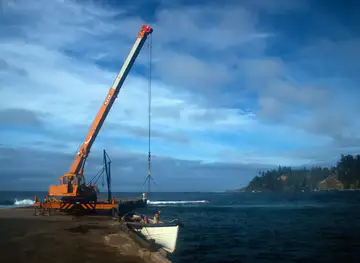
The cities of Rocky Point, and the easiest places to base yourself.
-
-

-


Swipe for more cities
Destinations in Rocky Point
Resorts, valleys and scenic spots worth a trip of their own.
-

-

-

-

-

-


Swipe for more destinations
Best attractions in Rocky Point
Rocky Point’s attractions are primarily natural and scenic. The exposed south-western coastline provides views across the Tasman Sea, rugged volcanic formations and opportunities to watch seabirds in a relatively undeveloped setting. Short walks and roadside viewpoints are more characteristic than large formal visitor sites, and conditions can make the coast feel very different from one day to the next. The area works particularly well as one stop on a wider drive around Norfolk Island’s western and southern landscapes, with rural fields and open horizons contrasting with the denser heritage precinct around Kingston. For history, visitors should travel beyond Rocky Point to Kingston and Arthur’s Vale, where the island’s former penal settlements, museums and historic structures are concentrated. Other island attractions, including coastal viewpoints, forested areas and opportunities for swimming or wildlife observation, are likewise reached elsewhere rather than within Rocky Point itself. Bring essentials with you, as the locality has little commercial infrastructure and should be approached as a natural landscape rather than a managed theme attraction.
-
Park
Mount Pitt Lookout
Discover the stunning panoramic views and serene beauty of Mount Pitt Lookout, a must-visit destination on Norfolk Island.
-
Vista point
Queen Elizabeth Lookout
Discover breathtaking views of Kingston and Arthur's Vale at Queen Elizabeth Lookout, a must-visit vista point on Norfolk Island.
-
Nature preserve
Hundred Acres Reserve
Explore the breathtaking beauty of Hundred Acres Reserve, a tranquil nature preserve on Norfolk Island, perfect for nature lovers and adventurers.
-
Bottle Shop and Liquor Store
Norfolk Island Liquor Bond Store
Discover the finest local wines and spirits at the Norfolk Island Liquor Bond Store, where the island's rich flavors await every visitor.


Best landmarks in Rocky Point
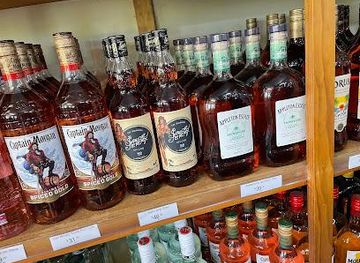
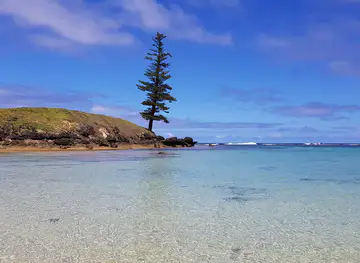
The defining landmark of Rocky Point is its own rugged coastal headland and cliff line, a visually prominent meeting of Norfolk Island’s volcanic landform and the open Tasman Sea. The elevated shore gives the locality a distinct western character, while exposed rock, grassland and wind-shaped vegetation illustrate the island’s natural forces more clearly than its built-up areas. Rocky Point’s significance is scenic rather than architectural: it has no equivalent concentration of monumental buildings, museums or formal civic structures. The most important constructed landmarks connected with a visit lie outside the locality. Kingston and Arthur’s Vale preserve the principal remains of Norfolk Island’s two British penal settlements, including historic administrative and religious buildings, roads and ruins; they should be visited separately rather than treated as Rocky Point landmarks. The contrast between those ordered colonial remains and Rocky Point’s open, weather-exposed coast is one of the island’s clearest geographical and historical contrasts.
-
Resort hotel
Governor's Lodge
Experience the serene beauty and rich history of Norfolk Island at Governor's Lodge, a charming resort hotel perfect for your next getaway.
-
Vista point
Captain Cook Lookout
Discover the stunning coastal views and historical significance of Captain Cook Lookout, a premier vista point on Norfolk Island, perfect for nature lovers and history enthusiasts.
-
Holiday apartment rental
Channers On Norfolk - Norfolk Island Holiday Packages, Tours, Accommodation | Travel to Norfolk Island
Experience the charm of Norfolk Island with comfortable self-catering apartments at Channers On Norfolk, your perfect holiday getaway.
-
 Resort hotel
Castaway Norfolk Island & Norfolk Island Brewing
Discover relaxation and local craft brews at Castaway Norfolk Island & Norfolk Island Brewing, your perfect getaway in paradise.


Explore Rocky Point on the map
Plan your trip on one map. See where the top cities, national parks and sights are, and book hotels and experiences in a few clicks.
Best hotels in Rocky Point
Best restaurants in Rocky Point
Rocky Point has no established dining district, so visitors normally eat at accommodation or travel to Burnt Pine, outside the locality, where Norfolk Island’s cafés, restaurants, bakeries and takeaway options are concentrated. The island’s food culture reflects its isolated Pacific setting, farming tradition and Australian connections, with locally grown produce, seafood, home-style baking and seasonal ingredients appearing alongside familiar Australian dishes. Norfolk Island pine honey and locally produced preserves or drinks may be encountered, although availability varies. Rural accommodation may offer kitchens or breakfast provisions, which can be useful when exploring remote coastal areas. Dining around the island ranges from casual cafés and pubs to restaurants using local produce, while markets and farm-gate opportunities may provide a more direct connection with island agriculture when operating. Arrange meals and supplies before heading to Rocky Point, particularly outside normal daytime activity, and do not expect cafés or shops at the coast.
-
Restaurant
The Olive
Experience exquisite dining at The Olive on Norfolk Island, where local flavors meet exceptional service in a charming setting.
-
Restaurant
Hilli Restaurant & Cafe
Experience culinary excellence at Hilli Restaurant & Cafe in Norfolk Island—where local ingredients meet unforgettable flavors.
-
Western
Bounty Bar & Grill
Experience mouthwatering Western cuisine at Bounty Bar & Grill on Norfolk Island – where local flavors meet warm hospitality.
-
Cafe
The Golden Orb Cafe
Discover delicious local flavors at The Golden Orb Cafe on Norfolk Island - where great food meets warm hospitality.


Best bars in Rocky Point
Rocky Point is quiet after dark and has no dedicated nightlife strip, late-night club scene or concentration of licensed venues. Evening activity is generally based around accommodation, a meal or a drink in Burnt Pine, outside the locality, with the island’s pubs, restaurants and occasional live entertainment providing the main social options. Norfolk Island nightlife is typically low-key and community-scaled rather than centred on large venues, and schedules can vary with the season and local calendar. Some visitors choose to enjoy the rural coast at dusk, but cliff edges and unlit roads make careful timing essential; return before visibility deteriorates unless transport has been arranged. Alcohol is not necessary to experience the area, and a quiet evening is often the most appropriate way to appreciate Rocky Point’s open landscape and dark skies.
-
Restaurant
The Olive
Discover the flavors of Norfolk Island at The Olive, a restaurant serving fresh, locally sourced cuisine in a welcoming atmosphere.
-
Restaurant
Hilli Restaurant & Cafe
Experience delectable culinary offerings and stunning island views at Hilli Restaurant & Cafe, where every meal is a celebration of local flavors.
-
Western
Bounty Bar & Grill
Experience the best of Western cuisine at Bounty Bar & Grill, a culinary jewel on Norfolk Island offering delightful flavors and warm hospitality.
-
Cafe
The Golden Orb Cafe
Discover the relaxed vibe of The Golden Orb Cafe, offering delicious local cuisine and great coffee amidst the beautiful scenery of Norfolk Island.



Best nightclubs in Rocky Point
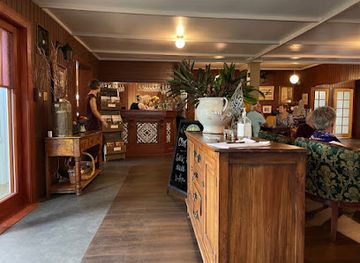
Rocky Point is quiet after dark and has no dedicated nightlife strip, late-night club scene or concentration of licensed venues. Evening activity is generally based around accommodation, a meal or a drink in Burnt Pine, outside the locality, with the island’s pubs, restaurants and occasional live entertainment providing the main social options. Norfolk Island nightlife is typically low-key and community-scaled rather than centred on large venues, and schedules can vary with the season and local calendar. Some visitors choose to enjoy the rural coast at dusk, but cliff edges and unlit roads make careful timing essential; return before visibility deteriorates unless transport has been arranged. Alcohol is not necessary to experience the area, and a quiet evening is often the most appropriate way to appreciate Rocky Point’s open landscape and dark skies.
-
Club
Norfolk Island RSL Memorial Club
Discover the Norfolk Island RSL Memorial Club: A vibrant hub of local culture, community spirit, and unforgettable entertainment experiences.
-
International airport
Norfolk Island International Airport
Experience the warm welcome of Norfolk Island International Airport as you embark on your journey to explore this unique and picturesque destination.
-
Club
Norfolk Island Leagues Club
Discover community spirit and local flavors at the Norfolk Island Leagues Club, your gateway to island camaraderie and fun.
-
Heritage museum
Fletcher’s Mutiny Cyclorama
Explore the captivating history of the Fletcher’s Mutiny Cyclorama, a heritage museum on Norfolk Island offering immersive art and storytelling.
Best shops in Rocky Point
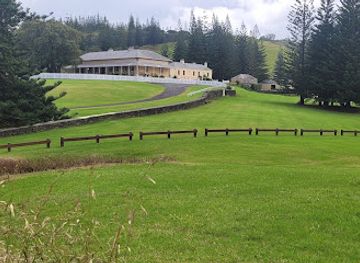
Rocky Point has no shopping centre, high street or permanent market infrastructure. Visitors should buy fuel, food, water and practical supplies in Burnt Pine, outside the locality, before travelling along the rural coast. Shopping elsewhere on Norfolk Island is small-scale and island-oriented, with independent businesses offering groceries, books, locally made crafts, artworks, souvenirs, preserves, honey and other regional products. Some outlets reflect Norfolk Island’s Polynesian and colonial heritage through locally designed gifts, while galleries and craft sellers provide alternatives to standard tourist merchandise. Availability and opening arrangements can vary, especially outside the main visitor season, so do not leave essential purchases until a remote coastal stop. The most appropriate Rocky Point souvenirs are durable local products bought from established island businesses, rather than natural materials collected from the shore or vegetation.
-
Resort hotel
Governor's Lodge
Discover the perfect blend of relaxation and adventure at Governor's Lodge on beautiful Norfolk Island.
-
National park
Norfolk Island National Park
Explore the breathtaking Norfolk Island National Park, home to unique wildlife, lush forests, and rich cultural heritage, perfect for nature lovers and history buffs.
-
Museum
Bounty Museum
Explore Norfolk Island's maritime legacy at the Bounty Museum, a captivating journey through history and culture.
-
Supermarket
Foodland Supermarket
Discover the best local and international groceries at Foodland Supermarket, a shopping haven on Norfolk Island.


Get your free copy of our complete guide to Rocky Point, delivered straight to you.
Everything on this page, from attractions and restaurants to essentials and local phrases, in one PDF you can read offline, print or share.
Already have an account? Sign in
Your Rocky Point guide is ready.
We'll send it to · Not you? Sign out

Getting your guide ready…
We are putting together a fresh copy of the Rocky Point guide. This can take up to a minute.
This can take a few moments. If your browser asks, choose Allow so the download can start. You'll find the guide in your Downloads folder.
Nothing happened? Download it again
Sorry, the guide is taking longer than usual. Please try again in a minute, or get it by email instead.
Rocky Point essentials
Currency and Payment
Safety
Emergency Situations
Do's and Don'ts
Local Tips
From Eve
Local phrases worth knowing
You don't need to get them perfect. A few words go a long way, and locals appreciate the effort.
Basics
| English | Local | Say it |
|---|---|---|
| Hello | Kia ora | [kee-ah or-ah] |
| Goodbye | Haere ra | [hai-reh rah] |
| Yes | Ae | [ah-eh] |
| No | Kao | [kow] |
| Please/You're welcome | Tena koa | [teh-nah koh-ah] |
| Thank you | Meitaki | [may-tah-kee] |
| Excuse me/Sorry | Kia ora mai | [kee-ah or-ah my] |
| How are you? | Pehea koe? | [peh-heh-ah koh-eh] |
| Fine. And you? | Ka pai. Na koe? | [kah pie. nah koh-eh] |
| Do you speak English? | Ka korero koe i te reo Ingarihi? | [kah koh-reh-roh koh-eh ee teh reh-oh in-gah-ree-hee] |
| I don't understand | Kahore au e mohio | [kah-ho-reh ow eh mo-ho-ee] |
Eating & Drinking
| English | Local | Say it |
|---|---|---|
| I'd like to see the menu, please | Ka hiahia au ki te kite i te rārangi kai | [kah hee-ah-hee-ah ow kee teh kee-teh ee teh rah-rah-ngi kai] |
| I don't eat meat | Kahore au e kai i te mutton | [kah-ho-reh ow eh kai ee teh mut-ton] |
| Cheers! | Kia ora! | [kee-ah or-ah] |
| I would like to pay, please | Ka hiahia au ki te utu, tena koa | [kah hee-ah-hee-ah ow kee teh oo-too, teh-nah koh-ah] |
Emergencies
| English | Local | Say it |
|---|---|---|
| Help! | Tena awhina! | [teh-nah ah-fee-nah] |
| Go away! | Haere atu! | [hai-reh ah-too] |
| Call the Police! | Karanga i te Pirihimana! | [kah-rah-ngah ee teh pee-ree-hee-mah-nah] |
| Call a doctor! | Karanga i te rata! | [kah-rah-ngah ee teh rah-tah] |
| I'm lost | Kei te ngaro au | [keh-ee teh nah-roh ow] |
| I'm ill | Kei te mate au | [keh-ee teh mah-teh ow] |
Shopping
| English | Local | Say it |
|---|---|---|
| I'd like to buy... | Ka hiahia au ki te hoko... | [kah hee-ah-hee-ah ow kee teh ho-ko] |
| I'm just looking | Kei te tirohia au | [keh-ee teh tee-roh-hee-ah ow] |
| How much is it? | E hia te utu? | [eh hee-ah teh oo-too] |
| That's too expensive | Kei te tino utu nui | [keh-ee teh tee-noh oo-too noo-ee] |
| Can you lower the price? | Ka taea e koe te whakaiti i te utu? | [kah tah-eh eh koh-eh teh fah-kah-ee-tee ee teh oo-too] |
Time & Numbers
| English | Local | Say it |
|---|---|---|
| What time is it? | He aha te wa? | [heh ah-hah teh wah] |
| It's one o'clock | Kotahi te haora | [koh-tah-hee teh how-rah] |
| Half past (10) | Hāwhe i te tekau | [hah-feh ee teh teh-kah-oo] |
| Morning | Ata | [ah-tah] |
| Afternoon | Popo | [poh-poh] |
| Evening | Ahiahi | [ah-hee-ah-hee] |
| Yesterday | Inā ia | [ee-nah ee-ah] |
| Today | I tēnei rā | [ee teh-neh rah] |
| Tomorrow | Āpōpō | [ah-poh-poh] |
| 1 | Tahi | [tah-hee] |
| 2 | Rua | [roo-ah] |
| 3 | Toru | [toh-roo] |
| 4 | Whā | [fah] |
| 5 | Rima | [ree-mah] |
| 6 | Ono | [oh-noh] |
| 7 | Whitu | [fee-too] |
| 8 | Waru | [wah-roo] |
| 9 | Iwa | [ee-wah] |
| 10 | Tekau | [teh-kah-oo] |
Transport & Directions
| English | Local | Say it |
|---|---|---|
| Where's a/the...? | Kei hea te...? | [keh-ee heh-ah teh] |
| What's the address? | He aha te wāhitau? | [heh ah-hah teh wah-hee-tau] |
| Can you show me (on the map)? | Ka taea e koe te whakaatu mai (i te mapi)? | [kah tah-eh eh koh-eh teh fah-kah-ah-too my (ee teh mah-pee)] |
| When's the next (bus)? | Āhea te pahi e whai ake nei? | [ah-he-ah teh pah-hee eh fwhy ah-keh nay] |
| A ticket (to ....) | He tikiti (ki te....) | [heh tee-kee-tee (kee teh)] |
History of Rocky Point
Polynesian Settlement before European Colonisation
Norfolk Island was settled by Polynesian voyagers centuries before British occupation, probably during the period associated with eastern Polynesian expansion across the Pacific. Archaeological evidence, including settlement remains and artefacts, shows that the island was used for habitation and cultivation before the community disappeared or moved away. Rocky Point forms part of the island landscape shaped by this earlier human presence, although its most visible visitor heritage is associated with later European periods. Understanding this first settlement places the coastal scenery within a much older history than the island’s penal buildings suggest.
Cook’s 1774 Survey and European Mapping
James Cook sighted and landed on Norfolk Island in 1774 during his second Pacific voyage, recording its distinctive terrain and stands of Norfolk Island pine. His reports helped draw later British attention to the island, whose position in the Tasman Sea made it strategically useful. Rocky Point’s exposed coast belongs to the maritime landscape first entered into European charts during this period. Cook’s visit did not create a permanent settlement, but it marked the beginning of the island’s sustained incorporation into European imperial geography.
The First Penal Settlement, 1788–1814
Britain established a penal settlement on Norfolk Island in 1788, soon after the foundation of New South Wales. The colony concentrated around Kingston and Arthur’s Vale, well away from Rocky Point, but its demands shaped the whole island through land clearance, farming and the movement of people and supplies. The settlement was abandoned in 1814 after difficult administration and logistical problems. Its surviving ruins are now part of the Kingston and Arthur’s Vale Historic Area, while the open rural landscapes elsewhere on the island retain traces of the agricultural system created during this first colonial period.
The Second Penal Settlement, 1825–1855
Norfolk Island became a penal settlement again in 1825, this time intended for prisoners considered especially difficult to control. The regime developed a reputation for harsh discipline, and the buildings, roads and administrative structures of the period were concentrated around Kingston. The second settlement ended in 1855, when the remaining prisoners were transferred to Tasmania. Although Rocky Point was not the centre of penal administration, its remote cliffs and agricultural surroundings form part of the wider island setting against which the settlement’s isolation and dependence on sea communication should be understood.
The Pitcairn Islander Settlement, 1856
In 1856, almost the entire population of Pitcairn Island moved to Norfolk Island because their original home could no longer support a growing community. The newcomers brought Polynesian and British cultural influences, Christian traditions and a distinctive island identity that remains central to Norfolk Island life. Some families later returned to Pitcairn, but many stayed and became the ancestors of present-day Norfolk Island families. This community transformed the island after the end of the penal era, replacing a prison colony with a settled society whose working landscapes extend beyond the heritage precincts of Kingston.
From Government Settlement to Contemporary Island Community
After the penal era, Norfolk Island developed through farming, fishing, small-scale commerce and connections across the Tasman Sea. Its constitutional arrangements changed several times before the island became an Australian external territory under the Norfolk Island Act 1913. Tourism grew around the convict heritage, natural scenery and local culture, while agriculture and public services continued to support the resident population. Rocky Point reflects this later phase through its rural setting and relatively undeveloped coastline, contrasting with the concentrated historic buildings and visitor facilities found elsewhere on the island.
Rocky Point in Photos
Browse through our photo collection highlighting the charm and character of the destination.
Neighbouring regions of Rocky Point
The closest regions to Rocky Point, if you have time for more than one.
-

-
-

-

-


Swipe for more regions
Explore more

Explore more of Norfolk Island
Discover Norfolk Island, a serene and historic gem in the South Pacific, known for its stunning landscapes, rich cultural heritage, and abundant natural beauty.
Explore Norfolk Island