

Free Cape Fear Travel Guide & Mobile App
Explore Cape Fear with free travel guides. Discover regional history, expert tips, proposed trips, and audio guides on web or mobile app.




Cape Fear combines Wilmington's riverfront heritage with barrier-island beaches, maritime landscapes, seafood and Civil War history on North Carolina's coast.
Read more about Cape Fear
Getting to and around Cape Fear
How to get there
Transportation
Destinations in Cape Fear
Resorts, valleys and scenic spots worth a trip of their own.
-

-

-


Swipe for more destinations
Best attractions in Cape Fear
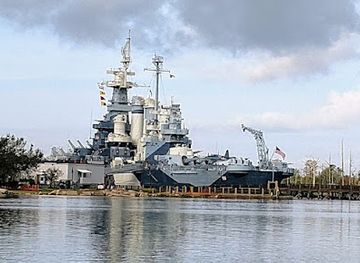
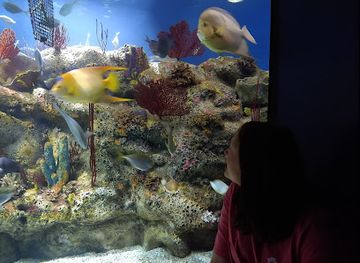
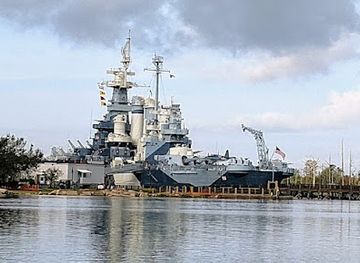
Cape Fear's attractions range from Wilmington's historic riverfront and museums to the open coast and tidal landscapes beyond the city. The downtown riverwalk, historic homes and cultural venues introduce the region's port history, while the battleship USS North Carolina, moored across the river in Wilmington, is a major maritime attraction. At Wrightsville Beach, boating, surfing, paddleboarding and beach walking shape the visitor experience; Carolina Beach adds a boardwalk, fishing and family-oriented seaside recreation. South of the river, Fort Fisher combines Civil War interpretation with access to the coast, the North Carolina Aquarium and ferry connections. Maritime forests, salt marshes and estuaries provide opportunities for birdwatching, kayaking and nature walks, while Bald Head Island offers a largely car-free island setting reached by ferry. The attraction landscape is defined less by one monumental site than by the contrast between a historic port, working waterways, barrier beaches and protected coastal habitats.
-
History museum
Battleship North Carolina
Discover the rich maritime heritage at the Battleship North Carolina, a floating museum honoring naval history and heroism.
-
Aquarium
North Carolina Aquarium at Fort Fisher
Discover the aquatic wonders of the North Carolina Aquarium at Fort Fisher, where learning meets adventure in a stunning coastal setting.
-
Army museum
Airborne & Special Operations Museum Foundation
Explore the heroic stories of airborne and special operations forces at Fayetteville's Airborne & Special Operations Museum, a free and inspiring military history destination.
-
Historical place
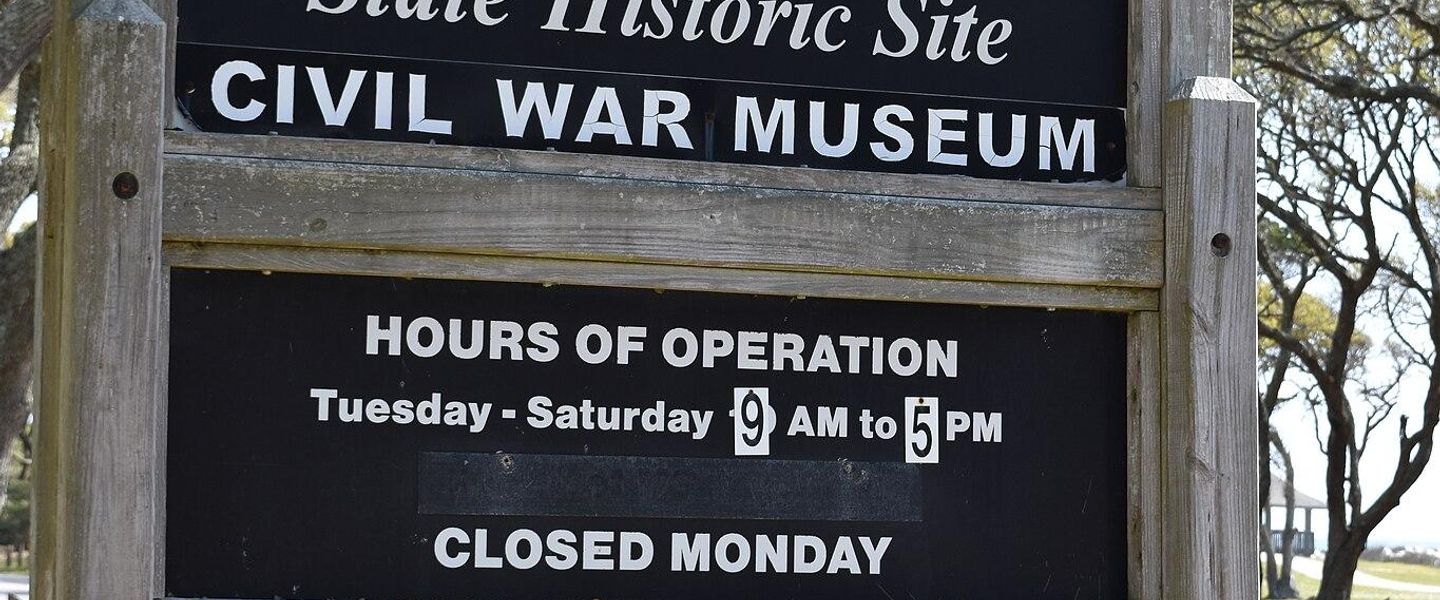
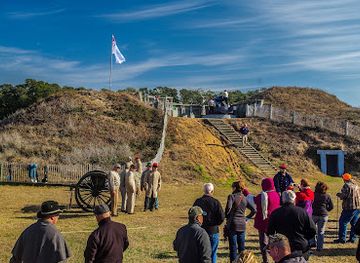
Fort Fisher State Historic Site
Explore the historic Fort Fisher State Historic Site in Kure Beach, NC, where Civil War history and scenic coastal beauty come together.

Best landmarks in Cape Fear
The Cape Fear River is the region's defining natural and historical landmark, forming the waterway around which Wilmington developed and continuing towards the Atlantic through marshes, islands and shipping channels. Wilmington's historic district is distinguished by blocks of preserved nineteenth- and early twentieth-century architecture, including riverfront warehouses, churches and substantial residential buildings. The Battleship North Carolina is an especially recognisable presence on the river opposite the city, commemorating the state's naval contribution during the Second World War. At the river mouth, Fort Fisher's surviving earthworks represent the strategic importance of the coast during the Civil War. The long ocean-facing shores of Wrightsville Beach, Carolina Beach and Kure Beach provide a different kind of landmark, defined by dunes, piers, boardwalk structures and changing horizons rather than masonry. Southport's waterfront and Bald Head Island's lighthouse, known as Old Baldy, add further maritime symbols at the southern edge of the region.
-
History museum
Battleship North Carolina
Discover the legacy of the USS North Carolina, a historic battleship turned museum, offering insights into naval history and stunning river views.
-
Historical place
Fort Fisher State Historic Site
Explore the rich history and breathtaking landscapes at Fort Fisher State Historic Site, a must-see destination on North Carolina's beautiful coast.
-
Historical landmark
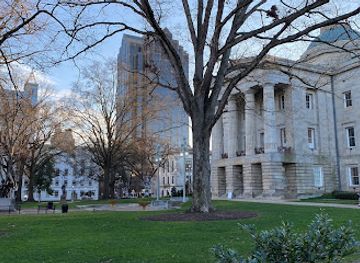
North Carolina State Capitol
Visit the North Carolina State Capitol for an insightful journey through the state's history, architecture, and governance in Raleigh.
-
Local history museum
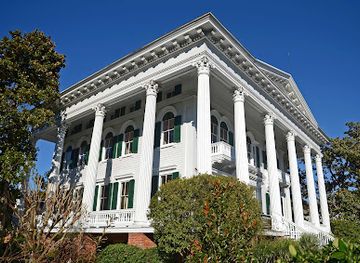
Bellamy Mansion Museum
Explore the Bellamy Mansion Museum: A captivating journey through Wilmington's rich history in an elegant antebellum setting.
Explore Cape Fear on the map
Plan your trip on one map. See where the top cities, national parks and sights are, and book hotels and experiences in a few clicks.
Best hotels in Cape Fear
Best restaurants in Cape Fear
Dining in Cape Fear draws on North Carolina's broader food traditions while making clear use of its coastal setting. Wilmington has the region's widest range, from cafés and breweries to contemporary restaurants, seafood houses, Southern cooking and international cuisines. Menus may feature shrimp, oysters, fish, crab and other coastal fare, alongside North Carolina barbecue, fried chicken, seasonal vegetables, biscuits and regional desserts. Wrightsville Beach, Carolina Beach, Kure Beach and Southport offer casual seafood restaurants, beach cafés and waterfront settings, although local sourcing varies and should not be assumed from a menu's location. Farmers' markets and independent food shops provide opportunities to find produce, baked goods, sauces and prepared foods from southeastern North Carolina. In the evening, Wilmington's restaurants support a more varied dining scene, while the beach communities tend towards relaxed meals suited to a day outdoors.
-
American
The Copper Penny
Discover The Copper Penny: where American comfort food meets lively pub vibes in Wilmington's Riverfront district.
-
Seafood
Cape Fear Seafood Company
Experience the best seafood Wilmington has to offer at Cape Fear Seafood Company—where fresh flavors meet coastal charm.
-
Grill
The Fork 'N' Cork
Discover delicious American cuisine at The Fork 'N' Cork in Wilmington, NC - where flavor meets friendly vibes in a vibrant gastropub setting.
-
Seafood
Elijah's Oyster & Fish Camp
Discover Wilmington’s premier destination for fresh seafood at Elijah’s Oyster & Fish Camp, where every dish tells a story.

Best bars in Cape Fear
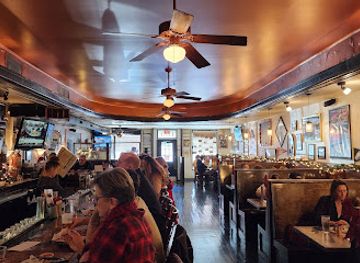
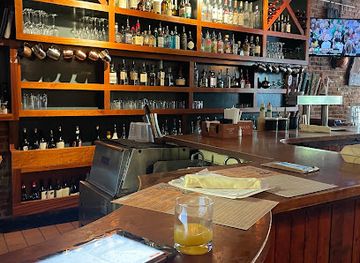
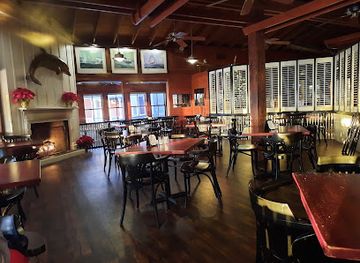
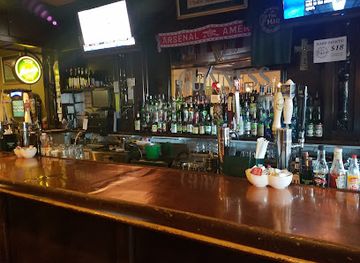
Wilmington is Cape Fear's principal nightlife centre, with bars, breweries, live-music venues and restaurants concentrated around the historic downtown and nearby districts. The atmosphere ranges from relaxed riverfront and cocktail settings to student-influenced evenings and music-led venues, though specific businesses and schedules change. Wrightsville Beach and Carolina Beach have a more seasonal coastal scene, including casual bars, live entertainment and late-evening venues during the busier months. Southport and Kure Beach are generally quieter, with evenings centred on restaurants, pubs and waterfront walks rather than a large club circuit. Breweries and taprooms are a notable part of the region's modern drinking culture, but visitors can experience the area through food, music and the riverfront without making alcohol the focus. Summer crowds and holiday periods can alter the pace considerably.
-
Restaurant
Front Street Brewery
Discover Wilmington's Front Street Brewery - a perfect blend of craft brews and American cuisine in a charming riverside setting.
-
Irish
The Harp
Discover The Harp, Wilmington’s favorite Irish pub, offering delicious food, live music, and a friendly atmosphere for all visitors.
-
Bar
Satellite Bar and Lounge
Discover Wilmington's vibrant nightlife at Satellite Bar and Lounge, where craft cocktails and delicious tacos meet a lively atmosphere.
-
Irish pub
Slainte Irish Pub
Discover authentic Irish culture at Slainte Irish Pub in Wilmington, featuring local brews, classic dishes, and a vibrant atmosphere.


Best nightclubs in Cape Fear
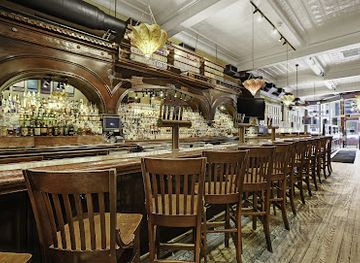
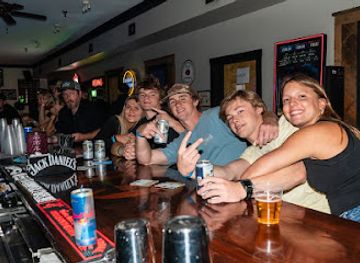
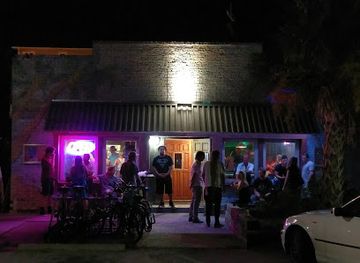
Wilmington is Cape Fear's principal nightlife centre, with bars, breweries, live-music venues and restaurants concentrated around the historic downtown and nearby districts. The atmosphere ranges from relaxed riverfront and cocktail settings to student-influenced evenings and music-led venues, though specific businesses and schedules change. Wrightsville Beach and Carolina Beach have a more seasonal coastal scene, including casual bars, live entertainment and late-evening venues during the busier months. Southport and Kure Beach are generally quieter, with evenings centred on restaurants, pubs and waterfront walks rather than a large club circuit. Breweries and taprooms are a notable part of the region's modern drinking culture, but visitors can experience the area through food, music and the riverfront without making alcohol the focus. Summer crowds and holiday periods can alter the pace considerably.
-
Live Music
Reggie’s 42nd Street Tavern
Experience the best of Wilmington's nightlife at Reggie’s 42nd Street Tavern, featuring live music, affordable drinks, and a vibrant atmosphere.
-
Bar
Dirty Dan's Wilmington
Discover the lively atmosphere of Dirty Dan's Wilmington, a bar offering great drinks and a friendly vibe in the heart of the Riverfront.
-
Bar
The Palm Room
Experience the vibrant nightlife at The Palm Room in Wrightsville Beach, featuring live music and a lively bar atmosphere.
-
Bar
Level 5 at City Stage
Discover the vibrant nightlife at Level 5, where cocktails meet captivating live performances in the heart of Wilmington, NC.


Best shops in Cape Fear
Wilmington offers Cape Fear's broadest shopping choice, with independent boutiques, bookshops, galleries, gift shops and antique dealers in and around the historic centre, alongside larger retail areas outside downtown. The riverfront and old commercial streets are suited to browsing regional art, coastal-themed goods and locally made food products, while the beach communities focus on surfwear, casual clothing, souvenirs and practical items for visitors. Southport has a compact small-town shopping character with galleries, craft-oriented shops, books and gifts connected to its historic waterfront setting. Farmers' markets in the wider region can provide seasonal fruit and vegetables, baked goods, preserves and prepared foods, although market days and stallholders vary. Good regional purchases include North Carolina sauces, local coffee, craft beverages, artwork and maritime-inspired crafts; check that shells, plants and natural materials have been legally and responsibly sourced before buying.
-
Shopping mall
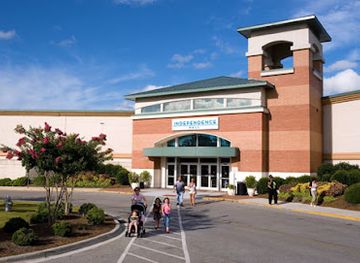
Independence Mall
Discover a shopping haven at Independence Mall in Wilmington, NC, featuring diverse shops, dining options, and entertainment for the whole family.
-
Shopping mall
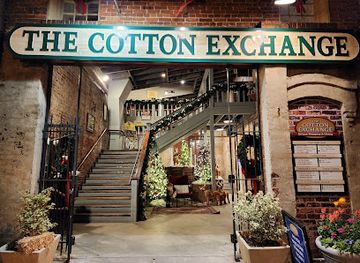
The Cotton Exchange
Explore The Cotton Exchange in Wilmington, NC for a unique shopping experience in a historical setting, featuring local boutiques and delightful dining options.
-
Shopping mall
Landfall shopping center
Explore the Landfall Shopping Center, a premier destination in Wilmington, NC, offering diverse shops, delightful dining, and entertainment for all.
-
Consignment shop
The Fairy Circle
Explore The Fairy Circle in Wilmington, NC for unique consignment treasures and artisanal crafts that reflect local artistry and creativity.

Get your free copy of our complete guide to Cape Fear, delivered straight to you.
Everything on this page, from attractions and restaurants to essentials and local phrases, in one PDF you can read offline, print or share.
Already have an account? Sign in
Your Cape Fear guide is ready.
We'll send it to · Not you? Sign out

Getting your guide ready…
We are putting together a fresh copy of the Cape Fear guide. This can take up to a minute.
This can take a few moments. If your browser asks, choose Allow so the download can start. You'll find the guide in your Downloads folder.
Nothing happened? Download it again
Sorry, the guide is taking longer than usual. Please try again in a minute, or get it by email instead.
Cape Fear essentials
Currency and Payment
Safety
Emergency Situations
Do's and Don'ts
Local Tips
From Eve
Local phrases worth knowing
You don't need to get them perfect. A few words go a long way, and locals appreciate the effort.
Basics
| English | Local | Say it |
|---|---|---|
| Hello | Hey there | [Hay thair] |
| Goodbye | See ya | [See yah] |
| Yes | Yep | [Yep] |
| No | Nah | [Nah] |
| Please/You’re welcome | Sure thing | [Shur thing] |
| Thank you | Thanks a lot | [Thangs a lot] |
| Excuse me/Sorry | Pardon me | [Pardon me] |
| How are you? | How ya doin'? | [How ya doin'?] |
| Fine. And you? | I'm good. And you? | [I'm good. An' you?] |
| Do you speak English? | Do ya speak English? | [Doo ya speak English?] |
| I don't understand | I don’t get it | [I don’t get it] |
Eating & Drinking
| English | Local | Say it |
|---|---|---|
| I'd like to see the menu, please | Can I see the menu? | [Can I see the menu?] |
| I don't eat meat | I'm a vegetarian | [I'm a vegetarian] |
| Cheers! | Cheers! | [Cheers!] |
| I would like to pay, please | Can I get the check? | [Can I get the check?] |
Emergencies
| English | Local | Say it |
|---|---|---|
| Help! | Help! | [Help!] |
| Go away! | Leave me alone! | [Leave me alone!] |
| Call the Police! | Call 911! | [Call 911!] |
| Call a doctor! | Get a doctor! | [Get a doctor!] |
| I'm lost | I’m lost | [I’m lost] |
| I'm ill | I’m not feelin' well | [I’m not feelin' well] |
Shopping
| English | Local | Say it |
|---|---|---|
| I'd like to buy... | I wanna buy... | [I wanna buy...] |
| I'm just looking | Just browsin' | [Just browsin'] |
| How much is it? | What’s the price? | [What’s the price?] |
| That's too expensive | That’s a bit pricey | [That’s a bit pricey] |
| Can you lower the price? | Can ya give me a deal? | [Can ya give me a deal?] |
Time & Numbers
| English | Local | Say it |
|---|---|---|
| What time is it? | What time ya got? | [What time ya got?] |
| It's one o'clock | It's one o'clock | [It's one o'clock] |
| Half past (10) | Half past ten | [Half past ten] |
| Morning | Mornin' | [Mornin'] |
| Afternoon | Afternoon | [Afternoon] |
| Evening | Evenin' | [Evenin'] |
| Yesterday | Yesterday | [Yesterday] |
| Today | Today | [Today] |
| Tomorrow | Tomorrow | [Tomorrow] |
| 1 | One | [One] |
| 2 | Two | [Two] |
| 3 | Three | [Three] |
| 4 | Four | [Four] |
| 5 | Five | [Five] |
| 6 | Six | [Six] |
| 7 | Seven | [Seven] |
| 8 | Eight | [Eight] |
| 9 | Nine | [Nine] |
| 10 | Ten | [Ten] |
Transport & Directions
| English | Local | Say it |
|---|---|---|
| Where's a/the...? | Where’s the nearest...? | [Where’s the nearest...?] |
| What's the address? | What’s the address? | [What’s the address?] |
| Can you show me (on the map)? | Can ya show me on the map? | [Can ya show me on the map?] |
| When's the next (bus)? | When's the next bus? | [When's the next bus?] |
| A ticket (to ....) | A ticket to ... | [A ticket to ...] |
History of Cape Fear
Indigenous Cape Fear and Early European Contact
The lower Cape Fear region has long been home to Indigenous communities, including peoples associated with the Cape Fear and neighbouring coastal areas. The river, sounds and marshes provided routes for movement, fishing and hunting before European colonisation. English attempts to establish settlements in the seventeenth century were followed by more permanent colonial development, but disease, displacement and conflict severely affected Indigenous communities. The river's English name reflects colonial maritime history rather than the region's original cultural geography.
Wilmington and the Colonial Port
Wilmington was established in the eighteenth century on the Cape Fear River and became an important port for the Carolina backcountry. River transport connected the coast with inland plantations and farms, while exports included timber, naval stores and agricultural commodities. The port encouraged the growth of warehouses, merchants and ship-related trades, creating the commercial foundation that still shapes Wilmington's historic riverfront and downtown street plan.
Plantation Agriculture, Enslavement and the Antebellum Economy
Before the American Civil War, the Cape Fear economy was tied to plantation agriculture, timber extraction, shipping and the forced labour of enslaved African Americans. Wilmington was a major commercial centre in North Carolina, while the river connected coastal trade with inland production. Enslaved people built and sustained homes, farms, docks and businesses, and African American cultural traditions remained central to the region despite the violence of slavery. This history is essential to understanding the area's later social and economic development.
The Civil War and the Fall of Fort Fisher
Fort Fisher, on the peninsula south of Wilmington, protected the approach to the Cape Fear River and the Confederacy's last major Atlantic port. Its capture by Union forces in January 1865 helped cut Wilmington's maritime supply links and accelerated the collapse of Confederate resistance in North Carolina. Earthworks and interpretive remains at Fort Fisher convey the scale of the coastal defences, although erosion and changing shorelines have altered the original landscape.
The Port, Railways and Twentieth-Century Change
After the Civil War, Wilmington's fortunes were reshaped by rail connections, timber, naval stores, agriculture, fishing and changing patterns of coastal trade. Industrial and transport development transformed parts of the riverfront, while improved roads and automobiles made the beaches increasingly accessible to visitors. The modern Port of Wilmington and surrounding logistics industries continued the area's long relationship with maritime commerce, even as tourism and residential development became more prominent along the coast.
Beach Tourism and the Film Industry
Wrightsville Beach, Carolina Beach and other coastal communities developed from seasonal resorts and fishing settlements into established visitor destinations during the twentieth century. Wilmington also became a significant centre for film and television production from the late twentieth century, supported by its historic architecture, varied landscapes and production facilities. Filming has contributed to the city's contemporary cultural identity, although the region's older foundations remain its port, river, beaches and maritime environment.
Cape Fear in Photos
Browse through our photo collection highlighting the charm and character of the destination.
Neighbouring regions of Cape Fear
The closest regions to Cape Fear, if you have time for more than one.
-

-

-

-

-


Swipe for more regions
Explore more

Explore more of North Carolina
Discover North Carolina's blend of natural beauty, vibrant cities, and rich history. From the Outer Banks to the Blue Ridge Mountains, experience diverse landscapes and cultures.
Explore North Carolina