

Free Coastal Plain Travel Guide & Mobile App
Explore Coastal Plain with free travel guides. Discover regional history, expert tips, proposed trips, and audio guides on web or mobile app.


Explore North Carolina’s Coastal Plain for barrier-island beaches, historic river towns, wildlife refuges, seafood and wide Atlantic horizons.
Read more about Coastal Plain
Getting to and around Coastal Plain
How to get there
Transportation
Top city travel guides in Coastal Plain
The cities of Coastal Plain, and the easiest places to base yourself.
-

-

-

-

-

-


Swipe for more cities
Destinations in Coastal Plain
Resorts, valleys and scenic spots worth a trip of their own.
-

-

-

-

-

-


Swipe for more destinations
Best attractions in Coastal Plain
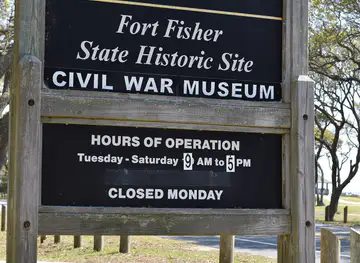
The Coastal Plain’s attractions combine ocean beaches, barrier islands, sounds, wetlands and historic settlements. Cape Hatteras National Seashore offers long beaches, dunes, lighthouses and access to the dramatic coastline of the Outer Banks, while Cape Lookout National Seashore provides a more remote island setting reached by boat. The central coast includes the maritime communities of Beaufort and Morehead City, Fort Macon State Park and the protected waters of the Rachel Carson Reserve. Around Wilmington and the lower Cape Fear, visitors can explore historic streets, riverfront heritage and Fort Fisher State Historic Site. Inland, New Bern and Edenton provide museums, colonial-era buildings and waterfront history. Wildlife refuges such as Alligator River, Pocosin Lakes and Mattamuskeet protect wetlands used by migratory birds, while the Great Dismal Swamp offers boardwalks, trails and an insight into a distinctive swamp ecosystem. Outdoor activities range from surfing, swimming and sailing to birdwatching, kayaking, fishing and cycling. The region’s attractions are spread out, so a focused coastal itinerary is more realistic than trying to cover every beach, refuge and historic town in one short visit.
-
Historical place
Biltmore
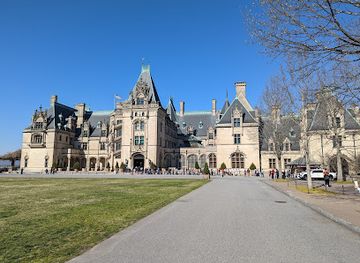
Discover the elegance of Biltmore Estate, a historical landmark in Asheville, NC, featuring stunning architecture, lush gardens, and a celebrated winery.
-
State park
Fort Macon State Park
Discover the beauty and history of Fort Macon State Park, a coastal gem in North Carolina perfect for outdoor adventures and historical exploration.
-
Historical landmark
Currituck Beach Lighthouse
Explore the Currituck Beach Lighthouse, a historic gem in North Carolina offering stunning views and a glimpse into maritime heritage.
-
Historical landmark
Cape Hatteras Lighthouse
Experience the history and breathtaking views at Cape Hatteras Lighthouse, North Carolina's iconic maritime landmark and the tallest brick lighthouse in the U.S.

Best landmarks in Coastal Plain
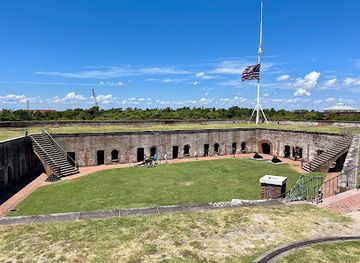
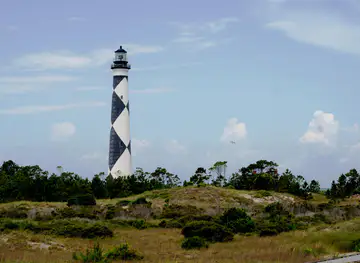
The Cape Hatteras Lighthouse is one of the Coastal Plain’s most recognisable coastal structures, its black-and-white spiral pattern marking a dangerous section of the Atlantic known historically as the Graveyard of the Atlantic. The Wright Brothers National Memorial at Kill Devil Hills commemorates the first successful powered flights of 1903 and reflects the Outer Banks’ importance in aviation history. On the central coast, Fort Macon occupies a strategic position near Beaufort Inlet, while the Cape Lookout Lighthouse stands on the barrier island’s shifting maritime landscape. Tryon Palace in New Bern represents the town’s former role as North Carolina’s colonial capital, and the Tryon Palace complex includes important historic buildings and gardens. In the lower Cape Fear area, Fort Fisher’s earthworks and the nearby preserved Civil War landscape recall the defence of Wilmington, while the battleship USS North Carolina on the Cape Fear River is a major twentieth-century military landmark. Historic waterfronts in Edenton, Beaufort, New Bern and Wilmington provide a different kind of landmark: streets, warehouses, homes and civic buildings shaped by trade, rivers and the Atlantic economy.
-
Historical landmark
Biltmore
Discover the breathtaking Biltmore Estate in Asheville, NC, an iconic historical landmark showcasing stunning architecture and exquisite gardens.
-
Tourist attraction
Bodie Island Lighthouse
Discover the rich maritime history and stunning views at Bodie Island Lighthouse, a must-see attraction in North Carolina's Outer Banks.
-
Historical landmark
Currituck Beach Lighthouse
Discover the Currituck Beach Lighthouse, a historical gem on the Outer Banks, offering stunning views and rich maritime history.
-
 Historical landmark
Cape Hatteras Lighthouse
Discover the iconic Cape Hatteras Lighthouse, a historical landmark offering breathtaking views and rich maritime tales in the heart of North Carolina's Outer Banks.


Explore Coastal Plain on the map
Plan your trip on one map. See where the top cities, national parks and sights are, and book hotels and experiences in a few clicks.
Best hotels in Coastal Plain
Best restaurants in Coastal Plain
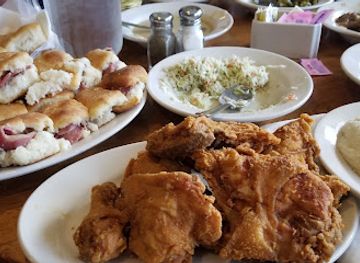
Coastal Plain dining is grounded in seafood, Southern agricultural produce and the food traditions of river and port communities. Shrimp, blue crab, oysters, clams and locally caught fish appear in informal seafood markets, waterfront restaurants and family-run eateries, while inland menus often feature barbecue, fried chicken, peanuts, sweet potatoes, collard greens and seasonal vegetables. North Carolina barbecue styles vary across the state, and visitors will find local preferences in sauces and preparation rather than one uniform Coastal Plain tradition. Beaufort, Morehead City, Wilmington, New Bern and the Outer Banks offer the broadest choice of restaurants, cafés and bakeries, while smaller coastal settlements are often strongest for straightforward seafood. Farmers’ markets and roadside stands can be good sources of produce, especially in summer. Craft breweries, wineries and contemporary restaurants have expanded the regional scene, but classic diners, fish camps, oyster bars and casual beach cafés remain important to its character. Portions, menus and seafood sources vary, so asking whether a catch is local is worthwhile.
-
Family-friendly
Dan'l Boone Inn
Savor traditional Southern comfort food at Dan'l Boone Inn in Boone, NC – where every meal feels like home.
-
Seafood
Boardwalk Billys
Discover fresh seafood delights at Boardwalk Billy's in North Myrtle Beach - where flavor meets coastal charm.
-
Italian
The Jolly Roger Restaurant
Experience delightful Italian cuisine and lively entertainment at The Jolly Roger Restaurant in Kill Devil Hills - where every meal is a celebration.
-
Seafood
Miller's Waterfront Restaurant
Discover fresh seafood and stunning waterfront views at Miller's Waterfront Restaurant in Nags Head - A must-visit culinary destination!

Best bars in Coastal Plain
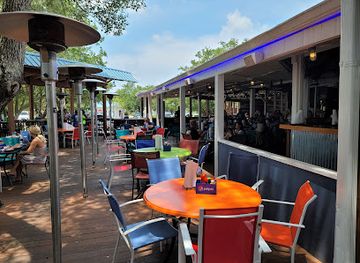
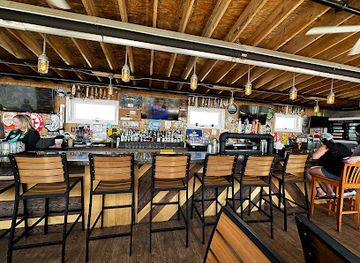
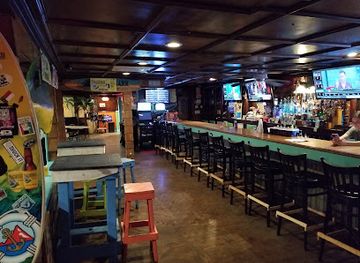
Evening life in the Coastal Plain is generally relaxed and local rather than centred on a large club scene. Historic towns such as Wilmington, New Bern and Beaufort have the widest choice of pubs, cocktail bars, breweries, live-music venues and restaurants, while beach communities develop a more seasonal mix of seafront bars, casual nightlife and entertainment. The Outer Banks and Crystal Coast can be busy in summer, but quieter in the cooler months when some businesses reduce their hours. Inland communities tend to favour traditional pubs, sports bars, community events and restaurants over late-night venues. Wilmington has the region’s most substantial concentration of live music, theatre and late-evening establishments, although it remains outside the scale of a major metropolitan nightlife district. Brewery taprooms and waterfront patios are common social settings, and visitors should plan transport carefully after drinking because distances are long and public transport is limited in many coastal areas.
-
Bar
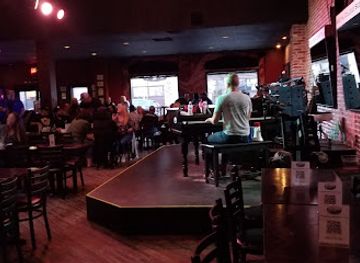
Off The Wagon Dueling Piano Bar Asheville
Dive into the lively atmosphere of Off The Wagon Dueling Piano Bar in Asheville for unforgettable music, drinks, and fun-filled entertainment.
-
Bar
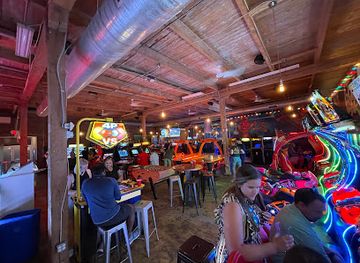
Boxcar Bar + Arcade
Experience the fusion of gaming and nightlife at Boxcar Bar + Arcade in Raleigh, where fun meets relaxation in a vibrant atmosphere.
-
Sports bar
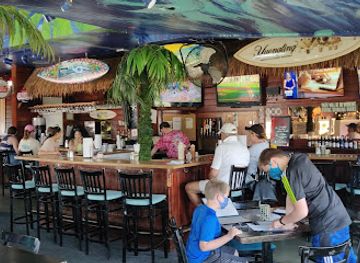
SeaWitch Cafe & Tiki Bar
Discover the ultimate beachside experience at SeaWitch Cafe & Tiki Bar with delicious food, refreshing drinks, and live music in Carolina Beach.
-
Grill
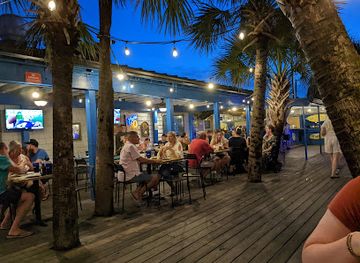
Hurricane Mo's Beachside Bar And Grill
Experience the vibrant atmosphere and delicious coastal cuisine at Hurricane Mo's Beachside Bar and Grill in Kitty Hawk, NC.
Best nightclubs in Coastal Plain
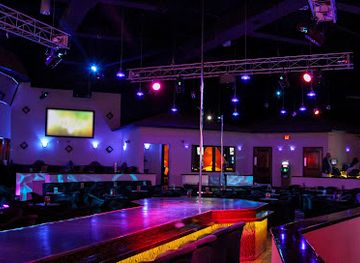
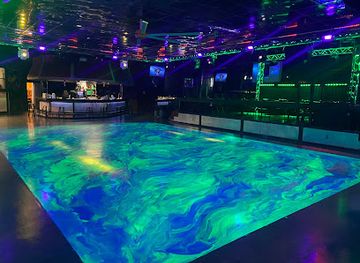
Evening life in the Coastal Plain is generally relaxed and local rather than centred on a large club scene. Historic towns such as Wilmington, New Bern and Beaufort have the widest choice of pubs, cocktail bars, breweries, live-music venues and restaurants, while beach communities develop a more seasonal mix of seafront bars, casual nightlife and entertainment. The Outer Banks and Crystal Coast can be busy in summer, but quieter in the cooler months when some businesses reduce their hours. Inland communities tend to favour traditional pubs, sports bars, community events and restaurants over late-night venues. Wilmington has the region’s most substantial concentration of live music, theatre and late-evening establishments, although it remains outside the scale of a major metropolitan nightlife district. Brewery taprooms and waterfront patios are common social settings, and visitors should plan transport carefully after drinking because distances are long and public transport is limited in many coastal areas.
-
Gay night club
Legends Nightclub
Discover Legends Nightclub in Raleigh, an inclusive gay nightclub offering vibrant entertainment, themed nights, and a welcoming atmosphere for all.
-
Bar
Emerald Club
Experience the lively atmosphere, live music, and affordable drinks at The Emerald Club in beautiful Emerald Isle, NC.
-
Night club
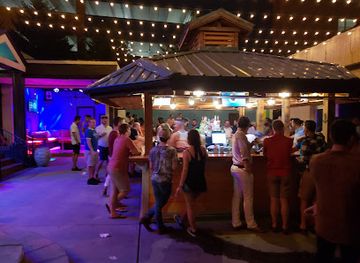
Mirage Exotic Nightlife
Discover the thrilling nightlife at Mirage Exotic Nightlife, where entertainment, cocktails, and unforgettable moments await you in Greensboro.
-
Night club
Ambis 1 Nightclub
Discover the vibrant nightlife at Ambis 1 Nightclub, Raleigh's premier destination for dancing, drinks, and unforgettable nights out.
Best shops in Coastal Plain
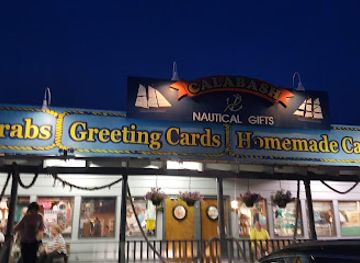
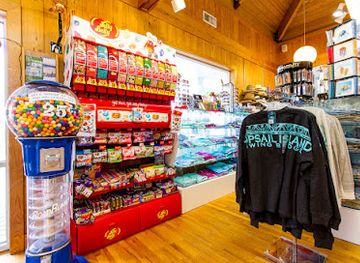
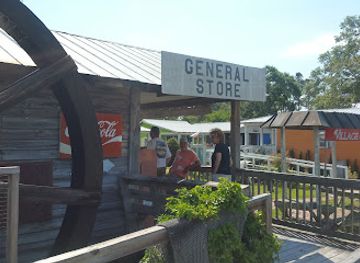
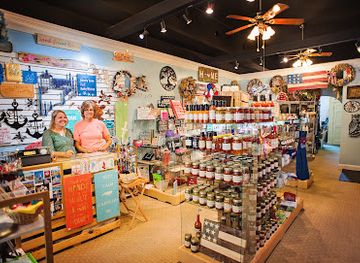
Shopping in the Coastal Plain ranges from practical beach-town retail to historic-district independents and rural produce stands. Wilmington, New Bern, Beaufort and Edenton have walkable areas with bookshops, galleries, antiques, craft studios, clothing shops and locally made gifts, while Outer Banks communities offer surfwear, nautical merchandise, art and photography. Farmers’ markets and roadside stands are useful places to look for seasonal vegetables, peanuts, sweet potatoes, preserves, baked goods and other regional produce. Seafood markets sell fresh or prepared catch, although travellers should consider transport and refrigeration before making purchases. Pottery, paintings, jewellery, woodwork and coastal-inspired crafts are common in gallery districts and small-town shops. Larger retail centres are concentrated around the principal towns rather than scattered evenly across the region, and remote barrier islands may have limited everyday shopping outside their main settlements. Seasonal opening patterns are common, particularly in beach communities, so independent shops and galleries may keep shorter hours outside the main holiday period.
-
Gift shop
Callahan's of Calabash
Explore Callahan's of Calabash for unique gifts, home decor, and nautical treasures in the heart of North Carolina's coastal paradise.
-
Gift shop
Topsail Island Trading Company
Explore unique gifts and local crafts at Topsail Island Trading Company, the perfect souvenir shop for your beach getaway.
-
Gift shop
Southport Village Shops
Explore Southport Village Shops, a haven for unique gifts, delightful cafes, and local treasures in Southport, North Carolina.
-
Gift shop
A Bit of Carolina
Discover unique local crafts and unforgettable gifts at A Bit of Carolina in Fayetteville, the perfect spot for memorable souvenirs.
Get your free copy of our complete guide to Coastal Plain, delivered straight to you.
Everything on this page, from attractions and restaurants to essentials and local phrases, in one PDF you can read offline, print or share.
Already have an account? Sign in
Your Coastal Plain guide is ready.
We'll send it to · Not you? Sign out

Getting your guide ready…
We are putting together a fresh copy of the Coastal Plain guide. This can take up to a minute.
This can take a few moments. If your browser asks, choose Allow so the download can start. You'll find the guide in your Downloads folder.
Nothing happened? Download it again
Sorry, the guide is taking longer than usual. Please try again in a minute, or get it by email instead.
Coastal Plain essentials
Currency and Payment
Safety
Emergency Situations
Do's and Don'ts
Local Tips
From Eve
Local phrases worth knowing
You don't need to get them perfect. A few words go a long way, and locals appreciate the effort.
Basics
| English | Local | Say it |
|---|---|---|
| Hello | Howdy | [hau-dee] |
| Goodbye | See ya | [see yah] |
| Yes | Yep | [yep] |
| No | Nah | [nah] |
| Please/You’re welcome | No problem | [noh prob-lum] |
| Thank you | Thanks | [thanks] |
| Excuse me/Sorry | Excuse me | [ex-kyoos mee] |
| How are you? | How y'all doin'? | [how y'all doin'] |
| Fine. And you? | Fine, and you? | [fine, and you?] |
| Do you speak English? | Y'all speakin' English? | [y'all speek-in' ing-glish?] |
| I don't understand | I don't get it | [I don't get it] |
Eating & Drinking
| English | Local | Say it |
|---|---|---|
| I’d like to see the menu, please | Can I see the menu? | [can I see the men-yoo?] |
| I don’t eat meat | I don't eat no meat | [I don't eet no meet] |
| Cheers! | Cheers! | [cheers] |
| I would like to pay, please | Can I pay, please? | [can I pay, pleez?] |
Emergencies
| English | Local | Say it |
|---|---|---|
| Help! | Help! | [help] |
| Go away! | Get lost! | [get lost] |
| Call the Police! | Call the cops! | [call the cops] |
| Call a doctor! | Call a doc! | [call a doc] |
| I’m lost | I’m lost | [I'm lost] |
| I’m ill | I ain't feelin' good | [I ain't feelin' good] |
Shopping
| English | Local | Say it |
|---|---|---|
| I’d like to buy... | I wanna buy... | [I wanna bye...] |
| I’m just looking | Just lookin' | [just lookin'] |
| How much is it? | How much it cost? | [how much it cost?] |
| That’s too expensive | That’s too high | [that’s too high] |
| Can you lower the price? | Can ya lower the price? | [can ya low-er the price?] |
Time & Numbers
| English | Local | Say it |
|---|---|---|
| What time is it? | What time it is? | [what time it is?] |
| It’s one o'clock | It's one o'clock | [it's one o'clock] |
| Half past (10) | Half past ten | [half past ten] |
| Morning | Mornin' | [mornin'] |
| Afternoon | Afternoon | [afternoon] |
| Evening | Evenin' | [evenin'] |
| Yesterday | Yesterday | [yesterday] |
| Today | Today | [today] |
| Tomorrow | Tomorrow | [tomorrow] |
| 1 | One | [one] |
| 2 | Two | [two] |
| 3 | Three | [three] |
| 4 | Four | [four] |
| 5 | Five | [five] |
| 6 | Six | [six] |
| 7 | Seven | [seven] |
| 8 | Eight | [eight] |
| 9 | Nine | [nine] |
| 10 | Ten | [ten] |
Transport & Directions
| English | Local | Say it |
|---|---|---|
| Where's a/the...? | Where's the...? | [where's the...?] |
| What’s the address? | What's the address? | [what's the address?] |
| Can you show me (on the map)? | Can ya show me on the map? | [can ya show me on the map?] |
| When's the next (bus)? | When's the next bus? | [when's the next bus?] |
| A ticket (to ....) | A ticket to... | [a ticket to...] |
History of Coastal Plain
Indigenous Coastal Societies Before European Colonisation
The Coastal Plain has long been home to Indigenous peoples whose communities used its rivers, sounds, forests and wetlands for fishing, hunting, cultivation and trade. The region included territories associated with peoples such as the Tuscarora, Chowanoke, Secotan and Lumbee, among others, although historic identities and territories were complex and changed over time. Shell middens, village sites, place names and continuing Native communities testify to a history much older than European settlement. Coastal waterways were not barriers but routes connecting communities and resources.
Roanoke and England’s Early Colonial Ambitions
In the late sixteenth century, English expeditions established colonies on Roanoke Island, now part of the northern Coastal Plain’s barrier-island and sounds region. The settlement associated with the so-called Lost Colony disappeared as a permanent English community, but the episode shaped later English ideas about North America. Relations with local Indigenous peoples, supply difficulties and the region’s isolation all influenced the colony’s fate. Roanoke Island remains an important place for interpreting the earliest English attempts to establish a settlement in what became the United States.
Colonial Ports, Plantations and River Networks
During the eighteenth century, settlements grew around navigable rivers and sounds, including New Bern on the Neuse River and Edenton on the Albemarle Sound. Trade connected the Coastal Plain to the Atlantic world, while plantations and farms produced naval stores, timber, tobacco, rice and other commodities. This economy depended heavily on the labour of enslaved Africans and African Americans, whose work and cultural contributions were fundamental to the region’s development. Historic houses, churches, waterfronts and town plans preserve parts of this colonial and early American transformation.
New Bern and the Formation of North Carolina Government
New Bern became the colonial capital of North Carolina in the early eighteenth century and remained the state capital until 1792, when the seat moved to Raleigh. Its position at the junction of the Neuse and Trent rivers made it an important political and commercial centre. Tryon Palace, constructed in the late eighteenth century for the colonial governor, reflects the town’s governmental role, while surviving streets and buildings show how the Coastal Plain’s river towns linked political authority with maritime trade and agricultural hinterlands.
Civil War Blockades and Coastal Fortifications
The Coastal Plain’s inlets, ports and rivers made it strategically important during the American Civil War. Union forces captured Roanoke Island in 1862 and later took New Bern, while Confederate-held Wilmington remained a vital port for blockade-running until the fall of Fort Fisher in January 1865. Fort Macon, near Beaufort, also changed hands during the conflict. These operations disrupted trade, affected civilian communities and demonstrated how control of waterways could influence the wider war. Forts and preserved battle sites remain among the region’s most significant historical places.
Timber, Agriculture and Industrial Change
From the nineteenth century into the twentieth, logging, naval-stores production, farming and fishing shaped much of the Coastal Plain. Railways connected inland towns with ports, while mills processed timber and agricultural goods. Tobacco, peanuts, cotton, soybeans, sweet potatoes and other crops became important in different districts, and many communities developed around transport links and processing facilities. Mechanisation later reduced agricultural labour needs and contributed to population change, but working farms, commercial fishing ports and forest industries remain visible parts of the regional economy.
Military, Marine Research and Coastal Tourism
The twentieth century brought major military installations, marine research and expanding tourism to the Coastal Plain. Marine Corps Base Camp Lejeune, established near Jacksonville during the Second World War era, became a major presence on the central coast, while the North Carolina Aquarium network and university-linked research strengthened public understanding of estuaries and marine habitats. Improved roads and bridges opened barrier-island communities to visitors, bringing beach tourism alongside established fishing and boating economies. Concerns about erosion, storms, flooding and habitat protection now shape many debates about the region’s future.
Coastal Plain in Photos
Browse through our photo collection highlighting the charm and character of the destination.
Neighbouring regions of Coastal Plain
The closest regions to Coastal Plain, if you have time for more than one.
-
-
-
-

-


Swipe for more regions
Explore more

Explore more of North Carolina
Discover North Carolina's blend of natural beauty, vibrant cities, and rich history. From the Outer Banks to the Blue Ridge Mountains, experience diverse landscapes and cultures.
Explore North Carolina