

Wrightsville Beach Travel Guide - Free Web & App
Your ultimate guide to Wrightsville Beach. Discover top landmarks, proposed trips, and local tips. Free on the web or via the Evendo companion app.


Wrightsville Beach, North Carolina pairs Atlantic surf, Intracoastal Waterway sunsets, watersports, island history and easy access to Wilmington.
Island Landscapes and Water
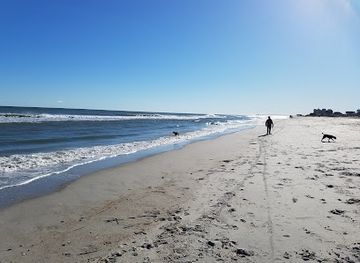
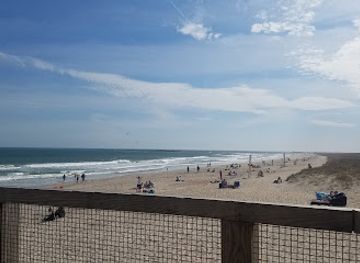
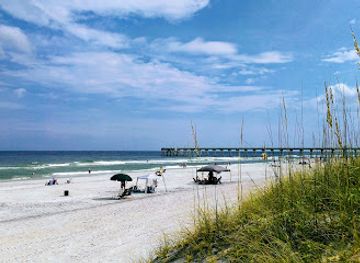
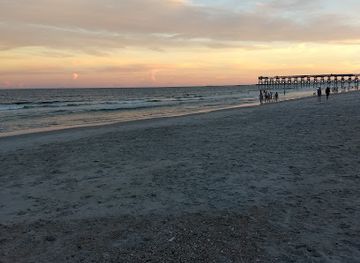
Wrightsville Beach is a four-mile-long barrier-island town on North Carolina’s southeastern coast, separated from the mainland by the Intracoastal Waterway and connected to Wilmington by bridges and causeways. Its eastern shore faces the Atlantic Ocean, where broad sands, rolling surf and shifting dunes define the seaward side of the island. On the western shore, the calmer waters of Banks Channel and the Intracoastal Waterway create a setting for sailing, paddling, fishing and sunset watching.Read more about Wrightsville Beach
A Resort Shaped by the Sea
Beach, Sound and Island Character
When is the best time to visit Wrightsville Beach?
Best: April–May, October · 22–27°C| Month | High (°C) | Rainfall (mm) |
|---|---|---|
| January | 13 | 81 |
| February | 14 | 76 |
| March | 18 | 97 |
| April (best) | 22 | 91 |
| May (best) | 27 | 107 |
| June | 31 | 117 |
| July | 33 | 137 |
| August | 33 | 142 |
| September | 30 | 137 |
| October (best) | 24 | 107 |
| November | 18 | 86 |
| December | 14 | 81 |
Getting to and around Wrightsville Beach
How to get there
Transportation
Best attractions in Wrightsville Beach
Wrightsville Beach’s principal attraction is its broad Atlantic shoreline, where visitors walk, sunbathe, swim cautiously according to conditions and watch surfers work the regular coastal break. The sound side presents a contrasting landscape of marinas, docks, tidal creeks and views across the Intracoastal Waterway, with opportunities for paddling, sailing and fishing where locally permitted. The Wrightsville Beach Museum of History provides context for the island’s resort development, transport links and maritime community. The central Lumina district combines beach access with restaurants, cafés and surf-oriented shops, while the north and south ends provide a quieter sense of the island’s length and exposure. Short boat excursions and self-guided water activities reveal marsh edges and bird habitat, but routes depend on tides, weather and launch access. On the mainland, nearby Wilmington adds historic streets, museums and riverfront attractions, though these are outside Wrightsville Beach itself.
-
Tourist attraction
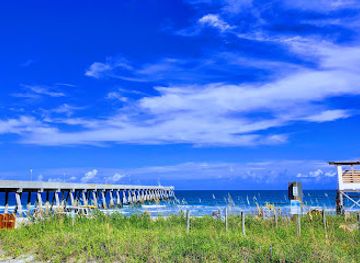
Johnnie Mercers Fishing Pier
Discover breathtaking views and vibrant activities at Johnnie Mercers Fishing Pier, a top destination in Wrightsville Beach, NC for fishing, dining, and shopping.
-
Tourist attraction
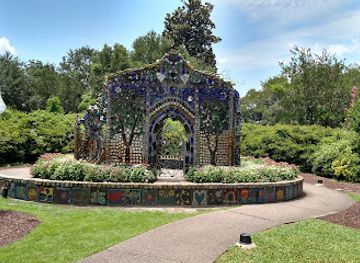
Airlie Gardens
Explore the natural beauty and serene landscapes of Airlie Gardens, Wilmington's premier botanical garden destination for nature lovers and tourists alike.
-
Public beach
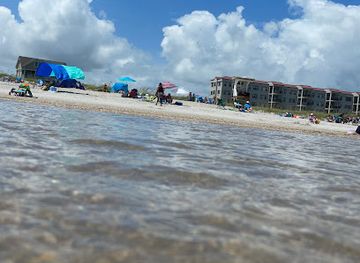
Access 4
Experience the breathtaking beauty and vibrant culture of Wrightsville Beach, a must-visit public beach in North Carolina perfect for relaxation and adventure.
-
Tourist attraction
Crystal Pier
Discover the beauty and adventure of Crystal Pier in Wrightsville Beach, NC, where fishing, stunning views, and great atmosphere await.
Best landmarks in Wrightsville Beach
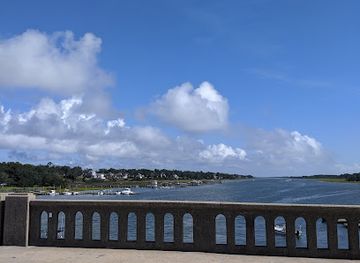
The Atlantic beach and the island’s dune line are Wrightsville Beach’s defining natural landmarks, illustrating the exposed seaward edge of North Carolina’s barrier-island coast. Banks Channel and the Intracoastal Waterway form the sheltered western boundary, with changing tides, working docks and broad views towards the mainland. The island’s bridges and causeways are important visual markers as well as essential links between resort and city. The former Lumina Pavilion is a landmark of local memory rather than a surviving building; its name recalls the entertainment complex that once symbolised the resort’s early twentieth-century development. The Wrightsville Beach Museum of History is the principal place for interpreting that past. Inlets, marsh edges and sound-side channels add ecological importance, but their shape and navigability can change through storms, tides and coastal processes.
-
Public beach
Access 4
Discover Wrightsville Beach, North Carolina: a serene public beach ideal for relaxation, water sports, and unforgettable coastal experiences.
-
Local history museum
Wrightsville Beach Museum of History
Discover the captivating history of Wrightsville Beach at its charming local history museum, where the past comes alive through engaging exhibits.
-
Garden
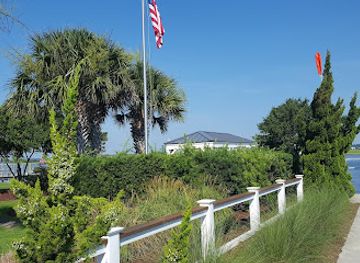
Harbor Way Gardens
Explore the natural beauty of Harbor Way Gardens, a serene retreat in Wrightsville Beach, where vibrant flora meets tranquil pathways for a perfect getaway.
Explore Wrightsville Beach on the map
Plan your trip on one map. See where the top attractions, landmarks, restaurants and hotels are, and book hotels and experiences in a few clicks.
Best hotels in Wrightsville Beach
Best restaurants in Wrightsville Beach
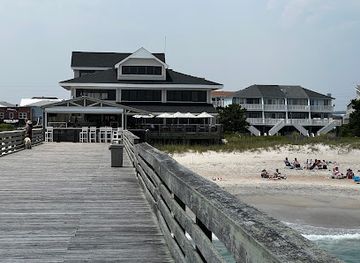
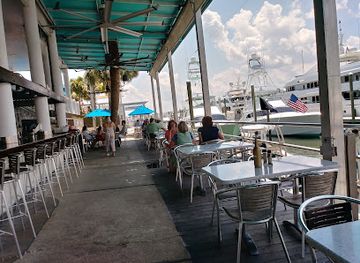
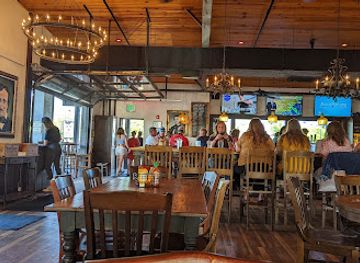
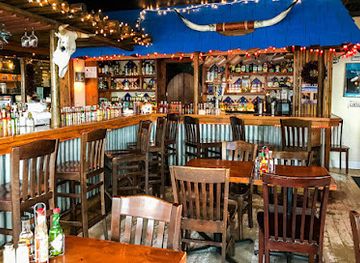
Wrightsville Beach has a concentrated coastal dining scene shaped by its position between the Atlantic and the Intracoastal Waterway. Restaurants and cafés around the central Lumina district and the island’s main roads commonly focus on seafood, fish, shellfish, burgers, salads and relaxed beach fare, with some venues offering waterfront or outdoor settings. Breakfast cafés and casual lunch spots suit early beach days, while dinner choices range from informal family restaurants to more polished coastal dining. Menus and availability can change seasonally, and busy summer periods often place pressure on the island’s limited supply of tables. Wilmington, including areas around its historic riverfront and mainland approach roads, provides a broader range of restaurants and food shops. Visitors seeking local produce or provisions should look in Wilmington and established mainland shopping areas as well as on the island.
-
Seafood
Oceanic
Discover exquisite seafood dining at Oceanic in Wrightsville Beach with breathtaking ocean views and locally sourced ingredients.
-
Seafood
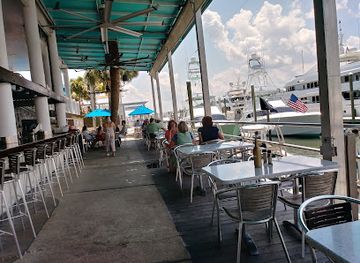
Bluewater Waterfront Grill
Experience fresh seafood delights at Bluewater Waterfront Grill while enjoying stunning marina views in Wrightsville Beach.
-
American
Poe's Tavern
Discover the vibrant flavors of American cuisine at Poe's Tavern in Wrightsville Beach - where great food meets stunning coastal views.
-
Mexican
Tower 7 Baja Mexican Grill
Experience authentic Mexican cuisine at Tower 7 Baja Mexican Grill in Wrightsville Beach - where flavor meets coastal charm.
Best bars in Wrightsville Beach
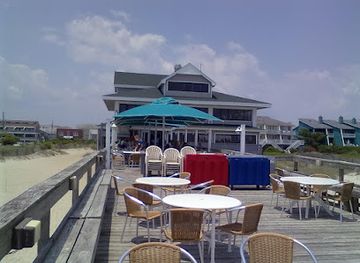
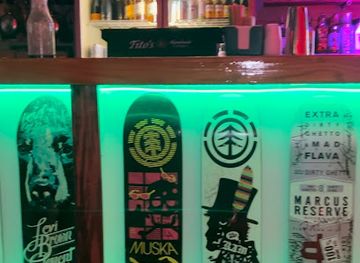
Evenings in Wrightsville Beach are generally relaxed and coastal rather than centred on a large nightclub scene. The island’s bars, brewery-style venues, restaurants and casual waterfront establishments are concentrated around the central commercial area and provide places for drinks, conversation and informal live entertainment when scheduled. Surf culture and boating give the evening atmosphere an easy-going character, while sunset views over the sound and Intracoastal Waterway are often more characteristic than late-night dancing. Entertainment can be seasonal and venue availability may change, particularly outside the summer period. Visitors seeking theatres, a wider choice of music venues or a more varied late-night programme normally look to Wilmington, which lies on the mainland and should not be confused with Wrightsville Beach’s quieter island nightlife.
-
Seafood
Oceanic
Indulge in the freshest seafood with stunning ocean views at Oceanic, a premier dining destination in Wrightsville Beach.
-
Seafood
Bluewater Waterfront Grill
Experience the best seafood dining with stunning waterfront views at Bluewater Waterfront Grill in Wrightsville Beach, NC.
-
Brewpub
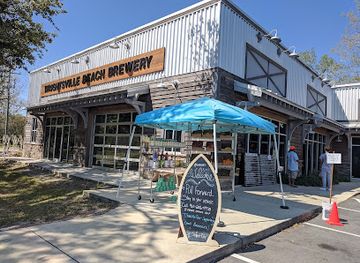
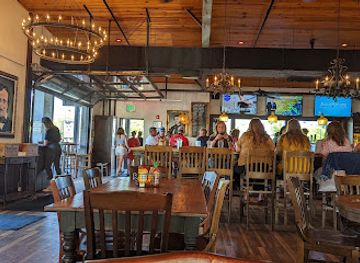
Wrightsville Beach Brewery
Discover the craft beer haven of Wrightsville Beach Brewery, where local flavors and vibrant atmosphere come together for a memorable experience.
-
American
Poe's Tavern
Discover the perfect blend of American comfort food and beachside charm at Poe's Tavern in Wrightsville Beach, NC.
Best nightclubs in Wrightsville Beach
Evenings in Wrightsville Beach are generally relaxed and coastal rather than centred on a large nightclub scene. The island’s bars, brewery-style venues, restaurants and casual waterfront establishments are concentrated around the central commercial area and provide places for drinks, conversation and informal live entertainment when scheduled. Surf culture and boating give the evening atmosphere an easy-going character, while sunset views over the sound and Intracoastal Waterway are often more characteristic than late-night dancing. Entertainment can be seasonal and venue availability may change, particularly outside the summer period. Visitors seeking theatres, a wider choice of music venues or a more varied late-night programme normally look to Wilmington, which lies on the mainland and should not be confused with Wrightsville Beach’s quieter island nightlife.
-
Bar
The Palm Room
Experience vibrant nightlife at The Palm Room, a lively bar and live music venue in Wrightsville Beach, perfect for affordable fun and entertainment.
-
Event venue
Surf Club Inc
Experience the vibrant nightlife and stunning beachfront views at Surf Club Inc, Wrightsville Beach's premier event venue and bar.
-
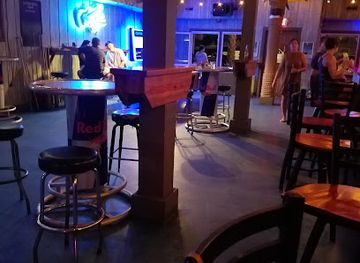
Night club
Red Dogs
Experience the electrifying nightlife at Red Dogs, the ultimate night club in Wrightsville Beach, offering unforgettable music and vibrant ambiance.
-
Non-profit organization
Hanover Seaside Club Private Beach Club
Experience the serene beauty of Hanover Seaside Club, a charming private beach club in Wrightsville Beach, North Carolina, ideal for relaxation and coastal enjoyment.
Best shops in Wrightsville Beach
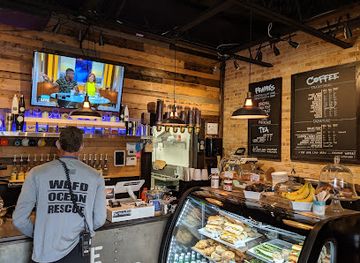
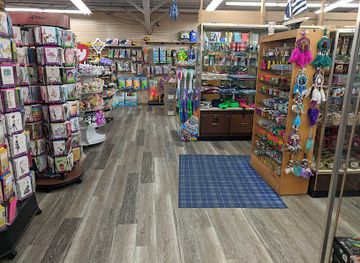
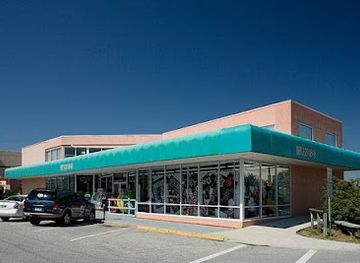
Shopping in Wrightsville Beach is concentrated around the central Lumina district and the island’s main commercial roads rather than a large traditional high street. Surf shops and watersports retailers are closely associated with the town’s beach culture, while independent clothing, gift and lifestyle businesses cater to visitors and seasonal residents. Small shops may offer beach equipment, clothing, art, souvenirs and locally themed goods, although stock and opening patterns can vary through the year. For groceries, specialist food shopping and a wider range of everyday retail, Wilmington and mainland commercial areas are more practical. The area’s most characteristic purchases tend to be connected with surfing, coastal recreation and North Carolina beach life rather than a single historic craft tradition or permanent market.
-
Coffee shop
The Workshop
Discover The Workshop, a charming coffee shop at Wrightsville Beach, where community meets quality brews and delicious bites in a cozy atmosphere.
-
Department store
Redix Store
Explore Redix Store in Wrightsville Beach for top-notch fishing gear and outdoor sports equipment, perfect for every adventure seeker!
-
Beach clothing store
Breeza Beachwear
Discover Breeza Beachwear in Wrightsville Beach for stylish swimwear, unique souvenirs, and a taste of coastal living, all in one vibrant store.
-
Grocery store
Roberts Market LLC
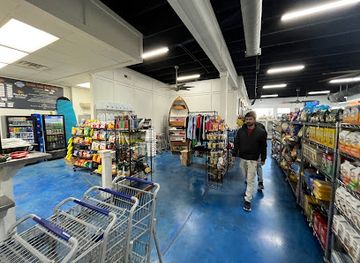
Discover Roberts Market LLC: Your one-stop grocery store for fresh produce, local specialties, and gourmet snacks in beautiful Wrightsville Beach.
Get your free copy of our complete guide to Wrightsville Beach, delivered straight to you.
Everything on this page, from attractions and restaurants to essentials and local phrases, in one PDF you can read offline, print or share.
Already have an account? Sign in
Your Wrightsville Beach guide is ready.
We'll send it to · Not you? Sign out

Getting your guide ready…
We are putting together a fresh copy of the Wrightsville Beach guide. This can take up to a minute.
This can take a few moments. If your browser asks, choose Allow so the download can start. You'll find the guide in your Downloads folder.
Nothing happened? Download it again
Sorry, the guide is taking longer than usual. Please try again in a minute, or get it by email instead.
Wrightsville Beach essentials
Currency and Payment
Safety
Emergency Situations
Do's and Don'ts
Local Tips
From Eve
Local phrases worth knowing
You don't need to get them perfect. A few words go a long way, and locals appreciate the effort.
Basics
| English | Local | Say it |
|---|---|---|
| Hello | Hey | [hey] |
| Goodbye | See ya | [see ya] |
| Yes | Yeah | [yeah] |
| No | Nah | [nah] |
| Please/You're welcome | Please/No worries | [please/no worries] |
| Thank you | Thanks | [thanks] |
| Excuse me/Sorry | Excuse me/Sorry | [excuse me/sorry] |
| How are you? | How you doin'? | [how you doin'] |
| Fine. And you? | I'm good. How 'bout you? | [I'm good. How 'bout you?] |
| Do you speak English? | Ya speak English? | [ya speak english?] |
| I don't understand | I ain't gettin' ya | [I ain't gettin' ya] |
Eating & Drinking
| English | Local | Say it |
|---|---|---|
| I'd like to see the menu, please | Can I check out the menu, please | [can I check out the menu, please] |
| I don't eat meat | I don't do meat | [I don't do meat] |
| Cheers! | Cheers! | [cheers!] |
| I would like to pay, please | I'll settle up now, please | [I'll settle up now, please] |
Emergencies
| English | Local | Say it |
|---|---|---|
| Help! | Help! | [help!] |
| Go away! | Git! | [git!] |
| Call the Police! | Ring up the cops! | [ring up the cops!] |
| Call a doctor! | Get a doc on the line! | [get a doc on the line!] |
| I'm lost | I'm turned around | [I'm turned around] |
| I'm ill | I'm feelin' poorly | [I'm feelin' poorly] |
Shopping
| English | Local | Say it |
|---|---|---|
| I'd like to buy... | I'm fixin' to buy... | [I'm fixin' to buy...] |
| I'm just looking | Just browsin' | [just browsin'] |
| How much is it? | How much for this? | [how much for this?] |
| That's too expensive | That's too pricey | [that's too pricey] |
| Can you lower the price? | Can ya come down on the price? | [can ya come down on the price?] |
Time & Numbers
| English | Local | Say it |
|---|---|---|
| What time is it? | What's the time? | [what's the time?] |
| It's one o'clock | It's one o'clock | [it's one o'clock] |
| Half past (10) | Half past ten | [half past ten] |
| Morning | Mornin' | [mornin'] |
| Afternoon | Afternoon | [afternoon] |
| Evening | Evenin' | [evenin'] |
| Yesterday | Yest'day | [yest'day] |
| Today | Today | [today] |
| Tomorrow | Tomorrah | [tomorrah] |
| 1 | One | [one] |
| 2 | Two | [two] |
| 3 | Three | [three] |
| 4 | Four | [four] |
| 5 | Five | [five] |
| 6 | Six | [six] |
| 7 | Seven | [seven] |
| 8 | Eight | [eight] |
| 9 | Nine | [nine] |
| 10 | Ten | [ten] |
Transport & Directions
| English | Local | Say it |
|---|---|---|
| Where's a/the...? | Where's the...? | [where's the...?] |
| What's the address? | What's the addy? | [what's the addy?] |
| Can you show me (on the map)? | Can ya point it out (on the map)? | [can ya point it out (on the map)?] |
| When's the next (bus)? | When's the next (bus)? | [when's the next (bus)?] |
| A ticket (to ....) | A ticket (to ....) | [a ticket (to ....)] |
History of Wrightsville Beach
A Barrier Island Landscape
Wrightsville Beach formed as part of North Carolina’s shifting system of barrier islands, shaped over long geological timescales by waves, tides, storms and the movement of sand. The island’s position between the Atlantic Ocean and the Intracoastal Waterway has always made it both a coastal habitat and a place of practical maritime value. Dunes, inlets, tidal creeks and marshes have changed repeatedly through hurricanes and erosion, while human works such as roads, bridges, beach nourishment and shoreline management have influenced the modern coastline.
Indigenous and Colonial Coastlines
Before resort development, the coast around present-day Wrightsville Beach was used by Indigenous peoples who understood the seasonal resources of its sounds, marshes and ocean waters. European settlement in the wider Cape Fear region brought new patterns of land ownership, farming, fishing and maritime trade. The island itself remained relatively lightly developed for much of the colonial and early national periods, with access constrained by surrounding waterways and the absence of a permanent urban settlement.
The Rise of a Seaside Resort
Wrightsville Beach became increasingly connected to Wilmington in the late nineteenth century, when improved transport made the island accessible as a seaside retreat. A trolley connection helped bring visitors from the mainland, and the resort quickly acquired a reputation for bathing, social gatherings and entertainment. The Lumina Pavilion opened in 1905 and became the community’s defining recreational landmark, hosting dances, music and public events before its eventual closure and demolition in the twentieth century.
Modern Coastal Community
Twentieth-century road and bridge improvements encouraged year-round settlement and transformed Wrightsville Beach from a seasonal resort into an incorporated coastal town. Hurricanes, shoreline erosion and changing tourism patterns have repeatedly tested the island, while conservation and coastal-management measures have sought to protect dunes, beaches and waterways. Today, the town’s identity combines residential life, surf culture, boating, fishing and tourism, with the Wrightsville Beach Museum of History preserving stories of transport, resort development and local families.
Wrightsville Beach in Photos
Browse through our photo collection highlighting the charm and character of the destination.
Neighbouring destination travel guides
The closest destinations to Wrightsville Beach, if you have time for more than one.
-

-

-

-

-


Swipe for more destinations
Explore more
Explore more of Cape Fear
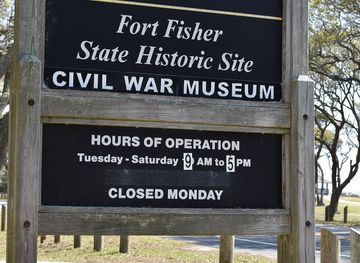
Cape Fear combines Wilmington's riverfront heritage with barrier-island beaches, maritime landscapes, seafood and Civil War history on North Carolina's coast.
Explore Cape Fear
Explore more of North Carolina
Discover North Carolina's blend of natural beauty, vibrant cities, and rich history. From the Outer Banks to the Blue Ridge Mountains, experience diverse landscapes and cultures.
Explore North Carolina