

Free Inner Banks Travel Guide & Mobile App
Explore Inner Banks with free travel guides. Discover regional history, expert tips, proposed trips, and audio guides on web or mobile app.


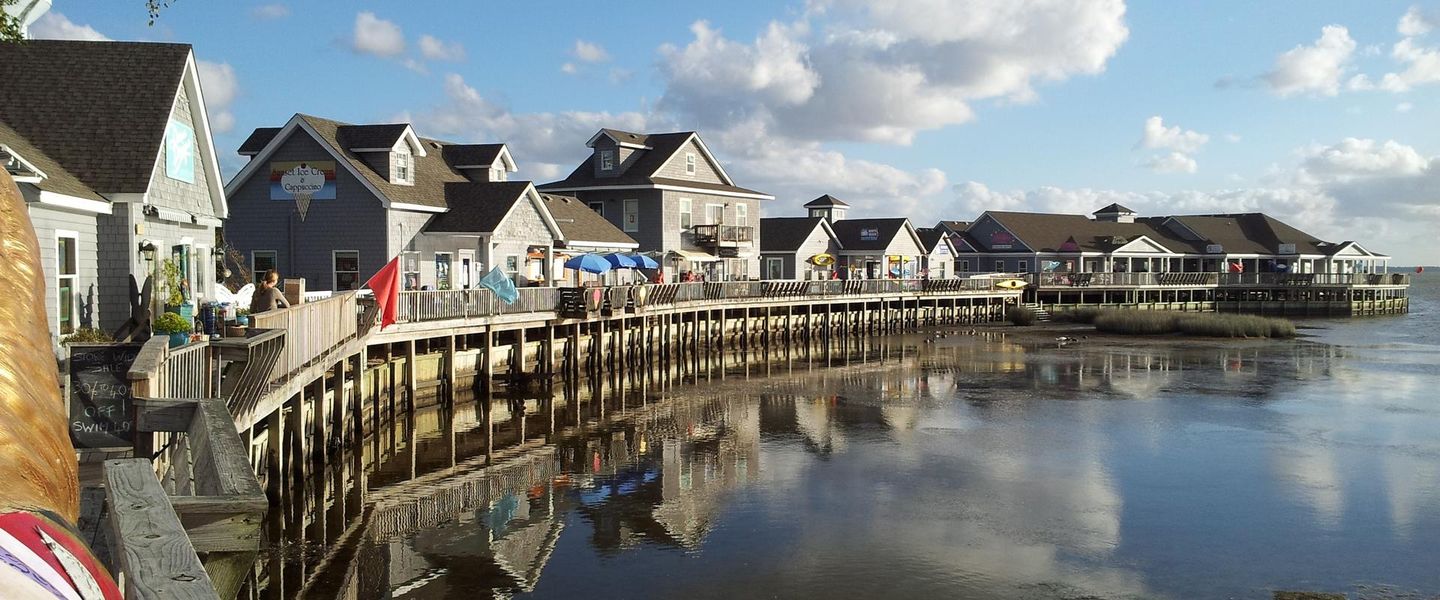


Explore North Carolina’s Inner Banks for riverfront towns, colonial history, wildlife-rich wetlands, local seafood and quiet waterways.
Read more about Inner Banks
When is the best time to visit Inner Banks?
Best: April–May, September · 21–27°C| Month | High (°C) | Rainfall (mm) |
|---|---|---|
| January | 11 | 85 |
| February | 12 | 80 |
| March | 17 | 90 |
| April (best) | 21 | 95 |
| May (best) | 25 | 100 |
| June | 30 | 105 |
| July | 31 | 110 |
| August | 31 | 110 |
| September (best) | 27 | 105 |
| October | 21 | 95 |
| November | 16 | 90 |
| December | 12 | 85 |
Getting to and around Inner Banks
How to get there
Transportation
Top city travel guides in Inner Banks
The cities of Inner Banks, and the easiest places to base yourself.
-

-

-

-

-


Swipe for more cities
Destinations in Inner Banks
Resorts, valleys and scenic spots worth a trip of their own.
-

-

-

-

-

-


Swipe for more destinations
Best attractions in Inner Banks
The Inner Banks offers a quieter, water-oriented alternative to North Carolina’s oceanfront resorts. Historic attractions are concentrated in towns such as New Bern, where Tryon Palace, the North Carolina History Center and the surrounding streets explain the area’s colonial and civic past, and Edenton, whose houses, churches and waterfront reflect its importance on Albemarle Sound. Washington combines a riverfront setting with museums and walking routes, while Greenville adds galleries, performances and university-related cultural activity. Nature is equally important: paddling routes follow tidal creeks and blackwater rivers, and parks and wildlife areas provide opportunities for birdwatching, fishing, hiking and photography. Pettigrew State Park, Merchants Millpond State Park and Roanoke River National Wildlife Refuge represent different wetland and forest environments, although access and facilities vary. Visitors should allow time for small museums, historic homes, local galleries, farm stands and community events rather than expecting a dense sequence of major attractions. The region’s appeal lies in the relationship between its waterways, working landscapes and historic settlements.
-
Tourist attraction
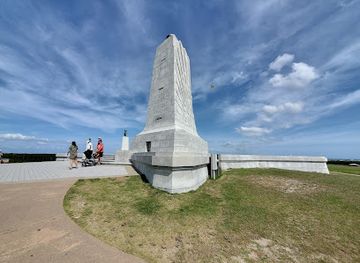
Wright Brothers National Memorial
Experience the birthplace of aviation at the Wright Brothers National Memorial, where history and nature come together in Kill Devil Hills, NC.
-
Tourist attraction
North Carolina Aquarium on Roanoke Island
Discover the enchanting marine life at the North Carolina Aquarium on Roanoke Island, a fascinating destination for nature lovers and families alike.
-
Tourist attraction
Jockey's Ridge State Park
Explore the majestic sand dunes and diverse ecosystems of Jockey's Ridge State Park in Nags Head, a must-visit destination for nature enthusiasts and adventure seekers.
-
Tourist attraction
Currituck Beach Lighthouse
Discover the historic Currituck Beach Lighthouse, a stunning landmark on the Outer Banks, offering breathtaking views and rich maritime history.
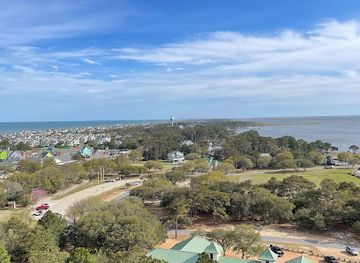
Best landmarks in Inner Banks
Tryon Palace in New Bern is the Inner Banks’ most prominent colonial landmark, an eighteenth-century governor’s residence reconstructed on its historic site and set within formal gardens and a wider historic district. New Bern’s Christ Episcopal Church and its surrounding streets add further evidence of the town’s early civic and religious importance. In Edenton, the white cupola of the Chowan County Courthouse, the Barker House and the town’s historic houses express the former port’s political and commercial stature. Washington’s waterfront, where the Pamlico River meets the town, is a defining geographical landmark as well as a reminder of river commerce. The Roanoke River and its bottomland forests provide a natural counterpoint to the built heritage, while Lake Phelps at Pettigrew State Park illustrates the region’s broad, shallow-water landscapes and cypress-edged environments. The Pasquotank River at Elizabeth City and the Neuse and Trent confluence at New Bern further explain why settlement and trade developed along these particular sites.
-
Tourist attraction
Wright Brothers National Memorial
Explore the legacy of aviation at Wright Brothers National Memorial, where history meets the beauty of the Outer Banks in North Carolina.
-
Historical landmark
Currituck Beach Lighthouse
Discover the Currituck Beach Lighthouse, a historic gem in North Carolina, offering breathtaking views and a glimpse into maritime heritage.
-
 Historical landmark
Cape Hatteras Lighthouse
Explore Cape Hatteras Lighthouse, the tallest lighthouse in the USA, and delve into its rich maritime history while enjoying stunning coastal views.
-
Tourist attraction
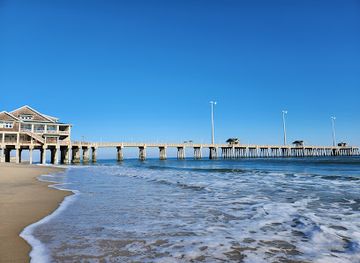
Jennette's Pier
Experience the beauty and adventure of Jennette's Pier, a premier destination for fishing, marine exploration, and family fun on the Outer Banks.
Explore Inner Banks on the map
Plan your trip on one map. See where the top cities, national parks and sights are, and book hotels and experiences in a few clicks.
Best hotels in Inner Banks
Best restaurants in Inner Banks
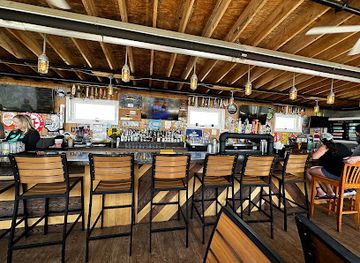
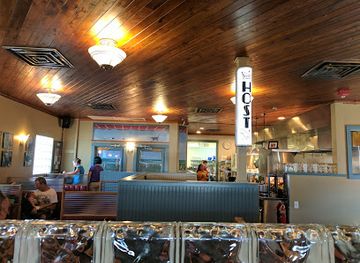
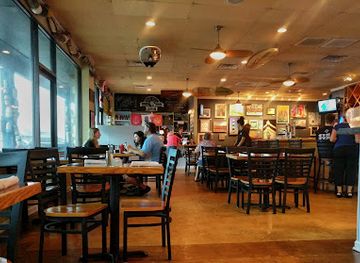
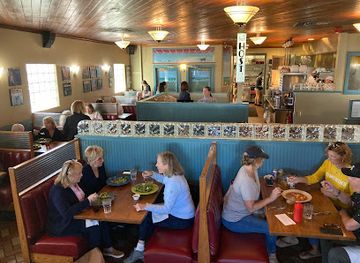
Dining in the Inner Banks reflects eastern North Carolina’s agricultural and maritime setting. Seafood restaurants serve shrimp, oysters, crab and locally caught fish where supplies and seasons permit, while casual cafés and family-run eateries often draw on regional traditions. North Carolina barbecue, peanuts, sweet potatoes, corn, collard greens and other produce from the coastal plain appear alongside more contemporary American cooking. New Bern, Greenville, Washington, Edenton and Elizabeth City offer the broadest choice of restaurants, from breakfast cafés and longstanding diners to breweries, bistros and riverfront dining rooms. Rural communities are more likely to have informal restaurants, barbecue outlets, country stores and seasonal farm stands than extensive evening choice. Farmers’ markets and roadside sellers can be good sources of fruit, vegetables, baked goods and locally produced specialities, though opening days vary. Menus change with catches, harvests and local availability, so regional eating is best approached as a connection to place rather than a fixed list of signature dishes.
-
Restaurant
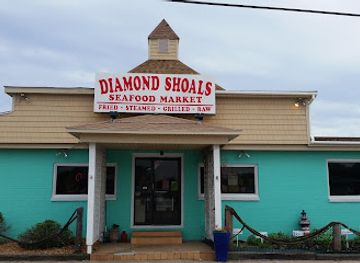
Diamond Shoals Restaurant
Experience the best of American cuisine at Diamond Shoals Restaurant in Buxton – where fresh seafood meets hearty comfort food.
-
Seafood
Miller's Waterfront Restaurant
Discover exquisite seafood and breathtaking waterfront views at Miller's Waterfront Restaurant in Nags Head - a true culinary delight!
-
Restaurant
The Kill Devil Grill
Experience exceptional American cuisine at The Kill Devil Grill in Kill Devil Hills – where great food meets warm hospitality.
-
Restaurant
Blue Moon Beach Grill
Experience the best of coastal dining at Blue Moon Beach Grill in Nags Head – where fresh seafood meets American comfort food.
Best bars in Inner Banks
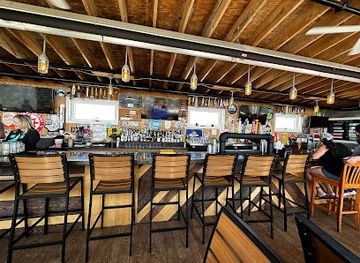
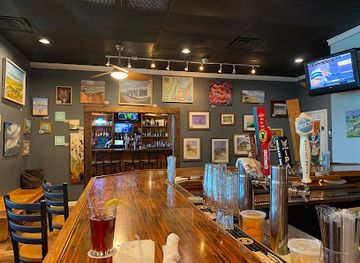
Nightlife in the Inner Banks is generally centred on pubs, restaurants, breweries, live music and community events rather than a large nightclub scene. New Bern has the region’s most established evening concentration, with bars and restaurants around its historic central area, while Greenville offers a younger and more varied atmosphere connected with East Carolina University. Washington, Edenton and Elizabeth City provide smaller selections of waterfront or downtown venues, often combining drinks with food, music or local events. Traditional North Carolina bars may show sport and serve regional beer, while breweries and taprooms provide a more contemporary setting. In rural districts, evening options thin out quickly and a car is often needed, with designated-driver planning particularly important. Seasonal festivals, concerts and waterfront programmes can broaden the choice at certain times of year, but visitors should check current arrangements rather than assume that an event or venue operates year-round.
-
Seafood
Black Pelican Oceanfront Restaurant
Experience fresh seafood with ocean views at Black Pelican Oceanfront Restaurant in Kitty Hawk, North Carolina.
-
Seafood
Miller's Waterfront Restaurant
Discover the flavors of the coast at Miller's Waterfront Restaurant, where fresh seafood meets stunning waterfront views in Nags Head, NC.
-
Restaurant
The Kill Devil Grill
Experience the best of American cuisine at The Kill Devil Grill, the culinary gem of the Outer Banks, offering fresh seafood and grilled delights.
-
Restaurant
Blue Moon Beach Grill
Discover Blue Moon Beach Grill, where exceptional seafood meets American cuisine in a vibrant beachside atmosphere in Nags Head.

Best nightclubs in Inner Banks
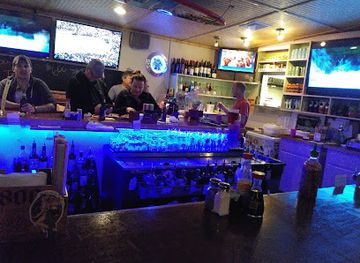
Nightlife in the Inner Banks is generally centred on pubs, restaurants, breweries, live music and community events rather than a large nightclub scene. New Bern has the region’s most established evening concentration, with bars and restaurants around its historic central area, while Greenville offers a younger and more varied atmosphere connected with East Carolina University. Washington, Edenton and Elizabeth City provide smaller selections of waterfront or downtown venues, often combining drinks with food, music or local events. Traditional North Carolina bars may show sport and serve regional beer, while breweries and taprooms provide a more contemporary setting. In rural districts, evening options thin out quickly and a car is often needed, with designated-driver planning particularly important. Seasonal festivals, concerts and waterfront programmes can broaden the choice at certain times of year, but visitors should check current arrangements rather than assume that an event or venue operates year-round.
-
Bar
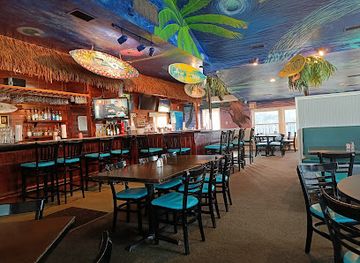
Mama Kwan's Tiki Bar & Grill
Indulge in Caribbean flavors and vibrant drinks at Mama Kwan's Tiki Bar & Grill in Kill Devil Hills, a perfect spot for beachside relaxation.
-
Grill
Hurricane Mo's Beachside Bar And Grill
Discover the vibrant flavors of the Outer Banks at Hurricane Mo's Beachside Bar and Grill, where fresh seafood and lively music meet stunning coastal views.
-
Grill
Watermen's Bar & Grill
Experience the flavors of the coast at Watermen's Bar & Grill, where fresh seafood meets breathtaking waterfront views in Waves, North Carolina.
-
Bar
Outer Banks Brewing Station
Discover the Outer Banks Brewing Station - a lively brewery and bar offering craft beers, fresh seafood, and live music in a vibrant atmosphere.
Best shops in Inner Banks
Shopping in the Inner Banks is concentrated in historic downtowns rather than large retail districts. New Bern has independent shops, galleries, bookshops, antiques and locally themed gifts around its preserved central streets, while Edenton offers heritage-oriented stores, art and craft outlets and small businesses in a compact setting. Washington and Elizabeth City provide similar high-street shopping, with cafés and local services mixed among specialist retailers. Farmers’ markets and seasonal stalls are useful for North Carolina produce, baked goods, peanuts, preserves and other edible gifts, although dates and locations can change. Visitors may also find pottery, paintings, woodwork, jewellery, textiles and maritime-inspired crafts produced by artists from the coastal plain. Larger everyday retail choices are available in Greenville and other regional service centres, but the Inner Banks is better suited to browsing independent shops, galleries, antiques and farm products than to destination luxury shopping.
-
Outlet mall
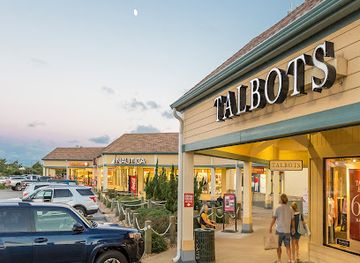
Outlets Nags Head
Discover unbeatable deals on designer brands at Outlets Nags Head, your ultimate shopping destination on the North Carolina coast.
-
Shopping mall
Outer Banks Mall
Discover shopping bliss at Outer Banks Mall in Nags Head, where a variety of stores and dining experiences await every visitor.
-
Gift shop
SeaGreen Gallery
Explore SeaGreen Gallery in Nags Head for unique art, antiques, and handcrafted jewelry that capture the essence of local creativity.
-
Gift shop
Parrot Bay
Discover unique beach gifts, stylish clothing, and exquisite jewelry at Parrot Bay, your ultimate shopping destination in the Outer Banks.
Get your free copy of our complete guide to Inner Banks, delivered straight to you.
Everything on this page, from attractions and restaurants to essentials and local phrases, in one PDF you can read offline, print or share.
Already have an account? Sign in
Your Inner Banks guide is ready.
We'll send it to · Not you? Sign out

Getting your guide ready…
We are putting together a fresh copy of the Inner Banks guide. This can take up to a minute.
This can take a few moments. If your browser asks, choose Allow so the download can start. You'll find the guide in your Downloads folder.
Nothing happened? Download it again
Sorry, the guide is taking longer than usual. Please try again in a minute, or get it by email instead.
Inner Banks essentials
Currency and Payment
Safety
Emergency Situations
Do's and Don'ts
Local Tips
From Eve
Local phrases worth knowing
You don't need to get them perfect. A few words go a long way, and locals appreciate the effort.
Basics
| English | Local | Say it |
|---|---|---|
| Hello | Hey | [hey] |
| Goodbye | See ya | [see yah] |
| Yes | Yup | [yup] |
| No | Nope | [nohp] |
| Please/You're welcome | No problem | [no prob-lem] |
| Thank you | Thanks | [thanks] |
| Excuse me/Sorry | Excuse me | [ex-cuze me] |
| How are you? | How ya doin'? | [how yah doin'?] |
| Fine. And you? | Good. And you? | [good. and you?] |
| Do you speak English? | Y'all speak English? | [y'all speak ing-glish?] |
| I don't understand | I ain't followin' | [I ain't fol-lin'] |
Eating & Drinking
| English | Local | Say it |
|---|---|---|
| I'd like to see the menu, please | Can I see the menu? | [can I see the men-u?] |
| I don't eat meat | I don't do meat | [I don't do meat] |
| Cheers! | Cheers! | [cheers] |
| I would like to pay, please | Can I get the check? | [can I get the check?] |
Emergencies
| English | Local | Say it |
|---|---|---|
| Help! | Help! | [help] |
| Go away! | Leave me be! | [leave me be] |
| Call the Police! | Call the cops! | [call the cops] |
| Call a doctor! | Get a doctor! | [get a doc-tor] |
| I'm lost | I’m turned around | [I’m turned a-round] |
| I'm ill | I ain't feelin' good | [I ain't feel-in' good] |
Shopping
| English | Local | Say it |
|---|---|---|
| I'd like to buy... | I wanna buy... | [I wanna buy...] |
| I'm just looking | Just browsing | [just brow-sing] |
| How much is it? | What’s the price? | [what's the price?] |
| That's too expensive | That costs too much | [that costs too much] |
| Can you lower the price? | Can ya give me a better deal? | [can ya give me a bet-ter deal?] |
Time & Numbers
| English | Local | Say it |
|---|---|---|
| What time is it? | What time ya got? | [what time yah got?] |
| It's one o'clock | It's one | [it's one] |
| Half past (10) | Half past ten | [half past ten] |
| Morning | Mornin' | [mornin'] |
| Afternoon | Afternoon | [af-ter-noon] |
| Evening | Evenin' | [evenin'] |
| Yesterday | Yest'day | [yes-ter-day] |
| Today | To'day | [to-day] |
| Tomorrow | Tom'morrow | [tom-mor-row] |
| 1 | One | [one] |
| 2 | Two | [two] |
| 3 | Three | [three] |
| 4 | Four | [four] |
| 5 | Five | [five] |
| 6 | Six | [six] |
| 7 | Seven | [sev-en] |
| 8 | Eight | [eight] |
| 9 | Nine | [nine] |
| 10 | Ten | [ten] |
Transport & Directions
| English | Local | Say it |
|---|---|---|
| Where's a/the...? | Where's a...? | [where's a...?] |
| What's the address? | What's the addy? | [what's the add-ee?] |
| Can you show me (on the map)? | Can ya point it out? | [can ya point it out?] |
| When's the next (bus)? | When's the next bus? | [when's the next bus?] |
| A ticket (to ....) | A ticket to... | [a tick-et to...] |
History of Inner Banks
Indigenous Waterway Cultures Before European Settlement
The rivers and sounds of eastern North Carolina supported Indigenous societies for thousands of years before the arrival of Europeans. Algonquian-speaking peoples, including communities associated with the Tuscarora, Chowanoke and other regional groups, used the waterways for fishing, transport, trade and seasonal settlement. The environmental knowledge developed over generations remains important to understanding the Inner Banks: its rivers were not barriers but routes linking inland forests, wetlands and the sounds. Archaeological sites and place names provide evidence of this earlier history, although much of the region’s Indigenous past is less visible to visitors than its later colonial architecture.
Colonial Ports and the Founding of New Bern
European settlement expanded along navigable rivers during the eighteenth century, connecting the coastal plain to Atlantic trade. New Bern was founded in 1710 by Swiss and German settlers under the leadership of Christoph von Graffenried, and its position at the meeting of the Neuse and Trent rivers made it an important colonial centre. It became the seat of North Carolina’s colonial government, and Tryon Palace was built there in the 1770s as the governor’s residence. Edenton and other Albemarle communities likewise developed around shipping, agriculture and the movement of goods along the sounds.
Revolutionary-Era Politics and the Colonial Capital
The Inner Banks played a significant role in the political development of North Carolina. Edenton was an important centre of colonial administration and became associated with the Edenton Tea Party of 1774, when local women publicly supported resistance to British taxation. New Bern remained the colonial capital until the American Revolution, and the government’s presence encouraged formal architecture, civic institutions and commercial growth. The period also brought dispossession and disruption for Indigenous peoples and relied heavily on enslaved labour, realities that form part of the region’s history alongside its celebrated colonial buildings.
River Commerce, Agriculture and Enslavement
During the nineteenth century, the Inner Banks economy depended on rivers, small ports and plantations as well as farms worked by enslaved African Americans. Timber, naval stores, tobacco, cotton, corn and other agricultural products moved through river towns towards larger coastal and Atlantic markets. New Bern, Washington, Edenton and smaller landing places gained warehouses, ship-related trades and commercial streets. Enslavement shaped wealth, settlement and social organisation across the region, while free Black communities also developed important institutions. After emancipation, African Americans built churches, schools, businesses and civic networks that remain central to the cultural history of eastern North Carolina.
The Civil War and Occupation of the River Towns
The waterways of the Inner Banks made the region strategically important during the American Civil War. New Bern was captured by Union forces in 1862 and remained under Union control for much of the conflict, making it a base for military operations and for the recruitment of United States Colored Troops. Other river and sound communities experienced disruption to trade, transport and agriculture. The war’s effects extended well beyond battlefields, altering political authority, labour systems and the prospects of formerly enslaved people. Historic districts and museums in the region interpret these overlapping military and civilian experiences.
Railways, Tobacco and Changing Agriculture
Railways and improved roads gradually reduced the Inner Banks’ dependence on river shipping, although waterways remained economically important. In the late nineteenth and twentieth centuries, tobacco, peanuts, cotton, corn, sweet potatoes and timber shaped the agricultural landscape, while processing and distribution supported towns such as Greenville and Washington. Greenville grew as a commercial and educational centre, later becoming home to East Carolina University. Mechanisation and consolidation changed rural employment and settlement patterns, contributing to population loss in some small communities while strengthening larger regional service centres.
Heritage Conservation and the Modern Waterfront
From the late twentieth century onwards, many Inner Banks towns increasingly combined heritage conservation with riverfront renewal, cultural tourism and outdoor recreation. Restored houses, colonial sites, museums and historic commercial streets now sit beside marinas, walking paths, restaurants and working waterfronts. This transformation has not replaced the region’s agricultural and maritime economies, but it has diversified them. Contemporary interpretation increasingly connects colonial and Civil War history with Indigenous heritage, African American experience, environmental change and the continuing importance of the rivers and sounds.
Inner Banks in Photos
Browse through our photo collection highlighting the charm and character of the destination.
Neighbouring regions of Inner Banks
The closest regions to Inner Banks, if you have time for more than one.
-

-

-

-

-


Swipe for more regions
Explore more

Explore more of North Carolina
Discover North Carolina's blend of natural beauty, vibrant cities, and rich history. From the Outer Banks to the Blue Ridge Mountains, experience diverse landscapes and cultures.
Explore North Carolina