

Lake Metigoshe State Park Travel Guide - Free Web & App
Your ultimate guide to Lake Metigoshe State Park. Discover top landmarks, proposed trips, and local tips. Free on the web or via the Evendo companion app.


Lake Metigoshe State Park in North Dakota offers forested shoreline, boating, fishing, trails, cabins and four-season recreation near the Canadian border.
A North Dakota Lake Landscape
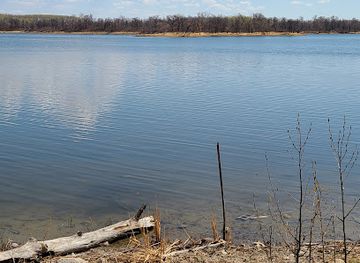
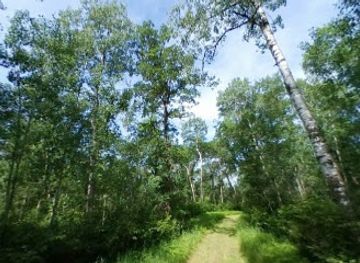
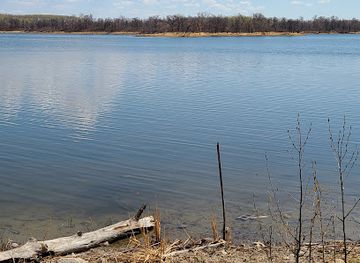
Lake Metigoshe State Park occupies a wooded corner of the Turtle Mountains in north-central North Dakota, close to the Canadian border and the town of Bottineau. Its centrepiece is Lake Metigoshe, a broad, irregular body of water shaped by the glacial landscape of the Turtle Mountains. Shoreline forest, low hills, wetlands and pockets of open meadow give the park a character that differs from the wide prairie landscapes more commonly associated with the state.Read more about Lake Metigoshe State Park
Outdoor Recreation and Local Character
When is the best time to visit Lake Metigoshe State Park?
Best: June–August · 24–25°C| Month | High (°C) | Rainfall (mm) |
|---|---|---|
| January | -9 | 12 |
| February | -6 | 10 |
| March | 2 | 20 |
| April | 11 | 30 |
| May | 18 | 48 |
| June (best) | 24 | 70 |
| July (best) | 25 | 68 |
| August (best) | 24 | 56 |
| September | 18 | 44 |
| October | 11 | 28 |
| November | 1 | 20 |
| December | -6 | 14 |
Getting to and around Lake Metigoshe State Park
How to get there
Transportation
Explore Lake Metigoshe State Park on the map
Plan your trip on one map. See where the top attractions, landmarks, restaurants and hotels are, and book hotels and experiences in a few clicks.
Best hotels in Lake Metigoshe State Park
Best restaurants in Lake Metigoshe State Park
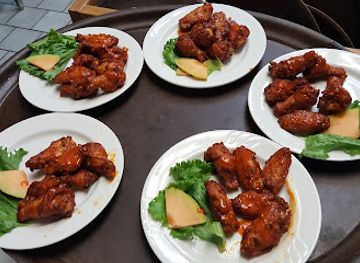
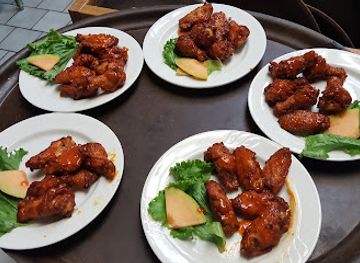
Dining choices are limited within Lake Metigoshe State Park, so visitors generally use self-catering facilities, prepare meals at their campsite where permitted, or travel to Bottineau for restaurants, cafés, groceries and takeaway food. The local food culture reflects north-central North Dakota's agricultural setting, with straightforward American meals, bakery items, burgers, sandwiches and seasonal produce more characteristic of the area than a specialised destination cuisine. Lakeside and rural hospitality may be available seasonally, but opening arrangements should not be assumed, particularly outside summer. Farm and country stores around the wider region can be useful for picnic supplies, while Bottineau is the dependable place to obtain provisions before heading into the Turtle Mountains. Visitors staying in cabins or campsites should plan meals in advance and remember that services become more dispersed beyond the town.
-
Traditional American
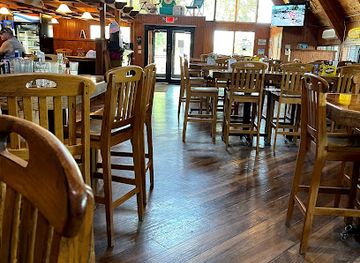
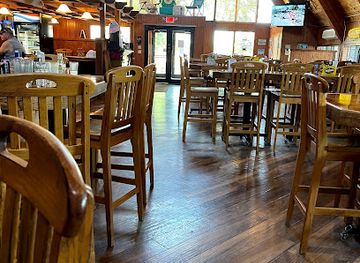
A Frame Bar and Grill
Discover traditional American flavors at A Frame Bar and Grill in Bottineau - where comfort food meets friendly hospitality.
-
American
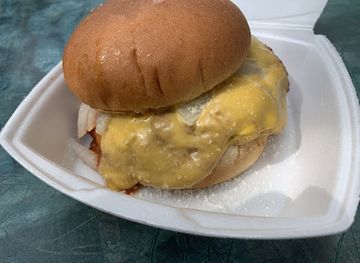
Metigoshe Drive-In
Experience authentic American cuisine at Metigoshe Drive-In while enjoying stunning views of Lake Metigoshe in Bottineau, North Dakota.
-
Steak
Birchwood Steakhouse & Lounge
Experience the best steaks in Bottineau at Birchwood Steakhouse & Lounge—where flavor meets hospitality in North Dakota's heart.
-
Park
Lake Metigoshe State Park Lodge
Experience breathtaking landscapes at Lake Metigoshe State Park Lodge - North Dakota's premier destination for outdoor adventures and family fun.
Best bars in Lake Metigoshe State Park
Lake Metigoshe State Park does not have the nightlife infrastructure of an urban or resort destination. Evenings are generally centred on quiet lakeside recreation, campfires where authorised, stargazing and the social atmosphere of campgrounds and cabins. Bottineau provides the nearest established choice of traditional bars, restaurants and community entertainment, although the scale is modest and venue availability can vary. Seasonal events, local gatherings and outdoor programming may add occasional evening interest, but visitors should not expect a nightclub district, late-running entertainment venues or a regular programme of performances inside the park. Alcohol should be handled responsibly and in accordance with park, campsite and boating regulations, with consideration for other visitors and the surrounding rural community.
-
Bar
A Frame Bar and Grill
Experience the heart of Bottineau at A Frame Bar and Grill, where traditional American cuisine meets a welcoming atmosphere.
-
American
Metigoshe Drive-In
Discover the heart of American cuisine at Metigoshe Drive-In, a delightful drive-in restaurant in Bottineau, ND, offering classic dishes in a scenic setting.
-
Steak
Birchwood Steakhouse & Lounge
Experience the best steaks in Bottineau at Birchwood Steakhouse & Lounge, where taste meets tradition in a cozy setting.
-
 Hotel
HotelQuilt Inn & Suites
Discover comfort and charm at Quilt Inn & Suites, your ideal base for exploring the natural beauty of Bottineau, North Dakota.
Best nightclubs in Lake Metigoshe State Park
Lake Metigoshe State Park does not have the nightlife infrastructure of an urban or resort destination. Evenings are generally centred on quiet lakeside recreation, campfires where authorised, stargazing and the social atmosphere of campgrounds and cabins. Bottineau provides the nearest established choice of traditional bars, restaurants and community entertainment, although the scale is modest and venue availability can vary. Seasonal events, local gatherings and outdoor programming may add occasional evening interest, but visitors should not expect a nightclub district, late-running entertainment venues or a regular programme of performances inside the park. Alcohol should be handled responsibly and in accordance with park, campsite and boating regulations, with consideration for other visitors and the surrounding rural community.
-
Lake
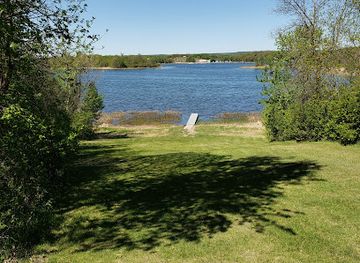
Lake Metigoshe State Park
Explore Lake Metigoshe State Park—your serene retreat in North Dakota, perfect for outdoor adventures and peaceful nature escapes.
Best shops in Lake Metigoshe State Park
Shopping inside Lake Metigoshe State Park is limited mainly to practical visitor needs, so food, fuel, clothing and outdoor equipment are best obtained before arrival or in Bottineau. The town is the principal nearby retail centre and may also provide locally produced food, seasonal goods and small-town services, although the range is modest compared with larger North Dakota cities. Visitors may find regional craft items, artwork or souvenirs connected with the Turtle Mountains through local businesses and seasonal community events, but permanent markets and extensive artisan districts should not be expected. The most useful purchases for a park stay are provisions, fishing and camping supplies, warm layers, rain protection and equipment suited to changing weather. Cross-border visitors should also plan carefully if they intend to shop in Canada, as border requirements and opening arrangements vary.
-
Hotel
Quilt Inn & Suites
Discover comfort and adventure at Quilt Inn & Suites, your cozy retreat near Metigoshe State Park in Bottineau, North Dakota.
-
Park
Lake Metigoshe State Park Lodge
Experience the breathtaking beauty and outdoor adventures at Lake Metigoshe State Park Lodge in Bottineau, North Dakota, a perfect family getaway.
-
Coffee shop
Metigoshe Coffee House
Discover the cozy charm of Metigoshe Coffee House in Bottineau, ND, where delightful brews and a welcoming atmosphere await.
-
Gift shop
Gifts By the Lake
Explore Gifts By the Lake for unique handcrafted treasures and local souvenirs in the heart of Bottineau, North Dakota.
Get your free copy of our complete guide to Lake Metigoshe State Park, delivered straight to you.
Everything on this page, from attractions and restaurants to essentials and local phrases, in one PDF you can read offline, print or share.
Already have an account? Sign in
Your Lake Metigoshe State Park guide is ready.
We'll send it to · Not you? Sign out

Getting your guide ready…
We are putting together a fresh copy of the Lake Metigoshe State Park guide. This can take up to a minute.
This can take a few moments. If your browser asks, choose Allow so the download can start. You'll find the guide in your Downloads folder.
Nothing happened? Download it again
Sorry, the guide is taking longer than usual. Please try again in a minute, or get it by email instead.
Lake Metigoshe State Park essentials
Currency and Payment
Safety
Emergency Situations
Do's and Don'ts
Local Tips
From Eve
Local phrases worth knowing
You don't need to get them perfect. A few words go a long way, and locals appreciate the effort.
Basics
| English | Local | Say it |
|---|---|---|
| Hello | Howdy | [HOU-dee] |
| Goodbye | See ya | [SEE yah] |
| Yes | Yup | [YUHP] |
| No | Nah | [NAH] |
| Please/You're welcome | Please and thank ya | [PLEEZ and THANK yah] |
| Thank you | Much obliged | [muhch uh-BLAHYD] |
| Excuse me/Sorry | Pardon | [PAR-dun] |
| How are you? | How's it goin'? | [HOWZ it GO-in] |
| Fine. And you? | I'm doin' well. You? | [AHM DOO-in well. YUH?] |
| Do you speak English? | Ya speak English? | [YAH speak ING-lish?] |
| I don't understand | I'm lost | [AHM LOST] |
Eating & Drinking
| English | Local | Say it |
|---|---|---|
| I'd like to see the menu, please | Can I see what's cookin'? | [can AH SEE wuts COOK-in] |
| I don't eat meat | I don't eat critters | [AH dohn't EET CRIT-ers] |
| Cheers! | Bottoms up! | [BOTT-ums UP] |
| I would like to pay, please | I reckon it's time to settle up | [AH REK-un its TIME tuh SET-ul UP] |
Emergencies
| English | Local | Say it |
|---|---|---|
| Help! | I need a hand! | [AH NEED a HAND] |
| Go away! | Get lost! | [GET LOST] |
| Call the Police! | Ring up the law! | [RING UP the LAW] |
| Call a doctor! | Fetch a doc! | [FETCH a DOC] |
| I'm lost | I'm turned around | [AHM TURNED round] |
| I'm ill | I'm feelin' poorly | [AHM FEEL-in POOR-lee] |
Shopping
| English | Local | Say it |
|---|---|---|
| I'd like to buy... | I'm fixin' to buy... | [AHM FIX-in tuh BUY] |
| I'm just looking | Just browsin' | [JUST BROW-zin] |
| How much is it? | What's the damage? | [WUTS the DAM-ij] |
| That's too expensive | That ain't worth it | [THAT aint WURTH it] |
| Can you lower the price? | Can ya do better on the price? | [CAN yah DOH BET-er on the PRIZE] |
Time & Numbers
| English | Local | Say it |
|---|---|---|
| What time is it? | What's the hour? | [WUTS the OW-er] |
| It's one o'clock | It's one on the nose | [ITS ONE on the NOZE] |
| Half past (10) | Ten-thirty | [TEN-THUR-tee] |
| Morning | Mornin' | [MORN-in] |
| Afternoon | Afternoon | [AF-tur-NOON] |
| Evening | Evenin' | [EVE-nin] |
| Yesterday | Yest'day | [YES-tuh-DAY] |
| Today | Today | [to-DAY] |
| Tomorrow | Tomorrah | [tom-OR-uh] |
| 1 | One | [WUN] |
| 2 | Two | [TOO] |
| 3 | Three | [THREE] |
| 4 | Four | [FOR] |
| 5 | Five | [FIVE] |
| 6 | Six | [SIX] |
| 7 | Seven | [SEV-en] |
| 8 | Eight | [AYT] |
| 9 | Nine | [NINE] |
| 10 | Ten | [TEN] |
Transport & Directions
| English | Local | Say it |
|---|---|---|
| Where's a/the...? | Where's the... | [WHEREZ the] |
| What's the address? | What's the street? | [WUTS the STREET] |
| Can you show me (on the map)? | Can ya point it out? | [CAN yah POINT it OUT] |
| When's the next (bus)? | When's the next ride? | [WHENS the NEXT RIDE] |
| A ticket (to ....) | A pass (to ...) | [A PASS (to)] |
History of Lake Metigoshe State Park
Glacial Formation of the Turtle Mountains
Lake Metigoshe lies within the Turtle Mountains, an elevated landscape shaped by glacial processes during the last Ice Age. The region's lakes, wetlands, wooded slopes and irregular terrain reflect the movement and later retreat of continental ice across northern North Dakota and southern Manitoba. Lake Metigoshe is part of a wider chain of water bodies in the Turtle Mountains, where drainage is locally complex and the landscape differs markedly from the surrounding open prairie. This geological setting created the combination of water, forest and low relief that later made the area attractive for recreation and seasonal settlement.
Indigenous and Borderland Heritage
The Turtle Mountains have long been connected with Indigenous peoples whose history extends across the modern international boundary. The lakes, forests and uplands provided routes, seasonal resources and places of cultural importance before the area was divided by the United States–Canada border. The name Metigoshe is generally associated with Indigenous language and is commonly interpreted as referring to clear water or a lake surrounded by trees, although translations and explanations vary. Visitors should understand the park as part of a living borderland heritage rather than as an isolated recreational landscape.
Settlement and the State Park Era
European-American settlement brought farming, transport routes and changing patterns of land use to the Turtle Mountains, while the lake district retained a more wooded and recreational character than much of the surrounding prairie. Lake Metigoshe became part of North Dakota's developing state-park system during the twentieth century, as public agencies began protecting scenic landscapes and creating facilities for public recreation. Campgrounds, picnic areas, roads, trails and lakeside visitor facilities gradually established the park as a destination for residents and travellers from the wider region.
Conservation and Four-Season Recreation
Modern management at Lake Metigoshe State Park balances public access with the protection of lakeshore, woodland and wetland environments. Recreation has expanded beyond summer camping and boating to include hiking, fishing, wildlife observation and winter activities such as cross-country skiing and snowshoeing when conditions permit. The park's history is therefore also one of landscape stewardship: maintaining public facilities and access while recognising that water quality, shoreline vegetation, wildlife habitat and changing weather conditions are central to the area's character.
Lake Metigoshe State Park in Photos
Browse through our photo collection highlighting the charm and character of the destination.
Neighbouring destination travel guides
The closest destinations to Lake Metigoshe State Park, if you have time for more than one.
-

-
-

-

-


Swipe for more destinations
Explore more
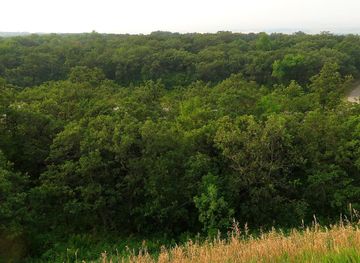
Explore more of Turtle Mountains
Explore North Dakota’s Turtle Mountains for forested lakes, Indigenous heritage, border landscapes, hiking, fishing and quiet prairie scenery.
Explore Turtle Mountains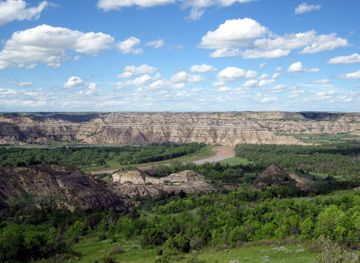
Explore more of North Dakota
Discover the rugged beauty, rich history, and warm hospitality of North Dakota, the untamed frontier of the United States.
Explore North Dakota