

Free Williston Travel Guide & Mobile App
Plan your Williston trip with Evendo. Get free guides to top attractions, restaurants, hotels, and bars. Web access or download the mobile app.


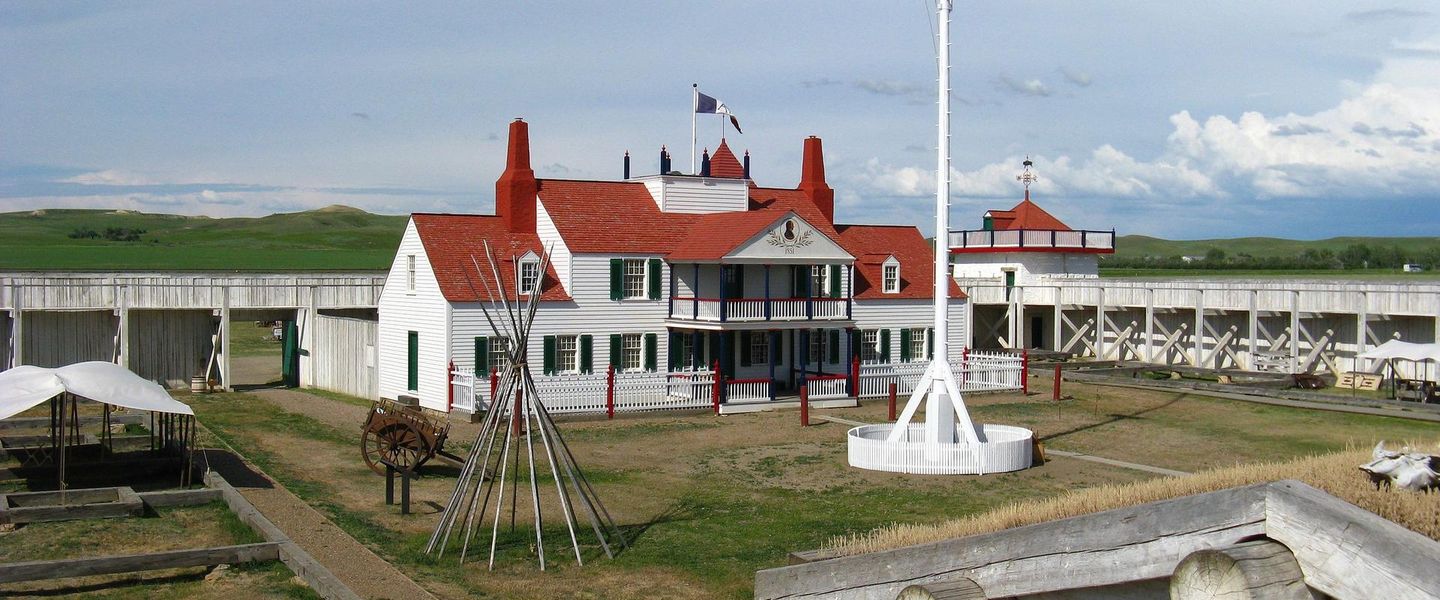


Discover Williston, North Dakota: A city where historic charm meets modern boom, offering rich history, outdoor adventures, and a vibrant arts scene.
Read more about Williston
When is the best time to visit Williston?
Best: June, August–September · 20–26°C| Month | High (°C) | Rainfall (mm) |
|---|---|---|
| January | -8 | 13 |
| February | -6 | 11 |
| March | 3 | 18 |
| April | 13 | 25 |
| May | 21 | 53 |
| June (best) | 26 | 70 |
| July | 28 | 58 |
| August (best) | 26 | 46 |
| September (best) | 20 | 36 |
| October | 12 | 25 |
| November | 3 | 18 |
| December | -5 | 13 |
Getting to and around Williston
How to get there
Transportation
Explore Williston on the map
Plan your Williston trip on one map. See where the top attractions, landmarks, restaurants, bars and hotels are, find what's near where you're staying, and book hotels and experiences in a few clicks.
Best hotels in Williston
Get your free copy of our complete guide to Williston, delivered straight to you.
Everything on this page, from attractions and restaurants to essentials and local phrases, in one PDF you can read offline, print or share.
Already have an account? Sign in
Your Williston guide is ready.
We'll send it to · Not you? Sign out

Getting your guide ready…
We are putting together a fresh copy of the Williston guide. This can take up to a minute.
This can take a few moments. If your browser asks, choose Allow so the download can start. You'll find the guide in your Downloads folder.
Nothing happened? Download it again
Sorry, the guide is taking longer than usual. Please try again in a minute, or get it by email instead.
Williston essentials
Currency and Payment
Safety
Emergency Situations
Do's and Don'ts
Local Tips
From Eve
Local phrases worth knowing
You don't need to get them perfect. A few words go a long way, and locals appreciate the effort.
Basics
| English | Local | Say it |
|---|---|---|
| Hello | Howdy | [haw-dee] |
| Goodbye | See ya | [see yah] |
| Yes | Yup | [yuhp] |
| No | Nope | [nohp] |
| Please/You're welcome | Please/You betcha | [pleez/ yoo bet-chuh] |
| Thank you | Thanks | [thaynks] |
| Excuse me/Sorry | Pardon me/My bad | [pahr-dun mee/ mahy bad] |
| How are you? | Howdy, partner? | [haw-dee, pahrt-nur] |
| Fine. And you? | Fine. You? | [fahyn. yoo] |
| Do you speak English? | Ya talk English? | [yah tawk ing-glish] |
| I don't understand | I ain't catchin' on | [ahy aint kach-in awn] |
Eating & Drinking
| English | Local | Say it |
|---|---|---|
| I'd like to see the menu, please | Can I check out the grub list, please | [kan eye chek owt thuh gruhb list, pleez] |
| I don't eat meat | I ain't a meat eater | [ahy aint uh meet ee-ter] |
| Cheers! | Bottoms up! | [bot-uhms uhp] |
| I would like to pay, please | Can I settle the bill, please | [kan eye set-ul thuh bil, pleez] |
Emergencies
| English | Local | Say it |
|---|---|---|
| Help! | SOS! | [S-O-S] |
| Go away! | Get lost! | [get lawst] |
| Call the Police! | Ring the Cops! | [ring thuh cops] |
| Call a doctor! | Get a Doc! | [get uh dahk] |
| I'm lost | I'm all turned around | [ahym awl turnd uh-round] |
| I'm ill | I'm feelin' under the weather | [ahym feel-in und-er thuh wehth-er] |
Shopping
| English | Local | Say it |
|---|---|---|
| I'd like to buy... | I'm lookin' to purchase... | [ahym look-in tuh pur-chus] |
| I'm just looking | Just browsin' | [juhst brow-zin] |
| How much is it? | What's the damage? | [whats thuh dam-ij] |
| That's too expensive | That's a bit steep | [thats uh bit steep] |
| Can you lower the price? | Can ya knock the price down? | [kan yah nok thuh prahys doun] |
Time & Numbers
| English | Local | Say it |
|---|---|---|
| What time is it? | What's the time? | [whats thuh tahym] |
| It's one o'clock | It's one | [its wuhn] |
| Half past (10) | Ten thirty | [ten thur-tee] |
| Morning | Mornin' | [morn-in] |
| Afternoon | Afternoon | [af-ter-noon] |
| Evening | Evenin' | [eev-nin] |
| Yesterday | Yest'day | [yest-day] |
| Today | Today | [tuh-day] |
| Tomorrow | Tomorrer | [tuh-mahr-er] |
| 1 | One | [wuhn] |
| 2 | Two | [too] |
| 3 | Three | [three] |
| 4 | Four | [for] |
| 5 | Five | [fahyv] |
| 6 | Six | [siks] |
| 7 | Seven | [sev-uhn] |
| 8 | Eight | [ayt] |
| 9 | Nine | [nahyn] |
| 10 | Ten | [ten] |
Transport & Directions
| English | Local | Say it |
|---|---|---|
| Where's a/the...? | Where's the... at? | [wheres thuh at] |
| What's the address? | What's the addy? | [whats thuh add-ee] |
| Can you show me (on the map)? | Can ya point it out (on the map)? | [kan yah point it owt (on thuh map)] |
| When's the next (bus)? | When's the next bus? | [whens thuh nekst bus] |
| A ticket (to ....) | A pass (to ....) | [uh pas (tu ....)] |
History of Williston
Founding and Early History
Williston, North Dakota, was founded in 1887 when the Great Northern Railway reached the area. Named after Daniel Willis James, a financier and friend of railroad magnate James J. Hill, Williston quickly became a hub for settlers moving west. The fertile lands attracted farmers, and the town grew steadily as a center for agriculture.
The Homestead Act and Settlement
The Homestead Act of 1862 played a significant role in the settlement of Williston. As pioneers sought to claim their 160 acres of free land, the population of Williston and the surrounding areas grew. This influx of settlers contributed to the development of infrastructure, including schools, churches, and businesses, laying the foundation for a thriving community.
The Arrival of the Railroad
The arrival of the Great Northern Railway in 1887 was a pivotal moment in Williston’s history. The railway connected Williston to larger markets, allowing for the export of agricultural products and the import of goods and supplies. This connectivity spurred economic growth and established Williston as a key transportation hub in the region.
The Great Depression and Dust Bowl
The 1930s brought significant challenges to Williston, as the Great Depression and the Dust Bowl inflicted economic and environmental hardships. Despite these difficulties, the community demonstrated resilience through cooperative efforts and government assistance programs, which helped mitigate the impact of these crises and set the stage for future recovery.
Oil Boom of the 1950s
The discovery of oil in the Williston Basin in the 1950s marked the beginning of an era of economic prosperity. The oil boom attracted workers from across the country, leading to rapid population growth and infrastructure development. Williston transformed from a primarily agricultural community to a bustling oil town, with new businesses and services emerging to support the burgeoning industry.
Modern Oil Boom of the 2000s
The early 21st century saw a resurgence of oil exploration and production in the Williston Basin, driven by advances in hydraulic fracturing and horizontal drilling technologies. This modern oil boom brought a new wave of economic growth and development, leading to significant increases in population, housing, and commercial activity. Williston became a focal point for energy production in the United States, attracting global attention and investment.
Cultural Heritage and Community
Williston's cultural heritage is a tapestry woven from the diverse backgrounds of its settlers. The community celebrates this rich history through annual events such as the Upper Missouri Valley Fair and the Williston Basin Energy Festival. Local museums, such as the Frontier Museum and the James Memorial Art Center, preserve and showcase the area's history and artistic contributions. These cultural institutions and events highlight Williston's enduring spirit and the collective efforts of its residents to build a vibrant and dynamic community.
Williston in Photos
Browse through our photo collection highlighting the charm and character of the destination.
Cities near Williston
The closest cities to Williston, if you have time for more than one stop.
-

-
-
 Mandan
, North Dakota, pairs Missouri River history with Fort Abraham Lincoln, Native heritage, railroad stories, rodeo tradition and wide-open prairie landscapes.
4 h 23 min drive · 243 km from city centre
Mandan
Mandan, North Dakota, pairs Missouri River history with Fort Abraham Lincoln, Native heritage, railroad stories, rodeo tradition and wide-open prairie landscapes.
4 h 23 min drive · 243 km from city centre
-

-
 Devils Lake
, North Dakota, combines walleye fishing, prairie scenery, Dakota heritage, Fort Totten history and relaxed small-town sightseeing.
6 h drive · 340 km from city centre
Devils Lake
Devils Lake, North Dakota, combines walleye fishing, prairie scenery, Dakota heritage, Fort Totten history and relaxed small-town sightseeing.
6 h drive · 340 km from city centre


Swipe for more cities
Explore more
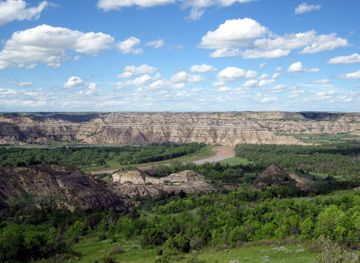
Explore more of North Dakota
Discover the rugged beauty, rich history, and warm hospitality of North Dakota, the untamed frontier of the United States.
Explore North Dakota