

Free Turtle Mountains Travel Guide & Mobile App
Explore Turtle Mountains with free travel guides. Discover regional history, expert tips, proposed trips, and audio guides on web or mobile app.


Explore North Dakota’s Turtle Mountains for forested lakes, Indigenous heritage, border landscapes, hiking, fishing and quiet prairie scenery.
Read more about Turtle Mountains
When is the best time to visit Turtle Mountains?
Best: June, August–September · 21–27°C| Month | High (°C) | Rainfall (mm) |
|---|---|---|
| January | -8 | 20 |
| February | -6 | 15 |
| March | 5 | 25 |
| April | 13 | 35 |
| May | 20 | 45 |
| June (best) | 25 | 65 |
| July | 28 | 75 |
| August (best) | 27 | 65 |
| September (best) | 21 | 45 |
| October | 13 | 35 |
| November | 4 | 25 |
| December | -5 | 20 |
Getting to and around Turtle Mountains
How to get there
Transportation
Destinations in Turtle Mountains
Resorts, valleys and scenic spots worth a trip of their own.

Swipe for more destinations
Best attractions in Turtle Mountains
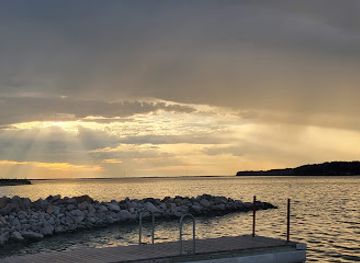
The Turtle Mountains’ attractions are primarily outdoor and landscape-based. Lake Metigoshe State Park is the region’s principal recreation area, with a lake shoreline, campgrounds, boating, fishing, swimming and trails that take in woodland and wetland scenery. Turtle Mountain State Forest extends the experience into a quieter upland environment suited to hiking, wildlife observation, hunting in permitted seasons and winter activities. Around the lakes, the landscape changes quickly from open water to dense stands of aspen and spruce, giving even short drives a strong sense of variety. The International Peace Garden near Dunseith combines formal gardens, commemorative spaces and border-country scenery; because it straddles the United States–Canada boundary, visitors should check current entry arrangements. Bottineau offers community museums and local history displays that help explain settlement, agriculture and the area’s connection with the surrounding prairie. Belcourt provides an important setting for understanding the continuing presence of the Turtle Mountain Band of Chippewa Indians, though cultural access should be approached through public institutions and authorised events rather than assumed. In winter, snowmobiling, ice fishing and cross-country skiing can become major attractions, depending on conditions and designated access.
-
State park
Turtle River State Park
Explore Turtle River State Park: a North Dakota gem of lush landscapes, diverse wildlife, and endless outdoor adventures for nature enthusiasts.
-
State park
Devils Lake State Parks
Explore the stunning landscapes and endless outdoor adventures at Devils Lake State Park, a must-visit destination in North Dakota.
-
Museum
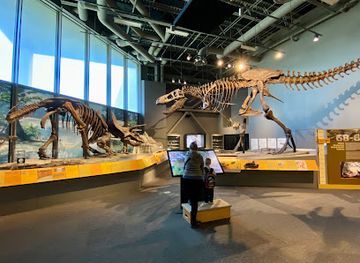
North Dakota Heritage Center & State Museum
Explore the North Dakota Heritage Center & State Museum for a captivating journey through the state's history, culture, and natural wonders.
-
State park
Icelandic State Park
Discover the serene beauty and outdoor adventures waiting for you at Icelandic State Park in North Dakota.

Best landmarks in Turtle Mountains
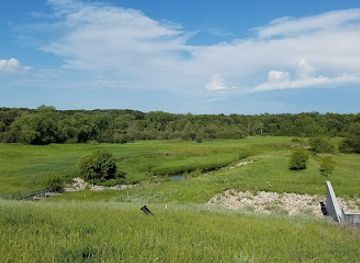
The most recognisable landmark in the Turtle Mountains is the International Peace Garden near Dunseith, whose formal plantings, memorial spaces and border setting give it significance beyond ordinary horticultural interest. It is a shared symbol of United States–Canada relations, although the grounds lie on both sides of the international boundary and access is governed by national border requirements. Lake Metigoshe is the region’s defining natural landmark: its broad water, wooded shores and surrounding recreational landscape make the name familiar well beyond the immediate communities. The rolling, forested profile of the Turtle Mountain upland itself is another landmark, standing in clear contrast to the level prairie around it. In the Belcourt area, the presence of the Turtle Mountain Band of Chippewa Indians gives the surrounding landscape major cultural and political importance; this is a living community rather than a single monument. Bottineau’s civic buildings and local heritage sites provide smaller-scale reminders of the settlement era, when the town developed as a service centre between farms, forest and the border country. Together these places express the region through geography, diplomacy, community and Indigenous continuity.
-
Historical place museum
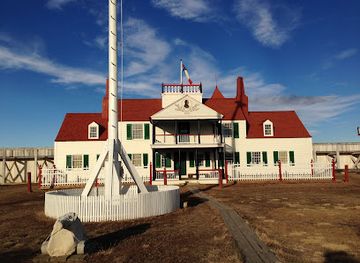
Fort Union Trading Post National Historic Site
Discover the rich history and cultural significance of the Fort Union Trading Post National Historic Site, a gem of North Dakota's past.
-
Historical place
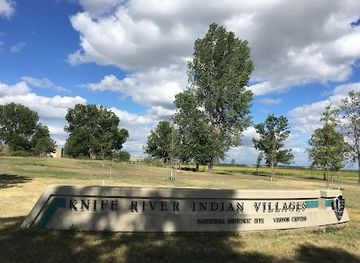
Knife River Indian Villages
Explore the cultural legacy of the Northern Plains tribes at Knife River Indian Villages, a historical site in North Dakota with breathtaking trails and rich heritage.
-
Historical place museum
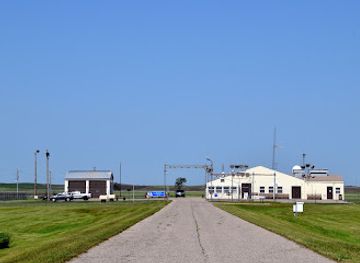
Ronald Reagan Minuteman Missile State Historic Site
Explore the Ronald Reagan Minuteman Missile State Historic Site - a fascinating glimpse into Cold War history and America's nuclear defense strategy.
-
Historical landmark
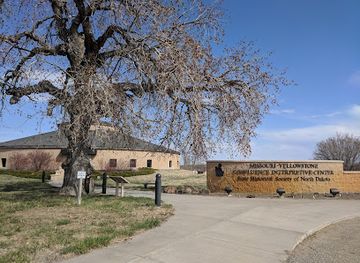
Missouri-Yellowstone Confluence Interpretive Center
Discover the historical treasures of the Missouri-Yellowstone Confluence Interpretive Center, where the rich culture and stunning landscapes of North Dakota come alive.
Explore Turtle Mountains on the map
Plan your trip on one map. See where the top cities, national parks and sights are, and book hotels and experiences in a few clicks.
Best hotels in Turtle Mountains
Best restaurants in Turtle Mountains
Dining in the Turtle Mountains is practical, community-oriented and shaped by the needs of small towns and outdoor visitors rather than by a concentrated fine-dining scene. Bottineau provides the broadest choice of cafés, casual restaurants and places to obtain provisions before heading towards the lakes or forest. Dunseith and Belcourt have more limited options, so travellers should check current opening arrangements and plan supplies in advance. American comfort food, burgers, sandwiches, breakfast cooking and baked goods are common, while local grocery shops are useful for picnics, camping and fishing trips. The surrounding region’s agricultural character is reflected more in everyday produce and home cooking than in a single signature dish. Visitors may encounter food traditions associated with the wider northern Plains and Indigenous communities, but should avoid treating Native cuisine as a restaurant category without learning how a particular business or event presents it. Farmers’ markets, community suppers and seasonal events can offer a more direct connection with local food culture when operating. Tipping follows common US practice in table-service establishments, and card payment is widely available in established businesses but not guaranteed everywhere.
-
 Resort hotel
Spirit Lake Casino & Resort
Discover fun and relaxation at Spirit Lake Casino & Resort in North Dakota – your ultimate getaway destination for gaming, dining, and outdoor adventures.
-
Casino
Sky Dancer Casino & Resort
Discover excitement at Sky Dancer Casino & Resort - where thrilling gaming meets exceptional dining and live entertainment.
-
American
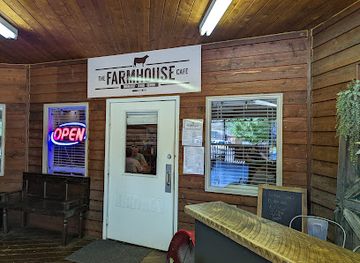
Farmhouse Cafe
Discover delightful American comfort food at Farmhouse Cafe in Medora, ND – where every dish tells a story.
-
Mexican
Rancho Grande
Experience the vibrant flavors of authentic Mexican cuisine at Rancho Grande in Rugby, North Dakota - A must-visit destination for food lovers.


Best bars in Turtle Mountains
Evenings in the Turtle Mountains are centred on local bars, casual restaurants, community gatherings and the quiet pleasures of lake and forest settings rather than a large club scene. Bottineau is the most likely place to find a choice of pub-style venues and social drinking spaces, while Dunseith and Belcourt have smaller, community-oriented evening options. Nightlife can be seasonal and may be limited outside the main towns, with early starts common for fishing, hiking and winter recreation. Visitors should not assume that a rural venue operates late or that food service is available throughout the evening; checking locally is sensible. In warmer months, campgrounds and lakeside accommodation create an outdoor social atmosphere, while winter evenings often focus on indoor gatherings, snowmobile travel and informal meals. Alcohol rules and service practices follow North Dakota law, and visitors should arrange a safe, sober journey when staying beyond walking distance of their accommodation.
-
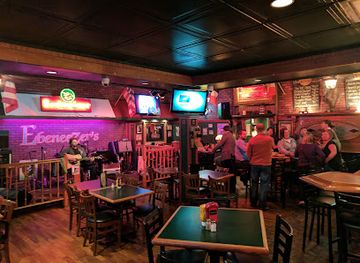
Irish pub
Ebeneezer's Eatery & Irish Pub
Discover the lively ambiance and delightful menu at Ebeneezer's Eatery & Irish Pub in Minot, ND, where Irish charm meets American comfort.
-
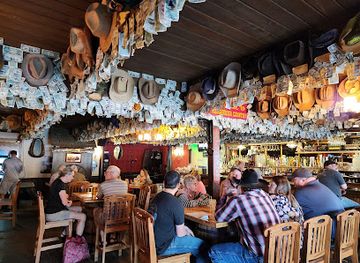
Grill
Little Missouri Saloon & Dining Room
Experience the rustic charm and delicious grill fare at Little Missouri Saloon & Dining Room in Medora, ND, a must-visit for every traveler.
-
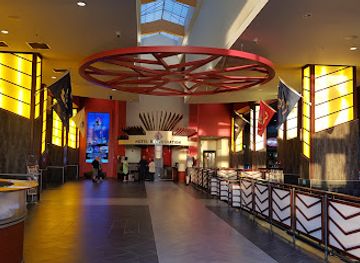
Casino
Sky Dancer Casino & Resort
Experience gaming, dining, and live entertainment at Sky Dancer Casino & Resort, a must-visit destination in North Dakota for all tourists.
-
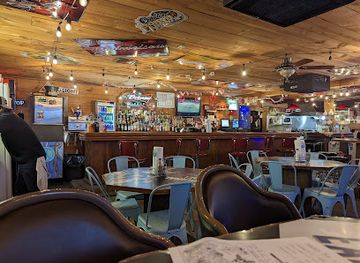
Grill
Harbor Bar
Experience the heart of Coleharbor at Harbor Bar, where delicious grilled dishes meet warm hospitality in a charming North Dakota setting.
Best nightclubs in Turtle Mountains
Evenings in the Turtle Mountains are centred on local bars, casual restaurants, community gatherings and the quiet pleasures of lake and forest settings rather than a large club scene. Bottineau is the most likely place to find a choice of pub-style venues and social drinking spaces, while Dunseith and Belcourt have smaller, community-oriented evening options. Nightlife can be seasonal and may be limited outside the main towns, with early starts common for fishing, hiking and winter recreation. Visitors should not assume that a rural venue operates late or that food service is available throughout the evening; checking locally is sensible. In warmer months, campgrounds and lakeside accommodation create an outdoor social atmosphere, while winter evenings often focus on indoor gatherings, snowmobile travel and informal meals. Alcohol rules and service practices follow North Dakota law, and visitors should arrange a safe, sober journey when staying beyond walking distance of their accommodation.
-
Irish pub
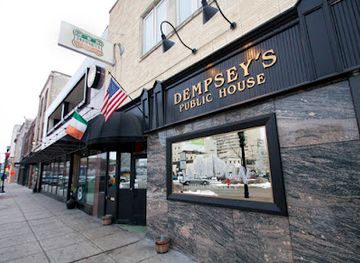
Dempsey's Public House
Experience the lively spirit of Ireland at Dempsey's Public House in Fargo, where great food, live music, and good times await.
-
Casino
Sky Dancer Casino & Resort
Discover the thrill of gaming, diverse dining, and live entertainment at Sky Dancer Casino & Resort in North Dakota.
-
Bar
The Windbreak
Discover The Windbreak: Fargo's ultimate bar and live music venue for an unforgettable night of entertainment and fun!
-
Sports bar
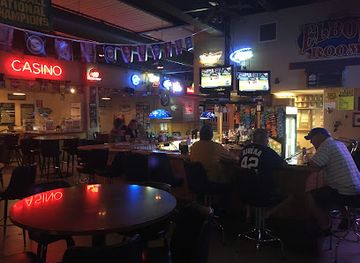
The Elbow Room
Experience the thrill of sports and gaming at The Elbow Room, Bismarck's vibrant sports bar and casino destination.

Best shops in Turtle Mountains
Shopping in the Turtle Mountains is concentrated in the small communities rather than in a major retail district. Bottineau is the principal place for everyday supplies, outdoor necessities, groceries, gifts and locally oriented services, while Dunseith and Belcourt provide more limited shopping for residents and travellers. Visitors may find locally made crafts, artwork, books, clothing and food products through community shops, seasonal events or markets, although availability changes and should not be assumed year-round. Produce, baked goods and preserves can appear at farmers’ markets or informal seasonal stalls when local organisers are operating them. Around Lake Metigoshe and the state park, shops are more likely to serve campers, anglers and holidaymakers than to offer a specialised souvenir range. Purchases connected with the Turtle Mountain Band of Chippewa Indians should be made from Indigenous artists, community organisations or reputable sellers who identify the maker clearly. The International Peace Garden may offer commemorative or garden-related items, but crossing into Canada to shop involves separate customs and border considerations. Given the distances between towns, stock up on essentials before heading into the forested uplands.
-
Department store
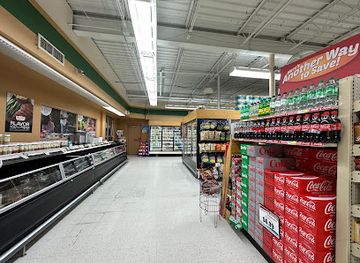
Walmart Supercenter
Discover the convenience of Walmart Supercenter in Bottineau, ND, offering groceries, electronics, clothing, and more for all your shopping needs.
-
Grocery store
Leevers Foods
Discover fresh local produce and a variety of grocery essentials at Leevers Foods in Rolla, North Dakota.
-
Grocery store
Wayne's Food Pride
Experience the heart of Dunseith with local flavors at Wayne's Food Pride, your go-to grocery store for fresh produce and unique North Dakota products.
-
General store
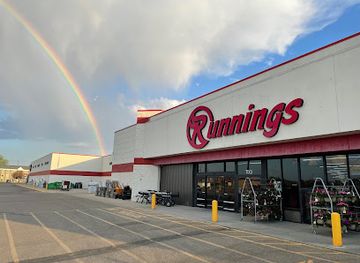
Runnings
Discover Runnings in Bottineau, your go-to destination for clothing, outdoor gear, and local treasures in North Dakota.

Get your free copy of our complete guide to Turtle Mountains, delivered straight to you.
Everything on this page, from attractions and restaurants to essentials and local phrases, in one PDF you can read offline, print or share.
Already have an account? Sign in
Your Turtle Mountains guide is ready.
We'll send it to · Not you? Sign out

Getting your guide ready…
We are putting together a fresh copy of the Turtle Mountains guide. This can take up to a minute.
This can take a few moments. If your browser asks, choose Allow so the download can start. You'll find the guide in your Downloads folder.
Nothing happened? Download it again
Sorry, the guide is taking longer than usual. Please try again in a minute, or get it by email instead.
Turtle Mountains essentials
Currency and Payment
Safety
Emergency Situations
Do's and Don'ts
Local Tips
From Eve
Local phrases worth knowing
You don't need to get them perfect. A few words go a long way, and locals appreciate the effort.
Basics
| English | Local | Say it |
|---|---|---|
| Hello | Hau | [How] |
| Goodbye | Na na | [Nah nah] |
| Yes | Ee | [Ee] |
| No | Na | [Nah] |
| Please/You're welcome | T'ank you | [T'ank you] |
| Thank you | Miigwech | [Mee-gwetch] |
| Excuse me/Sorry | Niawen | [Nee-ah-wen] |
| How are you? | Kina wiiya | [Kee-nah wee-yah] |
| Fine. And you? | Nin gwayak | [Nin gwah-yak] |
| Do you speak English? | Nin gwayak i'kwe wii-ij | [Nin gwah-yak ee-kwey wee-ij] |
| I don't understand | Nin gwayak niin i'kwe | [Nin gwah-yak nee-in ee-kwey] |
Eating & Drinking
| English | Local | Say it |
|---|---|---|
| I'd like to see the menu, please | Nin gwayak menu, t'ank you | [Nin gwah-yak men-oo, t'ank you] |
| I don't eat meat | Nin gwayak niin mishi | [Nin gwah-yak nee-in mee-shee] |
| Cheers! | Nin gwayak, n'kwe! | [Nin gwah-yak, n'kweh!] |
| I would like to pay, please | Nin gwayak niin bay, t'ank you | [Nin gwah-yak nee-in bay, t'ank you] |
Emergencies
| English | Local | Say it |
|---|---|---|
| Help! | Help! | [Help!] |
| Go away! | Nin gwayak go away! | [Nin gwah-yak go away!] |
| Call the Police! | Call Police! | [Call Police!] |
| Call a doctor! | Call doctor! | [Call doctor!] |
| I'm lost | Nin gwayak lost | [Nin gwah-yak lost] |
| I'm ill | Nin gwayak ill | [Nin gwah-yak ill] |
Shopping
| English | Local | Say it |
|---|---|---|
| I'd like to buy... | Nin gwayak niin buy... | [Nin gwah-yak nee-in buy...] |
| I'm just looking | Nin gwayak i'kwe | [Nin gwah-yak ee-kwey] |
| How much is it? | Kina wiiya i'kwe? | [Kee-nah wee-yah ee-kwey?] |
| That's too expensive | Nin gwayak niin expensive | [Nin gwah-yak nee-in ex-pen-sive] |
| Can you lower the price? | Nin gwayak niin lower price? | [Nin gwah-yak nee-in low-er price?] |
Time & Numbers
| English | Local | Say it |
|---|---|---|
| What time is it? | Kina wiiya time? | [Kee-nah wee-yah time?] |
| It's one o'clock | I'kwe one o'clock | [Ee-kwey one o'clock] |
| Half past (10) | Half past ten | [Half past ten] |
| Morning | Nin gwayak morning | [Nin gwah-yak morning] |
| Afternoon | Nin gwayak afternoon | [Nin gwah-yak afternoon] |
| Evening | Nin gwayak evening | [Nin gwah-yak evening] |
| Yesterday | Nin gwayak yesterday | [Nin gwah-yak yesterday] |
| Today | Nin gwayak today | [Nin gwah-yak today] |
| Tomorrow | Nin gwayak tomorrow | [Nin gwah-yak tomorrow] |
| 1 | Nin | [Nin] |
| 2 | Niis | [Nees] |
| 3 | Nis | [Nees] |
| 4 | Nii | [Nee] |
| 5 | Nin | [Nin] |
| 6 | Nin | [Nin] |
| 7 | Nin | [Nin] |
| 8 | Nin | [Nin] |
| 9 | Nin | [Nin] |
| 10 | Nin | [Nin] |
Transport & Directions
| English | Local | Say it |
|---|---|---|
| Where's a/the...? | Where's a/the...? | [Where's a/the...?] |
| What's the address? | What's the address? | [What's the address?] |
| Can you show me (on the map)? | Can you show me? | [Can you show me?] |
| When's the next (bus)? | When's the next (bus)? | [When's the next (bus)?] |
| A ticket (to ....) | A ticket (to ....) | [A ticket (to ....)] |
History of Turtle Mountains
Glacial Formation and Early Indigenous Landscapes
The Turtle Mountains were shaped by the last Ice Age, whose glaciers left a hummocky upland of lakes, wetlands and forest rising above the surrounding prairie. This varied environment supported hunting, fishing, gathering and travel long before European settlement. Archaeological evidence across the wider region records an ancient Indigenous presence, although individual sites should not be treated as public attractions without appropriate authorisation. The landscape’s combination of water, woodland and open grassland helped make the Turtle Mountains a significant ecological and cultural meeting place.
Ojibwe and Métis Connections
Ojibwe communities have longstanding connections with the Turtle Mountains, and the Turtle Mountain Band of Chippewa Indians remains centred in the region around Belcourt. The area also became important to Métis families and communities whose lives connected prairie trade, seasonal movement and kinship networks across what later became the United States–Canada boundary. These histories do not fit neatly within modern state or national borders. Contemporary visitors should recognise that the region’s Indigenous history is living, represented through community institutions, cultural knowledge and continuing political identity.
Border-Making and the United States–Canada Boundary
The international boundary formalised a political division across a landscape that had long been used through Indigenous, family and trading connections. North Dakota became a US state in 1889, while the Turtle Mountains continued to function as a cross-border cultural and ecological area. Modern border controls affect travel, even though the hills and lakes themselves do not stop at the line. The International Peace Garden, established in 1932 on the border between North Dakota and Manitoba, reflects a later effort to express peaceful relations between the two countries.
Homesteading, Agriculture and Timber
During the late nineteenth and early twentieth centuries, settlers entered the region through federal land policies and the expansion of transport and agricultural markets. Farms developed around the margins of the upland, while timber from the wooded hills supplied local needs and supported small-scale economic activity. The Turtle Mountains were never transformed into a large industrial centre; instead, communities such as Bottineau and Dunseith grew as local service and trading centres. The present landscape still shows this combination of cultivated prairie, woodland and small settlements.
The Turtle Mountain Reservation and Community Life
The Turtle Mountain Band of Chippewa Indians has its reservation headquarters at Belcourt, making the community an important centre of Indigenous governance and public life in North Dakota. Reservation history includes the pressures imposed by federal policy, restrictions on land and political autonomy, and the continuing work of cultural renewal and community development. A responsible visit distinguishes the reservation from a conventional tourist attraction: public facilities and events may welcome visitors, but access to cultural activities, ceremonies and private places should never be assumed.
Conservation and Recreation in the Twentieth Century
As farming and settlement changed the surrounding prairie, public conservation created protected settings for the region’s lakes, woods and wildlife. Lake Metigoshe State Park preserves a particularly accessible part of the upland for camping and water-based recreation, while Turtle Mountain State Forest protects additional woodland used for outdoor activities. The International Peace Garden added a formal horticultural and commemorative landscape to the border country. Together these places helped shape the modern visitor identity of the Turtle Mountains without displacing their agricultural and Indigenous foundations.
Turtle Mountains in Photos
Browse through our photo collection highlighting the charm and character of the destination.
Neighbouring regions of Turtle Mountains
The closest regions to Turtle Mountains, if you have time for more than one.
-

-
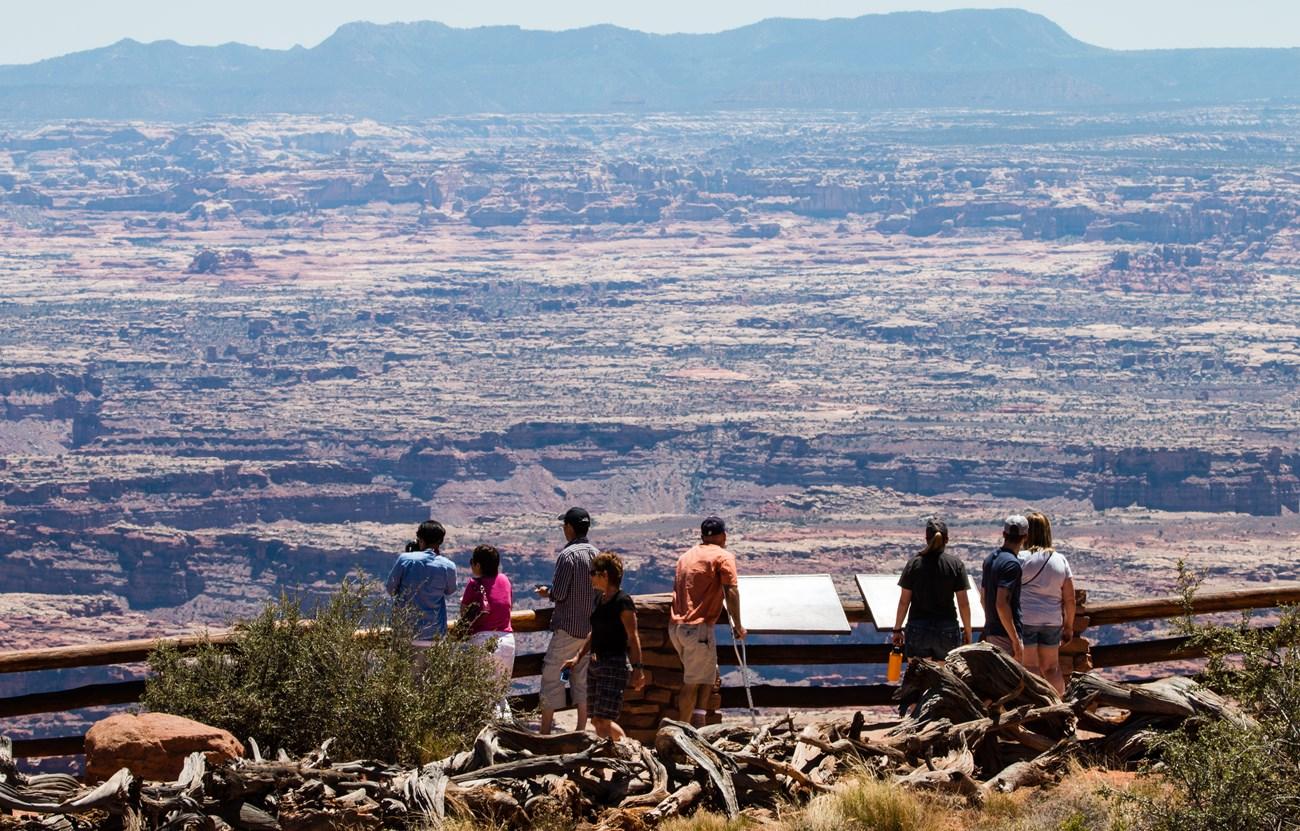 Devils Lake Basin
 combines walleye fishing, prairie wildlife, Indigenous history and open-water recreation in north-eastern North Dakota.
-

-

-


Swipe for more regions
Explore more
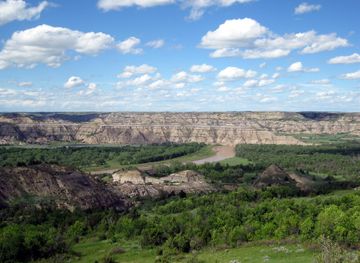
Explore more of North Dakota
Discover the rugged beauty, rich history, and warm hospitality of North Dakota, the untamed frontier of the United States.
Explore North Dakota