

Free Finnmark Travel Guide & Mobile App
Explore Finnmark with free travel guides. Discover regional history, expert tips, proposed trips, and audio guides on web or mobile app.


Explore Finnmark’s Arctic coast, Sámi culture, northern lights, prehistoric rock art and spacious landscapes across Norway’s far north.
Read more about Finnmark
When is the best time to visit Finnmark?
Best: June–August · 14–17°C| Month | High (°C) | Rainfall (mm) |
|---|---|---|
| January | -4 | 30 |
| February | -4 | 25 |
| March | 0 | 25 |
| April | 5 | 20 |
| May | 10 | 25 |
| June (best) | 14 | 30 |
| July (best) | 17 | 35 |
| August (best) | 17 | 35 |
| September | 12 | 30 |
| October | 6 | 25 |
| November | 1 | 30 |
| December | -3 | 35 |
Getting to and around Finnmark
How to get there
Transportation
Top city travel guides in Finnmark
The cities of Finnmark, and the easiest places to base yourself.

Swipe for more cities
Destinations in Finnmark
Resorts, valleys and scenic spots worth a trip of their own.
-

-


Swipe for more destinations
Best attractions in Finnmark
Finnmark’s attractions range from prehistoric art and Sámi cultural institutions to exposed coastlines, river valleys and Arctic wildlife. The Alta Museum presents the rock carvings at Hjemmeluft, while Alta also provides access to the Alta watershed and the dramatic Sautso canyon. Stabbursdalen National Park combines mountain scenery with protected northern pine woodland, and the Varanger Peninsula offers tundra landscapes, birdwatching and long-distance walking in a particularly open coastal setting. Nordkapp on Magerøya is the region’s most famous scenic destination, though the surrounding island and fishing communities are as important to understanding the area as the cliff itself. Vardø’s fortress and bird-rich surroundings add historical and natural interest in the east, while Kirkenes is a base for exploring the Barents borderlands. Inland Karasjok and Kautokeino provide opportunities to learn about Sámi culture, handicrafts and reindeer-herding traditions through established local institutions and experiences. In winter, snow-based activities and northern-lights excursions are major draws; in summer, hiking, fishing, paddling and wildlife observation take advantage of the midnight sun.
-
Tourist attraction
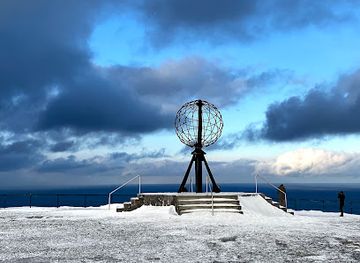
North Cape
Experience the breathtaking beauty and rich history of North Cape, Norway's iconic Arctic landmark, where adventure meets tranquility.
-
Tourist attraction
Alta Museum - World Heritage Center for Rock carvings
Explore the ancient rock carvings and rich history of Northern Norway at the Alta Museum, a UNESCO World Heritage site.
-
Tourist attraction
Nordkapphallen
Experience the breathtaking beauty and rich cultural heritage at Nordkapphallen, the northernmost point of mainland Europe.
-
Tourist attraction
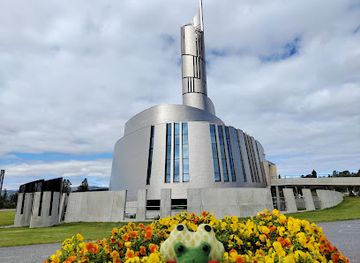
Cathedral of The Northern Lights
Discover the architectural beauty and spiritual serenity of the Cathedral of The Northern Lights in Alta, Norway, a must-visit for every traveler.
Best landmarks in Finnmark
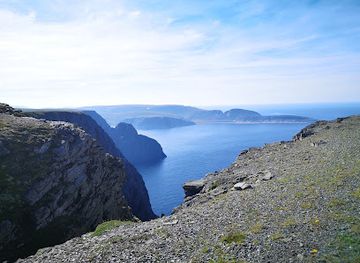
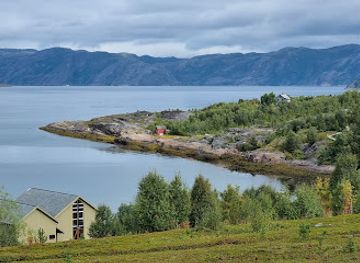
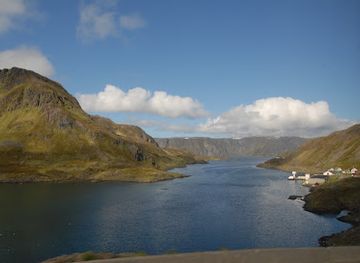
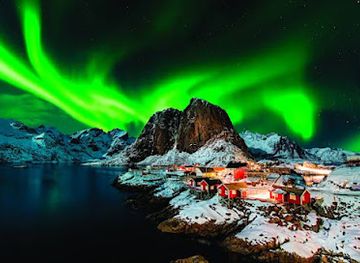
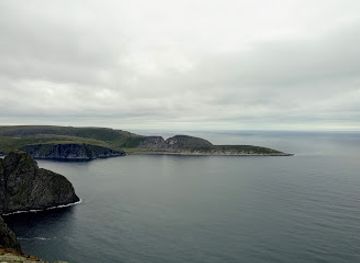
Nordkapp’s high cliff and broad plateau form Finnmark’s most recognisable natural landmark, facing the Barents Sea from Magerøya. On the mainland, Vardøhus Fortress stands as a visible reminder of Norway’s historic authority and military concerns in the far north, while the town’s exposed position gives the monument a distinctly maritime setting. The Alta rock-art sites at Hjemmeluft are landmarks of global archaeological importance, with carved images preserved on the shore terraces above Altafjord. In the east, the Varanger landscape is marked by open tundra, low horizons and coastal headlands rather than monumental architecture. Stabbursdalen’s northern pine forest is geographically significant within the Arctic landscape, and the Alta River’s Sautso canyon demonstrates the scale of the inland terrain. In Karasjok, the Sámi Parliament building is an important contemporary architectural and political symbol, reflecting the continuing public presence of Sámi governance and identity in Finnmark.
-
Historical place
North Cape
Discover the breathtaking North Cape, the northernmost point of Europe, where stunning cliffs meet the Arctic Ocean in Norway's wild beauty.
-
Museum
Alta Museum - World Heritage Center for Rock carvings
Explore Alta Museum, a UNESCO World Heritage site, home to ancient rock carvings and rich Sámi culture in breathtaking surroundings.
-
Tourist attraction
Nordkapphallen
Experience the breathtaking landscapes and rich culture at Nordkapphallen, the iconic gateway to the North Cape in Norway.
-
Cathedral
Cathedral of The Northern Lights
Discover the breathtaking Cathedral of The Northern Lights in Alta, a modern architectural gem reflecting the beauty of Norway's natural wonders.
Explore Finnmark on the map
Plan your trip on one map. See where the top cities, national parks and sights are, and book hotels and experiences in a few clicks.
Best hotels in Finnmark
Best restaurants in Finnmark
Finnmark’s food reflects both the Barents Sea and the interior plateau. Coastal menus commonly draw on cod, halibut, Arctic char, prawns and king crab, while inland cooking may feature reindeer, game, berries, mushrooms and freshwater fish. Reindeer meat is associated with Sámi and northern food traditions, but it should not be presented as a single representative dish for every community. In towns such as Alta, Hammerfest, Vadsø and Kirkenes, visitors will find cafés, bakeries, pubs and restaurants alongside more contemporary kitchens using regional ingredients. Small coastal settlements may have limited dining choices outside the main season, so planning ahead is sensible. Local food shops and markets can be useful for cloudberries, dried fish, smoked products and other regional supplies, although availability varies by season. Norwegian staples, international food and simple self-catering provisions are widely available in larger centres, while rural accommodation may offer a more structured meal service than an open-ended restaurant scene.
-
Restaurant
Corner Spiseri
Experience authentic Norwegian cuisine at Corner Spiseri in Honningsvåg - where local flavors meet cozy ambiance.
-
Hotel
Sorrisniva
Discover Sorrisniva: A luxurious hotel offering fine dining and outdoor adventures in Alta's stunning natural landscape.
-
Restaurant
Trasti & Trine
Discover culinary delights and thrilling dogsled adventures at Trasti & Trine in Alta, Norway – an unforgettable Arctic experience awaits!
-
Restaurant
Restaurant Sami Siida Alta
Discover authentic Sami cuisine at Restaurant Sami Siida Alta - where tradition meets modern dining in breathtaking surroundings.
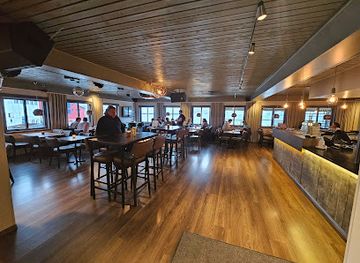
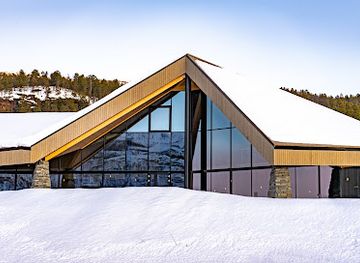
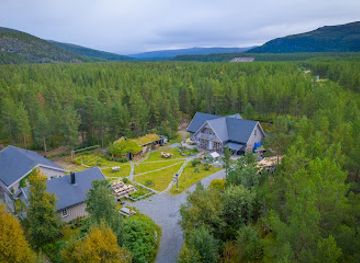
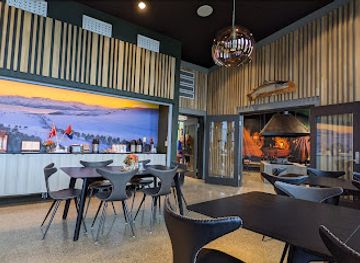
Best bars in Finnmark
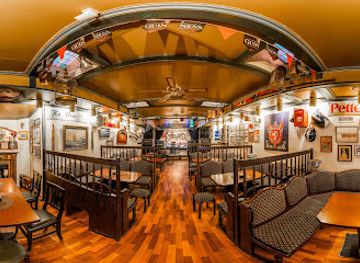
Finnmark’s evening life is modest and community-oriented rather than centred on a large club scene. In Alta, Hammerfest and Kirkenes, visitors will find pubs, hotel bars, cafés and occasional live-music or cultural events, with the greatest choice in the larger towns. Coastal communities commonly rely on traditional pubs and social venues, while smaller inland settlements may have little nightlife beyond a local bar, restaurant or community event. Winter visitors often spend evenings at organised northern-lights or snow activities rather than moving between venues, and summer’s persistent daylight changes the usual rhythm of going out. Some breweries and locally focused drinks businesses contribute to the regional scene, but opening arrangements can be seasonal. Drink responsibly, plan transport in advance and avoid assuming that remote destinations will have late-night taxis or venues open every day.
-
 Hotel
HotelScandic Alta
Discover the perfect blend of comfort and adventure at Scandic Alta, your gateway to Northern Norway’s breathtaking landscapes.
-
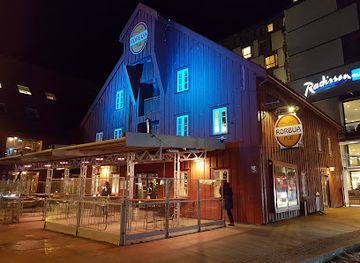
Gastropub
Rorbua Pub
Experience the heart of Tromsø at Rorbua Pub, where local flavors and lively music create an unforgettable dining experience.
-
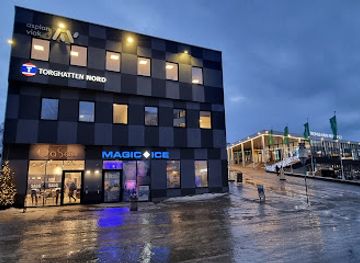
Bar
Magic Ice Bar Tromsø
Explore the Magic Ice Bar in Tromsø, a stunning blend of art and nightlife where every drink is served in a unique ice glass.
-
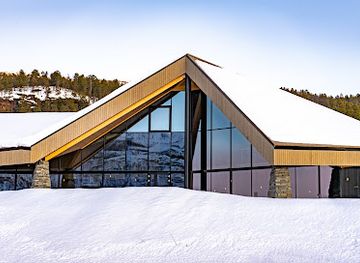
Hotel
Sorrisniva
Experience the magic of the Arctic at Sorrisniva, where luxury meets nature in a stunning ice hotel and exquisite dining.
Best nightclubs in Finnmark
Finnmark’s evening life is modest and community-oriented rather than centred on a large club scene. In Alta, Hammerfest and Kirkenes, visitors will find pubs, hotel bars, cafés and occasional live-music or cultural events, with the greatest choice in the larger towns. Coastal communities commonly rely on traditional pubs and social venues, while smaller inland settlements may have little nightlife beyond a local bar, restaurant or community event. Winter visitors often spend evenings at organised northern-lights or snow activities rather than moving between venues, and summer’s persistent daylight changes the usual rhythm of going out. Some breweries and locally focused drinks businesses contribute to the regional scene, but opening arrangements can be seasonal. Drink responsibly, plan transport in advance and avoid assuming that remote destinations will have late-night taxis or venues open every day.
-
Pub
Fun Pub Tromso As
Discover the lively nightlife of Fun Pub Tromsø, where great drinks, music, and a vibrant atmosphere come together for an unforgettable evening.
-
Night club
Vaskeriet
Experience Bergen's vibrant nightlife at Vaskeriet, a stylish nightclub and cocktail bar buzzing with energy and creativity.
-
Pub
Nordpol Kro AS
Experience the vibrant culture and local flavors at Nordpol Kro AS, a top destination for food and drinks in Vardø, Norway.
-
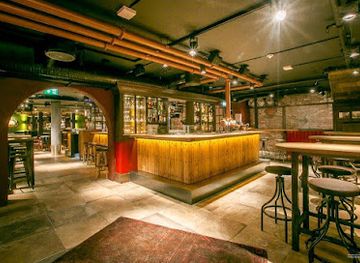
Restaurant
Fresh
Explore the vibrant flavors of Norway at Fresh, Hammerfest's premier restaurant and cocktail bar serving fresh, local cuisine.
Best shops in Finnmark
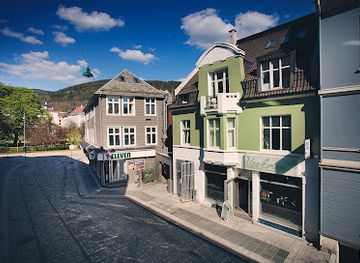
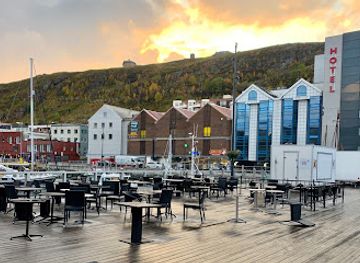
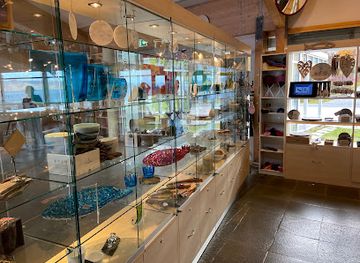
Shopping in Finnmark is concentrated in town centres rather than large retail districts. Alta offers the broadest general selection, including practical outdoor equipment, food shops, cafés and independent businesses, while Hammerfest, Kirkenes, Vadsø and other settlements serve their local communities with smaller high streets and shopping areas. Sámi duodji, or traditional handicraft, may include textiles, clothing, leatherwork, woodwork and objects made from reindeer materials; buy from reputable makers and ask about provenance, since authentic craft traditions should not be confused with generic Arctic souvenirs. Local food products such as dried fish, smoked goods, berries and regional preserves can make useful gifts, subject to customs rules and transport limitations. Galleries, craft outlets and museum shops are often better places to look for locally connected items than souvenir stalls. Stock up on specialist outdoor clothing and supplies in larger towns before travelling into remote districts, where retail choice can be very limited.
-
Museum
Alta Museum - World Heritage Center for Rock carvings
Discover the ancient rock carvings and rich history of Norway at the Alta Museum, a UNESCO World Heritage site in Northern Norway.
-
Tourist attraction
Nordkapphallen
Explore the breathtaking Nordkapphallen, the northernmost point of Europe, where stunning landscapes, rich culture, and unforgettable experiences await.
-
Tourist attraction
The Royal and Ancient Polar Bear Society
Visit The Royal and Ancient Polar Bear Society in Hammerfest, Norway, and immerse yourself in the world of polar bears and Arctic conservation efforts.
-
Dogsled ride service
Holmen Husky Lodge
Discover the thrill of dogsledding and cozy lodging in the stunning Arctic landscapes of Alta, Norway at Holmen Husky Lodge.
Get your free copy of our complete guide to Finnmark, delivered straight to you.
Everything on this page, from attractions and restaurants to essentials and local phrases, in one PDF you can read offline, print or share.
Already have an account? Sign in
Your Finnmark guide is ready.
We'll send it to · Not you? Sign out

Getting your guide ready…
We are putting together a fresh copy of the Finnmark guide. This can take up to a minute.
This can take a few moments. If your browser asks, choose Allow so the download can start. You'll find the guide in your Downloads folder.
Nothing happened? Download it again
Sorry, the guide is taking longer than usual. Please try again in a minute, or get it by email instead.
Finnmark essentials
Currency and Payment
Safety
Emergency Situations
Do's and Don'ts
Local Tips
From Eve
Local phrases worth knowing
You don't need to get them perfect. A few words go a long way, and locals appreciate the effort.
Basics
| English | Local | Say it |
|---|---|---|
| Hello | Hallo | [HAH-lo] |
| Goodbye | Ha det | [HAH deh] |
| Yes | Ja | [YAH] |
| No | Nei | [NAY] |
| Please/You're welcome | Vær så snill/Ingen årsak | [VAIR shoh snil/IN-yen OHR-sahk] |
| Thank you | Takk | [TAHK] |
| Excuse me/Sorry | Unnskyld | [OON-shild] |
| How are you? | Hvordan har du det? | [VOHR-dahn hahr doo deh?] |
| Fine. And you? | Bra. Og du? | [BRAH. OHG doo?] |
| Do you speak English? | Snakker du engelsk? | [SNAH-kker doo ENG-elsk?] |
| I don't understand | Jeg forstår ikke | [YAY for-STOHR IHK-keh] |
Eating & Drinking
| English | Local | Say it |
|---|---|---|
| I'd like to see the menu, please | Jeg vil gjerne se menyen, vær så snill | [YAY vil YAR-neh seh MEH-nyen, VAIR shoh snil] |
| I don't eat meat | Jeg spiser ikke kjøtt | [YAY SPEE-ser IHK-keh SHYET] |
| Cheers! | Skål! | [SKOHL!] |
| I would like to pay, please | Jeg vil gjerne betale, vær så snill | [YAY vil YAR-neh beh-TAH-leh, VAIR shoh snil] |
Emergencies
| English | Local | Say it |
|---|---|---|
| Help! | Hjelp! | [YELP!] |
| Go away! | Gå bort! | [GOH BORT!] |
| Call the Police! | Ring politiet! | [RING poo-LEE-teht!] |
| Call a doctor! | Ring en lege! | [RING en LEH-geh!] |
| I'm lost | Jeg er tapt | [YAY air TAAPT] |
| I'm ill | Jeg er syk | [YAY air SUEK] |
Shopping
| English | Local | Say it |
|---|---|---|
| I'd like to buy... | Jeg vil gjerne kjøpe... | [YAY vil YAR-neh SHYEP-eh...] |
| I'm just looking | Jeg ser bare | [YAY SEHR BAH-reh] |
| How much is it? | Hvor mye koster det? | [VOHR MYEH kOHS-ter deh?] |
| That's too expensive | Det er for dyrt | [DEH air fohr DEERT] |
| Can you lower the price? | Kan du senke prisen? | [KAHN doo SEN-keh PREE-sen?] |
Time & Numbers
| English | Local | Say it |
|---|---|---|
| What time is it? | Hva er klokka? | [HVAH air KLOK-kah?] |
| It's one o'clock | Den er ett | [DEN air EHT] |
| Half past (10) | Halv ti | [HALV TEE] |
| Morning | Morgen | [MOHR-gen] |
| Afternoon | Ettermiddag | [ET-ter-MID-dahg] |
| Evening | Kveld | [KVELD] |
| Yesterday | I går | [EE gohr] |
| Today | I dag | [EE dahg] |
| Tomorrow | I morgen | [EE MOHR-gen] |
| 1 | 1 | [1] |
| 2 | 2 | [2] |
| 3 | 3 | [3] |
| 4 | 4 | [4] |
| 5 | 5 | [5] |
| 6 | 6 | [6] |
| 7 | 7 | [7] |
| 8 | 8 | [8] |
| 9 | 9 | [9] |
| 10 | 10 | [10] |
Transport & Directions
| English | Local | Say it |
|---|---|---|
| Where's a/the...? | Hvor er en/den...? | [VOHR air en/DEN...?] |
| What's the address? | Hva er adressen? | [HVAH air ah-DRESS-en?] |
| Can you show me (on the map)? | Kan du vise meg (på kartet)? | [KAHN doo VEE-seh MYG (poh KAR-teht)?] |
| When's the next (bus)? | Når går den neste (bussen)? | [NAR gohr DEN NEST-eh (BOO-sen)?] |
| A ticket (to ....) | En billett (til ...) | [EN BEE-lett (til ...)] |
History of Finnmark
Early settlement and Sámi lifeways
People have used Finnmark’s coasts, rivers and inland hunting grounds since the retreat of the last ice sheet. Archaeological evidence records changing combinations of fishing, hunting, trapping and seasonal movement over many thousands of years. Sámi societies developed across the north through varied local economies, including coastal fishing, river use and reindeer husbandry; no single pattern describes all Sámi communities. Rock art and other archaeological remains reveal long histories of human engagement with the region’s animals, waterways and seasonal landscapes.
Alta’s prehistoric rock art
The rock carvings around Alta, particularly at Hjemmeluft, were made over a long period from the late Stone Age into the early metal-working period. They depict animals, boats, hunting scenes and human figures, offering evidence of beliefs and activities in prehistoric northern Scandinavia. The Alta rock art sites are recognised by UNESCO as a World Heritage property. Their importance lies not only in their age but also in the scale and concentration of the carvings, which provide an unusually rich record of life in ancient Finnmark.
Norse, Sámi and Kven encounters in the medieval north
During the medieval period, Finnmark formed part of a wider northern world connected to Norway, Sweden, Finland and the Russian lands. Coastal trade, taxation and religious influence brought the region into stronger contact with expanding states, while Sámi communities maintained their own social and economic systems. Kven migration from what is now northern Finland also contributed to the region’s cultural history, especially in eastern and coastal areas. These overlapping identities remain visible in place names, languages, traditions and settlement patterns.
Borderlands, churches and royal administration
From the early modern period, stronger state administration and Christian institutions altered life in Finnmark. Fishing villages, trading posts and churches became important points of contact between local communities and authorities. The region’s eastern position also gave it strategic significance, with competing interests involving Denmark-Norway, Sweden and Russia. Vardøhus Fortress, whose origins lie in medieval royal power and whose later form dates largely from the seventeenth century, symbolises Norway’s long effort to administer and defend its far-northern frontier.
Fishing, trade and the growth of coastal towns
The sea has long been central to Finnmark’s economy. Cod fisheries, local boat traffic and trade with southern Norway and the wider Barents region supported settlements along the coast. Hammerfest received town privileges in the eighteenth century and developed as a commercial and maritime centre, while Vardø, Vadsø and other ports acquired their own trading roles. Modern infrastructure, improved roads and communications later connected these communities more closely with the Norwegian state, without removing the importance of fishing and marine resources.
War, evacuation and reconstruction
Finnmark was heavily affected by the Second World War. German forces used the region’s ports and communications, and the retreat of German troops in 1944–45 involved forced evacuation and widespread destruction in northern Norway. Many settlements, including Hammerfest and Kirkenes, suffered severe damage, while homes, public buildings and infrastructure had to be rebuilt. Post-war reconstruction reshaped the towns and strengthened state services, but memories of evacuation, wartime hardship and return remain an important part of regional history.
Modern Sámi cultural and political renewal
The twentieth century brought both pressure to assimilate Sámi people and a later revival of Sámi language, cultural expression and political organisation. The Sámi Parliament in Karasjok, opened in 1989, is a prominent symbol of this modern political development, although Sámi life extends far beyond any single institution. Contemporary Finnmark includes Sámi, Norwegian and Kven identities, with museums, schools, artists, festivals and businesses contributing to a more visible public recognition of the region’s cultural diversity.
Finnmark in Photos
Browse through our photo collection highlighting the charm and character of the destination.
Neighbouring regions of Finnmark
The closest regions to Finnmark, if you have time for more than one.
-

-

-

-

-


Swipe for more regions
Explore more

Explore more of Norway
Explore Norway's spectacular fjords, vibrant cities, and natural wonders. Experience the Northern Lights, Midnight Sun, and rich cultural heritage in this Scandinavian gem.
Explore Norway