

Finnmark Plateau Travel Guide - Free Web & App
Your ultimate guide to Finnmark Plateau. Discover top landmarks, proposed trips, and local tips. Free on the web or via the Evendo companion app.


Finnmark Plateau in Norway reveals Sámi culture, open tundra, reindeer country, winter lights, hiking, skiing and Arctic landscapes around Alta and Kautokeino.
A Vast Northern Landscape
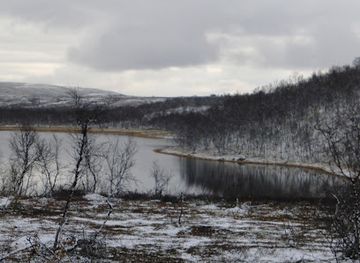
Finnmark Plateau, known in Norwegian as Finnmarksvidda, is a broad, sparsely settled upland in Norway’s far north. Extending across the interior of Finnmark county, it is not a single fenced attraction or tightly defined national park, but a wide landscape of treeless expanses, low birch, lakes, rivers, marshes and rounded hills. Alta, Kautokeino and Karasjok are the principal gateways, although the distances between them and the scattered settlements are substantial.Read more about Finnmark Plateau
Sámi Homeland and Reindeer Country
Outdoor Experiences
When is the best time to visit Finnmark Plateau?
Best: June–August · 10–14°C| Month | High (°C) | Rainfall (mm) |
|---|---|---|
| January | -11 | 27 |
| February | -9 | 25 |
| March | -6 | 24 |
| April | -2 | 25 |
| May | 4 | 26 |
| June (best) | 10 | 21 |
| July (best) | 14 | 21 |
| August (best) | 12 | 23 |
| September | 8 | 24 |
| October | 2 | 27 |
| November | -5 | 25 |
| December | -8 | 27 |
Getting to and around Finnmark Plateau
How to get there
Transportation
Best attractions in Finnmark Plateau
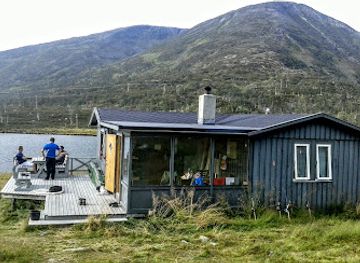
Finnmarksvidda’s principal attraction is its broad, open terrain rather than a concentration of built sights. The interior around Kautokeino and Karasjok offers long views across low hills, lake districts, birch scrub and wetlands, while the Alta river system cuts through the western side of the upland towards the Sautso canyon. The Jotka area north of Alta is associated with mountain cabins, fishing waters and expansive walking and skiing country, subject to local access arrangements. Kautokeino’s Sámi cultural institutions and craft traditions provide an important human dimension, while Karasjok’s Sámi Parliament and Sámi museum introduce the region’s contemporary political and cultural identity. Routes near Masi and the Alta waterway reveal the relationship between settlement, reindeer herding and hydroelectric development. In winter, the plateau becomes a setting for cross-country skiing and authorised snowmobile journeys; in summer, its lakes, rivers and open ground appeal to experienced hikers and paddlers prepared for remote conditions.
-
Tourist attraction
Alta Museum - World Heritage Center for Rock carvings
Explore Alta Museum, a UNESCO World Heritage site home to ancient rock carvings and rich local history in the heart of Norway.
-
Tourist attraction
Tirpitz Museum
Discover the fascinating history of the Tirpitz battleship at the Tirpitz Museum in Alta, Norway, an essential stop for history lovers.
-
Tourist attraction
Pikefossen falls
Experience the breathtaking beauty of Pikefossen Falls, a stunning waterfall in Kautokeino, Norway, perfect for nature lovers and photography enthusiasts.
-
State park
Sapmi Park
Explore the captivating Sámi culture and breathtaking landscapes at Sapmi Park in Karasjok, Norway, an enchanting state park for all ages.


Best landmarks in Finnmark Plateau
The defining landmark of Finnmarksvidda is its open plateau: a vast pattern of low ridges, lakes, wetlands and sparse birch that differs markedly from Norway’s steeper coastal mountains. The Alta river and Sautso canyon provide a dramatic geological and scenic contrast on the western side, where the river has cut deeply through the upland. Kautokeino and Karasjok are cultural landmarks as well as settlements, representing enduring centres of Sámi political, artistic and reindeer-herding life; Karasjok is home to the Sámi Parliament of Norway. The Alta river system also carries modern historical significance because plans for hydroelectric development inspired major environmental and Sámi rights protests. Around Alta, prehistoric rock art at Hjemmeluft belongs to the wider Alta rock art site, although it lies outside the plateau’s central interior. Together, these natural and cultural features explain why the plateau is understood as both an Arctic environment and a lived homeland.
-
Plateau
Finnmarksvidda
Experience the breathtaking beauty of Finnmarksvidda, Norway's majestic plateau, where nature, adventure, and culture intertwine in stunning landscapes.
Explore Finnmark Plateau on the map
Plan your trip on one map. See where the top attractions, landmarks, restaurants and hotels are, and book hotels and experiences in a few clicks.
Best hotels in Finnmark Plateau
Best restaurants in Finnmark Plateau
Dining on the Finnmark Plateau is concentrated in Alta, Kautokeino, Karasjok and the smaller settlements rather than spread through the remote interior. Menus in the region may draw on reindeer, Arctic fish, berries, mushrooms and other northern ingredients, while Sámi food traditions include preparations shaped by reindeer herding, fishing and seasonal preservation. Kautokeino and Karasjok are useful places to look for cafés, hotel dining and food connected with Sámi cultural venues, though the range is modest compared with Norway’s larger towns. Alta provides the broadest selection and is a practical place to obtain provisions before travelling inland. Farm shops, village stores and accommodation kitchens can be more relevant to long-distance visitors than restaurants, particularly outside the main settlements. Confirm opening arrangements locally and carry supplies for remote excursions, where there may be no café or shop nearby.
-
Restaurant
Fisherman s cabin
Discover the authentic flavors of Norway at Fisherman's Cabin in Alta, where fresh seafood meets traditional culinary artistry.
Best bars in Finnmark Plateau
Finnmarksvidda is not a nightlife destination, and evening options thin out rapidly beyond Alta, Kautokeino and Karasjok. In the main settlements, visitors may find a hotel bar, local pub or a modest place to meet residents, while cultural events, concerts and seasonal Sámi gatherings can provide more meaningful evening experiences when scheduled. Alta has the widest choice of conventional entertainment because it is the region’s largest service centre, but even there the atmosphere is more low-key than in Norway’s major cities. Kautokeino and Karasjok are better suited to quiet conversations, local hospitality and cultural programming than clubbing. In remote areas, evenings are shaped by the landscape itself: summer brings prolonged daylight, while winter may offer clear skies and northern-light viewing away from artificial illumination. Event programmes and venue availability vary, so check locally rather than assuming regular performances.
-
Hotel
Sorrisniva
Discover the enchanting Sorrisniva in Alta, Norway, where luxury meets nature in an unforgettable retreat with fine dining and outdoor adventures.
-
Restaurant
Trasti & Trine
Discover the magic of Trasti & Trine, where exquisite Norwegian cuisine meets thrilling dogsled adventures in the heart of Alta.
-
Restaurant
Stakeriet Mat og Vinhus
Discover the rich culinary traditions of Alta at Stakeriet Mat og Vinhus, where local flavors and artistry create an unforgettable dining experience.
-
Cafeteria
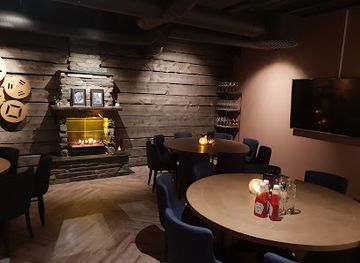
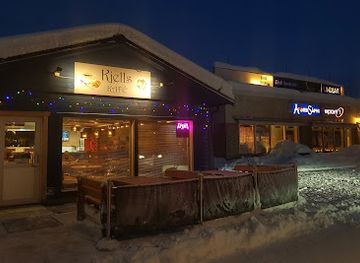
Kjell's Cafe
Discover the heartwarming flavors of Norway at Kjell's Cafe, where every meal is a delightful experience in the charming town of Karasjok.
Best nightclubs in Finnmark Plateau
Finnmarksvidda is not a nightlife destination, and evening options thin out rapidly beyond Alta, Kautokeino and Karasjok. In the main settlements, visitors may find a hotel bar, local pub or a modest place to meet residents, while cultural events, concerts and seasonal Sámi gatherings can provide more meaningful evening experiences when scheduled. Alta has the widest choice of conventional entertainment because it is the region’s largest service centre, but even there the atmosphere is more low-key than in Norway’s major cities. Kautokeino and Karasjok are better suited to quiet conversations, local hospitality and cultural programming than clubbing. In remote areas, evenings are shaped by the landscape itself: summer brings prolonged daylight, while winter may offer clear skies and northern-light viewing away from artificial illumination. Event programmes and venue availability vary, so check locally rather than assuming regular performances.
-
Plateau
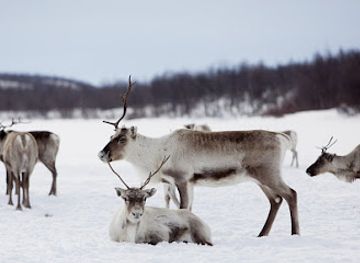
Finnmarksvidda
Explore Finnmarksvidda: A vast Norwegian plateau offering stunning landscapes, rich wildlife, and a glimpse into Sámi culture, perfect for nature lovers.
Best shops in Finnmark Plateau
Shopping on the plateau is practical and locally focused, with the main choice of goods found in Alta, Kautokeino and Karasjok. Kautokeino is especially associated with Sámi handicrafts, including duodji, the broad tradition of Sámi making expressed through items such as clothing, leatherwork, woodwork and jewellery; visitors should look for clearly identified authentic crafts and ask about their origin. Karasjok also has cultural institutions and businesses connected with Sámi design and heritage. In the smaller settlements, village shops provide food, fuel and everyday provisions rather than a large retail selection, while Alta offers the widest range of outdoor equipment and regional products. Reindeer-related goods, local art, woollen clothing, berries and other northern food products may be available, but stock varies. Buying directly from established local makers supports regional craft traditions more meaningfully than treating Sámi designs as generic souvenirs.
-
Museum
Alta Museum - World Heritage Center for Rock carvings
Explore the rich heritage of Norway at Alta Museum, home to ancient rock carvings and captivating archaeological exhibits.
-
Grocery store
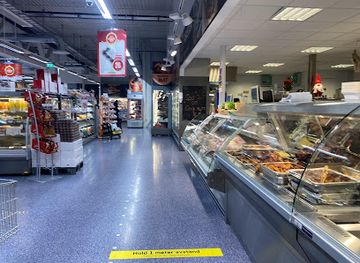
Bunnpris & Gourmet Bossekop
Explore Bunnpris & Gourmet Bossekop in Alta for a gourmet grocery experience with fresh produce and local specialties.
-
Powersports vehicle dealer
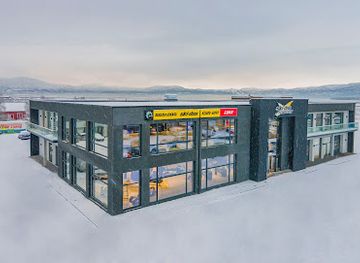
Ski-Doo Senteret AS
Experience the thrill of snowmobiling and outdoor adventures at Ski-Doo Senteret AS in Alta, Norway – your gateway to Arctic exploration!
-
Gift shop
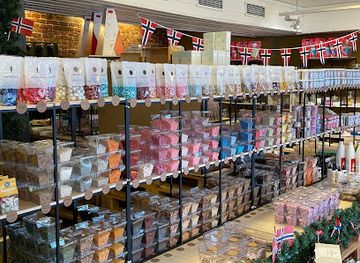
KuliNarnia by Kokkejævel
Explore KuliNarnia by Kokkejævel in Alta for unique gifts and delicious local cold cuts, capturing the essence of Norwegian culture.
Get your free copy of our complete guide to Finnmark Plateau, delivered straight to you.
Everything on this page, from attractions and restaurants to essentials and local phrases, in one PDF you can read offline, print or share.
Already have an account? Sign in
Your Finnmark Plateau guide is ready.
We'll send it to · Not you? Sign out

Getting your guide ready…
We are putting together a fresh copy of the Finnmark Plateau guide. This can take up to a minute.
This can take a few moments. If your browser asks, choose Allow so the download can start. You'll find the guide in your Downloads folder.
Nothing happened? Download it again
Sorry, the guide is taking longer than usual. Please try again in a minute, or get it by email instead.
Finnmark Plateau essentials
Currency and Payment
Safety
Emergency Situations
Do's and Don'ts
Local Tips
From Eve
Local phrases worth knowing
You don't need to get them perfect. A few words go a long way, and locals appreciate the effort.
Basics
| English | Local | Say it |
|---|---|---|
| Hello | Hei | [hay] |
| Goodbye | Ha det | [ha deh] |
| Yes | Ja | [yah] |
| No | Nei | [nay] |
| Please/You're welcome | Vær så god | [vair so goh] |
| Thank you | Takk | [tahk] |
| Excuse me/Sorry | Unnskyld | [oon-skuld] |
| How are you? | Hvordan har du det? | [vohr-dan har doo deh] |
| Fine. And you? | Bra. Og du? | [bra oh doo] |
| Do you speak English? | Snakker du engelsk? | [sna-kair doo engelsk] |
| I don't understand | Jeg forstår ikke | [yay for-stair ehn-teh] |
Eating & Drinking
| English | Local | Say it |
|---|---|---|
| I'd like to see the menu, please | Jeg vil gjerne se menyen, takk | [yay vil yair-neh seh meh-nyen, tahk] |
| I don't eat meat | Jeg spiser ikke kjøtt | [yay spee-ser ehn-teh shøt] |
| Cheers! | Skål! | [skohl] |
| I would like to pay, please | Jeg vil gjerne betale, takk | [yay vil yair-neh bet-ah-leh, tahk] |
Emergencies
| English | Local | Say it |
|---|---|---|
| Help! | Hjelp! | [yelp] |
| Go away! | Gå bort! | [goh bohrt] |
| Call the Police! | Ring politiet! | [ring poh-lee-tee-eh] |
| Call a doctor! | Ring en lege! | [ring ehn leh-geh] |
| I'm lost | Jeg har gått meg vill | [yay har goht may vil] |
| I'm ill | Jeg er syk | [yay air seek] |
Shopping
| English | Local | Say it |
|---|---|---|
| I'd like to buy... | Jeg vil kjøpe... | [yay vil shø-peh] |
| I'm just looking | Jeg ser bare | [yay sair bah-reh] |
| How much is it? | Hvor mye koster det? | [vor meh koss-tehr deh] |
| That's too expensive | Det er for dyrt | [deh ehr for deert] |
| Can you lower the price? | Kan du senke prisen? | [kahn doo sehn-keh prees-en] |
Time & Numbers
| English | Local | Say it |
|---|---|---|
| What time is it? | Hva er klokka? | [vah ehr kloh-kah] |
| It's one o'clock | Klokka er ett | [kloh-kah ehr eht] |
| Half past (10) | Halv ti | [hahlv tee] |
| Morning | Morgen | [mohr-gehn] |
| Afternoon | Ettermiddag | [et-ehr-mid-dahg] |
| Evening | Kveld | [kvehld] |
| Yesterday | I går | [ee gohr] |
| Today | I dag | [ee dahg] |
| Tomorrow | I morgen | [ee mohr-gehn] |
| 1 | Én | [ehn] |
| 2 | To | [too] |
| 3 | Tre | [trair] |
| 4 | Fire | [fee-reh] |
| 5 | Fem | [faym] |
| 6 | Seks | [sehks] |
| 7 | Syv | [seev] |
| 8 | Åtte | [oh-teh] |
| 9 | Ni | [nee] |
| 10 | Ti | [tee] |
Transport & Directions
| English | Local | Say it |
|---|---|---|
| Where's a/the...? | Hvor er...? | [vor ehr] |
| What's the address? | Hva er adressen? | [vah ehr ah-dress-en] |
| Can you show me (on the map)? | Kan du vise meg (på kartet)? | [kahn doo vee-seh may (poh kart-eh)] |
| When's the next (bus)? | Når går neste (buss)? | [nahr gohr neh-steh (booss)] |
| A ticket (to ....) | En billett (til ...) | [ehn bee-leht (teel)] |
History of Finnmark Plateau
An Ancient Upland Landscape
The Finnmark Plateau is part of the ancient Scandinavian landmass, shaped over very long geological periods and later remodelled by repeated glaciation. Ice sheets scoured the uplands, deepened valleys and left a landscape of shallow lakes, wetlands and rounded forms rather than dramatic alpine peaks. The cold climate and limited tree growth have helped preserve the plateau’s open character, while rivers such as the Alta and Tana drain its broad interior towards the Arctic coast.
Sámi Settlement and Seasonal Movement
Sámi communities have used the interior of Finnmark for generations, combining reindeer herding with fishing, hunting, gathering and trade. Seasonal movement between grazing areas remains a defining feature of the region, although modern roads, vehicles and administrative boundaries have changed how these activities are organised. Kautokeino and Karasjok developed as important centres of Sámi social, cultural and political life, and Sámi place names continue to express the detailed knowledge held in the landscape.
Mission, Administration and Changing Authority
From the early modern period, Danish-Norwegian authorities and Lutheran missionaries expanded their administrative and religious presence in Finnmark. This process brought new institutions and forms of taxation while also placing pressure on Sámi language, belief and customary practices. Trade routes and church settlements strengthened the role of inland centres, but the plateau remained lightly populated compared with southern Norway. Contemporary cultural work has helped renew public recognition of Sámi language and heritage.
The Kautokeino Uprising
In 1852, conflict in Kautokeino culminated in an uprising by Sámi people against local authorities and representatives of the established order. The event was connected to religious tensions, alcohol trading, debt and the disruptive effects of outside administration on Sámi society. Although the uprising was suppressed and its leaders were punished, it remains a significant and contested episode in the history of relations between the Norwegian state and the Sámi people. Kautokeino’s cultural institutions and commemorative traditions continue to keep this history visible.
Modern Infrastructure and Cultural Recognition
Twentieth-century roads, electricity, telecommunications and motorised transport made the plateau more accessible while also altering patterns of land use and reindeer herding. The proposed and eventual development of water infrastructure in the Alta river system during the late twentieth century prompted major environmental and Sámi rights protests, with the Alta controversy becoming nationally important. The opening of the Sámi Parliament in Karasjok in 1989 marked a major development in Sámi political recognition, while tourism now operates alongside continuing debates about land, infrastructure and conservation.
Finnmark Plateau in Photos
Browse through our photo collection highlighting the charm and character of the destination.
Neighbouring destination travel guides
The closest destinations to Finnmark Plateau, if you have time for more than one.
-

-

-

-

-


Swipe for more destinations
Explore more

Explore more of Finnmark
Discover the rugged beauty and cultural heritage of Finnmark, Norway's northern wilderness, where the Northern Lights dance and the midnight sun shines.
Explore Finnmark
Explore more of Norway
Explore Norway's spectacular fjords, vibrant cities, and natural wonders. Experience the Northern Lights, Midnight Sun, and rich cultural heritage in this Scandinavian gem.
Explore Norway