

Nordkapp Travel Guide - Free Web & App
Your ultimate guide to Nordkapp. Discover top landmarks, proposed trips, and local tips. Free on the web or via the Evendo companion app.


Nordkapp, Norway’s famous North Cape: Arctic cliffs, midnight sun, Northern Lights, Sámi heritage and island landscapes above the Barents Sea.
The North Cape Landscape
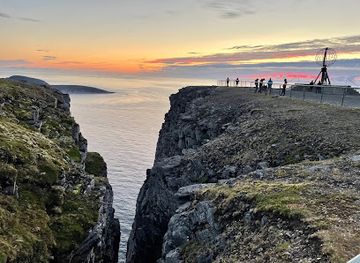
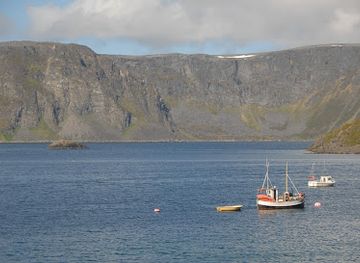
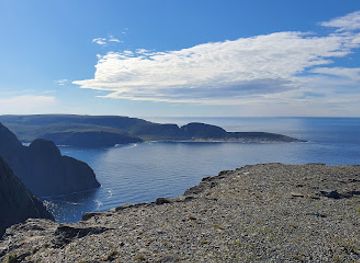
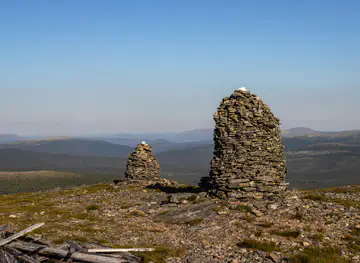
Nordkapp occupies the northern part of Magerøya, an island in Finnmark, northern Norway, where a high plateau meets the Barents Sea. The name is most closely associated with the North Cape, or Nordkapp, a dramatic cliff rising about 307 metres above the water. Although nearby Knivskjellodden extends slightly farther north, Nordkapp has become the symbolic northern extremity visited by travellers from around the world. The plateau is reached by road from Honningsvåg and presents a broad, wind-shaped Arctic landscape of exposed rock, low vegetation, lakes and coastal viewpoints.Read more about Nordkapp
Light, Weather and Wildlife
Gateway to Magerøya
When is the best time to visit Nordkapp?
Best: June–August · 12–15°C| Month | High (°C) | Rainfall (mm) |
|---|---|---|
| January | -2 | 30 |
| February | -2 | 25 |
| March | -1 | 25 |
| April | 3 | 20 |
| May | 7 | 20 |
| June (best) | 12 | 25 |
| July (best) | 15 | 30 |
| August (best) | 14 | 30 |
| September | 10 | 30 |
| October | 7 | 30 |
| November | 2 | 30 |
| December | -1 | 30 |
Getting to and around Nordkapp
How to get there
Transportation
Best attractions in Nordkapp
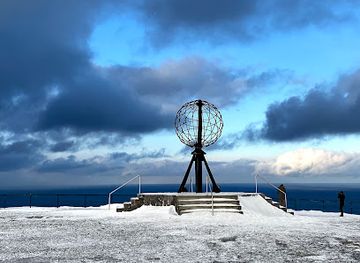
The North Cape plateau is Nordkapp’s defining attraction, with the globe monument, broad Arctic horizons and views across the Barents Sea from the high cliff. The nearby North Cape visitor centre provides exhibitions and shelter, while the route from Honningsvåg passes through open, treeless scenery characteristic of Magerøya. Knivskjellodden, reached by a demanding marked walk, offers the island’s geographically farther-north point and a different perspective on the cape. Hornvika, the historic landing place below the North Cape cliff, is associated with the earlier sea approach and is reached on foot rather than by a normal road. Gjesvær is a small fishing village and gateway for boat excursions towards Gjesværstappan, a group of offshore bird cliffs known for rich seabird life. Skarsvåg, often described as the world’s northernmost fishing village, adds a settled coastal dimension to the island’s stark natural scenery.
-
Tourist attraction
North Cape
Experience the breathtaking beauty and historical significance of North Cape, the northernmost point of Europe, where the Arctic meets adventure.
-
Tourist attraction
Nordkapphallen
Discover the breathtaking beauty and rich history of Nordkapphallen, the northernmost point of Europe, where adventure meets culture in Norway.
-
Tourist attraction
Nordkappmuseet
Explore the rich history and culture of Norway's northernmost point at Nordkappmuseet in Honningsvåg, a captivating museum experience.
-
Tourist attraction
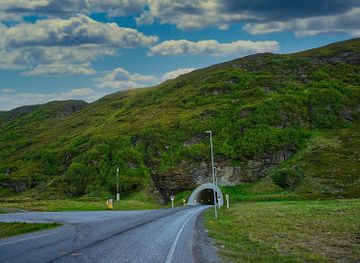
Nordkapptunnelen
Experience the breathtaking Nordkapptunnelen, an engineering marvel leading to Norway's stunning North Cape, where nature and adventure await.


Best landmarks in Nordkapp
The North Cape cliff is Nordkapp’s emblematic natural landmark, a high wall of rock rising above the Barents Sea and crowned by the recognisable globe monument. Knivskjellodden is geographically farther north and illustrates the difference between a symbolic landmark and the island’s actual northern extremity. The North Cape visitor centre is the principal built landmark on the plateau, while Hornvika preserves the memory of the historic sea approach beneath the cliffs. Offshore, Gjesværstappan forms an important coastal wildlife landmark, its sea stacks and cliffs providing breeding habitat for seabirds. Across Magerøya, the treeless uplands, exposed shoreline and scattered lakes are landmarks in their own right, expressing the island’s Arctic climate and long relationship with fishing, travel and Sámi cultural landscapes.
-
Historical place
North Cape
Explore the North Cape, Norway's breathtaking landmark at the edge of Europe, where stunning cliffs meet the Arctic Ocean, creating unforgettable memories.
-
Tourist attraction
Nordkapphallen
Discover the breathtaking beauty and rich culture at Nordkapphallen, the northernmost point of mainland Europe, where the Arctic Ocean meets dramatic cliffs.
-
 Indoor lodging
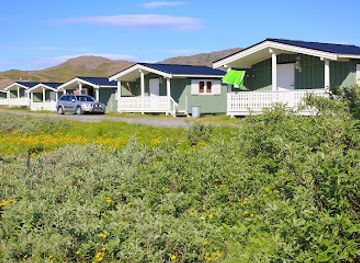
Nordkapp Camping
Discover the breathtaking beauty of Norway's Arctic at Nordkapp Camping, where adventure and comfort meet in the stunning landscapes of Honningsvåg.
-
Tourist information center
North Cape Tourist Information
Explore the North Cape Tourist Information Center, your gateway to the stunning landscapes and adventures of Northern Norway, located in the heart of Honningsvåg.
Explore Nordkapp on the map
Plan your trip on one map. See where the top attractions, landmarks, restaurants and hotels are, and book hotels and experiences in a few clicks.
Best hotels in Nordkapp
Best restaurants in Nordkapp
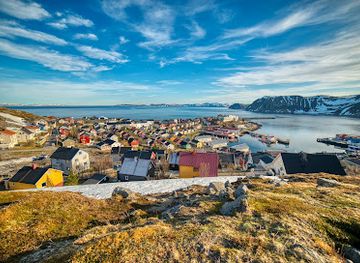
Dining on Magerøya is concentrated in Honningsvåg, with further options in smaller settlements and at seasonal visitor facilities rather than across the open plateau. Local menus reflect Finnmark’s maritime setting, with fish and seafood, alongside ingredients associated with northern landscapes such as reindeer and locally sourced produce where offered. Cafés, hotels, restaurants and traditional-style eating places in Honningsvåg provide the broadest choice, while villages such as Gjesvær and Skarsvåg offer more limited, community-scale hospitality. The North Cape visitor centre has food and refreshment facilities, but travellers should not assume that all services operate year-round or late into the evening. Sámi food traditions and regional ingredients may appear through selected cultural or culinary experiences, although availability varies by season and provider.
-
Tourist attraction
Nordkapphallen
Discover Nordkapphallen: A breathtaking blend of natural beauty and rich history at Europe's northernmost point.
-
Restaurant
Corner Spiseri
Experience authentic Norwegian cuisine at Corner Spiseri in Honningsvåg – where fresh seafood meets warm hospitality.
-
Hotel
Scandic Honningsvåg
Discover comfort and stunning Arctic views at Scandic Honningsvåg – your gateway to Norway's enchanting North Cape.
-
Bar
Artico Ice Bar AS
Discover the enchanting Artico Ice Bar AS in Honningsvåg - sip cocktails from ice glasses amidst stunning ice sculptures.
Best bars in Nordkapp
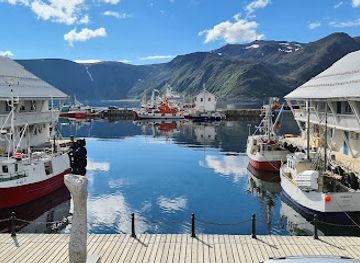
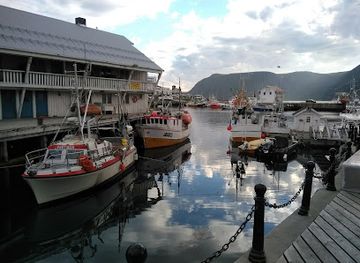
Nordkapp is not a nightlife destination, and evening entertainment is generally quiet, seasonal and centred on Honningsvåg’s hotels, pubs and restaurants rather than dedicated nightclubs. The town’s maritime character gives its evenings a local, unhurried atmosphere, with social life shaped by residents, fishing activity, visiting travellers and the seasonal cruise calendar. Smaller settlements on Magerøya have even fewer evening venues, while the North Cape plateau is primarily a landscape and visitor site rather than a place for late-night entertainment. In summer, the midnight sun naturally extends the day outdoors, whereas winter evenings may focus on warm hospitality, dining and opportunities to watch the Northern Lights when conditions allow.
-
Bar
Corner Spiseri
Discover the flavors of Honningsvåg at Corner Spiseri, where fresh seafood and local delicacies meet a vibrant atmosphere.
-
Bar
Artico Ice Bar AS
Artico Ice Bar AS: Unwind in a stunning ice-themed bar in Honningsvåg, blending winter magic with festive shopping for a unique experience.
-
Restaurant
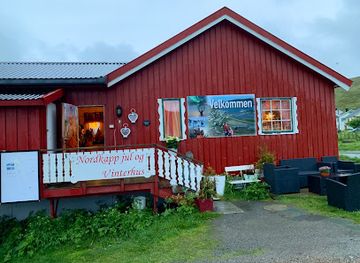
Nordkapp Jul & Vinterhus Heidi Marie Ingebrigtsen
Experience the flavors of Norway at Nordkapp Jul & Vinterhus, a cozy restaurant offering local delicacies in the breathtaking Arctic landscape.
-
Hotel
Scandic Nordkapp
Discover the beauty of Northern Norway with Scandic Nordkapp, your ideal hotel for exploring the Arctic wonders and rich cultural heritage.
Best nightclubs in Nordkapp
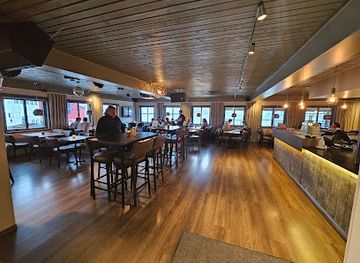
Nordkapp is not a nightlife destination, and evening entertainment is generally quiet, seasonal and centred on Honningsvåg’s hotels, pubs and restaurants rather than dedicated nightclubs. The town’s maritime character gives its evenings a local, unhurried atmosphere, with social life shaped by residents, fishing activity, visiting travellers and the seasonal cruise calendar. Smaller settlements on Magerøya have even fewer evening venues, while the North Cape plateau is primarily a landscape and visitor site rather than a place for late-night entertainment. In summer, the midnight sun naturally extends the day outdoors, whereas winter evenings may focus on warm hospitality, dining and opportunities to watch the Northern Lights when conditions allow.
-
Tourist attraction
Nordkapphallen
Discover Nordkapphallen, the breathtaking northernmost point of Europe, where stunning landscapes and rich Sámi culture await your exploration.
-
Bar
Corner Spiseri
Explore the flavors of Honningsvåg at Corner Spiseri, where fresh seafood meets local charm in a cozy atmosphere.
-
Indoor lodging
Nordkapp Camping
Discover the breathtaking landscapes and cozy accommodations at Nordkapp Camping, your gateway to Norway's Arctic adventures.
-
Hotel
Scandic Honningsvåg
Experience the charm of Honningsvåg at Scandic Honningsvåg, your ideal base to explore Norway's stunning Arctic landscapes.
Best shops in Nordkapp
Shopping in Nordkapp is modest and concentrated chiefly in Honningsvåg, with additional seasonal retail at the North Cape visitor centre and in smaller settlements. Souvenirs commonly focus on the North Cape, Arctic landscapes, Norwegian design and regional identity, while local galleries, craft outlets and cultural businesses may offer products connected with Finnmark and Sámi traditions. Visitors should buy Sámi-made or Sámi-inspired goods thoughtfully, looking for clear information about origin and authenticity rather than treating Indigenous motifs as generic souvenirs. Honningsvåg is also the most practical place for everyday provisions and outdoor necessities before travelling around Magerøya. In villages such as Gjesvær and Skarsvåg, retail facilities are limited and may follow seasonal patterns, so the island should not be approached as a shopping destination.
-
Tourist attraction
Nordkapphallen
Experience the breathtaking views and rich cultural history at Nordkapphallen, the northernmost point of mainland Europe.
-
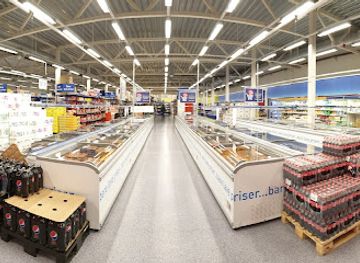
Grocery store
REMA 1000 HONNINGSVÅG
Discover the best of local Norwegian groceries at REMA 1000 Honningsvåg, your go-to spot for essentials and delicacies in the North.
-
Grocery store
Extra Honningsvåg
Discover local flavors and essentials at Extra Honningsvåg, the go-to grocery store for tourists in Norway's northern paradise.
-
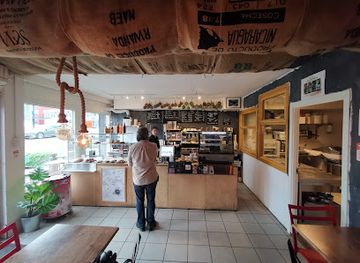
Bakery
Honni Bakes
Discover the delightful flavors of Honni Bakes, Honningsvåg's beloved bakery, offering artisanal treats and a cozy atmosphere.

Get your free copy of our complete guide to Nordkapp, delivered straight to you.
Everything on this page, from attractions and restaurants to essentials and local phrases, in one PDF you can read offline, print or share.
Already have an account? Sign in
Your Nordkapp guide is ready.
We'll send it to · Not you? Sign out

Getting your guide ready…
We are putting together a fresh copy of the Nordkapp guide. This can take up to a minute.
This can take a few moments. If your browser asks, choose Allow so the download can start. You'll find the guide in your Downloads folder.
Nothing happened? Download it again
Sorry, the guide is taking longer than usual. Please try again in a minute, or get it by email instead.
Nordkapp essentials
Currency and Payment
Safety
Emergency Situations
Do's and Don'ts
Local Tips
From Eve
Local phrases worth knowing
You don't need to get them perfect. A few words go a long way, and locals appreciate the effort.
Basics
| English | Local | Say it |
|---|---|---|
| Hello | Hei | [hay] |
| Goodbye | Ha det | [ha deh] |
| Yes | Ja | [yah] |
| No | Nei | [nay] |
| Please/You're welcome | Vær så god | [vair so goh] |
| Thank you | Takk | [tahk] |
| Excuse me/Sorry | Unnskyld | [oon-skyld] |
| How are you? | Hvordan har du det? | [vohr-dan har doo deh] |
| Fine. And you? | Bra. Og du? | [brah oh doo] |
| Do you speak English? | Snakker du engelsk? | [snahk-ker doo eng-elsk] |
| I don't understand | Jeg forstår ikke | [yay for-stor ee-neh] |
Eating & Drinking
| English | Local | Say it |
|---|---|---|
| I'd like to see the menu, please | Kan jeg få se menyen, takk | [kahn yay foh seh meh-nyen tahk] |
| I don't eat meat | Jeg spiser ikke kjøtt | [yay spee-ser ee-keh shøt] |
| Cheers! | Skål! | [skohl] |
| I would like to pay, please | Jeg vil gjerne betale, takk | [yay veal year-neh beh-tah-leh tahk] |
Emergencies
| English | Local | Say it |
|---|---|---|
| Help! | Hjelp! | [yel-p] |
| Go away! | Gå bort! | [goh bohrt] |
| Call the Police! | Ring politiet! | [ring poh-lee-tee-et] |
| Call a doctor! | Ring en lege! | [ring en lay-geh] |
| I'm lost | Jeg har gått meg bort | [yay har goht may bort] |
| I'm ill | Jeg er syk | [yay air sook] |
Shopping
| English | Local | Say it |
|---|---|---|
| I'd like to buy... | Jeg vil kjøpe... | [yay veal shyoo-peh] |
| I'm just looking | Jeg bare ser | [yay bah-reh sear] |
| How much is it? | Hvor mye koster det? | [vohr mee-yeh kohs-ter deh] |
| That's too expensive | Det er for dyrt | [deh air fohr deert] |
| Can you lower the price? | Kan du senke prisen? | [kahn doo sehn-keh pree-sehn] |
Time & Numbers
| English | Local | Say it |
|---|---|---|
| What time is it? | Hva er klokka? | [vah air kloh-kah] |
| It's one o'clock | Klokka er ett | [kloh-kah air eht] |
| Half past (10) | Halv ti | [hahlv tee] |
| Morning | Morgen | [mohr-gehn] |
| Afternoon | Ettermiddag | [et-ter-meed-dahg] |
| Evening | Kveld | [kvehld] |
| Yesterday | I går | [ee gohr] |
| Today | I dag | [ee dahg] |
| Tomorrow | I morgen | [ee mohr-gehn] |
| 1 | En | [ehn] |
| 2 | To | [too] |
| 3 | Tre | [treh] |
| 4 | Fire | [fee-reh] |
| 5 | Fem | [fem] |
| 6 | Seks | [seks] |
| 7 | Sju | [shoo] |
| 8 | Åtte | [oh-teh] |
| 9 | Ni | [nee] |
| 10 | Ti | [tee] |
Transport & Directions
| English | Local | Say it |
|---|---|---|
| Where's a/the...? | Hvor er ...? | [vohr air] |
| What's the address? | Hva er adressen? | [vah air ad-rahss-en] |
| Can you show me (on the map)? | Kan du vise meg (på kartet)? | [kahn doo vee-seh may (poh kahr-teh)] |
| When's the next (bus)? | Når går neste (buss)? | [nahr gohr neh-steh (booss)] |
| A ticket (to ....) | En billett (til ....) | [ehn bee-leht (teel)] |
History of Nordkapp
An Ancient Arctic Landscape
Nordkapp’s plateau and coastal cliffs belong to the old, heavily weathered rock landscapes of Finnmark. Ice sheets and later coastal erosion helped shape Magerøya’s exposed uplands, steep shorelines and offshore skerries. The North Cape cliff is a natural landmark rather than the true northernmost point of the island: Knivskjellodden lies farther north, although its lower, more open profile has never acquired the same symbolic importance. Geological time, glacial movement and continuing marine erosion remain fundamental to understanding the austere scenery encountered today.
Sámi Presence and Coastal Settlement
The wider Finnmark coast has long been part of Sámi cultural landscapes, with livelihoods traditionally connected to reindeer herding, fishing, hunting and seasonal movement. Magerøya also developed through coastal fishing and small settlements shaped by access to the sea. Sámi heritage remains part of the region’s living identity, while Honningsvåg and villages including Skarsvåg and Gjesvær reflect the enduring importance of fishing and maritime work in the far north. The modern road network and tourism industry were added to, rather than replacing, these older relationships with land and water.
European Voyages to the Cape
The headland attracted European navigators because it offered a conspicuous landmark on the northern sea route. English explorer Richard Chancellor is traditionally associated with the name North Cape after passing the headland in 1553, during his voyage seeking a north-eastern route to Asia. Later visitors approached by sea, often landing at Hornvika below the cliffs before climbing towards the plateau. These journeys helped transform a remote coastal promontory into a recognised geographical symbol, although access remained difficult for centuries.
Tourism and the Rise of the Road
Nordkapp gradually became a destination for travellers, officials and adventurers drawn by the idea of reaching Europe’s northern edge. The plateau’s visitor facilities developed over time, while roads and improved transport made arrival from Honningsvåg considerably easier than the earlier sea approach through Hornvika. Cruise travel also contributed to the region’s visibility, bringing visitors to Honningsvåg before onward journeys to the cape. The North Cape monument and visitor centre now express this modern tourism history, while the surrounding landscape remains markedly open and sparsely settled.
Modern Stewardship and Arctic Tourism
Contemporary Nordkapp sits within a sensitive Arctic environment where tourism, road access, fishing, reindeer husbandry and wildlife conservation overlap. Visitor management is especially important around exposed cliffs, seabird colonies and areas of low-growing vegetation that recover slowly from disturbance. The destination’s tourism identity now extends beyond the symbolic viewpoint to include local communities, Sámi culture, birdlife, seasonal light and the wider island landscape. Changing climate conditions and increasing visitor numbers make responsible access and respect for local land use increasingly significant.
Nordkapp in Photos
Browse through our photo collection highlighting the charm and character of the destination.
Neighbouring destination travel guides
The closest destinations to Nordkapp, if you have time for more than one.
-

-

-

-
-


Swipe for more destinations
Explore more

Explore more of Finnmark
Discover the rugged beauty and cultural heritage of Finnmark, Norway's northern wilderness, where the Northern Lights dance and the midnight sun shines.
Explore Finnmark
Explore more of Norway
Explore Norway's spectacular fjords, vibrant cities, and natural wonders. Experience the Northern Lights, Midnight Sun, and rich cultural heritage in this Scandinavian gem.
Explore Norway