

Roman Nose State Park Travel Guide - Free Web & App
Your ultimate guide to Roman Nose State Park. Discover top landmarks, proposed trips, and local tips. Free on the web or via the Evendo companion app.


Discover Roman Nose State Park in Oklahoma: a stunning blend of natural beauty, outdoor adventure, and rich cultural history. Perfect for hiking, fishing, and relaxation.
Read more about Roman Nose State Park
When is the best time to visit Roman Nose State Park?
Best: April–May, October · 23–26°C| Month | High (°C) | Rainfall (mm) |
|---|---|---|
| January | 9 | 31 |
| February | 11 | 33 |
| March | 18 | 46 |
| April (best) | 23 | 69 |
| May (best) | 26 | 96 |
| June | 32 | 91 |
| July | 34 | 78 |
| August | 34 | 81 |
| September | 30 | 75 |
| October (best) | 23 | 73 |
| November | 16 | 49 |
| December | 10 | 35 |
Getting to and around Roman Nose State Park
How to get there
Transportation
Best attractions in Roman Nose State Park
Roman Nose State Park in Oklahoma offers visitors a unique blend of natural beauty and historical significance. From the stunning views of the canyon and lake to the numerous hiking trails and outdoor activities, there is something for everyone to enjoy. History buffs will appreciate the park's rich Native American heritage and the historic lodge, while outdoor enthusiasts can partake in fishing, boating, and golfing. With its picturesque landscapes and diverse recreational opportunities, Roman Nose State Park is a must-visit destination for travelers looking to experience the best of Oklahoma.
-
Golf course
Roman Nose State Park Golf Course
Experience the beauty and challenge of Roman Nose State Park Golf Course, where nature meets the game of golf in Oklahoma.
-
Park
Roman Nose Park Office
Explore the natural beauty and rich history of Roman Nose Park, a perfect retreat for outdoor adventures and serene landscapes in Oklahoma.
-
Public swimming pool
Roman Nose Swimming Pool
Experience the refreshing Roman Nose Swimming Pool in scenic Watonga, Oklahoma, perfect for family fun and relaxation in nature's beauty.
-
Stable
Roman Nose State Park Stables
Explore the beauty of Watonga, Oklahoma at Roman Nose State Park Stables, where horseback riding adventures meet stunning natural landscapes.
Best landmarks in Roman Nose State Park
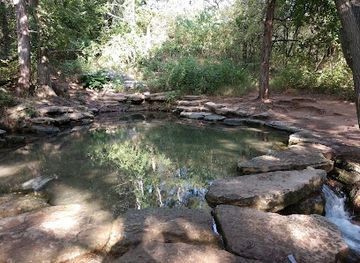
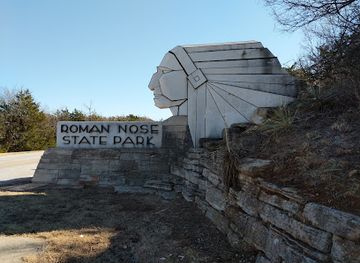
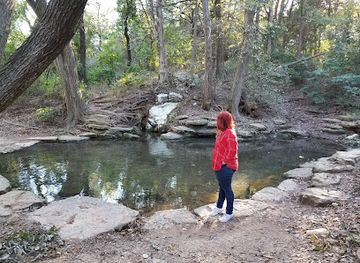
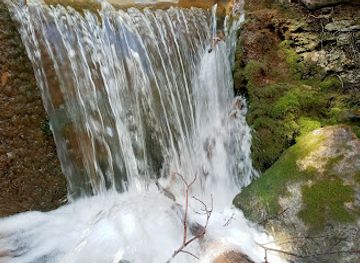
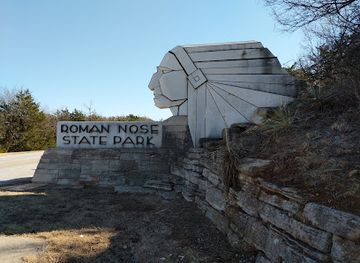
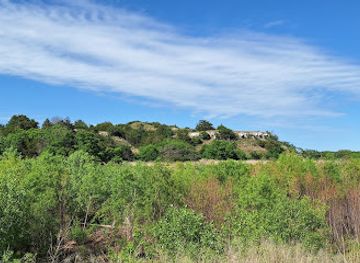
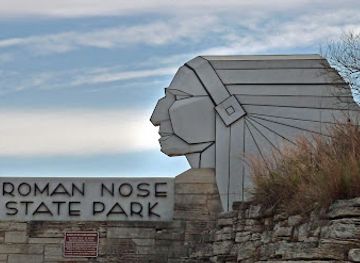
Roman Nose State Park in Oklahoma offers visitors a unique blend of natural beauty and historical significance. From the stunning views at Inspiration Point to the tranquil waters of Lake Watonga, there is something for everyone to enjoy. Explore the rugged terrain on hiking trails that wind through the park, or relax at the Roman Nose Lodge and enjoy a round of golf. Don't miss the iconic Roman Nose Mountain, named for its resemblance to the profile of a Roman nose, and learn about the rich history of the area at the park's visitor center. Whether you're seeking adventure or relaxation, Roman Nose State Park has it all.
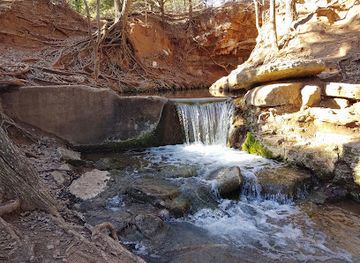
Explore Roman Nose State Park on the map
Plan your trip on one map. See where the top attractions, landmarks, restaurants and hotels are, and book hotels and experiences in a few clicks.
Best hotels in Roman Nose State Park
Best restaurants in Roman Nose State Park
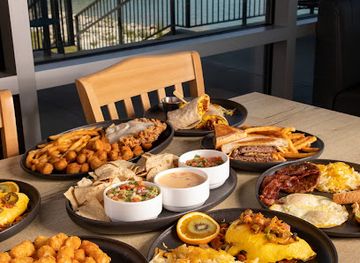
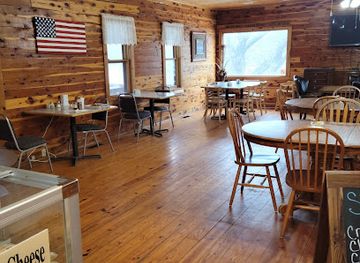
Visitors to Roman Nose State Park can enjoy a variety of dining options that showcase the local flavors and charm of the area. From cozy cafes serving up hearty breakfasts to rustic BBQ joints offering mouthwatering smoked meats, there is something to satisfy every craving. For a taste of Oklahoma cuisine, visitors can indulge in classic comfort foods like chicken fried steak and homemade pies at family-owned diners. Those looking for a more upscale dining experience can dine at elegant restaurants with panoramic views of the park, where they can savor gourmet dishes made with locally sourced ingredients. Whether you're grabbing a quick bite between hikes or enjoying a leisurely meal with loved ones, the dining scene at Roman Nose State Park offers a delicious and memorable experience for all visitors.
Best bars in Roman Nose State Park
At Roman Nose State Park, visitors can experience a unique nightlife scene that combines the charm of a rustic lodge with the excitement of live music and dancing. The park offers a variety of bars and nightclubs where guests can enjoy local craft beers, cocktails, and delicious food while mingling with fellow travelers. Whether you prefer a laid-back evening by the fireplace or a lively night of dancing under the stars, Roman Nose State Park has something for everyone to enjoy after a day of exploring the natural beauty of the area.
-
Golf course
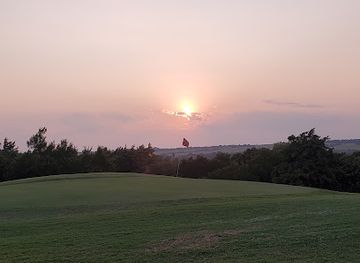
Roman Nose State Park Golf Course
Experience a golfing paradise at Roman Nose State Park Golf Course, where stunning scenery meets exceptional play in Oklahoma's natural beauty.
-
General store
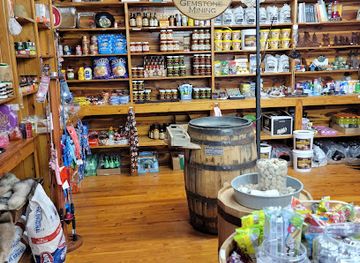
Roman Nose General Store
Experience the local flavor and charm at Roman Nose General Store in Watonga, Oklahoma; a unique destination for snacks and souvenirs.
-
Park
Roman Nose Park Office
Explore the natural beauty and outdoor adventures at Roman Nose Park, a top tourist attraction in Oklahoma, perfect for relaxation and recreation.
-
Park
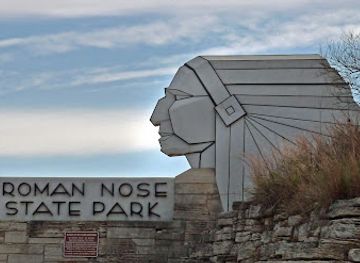
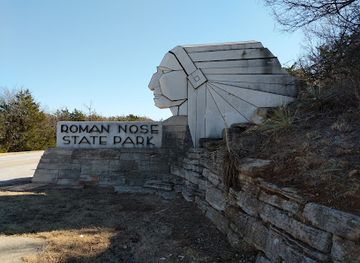
Roman Nose State Park
Experience the breathtaking landscapes and rich wildlife at Roman Nose State Park, a natural gem in Oklahoma perfect for outdoor adventures.
Best nightclubs in Roman Nose State Park
At Roman Nose State Park, visitors can experience a unique nightlife scene that combines the charm of a rustic lodge with the excitement of live music and dancing. The park offers a variety of bars and nightclubs where guests can enjoy local craft beers, cocktails, and delicious food while mingling with fellow travelers. Whether you prefer a laid-back evening by the fireplace or a lively night of dancing under the stars, Roman Nose State Park has something for everyone to enjoy after a day of exploring the natural beauty of the area.
Best shops in Roman Nose State Park
The shopping scene at Roman Nose State Park offers visitors a unique blend of local artisan crafts, Native American souvenirs, and outdoor gear essentials. From handcrafted jewelry and pottery to traditional moccasins and dreamcatchers, visitors can find one-of-a-kind treasures to take home as a reminder of their trip. Outdoor enthusiasts will also appreciate the selection of hiking and camping gear available for purchase, ensuring they are well-equipped for exploring the park's scenic trails and rugged terrain.
-
State park
Roman Nose State Park, Lodge
Discover the beauty of Roman Nose State Park, where adventure meets tranquility in the heart of Oklahoma's stunning landscapes.
-
Golf course
Roman Nose State Park Golf Course
Discover the Roman Nose State Park Golf Course, where stunning scenery meets exceptional golfing in the heart of Oklahoma's natural beauty.
-
General store
Roman Nose General Store
Experience the authentic charm of Roman Nose General Store in Watonga, Oklahoma, where local goods and community spirit come together.
-
Park
Roman Nose Park Office
Explore Roman Nose Park: A Scenic Oasis in Oklahoma Offering Nature Trails, Fishing, and Family Adventures.
Get your free copy of our complete guide to Roman Nose State Park, delivered straight to you.
Everything on this page, from attractions and restaurants to essentials and local phrases, in one PDF you can read offline, print or share.
Already have an account? Sign in
Your Roman Nose State Park guide is ready.
We'll send it to · Not you? Sign out

Getting your guide ready…
We are putting together a fresh copy of the Roman Nose State Park guide. This can take up to a minute.
This can take a few moments. If your browser asks, choose Allow so the download can start. You'll find the guide in your Downloads folder.
Nothing happened? Download it again
Sorry, the guide is taking longer than usual. Please try again in a minute, or get it by email instead.
Roman Nose State Park essentials
Currency and Payment
Safety
Emergency Situations
Do's and Don'ts
Local Tips
From Eve
Local phrases worth knowing
You don't need to get them perfect. A few words go a long way, and locals appreciate the effort.
Basics
| English | Local | Say it |
|---|---|---|
| Hello | Howdy | [hah-dee] |
| Goodbye | See ya later | [see yuh lay-ter] |
| Yes | Yep | [yep] |
| No | Nah | [nah] |
| Please/You're welcome | Please and thank ya | [pleez and thank yuh] |
| Thank you | Much obliged | [muhch uh-blahy-d] |
| Excuse me/Sorry | Pardon me | [pahr-dn me] |
| How are you? | Howdy partner, how you doin'? | [hah-dee pahrt-ner, how yuh doo-in] |
| Fine. And you? | Just dandy. How 'bout you? | [juhst dan-dee. How bout yuh?] |
| Do you speak English? | Y'all speak English? | [yawl speak ing-glish] |
| I don't understand | I'm plum confused | [ahm plum kun-fyoozd] |
Eating & Drinking
| English | Local | Say it |
|---|---|---|
| I'd like to see the menu, please | I reckon I'll take a gander at the menu, if you don't mind | [ah rek-uhn ayl take uh gan-dur at the menu, if yuh dohnt mynd] |
| I don't eat meat | I'm a vegetarian, so no thank ya | [ahm uh ve-jih-tair-ee-uhn, soh no thank yuh] |
| Cheers! | Bottoms up! | [bot-uhms up] |
| I would like to pay, please | I reckon it's time to settle up | [ah rek-uhn its tahym to set-l up] |
Emergencies
| English | Local | Say it |
|---|---|---|
| Help! | S.O.S! | [es-oh-es] |
| Go away! | Scram! | [skram] |
| Call the Police! | Ring up the Sheriff! | [ring up the sher-if] |
| Call a doctor! | Fetch the Doc! | [fetch the dahk] |
| I'm lost | I'm plumb lost | [ahm pluhm lost] |
| I'm ill | I'm feelin' poorly | [ahm feel-in poor-lee] |
Shopping
| English | Local | Say it |
|---|---|---|
| I'd like to buy... | I'm fixin' to purchase... | [ahm fik-sin toh pur-chuhs] |
| I'm just looking | I'm just browsin' | [ahm juhst brow-zin] |
| How much is it? | What's the damage? | [whats the dam-ij] |
| That's too expensive | That's a mite pricey | [thats uh myt prahy-see] |
| Can you lower the price? | Can ya do me a solid and drop the price? | [can yuh doh me uh sah-lid and drop the prahys] |
Time & Numbers
| English | Local | Say it |
|---|---|---|
| What time is it? | What's the hour? | [whats the ow-er] |
| It's one o'clock | It's high noon | [its hahy noon] |
| Half past (10) | Ten-thirty | [ten-thur-tee] |
| Morning | Mornin' | [morn-in] |
| Afternoon | Afternoon | [af-ter-noon] |
| Evening | Evenin' | [ee-ven-in] |
| Yesterday | Yest'day | [yest-day] |
| Today | Today | [toh-day] |
| Tomorrow | Tomorrer | [tuh-mor-er] |
| 1 | One | [wun] |
| 2 | Two | [too] |
| 3 | Three | [three] |
| 4 | Four | [fawr] |
| 5 | Five | [fahyv] |
| 6 | Six | [siks] |
| 7 | Seven | [sev-uhn] |
| 8 | Eight | [ayt] |
| 9 | Nine | [nahyn] |
| 10 | Ten | [ten] |
Transport & Directions
| English | Local | Say it |
|---|---|---|
| Where's a/the...? | Where's the... | [wheres the] |
| What's the address? | Where's it at? | [wheres it at] |
| Can you show me (on the map)? | Kin ya point it out on the map? | [kin yuh point it out on the map] |
| When's the next (bus)? | When's the next stage? | [whens the next stayj] |
| A ticket (to ....) | A pass (to ....) | [uh pass to] |
History of Roman Nose State Park
The Legacy of Chief Henry Roman Nose
Roman Nose State Park is named after Chief Henry Roman Nose, a prominent leader of the Southern Cheyenne tribe. Chief Roman Nose, known for his leadership and bravery, played a significant role in the history and culture of the Cheyenne people. His legacy is preserved in the park, which serves as a tribute to his contributions and the heritage of the Cheyenne tribe.
The Sacred Springs
Roman Nose State Park is home to several natural springs that have been considered sacred by the Cheyenne and other Native American tribes for centuries. These springs were believed to possess healing properties and were often used in various spiritual and medicinal practices. Visitors can still see these springs today, with some of them incorporated into the park's scenic trails and natural landscapes.
The Civilian Conservation Corps (CCC) Era
During the 1930s, the Civilian Conservation Corps (CCC) played a crucial role in the development of Roman Nose State Park. The CCC, a New Deal program aimed at providing jobs and promoting environmental conservation, constructed many of the park's original facilities, including cabins, picnic areas, and trails. The craftsmanship of the CCC can still be seen in the park's rustic architecture and stone structures.
The Establishment of Roman Nose State Park
Roman Nose State Park was officially established in 1937, making it one of Oklahoma's original seven state parks. The park was developed to preserve the natural beauty of the area and provide recreational opportunities for the public. Since its establishment, the park has grown to encompass over 800 acres of diverse landscapes, including canyons, mesas, and lakes.
The Influence of the Southern Plains
Roman Nose State Park is located in the Southern Plains region, an area rich in cultural and historical significance. The Southern Plains were home to numerous Native American tribes, including the Cheyenne, Arapaho, and Comanche. The park's landscapes and natural features reflect the heritage of these tribes, with many areas named after prominent figures and events from their history.
The Evolution of Outdoor Recreation
Over the decades, Roman Nose State Park has evolved to offer a wide range of outdoor recreational activities. From its early days of simple camping and hiking, the park now includes amenities such as a golf course, swimming pool, and horseback riding trails. This evolution reflects broader trends in outdoor recreation and the park's ongoing commitment to providing diverse experiences for visitors.
Neighbouring destination travel guides
The closest destinations to Roman Nose State Park, if you have time for more than one.
-
 Gloss Mountain State Park
Discover the glittering peaks and rich history of Gloss Mountain State Park, a unique natural wonder in Oklahoma offering hiking, wildlife viewing, and breathtaking scenery.
Gloss Mountain State Park
Discover the glittering peaks and rich history of Gloss Mountain State Park, a unique natural wonder in Oklahoma offering hiking, wildlife viewing, and breathtaking scenery.
-
 Little Sahara State Park
Experience the enchanting sand dunes of Little Sahara State Park in Oklahoma; a haven for off-road adventures and nature exploration.
Little Sahara State Park
Experience the enchanting sand dunes of Little Sahara State Park in Oklahoma; a haven for off-road adventures and nature exploration.
-
 Great Salt Plains State Park
Discover the surreal landscapes and unique adventures at Great Salt Plains State Park, where ancient salt flats meet serene lakes in the heart of Oklahoma.
Great Salt Plains State Park
Discover the surreal landscapes and unique adventures at Great Salt Plains State Park, where ancient salt flats meet serene lakes in the heart of Oklahoma.
-
 Oklahoma City Metropolitan Area
Discover the vibrant Oklahoma City Metropolitan Area: a blend of rich history, family-friendly attractions, outdoor adventures, and culinary delights in the heart of Oklahoma.
Oklahoma City Metropolitan Area
Discover the vibrant Oklahoma City Metropolitan Area: a blend of rich history, family-friendly attractions, outdoor adventures, and culinary delights in the heart of Oklahoma.
-
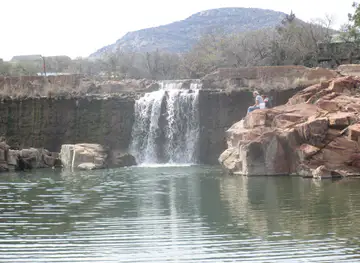 Wichita Mountains Wildlife Refuge
Discover the untouched beauty and diverse wildlife of the Wichita Mountains Wildlife Refuge, a serene haven nestled in the heart of Oklahoma’s rugged landscape.
Wichita Mountains Wildlife Refuge
Discover the untouched beauty and diverse wildlife of the Wichita Mountains Wildlife Refuge, a serene haven nestled in the heart of Oklahoma’s rugged landscape.
Swipe for more destinations
Explore more

Explore more of Western Oklahoma
Discover the rugged beauty and rich heritage of Western Oklahoma, where the plains meet history, and adventure awaits at every turn.
Explore Western Oklahoma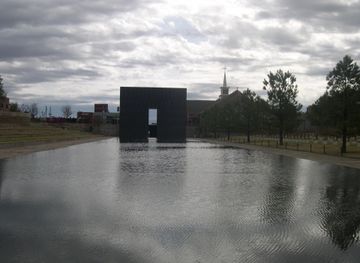
Explore more of Oklahoma
Discover Oklahoma: Where the spirit of the Old West meets modern charm, offering a rich mix of history, nature, and vibrant culture in the heart of the United States.
Explore Oklahoma