

Free Frontier Country Travel Guide & Mobile App
Explore Frontier Country with free travel guides. Discover regional history, expert tips, proposed trips, and audio guides on web or mobile app.


Explore Frontier Country in central Oklahoma for Oklahoma City culture, Indigenous heritage, Route 66 history, university towns and open prairie landscapes.
Read more about Frontier Country
Getting to and around Frontier Country
How to get there
Transportation
Top city travel guides in Frontier Country
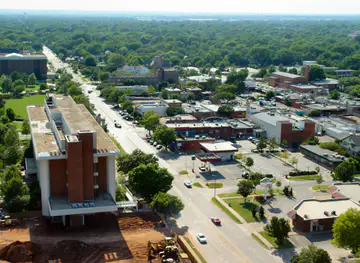
The cities of Frontier Country, and the easiest places to base yourself.
-

-

-

-
-

-


Swipe for more cities
Destinations in Frontier Country
Resorts, valleys and scenic spots worth a trip of their own.
-
-

-

-

-
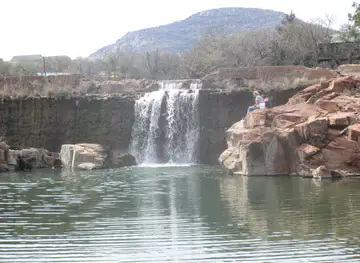
 Roman Nose State Park
 in Oklahoma combines gypsum hills, wooded canyons, spring-fed lakes, CCC heritage, trails, fishing and quiet stays near Watonga.
-


Swipe for more destinations
Best attractions in Frontier Country
Frontier Country’s attractions range from major Oklahoma City museums and public spaces to historic towns, university collections, lakes and roadside heritage. In the capital, the First Americans Museum, National Cowboy & Western Heritage Museum, Oklahoma City National Memorial & Museum, Oklahoma City Museum of Art and the districts around Bricktown provide different perspectives on Indigenous history, Western culture, civic memory and contemporary urban life. Norman adds the Sam Noble Oklahoma Museum of Natural History and the University of Oklahoma’s wider cultural resources. Guthrie is notable for its historic commercial architecture and heritage atmosphere, while El Reno connects visitors with Route 66 and local food traditions. Lake Thunderbird near Norman and Lake Arcadia near Edmond support boating, fishing, walking and wildlife observation. Further towns, including Shawnee and Stillwater, contribute historic buildings, music, food and university life. The region is especially rewarding for travellers who combine museums and architecture with short drives through prairie, woodland and reservoir country rather than treating it as a single-city destination.
-
Museum
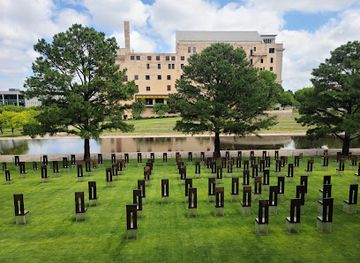
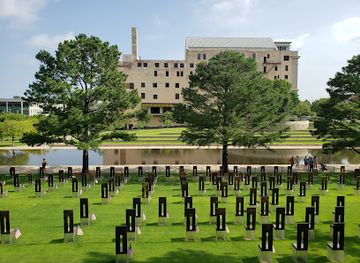
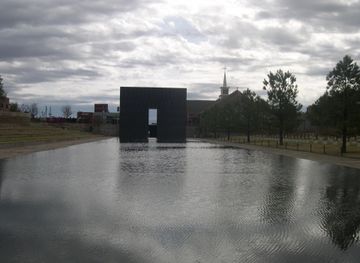
Oklahoma City National Memorial & Museum
Explore the Oklahoma City National Memorial & Museum, a poignant tribute to resilience and remembrance, honoring the victims of the 1995 bombing.
-
Zoo
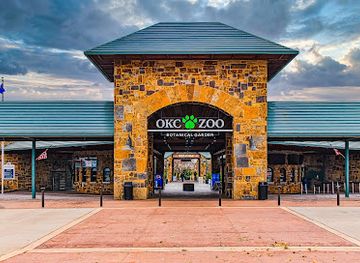
Oklahoma City Zoo
Oklahoma City Zoo: A vibrant hub of wildlife and botanical beauty, perfect for family adventures and unforgettable experiences.
-
Botanical garden
Myriad Botanical Gardens
Explore the Myriad Botanical Gardens, an enchanting urban oasis in Oklahoma City showcasing diverse flora and stunning landscapes, perfect for relaxation and exploration.
-
Theme park
Frontier City
Discover the thrills of Frontier City, Oklahoma's premier theme park with rides, shows, and family fun in a Wild West setting.


Best landmarks in Frontier Country
Oklahoma City’s most recognisable landmarks include the Oklahoma State Capitol, whose grounds reflect the state’s political history and oil-era identity, and the Oklahoma City National Memorial, a carefully composed civic site commemorating the 1995 bombing. The Skydance Bridge over the Oklahoma River has become a distinctive modern feature, while the Devon Energy Center forms part of the contemporary downtown skyline. The First Americans Museum is an important architectural and cultural landmark as well as a museum, presenting the histories of Oklahoma’s tribal nations. Outside the capital, Guthrie’s late nineteenth-century downtown and former territorial civic buildings express the ambitions of the first settlement era. The University of Oklahoma campus in Norman provides a contrasting landmark landscape of collegiate architecture and cultural institutions. Route 66 remnants in El Reno and other central Oklahoma communities are less monumental but significant as symbols of automobile travel, roadside commerce and the region’s connection to a nationally recognised historic highway.
-
Museum
Oklahoma City National Memorial & Museum
Explore the Oklahoma City National Memorial & Museum, a poignant tribute to resilience and hope, where the past informs the future.
-
Zoo
Oklahoma City Zoo
Explore the Oklahoma City Zoo, a captivating blend of wildlife and botanical wonders in the heart of Oklahoma City, ideal for family-friendly adventures.
-
Heritage museum
National Cowboy & Western Heritage Museum
Explore the National Cowboy & Western Heritage Museum, a treasure trove of Western art, history, and culture in Oklahoma City.
-
Theme park
Frontier City
Experience the thrill of the Wild West at Frontier City, Oklahoma City’s top theme park with roller coasters, live shows, and family fun.


Explore Frontier Country on the map
Plan your trip on one map. See where the top cities, national parks and sights are, and book hotels and experiences in a few clicks.
Best hotels in Frontier Country
Best restaurants in Frontier Country
Dining in Frontier Country combines Oklahoma comfort food, Native American culinary interpretation, barbecue, steak, burgers, Mexican and international cuisines, and a growing range of contemporary restaurants. Oklahoma City has the region’s broadest selection, from casual eateries and food halls to chef-led dining in districts such as the Plaza District, Paseo Arts District and Automobile Alley. Onion-fried burgers are strongly associated with central Oklahoma, particularly El Reno, where thinly sliced onions are cooked into the patty; they are a local speciality rather than a universal regional dish. Barbecue, fried chicken, chicken-fried steak, pecans and sweet baked goods appear widely, while university communities such as Norman and Stillwater add cafés and internationally influenced menus. Farmers’ markets and independent food shops are useful places to find seasonal produce and regional goods. In rural areas, traditional diners and family-run restaurants may have limited hours, so plan meals around opening patterns rather than assuming late-night service.
-
Steak
Cattlemen's Steakhouse
Experience the best of American cuisine at Cattlemen's Steakhouse in Oklahoma City—home of legendary steaks and warm hospitality.
-
American
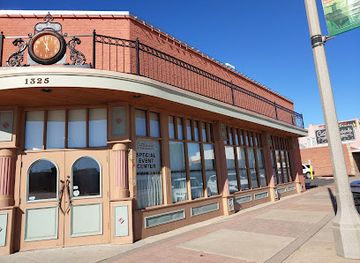
Cracker Barrel Old Country Store
Discover delicious Southern comfort food at Cracker Barrel Old Country Store in Edmond, where family dining meets charming country shopping.
-
Seafood
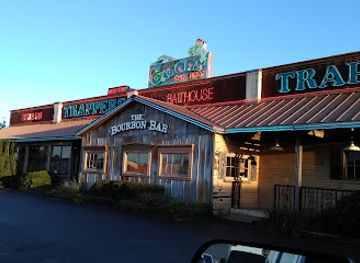
Trapper's Fishcamp & Grill
Discover Trapper's Fishcamp & Grill in Oklahoma City: A Seafood Haven Offering Fresh Flavors and Warm Hospitality.
-
American
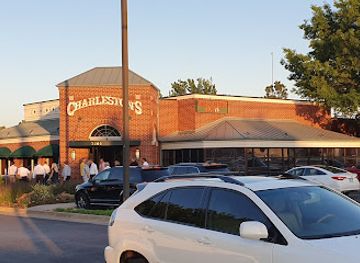
Charleston's Restaurant
Discover Charleston's Restaurant in Oklahoma City: where classic American flavors meet warm hospitality in a vibrant dining atmosphere.

Best bars in Frontier Country
Evening life is concentrated in Oklahoma City, Norman and Stillwater, with a quieter pub and restaurant culture in smaller Frontier Country communities. Oklahoma City offers cocktail bars, breweries, wine bars, live music, comedy, theatre and late venues around Bricktown and the city’s central districts, while the Plaza District and Paseo Arts District are better suited to an evening combining food, galleries and performances. Norman and Stillwater have a larger student-oriented choice of casual bars, music venues and late dining, although the atmosphere changes during university holidays. Outside these centres, evenings generally revolve around local pubs, restaurants, community events and occasional live music rather than a large club scene. Alcohol service and venue arrangements vary, so check current details and carry accepted identification; visitors need not drink to participate in the region’s cultural and social life.
-
American
Eskimo Joe's
Discover the iconic Eskimo Joe's: a lively American restaurant and live music venue in Stillwater, Oklahoma, known for its delicious burgers and unique collectibles.
-
Live music bar
The Jones Assembly
Experience the best of live music and American cuisine at The Jones Assembly in the heart of Oklahoma City.
-
Bar
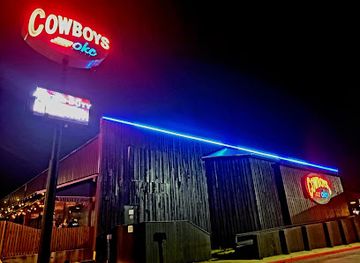
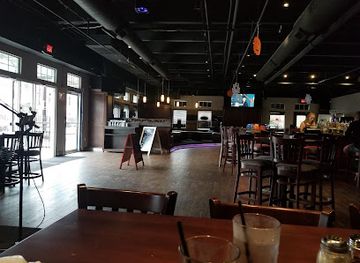
COWBOYS OKC
Discover the excitement of live bull riding and vibrant nightlife at Cowboys OKC, a must-visit bar in Oklahoma City.
-
Bar
JJ's Alley
Discover the lively atmosphere of JJ's Alley, a bar and grill in Bricktown offering great food, live music, and a unique local experience.


Best nightclubs in Frontier Country
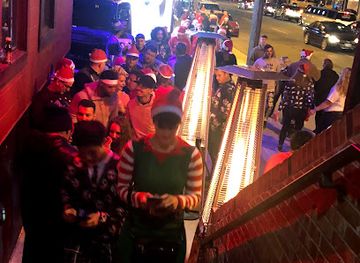
Evening life is concentrated in Oklahoma City, Norman and Stillwater, with a quieter pub and restaurant culture in smaller Frontier Country communities. Oklahoma City offers cocktail bars, breweries, wine bars, live music, comedy, theatre and late venues around Bricktown and the city’s central districts, while the Plaza District and Paseo Arts District are better suited to an evening combining food, galleries and performances. Norman and Stillwater have a larger student-oriented choice of casual bars, music venues and late dining, although the atmosphere changes during university holidays. Outside these centres, evenings generally revolve around local pubs, restaurants, community events and occasional live music rather than a large club scene. Alcohol service and venue arrangements vary, so check current details and carry accepted identification; visitors need not drink to participate in the region’s cultural and social life.
-
Bar
Coyote Ugly Saloon
Experience the electrifying atmosphere of Coyote Ugly Saloon in Bricktown, Oklahoma City - where vibrant nightlife meets tantalizing entertainment.
-
Adult entertainment club
Night Trips
Discover the electrifying nightlife at Night Trips, Oklahoma City's premier adult entertainment club with stunning performers and great drinks.
-
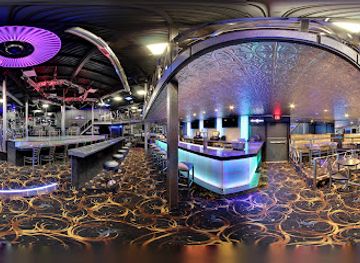
Night club
One15 Nightclub
Discover the electric atmosphere of One15 Nightclub in Bricktown, Oklahoma City, where vibrant parties and unforgettable nights await.
-
Bar
The Secret
Experience the vibrant nightlife at The Secret in Oklahoma City, a premier cocktail bar and dance club perfect for your next night out.


Best shops in Frontier Country
Shopping in Frontier Country is centred on Oklahoma City’s independent districts, larger retail areas and specialist food shops, with different experiences in Norman, Stillwater, Guthrie, El Reno and Shawnee. The Paseo Arts District and Plaza District are useful for galleries, artworks, gifts and locally made goods, while historic downtowns offer antiques, books, clothing, homewares and small specialist businesses. Guthrie’s heritage setting suits browsing for antiques and vintage items, whereas university towns provide bookshops, casual fashion and student-oriented retail. Farmers’ markets and food shops are good places to look for Oklahoma-produced pecans, preserves, baked goods, spices and other regional products. Indigenous art should be purchased from reputable tribal or Indigenous artists and galleries, with attention to proper attribution rather than generic Western-themed souvenirs. Retail choice becomes more limited in rural communities, and market days or individual shop hours can be seasonal, so confirm arrangements before making a dedicated trip.
-
Shopping mall
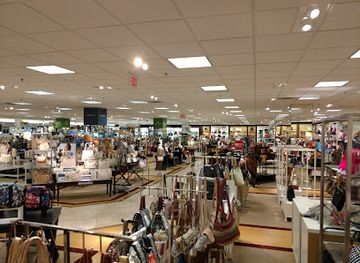
Penn Square Mall
Experience shopping, dining, and entertainment at Penn Square Mall, Oklahoma City's premier retail destination with a vibrant atmosphere and diverse offerings.
-
Shopping mall
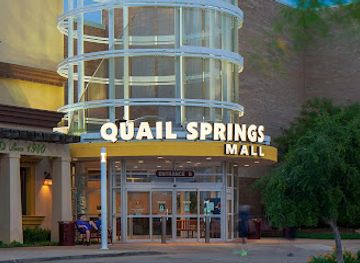
Quail Springs Mall
Discover the ultimate shopping experience at Quail Springs Mall in Oklahoma City, featuring diverse retail, dining, and entertainment options for all ages.
-
Gift shop
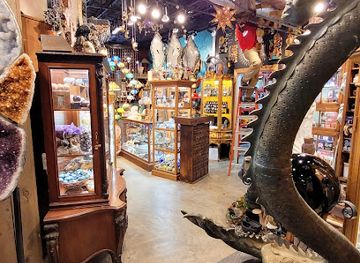
Craig's Curious Emporium
Discover a unique blend of gifts, books, and metaphysical supplies at Craig's Curious Emporium in Oklahoma City’s vibrant Asian District.
-
Antique store
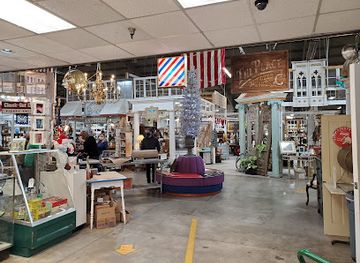
RINK Gallery, A Vintage Marketplace
Explore RINK Gallery, a vintage marketplace in Bethany, Oklahoma, where unique antiques, vintage clothing, and handcrafted goods await your discovery.
Get your free copy of our complete guide to Frontier Country, delivered straight to you.
Everything on this page, from attractions and restaurants to essentials and local phrases, in one PDF you can read offline, print or share.
Already have an account? Sign in
Your Frontier Country guide is ready.
We'll send it to · Not you? Sign out

Getting your guide ready…
We are putting together a fresh copy of the Frontier Country guide. This can take up to a minute.
This can take a few moments. If your browser asks, choose Allow so the download can start. You'll find the guide in your Downloads folder.
Nothing happened? Download it again
Sorry, the guide is taking longer than usual. Please try again in a minute, or get it by email instead.
Frontier Country essentials
Currency and Payment
Safety
Emergency Situations
Do's and Don'ts
Local Tips
From Eve
Local phrases worth knowing
You don't need to get them perfect. A few words go a long way, and locals appreciate the effort.
Basics
| English | Local | Say it |
|---|---|---|
| Hello | Howdy | [haʊdi] |
| Goodbye | See ya later | [si jə ˈleɪtər] |
| Yes | Yep | [jɛp] |
| No | Nah | [nɑ] |
| Please/You're welcome | Sure thing | [ʃʊr θɪŋ] |
| Thank you | Thanks a lot | [θæŋks ə lɑt] |
| Excuse me/Sorry | Pardon me | [ˈpɑrdən mi] |
| How are you? | How's it goin'? | [haʊz ɪt ˈgoʊɪn] |
| Fine. And you? | I'm doin' good. You? | [aɪm ˈduːɪn gʊd ju] |
| Do you speak English? | You speakin' English? | [ju ˈspiːkɪn ˈɪŋɡlɪʃ] |
| I don't understand | I ain't followin' | [aɪ eɪnt ˈfɑloʊɪn] |
Eating & Drinking
| English | Local | Say it |
|---|---|---|
| I'd like to see the menu, please | Can I see the menu? | [kæn aɪ si ðə ˈmɛnju] |
| I don't eat meat | I ain't eatin' meat | [aɪ eɪnt ˈiːtɪn miːt] |
| Cheers! | Cheers! | [ʧɪrz] |
| I would like to pay, please | Can I get the check, please? | [kæn aɪ gɛt ðə ʧɛk pliz] |
Emergencies
| English | Local | Say it |
|---|---|---|
| Help! | Help! | [hɛlp] |
| Go away! | Get lost! | [ɡɛt lɔst] |
| Call the Police! | Call the cops! | [kɔl ðə kɑps] |
| Call a doctor! | Get a doc! | [ɡɛt ə dɑk] |
| I'm lost | I’m lost | [aɪm lɔst] |
| I'm ill | I ain't feelin' good | [aɪ eɪnt ˈfiːlɪn ɡʊd] |
Shopping
| English | Local | Say it |
|---|---|---|
| I'd like to buy... | I want to buy... | [aɪ wɑnt tə baɪ] |
| I'm just looking | Just browsin' | [dʒʌst ˈbraʊzɪn] |
| How much is it? | What’s the damage? | [wʌtʃ ðə ˈdæmɪdʒ] |
| That's too expensive | That’s a bit pricey | [ðæts ə bɪt ˈpraɪsi] |
| Can you lower the price? | Can ya cut me a deal? | [kæn jə kʌt mi ə dɪl] |
Time & Numbers
| English | Local | Say it |
|---|---|---|
| What time is it? | What time ya got? | [wʌt taɪm jə ɡɑt] |
| It's one o'clock | It's one | [ɪts wʌn] |
| Half past (10) | Half past ten | [hæf pæst tɛn] |
| Morning | Mornin' | [ˈmɔrnɪn] |
| Afternoon | Afternoon | [ˌæftərˈnun] |
| Evening | Evenin' | [ˈivnɪn] |
| Yesterday | Yesterday | [ˈjɛstərdeɪ] |
| Today | Today | [təˈdeɪ] |
| Tomorrow | Tomorrow | [təˈmɔroʊ] |
| 1 | One | [wʌn] |
| 2 | Two | [tu] |
| 3 | Three | [θri] |
| 4 | Four | [fɔr] |
| 5 | Five | [faɪv] |
| 6 | Six | [sɪks] |
| 7 | Seven | [ˈsɛvən] |
| 8 | Eight | [eɪt] |
| 9 | Nine | [naɪn] |
| 10 | Ten | [tɛn] |
Transport & Directions
| English | Local | Say it |
|---|---|---|
| Where's a/the...? | Where's the...? | [wɛrz ðə] |
| What's the address? | What’s the address? | [wʌts ði əˈdrɛs] |
| Can you show me (on the map)? | Can ya show me on the map? | [kæn jə ʃoʊ mi ɑn ðə mæp] |
| When's the next (bus)? | When's the next bus? | [wɛn əz ðə nɛkst bʌs] |
| A ticket (to ....) | One ticket to... | [wʌn ˈtɪkɪt tə] |
History of Frontier Country
Indigenous Nations and Earlier Landscapes
The central Oklahoma region has long been shaped by Indigenous peoples, including nations whose ancestral territories and later communities remain important to the state’s identity. Following the United States’ Indian Removal policies, peoples including the Muscogee (Creek), Seminole, Chickasaw, Choctaw and others were relocated to Indian Territory, while additional nations later received lands there. Their political, cultural and religious histories pre-date the cities and towns of Frontier Country. Contemporary museums, cultural institutions and tribal communities provide essential perspectives on a past that cannot be reduced to the later frontier narrative.
The Land Run of 1889
On 22 April 1889, public land in central Indian Territory was opened to non-Indigenous settlement in the event commonly known as the Land Run. Oklahoma City, Guthrie and other communities grew rapidly from this moment, although settlement also disrupted Indigenous sovereignty and existing land systems. Guthrie initially became the territorial capital, and its surviving commercial and civic buildings express the ambitions of the boom period. The Land Run is therefore both a foundational episode in local urban history and a subject that must be understood alongside the dispossession experienced by Indigenous nations.
Territorial Government and Statehood
Oklahoma Territory was organised in 1890, and the territory’s institutions expanded as railways, land offices, newspapers and commercial centres developed. Oklahoma entered the Union as the forty-sixth state on 16 November 1907. Oklahoma City became the state capital in 1910 after a statewide vote and the transfer of government functions from Guthrie. The political centre’s movement helped secure Oklahoma City’s long-term dominance in the region, while nearby towns retained distinct identities rooted in settlement, agriculture, education and transport.
Railways, Agriculture and Town Building
Railways were fundamental to the growth of central Oklahoma, connecting farms and trading towns with regional markets and encouraging the development of grain handling, livestock production, retail and manufacturing. Guthrie, El Reno, Shawnee, Norman and Oklahoma City each grew through different combinations of rail access, government, education and commerce. The resulting townscapes include courthouse squares, former depots, brick commercial blocks and early residential districts. Even where rail’s economic role has diminished, its routes and buildings continue to shape the region’s historic geography.
Oil and the Transformation of Oklahoma City
Petroleum changed central Oklahoma’s economy and appearance during the twentieth century. The discovery of the Oklahoma City oil field in 1928, including production close to the state Capitol, brought investment, jobs and associated industries to the capital. Oil revenue later helped support civic construction and reinforced Oklahoma City’s position as a business centre. The energy sector remains part of the region’s economy, although it now exists alongside government, aviation, health care, education, logistics, technology and cultural tourism.
Route 66 and Automobile Culture
U.S. Route 66 crossed central Oklahoma and linked communities such as Oklahoma City and El Reno with the wider national road network. Its roadside cafés, filling stations, motels and service businesses reflected the rise of long-distance motoring before the route was replaced by newer highways. Sections of the old alignment and surviving businesses remain part of the region’s heritage, while museums and local food traditions preserve the memory of road travel. Route 66 is best experienced as a chain of communities and landscapes rather than a single attraction.
Urban Renewal and Cultural Reorientation
Like many American cities, Oklahoma City experienced suburbanisation, disinvestment in older districts and major changes to its central area during the later twentieth century. Subsequent redevelopment projects, including the creation of Bricktown’s entertainment district and improvements around the Oklahoma River, helped draw activity back towards the urban core. The region’s cultural conversation has also broadened through stronger public recognition of Indigenous history, African American history, civic tragedy and the contributions of immigrant and minority communities. Frontier Country today reflects both inherited narratives and a more plural understanding of Oklahoma.
Frontier Country in Photos
Browse through our photo collection highlighting the charm and character of the destination.
Neighbouring regions of Frontier Country
The closest regions to Frontier Country, if you have time for more than one.
-

-

-

-

-


Swipe for more regions
Explore more
Explore more of Oklahoma
Discover Oklahoma: Where the spirit of the Old West meets modern charm, offering a rich mix of history, nature, and vibrant culture in the heart of the United States.
Explore Oklahoma