

Free Central Panama Travel Guide & Mobile App
Explore Central Panama with free travel guides. Discover regional history, expert tips, proposed trips, and audio guides on web or mobile app.


Central Panama combines Panama City’s historic quarters, the working canal, tropical forests, Pacific islands and diverse food culture.
Read more about Central Panama
When is the best time to visit Central Panama?
Best: January–March · 30–31°C| Month | High (°C) | Rainfall (mm) |
|---|---|---|
| January (best) | 30 | 20 |
| February (best) | 31 | 20 |
| March (best) | 31 | 30 |
| April | 31 | 60 |
| May | 31 | 120 |
| June | 30 | 170 |
| July | 30 | 170 |
| August | 30 | 190 |
| September | 30 | 200 |
| October | 30 | 220 |
| November | 30 | 170 |
| December | 30 | 60 |
Getting to and around Central Panama
How to get there
Transportation
Top city travel guides in Central Panama
The cities of Central Panama, and the easiest places to base yourself.
-
-

-


Swipe for more cities
Destinations in Central Panama
Resorts, valleys and scenic spots worth a trip of their own.
-

-


Swipe for more destinations
Best attractions in Central Panama
Central Panama offers an unusually broad range of attractions within a relatively concentrated travel area. In Panama City, Casco Antiguo combines churches, plazas, museums, galleries and restored colonial streets, while Panamá Viejo presents the remains of the first European city founded on the Pacific coast of the Americas. The Miraflores Visitor Centre explains the canal’s locks and allows visitors to observe ships in transit, although operating conditions and viewing arrangements can change. For a more ecological perspective, Soberanía National Park and the Gamboa area provide rainforest trails, birdwatching and access to the canal watershed. Metropolitan Natural Park brings tropical woodland close to the capital and has trails with city views. The Amador Causeway links urban recreation with views across the Pacific entrance, and Punta Culebra offers a Smithsonian-linked interpretation of marine and tropical environments. Beyond the capital, Panama Oeste contributes beaches, river landscapes and expanding urban communities, while Taboga offers an island excursion with walking routes and coastal scenery. These attractions are best understood as a sequence of city, engineering, archaeology and living tropical landscape rather than as one single sightseeing district.
-
Visitor center
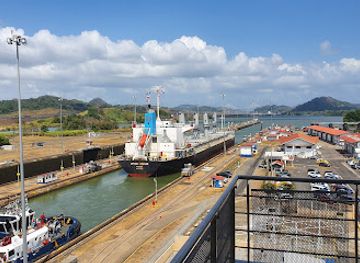
Miraflores Visitor's Center
Explore the Miraflores Visitor's Center for an unforgettable insight into the Panama Canal, a marvel of engineering and history.
-
Park
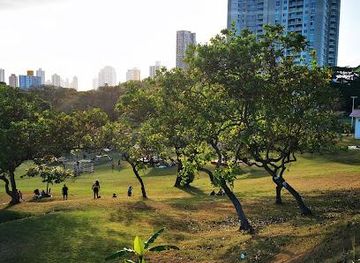
Parque Omar
Explore the tranquility of Parque Omar, a lush urban park in Panama City, perfect for outdoor activities, family outings, and scenic relaxation.
-
Tourist attraction
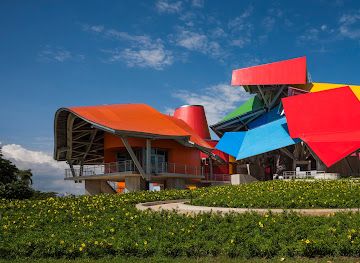
Biomuseo
Discover the vibrant ecosystems of Panama at Biomuseo, a stunning science museum showcasing the country's rich biodiversity and conservation efforts.
-
National park
Parque Nacional Camino de Cruces
Discover the natural beauty and historical significance of Parque Nacional Camino de Cruces, a must-visit national park in Panama City.
Best landmarks in Central Panama
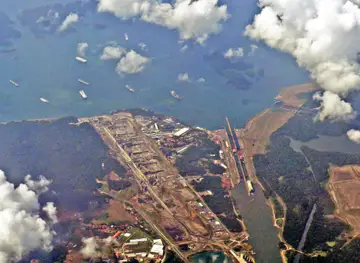
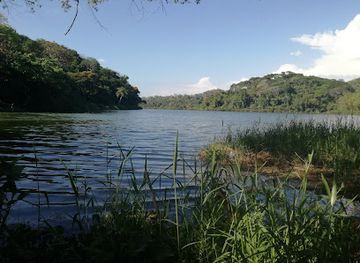
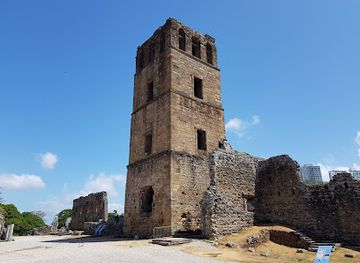
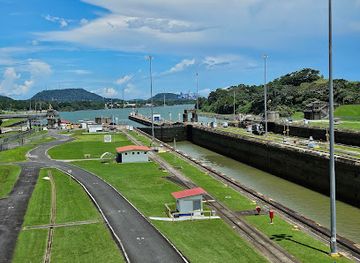
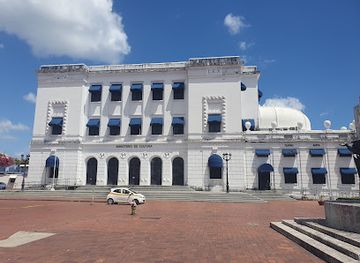
The Panama Canal is Central Panama’s defining landmark, an immense waterway whose locks, artificial lakes and managed watershed altered world trade and the geography of the isthmus. The Miraflores lock complex provides the most accessible canal viewpoint within the region, while the Bridge of the Americas spans the Pacific entrance and has become a major symbol of Panama’s continental connection. In the capital, the stone tower of Panamá Viejo stands above the archaeological remains of the original city, contrasting with the churches, defensive remnants and civic architecture of Casco Antiguo. The Metropolitan Cathedral, the Iglesia de San José with its celebrated golden altar, and the waterfront plazas of the historic quarter express different layers of colonial and republican history. The Amador Causeway, built from material associated with canal construction, extends into the Pacific entrance and offers a strong visual relationship between city, sea and shipping. Away from the built environment, the forested hills of Soberanía and the distant profile of Taboga provide natural landmarks that explain why the canal watershed and surrounding ecosystems remain so important.
-
Historical place
Panamá Viejo
Explore the captivating ruins of Panamá Viejo, a UNESCO World Heritage Site and a glimpse into Panama's rich colonial history.
-
Boat ramp
Miraflores Locks
Discover the Miraflores Locks, a historical landmark and engineering wonder at the Panama Canal, where ships navigate between oceans.
-
 Museum
Biomuseo
Explore Panama's diverse ecosystems at Biomuseo, a unique science museum that blends interactive exhibits with stunning views of the Panama Canal.
-
Tourist attraction
France Square
Explore France Square, a beautiful park in Panama City that offers stunning views, cultural events, and a peaceful retreat amidst the urban landscape.
Explore Central Panama on the map
Plan your trip on one map. See where the top cities, national parks and sights are, and book hotels and experiences in a few clicks.
Best hotels in Central Panama
Best restaurants in Central Panama
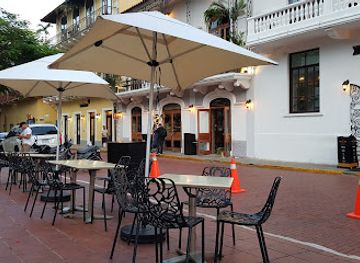
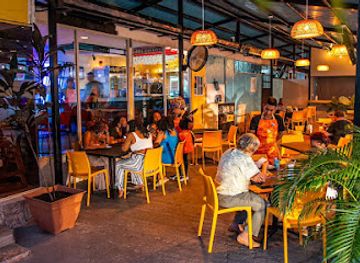
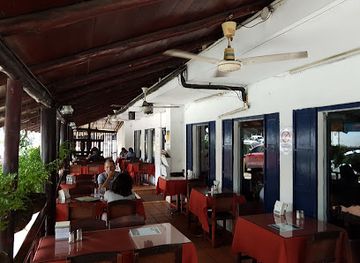
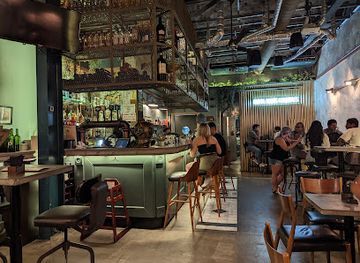
Dining in Central Panama reflects the isthmus’s position between oceans and its long history of migration. Panama City has the widest choice, from contemporary restaurants and international dining rooms to casual cafés, neighbourhood fondas and food stalls serving rice, beans, plantain, chicken, beef and seafood. Local menus may include sancocho, a sustaining chicken soup, ceviche, fried fish and carimañolas, while dishes influenced by Afro-Caribbean communities bring coconut, seafood and assertive seasoning to the table. Fresh Pacific fish and shellfish are particularly appropriate choices near the coast and on Taboga, though availability varies by season. Markets and small eateries offer fruit juices, tropical produce and inexpensive breakfasts, while Casco Antiguo has a concentration of restaurants aimed at both residents and visitors. Panama’s coffee-growing highlands lie outside Central Panama, but their beans are widely served in the capital. Tipping is normally discretionary, and menus may add a service charge; check the bill rather than assuming a second gratuity is required.
-
Grill
CasaCasco
Experience the best of dining and nightlife at CasaCasco in Panama City—where culinary excellence meets vibrant entertainment.
-
Caribbean
La Tapa Del Coco
Experience authentic Caribbean flavors at La Tapa Del Coco in Panama City – where every dish tells a story!
-
Central American
El Trapiche
Experience authentic Central American cuisine at El Trapiche - a top breakfast spot in Panama City for food lovers.
-
Restaurant
La Pulpería - Casco Antiguo
Experience the vibrant flavors of Panama at La Pulpería - where culinary tradition meets modern flair in Casco Antiguo.
Best bars in Central Panama
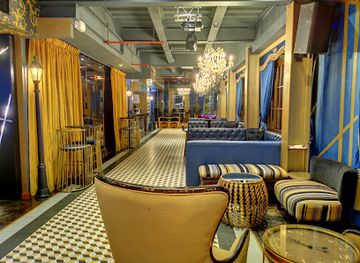
Nightlife is concentrated in Panama City, especially around Casco Antiguo, the business districts and neighbourhoods with restaurants and hotel bars. Casco offers restored historic settings, cocktail bars, wine rooms, casual pubs and venues with live music, while the modern centre has rooftop lounges, international bars and larger clubs. The city’s evening culture is diverse rather than confined to one style, with salsa, reggae, electronic music and live performances appearing in different venues and on different nights. Panama Oeste has a more dispersed nightlife pattern, centred on local restaurants, bars and entertainment venues rather than a continuous late-night district. Taboga and the forest communities around Gamboa are generally oriented towards daytime activities and quiet evenings. Opening arrangements and venue status change frequently, so check locally rather than relying on old listings, and use established transport when returning after dark.
-
Grill
CasaCasco
Discover CasaCasco, a premier grill and cocktail bar in Panama City that blends dining and nightlife for a vibrant experience.
-
Brewpub
La Rana Dorada Casco
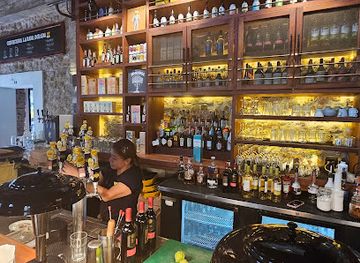
Discover La Rana Dorada Casco: Panama City's premier brewpub offering crafted beers and delicious local cuisine in a vibrant atmosphere.
-
Karaoke bar
El Green Room
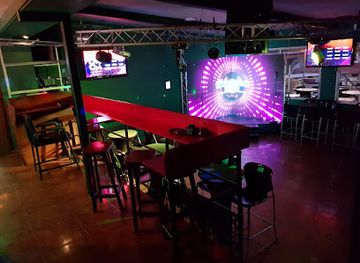
Experience the vibrant nightlife of Panama City at El Green Room, the ultimate karaoke bar for music lovers and party-goers.
-
Bar
Alejandro's
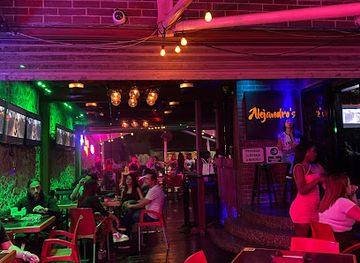
Experience the vibrant nightlife at Alejandro's, Panama City's premier bar for cocktails, karaoke, and live entertainment.
Best nightclubs in Central Panama
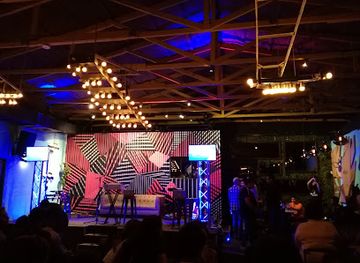
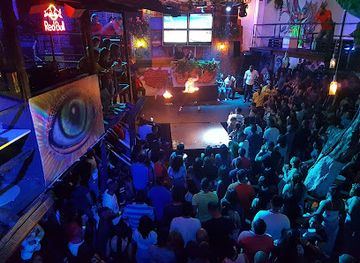
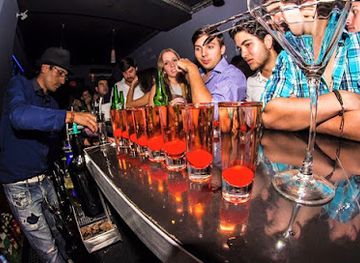
Nightlife is concentrated in Panama City, especially around Casco Antiguo, the business districts and neighbourhoods with restaurants and hotel bars. Casco offers restored historic settings, cocktail bars, wine rooms, casual pubs and venues with live music, while the modern centre has rooftop lounges, international bars and larger clubs. The city’s evening culture is diverse rather than confined to one style, with salsa, reggae, electronic music and live performances appearing in different venues and on different nights. Panama Oeste has a more dispersed nightlife pattern, centred on local restaurants, bars and entertainment venues rather than a continuous late-night district. Taboga and the forest communities around Gamboa are generally oriented towards daytime activities and quiet evenings. Opening arrangements and venue status change frequently, so check locally rather than relying on old listings, and use established transport when returning after dark.
-
Disco club
Casa Jaguar
Experience the vibrant nightlife of Panama City at Casa Jaguar, where dance, music, and delicious cuisine create unforgettable moments.
-
Disco club
Chill out discotheque
Experience the electric atmosphere of Chill Out Discotheque, Panama City's top destination for dancing, music, and vibrant nightlife.
-
Karaoke bar
El Karaoke 50
Experience the vibrant nightlife at El Karaoke 50, Panama City's premier karaoke bar and grill, where music and delicious food come together.
-
Bar
Chupitos 507
Experience the vibrant nightlife of Panama City at Chupitos 507, where fire shows and crafted cocktails create unforgettable memories.

Best shops in Central Panama
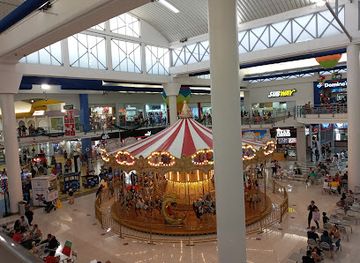
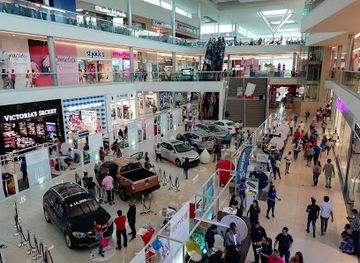
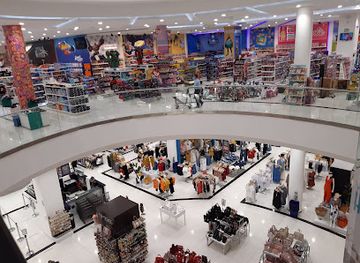
Panama City is the region’s principal shopping centre, with modern malls, department stores, independent boutiques, market stalls and craft outlets spread across several districts. Casco Antiguo is suited to browsing galleries, design shops, small boutiques, books and Panama-themed crafts in historic surroundings, while larger commercial centres provide international brands and practical purchases. Markets and specialist shops sell coffee from Panama’s highland producing regions, chocolate, rum, woven goods and souvenirs, although visitors should distinguish genuinely locally made crafts from imported commodities. Traditional woven hats associated with Panama are a national cultural product rather than an exclusive speciality of Central Panama, and quality varies, so ask about provenance. Fish markets and neighbourhood produce stalls offer a more everyday view of local commerce than formal retail districts. On Taboga and in Panama Oeste, shopping is limited and mainly practical, making the capital the best place for gifts, clothing and travel supplies. Bargaining is not generally expected in established shops, though prices at informal stalls may be discussed politely.
-
Shopping mall
Albrook Mall
Explore Albrook Mall, Panama City’s largest shopping destination, offering diverse shopping, dining, and entertainment experiences for all ages.
-
Shopping mall
Multiplaza Panamá
Discover the vibrant shopping experience at Multiplaza Panamá, featuring renowned brands, diverse dining, and exciting entertainment in the heart of Panama City.
-
Shopping mall
Metromall Panamá
Discover the ultimate shopping experience at Metromall Panamá, where fashion, dining, and entertainment converge in Panama City.
-
Shopping mall
AltaPlaza Mall
Experience shopping, dining, and entertainment at AltaPlaza Mall, a top destination in Panama City for upscale retail and local flavor.

Get your free copy of our complete guide to Central Panama, delivered straight to you.
Everything on this page, from attractions and restaurants to essentials and local phrases, in one PDF you can read offline, print or share.
Already have an account? Sign in
Your Central Panama guide is ready.
We'll send it to · Not you? Sign out

Getting your guide ready…
We are putting together a fresh copy of the Central Panama guide. This can take up to a minute.
This can take a few moments. If your browser asks, choose Allow so the download can start. You'll find the guide in your Downloads folder.
Nothing happened? Download it again
Sorry, the guide is taking longer than usual. Please try again in a minute, or get it by email instead.
Central Panama essentials
Currency and Payment
Safety
Emergency Situations
Do's and Don'ts
Local Tips
From Eve
Local phrases worth knowing
You don't need to get them perfect. A few words go a long way, and locals appreciate the effort.
Basics
| English | Local | Say it |
|---|---|---|
| Hello | Hola | [Oh-lah] |
| Goodbye | Adiós | [Ah-dee-ohs] |
| Yes | Sí | [See] |
| No | No | [No] |
| Please/You're welcome | Por favor | [Por fah-vor] |
| Thank you | Gracias | [Grah-syahs] |
| Excuse me/Sorry | Disculpe | [Dees-kool-peh] |
| How are you? | ¿Cómo estás? | [Koh-moh eh-stahs] |
| Fine. And you? | Bien. ¿Y tú? | [Byen. Ee too] |
| Do you speak English? | ¿Hablas inglés? | [Ah-blahs een-gles] |
| I don't understand | No entiendo | [No en-tee-en-doh] |
Eating & Drinking
| English | Local | Say it |
|---|---|---|
| I'd like to see the menu, please | Me gustaría ver el menú, por favor | [Meh goos-tah-ree-ah vehr el meh-noo, por fah-vor] |
| I don't eat meat | No como carne | [No koh-moh kar-neh] |
| Cheers! | ¡Salud! | [Sah-lood] |
| I would like to pay, please | Me gustaría pagar, por favor | [Meh goos-tah-ree-ah pah-gar, por fah-vor] |
Emergencies
| English | Local | Say it |
|---|---|---|
| Help! | ¡Ayuda! | [Ah-yoo-dah] |
| Go away! | ¡Vete! | [Veh-teh] |
| Call the Police! | ¡Llama a la policía! | [Yah-mah ah lah poh-lee-see-ah] |
| Call a doctor! | ¡Llama a un doctor! | [Yah-mah ah oon dok-tor] |
| I'm lost | Estoy perdido | [Es-toy per-dee-doh] |
| I'm ill | Estoy enfermo/a | [Es-toy en-fer-mo/a] |
Shopping
| English | Local | Say it |
|---|---|---|
| I'd like to buy... | Me gustaría comprar... | [Meh goos-tah-ree-ah kohm-prar] |
| I'm just looking | Solo estoy mirando | [Soh-loh es-toy mee-ran-doh] |
| How much is it? | ¿Cuánto cuesta? | [Kwan-toh kwes-tah] |
| That's too expensive | Eso es muy caro | [Eh-soh es moo-ee kah-roh] |
| Can you lower the price? | ¿Puedes bajar el precio? | [Pweh-des bah-har el preh-syo] |
Time & Numbers
| English | Local | Say it |
|---|---|---|
| What time is it? | ¿Qué hora es? | [Keh oh-rah es] |
| It's one o'clock | Es la una | [Es lah oo-nah] |
| Half past (10) | Y media (10) | [Ee meh-dee-ah (10)] |
| Morning | Mañana | [Mah-nyah-nah] |
| Afternoon | Tarde | [Tar-deh] |
| Evening | Noche | [Noh-cheh] |
| Yesterday | Ayer | [Ah-yer] |
| Today | Hoy | [Oy] |
| Tomorrow | Mañana | [Mah-nyah-nah] |
| 1 | Uno | [Oo-noh] |
| 2 | Dos | [Dohs] |
| 3 | Tres | [Tres] |
| 4 | Cuatro | [Kwah-troh] |
| 5 | Cinco | [Seen-koh] |
| 6 | Seis | [Says] |
| 7 | Siete | [Syay-teh] |
| 8 | Ocho | [Oh-choh] |
| 9 | Nueve | [Nweh-veh] |
| 10 | Diez | [Dyehs] |
Transport & Directions
| English | Local | Say it |
|---|---|---|
| Where's a/the...? | ¿Dónde hay un/una...? | [Dohn-deh ai oon/oo-nah] |
| What's the address? | ¿Cuál es la dirección? | [Kwahl es lah dee-rek-syohn] |
| Can you show me (on the map)? | ¿Me puedes mostrar (en el mapa)? | [Meh pweh-des mohs-trar (en el mah-pah)] |
| When's the next (bus)? | ¿Cuándo viene el siguiente (bus)? | [Kwan-doh vyen-eh el see-gyehn-teh (boos)] |
| A ticket (to ....) | Un boleto (a ....) | [Oon bo-leh-toh (ah ....)] |
History of Central Panama
Indigenous trade routes before European colonisation
Long before the canal, the isthmus was occupied and traversed by Indigenous peoples whose communities traded between the Caribbean and Pacific watersheds. The central region’s rivers and narrow land bridge made it an important zone of movement, although the archaeological record has been altered by later settlement, canal construction and urban expansion. Indigenous knowledge of the landscape remains part of the wider history of Panama, even though the capital’s monumental history often gives greater prominence to Spanish and canal-era developments.
Panamá Viejo and the Spanish Pacific empire
Founded in 1519 by Pedro Arias Dávila, Panamá was the first permanent European settlement on the Pacific coast of the Americas. The town became a staging point for expeditions and a crucial link in the movement of silver and other goods from South America towards the Caribbean and Europe. Its ruins, now an archaeological site within Panama City, record churches, convents, houses and civic structures. The settlement was attacked and abandoned after Henry Morgan’s raid in 1671, after which the city was transferred to the more defensible site of present-day Casco Antiguo.
Casco Antiguo and the rebuilt colonial city
The second Panama City was established on a peninsula in 1673. Its churches, defensive works, plazas and civic buildings developed under Spanish rule and later experienced periods of decline, adaptation and restoration. The district’s architecture includes colonial, neoclassical and Caribbean influences rather than a single uniform style. Casco Antiguo became especially important after Panama’s independence from Spain and remains a visible record of the city’s changing political and commercial fortunes.
Independence and the railway era
Panama separated from Spain in 1821 and joined the Republic of Colombia before becoming an independent republic in 1903. In the nineteenth century, the Panama Railway connected the Atlantic and Pacific coasts across the isthmus, responding to the California gold rush and the growing importance of transoceanic trade. Although the railway’s principal Atlantic terminus lay beyond central Panama, its existence transformed Panama City and the isthmus by accelerating migration, commerce and foreign involvement in transport infrastructure.
The French canal attempt
A French company began construction of an interoceanic canal in the 1880s, following the success of Ferdinand de Lesseps at Suez. Disease, difficult terrain, financial problems and the challenge of building through the continental divide undermined the project. The abandoned effort left excavations, machinery and institutional lessons that later influenced the successful canal enterprise. Its history also demonstrates that the waterway was created through international finance and labour as well as through engineering.
The Panama Canal and the Canal Zone
The United States completed the Panama Canal, which opened in 1914. The canal’s system of locks, artificial lakes and watershed management reshaped central Panama and created a distinctive administrative territory known as the Canal Zone. Workers arrived from many countries, including the Caribbean, producing a multicultural society whose influence remains visible in Panama’s food, music and family histories. Canal construction also caused major environmental and social disruption, including the relocation of communities and the alteration of landscapes.
Panamanian control and the canal today
The Torrijos–Carter Treaties provided for the gradual transfer of the canal and the Canal Zone to Panama, completed on 31 December 1999. The Panama Canal Authority now manages the waterway, while the surrounding watershed remains essential to navigation and water supply. The canal’s continuing expansion, including the new locks opened in 2016, has kept central Panama at the centre of global shipping. Former military and administrative areas have also acquired new civic, ecological and cultural uses.
Central Panama in Photos
Browse through our photo collection highlighting the charm and character of the destination.
Neighbouring regions of Central Panama
The closest regions to Central Panama, if you have time for more than one.
-

-

-

-
-


Swipe for more regions
Explore more

Explore more of Panama
Discover Panama: A vibrant blend of modernity and nature, where historic charm, tropical rainforests, and pristine beaches come together in the heart of Central America.
Explore Panama