

Free Panama Canal Zone Travel Guide & Mobile App
Explore Panama Canal Zone with free travel guides. Discover regional history, expert tips, proposed trips, and audio guides on web or mobile app.


Explore the Panama Canal Zone through working locks, rainforest trails, historic settlements and the waterways connecting Panama's Pacific and Caribbean shores.
Read more about Panama Canal Zone
When is the best time to visit Panama Canal Zone?
Best: January–March · 30–31°C| Month | High (°C) | Rainfall (mm) |
|---|---|---|
| January (best) | 30 | 23 |
| February (best) | 30 | 18 |
| March (best) | 31 | 18 |
| April | 31 | 106 |
| May | 30 | 232 |
| June | 30 | 259 |
| July | 30 | 193 |
| August | 30 | 198 |
| September | 30 | 245 |
| October | 30 | 297 |
| November | 30 | 245 |
| December | 29 | 120 |
Getting to and around Panama Canal Zone
How to get there
Transportation
Top city travel guides in Panama Canal Zone
The cities of Panama Canal Zone, and the easiest places to base yourself.
-
-

-


Swipe for more cities
Destinations in Panama Canal Zone
Resorts, valleys and scenic spots worth a trip of their own.

Swipe for more destinations
Best attractions in Panama Canal Zone
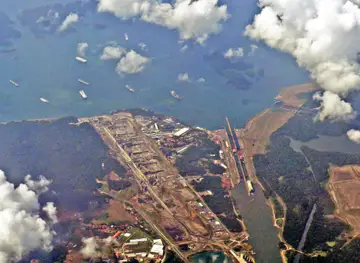
The Panama Canal corridor brings together working engineering sites, tropical forest and historical landscapes. On the Pacific side, Miraflores Locks offers one of the most accessible explanations of canal mechanics, with viewing areas and interpretation focused on vessels moving through the lock chambers. Pedro Miguel Locks and the Culebra Cut provide further insight into the excavation and operation of the waterway, although access arrangements differ from public visitor centres. Around Gamboa, boat excursions on Gatun Lake explore islands and forest edges created or transformed by the canal, with opportunities to see monkeys, sloths, crocodilians and numerous bird species without treating wildlife as a performance. Soberanía National Park, particularly the Pipeline Road area, is valued for rainforest walking and birdwatching. On the Caribbean side, Gatun Locks and the Agua Clara Visitor Centre present the canal from a different geographical and engineering perspective. Former Canal Zone settlements, administrative buildings and military landscapes add historical depth, while the Miraflores and canal museums help explain the human cost, international politics and environmental demands behind the waterway. The attraction landscape is strongest when engineering, ecology and history are considered together.
-
Park
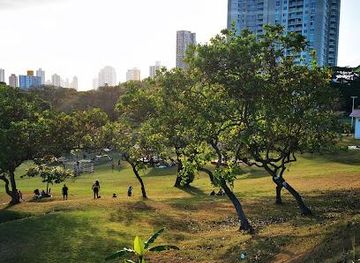
Parque Omar
Explore the lush landscapes and cultural vibrancy of Parque Omar, Panama City's premier park for relaxation and recreation.
-
Farmers' market
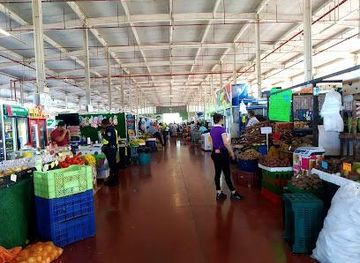
Merca Panamá
Discover the vibrant flavors of Panama City at Merca Panamá, a must-visit farmers' market showcasing fresh produce, local delicacies, and cultural experiences.
-
Tourist attraction
Gamboa Rainforest Reserve
Discover the Gamboa Rainforest Reserve: A lush paradise in Panama's Colón Province, perfect for nature lovers and adventure seekers.
-
Observation deck
Agua Clara Locks Visitor Center
Experience the architectural wonder of the Panama Canal at the Agua Clara Locks Visitor Center in Colón, where history meets engineering.


Best landmarks in Panama Canal Zone
The Panama Canal itself is the defining landmark, but its most recognisable sites reveal different chapters of the waterway's history. Miraflores Locks are the best-known Pacific-side structure for visitors and demonstrate the original lock system at close range. Pedro Miguel Locks and the Culebra Cut mark the canal's passage through the Continental Divide, where excavation was among the project's most demanding tasks. On the Caribbean side, Gatun Locks represent the northern descent towards the Atlantic, while the newer Agua Clara complex illustrates the expanded canal and its larger lock arrangement. Gatun Lake, created by damming the Chagres River, is both an engineering landmark and a central part of the watershed's working geography. In Gamboa, the meeting of the Chagres River and canal embodies the relationship between natural waterways and engineered navigation. Former Canal Zone buildings, roads and military landscapes are more dispersed and often functional or restricted, but they help explain the social and political structure that once governed the corridor. These landmarks matter not only for their scale, but because they connect technology, tropical ecology, labour and Panamanian sovereignty.
-
Visitor center
Miraflores Visitor's Center
Discover the Miraflores Visitor's Center, where you can explore the incredible history of the Panama Canal and witness ships navigating its locks.
-
Historical place
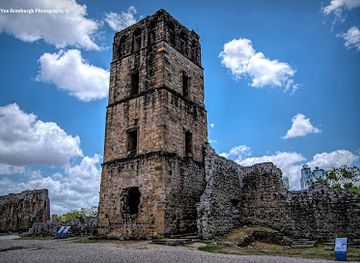
Panamá Viejo
Explore the historical ruins of Panamá Viejo, a UNESCO World Heritage site showcasing Panama's rich colonial past and architectural wonders.
-
Boat ramp
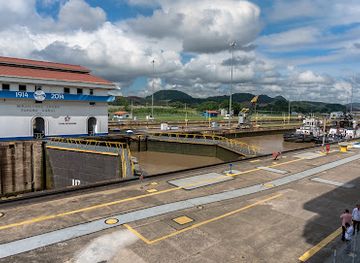
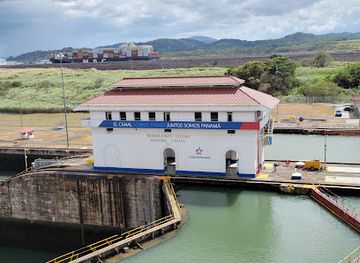
Miraflores Locks
Discover the engineering wonder of Miraflores Locks, a historic landmark showcasing the Panama Canal's impressive maritime operations and breathtaking views.
-
Tourist attraction
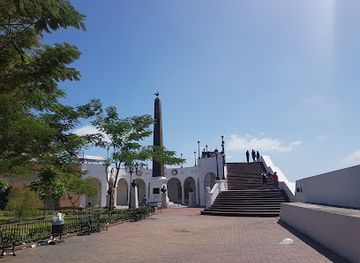
France Square
Explore the serene beauty of France Square, a tranquil park in Panama City, perfect for relaxation and enjoying local culture.
Explore Panama Canal Zone on the map
Plan your trip on one map. See where the top cities, national parks and sights are, and book hotels and experiences in a few clicks.
Best hotels in Panama Canal Zone
Best restaurants in Panama Canal Zone
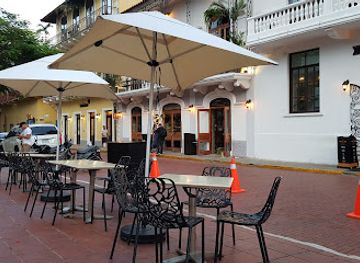
Dining in the former Canal Zone is concentrated in Panama City, Gamboa and Colón rather than organised as a single regional culinary district. In Panama City, visitors can find a broad national and international selection, while Gamboa is oriented towards hotel dining, casual meals and food suited to excursions. Colón offers Caribbean-influenced Panamanian cooking, with rice, seafood, coconut, plantain and seasoned stews reflecting the province's coastal and Afro-Caribbean heritage. Across the wider canal corridor, look for ceviche, fried fish, sancocho, patacones and fresh tropical fruit, alongside everyday Panamanian breakfasts and snacks. Coffee from Panama's highland growing regions is widely available, although it is not a product of the canal watershed itself. Small eateries and roadside stops may be more limited in rural areas, so visitors heading to trails or boat launches should eat beforehand or confirm arrangements with a guide. Hotels and established restaurants generally accept cards, while smaller food stalls and local cafés may favour cash in US dollar notes or Panamanian coins.
-
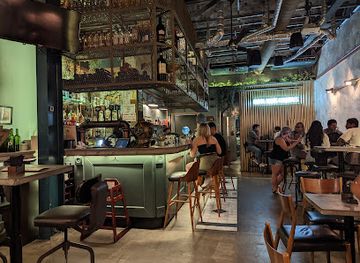
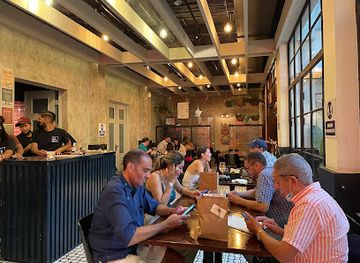
Grill
CasaCasco
Experience exquisite grilled cuisine and vibrant nightlife at CasaCasco, Panama City's top destination for food lovers and party-goers alike.
-
Restaurant
La Pulpería - Casco Antiguo
Experience authentic Latin American flavors at La Pulpería in Casco Antiguo – a culinary haven for food lovers visiting Panama City.
-
Restaurant
Fonda Lo Que Hay
Discover authentic Panamanian flavors at Fonda Lo Que Hay - where tradition meets taste in a vibrant dining setting.
-
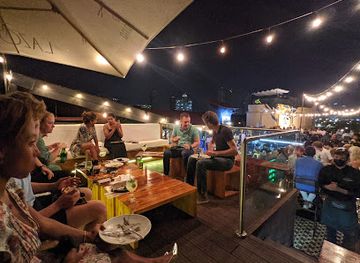
Restaurant
Lazotea Restaurant & Rooftop
Experience exquisite dining at Lazotea Restaurant & Rooftop in Panama City—where stunning views meet exceptional cuisine.
Best bars in Panama Canal Zone
Evening life in the Panama Canal corridor is shaped more by urban Panama City and Colón than by the rainforest settlements themselves. Panama City provides the broadest choice of cocktail bars, restaurants, live music and late venues, especially in established central and waterfront districts outside the former zone's quieter forest areas. Gamboa is principally an excursion base, where the evening atmosphere centres on hotel bars, dining rooms and relaxed drinks after boat trips or birdwatching rather than a dedicated nightclub scene. Colón has local bars and restaurants, but visitors should take local advice about where to go and use reliable transport after dark. Canal-related venues may include bars or restaurants with views towards the water, though ship movements should not be assumed to follow a visitor timetable. In rural parts of the corridor, early starts for wildlife observation and humid conditions make low-key evenings more typical than late-night entertainment.
-
Grill
CasaCasco
Discover the vibrant blend of exquisite grill cuisine and electrifying nightlife at CasaCasco in Panama City.
-
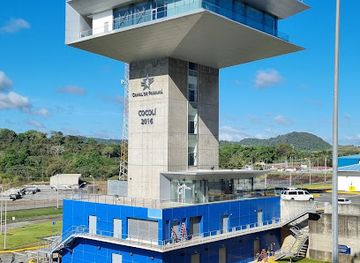
Canal
Panama Canal
Discover the engineering marvel of the Panama Canal, where history meets breathtaking scenery and a vital maritime route.
-
 Hotel
HotelTántalo Hotel / Kitchen / Roofbar
Discover the vibrant essence of Panama City at Tántalo Hotel, where modern luxury meets local culture and breathtaking skyline views.
-
Bar
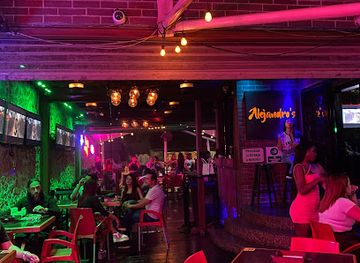
Alejandro's
Discover the vibrant nightlife at Alejandro's, a premier cocktail bar and karaoke lounge in Panama City, offering thrilling entertainment and great drinks.

Best nightclubs in Panama Canal Zone
Evening life in the Panama Canal corridor is shaped more by urban Panama City and Colón than by the rainforest settlements themselves. Panama City provides the broadest choice of cocktail bars, restaurants, live music and late venues, especially in established central and waterfront districts outside the former zone's quieter forest areas. Gamboa is principally an excursion base, where the evening atmosphere centres on hotel bars, dining rooms and relaxed drinks after boat trips or birdwatching rather than a dedicated nightclub scene. Colón has local bars and restaurants, but visitors should take local advice about where to go and use reliable transport after dark. Canal-related venues may include bars or restaurants with views towards the water, though ship movements should not be assumed to follow a visitor timetable. In rural parts of the corridor, early starts for wildlife observation and humid conditions make low-key evenings more typical than late-night entertainment.
-
Disco club
Chill out discotheque
Experience the vibrant nightlife at Chill Out Discotheque in Panama City, where music and dance create unforgettable memories.
-
Disco club
Moloko Plus
Discover the electrifying nightlife at Moloko Plus, where techno beats and vibrant energy unite in Panama City's premier disco club.
-
Bar
La Tana
Discover the pulsating nightlife of Panama City at La Tana, a vibrant bar and nightclub offering great drinks and lively entertainment.
-
Event venue
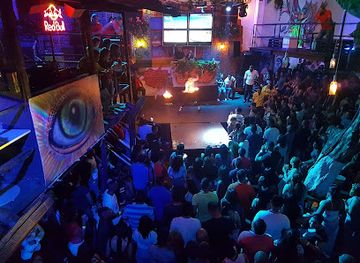
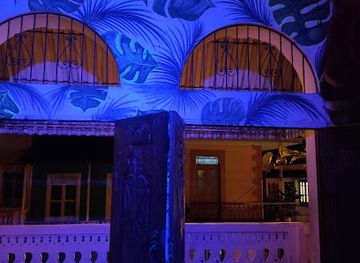
La Nueva Gruta Azul
Discover the vibrant atmosphere of La Nueva Gruta Azul, Panama City's top event venue for unforgettable entertainment and cultural experiences.


Best shops in Panama Canal Zone
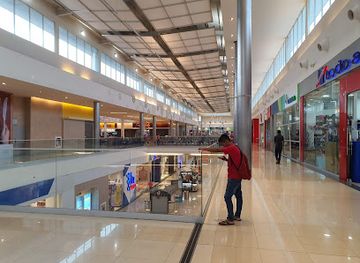
Shopping in the former Panama Canal Zone is limited and practical outside Panama City and Colón. Panama City offers the greatest range of shops, bookshops, galleries, markets and specialist stores, while Colón is associated with port commerce and commercial districts rather than a single heritage-shopping quarter. Around canal visitor facilities, the most durable souvenirs are books about the waterway, maps, locally made crafts and Panama-themed gifts; quality and provenance vary, so ask where an item was produced. Handmade baskets, carvings and textiles may be available through reputable outlets or community-based sellers, but visitors should avoid buying archaeological objects, protected wildlife products or plants. Food products such as coffee, chocolate and packaged sweets are convenient gifts, although much of this produce comes from elsewhere in Panama. Gamboa and the forest areas are not major retail destinations, so purchase essentials in Panama City or Colón before setting out. Markets and small shops may prefer cash, while larger urban businesses commonly accept cards.
-
Shopping mall
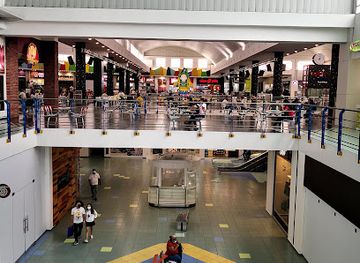
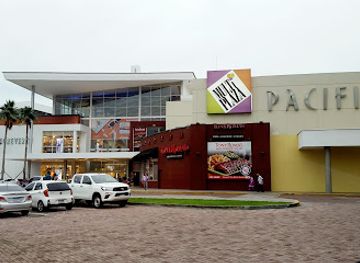
Albrook Mall
Explore the vibrant Albrook Mall in Panama City, your ultimate shopping and dining destination with endless options for every taste and budget.
-
Shopping mall
Multiplaza Panamá
Discover a shopping paradise at Multiplaza Panamá, featuring luxury brands, delightful dining, and vibrant entertainment for an unforgettable experience.
-
Shopping mall
Metromall Panamá
Discover the vibrant shopping and entertainment experience at Metromall Panamá, where local culture meets international brands and family fun.
-
Shopping mall
AltaPlaza Mall
Shop, dine, and explore the vibrant retail culture of Panama at AltaPlaza Mall, a premier shopping destination in Panama City.

Get your free copy of our complete guide to Panama Canal Zone, delivered straight to you.
Everything on this page, from attractions and restaurants to essentials and local phrases, in one PDF you can read offline, print or share.
Already have an account? Sign in
Your Panama Canal Zone guide is ready.
We'll send it to · Not you? Sign out

Getting your guide ready…
We are putting together a fresh copy of the Panama Canal Zone guide. This can take up to a minute.
This can take a few moments. If your browser asks, choose Allow so the download can start. You'll find the guide in your Downloads folder.
Nothing happened? Download it again
Sorry, the guide is taking longer than usual. Please try again in a minute, or get it by email instead.
Panama Canal Zone essentials
Currency and Payment
Safety
Emergency Situations
Do's and Don'ts
Local Tips
From Eve
Local phrases worth knowing
You don't need to get them perfect. A few words go a long way, and locals appreciate the effort.
Basics
| English | Local | Say it |
|---|---|---|
| Hello | Hola | [Olah] |
| Goodbye | Adiós | [Adee-ohs] |
| Yes | Sí | [See] |
| No | No | [No] |
| Please/You're welcome | Por favor/De nada | [Por fah-vor/Deh nah-dah] |
| Thank you | Gracias | [Grahs-ee-ahs] |
| Excuse me/Sorry | Perdón | [Per-dohn] |
| How are you? | ¿Cómo estás? | [Koh-moh ehs-tahs] |
| Fine. And you? | Bien. ¿Y tú? | [Bee-en. Ee too] |
| Do you speak English? | ¿Hablas inglés? | [Ah-blahs een-glehs] |
| I don't understand | No entiendo | [No en-tee-en-doh] |
Eating & Drinking
| English | Local | Say it |
|---|---|---|
| I'd like to see the menu, please | Me gustaría ver el menú, por favor | [Meh goos-tah-ree-ah vehr el meh-noo, por fah-vor] |
| I don't eat meat | No como carne | [No koh-moh kar-neh] |
| Cheers! | ¡Salud! | [Sah-lood] |
| I would like to pay, please | Me gustaría pagar, por favor | [Meh goo-stah-ree-ah pah-gar, por fah-vor] |
Emergencies
| English | Local | Say it |
|---|---|---|
| Help! | ¡Ayuda! | [Ah-yoo-dah] |
| Go away! | ¡Vete! | [Veh-teh] |
| Call the Police! | ¡Llama a la policía! | [Yah-mah ah lah poh-lee-see-ah] |
| Call a doctor! | ¡Llama a un doctor! | [Yah-mah ah oon dok-tor] |
| I'm lost | Estoy perdido | [Ehs-toy pehr-dee-doh] |
| I'm ill | Estoy enfermo | [Ehs-toy en-fehr-moh] |
Shopping
| English | Local | Say it |
|---|---|---|
| I'd like to buy... | Me gustaría comprar... | [Meh goo-stah-ree-ah kohm-prar] |
| I'm just looking | Solo estoy mirando | [Soh-loh ehs-toy mee-rahn-doh] |
| How much is it? | ¿Cuánto cuesta? | [Kwan-toh kwes-tah] |
| That's too expensive | Eso es demasiado caro | [Eh-soh ehs deh-mah-see-ah-doh kah-roh] |
| Can you lower the price? | ¿Puedes bajar el precio? | [Pweh-des bah-har el preh-see-oh] |
Time & Numbers
| English | Local | Say it |
|---|---|---|
| What time is it? | ¿Qué hora es? | [Ke oh-rah ehs] |
| It's one o'clock | Es la una | [Ehs lah oo-nah] |
| Half past (10) | Las diez y media | [Lahs dyez ee meh-dee-ah] |
| Morning | Mañana | [Mah-nyah-nah] |
| Afternoon | Tarde | [Tar-deh] |
| Evening | Noche | [Noh-cheh] |
| Yesterday | Ayer | [Ah-yehr] |
| Today | Hoy | [Oy] |
| Tomorrow | Mañana | [Mah-nyah-nah] |
| 1 | Uno | [Oo-noh] |
| 2 | Dos | [Dohs] |
| 3 | Tres | [Trehs] |
| 4 | Cuatro | [Kwah-troh] |
| 5 | Cinco | [Seen-koh] |
| 6 | Seis | [Says] |
| 7 | Siete | [Syay-teh] |
| 8 | Ocho | [Oh-choh] |
| 9 | Nueve | [Nweh-veh] |
| 10 | Diez | [Dyehs] |
Transport & Directions
| English | Local | Say it |
|---|---|---|
| Where's a/the...? | ¿Dónde está un/una...? | [Dohn-deh ehs-tah oon/oo-nah] |
| What's the address? | ¿Cuál es la dirección? | [Kwahl ehs lah dee-rehk-see-ohn] |
| Can you show me (on the map)? | ¿Puedes mostrarme (en el mapa)? | [Pweh-des mohs-trar-meh en el mah-pah] |
| When's the next (bus)? | ¿Cuándo es el próximo (bus)? | [Kwan-doh ehs el prohk-see-moh] |
| A ticket (to ....) | Un boleto (a ....) | [Oon boh-leh-toh ah] |
History of Panama Canal Zone
Indigenous Isthmian Communities before European Expansion
Long before the canal, the isthmus was inhabited by diverse Indigenous peoples whose societies used rivers, forests and coastal waterways for movement, trade and subsistence. The route across Panama connected Caribbean and Pacific environments, making the area strategically important even before European intervention. Present-day canal construction and settlement altered many landscapes, and archaeological evidence around the watershed provides reminders that the region's history did not begin with foreign engineering projects. Visitors should understand the canal corridor as a layered cultural landscape rather than an empty route awaiting construction.
Spanish Transit Route and Portobelo Trade
After the Spanish conquest, the isthmus became one of the principal links in Spain's American empire. Goods and precious metals crossed between Pacific and Caribbean ports using routes that included the Camino de Cruces and the Camino Real, while Portobelo on the Caribbean coast hosted major trading fairs. Although the principal colonial settlements and routes extend beyond the immediate canal corridor, this imperial transit system established the enduring strategic importance of crossing Panama and foreshadowed later canal schemes.
The Panama Railway, 1850s
The Panama Railway, completed across the isthmus in the 1850s, was the first transcontinental railway to connect the Atlantic and Pacific oceans. Built during the California Gold Rush, it carried passengers, luggage and freight through difficult tropical terrain and turned Panama into an international transit centre. Its construction involved severe hardship and high mortality, reflecting the dangers of disease and the demanding environment. The railway also created precedents for the large-scale movement of labour, capital and infrastructure that would define the later canal era.
The French Canal Project, 1880s–1890s
France began constructing a sea-level canal in the 1880s under the leadership associated with the Suez Canal, but the project struggled with tropical disease, engineering difficulties, financial mismanagement and the scale of excavation required. The failed enterprise left equipment, excavations and institutional knowledge that later influenced the American project. Its legacy remains visible in the history of the Culebra Cut and in the broader story of how yellow fever and malaria had to be confronted before major construction could proceed.
US Construction and the Creation of the Canal Zone
The United States resumed canal construction in the early twentieth century, adopting a lock canal design rather than the abandoned French sea-level plan. The Panama Canal opened in 1914 after enormous excavation, dam and lock works, supported by a large international labour force and a public-health campaign against mosquito-borne disease. The Canal Zone was established as a US-administered territory along the waterway, with its own government, military facilities and settlements. The system of segregated employment and housing left a profound social legacy, including the distinction between so-called Gold Roll and Silver Roll workers.
Panamanian Sovereignty and the Canal Treaties
Relations between Panama and the United States were shaped by repeated disputes over sovereignty, jurisdiction and the unequal status of the Canal Zone. The 1964 events known in Panama as Martyrs' Day intensified demands for a new arrangement. The Torrijos–Carter Treaties, signed in 1977, established the process by which Panama would assume full control of the canal and its surrounding zone. The handover was completed on 31 December 1999, when the Canal Zone ceased to exist as a US-administered territory. Its former boundaries are now best understood through historical sites and the operating canal corridor.
The Canal under Panamanian Administration
Since the 1999 handover, the Panama Canal has been administered by the Panama Canal Authority, known by its Spanish initials as the ACP. The canal remains central to Panama's economy and international identity, while the surrounding watershed is managed as a critical source of freshwater for canal operations. The 2016 opening of the expanded canal introduced larger lock complexes and altered global shipping patterns. Today, canal history is presented alongside rainforest conservation, watershed management and Panamanian sovereignty, rather than solely as a story of foreign engineering.
Panama Canal Zone in Photos
Browse through our photo collection highlighting the charm and character of the destination.
Neighbouring regions of Panama Canal Zone
The closest regions to Panama Canal Zone, if you have time for more than one.
-

-

-

-
-


Swipe for more regions
Explore more

Explore more of Panama
Discover Panama: A vibrant blend of modernity and nature, where historic charm, tropical rainforests, and pristine beaches come together in the heart of Central America.
Explore Panama