

Free Alto Paraná Plateau Travel Guide & Mobile App
Explore Alto Paraná Plateau with free travel guides. Discover regional history, expert tips, proposed trips, and audio guides on web or mobile app.


Explore the Alto Paraná Plateau: A serene escape in Paraguay with lush landscapes, diverse flora and fauna, and rich cultural heritage awaiting discovery.
Read more about Alto Paraná Plateau
When is the best time to visit Alto Paraná Plateau?
Best: May, August–September · 23–26°C| Month | High (°C) | Rainfall (mm) |
|---|---|---|
| January | 34 | 150 |
| February | 33 | 140 |
| March | 31 | 130 |
| April | 28 | 120 |
| May (best) | 24 | 110 |
| June | 20 | 100 |
| July | 20 | 90 |
| August (best) | 23 | 100 |
| September (best) | 26 | 110 |
| October | 29 | 120 |
| November | 30 | 130 |
| December | 32 | 140 |
Getting to and around Alto Paraná Plateau
How to get there
Transportation
Top city travel guides in Alto Paraná Plateau
The cities of Alto Paraná Plateau, and the easiest places to base yourself.
-

-

-

-


Swipe for more cities
Destinations in Alto Paraná Plateau
Resorts, valleys and scenic spots worth a trip of their own.
-

-

-
-

-


Swipe for more destinations
Best attractions in Alto Paraná Plateau
Nestled in the heart of Paraguay, the Alto Paraná Plateau is a treasure trove of natural beauty and historical intrigue, offering visitors a unique blend of lush landscapes and rich cultural heritage. Marvel at the stunning Itaipu Dam, one of the world's largest hydroelectric projects, which stands as a testament to human engineering prowess amidst the verdant surroundings. Explore the diverse ecosystems of the Mbaracayú Forest Nature Reserve, home to an array of wildlife and exotic plant species, perfect for nature enthusiasts and adventure seekers alike. Wander through the charming town of Ciudad del Este, a bustling hub of commerce and culture where you can indulge in vibrant local markets and savor traditional Paraguayan cuisine. History buffs will be captivated by the Jesuit Missions of La Santísima Trinidad de Paraná and Jesús de Tavarangue, UNESCO World Heritage sites that offer a glimpse into the region's colonial past. The Alto Paraná Plateau is not just a destination; it is an experience that promises to enchant every traveler who ventures into its depths.
-
Tourist attraction
Iguazu Falls
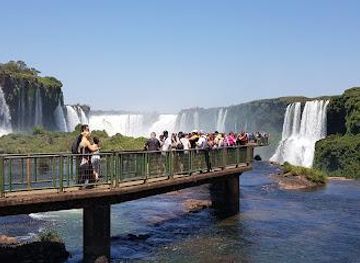
Experience the unparalleled beauty of Iguazu Falls in Misiones Province, a UNESCO World Heritage site featuring stunning waterfalls and rich biodiversity.
-
National park
Iguazú National Park
Experience the breathtaking beauty of Iguazú National Park, home to iconic waterfalls and rich biodiversity, perfect for nature lovers and adventure seekers.
-
Zoo
Parque das Aves
Explore Parque das Aves, a premier bird sanctuary in Foz do Iguaçu, showcasing diverse avian species in a stunning natural setting.
-
Visitor center
Visitor Center Station
Explore the wonders of Iguaçu Falls from the Visitor Center Station, your gateway to breathtaking views and vital information on this natural masterpiece.


Best landmarks in Alto Paraná Plateau
The Alto Paraná Plateau in Paraguay is a treasure trove for adventurous travelers and history enthusiasts alike. Visitors can marvel at the stunning Itaipu Dam, one of the largest hydroelectric plants in the world, offering jaw-dropping panoramic views and guided tours that delve into its engineering marvels. The lush greenery and biodiversity of the Mbaracayú Forest Nature Reserve provide excellent opportunities for hiking and wildlife spotting, while the Jesuit Missions of La Santísima Trinidad de Paraná and Jesús de Tavarangue, UNESCO World Heritage Sites, offer a glimpse into the region's rich colonial past with their well-preserved ruins and fascinating history. The vibrant city of Ciudad del Este is a bustling hub of commerce and culture, where one can explore the colorful markets, indulge in local cuisine, and discover a blend of modernity and tradition. Whether you're a nature lover, history buff, or simply looking to experience the unique charm of Paraguay, the Alto Paraná Plateau promises an unforgettable journey.
-
 National park
Monday Falls
Experience the breathtaking beauty of Monday Falls, a stunning national park in Paraguay that captivates with its cascading waterfalls and lush landscapes.
-
Bridge
International Friendship Bridge
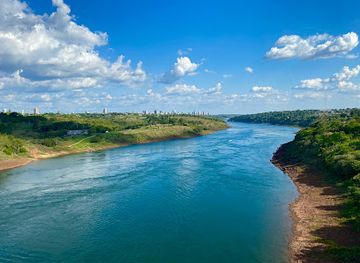
Discover the International Friendship Bridge, a stunning link between Paraguay and Brazil, offering breathtaking views and a vibrant cultural exchange.
-
Park
Costanera Hernandarias
Experience tranquility and natural beauty at Costanera Hernandarias, a scenic park along the Paraguay River, perfect for relaxation and outdoor activities.
-
Protected area
Tatí Yupí Refuge
Discover the natural beauty and rich biodiversity at Tatí Yupí Refuge in Hernandarias, Paraguay, a perfect escape for nature lovers and outdoor enthusiasts.
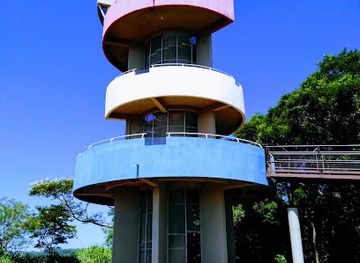
Explore Alto Paraná Plateau on the map
Plan your trip on one map. See where the top cities, national parks and sights are, and book hotels and experiences in a few clicks.
Best hotels in Alto Paraná Plateau
Best restaurants in Alto Paraná Plateau
The dining scene of the Alto Paraná Plateau offers an eclectic mix of culinary delights that reflect the rich cultural tapestry of the region. Visitors can expect to indulge in traditional Paraguayan dishes such as 'sopa paraguaya' and 'chipa', while also finding a variety of international cuisines due to the area's diverse immigrant communities. Vibrant street markets, rustic countryside eateries, and sophisticated urban restaurants provide an array of dining experiences, from savoring succulent 'asado' grilled meats to fresh river fish dishes. The local produce, including exotic fruits and vegetables, adds a unique flavor to the meals, and the warm hospitality of the locals ensures a memorable dining experience that is both authentic and welcoming.
-
Grill
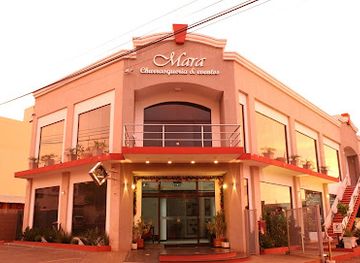
Churrasqueria & Eventos Mara
Discover the taste of Paraguay at Churrasqueria & Eventos Mara, where grilled meats meet vibrant hospitality in Ciudad del Este.
-
Bar
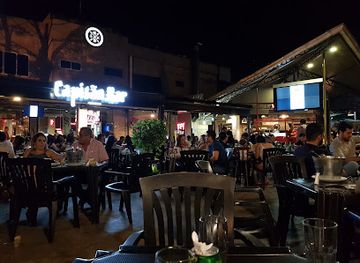
Capitão Bar
Experience vibrant nightlife at Capitão Bar in Ciudad del Este—where delicious cuisine meets lively entertainment.
-
Japanese
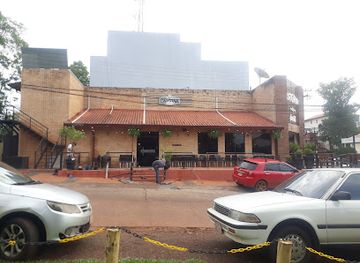
Origami Sushi Bar & Grill
Experience the best of Japanese culinary traditions at Origami Sushi Bar & Grill in Ciudad del Este, offering fresh sushi and delightful grill options.
-
Hamburger
Capitão Burger
Indulge in delicious gourmet burgers at Capitão Burger in Ciudad del Este – where flavor meets comfort in every bite.
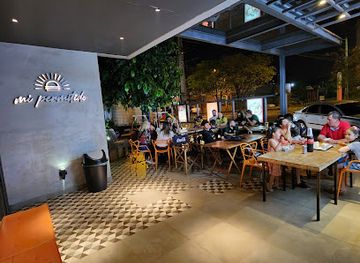
Best bars in Alto Paraná Plateau
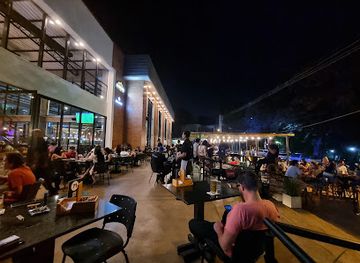
The nightlife scene of Alto Paraná Plateau is a vibrant fusion of traditional Paraguayan culture and modern entertainment, offering visitors a unique experience under the stars. As the sun sets, the area comes alive with an array of lively bars and nightclubs where you can dance to the pulsating beats of reggaeton and cumbia, or enjoy live performances of traditional Paraguayan harp music. Local taverns serve up refreshing caipirinhas and the region's famous tereré, a cold herbal tea perfect for socializing. Whether you're exploring the bustling streets of Ciudad del Este or the charming local spots in smaller towns, the nightlife is buzzing with energy, welcoming both locals and tourists to revel in the warm, inviting atmosphere.
-
Japanese
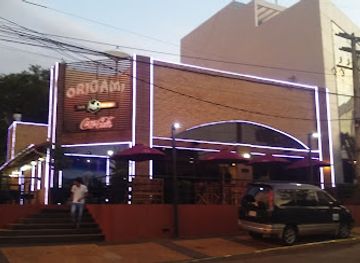
Origami Sushi Bar & Grill
Experience the best of Japanese cuisine at Origami Sushi Bar & Grill in Ciudad del Este, where sushi meets art in a delightful dining atmosphere.
-
Bar
Distrito Brewing Co.
Discover the craft beer haven of Distrito Brewing Co. in Ciudad del Este, where vibrant atmosphere meets unique local brews.
-
Bar
Carioca Bar
Discover the lively Carioca Bar in Ciudad del Este, where delicious drinks and local culture come together for an unforgettable night out.
-
Bar
Parador Tacuara
Experience the vibrant atmosphere at Parador Tacuara, a must-visit bar in Tuna for delicious drinks and social vibes.
Best nightclubs in Alto Paraná Plateau
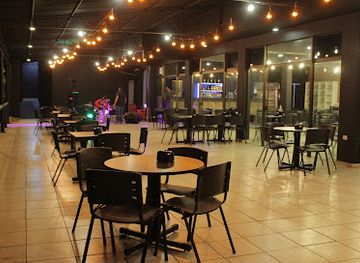
The nightlife scene of Alto Paraná Plateau is a vibrant fusion of traditional Paraguayan culture and modern entertainment, offering visitors a unique experience under the stars. As the sun sets, the area comes alive with an array of lively bars and nightclubs where you can dance to the pulsating beats of reggaeton and cumbia, or enjoy live performances of traditional Paraguayan harp music. Local taverns serve up refreshing caipirinhas and the region's famous tereré, a cold herbal tea perfect for socializing. Whether you're exploring the bustling streets of Ciudad del Este or the charming local spots in smaller towns, the nightlife is buzzing with energy, welcoming both locals and tourists to revel in the warm, inviting atmosphere.
-
Hotel
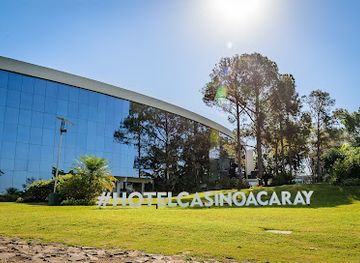
Hotel Casino Acaray
Discover the perfect blend of luxury and entertainment at Hotel Casino Acaray in Ciudad del Este, featuring a vibrant casino, exquisite dining, and luxurious accommodations.
-
Gastropub
After Sunset
Experience the best of Ciudad del Este nightlife at After Sunset, where delectable sushi meets vibrant disco energy.
-
Night club
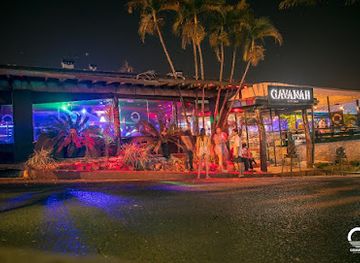
Gavanah Resto Dance
Discover the vibrant nightlife at Gavanah Resto Dance in Ciudad del Este, where delicious food meets electrifying music for an unforgettable experience.
-
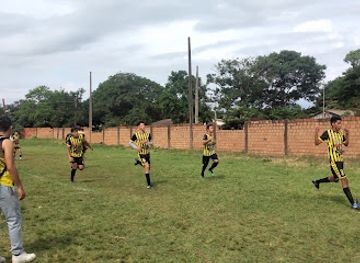
Soccer club
Club Social Deportivo y Cultural Alto Paraná
Discover the heart of Hernandarias through soccer at Club Social Deportivo y Cultural Alto Paraná, where passion and community unite.
Best shops in Alto Paraná Plateau
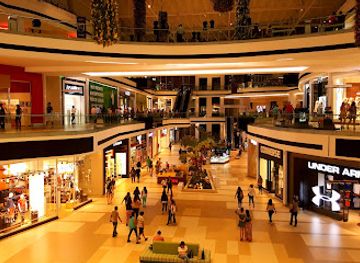
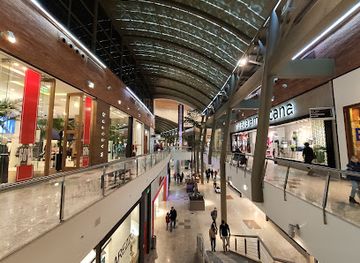
The shopping scene of the Alto Paraná Plateau in Paraguay is a vibrant tapestry of local culture and modern convenience, offering visitors a unique blend of bustling markets and contemporary shopping centers. In Ciudad del Este, the bustling heart of the plateau, you can explore sprawling open-air markets like the Mercado de Abasto, where vendors sell everything from handcrafted Guaraní art and traditional textiles to fresh produce and aromatic spices, capturing the essence of Paraguayan culture. For those seeking more modern retail experiences, the city boasts several state-of-the-art malls such as Shopping del Este and Shopping Paris, where international brands and luxury goods await, providing a stark contrast to the traditional market atmosphere. This diverse shopping landscape, set against the backdrop of the region's lush greenery and historical landmarks, ensures a captivating and varied experience for every type of traveler.
-
Tourist attraction
Iguazu Falls
Iguazu Falls: Experience the breathtaking beauty of one of the world's largest waterfall systems amidst lush rainforests.
-
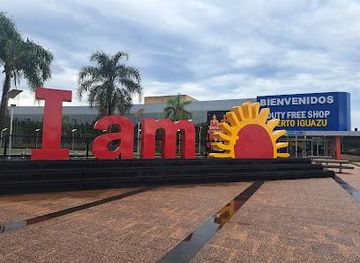
Shopping mall
Duty Free Shop Puerto Iguazu
Explore the Duty Free Shop Puerto Iguazú: A shopper's paradise offering luxury goods, local crafts, and unbeatable prices near the stunning Iguazu Falls.
-
Shopping mall
Paseo La Galería
Discover the vibrant shopping scene at Paseo La Galería in Asunción, a blend of local culture and modern retail experiences.
-
Shopping mall
delSol Shopping
Explore the vibrant delSol Shopping Mall in Asunción, where shopping, dining, and entertainment come together for an unforgettable experience.
Get your free copy of our complete guide to Alto Paraná Plateau, delivered straight to you.
Everything on this page, from attractions and restaurants to essentials and local phrases, in one PDF you can read offline, print or share.
Already have an account? Sign in
Your Alto Paraná Plateau guide is ready.
We'll send it to · Not you? Sign out

Getting your guide ready…
We are putting together a fresh copy of the Alto Paraná Plateau guide. This can take up to a minute.
This can take a few moments. If your browser asks, choose Allow so the download can start. You'll find the guide in your Downloads folder.
Nothing happened? Download it again
Sorry, the guide is taking longer than usual. Please try again in a minute, or get it by email instead.
Alto Paraná Plateau essentials
Currency and Payment
Safety
Emergency Situations
Do's and Don'ts
Local Tips
From Eve
Local phrases worth knowing
You don't need to get them perfect. A few words go a long way, and locals appreciate the effort.
Basics
| English | Local | Say it |
|---|---|---|
| Hello | Hola | [Ola] |
| Goodbye | Adiós | [Adios] |
| Yes | Sí | [Si] |
| No | No | [No] |
| Please/You're welcome | Por favor/De nada | [Por favor/De nada] |
| Thank you | Gracias | [Grasias] |
| Excuse me/Sorry | Disculpe/Lo siento | [Disculpe/Lo siento] |
| How are you? | ¿Cómo estás? | [Komu estas?] |
| Fine. And you? | Bien. ¿Y tú? | [Bien. I tu?] |
| Do you speak English? | ¿Hablas inglés? | [Ablas ingles?] |
| I don't understand | No entiendo | [No entiendo] |
Eating & Drinking
| English | Local | Say it |
|---|---|---|
| I'd like to see the menu, please | Me gustaría ver el menú, por favor | [Me gustaria ver el menu, por favor] |
| I don't eat meat | No como carne | [No komo karne] |
| Cheers! | ¡Salud! | [Salud!] |
| I would like to pay, please | Me gustaría pagar, por favor | [Me gustaria pagar, por favor] |
Emergencies
| English | Local | Say it |
|---|---|---|
| Help! | ¡Ayuda! | [Ayuda!] |
| Go away! | ¡Vete! | [Vete!] |
| Call the Police! | ¡Llama a la policía! | [Llama a la policia!] |
| Call a doctor! | ¡Llama a un doctor! | [Llama a un doktor!] |
| I'm lost | Estoy perdido | [Estoy perdido] |
| I'm ill | Estoy enfermo | [Estoy enfermo] |
Shopping
| English | Local | Say it |
|---|---|---|
| I'd like to buy... | Me gustaría comprar... | [Me gustaria comprar...] |
| I'm just looking | Solo estoy mirando | [Solo estoy mirando] |
| How much is it? | ¿Cuánto cuesta? | [Kuanto cuesta?] |
| That's too expensive | Eso es muy caro | [Eso es mui karo] |
| Can you lower the price? | ¿Puedes bajar el precio? | [Puedes bajar el precio?] |
Time & Numbers
| English | Local | Say it |
|---|---|---|
| What time is it? | ¿Qué hora es? | [Ke ora es?] |
| It's one o'clock | Es la una | [Es la una] |
| Half past (10) | Y media (10) | [Y media (10)] |
| Morning | Mañana | [Mañana] |
| Afternoon | Tarde | [Tarde] |
| Evening | Noche | [Noche] |
| Yesterday | Ayer | [Ayer] |
| Today | Hoy | [Hoy] |
| Tomorrow | Mañana | [Mañana] |
| 1 | Uno | [Uno] |
| 2 | Dos | [Dos] |
| 3 | Tres | [Tres] |
| 4 | Cuatro | [Kuatro] |
| 5 | Cinco | [Sinko] |
| 6 | Seis | [Seis] |
| 7 | Siete | [Siete] |
| 8 | Ocho | [Ocho] |
| 9 | Nueve | [Nueve] |
| 10 | Diez | [Diez] |
Transport & Directions
| English | Local | Say it |
|---|---|---|
| Where's a/the...? | ¿Dónde está un/los...? | [Donde esta un/los...?] |
| What's the address? | ¿Cuál es la dirección? | [Qual es la direccion?] |
| Can you show me (on the map)? | ¿Puedes mostrarme (en el mapa)? | [Puedes mostrarme (en el mapa)?] |
| When's the next (bus)? | ¿Cuándo es el próximo (bus)? | [Cuando es el proximo (bus)?] |
| A ticket (to ....) | Un boleto (a ....) | [Un boleto (a ....)] |
History of Alto Paraná Plateau
Pre-Columbian Era
Before the arrival of Europeans, the Alto Paraná Plateau was inhabited by indigenous Guarani people. The Guarani were semi-nomadic and relied on agriculture, hunting, and fishing. They established small communities and developed a rich cultural and spiritual life deeply connected with the natural environment.
Spanish Colonization
In the 16th century, Spanish explorers and missionaries arrived in the region, marking the beginning of European colonization. The Jesuits founded several missions in the Alto Paraná Plateau, aiming to convert the Guarani to Christianity and integrate them into colonial society. These missions, such as the renowned reductions of Trinidad and Jesús de Tavarangue, are now UNESCO World Heritage Sites.
War of the Triple Alliance
The War of the Triple Alliance (1864-1870), fought between Paraguay and the allied forces of Argentina, Brazil, and Uruguay, had a significant impact on the Alto Paraná Plateau. The region saw several battles and experienced devastation as Paraguayan forces retreated into the interior. The war resulted in a dramatic loss of life and altered the social and economic landscape of the region.
Itaipu Dam Construction
In the 1970s, the construction of the Itaipu Dam, one of the world's largest hydroelectric projects, began on the Paraná River, which borders Paraguay and Brazil. The dam's completion in 1984 brought significant changes to the Alto Paraná Plateau, including the creation of the Itaipu Reservoir. This massive infrastructure project has had both positive and negative effects, providing substantial economic benefits while also leading to the displacement of local communities and environmental changes.
Modern Development and Tourism
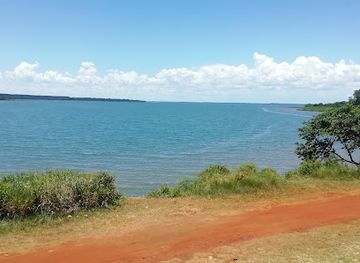
In recent decades, the Alto Paraná Plateau has experienced significant development, particularly in agriculture and tourism. The region is known for its fertile lands, which support a thriving agribusiness sector. Additionally, natural attractions such as the Monday Falls and the expansive Itaipu Lake have made the plateau a popular destination for eco-tourism and adventure tourism. The blend of historical sites, natural beauty, and modern amenities makes it a unique and captivating area for visitors.
Alto Paraná Plateau in Photos
Browse through our photo collection highlighting the charm and character of the destination.
Neighbouring regions of Alto Paraná Plateau
The closest regions to Alto Paraná Plateau, if you have time for more than one.
-

-

-

-

-


Swipe for more regions
Explore more

Explore more of Paraguay
Discover Paraguay: A blend of history, culture, and natural beauty in the heart of South America. Visit Asunción, explore Jesuit ruins, and experience the local cuisine.
Explore Paraguay