

Sintra-Cascais Natural Park, Portugal Travel Guide
Discover the enchanting landscapes, historic castles, and scenic trails of Sintra-Cascais Natural Park, Portugal's perfect blend of nature and history.
Sintra-Cascais Natural Park is a stunning natural reserve located on the western coast of Portugal. It offers a unique blend of natural beauty, historical landmarks, and breathtaking landscapes. The park stretches from the lush mountains of Sintra to the dramatic cliffs of Cascais, providing a diverse range of sights and experiences for visitors. The park is home to the famous Pena Palace, a colorful and whimsical castle that looks like it belongs in a fairy tale. Visitors can explore its grand rooms and lush gardens, all while enjoying panoramic views of the surrounding countryside. Another highlight is the Moorish Castle, an ancient fortress that offers a glimpse into Portugal's rich history. In addition to its historical sites, Sintra-Cascais Natural Park boasts numerous hiking trails that wind through forests, along coastal cliffs, and up to scenic viewpoints. One popular trail leads to Cabo da Roca, the westernmost point of mainland Europe, where visitors can marvel at the rugged coastline and the endless Atlantic Ocean. Whether you're a history buff, nature lover, or simply seeking a peaceful retreat, Sintra-Cascais Natural Park has something to offer. Its combination of cultural heritage and natural splendor makes it a must-visit destination for any traveler to Portugal.

Know before you go
Hi, I'm Eve. Here are a few practical things to know before exploring Sintra-Cascais Natural Park.
- Wear comfortable walking shoes; the park has many trails and uneven paths.
- Visit early in the morning to avoid crowds, especially at popular sites like Pena Palace.
- Bring a light jacket, as weather can change rapidly, especially in the mountains.
- Consider renting a car for easier access to more remote areas of the park.
- Pack a picnic to enjoy at one of the scenic viewpoints or gardens.
Explore Sintra-Cascais Natural Park: Things to Do, Places to Eat, Hotels & More
Handpicked recommendations for top attractions, local dining, accommodations, and more

Best attractions in Sintra-Cascais Natural Park
Top-rated picks
Best Attractions

Parque Urbano Penhas do Marmeleiro
Experience the natural beauty and tranquility of Parque Urbano Penhas do Marmeleiro, a serene urban park in Alcabideche, Portugal.

Praia da Arriba
Experience the serene beauty of Praia da Arriba, a stunning beach destination in Cascais, Portugal, perfect for sunbathing, swimming, and breathtaking sunsets.

Barragem do Rio da Mula
Discover the serene beauty of Barragem do Rio da Mula, a hiking paradise in Alcabideche, Portugal, perfect for nature lovers and outdoor enthusiasts.

Quinta do Pisão
Discover the natural beauty and serenity of Quinta do Pisão, an enchanting park within the Sintra-Cascais Natural Park, perfect for outdoor adventures and relaxation.

Best landmarks in Sintra-Cascais Natural Park
Top-rated picks
Best Landmarks

Quinta da Regaleira
Discover the enchanting Quinta da Regaleira in Sintra, a captivating blend of architecture, gardens, and history that invites exploration and wonder.

Praia da Ursa
Experience the breathtaking cliffs and serene beauty of Praia da Ursa, one of Portugal's most picturesque beaches, nestled in Sintra-Cascais Natural Park.

Park and Palace of Monserrate
Explore the breathtaking Park and Palace of Monserrate in Sintra, where history, beauty, and nature come together for an unforgettable experience.

Parques de Sintra-Monte da Lua (PSML)
Explore the breathtaking landscapes and architectural marvels of Parques de Sintra-Monte da Lua in Sintra, Portugal, a true gem for nature and history lovers.

Best restaurants in Sintra-Cascais Natural Park
Top-rated picks
Best Restaurants

A Praça
Discover A Praça in Sintra – where vegetarian delights meet vegan creativity in an enchanting setting.

Nau Palatina
Discover Nau Palatina in Sintra - where exquisite tapas meet an inviting atmosphere for an unforgettable dining experience.

Mela Canela
Experience the vibrant flavors of plant-based cuisine at Mela Canela, Sintra's top vegan café offering delicious meals in an eco-friendly setting.

Taberna Criativa
Discover Taberna Criativa: A gastronomic gem in Sintra offering authentic Portuguese cuisine with a modern twist.

Best bars in Sintra-Cascais Natural Park
Top-rated picks
Best Bars

Nata Pura Sintra
Discover the essence of Portuguese pastry at Nata Pura Sintra, the ultimate café for pastel de nata lovers in a charming setting.

4 Caravelas Sintra
Discover the enchanting cocktail experience at 4 Caravelas Sintra, where innovative drinks meet a cozy atmosphere in a historic town.

Nau Palatina
Discover the flavors of Portugal at Nau Palatina, a top-rated tapas bar in Sintra, offering a blend of tradition and culinary innovation.

Azen Cool House
Discover serenity at Azen Cool House, a modern hotel in São João das Lampas, perfect for a peaceful getaway in the heart of Portugal's countryside.

Best nightclubs in Sintra-Cascais Natural Park
Top-rated picks
Best Nightclubs

4 Caravelas Sintra
Discover the vibrant nightlife of Sintra at 4 Caravelas, a cocktail bar offering exquisite drinks and a welcoming atmosphere for all.

Casa do Fauno
Discover the enchanting Casa do Fauno in Sintra, where books meet brews, and live music creates unforgettable nights.

ZID lounge Bar
Experience the vibrant nightlife of Sintra at ZID Lounge Bar, where exquisite cocktails and a lively atmosphere await you.

Bar Saloon Cintra
Discover the lively nightlife at Bar Saloon Cintra in Lisboa, where delicious food and drinks await in a vibrant atmosphere.

Best shops in Sintra-Cascais Natural Park
Top-rated picks
Best Shops

Nata Pura Sintra
Discover the essence of Sintra at Nata Pura, where scrumptious pastel de nata and cozy ambiance await every visitor.

Wonder Van - Tours | Experiences | Events
Discover the beauty and culture of Sintra with Wonder Van's unforgettable tours, experiences, and outdoor adventures.

Go2Cintra | E-Bikes Rentals | E- Cars Rentals | E-Scooters| Day Tours
Discover Sintra's enchanting beauty with Go2Cintra's eco-friendly bike, car, and scooter rentals for a memorable adventure.

Sintra-Cascais Natural Park
Experience the breathtaking beauty and history of Sintra-Cascais Natural Park, a natural wonder that showcases Portugal's rich landscapes and heritage.

Explore Sintra-Cascais Natural Park on the Map
A handpicked selection of must-see spots in Sintra-Cascais Natural Park, mapped for you.
Sintra-Cascais Natural Park Essentials
-
Sintra-Cascais Natural Park is located in the Lisbon District of Portugal. The nearest major airport is Lisbon Humberto Delgado Airport, approximately 30 kilometers away. From the airport, you can take a taxi, a private transfer, or use public transportation to reach Sintra or Cascais. Trains run frequently from Lisbon's Rossio Station to Sintra, and the journey takes about 40 minutes. Cascais can be reached by a scenic train ride from Lisbon's Cais do Sodré Station, which also takes around 40 minutes.
-
The park is best explored by a combination of walking, biking, and using public transportation. Local buses connect Sintra with various points of interest within the park, including Cabo da Roca and Praia da Adraga. Taxis and ride-sharing services are also available. For a more flexible option, consider renting a car, but be mindful that parking can be challenging in popular areas. Biking is a great way to explore the park's natural beauty, with several rental shops available in Sintra and Cascais.
-
The official currency in Portugal is the Euro (€). Credit cards are widely accepted in hotels, restaurants, and shops, but it's advisable to carry some cash for smaller establishments and remote areas within the park. ATMs are readily available in Sintra and Cascais, so you can easily withdraw cash as needed.
-
Sintra-Cascais Natural Park is generally a safe destination for tourists. However, it's important to take standard precautions. Avoid leaving valuables unattended and be cautious in crowded areas to prevent pickpocketing. There are no specific high-crime areas targeting tourists, but staying vigilant and aware of your surroundings is always a good practice. Be cautious when hiking or exploring remote areas, and make sure you have a map and sufficient supplies.
-
In case of emergency, dial 112 for immediate assistance. Hospitals and medical facilities are available in nearby Sintra and Cascais. It is advisable to have travel insurance that covers medical emergencies. For minor health issues, there are pharmacies in both towns where you can purchase over-the-counter medications. Always carry a copy of your insurance details and any necessary prescription medications.
-
Fashion: Do dress comfortably for outdoor activities, but avoid wearing overly revealing clothing when visiting religious sites. Religion: Do show respect in religious places by dressing modestly and maintaining a quiet demeanor. Public Transport: Do validate your ticket before boarding and give up your seat to elderly passengers. Don't eat or drink on public transport. Greetings: Do greet locals with a polite 'bom dia' (good day) or 'boa tarde' (good afternoon). A handshake is a common form of greeting. Eating & Drinking: Do try local dishes and wines. Don't rush meals; dining is often a leisurely activity.
-
To experience Sintra-Cascais Natural Park like a local, visit the local markets for fresh produce and handmade goods. Try to explore the lesser-known trails and beaches, as they offer a more secluded experience. Engage with locals to learn about hidden gems and historical anecdotes. Don't miss the tram ride from Sintra to Praia das Maçãs, offering scenic views. Visit during weekdays to avoid the weekend crowds and have a more relaxed experience.
When is the best time to visit Sintra-Cascais Natural Park?
Useful Local Phrases for Sintra-Cascais Natural Park
You don't need to speak the language perfectly. Even learning a few simple words can make conversations warmer—and locals usually appreciate the effort.
— Eve

Here are the phrases I use most often in Sintra-Cascais Natural Park. Try a few—you'll be surprised how far they go! 😊
❤️
-
- HelloOlá
[oh-lah] - GoodbyeAdeus
[ah-deh-ooz] - YesSim
[seem] - NoNão
[now] - Please/You're welcomePor favor
[por fah-vohr] - Thank youObrigado
[oh-bree-gah-doo] - Excuse me/SorryDesculpe
[dehs-kool-peh] - How are you?Como está?
[koh-moh eh-stah] - Fine. And you?Bem. E você?
[behn. eh voh-seh] - Do you speak English?Fala inglês?
[fah-lah een-glehsh] - I don't understandNão entendo
[now ehn-tehn-doo]
- HelloOlá
-
- I'd like to see the menu, pleaseGostaria de ver o menu, por favor
[goh-stah-ree-ah deh vehr ooh meh-noo, poor fah-vohr] - I don't eat meatNão como carne
[now koh-moh kahr-neh] - Cheers!Saúde!
[sow-deh] - I would like to pay, pleaseGostaria de pagar, por favor
[goh-stah-ree-ah deh pah-gahr, poor fah-vohr]
- I'd like to see the menu, pleaseGostaria de ver o menu, por favor
-
- Help!Socorro!
[soh-koh-roh] - Go away!Vai embora!
[vah-ee ehm-boh-rah] - Call the Police!Chame a polícia!
[shah-meh ah poh-lee-see-ah] - Call a doctor!Chame um médico!
[shah-meh oon meh-dee-koh] - I'm lostEstou perdido
[ehs-toh pehr-dee-doo] - I'm illEstou doente
[ehs-toh doo-ehn-teh]
- Help!Socorro!
-
- I'd like to buy...Gostaria de comprar...
[goh-stah-ree-ah deh kohm-prahr] - I'm just lookingEstou só a ver
[ehs-toh soh ah vehr] - How much is it?Quanto custa?
[kwahn-toh koosh-tah] - That's too expensiveIsso é muito caro
[ee-soh eh moo-ee-toh kah-roo] - Can you lower the price?Pode baixar o preço?
[poh-deh bahy-shahr ooh preh-soo]
- I'd like to buy...Gostaria de comprar...
-
- What time is it?Que horas são?
[keh oh-rahz sah-oh] - It's one o'clockÉ uma hora
[eh oo-mah oh-rah] - Half past (10)Meia (10)
[may-ah (dehs)] - MorningManhã
[mah-nyah] - AfternoonTarde
[tahr-deh] - EveningNoite
[noy-teh] - YesterdayOntem
[ohn-tehm] - TodayHoje
[oh-zheh] - TomorrowAmanhã
[ah-mah-nyah] - 1Um
[oom] - 2Dois
[doh-eez] - 3Três
[trehs] - 4Quatro
[kwah-troh] - 5Cinco
[seen-koh] - 6Seis
[saysh] - 7Sete
[seh-teh] - 8Oito
[oy-toh] - 9Nove
[noh-veh] - 10Dez
[dehz]
- What time is it?Que horas são?
-
- Where's a/the...?Onde fica o/a...?
[ohn-deh fee-kah oh/ah] - What's the address?Qual é a morada?
[kwahl eh ah moh-rah-dah] - Can you show me (on the map)?Pode mostrar-me (no mapa)?
[poh-deh moh-strahr-meh (noo mah-pah)] - When's the next (bus)?Quando é o próximo (autocarro)?
[kwahn-doo eh oo proh-ksee-moh (ow-toh-kah-roo)] - A ticket (to ....)Um bilhete (para ....)
[oom beel-yeh-teh (pah-rah)]
- Where's a/the...?Onde fica o/a...?
History of Sintra-Cascais Natural Park
-
Standing majestically atop the hills of Sintra, the Moorish Castle dates back to the 8th and 9th centuries, constructed by the Moors during their occupation of the Iberian Peninsula. The castle served as a strategic military stronghold, overseeing the surrounding lands and coastline. After the Christian reconquest in the 12th century, the castle fell into disrepair but was later restored in the 19th century under King Ferdinand II. Today, its ancient walls and towers offer panoramic views of Sintra and the Atlantic Ocean.
-
Pena Palace is one of the most iconic landmarks in Sintra-Cascais Natural Park. Built in the mid-19th century by King Ferdinand II, this stunning example of Romantic architecture blends elements of Gothic, Manueline, Islamic, and Renaissance styles. The vibrant colors and eclectic design make it a visual feast. Originally a monastery, the site was transformed into a palace and surrounded by lush gardens featuring exotic plants from around the world. Pena Palace is now a UNESCO World Heritage Site and a symbol of Portugal's rich cultural heritage.
-
Quinta da Regaleira, built in the late 19th and early 20th centuries, is a palace and estate that exudes mysticism and intrigue. Designed by Italian architect Luigi Manini for Portuguese businessman António Augusto Carvalho Monteiro, the estate is renowned for its enigmatic symbols and hidden tunnels. The grounds feature a labyrinthine garden, an Initiation Well, and numerous statues and grottoes that reflect Monteiro's fascination with alchemy, Masonry, and the Templar Knights. Quinta da Regaleira is a place where history and legend intertwine.
-
Monserrate Palace, located in Sintra-Cascais Natural Park, is a splendid example of 19th-century eclecticism. The palace was commissioned by Sir Francis Cook, a wealthy British merchant, and designed by architect James Knowles. The architecture of Monserrate Palace combines Gothic, Moorish, and Indian influences, set against a backdrop of lush botanical gardens. The palace and its surroundings reflect the Victorian fascination with exoticism and the era's spirit of exploration and discovery.
-
Cabo da Roca, the westernmost point of mainland Europe, is a dramatic cliffside location within Sintra-Cascais Natural Park. Historically, it was considered the edge of the known world during the Age of Discoveries. The lighthouse at Cabo da Roca, built in 1772, stands as a beacon for maritime navigation. The rugged landscape and sweeping ocean views have inspired poets and travelers alike, including the famous Portuguese poet Luís de Camões, who described it as the place 'where the land ends and the sea begins.'
-
Sintra National Palace, also known as Palácio da Vila, is the best-preserved medieval royal residence in Portugal. Its origins date back to the early 15th century, and it served as a summer retreat for Portuguese royalty. The palace is distinguished by its twin conical chimneys and a blend of Gothic, Manueline, and Mudéjar styles. Over the centuries, it has witnessed key historical events, including royal weddings and political treaties. The richly decorated interiors and azulejo tiles reflect the opulence and artistry of Portuguese court life.
Cities in Sintra-Cascais Natural Park
Browse our curated selection of top destinations, scenic points, and must-visit spots in the area.

Neighbouring destination travel guides
Browse our curated selection of top destinations, scenic points, and must-visit spots in the area.



Your all‑in‑one travel companion app
Explore expert travel guides, compare and book tours, experiences, hotels, and more—all from the palm of your hand. Download now for seamless trip planning wherever your wanderlust takes you.


Explore More of Estremadura

Looking beyond Sintra-Cascais Natural Park? Discover Estremadura for broader travel guides, local hot-spots, and regional highlights.
Explore EstremaduraExplore More of Portugal
Looking beyond Sintra-Cascais Natural Park? Discover Portugal for broader travel guides, local hot-spots, and regional highlights.
Explore PortugalSintra-Cascais Natural Park in Photos
Browse through our photo collection highlighting the charm and character of the destination.

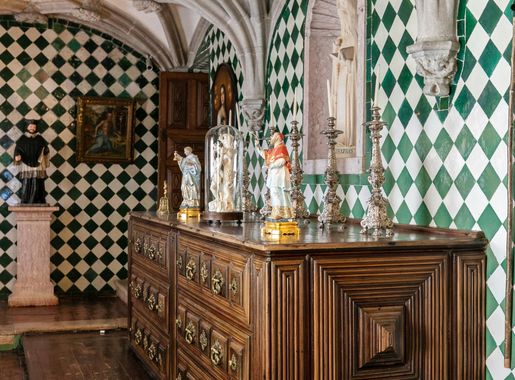


Sintra-Cascais Natural Park: Portugal's Enchanted Escape
Sintra-Cascais Natural Park is a stunning natural reserve located on the western coast of Portugal. It offers a unique blend of natural beauty, historical landmarks, and breathtaking landscapes. The park stretches from the lush mountains of Sintra to the dramatic cliffs of Cascais, providing a diverse range of sights and experiences for visitors. The park is home to the famous Pena Palace, a colorful and whimsical castle that looks like it belongs in a fairy tale. Visitors can explore its grand rooms and lush gardens, all while enjoying panoramic views of the surrounding countryside. Another highlight is the Moorish Castle, an ancient fortress that offers a glimpse into Portugal's rich history. In addition to its historical sites, Sintra-Cascais Natural Park boasts numerous hiking trails that wind through forests, along coastal cliffs, and up to scenic viewpoints. One popular trail leads to Cabo da Roca, the westernmost point of mainland Europe, where visitors can marvel at the rugged coastline and the endless Atlantic Ocean. Whether you're a history buff, nature lover, or simply seeking a peaceful retreat, Sintra-Cascais Natural Park has something to offer. Its combination of cultural heritage and natural splendor makes it a must-visit destination for any traveler to Portugal.