

Free Oltenia Travel Guide & Mobile App
Explore Oltenia with free travel guides. Discover regional history, expert tips, proposed trips, and audio guides on web or mobile app.


Explore Oltenia in Romania for Brâncuși sculpture, Carpathian monasteries, Danube landscapes, spa towns and southern regional cuisine.
Read more about Oltenia
When is the best time to visit Oltenia?
Best: May–June, September · 23–26°C| Month | High (°C) | Rainfall (mm) |
|---|---|---|
| January | 4 | 31 |
| February | 6 | 27 |
| March | 13 | 36 |
| April | 18 | 46 |
| May (best) | 23 | 56 |
| June (best) | 26 | 66 |
| July | 28 | 61 |
| August | 28 | 56 |
| September (best) | 23 | 46 |
| October | 17 | 40 |
| November | 9 | 36 |
| December | 6 | 33 |
Getting to and around Oltenia
How to get there
Transportation
Top city travel guides in Oltenia
The cities of Oltenia, and the easiest places to base yourself.
-

-

-

-

-


Swipe for more cities
Destinations in Oltenia
Resorts, valleys and scenic spots worth a trip of their own.
-

-

-

-

-

-


Swipe for more destinations
Best attractions in Oltenia
-
Tourist attraction
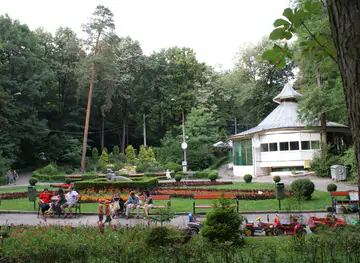
Dumbrava Sibiului Natural Park
Explore Dumbrava Sibiului Natural Park, a serene retreat in Sibiu, Romania, where nature thrives and adventure awaits at every turn.
-
Tourist attraction
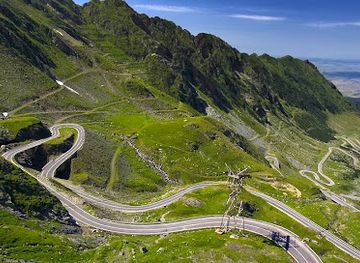
Transfagarasan
Experience the breathtaking beauty of Transfagarasan, a stunning mountain road offering adventure, scenic views, and rich Romanian culture.
-
Tourist attraction
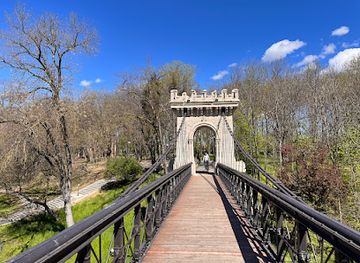
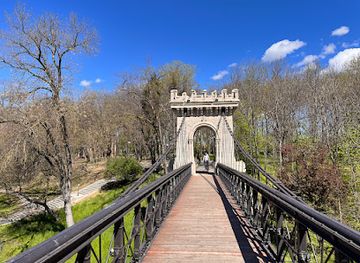
Nicolae Romanescu Park
Explore the enchanting Nicolae Romanescu Park, a lush urban oasis in Craiova, offering nature's beauty and tranquility in the heart of the city.
-
Tourist attraction
Sibiu Zoological Garden
Explore the Sibiu Zoological Garden, a family-friendly destination showcasing diverse wildlife and dedicated to animal conservation in Romania.
Best landmarks in Oltenia
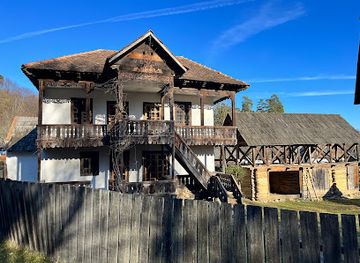
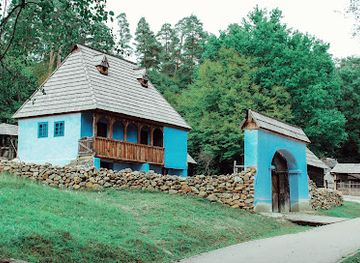
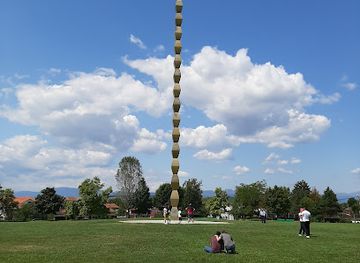
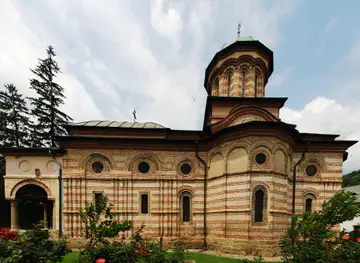
The most recognisable landmarks of Oltenia reveal the region’s religious, artistic, imperial and industrial histories. In Târgu Jiu, Constantin Brâncuși’s Ensemble of the Heroes—The Table of Silence, The Gate of the Kiss and the Endless Column—turns a city axis into a work of modern monumental art linked to the memory of the First World War. Cozia Monastery, beside the Olt, is one of Wallachia’s major medieval foundations and is closely associated with Mircea the Elder. Horezu Monastery represents the mature Brâncovenesc style through its sculpted stonework, ornament and painted interiors. At Drobeta-Turnu Severin, the remains of the Roman camp and settlement recall Trajan’s bridge and the frontier of Roman Dacia. The Iron Gates themselves form a landmark of both geography and engineering, where the Danube passes through a dramatic gorge and reservoir landscape. In northern Vâlcea, the limestone massifs of Buila-Vânturarița provide a natural counterpoint to the built heritage, while the Olt valley’s steep wooded slopes make the route between monasteries and spa towns visually distinctive.
-
Park
Nicolae Romanescu Park
Discover the lush landscapes and vibrant atmosphere of Nicolae Romanescu Park in Craiova, a perfect retreat for nature lovers and tourists alike.
-
Tourist attraction
The Infinite Column
Explore The Infinite Column in Târgu Jiu, a stunning monument by Constantin Brâncuși that honors Romanian heroes and captivates visitors with its artistic splendor.
-
Fortress
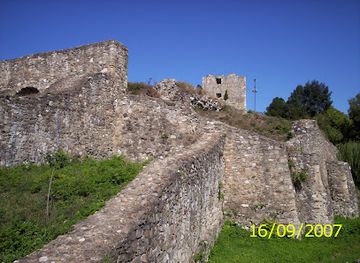
The Fortress of Severin
Explore the Fortress of Severin, a historical gem in Romania, offering stunning views and rich narratives of the past.
-
Tourist attraction
God's Bridge
Explore the breathtaking beauty of God's Bridge in Ponoarele, Romania, a stunning natural limestone arch and a haven for nature lovers and adventurers.
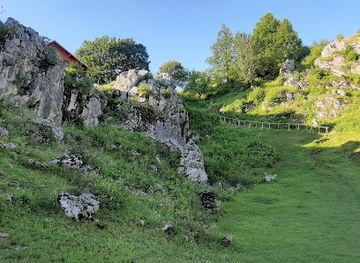
Explore Oltenia on the map
Plan your trip on one map. See where the top cities, national parks and sights are, and book hotels and experiences in a few clicks.
Best hotels in Oltenia
Best restaurants in Oltenia
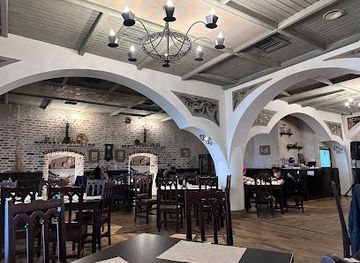
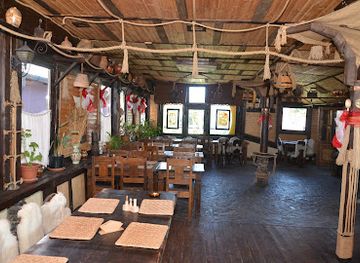
Oltenian cooking belongs to the wider Romanian culinary tradition but reflects the region’s southern climate, farming and river-and-mountain geography. Menus commonly feature ciorbă, grilled meats, sarmale, polenta and vegetable dishes, while local tables also draw on sheep and cow cheeses, cured meats, beans, aubergines and seasonal produce. In the hills around Vâlcea and Gorj, village households and guesthouses may serve preserves, fruit brandies and ingredients from small farms; ask what is genuinely local rather than assuming every regional label denotes a protected speciality. Craiova has the broadest choice of contemporary restaurants, cafés and traditional dining rooms, while Slatina, Târgu Jiu, Râmnicu Vâlcea and Drobeta-Turnu Severin offer dependable urban options. Rural inns and monastery-area restaurants tend to be simpler and may have limited menus. At markets, look for summer fruit, vegetables, honey, cheeses and baked goods. Horezu pottery is not food, but its painted plates and serving vessels are closely associated with the region’s domestic craft culture.
-
Restaurant
Restaurant Casa Ghincea
Savor the essence of Romania at Restaurant Casa Ghincea - where traditional flavors meet family-friendly dining.
-
Romanian
Restaurant Galaxy
Experience authentic Romanian flavors at Restaurant Galaxy in Craiova, where tradition meets contemporary dining.
-
Restaurant
Big Ben
Discover culinary delights at Big Ben in Craiova - where local flavors meet international cuisine in a vibrant setting.
-
Restaurant
Craft
Experience exceptional dining at Craft in Craiova – where gourmet dishes meet an impressive selection of craft beers.
Best bars in Oltenia
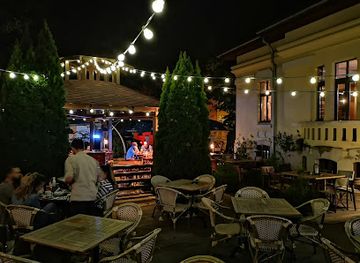
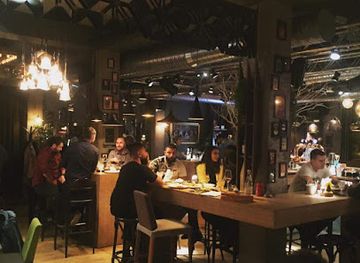
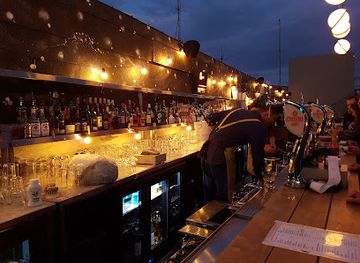
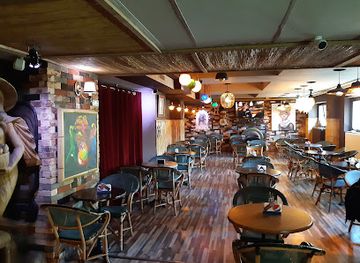
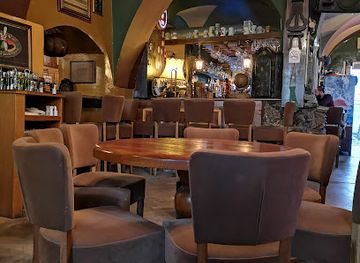
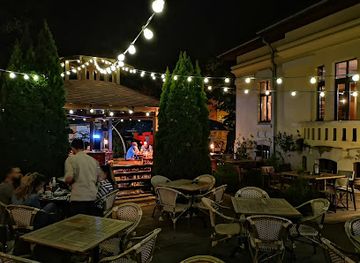
Oltenia’s evening life is concentrated in Craiova and the larger county towns rather than spread across the countryside. Craiova has the widest choice of cafés, wine bars, pubs, restaurants with late-evening service and occasional live-music venues, with activity centred around the central streets and squares rather than a single formal nightlife district. Târgu Jiu, Râmnicu Vâlcea, Slatina and Drobeta-Turnu Severin offer a smaller selection of bars, cafés and restaurants, with some seasonal outdoor seating. In spa resorts such as Călimănești-Căciulata, evenings are generally quieter and shaped by hotel restaurants, promenades and cultural programming. Rural Oltenia is more suited to conversation in a village inn or guesthouse than to clubbing, and opening arrangements can vary considerably. Local beer, Romanian wine, coffee and fruit-based spirits are widely available, but drinking is not necessary to participate in the region’s social life. Check current arrangements locally, particularly outside university terms and the summer season.
-
Bar
Linea | Closer To The Moon
Experience the vibrant atmosphere of Linea | Closer To The Moon, a premier bar in Bucharest offering delicious drinks and delectable dishes.
-
Cafe
Cafeneaua Piața Unirii
Discover the vibrant atmosphere of Cafeneaua Piața Unirii, a top spot in Iași for coffee, dining, and nightlife, where every visit is a celebration of flavor.
-
Pub
Klausen Pubhouse
Experience the vibrant atmosphere and delicious flavors at Klausen Pubhouse, a must-visit pub in Cluj-Napoca.
-
Restaurant
Big Ben
Experience the flavors of Romania at Big Ben, a premier restaurant in Craiova known for its inviting atmosphere and diverse menu.
Best nightclubs in Oltenia
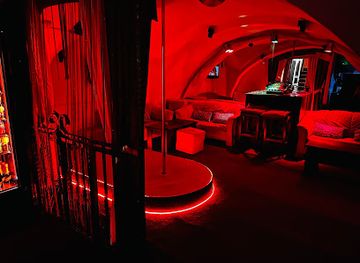
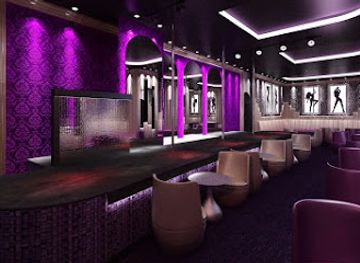
Oltenia’s evening life is concentrated in Craiova and the larger county towns rather than spread across the countryside. Craiova has the widest choice of cafés, wine bars, pubs, restaurants with late-evening service and occasional live-music venues, with activity centred around the central streets and squares rather than a single formal nightlife district. Târgu Jiu, Râmnicu Vâlcea, Slatina and Drobeta-Turnu Severin offer a smaller selection of bars, cafés and restaurants, with some seasonal outdoor seating. In spa resorts such as Călimănești-Căciulata, evenings are generally quieter and shaped by hotel restaurants, promenades and cultural programming. Rural Oltenia is more suited to conversation in a village inn or guesthouse than to clubbing, and opening arrangements can vary considerably. Local beer, Romanian wine, coffee and fruit-based spirits are widely available, but drinking is not necessary to participate in the region’s social life. Check current arrangements locally, particularly outside university terms and the summer season.
-
Bar
Comitet
Experience Craiova's vibrant nightlife at Comitet, a lively bar offering drinks, music, and a welcoming atmosphere for all visitors.
-
Night club
Pussycat night club brasov
Dive into the electrifying nightlife at Pussycat Night Club in Brașov, where music, dancing, and unforgettable experiences await every night.
-
Night club
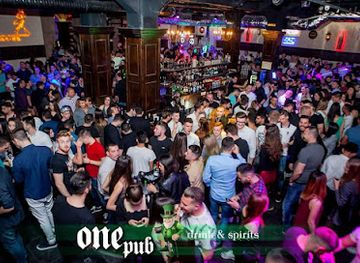
One Club
Experience the vibrant nightlife of Craiova at One Club, where electrifying music and a dynamic crowd create unforgettable moments.
-
Night club
Muzette Night Club
Discover the pulsating heartbeat of Craiova's nightlife at Muzette Night Club, where every night is a celebration.

Best shops in Oltenia
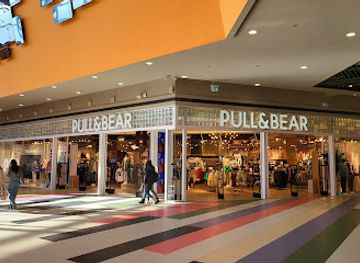
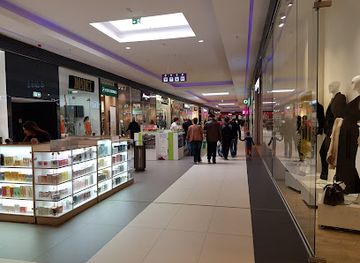
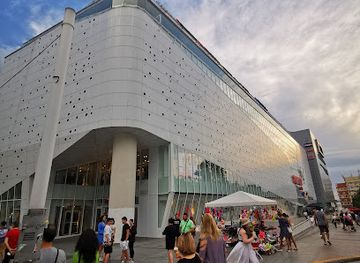
Shopping in Oltenia is strongest in market towns, central high streets and local food markets rather than large luxury districts. Craiova has the region’s broadest range of bookshops, galleries, fashion retailers, cafés and independent businesses, while Râmnicu Vâlcea, Târgu Jiu, Slatina and Drobeta-Turnu Severin provide practical urban shopping and regional produce. Horezu is the principal place to look for local ceramics: hand-painted plates, bowls and jugs use recognised decorative traditions and make useful, transportable souvenirs, although quality and provenance vary between sellers. Rural markets offer seasonal fruit, vegetables, honey, cheeses, preserves and smoked products, with cash particularly useful. Around the monasteries and spa towns, visitors can find religious items, herbal products and small craft goods, but these are not always locally made. Art galleries and cultural shops in Craiova and Târgu Jiu may carry work connected with regional artists or Brâncuși-related publications. Ask about food labelling and packaging before taking perishable products across borders, and wrap pottery carefully for travel.
-
Shopping mall
Coresi Shopping Center
Experience the vibrant Coresi Shopping Center in Brașov, where shopping, dining, and entertainment come together for an unforgettable experience.
-
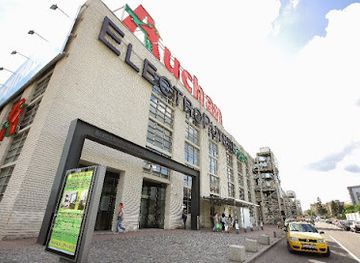
Shopping mall
Electroputere Mall
Discover the bustling Electroputere Mall in Craiova, where shopping, dining, and entertainment come together for an unforgettable experience.
-
Store
Shopping City Deva
Explore Shopping City Deva, the ultimate shopping destination in Romania, featuring a variety of stores, eateries, and entertainment options for everyone.
-
Shopping mall
Mercur Center
Discover the Mercur Center, Craiova's premier shopping mall offering diverse retail, dining, and entertainment experiences for every visitor.
Get your free copy of our complete guide to Oltenia, delivered straight to you.
Everything on this page, from attractions and restaurants to essentials and local phrases, in one PDF you can read offline, print or share.
Already have an account? Sign in
Your Oltenia guide is ready.
We'll send it to · Not you? Sign out

Getting your guide ready…
We are putting together a fresh copy of the Oltenia guide. This can take up to a minute.
This can take a few moments. If your browser asks, choose Allow so the download can start. You'll find the guide in your Downloads folder.
Nothing happened? Download it again
Sorry, the guide is taking longer than usual. Please try again in a minute, or get it by email instead.
Oltenia essentials
Currency and Payment
Safety
Emergency Situations
Do's and Don'ts
Local Tips
From Eve
Local phrases worth knowing
You don't need to get them perfect. A few words go a long way, and locals appreciate the effort.
Basics
| English | Local | Say it |
|---|---|---|
| Hello | Salut | [sah-loot] |
| Goodbye | La revedere | [lah reh-veh-deh-reh] |
| Yes | Da | [dah] |
| No | Nu | [noo] |
| Please/You’re welcome | Te rog/Mă bucur | [teh rog/muh boo-koor] |
| Thank you | Mulțumesc | [mool-tzoo-mesk] |
| Excuse me/Sorry | Scuză-mă/Pardon | [skoo-zah-muh/par-dohn] |
| How are you? | Ce mai faci? | [cheh my fahch] |
| Fine. And you? | Bine. Și tu? | [bee-neh shee too] |
| Do you speak English? | Vorbești engleză? | [vor-besht ehng-leh-zah] |
| I don't understand | Nu înțeleg | [noo in-tzeh-leg] |
Eating & Drinking
| English | Local | Say it |
|---|---|---|
| I’d like to see the menu, please | Aș dori să văd meniul, vă rog | [ahsh doh-ree sah vehd meh-nee-ul vah rog] |
| I don't eat meat | Nu mănânc carne | [noo muh-nuhnc kar-neh] |
| Cheers! | Noroc! | [noh-rok] |
| I would like to pay, please | Aș dori să plătesc, vă rog | [ahsh doh-ree sah pluh-tesk vah rog] |
Emergencies
| English | Local | Say it |
|---|---|---|
| Help! | Ajutor! | [ah-zhoo-tor] |
| Go away! | Du-te! | [doo-teh] |
| Call the Police! | Sunați Poliția! | [soo-nahts poh-lee-tsee-ah] |
| Call a doctor! | Sunați un doctor! | [soo-nahts oon dok-tor] |
| I’m lost | Mă pierd | [muh pyehrd] |
| I’m ill | Sunt bolnav/bolnavă | [soont bohl-nahv/bohl-nah-vah] |
Shopping
| English | Local | Say it |
|---|---|---|
| I’d like to buy... | Aș dori să cumpăr... | [ahsh doh-ree sah koom-puhr] |
| I’m just looking | Mă uit doar | [muh oot doar] |
| How much is it? | Cât costă? | [kuht koh-stah] |
| That’s too expensive | E prea scump | [eh preh skoomp] |
| Can you lower the price? | Poți să scazi prețul? | [pohts sah skahz preh-tzul] |
Time & Numbers
| English | Local | Say it |
|---|---|---|
| What time is it? | Ce oră e? | [cheh oh-rah eh] |
| It’s one o'clock | E o oră | [eh o oh-rah] |
| Half past (10) | Și jumătate | [shee zhoo-mah-tah-teh] |
| Morning | Dimineața | [dee-mee-neh-ah-tsah] |
| Afternoon | După-amiază | [doo-pah ah-mee-ah-zah] |
| Evening | Seara | [seh-ah-rah] |
| Yesterday | Ieri | [ee-yeh-ree] |
| Today | Astăzi | [ahs-tahz] |
| Tomorrow | Mâine | [mee-neh] |
| 1 | 1 | [unu] |
| 2 | 2 | [doi] |
| 3 | 3 | [trei] |
| 4 | 4 | [patru] |
| 5 | 5 | [cinci] |
| 6 | 6 | [șase] |
| 7 | 7 | [șapte] |
| 8 | 8 | [opt] |
| 9 | 9 | [nouă] |
| 10 | 10 | [zece] |
Transport & Directions
| English | Local | Say it |
|---|---|---|
| Where's a/the...? | Unde este un...? | [oon-deh yeh-steh oon] |
| What's the address? | Care este adresa? | [kah-reh yeh-steh ah-dreh-sah] |
| Can you show me (on the map)? | Poți să-mi arăți (pe hartă)? | [pohts sahm ah-rah-ts (peh har-tah)] |
| When's the next (bus)? | Când e următorul (autobuz)? | [kand eh oor-mah-toh-rul (ow-toh-booz)] |
| A ticket (to ....) | Un bilet (către ...) | [oon bee-let (keh-treh ...)] |
History of Oltenia
Dacian and Roman Drobeta
Oltenia’s position beside the Danube and its routes through the Carpathians made it strategically important in antiquity. Dacian communities occupied the region before its incorporation into the Roman world, and the Roman settlement of Drobeta developed near the bridge built across the Danube under Emperor Trajan in the early second century. The bridge connected Dacia with the empire’s Balkan provinces, while the Roman camp and settlement established a durable military and commercial presence. The remains around modern Drobeta-Turnu Severin, together with Roman roads and archaeological traces elsewhere, reflect the region’s role as a frontier and communications corridor.
Medieval Wallachia and the Olt Corridor
After the Roman withdrawal, the area remained a meeting ground between the lower Danube, the Balkans and the Carpathian passes. From the fourteenth century, Oltenia formed part of Wallachia, whose rulers used river routes, fortified settlements and monasteries to consolidate authority. Cozia Monastery, founded by Mircea the Elder in the late fourteenth century on the Olt, illustrates the religious and political importance of the valley. Towns such as Târgu Jiu, Râmnicu Vâlcea and Craiova grew as administrative, trading and ecclesiastical centres within the principality.
The Craiovești and the Banate of Craiova
From the fifteenth century, the powerful Craiovești family dominated much of Oltenia and supplied several rulers of Wallachia. The title ban, originally associated with a high-ranking governor, became closely linked with the region, giving rise to the name Banate of Craiova. Craiova developed as the principal political and commercial centre of western Wallachia, although the term should not be confused with the Banat region farther west. The family’s patronage supported churches and monasteries, while the city’s location on routes towards the Danube and Transylvania encouraged trade.
Brâncovenesc Culture and Monastic Patronage
The late seventeenth and early eighteenth centuries brought the architectural style now known as Brâncovenesc, combining Wallachian, Byzantine, Ottoman and Renaissance influences. Prince Constantin Brâncoveanu and his circle supported churches, monasteries and cultural foundations across Wallachia. Horezu Monastery, established in the 1690s in the foothills of Vâlcea, is the region’s clearest expression of this style, with carved stone, decorated façades and an important library tradition. Its artistic legacy also helped shape the wider craft culture of Horezu, particularly its distinctive ceramic decoration.
Tudor Vladimirescu and the 1821 Uprising
Oltenia was central to the uprising led by Tudor Vladimirescu in 1821. Born in Gorj, Vladimirescu drew support from local groups, including pandurs—armed frontier and military communities—and challenged the political order of the period. The movement formed part of a wider crisis in the Ottoman-ruled Danubian principalities and contributed to the end of the Phanariot era in Wallachia. Although the uprising ended violently and did not achieve all its aims, Vladimirescu became an important figure in Romanian political memory, particularly in his native Oltenian region.
Union, Modernisation and the Rise of Craiova
Oltenia became part of the modern Romanian state through the union of Wallachia and Moldavia in 1859, followed by the creation of the Kingdom of Romania in 1881. Railways, schools, administration and expanding trade altered the region’s towns and connected Craiova more closely with Bucharest, the Danube and Transylvania. Agriculture remained fundamental on the southern plain, while urban centres developed manufacturing and cultural institutions. The period also strengthened Craiova’s role as a regional capital and gave many towns the civic buildings, boulevards and public institutions still visible today.
Brâncuși and Twentieth-Century Industrial Oltenia
The twentieth century brought two very different legacies. Constantin Brâncuși, born in Hobița near Târgu Jiu, transformed modern sculpture through a language of simplified forms and created his monumental ensemble in Târgu Jiu in 1937–38. At the same time, northern Oltenia experienced large-scale industrial development, particularly coal mining in Gorj and energy production along the Jiu and Olt valleys. The Iron Gates hydroelectric scheme on the Danube, completed in cooperation with Yugoslavia in the 1970s, reshaped the river landscape and remains one of the region’s major modern engineering works.
Oltenia in Photos
Browse through our photo collection highlighting the charm and character of the destination.
Neighbouring regions of Oltenia
The closest regions to Oltenia, if you have time for more than one.
-

-

-
-

-


Swipe for more regions
Explore more

Explore more of Romania
Discover Romania's blend of mystical castles, enchanting landscapes, and vibrant culture. Experience the rich history and natural beauty that make Romania a unique travel destination.
Explore Romania