

Free Šumadija and Western Serbia Travel Guide & Mobile App
Explore Šumadija and Western Serbia with free travel guides. Discover regional history, expert tips, proposed trips, and audio guides on web or mobile app.


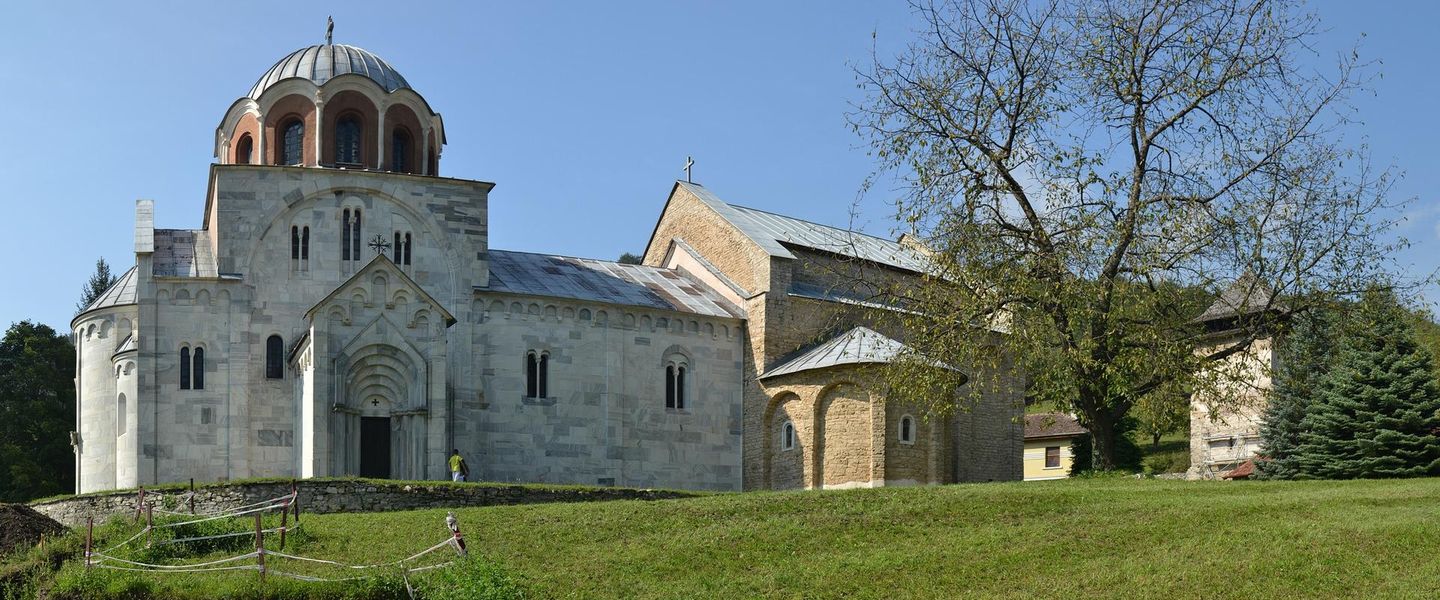


Explore Šumadija and Western Serbia for royal heritage, medieval monasteries, mountain scenery, spas, vineyards and traditional Serbian food.
Read more about Šumadija and Western Serbia
When is the best time to visit Šumadija and Western Serbia?
Best: June, August–September · 23–27°C| Month | High (°C) | Rainfall (mm) |
|---|---|---|
| January | 4 | 50 |
| February | 6 | 45 |
| March | 12 | 50 |
| April | 16 | 55 |
| May | 21 | 60 |
| June (best) | 25 | 60 |
| July | 28 | 55 |
| August (best) | 27 | 55 |
| September (best) | 23 | 50 |
| October | 17 | 50 |
| November | 9 | 55 |
| December | 5 | 55 |
Getting to and around Šumadija and Western Serbia
How to get there
Transportation
Top city travel guides in Šumadija and Western Serbia
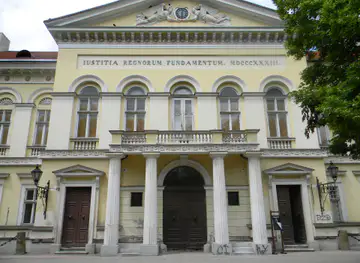
The cities of Šumadija and Western Serbia, and the easiest places to base yourself.
-

-

-

-

-

-


Swipe for more cities
Destinations in Šumadija and Western Serbia
Resorts, valleys and scenic spots worth a trip of their own.
-

-

-


Swipe for more destinations
Best attractions in Šumadija and Western Serbia
The region’s attractions range from royal and national history to landscapes best explored on foot. In Šumadija, Kragujevac’s museums and the Šumarice Memorial Park provide context for Serbia’s modern political and wartime history, while Topola and Oplenac combine vineyards, dynastic heritage and church art. Aranđelovac adds the Bukovička Banja park and its open-air sculpture collection. Around Čačak, the Ovčar-Kablar Gorge offers walking, viewpoints and a concentrated group of historic monasteries. Tara National Park is suited to forest walks, panoramic overlooks and excursions above the Drina, while the Uvac area is known for looping waterways, limestone scenery and birdwatching. Zlatibor provides a developed mountain base with trails, viewpoints and seasonal outdoor activities, but quieter villages lie beyond the central resort. The Raška district is especially rewarding for cultural travel, with Studenica and Sopoćani among the region’s outstanding medieval sites, and Novi Pazar presenting Ottoman-era streets, mosques and market traditions. Spa towns, river valleys, caves, rural households and small museums broaden the choice beyond the principal destinations.
-
Memorial
Memorial Park October in Kragujevac
Explore the profound history and tranquil beauty of Memorial Park October in Kragujevac, where remembrance meets nature in a serene setting.
-
National museum
National Museum of Šumadija
Explore the vibrant history and culture of Kragujevac at the National Museum of Šumadija, a treasure trove of art and heritage.
-
Mountain peak
Stolovi
Discover the breathtaking beauty of Stolovi Mountain Peak in Meljanica, a perfect escape for hikers and nature enthusiasts seeking tranquility.
-
Park
Memorial Park Šumarice
Explore the tranquility and historical significance of Memorial Park Šumarice in Kragujevac, a serene tribute to resilience amidst beautiful landscapes.


Best landmarks in Šumadija and Western Serbia
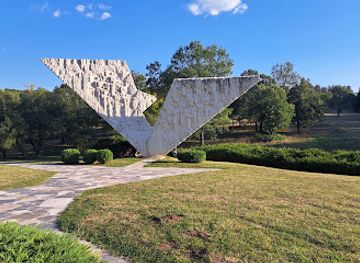
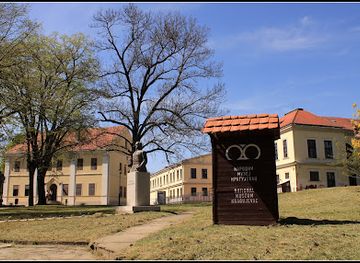
Oplenac near Topola is one of the region’s most recognisable landmarks, with the Church of Saint George serving as the mausoleum of the Karađorđević dynasty and its interior covered in intricate mosaic decoration. In Kragujevac, the First Grammar School and other historic buildings recall the city’s brief role as the capital of modern Serbia, while the Šumarice Memorial Park gives physical form to the memory of the 1941 executions. The monasteries of Studenica, Žiča and Sopoćani are architectural and spiritual landmarks of medieval Serbia, each associated with major dynastic and ecclesiastical developments. Novi Pazar’s Altun-Alem Mosque and historic urban fabric represent the Ottoman period and the city’s long role as a trading centre. In the natural landscape, the winding Uvac canyons, Tara’s forested ridges and the steep sides of the Ovčar-Kablar Gorge define western Serbia visually. These places are not interchangeable viewpoints: together they show the region’s principal historical layers, from medieval state-building and Ottoman commerce to modern remembrance and protected mountain environments.
-
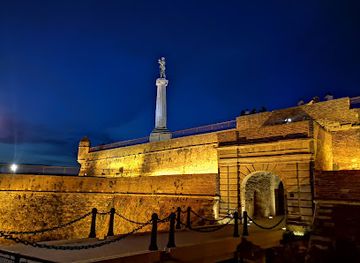
Fortress
Belgrade Fortress
Explore Belgrade Fortress: a historical gem with stunning views, rich culture, and a glimpse into Serbia's storied past.
-
City park
Kalemegdan
Explore the rich history and stunning views of Kalemegdan Park, where nature meets culture in the heart of Belgrade.
-
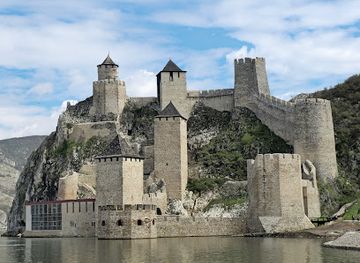
Fortress
Golubac Fortress
Discover the historical splendor of Golubac Fortress, a medieval gem on the banks of the Danube River, blending breathtaking views with rich Serbian heritage.
-
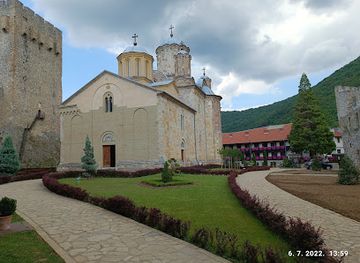
Monastery
Manasija Monastery
Experience the tranquility and historical richness of Manasija Monastery, a medieval gem in the heart of Serbia's stunning landscapes.

Explore Šumadija and Western Serbia on the map
Plan your trip on one map. See where the top cities, national parks and sights are, and book hotels and experiences in a few clicks.
Best hotels in Šumadija and Western Serbia
Best restaurants in Šumadija and Western Serbia
Food in Šumadija and Western Serbia is rooted in home cooking, livestock farming, orchards and preserved produce. Look for grilled meats, slow-cooked beans, stuffed peppers, breads, fresh cheeses and kajmak, a rich dairy spread commonly served with savoury dishes. Western Serbia is well known for fruit growing, particularly plums and raspberries, while plum brandy, or šljivovica, remains an important traditional drink; drink it responsibly and ask about provenance when buying from small producers. Šumadija’s vineyard areas around Topola and nearby hills support local wine tasting, and rural households may serve seasonal preserves, pickles and produce from their own gardens. Town restaurants offer Serbian grill dishes, soups and bakery food, while cafés and mountain inns provide practical meals for walkers. Novi Pazar contributes distinctive dishes and pastry traditions shaped by Ottoman and Balkan influences, including grilled minced meat and layered baked specialities.
-
Restaurant
Šumadija Gate
Discover authentic Serbian cuisine at Šumadija Gate – where tradition meets taste in Lapovo.
-
Restaurant
Restaurant Srbija (Serbia)
Experience authentic Serbian cuisine at Restaurant Srbija in Meljak – where tradition meets taste.
-
Western
Restoran Mustang
Discover Restoran Mustang: A Western culinary delight in Kragujevac offering delicious breakfasts and warm hospitality.
-
Restaurant
Restaurant Dvoriste
Discover the flavors of Serbia at Restaurant Dvoriste – where every meal is a celebration of local ingredients and culinary artistry.


Best bars in Šumadija and Western Serbia
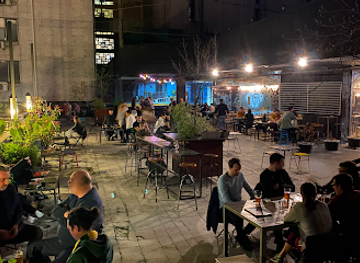
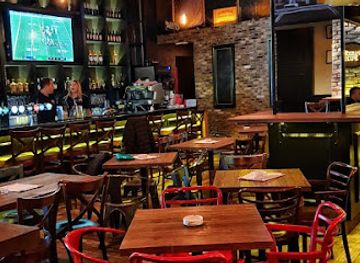
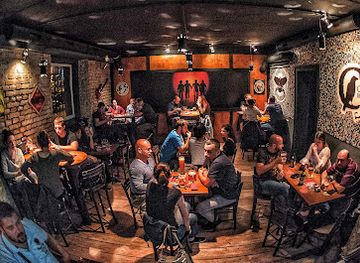
Evening life varies considerably across the region. Kragujevac, Čačak, Kraljevo, Užice and Novi Pazar have the broadest choice of cafés, bars, restaurants and occasional live-music venues, with university and local nightlife strongest in the larger urban centres. In Zlatibor, the central resort has the most developed evening scene, including restaurants, cafés and seasonal entertainment, while Tara and smaller mountain settlements are better suited to quiet dinners and drinks at accommodation or traditional inns. Šumadija’s spa towns often centre their evenings on promenades, hotel restaurants and cafés rather than large clubs. Traditional kafanas, informal restaurants and modern coffee bars are common social spaces, but nightlife is not uniform and opening arrangements can change with the season. Local wine and craft drinks may appear on menus, though the region’s evening culture is equally accessible through food, conversation, music and relaxed walks.
-
Pub
Samo Pivo
Discover the vibrant atmosphere of Samo Pivo, Belgrade's premier pub and beer garden, featuring a wide selection of local and international craft beers.
-
Restaurant
Biblioteka kod Milutina
Experience the authentic taste of Serbia at Biblioteka kod Milutina, a charming restaurant in Kragujevac with a warm atmosphere and diverse menu.
-
Pub
Funk & Soul Pub
Discover the vibrant nightlife of Belgrade at Funk & Soul Pub, where live music and a lively atmosphere create unforgettable experiences.
-
Pub
Gunners Pub
Discover Gunners Pub in Belgrade for an authentic experience of craft beers, live music, and a vibrant atmosphere in the heart of the city.

Best nightclubs in Šumadija and Western Serbia
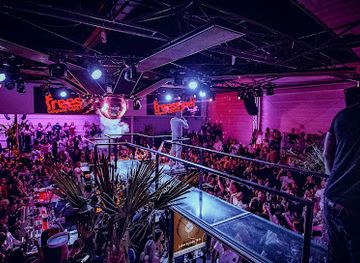
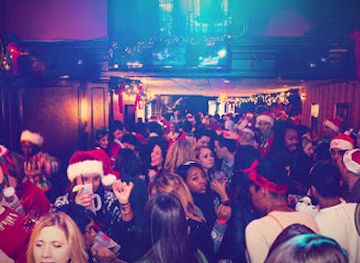
Evening life varies considerably across the region. Kragujevac, Čačak, Kraljevo, Užice and Novi Pazar have the broadest choice of cafés, bars, restaurants and occasional live-music venues, with university and local nightlife strongest in the larger urban centres. In Zlatibor, the central resort has the most developed evening scene, including restaurants, cafés and seasonal entertainment, while Tara and smaller mountain settlements are better suited to quiet dinners and drinks at accommodation or traditional inns. Šumadija’s spa towns often centre their evenings on promenades, hotel restaurants and cafés rather than large clubs. Traditional kafanas, informal restaurants and modern coffee bars are common social spaces, but nightlife is not uniform and opening arrangements can change with the season. Local wine and craft drinks may appear on menus, though the region’s evening culture is equally accessible through food, conversation, music and relaxed walks.
-
Night club
TAG NightClub
Discover the pulse of Belgrade's nightlife at TAG NightClub, where music, energy, and unforgettable memories come together.
-
Night club
Freestyler Belgrade Night Club
Discover the pulsating energy and unforgettable parties at Freestyler Belgrade Night Club, the heart of New Belgrade's nightlife.
-
Night club
Hype
Dive into Belgrade's nightlife at Hype, where electrifying beats and vibrant crowds create unforgettable memories.
-
Tour agency
Belgrade Nightlife Tours
Discover Belgrade's electrifying nightlife with unforgettable tours, from vibrant clubs to scenic boat parties on the iconic rivers.


Best shops in Šumadija and Western Serbia
Shopping is most rewarding when focused on regional food, craft and market life rather than large-scale retail. Town markets in Kragujevac, Čačak, Kraljevo, Užice and Novi Pazar sell seasonal fruit, vegetables, cheeses, honey, preserves, peppers and other everyday produce, although market days and stall availability vary. Around Topola and Šumadija, look for locally made wines and fruit products from the surrounding agricultural districts. Mountain resorts such as Zlatibor offer packaged foods, woollen goods, wooden items and souvenirs, while villages and rural households may provide homemade products by arrangement. Novi Pazar is known for a substantial textile and clothing trade as well as traditional food shopping, reflecting its historic commercial role. Independent bakeries, delicatessens, craft workshops and small galleries can be more useful than generic souvenir outlets. When buying brandy, honey, cheese or preserves from informal sellers, ask about ingredients, production and storage, and pack liquids securely for onward travel.
-
Shopping mall
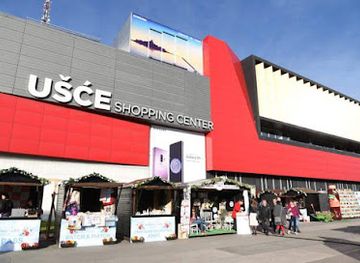
UŠĆE Shopping Center
Explore UŠĆE Shopping Center in Belgrade for a unique blend of shopping, dining, and entertainment in a modern setting.
-
Shopping mall
Delta City
Explore Delta City, Belgrade's premier shopping mall, featuring diverse retail options, dining delights, and entertainment experiences for every traveler.
-
Shopping mall
BIG FASHION Beograd
Discover the ultimate shopping and entertainment experience at BIG FASHION Beograd, where style meets convenience in the heart of Belgrade.
-
Shopping mall
Galerija - Beograd
Explore Galerija - Beograd, Serbia's largest shopping mall, offering diverse shops, dining experiences, and entertainment in the heart of Belgrade.

Get your free copy of our complete guide to Šumadija and Western Serbia, delivered straight to you.
Everything on this page, from attractions and restaurants to essentials and local phrases, in one PDF you can read offline, print or share.
Already have an account? Sign in
Your Šumadija and Western Serbia guide is ready.
We'll send it to · Not you? Sign out

Getting your guide ready…
We are putting together a fresh copy of the Šumadija and Western Serbia guide. This can take up to a minute.
This can take a few moments. If your browser asks, choose Allow so the download can start. You'll find the guide in your Downloads folder.
Nothing happened? Download it again
Sorry, the guide is taking longer than usual. Please try again in a minute, or get it by email instead.
Šumadija and Western Serbia essentials
Currency and Payment
Safety
Emergency Situations
Do's and Don'ts
Local Tips
From Eve
Local phrases worth knowing
You don't need to get them perfect. A few words go a long way, and locals appreciate the effort.
Basics
| English | Local | Say it |
|---|---|---|
| Hello | Zdravo | [zdra-vo] |
| Goodbye | Doviđenja | [do-vi-đen-ya] |
| Yes | Da | [da] |
| No | Ne | [ne] |
| Please/You're welcome | Molim | [mo-lim] |
| Thank you | Hvala | [hva-la] |
| Excuse me/Sorry | Izvinite | [iz-vi-ni-te] |
| How are you? | Kako si? | [ka-ko si] |
| Fine. And you? | Dobro. A ti? | [do-bro. a ti] |
| Do you speak English? | Da li govoriš engleski? | [da li go-vo-rish en-gles-ki] |
| I don't understand | Ne razumem | [ne ra-zu-mem] |
Eating & Drinking
| English | Local | Say it |
|---|---|---|
| I'd like to see the menu, please | Hteo bih da vidim meni, molim | [h-te-o bih da vi-dim me-ni, mo-lim] |
| I don't eat meat | Ne jedem meso | [ne ye-dem me-so] |
| Cheers! | Živeli! | [zhi-ve-li] |
| I would like to pay, please | Hteo bih da platim, molim | [h-te-o bih da pla-tim, mo-lim] |
Emergencies
| English | Local | Say it |
|---|---|---|
| Help! | Upomoć! | [u-po-moć] |
| Go away! | Odlazi! | [od-la-zi] |
| Call the Police! | Pozovite policiju! | [po-zo-vi-te po-li-ci-ju] |
| Call a doctor! | Pozovite doktora! | [po-zo-vi-te dok-to-ra] |
| I'm lost | Izgubio sam se | [iz-gu-bi-o sam se] |
| I'm ill | Bolestan sam | [bo-les-tan sam] |
Shopping
| English | Local | Say it |
|---|---|---|
| I'd like to buy... | Hteo bih da kupim... | [h-te-o bih da ku-pim] |
| I'm just looking | Samo gledam | [sa-mo gle-dam] |
| How much is it? | Koliko košta? | [ko-li-ko ko-shta] |
| That's too expensive | To je preskupo | [to ye pre-sku-po] |
| Can you lower the price? | Možeš li da spustiš cenu? | [mo-zheš li da spu-stiš ce-nu] |
Time & Numbers
| English | Local | Say it |
|---|---|---|
| What time is it? | Koliko je sati? | [ko-li-ko ye sa-ti] |
| It's one o'clock | Jedan je sat | [ye-dan ye sat] |
| Half past (10) | Pola (10) | [po-la (10)] |
| Morning | Jutro | [yu-tro] |
| Afternoon | Popodne | [po-podne] |
| Evening | Veče | [ve-che] |
| Yesterday | Juče | [yu-che] |
| Today | Danas | [da-nas] |
| Tomorrow | Sutra | [su-tra] |
| 1 | Jedan | [ye-dan] |
| 2 | Dva | [dva] |
| 3 | Tri | [tri] |
| 4 | Četiri | [che-ti-ri] |
| 5 | Pet | [pet] |
| 6 | Šest | [shest] |
| 7 | Sedam | [se-dam] |
| 8 | Osam | [o-sam] |
| 9 | Devet | [de-vet] |
| 10 | Deset | [de-set] |
Transport & Directions
| English | Local | Say it |
|---|---|---|
| Where's a/the...? | Gde je...? | [gde ye] |
| What's the address? | Kako je adresa? | [ka-ko ye a-dre-sa] |
| Can you show me (on the map)? | Možeš li da mi pokažeš (na mapi)? | [mo-zheš li da mi po-ka-žeš na ma-pi] |
| When's the next (bus)? | Kada je sledeći (autobus)? | [ka-da ye sle-de-ći au-to-bus] |
| A ticket (to ....) | Jedna karta (do ...) | [ye-dna kar-ta do] |
History of Šumadija and Western Serbia
Prehistoric and Roman Landscapes
The valleys and mineral-rich zones of central and western Serbia attracted settlement long before the medieval Serbian state emerged. Archaeological remains across the wider region record prehistoric communities, while Roman administration incorporated the area into the provinces of Moesia Superior and later Dardania. Roads, settlements and mining activity linked the interior with larger imperial centres. The Roman legacy is not always visible as monumental ruins to the casual visitor, but it helps explain the importance of the Morava corridors, mineral springs and strategic passes that continued to shape settlement and travel in later centuries.
Medieval Serbian Monasteries and Dynasties
From the twelfth to the fourteenth centuries, the region became a major centre of the medieval Serbian state and Orthodox culture. The Nemanjić dynasty and its successors founded or patronised monasteries including Žiča, Studenica and Sopoćani, whose churches preserve important fresco painting and architectural traditions. These foundations were not only religious institutions: they were centres of literacy, landholding and political legitimacy. Their settings in wooded valleys and mountain landscapes remain among the clearest expressions of the region’s medieval identity.
Ottoman Rule and Borderland Change
After the expansion of the Ottoman Empire into the Serbian lands, towns and routes in the region were drawn into an imperial system that connected the interior Balkans with Bosnia, Kosovo and the Danube basin. Novi Pazar became an important commercial and administrative centre, while rural communities experienced changing patterns of taxation, landholding and migration. Throughout the long Ottoman period, churches, mosques, bridges, markets and caravan routes reflected a complex society. The historic quarters of Novi Pazar and surviving religious buildings are important reminders of this shared Ottoman-era heritage.
The First Serbian Uprising and the Restoration of the Serbian State
Šumadija was central to the First Serbian Uprising, which began in 1804 under Karađorđe Petrović in response to Ottoman abuses. Topola became a base of Karađorđe’s power, and the surrounding landscape is closely associated with the early struggle for Serbian autonomy. The uprising was eventually suppressed, but a second uprising led by Miloš Obrenović achieved lasting autonomy in 1815. This period transformed Šumadija from an Ottoman frontier zone into the political heartland of the modern Serbian state, with Kragujevac serving as an early capital.
Kragujevac and the Nineteenth-Century Serbian State
Kragujevac played a foundational role in the institutions of modern Serbia during the nineteenth century. It hosted the first Serbian court, government departments, a printing press, a theatre and the country’s early secondary school, helping to establish the cultural and administrative structures of the restored principality. The capital later moved to Belgrade, but Kragujevac retained importance as an industrial and educational centre. The city’s surviving historic buildings and museums illustrate the transition from Ottoman provincial society to an independent European-oriented state.
Industrialisation and the Development of Šumadija
During the late nineteenth and twentieth centuries, railways, manufacturing and urban growth altered the region’s predominantly agricultural economy. Kragujevac became associated with arms production and, later, large-scale vehicle manufacturing, while Čačak, Kraljevo and Užice developed their own industrial and transport roles. Fruit growing, vineyards, forestry and food production remained important in rural districts. Industrialisation brought new working communities and migration from the countryside, leaving a legacy visible in factory complexes, workers’ neighbourhoods, technical education and the economic structure of the main towns.
The Second World War and the Kragujevac Massacre
The German occupation of Yugoslavia brought severe repression to central Serbia. In October 1941, German forces carried out mass executions in Kragujevac and nearby villages in retaliation for partisan attacks; thousands of civilians were killed, including school pupils. The Šumarice Memorial Park now preserves the landscape of remembrance, with the October 21 Memorial Museum and the Monument to the Executed Pupils and Teachers forming a solemn historical site. The events remain central to Kragujevac’s public memory and to Serbia’s remembrance of the Second World War.
Tourism, Conservation and Contemporary Change
Post-war Serbia saw the expansion of mountain and spa tourism in places such as Zlatibor, Aranđelovac, Vrnjačka Banja and the wider western highlands. Roads, hotels and recreational facilities made formerly remote landscapes more accessible, while national parks and protected areas established stronger frameworks for conserving forests, gorges, rivers and wildlife. Today the region balances growing resort development with the preservation of monasteries, rural landscapes and sensitive habitats. Outdoor recreation, heritage travel, domestic tourism and food-oriented rural tourism are increasingly important parts of its contemporary identity.
Šumadija and Western Serbia in Photos
Browse through our photo collection highlighting the charm and character of the destination.
Neighbouring regions of Šumadija and Western Serbia
The closest regions to Šumadija and Western Serbia, if you have time for more than one.
-
-

-

-

-


Swipe for more regions
Explore more

Explore more of Serbia
Discover Serbia: A Balkan treasure with rich history, stunning natural landscapes, and vibrant cities waiting to be explored.
Explore Serbia