

Free Tatras Travel Guide & Mobile App
Explore Tatras with free travel guides. Discover regional history, expert tips, proposed trips, and audio guides on web or mobile app.


Explore Slovakia’s Tatras for glacial lakes, alpine hiking, ski resorts, mountain huts and Goral culture across the High, Western and Belianske ranges.
Read more about Tatras
When is the best time to visit Tatras?
Best: June–August · 21–23°C| Month | High (°C) | Rainfall (mm) |
|---|---|---|
| January | 1 | 30 |
| February | 2 | 35 |
| March | 6 | 40 |
| April | 11 | 45 |
| May | 17 | 50 |
| June (best) | 21 | 60 |
| July (best) | 23 | 65 |
| August (best) | 23 | 60 |
| September | 18 | 55 |
| October | 12 | 50 |
| November | 6 | 45 |
| December | 1 | 35 |
Getting to and around Tatras
How to get there
Transportation
Top city travel guides in Tatras
The cities of Tatras, and the easiest places to base yourself.

Swipe for more cities
Destinations in Tatras
Resorts, valleys and scenic spots worth a trip of their own.
-

-

-

-


Swipe for more destinations
Best attractions in Tatras
The Tatras offer a concentrated range of mountain attractions across the High, Western and Belianske sections of the Slovak range. Hiking is the central activity, with routes leading through glacial valleys such as Mengusovská dolina, Velická dolina and Studená dolina to waterfalls, mountain lakes, saddles and huts. Easier lakeside walks around Štrbské Pleso contrast with demanding high-level routes where terrain, weather and seasonal closures require preparation. Cable cars from Tatranská Lomnica and other resort areas provide access to elevated viewpoints without making every visit a full-day ascent, subject to weather and operating arrangements. Winter brings skiing, snowboarding, snowshoeing and cross-country routes, while climbing and mountaineering are important specialist activities. Tatra National Park protects forests, alpine meadows and wildlife including chamois and marmots; visitors should observe restrictions and avoid disturbing animals. The Belianske area adds limestone scenery and access to Belianska Cave, while the settlements around Vysoké Tatry contain historic hotels, small museums and mountain heritage displays. Beyond the main resorts, Ždiar combines walking access with Goral architecture and cultural traditions, giving the region a human dimension alongside its better-known peaks.
-
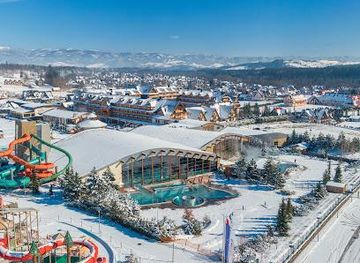
Water park
Chochołowskie Termy
Discover the blissful relaxation and thrilling adventures at Chochołowskie Termy, Poland's premier thermal spa and water park retreat.
-
The Great Krokiew
Discover the thrill of ski jumping and breathtaking views at The Great Krokiew, a premier sports complex and tourist attraction in Zakopane, Poland.
-
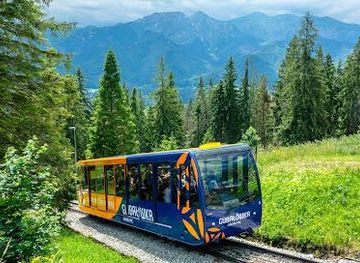
Mountain cable car
Kolej linowo-terenowa Gubałówka
Explore the breathtaking views and thrilling adventures at Kolej linowo-terenowa Gubałówka, a must-visit mountain cable car in Zakopane, Poland.
-
Water park
Terma Bania
Discover relaxation and adventure at Terma Bania, a premier thermal spa and water park in the heart of Białka Tatrzańska, Poland.


Best landmarks in Tatras
The most recognisable natural landmark of the Slovak Tatras is Gerlachovský štít, Slovakia’s highest mountain at 2,655 metres, although reaching its summit requires a qualified mountain guide and suitable conditions rather than an ordinary hiking permit. Lomnický štít is another defining peak, closely associated with the cable-car journey from Tatranská Lomnica and the high mountain station above the resort. Štrbské Pleso, a glacial lake surrounded by forest and peaks, is one of the region’s most familiar landscapes and a prominent symbol of Slovak mountain tourism. The jagged granite towers around the High Tatras contrast with the pale limestone ridges of the Belianske Tatras, especially near Ždiar. In the built environment, the historic villas and hotels of Starý Smokovec and the resort architecture of Tatranská Lomnica preserve the visual character of nineteenth- and early twentieth-century mountain tourism. Belianska Cave provides a geological landmark beneath the Belianske Tatras, while the wooden and vernacular buildings of Ždiar express the distinctive Goral cultural landscape. Together these places show that the Tatras are defined by both dramatic geology and a long history of carefully adapted mountain settlement.
-
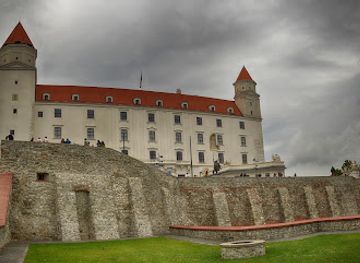
Castle
Bratislava Castle
Discover the majesty of Bratislava Castle, a historic landmark offering stunning views, rich heritage, and captivating architecture in the heart of Slovakia.
-
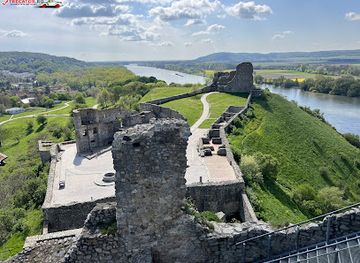
Castle
Hrad Devín
Explore the historic Hrad Devín Castle, a stunning fortress offering breathtaking views and rich Slovak heritage, perfect for tourists and history enthusiasts.
-
Hiking area
Vysoké Tatry - Hrebienok
Explore Hrebienok, a breathtaking hiking area in the High Tatras, where nature meets adventure with stunning views and diverse trails.
-
National park
Low Tatras National Park
Experience the stunning landscapes and abundant wildlife of Low Tatras National Park, a breathtaking destination for outdoor enthusiasts in Slovakia.
Explore Tatras on the map
Plan your trip on one map. See where the top cities, national parks and sights are, and book hotels and experiences in a few clicks.
Best hotels in Tatras
Best restaurants in Tatras
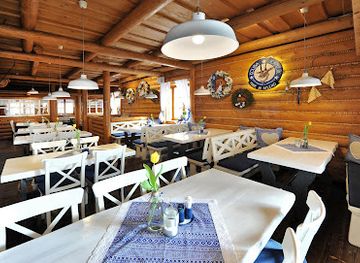
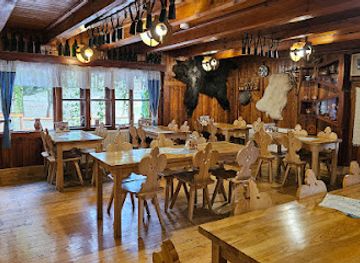
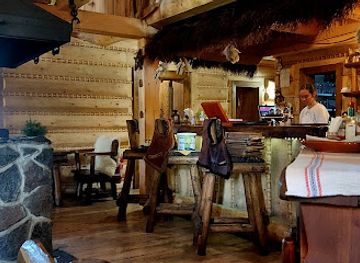
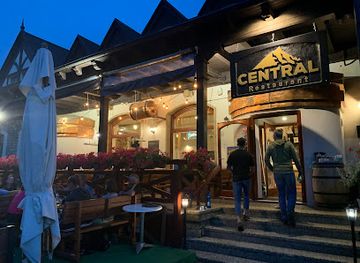
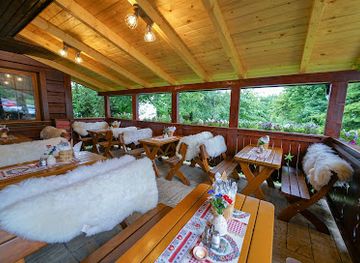
Dining in the Tatras ranges from hotel restaurants and contemporary kitchens in the principal resorts to traditional Slovak restaurants, cafés, mountain huts and rural inns. Menus commonly draw on central European mountain cooking, including soups, dumplings, potato dishes, grilled meats and bryndza, the sheep’s-milk cheese strongly associated with Slovak cuisine. Look for bryndzové halušky, potato dumplings served with bryndza and typically topped with bacon, as well as kapustnica, a sauerkraut soup whose ingredients vary by household and season. Mountain huts serve practical food such as soups, goulash, tea and simple hot meals, valued as much for their setting and shelter as for culinary refinement. In Ždiar and the surrounding foothills, menus may reflect Goral and pastoral traditions, while resort dining increasingly includes vegetarian and international options. Local cakes, pastries, honey, herbal teas and Slovak beer are widely available, and larger settlements provide the greatest choice of cafés, bakeries and restaurants. Prices and opening arrangements vary considerably between a busy resort and a remote hut.
-
Restaurant
Koliba Kamzík Starý Smokovec
Experience authentic Slovak cuisine amidst breathtaking mountain views at Koliba Kamzík Starý Smokovec.
-
Restaurant
Salaš Dechtáre
Experience authentic Slovak cuisine at Salaš Dechtáre in Galovany - where tradition meets flavor in a charming setting.
-
Restaurant
Koliba Žerucha
Experience authentic Slovak cuisine at Koliba Žerucha in Tatranská Štrba amidst breathtaking mountain scenery.
-
Restaurant
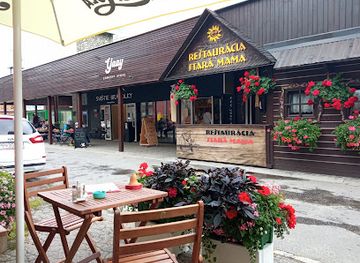
Reštaurácia Stará mama
Experience authentic Slovak cuisine amidst stunning mountain views at Reštaurácia Stará mama in Tatranská Lomnica.
Best bars in Tatras
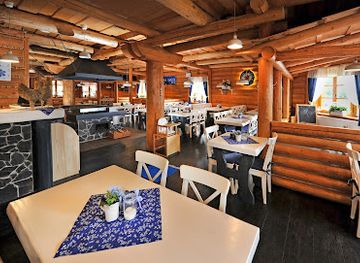
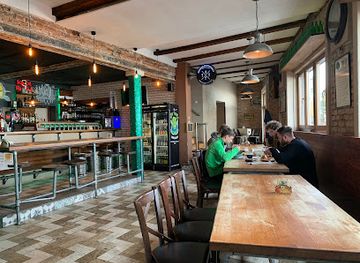
Evening life in the Tatras is generally built around hotel lounges, traditional pubs, wine bars, cafés and restaurants rather than a continuous nightclub scene. Starý Smokovec, Tatranská Lomnica and Štrbské Pleso provide the broadest selection, with après-ski settings in winter and occasional live music or cultural programmes in the resort season. Local pubs offer Slovak beer, spirits and soft drinks in an informal setting, while larger hotels may have cocktail menus and more polished evening spaces. Ždiar and smaller foothill communities are quieter, with evenings centred on restaurants, guesthouses and local pubs. After a day outdoors, visitors should expect earlier and more subdued evenings than in Slovakia’s large cities, particularly outside winter weekends. Check current arrangements locally, as seasonal businesses and entertainment schedules can change, and do not assume that mountain huts operate as late-night venues.
-
Restaurant
Koliba Kamzík Starý Smokovec
Experience the authentic taste of Slovakia at Koliba Kamzík, a family-friendly restaurant in the heart of Starý Smokovec with stunning mountain views.
-
Restaurant
Dobré časy
Experience the best of Poprad dining at Dobré časy, where gourmet burgers and house-brewed beers create unforgettable culinary moments.
-
Restaurant
Starý Šmakovec restaurant
Experience authentic Slovak cuisine and warm hospitality at Starý Šmakovec, a family-friendly restaurant in the heart of Vysoké Tatry.
-
Restaurant
Koliba Smokovec s.r.o., Starý Smokovec 18034, 062 01 Vysoké Tatry
Discover the authentic flavors of Slovak cuisine at Koliba Smokovec in Vysoké Tatry, where tradition meets breathtaking mountain scenery.
Best nightclubs in Tatras
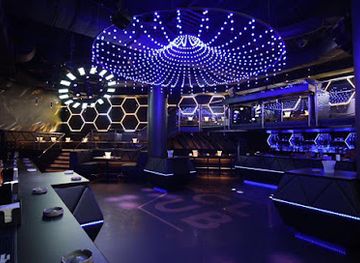
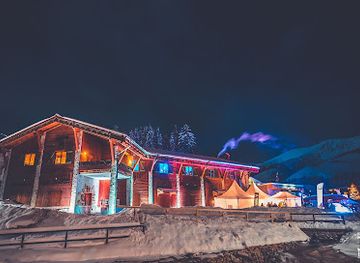
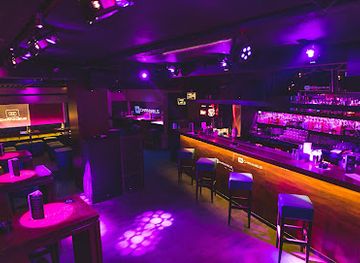
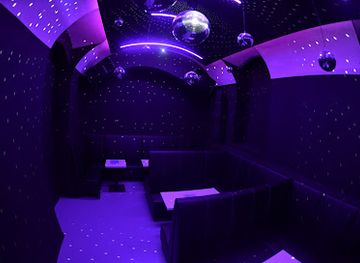
Evening life in the Tatras is generally built around hotel lounges, traditional pubs, wine bars, cafés and restaurants rather than a continuous nightclub scene. Starý Smokovec, Tatranská Lomnica and Štrbské Pleso provide the broadest selection, with après-ski settings in winter and occasional live music or cultural programmes in the resort season. Local pubs offer Slovak beer, spirits and soft drinks in an informal setting, while larger hotels may have cocktail menus and more polished evening spaces. Ždiar and smaller foothill communities are quieter, with evenings centred on restaurants, guesthouses and local pubs. After a day outdoors, visitors should expect earlier and more subdued evenings than in Slovakia’s large cities, particularly outside winter weekends. Check current arrangements locally, as seasonal businesses and entertainment schedules can change, and do not assume that mountain huts operate as late-night venues.
-
Disco club
The Club Bratislava
Discover the pulsating nightlife at The Club Bratislava, where electrifying music and a vibrant atmosphere await you in the heart of Old Town.
-
Dance restaurant
Happy End Restaurant & Club
Experience vibrant dining and electrifying nightlife at Happy End Restaurant & Club in Demänovská Dolina, where great food meets an exciting club atmosphere.
-
Night club
Channels Club
Experience the electrifying nightlife of Channels Club in Old Town, where great music and chic cocktails come together for an unforgettable evening.
-
Night club
Good Life Club Bratislava
Immerse yourself in the electrifying nightlife of Bratislava at Good Life Club, where unforgettable music and vibrant energy await.
Best shops in Tatras
Shopping in the Tatras is concentrated in the resort settlements rather than organised around a single large retail district. Starý Smokovec, Tatranská Lomnica and Štrbské Pleso have outdoor shops, small groceries, cafés, bookshops and souvenir outlets, with practical equipment for hiking and winter sports alongside postcards, maps and locally themed gifts. Ždiar is a useful place to look for Goral-inspired decorative items, woollen goods and regional handicrafts, although visitors should distinguish genuinely local work from generic imported souvenirs. Slovak food products make practical gifts: bryndza and other cheeses, honey, herbal teas, wafers, preserves and locally produced spirits are widely encountered, subject to transport and customs rules. Small markets and seasonal stalls may offer wooden objects, textiles or handmade decorations, but their presence varies by time of year. For everyday shopping and a wider choice of pharmacies, supermarkets and services, Poprad is the main nearby urban centre outside the mountain resorts. Independent shops and specialist outdoor retailers are generally more useful than luxury shopping, reflecting the region’s role as a base for mountain recreation.
-
Shopping mall
Shopping Centrum Nicolaus TATRASPOL SLOVAKIA, s.r.o.
Explore Shopping Centrum Nicolaus in Liptovský Mikuláš for a blend of shopping, dining, and entertainment in a vibrant atmosphere.
-
Shopping mall
Shopping center Tatry
Discover a vibrant shopping experience at Shopping Center Tatry in Poprad, featuring diverse retail, dining, and entertainment for all ages.
-
Outdoor clothing and equipment shop
ZAJO - Štrbské Pleso
Discover the best outdoor clothing and equipment at ZAJO - Štrbské Pleso, your key to unforgettable adventures in the High Tatras.
-
Grocery store
Authentic Slovak Shop - Autentyczny Sklep Słowacki
Explore the Authentic Slovak Shop for traditional groceries, local delicacies, and unique souvenirs in the heart of Łysa Polana.

Get your free copy of our complete guide to Tatras, delivered straight to you.
Everything on this page, from attractions and restaurants to essentials and local phrases, in one PDF you can read offline, print or share.
Already have an account? Sign in
Your Tatras guide is ready.
We'll send it to · Not you? Sign out

Getting your guide ready…
We are putting together a fresh copy of the Tatras guide. This can take up to a minute.
This can take a few moments. If your browser asks, choose Allow so the download can start. You'll find the guide in your Downloads folder.
Nothing happened? Download it again
Sorry, the guide is taking longer than usual. Please try again in a minute, or get it by email instead.
Tatras essentials
Currency and Payment
Safety
Emergency Situations
Do's and Don'ts
Local Tips
From Eve
Local phrases worth knowing
You don't need to get them perfect. A few words go a long way, and locals appreciate the effort.
Basics
| English | Local | Say it |
|---|---|---|
| Hello | Ahoj | [Ahoy] |
| Goodbye | Zbohom | [Zbo-hom] |
| Yes | Áno | [Ah-no] |
| No | Nie | [Nyeh] |
| Please/You're welcome | Prosím | [Pro-seem] |
| Thank you | Ďakujem | [Dya-koo-yem] |
| Excuse me/Sorry | Prepáčte | [Pre-pach-teh] |
| How are you? | Ako sa máš? | [Ah-ko sah mahsh] |
| Fine. And you? | Dobre. A ty? | [Doh-breh. Ah tee?] |
| Do you speak English? | Hovoríte po anglicky? | [Ho-vo-ree-teh poh ahng-leet-skee?] |
| I don't understand | Nerozumiem | [Nye-roh-zu-myem] |
Eating & Drinking
| English | Local | Say it |
|---|---|---|
| I'd like to see the menu, please | Chcel by som vidieť menu, prosím | [Kh-tzel bee som veed-yet men-oo, pro-seem] |
| I don't eat meat | Nejem mäso | [Nye-yem meh-so] |
| Cheers! | Na zdravie! | [Nah zdrah-vee-eh] |
| I would like to pay, please | Chcel by som zaplatiť, prosím | [Kh-tzel bee som zah-pla-teet, pro-seem] |
Emergencies
| English | Local | Say it |
|---|---|---|
| Help! | Pomoc! | [Poh-mots!] |
| Go away! | Odiď! | [Oh-deed!] |
| Call the Police! | Zavolajte políciu! | [Zah-vo-lah-yteh poh-lee-tsee-yoo!] |
| Call a doctor! | Zavolajte doktora! | [Zah-vo-lah-yteh dok-toh-rah!] |
| I'm lost | Som stratený | [Som strah-teh-nee] |
| I'm ill | Som chorý | [Som khor-ee] |
Shopping
| English | Local | Say it |
|---|---|---|
| I'd like to buy... | Chcel by som kúpiť... | [Kh-tzel bee som koo-peet...] |
| I'm just looking | Iba sa pozerám | [Ee-ba sah poh-zeh-rahm] |
| How much is it? | Koľko to stojí? | [Kohl-ko toh stoy-ee?] |
| That's too expensive | To je príliš drahé | [To yeh pree-leesh drah-heh] |
| Can you lower the price? | Môžete znížiť cenu? | [Mwo-zheh-teh znee-zheet zeh-noo?] |
Time & Numbers
| English | Local | Say it |
|---|---|---|
| What time is it? | Koľko je hodín? | [Kohl-ko yeh ho-deen?] |
| It's one o'clock | Je jedna hodina | [Yeh yed-na ho-dee-na] |
| Half past (10) | Pol jedenásť | [Pol yeh-deh-nast'] |
| Morning | Ráno | [Rah-no] |
| Afternoon | Popoludnie | [Poh-poh-lud-nyeh] |
| Evening | Večer | [Veh-cher] |
| Yesterday | Včera | [Vcheh-rah] |
| Today | Dnes | [Dnyes] |
| Tomorrow | Zajtra | [Zai-tra] |
| 1 | 1 | [1] |
| 2 | 2 | [2] |
| 3 | 3 | [3] |
| 4 | 4 | [4] |
| 5 | 5 | [5] |
| 6 | 6 | [6] |
| 7 | 7 | [7] |
| 8 | 8 | [8] |
| 9 | 9 | [9] |
| 10 | 10 | [10] |
Transport & Directions
| English | Local | Say it |
|---|---|---|
| Where's a/the...? | Kde je...? | [Kdeh yeh...?] |
| What's the address? | Aká je adresa? | [Ah-kah yeh ah-dreh-sah?] |
| Can you show me (on the map)? | Môžete mi ukázať (na mape)? | [Mwo-zheh-teh mee oo-kah-zat' (nah mah-peh)?] |
| When's the next (bus)? | Kedy ide ďalší (autobus)? | [Keh-dee ee-deh dya-l-shee (ow-toh-boos)?] |
| A ticket (to ....) | Jednoduchý lístok (do ...) | [Yed-noo-doo-khee lee-stok (doh ...)] |
History of Tatras
Early settlement and the Carpathian landscape
The Tatras were used and understood long before modern tourism developed. Prehistoric communities occupied the surrounding valleys and basins, while later pastoral and agricultural settlement became established in the foothills. The high slopes themselves remained difficult terrain, used seasonally for hunting, grazing and the collection of forest resources. Archaeological evidence and surviving place-names reflect the long interaction between people and the northern Carpathian environment, although permanent settlement has always been concentrated below the alpine zone.
Medieval mining, pastoralism and border communities
During the medieval period, the Tatras stood between important settlements and trade routes in the Kingdom of Hungary and the Polish lands. Mining for metals took place in parts of the wider mountain area, while forestry and pastoral farming shaped the lower valleys. Communities around the range developed differing cultural influences, including Slovak and Goral traditions. The mountain boundary was politically significant, but it did not prevent movement, seasonal work or the exchange of customs across the Carpathians.
The rise of scientific exploration
Systematic interest in the Tatras grew during the eighteenth and nineteenth centuries, when scholars, surveyors and naturalists began documenting their geology, plants, animals and mountain routes. Early ascents and scientific expeditions helped establish the range as an important field for Central European research. Improved roads and railways made the region more accessible, while mountain clubs began marking paths and building refuges. This period created the foundations of the organised hiking culture that remains central to travel in the Tatras.
Spa resorts and the birth of mountain tourism
Starý Smokovec developed as a spa and mountain resort in the nineteenth century, followed by the expansion of other settlements in what is now the town of Vysoké Tatry. Hotels, villas, promenades and mountain huts served visitors seeking fresh air, scenic walks and climbing opportunities. The arrival of rail transport, including connections through the Poprad basin, transformed access from a lengthy overland journey into a practical excursion. Historic resort architecture still provides a visible link with this formative era.
Tatra National Park and conservation
Tatra National Park was established in 1949 on the Slovak side of the range, making it one of Slovakia’s oldest national parks. Its purpose was to protect alpine habitats, forests, geological features and wildlife while allowing carefully managed recreation. Conservation became especially important as hiking, skiing, forestry and later mass tourism placed pressure on sensitive environments. The park’s rules, marked trails and seasonal closures reflect the continuing effort to balance public access with the protection of a fragile mountain ecosystem.
Modern recreation and international recognition
After the Second World War, the Tatras became a major domestic recreation area within Czechoslovakia, with expanded accommodation, ski infrastructure and transport links. In the modern Slovak Republic, the region combines established resorts with protected landscapes and cross-border mountain culture. The Slovak and Polish parts of the wider Tatra range cooperate through conservation and tourism initiatives, while the mountains continue to attract hikers, climbers, skiers and researchers. Severe storms, including the windstorm that damaged large forest areas in 2004, have also demonstrated the vulnerability of the local environment.
Tatras in Photos
Browse through our photo collection highlighting the charm and character of the destination.
Neighbouring regions of Tatras
The closest regions to Tatras, if you have time for more than one.
-

-

-

-

-


Swipe for more regions
Explore more

Explore more of Slovakia
Discover Slovakia: A land of majestic mountains, charming castles, and vibrant culture in the heart of Europe.
Explore Slovakia