

Free East River Travel Guide & Mobile App
Explore East River with free travel guides. Discover regional history, expert tips, proposed trips, and audio guides on web or mobile app.


Explore East River South Dakota for Sioux Falls, prairie lakes, Indigenous history, small-city culture, outdoor recreation and agricultural heritage.
Read more about East River
Getting to and around East River
How to get there
Transportation
Top city travel guides in East River
The cities of East River, and the easiest places to base yourself.
-

-

-

-

-


Swipe for more cities
Destinations in East River
Resorts, valleys and scenic spots worth a trip of their own.
-
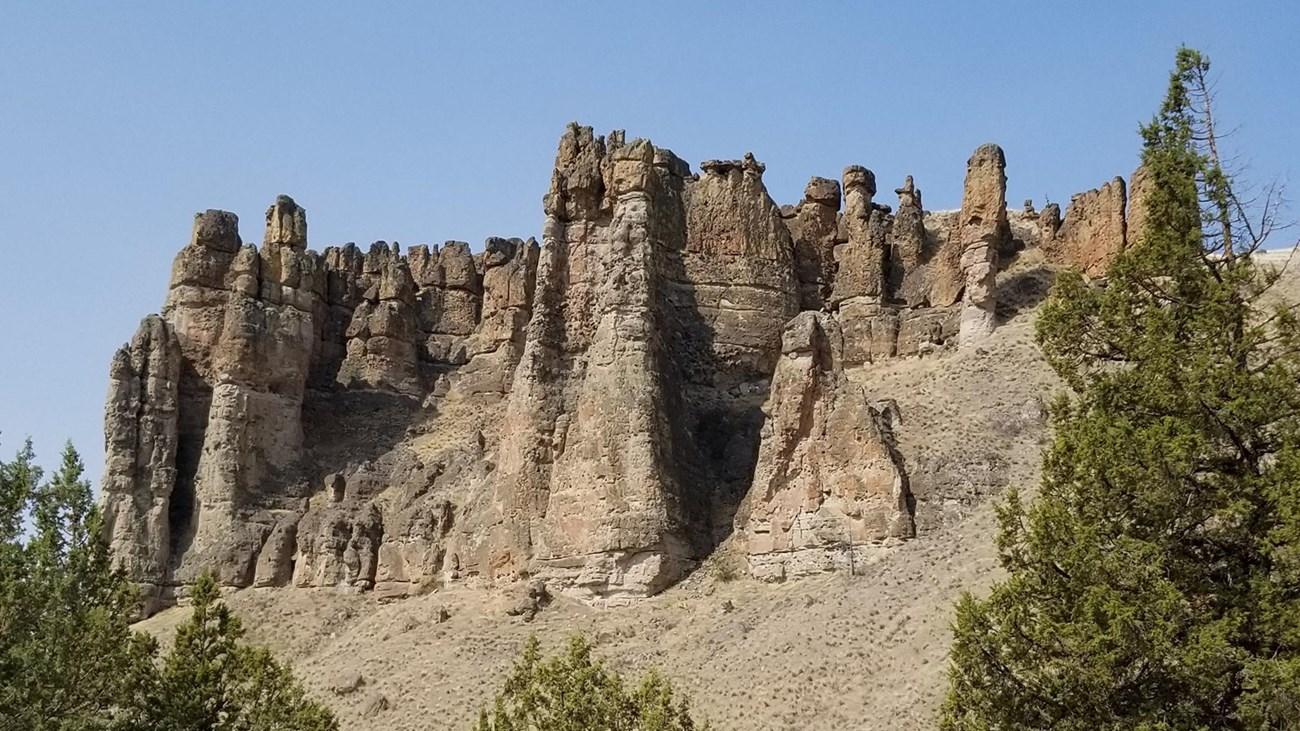 Palisades State Park
 in South Dakota features quartzite cliffs, the Split Rock River, hiking, camping, climbing and scenic landscapes near Garretson and Sioux Falls.
Palisades State Park
Palisades State Park in South Dakota features quartzite cliffs, the Split Rock River, hiking, camping, climbing and scenic landscapes near Garretson and Sioux Falls.
-

-

-

-

-


Swipe for more destinations
Best attractions in East River
East River's attractions range from urban riverfront spaces to broad stretches of prairie and water. Sioux Falls centres on Falls Park, where the Big Sioux River passes through a quartzite gorge, while the city's SculptureWalk and museums add public art and cultural interest. Good Earth State Park near the city offers trails and interpretation at a nationally important Indigenous cultural landscape. Palisades State Park, near Garretson, is known for pink quartzite formations and the Split Rock River, and the Lewis and Clark Recreation Area near Yankton provides boating, camping and lakeside recreation. Mitchell's Corn Palace is an unusual civic attraction decorated with agricultural murals, while De Smet interprets the prairie world associated with Laura Ingalls Wilder. Vermillion's National Music Museum has an exceptional international collection, and Fort Sisseton Historic State Park preserves a nineteenth-century military post in the north-east. Around Brookings, Aberdeen and Watertown, local museums, galleries, parks and university collections reveal the region's educational and community life. The attraction landscape is best understood as a sequence of contrasting stops connected by open roads rather than as one concentrated resort area.
-
Tourist attraction
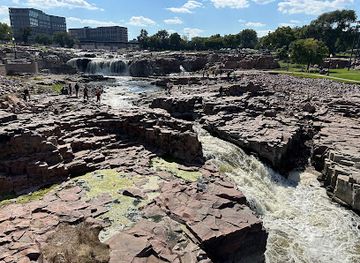
Falls of the Big Sioux River
Discover the breathtaking beauty of Falls Park, where nature and history converge in Sioux Falls, South Dakota.
Best landmarks in East River
Falls Park in Sioux Falls is East River's most recognisable natural landmark, where the Big Sioux River drops over exposed pink quartzite within an urban setting that helped shape the city's identity. The quartzite cliffs and formations of Palisades State Park provide a more rugged geological landmark in the south-east, while the Missouri River landscape around Yankton and the Lewis and Clark Recreation Area marks the region's western edge. Good Earth State Park at Blood Run is significant not only for its setting above the Big Sioux River but also for its deep Indigenous archaeological and cultural importance. Mitchell's Corn Palace, with its annually renewed exterior murals made from agricultural materials, is an unusual example of civic architecture and regional self-presentation. Historic courthouses and railway-era commercial buildings in towns across the region provide a quieter architectural record of settlement. Fort Sisseton Historic State Park preserves a distinctive frontier military complex in the north-east, and the main buildings associated with Laura Ingalls Wilder in De Smet represent the literary memory of homesteading on the prairie.
-
Historical place museum
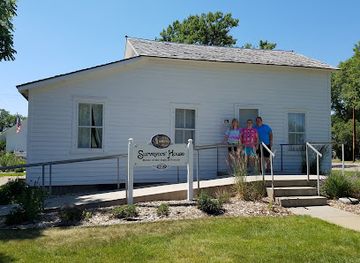
Laura Ingalls Wilder Historic Homes
Discover the enchanting world of Laura Ingalls Wilder in De Smet, South Dakota, at her historic homes and museum dedicated to pioneer life.
-
Historical landmark
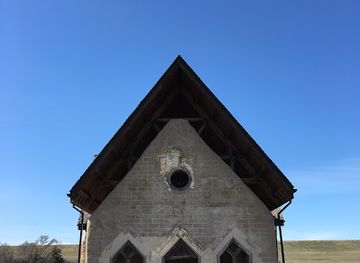
Historic Fort Randall & Chapel
Discover the historical significance of Fort Randall & Chapel in Lake Andes, South Dakota, where military history meets picturesque landscapes.
-
Historical landmark
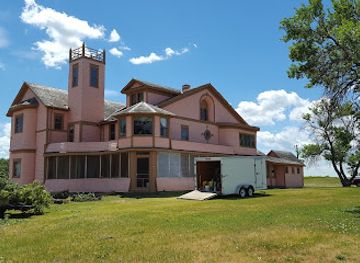
Pickler Mansion Museum
Explore the enchanting Pickler Mansion Museum in Faulkton, SD—an architectural gem filled with history and charm, perfect for every traveler.
-
Historical landmark
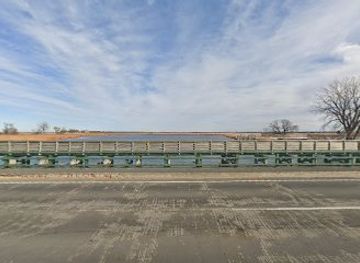
Headwaters of the Big Sioux River
Discover the serene beauty and historical significance of the Headwaters of the Big Sioux River in Watertown, South Dakota.
Explore East River on the map
Plan your trip on one map. See where the top cities, national parks and sights are, and book hotels and experiences in a few clicks.
Best hotels in East River
Best restaurants in East River
Dining in East River reflects both its agricultural economy and the varied communities that have settled in South Dakota. Sioux Falls has the broadest choice, including independent restaurants, cafés, bakeries, brewpubs and kitchens drawing on contemporary American, central European, Indigenous and international influences. In smaller towns, family restaurants, diners, cafés and traditional pubs remain important social spaces, while university communities such as Brookings and Vermillion add affordable and globally influenced food. Farm-producing areas contribute beef, pork, grains, dairy, corn and seasonal vegetables, and farmers' markets are useful places to find local produce and baked goods. Chislic, cubes of seasoned grilled meat associated with South Dakota, may appear on regional menus, while kolache-style pastries and other central European baking traditions reflect the heritage of some communities. Lake and river towns offer casual dining suited to boating and summer travel, but the region is not primarily a seafood destination. As elsewhere in the United States, portions can be generous and tipping is expected in table-service restaurants.
-
American
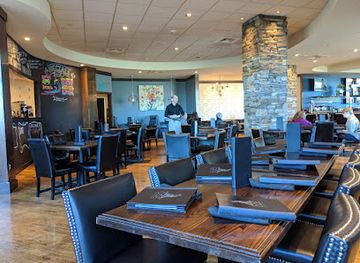
Ode to Food and Drinks
Experience American cuisine like never before at Ode to Food and Drinks - where great taste meets warm hospitality in Sioux Falls.
-
Steak
Kahill's Chophouse
Discover culinary excellence at Kahill's Chophouse in South Sioux City - where premium steaks meet fresh seafood in an elegant setting.
Best bars in East River
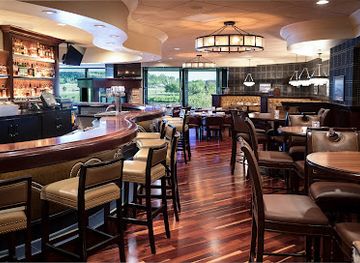
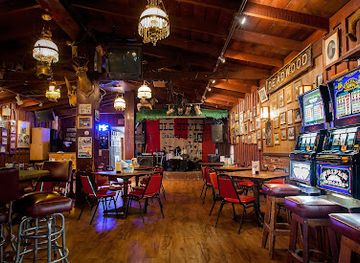
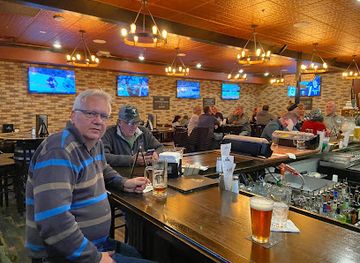
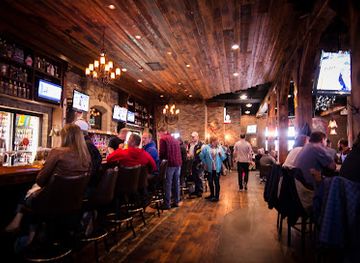
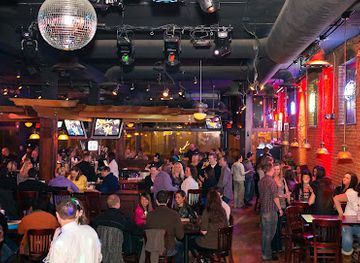
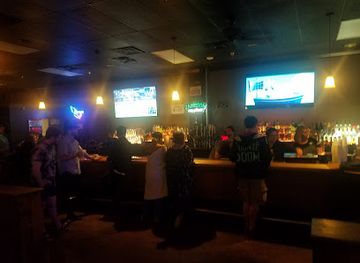
Nightlife in East River is concentrated in Sioux Falls, with a varied selection of traditional pubs, breweries, cocktail bars, live-music rooms and restaurants that stay open into the evening. Brookings and Vermillion have a younger, university-influenced atmosphere, while Aberdeen, Watertown, Mitchell and Yankton provide local bars, grills and occasional live entertainment rather than a large club scene. In rural communities, evening life often centres on a tavern, community event, concert or seasonal fair, and distances between venues make driving arrangements important. Breweries and taprooms are part of the contemporary urban scene, but they complement rather than replace long-established bars and social clubs. Opening patterns, performances and licensing arrangements change, so visitors should check current local information instead of assuming nightly entertainment is available. Alcohol should not be treated as essential to experiencing the region's evening culture; restaurants, cinemas, theatres, galleries and community events provide other options.
-
Bar
Saloon No. 10
Experience the lively spirit of the Wild West at Saloon No. 10, a vibrant bar and steak house in Deadwood, South Dakota.
-
Pub
Blarney Stone Pub - Sioux Falls
Discover the heart of Sioux Falls' nightlife at Blarney Stone Pub, where friendly vibes meet an extensive drink selection and delicious pub food.
-
Grill
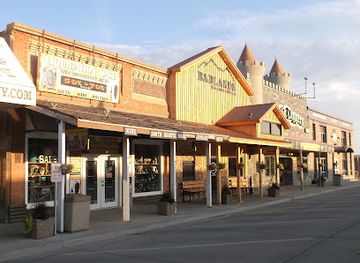
Badlands Saloon & Grille
Experience the rich flavors of the American West at Badlands Saloon & Grille, where hearty meals meet a vibrant, welcoming atmosphere.
-
Grill
The Attic East Bar and Grill
Experience the rustic charm and diverse menu at The Attic East Bar and Grill, Sioux Falls' favorite spot for casual dining and vibrant nightlife.
Best nightclubs in East River
-
Bar
Full Throttle Saloon
Discover the vibrant spirit of motorcycle culture at Full Throttle Saloon in Vale, South Dakota, where music, food, and fun unite.
-
Night club
PAve
Discover the heart of Sioux Falls nightlife at PAve, where bar, restaurant, and club converge for an unforgettable experience.
-
Night club
Wileys Bar
Experience the vibrant nightlife at Wileys Bar in Sioux Falls, where live music, delicious food, and a lively atmosphere await.
-
Night club
Lucky's
Discover Lucky's, the ultimate night club in Sioux Falls, where fun, delicious pizza, and vibrant nightlife come together for an unforgettable experience.
Best shops in East River
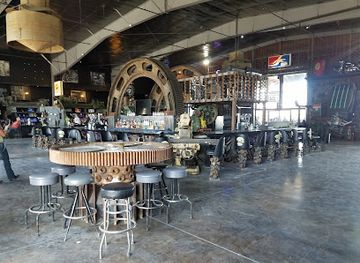
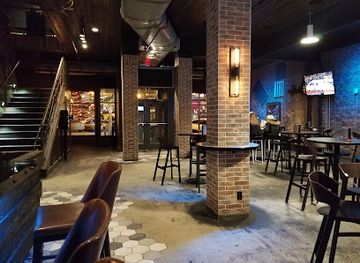
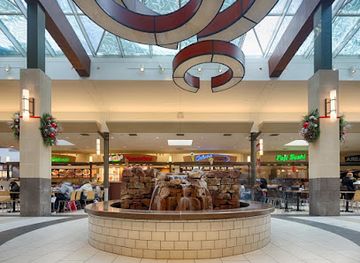
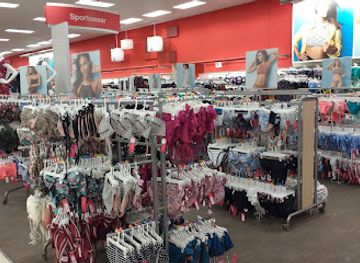
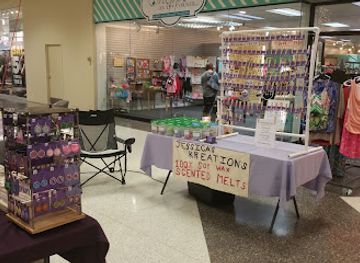
Shopping in East River is centred on Sioux Falls for larger retail districts, department stores, independent boutiques, galleries and specialist food shops, while Brookings, Aberdeen, Watertown, Mitchell, Vermillion and Yankton serve as smaller regional shopping centres. Historic downtowns and main streets are often the best places to find books, antiques, locally made art, clothing, gifts and cafés alongside practical shops. Farmers' markets are seasonal sources of vegetables, preserves, baked goods, honey and other locally produced foods, although dates and locations vary. Craft and gallery purchases may include pottery, textiles, woodwork, jewellery and works by South Dakota artists, while museums and heritage attractions often sell books and educational souvenirs connected with local history. Visitors looking for a distinctly regional memento might consider agricultural products, prairie-themed art, Indigenous-made work purchased through legitimate and respectful channels, or material related to the state's literary and musical heritage. Large-scale shopping is concentrated in Sioux Falls, so smaller towns are generally better for browsing independent businesses and community markets.
-
Shopping mall
The Empire Mall
Discover endless shopping, dining, and entertainment at The Empire Mall, Sioux Falls' premier shopping destination.
-
Shopping mall
Empire East
Discover the vibrant shopping, dining, and entertainment scene at Empire East in Sioux Falls, South Dakota, perfect for the whole family.
-
Art gallery
Prairie Edge Trading Co & Galleries
Explore the vibrant culture and artistry of Native American heritage at Prairie Edge Trading Co & Galleries in Rapid City, SD.
-
Shopping mall
Watertown Mall
Explore Watertown Mall: A shopping paradise in South Dakota, offering diverse stores, delicious dining, and vibrant entertainment for all ages.

Get your free copy of our complete guide to East River, delivered straight to you.
Everything on this page, from attractions and restaurants to essentials and local phrases, in one PDF you can read offline, print or share.
Already have an account? Sign in
Your East River guide is ready.
We'll send it to · Not you? Sign out

Getting your guide ready…
We are putting together a fresh copy of the East River guide. This can take up to a minute.
This can take a few moments. If your browser asks, choose Allow so the download can start. You'll find the guide in your Downloads folder.
Nothing happened? Download it again
Sorry, the guide is taking longer than usual. Please try again in a minute, or get it by email instead.
East River essentials
Currency and Payment
Safety
Emergency Situations
Do's and Don'ts
Local Tips
From Eve
Local phrases worth knowing
You don't need to get them perfect. A few words go a long way, and locals appreciate the effort.
Basics
| English | Local | Say it |
|---|---|---|
| Hello | Hi | [hai] |
| Goodbye | See ya | [si ya] |
| Yes | Yep | [yehp] |
| No | Nope | [nohp] |
| Please/You're welcome | Sure thing | [shur thing] |
| Thank you | Thanks | [thangs] |
| Excuse me/Sorry | Pardon me | [par-dun mee] |
| How are you? | How ya doin'? | [how ya doon?] |
| Fine. And you? | Good. And you? | [gud. and yu?] |
| Do you speak English? | Do ya speak English? | [do ya speek ing-glish?] |
| I don't understand | I don’t get it | [I dont get it] |
Eating & Drinking
| English | Local | Say it |
|---|---|---|
| I'd like to see the menu, please | Can I see the menu, please? | [kan I see thuh menu, pleez?] |
| I don't eat meat | I’m a vegetarian | [I’m a ve-juh-tair-ee-an] |
| Cheers! | Cheers! | [cheers] |
| I would like to pay, please | Can I get the check, please? | [kan I get thuh chek, pleez?] |
Emergencies
| English | Local | Say it |
|---|---|---|
| Help! | Help! | [help] |
| Go away! | Get lost! | [get lost] |
| Call the Police! | Call 911! | [call nine-one-one] |
| Call a doctor! | Get a doctor! | [get a doktor] |
| I'm lost | I’m lost | [I'm lost] |
| I'm ill | I’m not feeling well | [I'm not feeling wel] |
Shopping
| English | Local | Say it |
|---|---|---|
| I'd like to buy... | I want to buy... | [I want to buy...] |
| I'm just looking | Just browsing | [just brow-zing] |
| How much is it? | What’s the price? | [what's thuh price?] |
| That's too expensive | That’s too pricey | [that’s too pry-see] |
| Can you lower the price? | Can ya drop the price? | [kan ya drop thuh price?] |
Time & Numbers
| English | Local | Say it |
|---|---|---|
| What time is it? | What time is it? | [what time is it?] |
| It's one o'clock | It's one o'clock | [it's one o'clock] |
| Half past (10) | Half past ten | [half past ten] |
| Morning | Morning | [morning] |
| Afternoon | Afternoon | [afternoon] |
| Evening | Evening | [evening] |
| Yesterday | Yesterday | [yesterday] |
| Today | Today | [today] |
| Tomorrow | Tomorrow | [tomorrow] |
| 1 | One | [wun] |
| 2 | Two | [too] |
| 3 | Three | [three] |
| 4 | Four | [for] |
| 5 | Five | [fiv] |
| 6 | Six | [six] |
| 7 | Seven | [sev-en] |
| 8 | Eight | [ait] |
| 9 | Nine | [nain] |
| 10 | Ten | [ten] |
Transport & Directions
| English | Local | Say it |
|---|---|---|
| Where's a/the...? | Where's the...? | [where's thuh...?] |
| What's the address? | What’s the address? | [what's thuh ad-dress?] |
| Can you show me (on the map)? | Can ya point it out? | [kan ya point it out?] |
| When's the next (bus)? | When's the next bus? | [when's thuh next bus?] |
| A ticket (to ....) | One ticket to ... | [one tiket to ...] |
History of East River
Indigenous Homelands and Blood Run
For centuries, the eastern part of present-day South Dakota has been shaped by Indigenous peoples, including Dakota communities and earlier cultures associated with the upper Mississippi and Big Sioux river systems. Good Earth State Park at Blood Run, near Sioux Falls, preserves a major archaeological and cultural landscape with evidence of long-term settlement, ceremonial activity and exchange. The site demonstrates that the region's history predates American settlement by many centuries and remains connected to living Indigenous communities and traditions.
The Missouri River and Early Exploration
The Missouri River formed a major corridor for Indigenous trade, diplomacy and travel before becoming a route for American exploration and expansion. The Lewis and Clark Expedition travelled along the river in 1804 and 1806, passing through the wider landscape of what is now south-eastern South Dakota. Later explorers, traders and government officials followed similar routes, increasing outside knowledge of the interior while also intensifying pressure on Indigenous lands.
Treaties, Settlement and Dakota Dispossession
Nineteenth-century treaties and federal policies opened much of eastern South Dakota to non-Indigenous settlement, while reducing Indigenous control over ancestral territories. The creation and expansion of reservations, including those associated with the Sisseton Wahpeton Oyate and the Yankton Sioux Tribe, formed part of this wider transformation. Military posts, surveyors and land offices followed, and towns developed along trails, rivers and later railway lines. The consequences of these policies remain central to understanding the region's history.
Railways, Homesteads and Agricultural Towns
Railway construction in the late nineteenth century accelerated settlement across the prairie. Lines connected emerging communities to regional markets, while homesteading and land sales encouraged wheat, corn, livestock and dairy farming. Towns such as Brookings, Watertown, Aberdeen, Mitchell and Sioux Falls expanded as commercial, educational and administrative centres. Many county courthouses, main streets, grain elevators and railway-era buildings still reflect the period when transport infrastructure determined the pattern of regional growth.
Education, Industry and Urban Growth
Higher education became an important force in East River's development. South Dakota State University in Brookings, the University of South Dakota in Vermillion and Northern State University in Aberdeen helped establish the region as a centre for teaching, research and public culture. Sioux Falls grew from a nineteenth-century trading and milling settlement into the state's largest city, with manufacturing, healthcare, finance and services supplementing the agricultural economy. These changes gave East River a more varied economic character while retaining strong rural connections.
Agricultural Identity and Community Heritage
Twentieth-century agricultural fairs, local museums, distinctive civic buildings and community festivals helped express the region's attachment to farming and small-town life. Mitchell's Corn Palace, repeatedly redecorated with agricultural murals, is the best-known example of this tradition, while the Laura Ingalls Wilder landmarks at De Smet preserve a literary view of prairie settlement. In the present day, East River combines mechanised agriculture and expanding cities with efforts to interpret Indigenous history, conserve prairie and wetland habitats, and maintain local cultural institutions.
East River in Photos
Browse through our photo collection highlighting the charm and character of the destination.
Neighbouring regions of East River
The closest regions to East River, if you have time for more than one.
-

-

-

-

-


Swipe for more regions
Explore more

Explore more of South Dakota
Discover South Dakota: From the iconic Mount Rushmore and Crazy Horse Memorial to the stunning Badlands and charming small towns, it's a land of history and natural beauty.
Explore South Dakota