

Big Sioux Recreation Area Travel Guide - Free Web & App
Your ultimate guide to Big Sioux Recreation Area. Discover top landmarks, proposed trips, and local tips. Free on the web or via the Evendo companion app.


Big Sioux Recreation Area in South Dakota offers river trails, prairie scenery, camping, fishing and easy access to Sioux Falls for a relaxed outdoor escape.
A River Landscape Near Sioux Falls
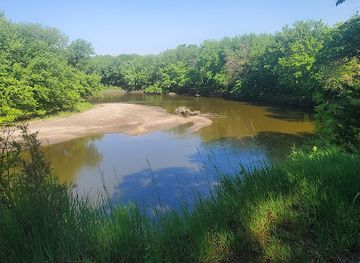
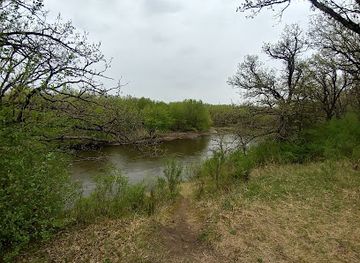
Big Sioux Recreation Area occupies a broad stretch of riverine countryside in eastern South Dakota, where the Big Sioux River moves through woodland, open grassland and low-lying floodplain. The recreation area is close to Brandon and within easy reach of Sioux Falls, yet its atmosphere is distinctly rural: waterfowl gather along the river, cottonwoods provide shade beside the banks and paths lead through a landscape shaped by seasonal water and prairie weather. The park is part of the South Dakota state park system and is valued principally for straightforward outdoor recreation rather than grand scenic viewpoints or intensive visitor development.Read more about Big Sioux Recreation Area
Outdoor Life in the Park
A Gateway to Eastern South Dakota
When is the best time to visit Big Sioux Recreation Area?
Best: May–June, September · 22–27°C| Month | High (°C) | Rainfall (mm) |
|---|---|---|
| January | -3 | 15 |
| February | 0 | 13 |
| March | 8 | 20 |
| April | 16 | 38 |
| May (best) | 22 | 75 |
| June (best) | 27 | 90 |
| July | 30 | 84 |
| August | 28 | 79 |
| September (best) | 22 | 52 |
| October | 15 | 35 |
| November | 7 | 20 |
| December | -2 | 16 |
Getting to and around Big Sioux Recreation Area
How to get there
Transportation
Best landmarks in Big Sioux Recreation Area
The Big Sioux River is the principal natural landmark, its wooded banks and broad floodplain giving the recreation area its geographical identity. Unlike the dramatic cliffs and volcanic formations of western South Dakota, this is a landscape of water, low relief and prairie horizons, where seasonal river levels help shape the appearance of the ground. Cottonwood and other riverside trees provide a strong visual contrast with open grassland and nearby farmland. The park's public recreation facilities are significant in a different way: they preserve direct access to a local river corridor close to one of the state's largest cities. The name also connects the place with the wider Big Sioux watershed and with the Dakota-linked geography of eastern South Dakota. Brandon and Sioux Falls are useful surrounding landmarks and gateways, but they are separate settlements rather than features within the recreation area.
-
State park
Big Sioux State Recreation Area
Explore the breathtaking landscapes and recreational activities at Big Sioux State Recreation Area, a top destination for nature lovers and outdoor enthusiasts.
-
Hiking area
Valley Of The Giants Trail
Discover the Valley Of The Giants Trail in Brandon, SD - a serene hiking oasis filled with stunning landscapes and diverse wildlife waiting to be explored.
Explore Big Sioux Recreation Area on the map
Plan your trip on one map. See where the top attractions, landmarks, restaurants and hotels are, and book hotels and experiences in a few clicks.
Best hotels in Big Sioux Recreation Area
Best bars in Big Sioux Recreation Area
Evenings at Big Sioux Recreation Area are quiet and centred on camping, conversation and the changing light along the river rather than organised nightlife. The park should not be expected to contain nightclubs, a bar district or regular entertainment venues. Brandon offers a small-town selection of casual drinking and dining options, while Sioux Falls has the region's more varied evening scene, including pubs, breweries, restaurants and cultural entertainment. These facilities are outside the recreation area and require a planned drive, making them less convenient once a camping evening is under way. Visitors staying in the park generally come for dark skies, birdsong and an early start, while those seeking live performances or a later night will find the greatest choice in Sioux Falls and should arrange transport responsibly.
-
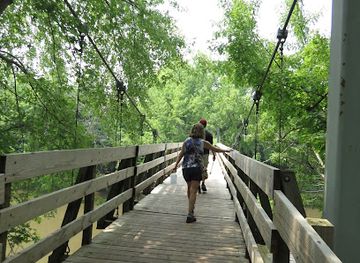
State park
Big Sioux State Recreation Area
Discover the natural beauty and recreational opportunities at Big Sioux State Recreation Area in South Dakota, a true outdoor paradise.
Best shops in Big Sioux Recreation Area
Shopping within Big Sioux Recreation Area is limited to practical visitor needs and any current park-related sales, so it is sensible to buy groceries, fuel, camping supplies and medicines before arrival. Brandon is the nearest convenient town for everyday retail, while Sioux Falls provides the largest selection of supermarkets, outdoor equipment, independent shops, galleries and regional food outlets. Visitors looking for South Dakota-made goods may find local produce, artwork, craft items and specialist foods in Sioux Falls or through rural producers around the region, although offerings and opening arrangements change. The area's shopping character is functional rather than centred on a historic market or concentrated craft quarter. Plan ahead if camping, particularly when travelling with specialist equipment or dietary requirements, because the recreation area itself should not be treated as a fully serviced commercial destination.
-
State park
Big Sioux State Recreation Area
Explore the stunning landscapes and outdoor adventures at Big Sioux State Recreation Area in South Dakota - a perfect getaway for nature lovers.
Get your free copy of our complete guide to Big Sioux Recreation Area, delivered straight to you.
Everything on this page, from attractions and restaurants to essentials and local phrases, in one PDF you can read offline, print or share.
Already have an account? Sign in
Your Big Sioux Recreation Area guide is ready.
We'll send it to · Not you? Sign out

Getting your guide ready…
We are putting together a fresh copy of the Big Sioux Recreation Area guide. This can take up to a minute.
This can take a few moments. If your browser asks, choose Allow so the download can start. You'll find the guide in your Downloads folder.
Nothing happened? Download it again
Sorry, the guide is taking longer than usual. Please try again in a minute, or get it by email instead.
Big Sioux Recreation Area essentials
Currency and Payment
Safety
Emergency Situations
Do's and Don'ts
Local Tips
From Eve
Local phrases worth knowing
You don't need to get them perfect. A few words go a long way, and locals appreciate the effort.
Basics
| English | Local | Say it |
|---|---|---|
| Hello | Howdy | [hah-dee] |
| Goodbye | See ya | [see yah] |
| Yes | Yep | [yep] |
| No | Nah | [nah] |
| Please/You're welcome | Please | [pleez] |
| Thank you | Thanks | [thanks] |
| Excuse me/Sorry | Sorry | [sore-ee] |
| How are you? | How ya doin'? | [how yah doo-in] |
| Fine. And you? | Good. You? | [good. yoo] |
| Do you speak English? | You speak English? | [yoo speek ing-lish] |
| I don't understand | I dunno | [I dun-no] |
Eating & Drinking
| English | Local | Say it |
|---|---|---|
| I'd like to see the menu, please | Menu, please | [men-yoo, pleez] |
| I don't eat meat | No meat for me | [no meet for mee] |
| Cheers! | Cheers! | [cheers] |
| I would like to pay, please | Check, please | [chek, pleez] |
Emergencies
| English | Local | Say it |
|---|---|---|
| Help! | Help! | [help] |
| Go away! | Get lost! | [get lost] |
| Call the Police! | Cops! | [cops] |
| Call a doctor! | Doc! | [doc] |
| I'm lost | Lost | [lost] |
| I'm ill | Sick | [sick] |
Shopping
| English | Local | Say it |
|---|---|---|
| I'd like to buy... | I wanna buy... | [I wanna buy] |
| I'm just looking | Just lookin' | [just look-in] |
| How much is it? | How much? | [how much] |
| That's too expensive | Too pricey | [too pry-see] |
| Can you lower the price? | Can you do better? | [can yoo do bet-ter] |
Time & Numbers
| English | Local | Say it |
|---|---|---|
| What time is it? | What time? | [what time] |
| It's one o'clock | It's one | [its one] |
| Half past (10) | Half past ten | [half past ten] |
| Morning | Morning | [morning] |
| Afternoon | Afternoon | [after-noon] |
| Evening | Evening | [ee-ven-ing] |
| Yesterday | Yesterday | [yes-ter-day] |
| Today | Today | [to-day] |
| Tomorrow | Tomorrow | [to-mor-row] |
| 1 | One | [wun] |
| 2 | Two | [too] |
| 3 | Three | [three] |
| 4 | Four | [four] |
| 5 | Five | [five] |
| 6 | Six | [six] |
| 7 | Seven | [seven] |
| 8 | Eight | [ate] |
| 9 | Nine | [nine] |
| 10 | Ten | [ten] |
Transport & Directions
| English | Local | Say it |
|---|---|---|
| Where's a/the...? | Where's the...? | [wheres the] |
| What's the address? | Address? | [add-dress] |
| Can you show me (on the map)? | Show me | [show me] |
| When's the next (bus)? | Next bus? | [next bus] |
| A ticket (to ....) | Ticket | [ticket] |
History of Big Sioux Recreation Area
Glacial Prairie and River Formation
The landscape around Big Sioux Recreation Area belongs to the glaciated prairie country of eastern South Dakota. Ice-age processes helped shape the broad, relatively gentle terrain, while the Big Sioux River became a defining drainage corridor through the prairie. River floodplain, wooded banks and higher grassland create the environmental pattern that visitors see today. Seasonal flooding and the movement of water continue to influence vegetation, wildlife habitat and the practical use of the low-lying ground.
The Big Sioux and Dakota Country
The Big Sioux River forms part of the traditional landscape of the Dakota people, whose history and cultural connections extend across eastern South Dakota. Rivers provided routes through the prairie and supported travel, food gathering and seasonal activity long before the arrival of modern towns and roads. The name Big Sioux reflects the river's association with the Sioux, although later mapping and settlement imposed changing administrative names on an older Indigenous geography. Visitors should understand the recreation area as part of a lived cultural landscape, not an empty wilderness.
Settlement and Agricultural Change
Euro-American settlement brought farms, roads, rail connections and increasingly intensive agricultural use to the Big Sioux valley. The river remained useful for orientation and local movement, while its floodplain also imposed limits on cultivation and construction. The growth of Sioux Falls and Brandon gradually connected this rural river corridor with a larger regional population. Much of the surrounding countryside still reflects the agricultural economy of southeastern South Dakota, with the recreation area retaining a more natural public landscape within it.
A Public Recreation Landscape
Big Sioux Recreation Area developed as a state-managed place for camping, picnicking and outdoor activities close to the Sioux Falls urban area. Its role is locally important: it protects access to river scenery and open space while providing a practical setting for walking, fishing and nature observation. Management must balance recreation with floodplain conditions, habitat protection and public safety. The park's modern identity therefore comes from the meeting of a working prairie region, a growing nearby city and the continuing presence of the Big Sioux River.
Big Sioux Recreation Area in Photos
Browse through our photo collection highlighting the charm and character of the destination.
Neighbouring destination travel guides
The closest destinations to Big Sioux Recreation Area, if you have time for more than one.
-
 Gitchie Manitou State Preserve
, Iowa, protects Sioux quartzite outcrops, prairie and woodland near Larchwood for hiking, camping and quiet nature.
Gitchie Manitou State Preserve
Gitchie Manitou State Preserve, Iowa, protects Sioux quartzite outcrops, prairie and woodland near Larchwood for hiking, camping and quiet nature.
-
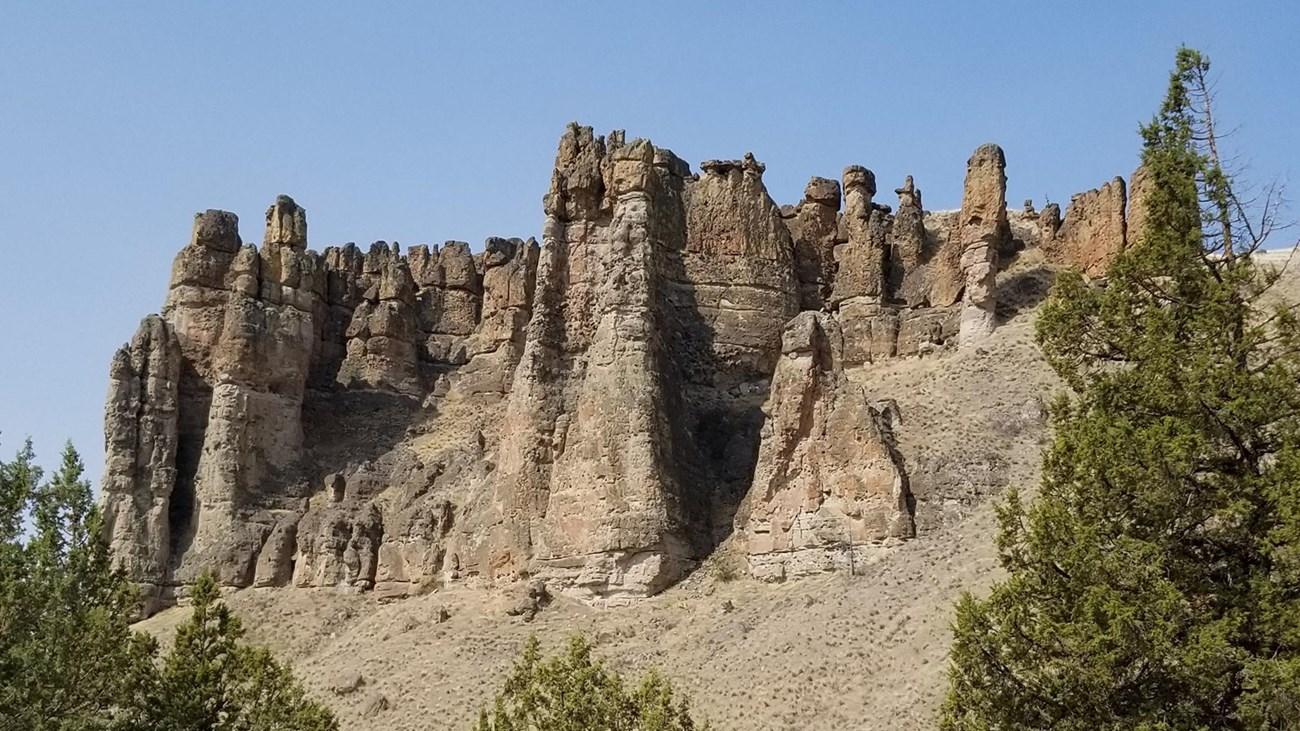 Palisades State Park
 in South Dakota features quartzite cliffs, the Split Rock River, hiking, camping, climbing and scenic landscapes near Garretson and Sioux Falls.
Palisades State Park
Palisades State Park in South Dakota features quartzite cliffs, the Split Rock River, hiking, camping, climbing and scenic landscapes near Garretson and Sioux Falls.
-

-

-


Swipe for more destinations
Explore more
Explore more of Coteau des Prairies
Explore South Dakota’s Coteau des Prairies for glacial lakes, open prairie, Dakota heritage, historic forts and relaxed outdoor travel.
Explore Coteau des Prairies
Explore more of South Dakota
Discover South Dakota: From the iconic Mount Rushmore and Crazy Horse Memorial to the stunning Badlands and charming small towns, it's a land of history and natural beauty.
Explore South Dakota