

Casco Viejo (Bilbao) Travel Guide - Free
Explore Casco Viejo in Bilbao with Evendo's free guide. Find the best shops, historic streets, restaurants, and gems on web or mobile.


Casco Viejo Bilbao blends the Seven Streets, Santiago Cathedral, Ribera Market, Basque pintxos bars and riverside walks in the city's historic heart.
The Historic Core
Casco Viejo is Bilbao’s oldest quarter, a compact cluster of lanes and squares on the eastern bank of the Nervión River. Its historic centre is organised around the Siete Calles, or Seven Streets: Somera, Artecalle, Tendería, Belosticalle, Carnicería Vieja, Barrenkale and Barrenkale Barrena. Together they form the medieval foundation of a district that remains one of the city’s most sociable areas, with ground-floor cafés, traditional shops, pintxos bars and apartment-lined streets.Read more about Casco Viejo
Streets, Churches and Markets
Everyday Bilbao
Best attractions in Casco Viejo
Casco Viejo’s principal attraction is the experience of moving through the Seven Streets, where narrow lanes open into small squares, churches and busy food-and-drink spots. Santiago Cathedral is the quarter’s most important ecclesiastical building, combining a medieval foundation with later architectural work and a long connection to the historic town. Plaza Nueva provides an elegant arcaded setting for cafés, pintxos bars and occasional public activity, while Mercado de la Ribera brings together food stalls, fresh produce and river views in a prominent market building. The nearby Iglesia de San Antón stands beside the Nervión and is closely associated with Bilbao’s identity. Visitors can also follow the riverside path towards Arenal and examine the changing views of the old quarter, bridges and opposite-bank districts without leaving Casco Viejo’s immediate public realm.
-
Tourist attraction
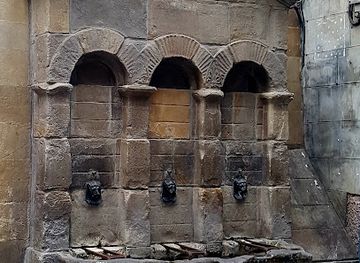
Txakurraren iturria
Explore the historical charm of Txakurraren Iturria, a must-see landmark in Bilbao that offers a glimpse into the city's rich heritage and culture.
1 min walk · 0.1 km from neighbourhood centre
-
Tourist attraction
Bilbao Historiko - Expogela
Discover the vibrant history and culture of Bilbao at Expogela, a captivating tourist attraction in the heart of Ibaiondo.
7 min walk · 0.5 km from neighbourhood centre
Best landmarks in Casco Viejo
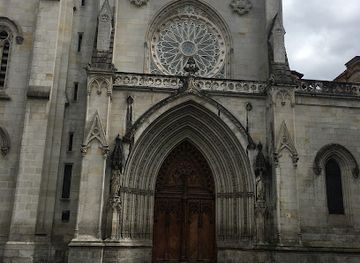
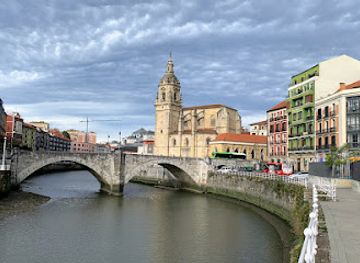
The Cathedral of Santiago is Casco Viejo’s principal landmark, its long building history and prominent position reflecting the importance of the old settlement. At the southern edge, the Church of San Antón rises beside the Nervión on a site linked to Bilbao’s former walls and medieval origins; together with the bridge and riverfront, it forms one of the city’s most recognisable views. Plaza Nueva is a major nineteenth-century urban space, distinguished by its enclosed arcades and regular plan, while the Seven Streets remain the defining historic structure of the quarter rather than a single monument. Mercado de la Ribera is another significant presence, representing the district’s enduring role as a food and trading centre. The Church of San Nicolás, near the Arenal, marks the northern approach to the old town and its historic relationship with the river.
-
Fresh food market
Erriberako merkatua
Explore the flavors and culture of Bilbao at Erriberako Merkatua, a vibrant fresh food market offering local delicacies and a unique shopping experience.
2 min walk · 0.2 km from neighbourhood centre
-
Historical landmark
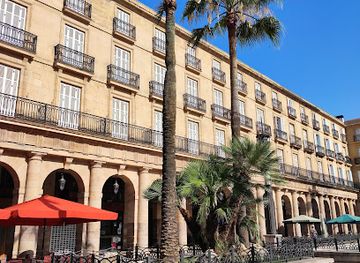
Plaza Nueva
Discover Plaza Nueva in Bilbao, a historical landmark surrounded by vibrant bars and restaurants, where culture and culinary traditions come alive.
3 min walk · 0.2 km from neighbourhood centre
-
Catholic cathedral
Bilboko Donejakue Katedrala
Discover the breathtaking beauty and rich history of Bilboko Donejakue Katedrala, a stunning Gothic masterpiece in the heart of Bilbao, Spain.
1 min walk · 0.1 km from neighbourhood centre
-
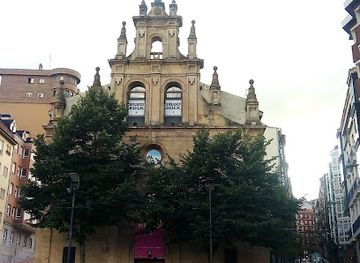
Catholic church
San Anton eliza
Discover the stunning architecture and rich history of San Anton Eliza, a cherished Catholic church and a must-visit cultural landmark in Bilbao.
2 min walk · 0.2 km from neighbourhood centre
Explore Casco Viejo on the map
A handpicked selection of must-see spots in Casco Viejo, mapped for you.
Best hotels in Casco Viejo
Best restaurants in Casco Viejo
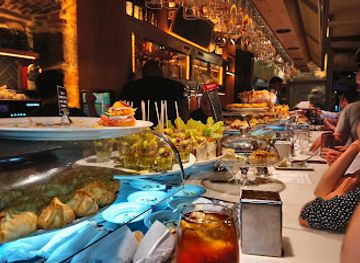
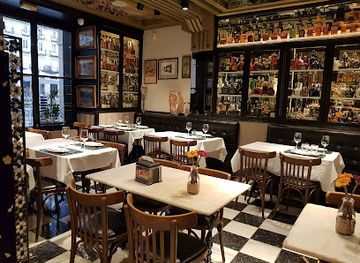
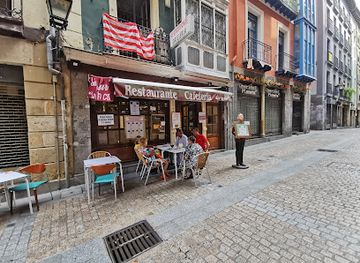
Eating in Casco Viejo is closely tied to the pintxos tradition: small savoury portions displayed at bars and ordered alongside a drink, often sampled across several establishments rather than consumed as one formal meal. The strongest concentration is around the Seven Streets, Plaza Nueva and the lanes leading towards the Ribera Market, where traditional taverns coexist with contemporary Basque cooking, cafés, bakeries and casual dining rooms. Seafood, cod, peppers, cured meats and seasonal produce reflect the food culture of Biscay, while market stalls provide an informal way to see local ingredients and eat during the day. Restaurants range from straightforward neighbourhood establishments to more polished venues, but the old quarter’s social rhythm is still most apparent when visitors stand at a busy bar, choose a pintxo and watch the street life pass outside.
-
Tapas
Gure Toki
Discover the authentic taste of Basque cuisine at Gure Toki in Bilbao's vibrant Ibaiondo district - where every pintxo tells a story.
4 min walk · 0.3 km from neighbourhood centre
-
Restaurant
Víctor Montes jatetxea
Experience authentic Basque cuisine at Víctor Montes Jatetxea in Bilbao – where tradition meets flavor in every dish.
3 min walk · 0.2 km from neighbourhood centre
-
Basque
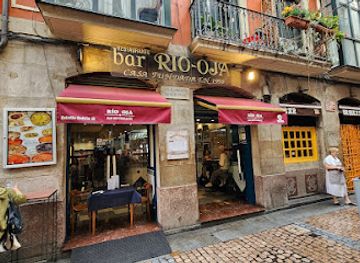
Rio-Oja Restaurant
Experience the rich flavors of Basque cuisine at Rio-Oja Restaurant in Bilbao – where tradition meets innovation.
2 min walk · 0.1 km from neighbourhood centre
-
Restaurant
Restaurante Pentxo
Experience authentic Basque cuisine at Restaurante Pentxo in Bilbao—where tradition meets taste in every delightful dish.
1 min walk · 0.1 km from neighbourhood centre
Best bars in Casco Viejo
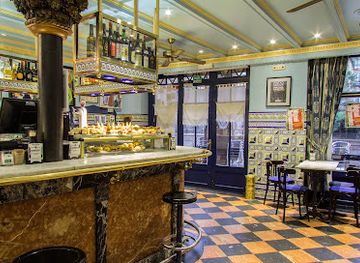
Casco Viejo is one of Bilbao’s established evening quarters, although its nightlife is more concentrated around bars, traditional taverns and live-music venues than large nightclubs. Plaza Nueva and the Seven Streets provide the central circuit, with Somera, Barrenkale and surrounding lanes particularly associated with bar-hopping and pintxos. The atmosphere changes gradually: early evening belongs to food and conversation, while later hours bring fuller bars and a younger crowd, especially at weekends. Music venues and cultural spaces add variety, but the neighbourhood is not a single continuous party zone; quieter residential streets begin close to the main squares. Visitors should keep noise down when leaving bars, respect residents and remember that opening times and programmes change, so current information should be checked locally.
-
Tapas Bar
Café Bar Bilbao
Experience the essence of Basque cuisine at Café Bar Bilbao, where unique pintxos and local wines await in a vibrant atmosphere.
3 min walk · 0.2 km from neighbourhood centre
-
Tapas Bar
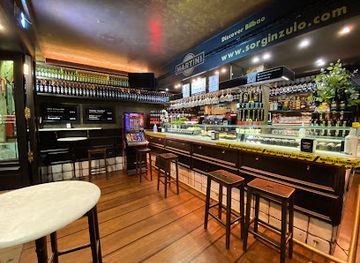
Sorgínzulo
Discover the heart of Bilbao's culinary scene at Sorgínzulo, where exquisite tapas meet vibrant local culture in a lively atmosphere.
4 min walk · 0.3 km from neighbourhood centre
-
Tapas Bar
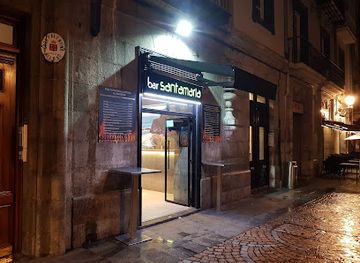
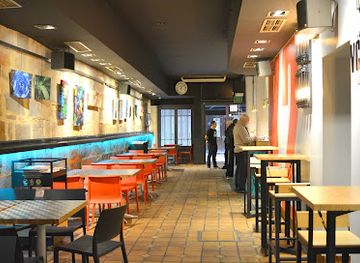
Bar SantaMaría
Discover the authentic taste of Bilbao at Bar SantaMaría, a charming tapas bar offering delicious local dishes in a vibrant atmosphere.
2 min walk · 0.2 km from neighbourhood centre
-
Gastropub
PUB K2 BILBAO
Discover PUB K2 BILBAO: A lively gastropub in Ibaiondo, serving delicious tapas and craft beers in a vibrant atmosphere perfect for sports lovers.
1 min walk · 0.1 km from neighbourhood centre
Best nightclubs in Casco Viejo
Casco Viejo is one of Bilbao’s established evening quarters, although its nightlife is more concentrated around bars, traditional taverns and live-music venues than large nightclubs. Plaza Nueva and the Seven Streets provide the central circuit, with Somera, Barrenkale and surrounding lanes particularly associated with bar-hopping and pintxos. The atmosphere changes gradually: early evening belongs to food and conversation, while later hours bring fuller bars and a younger crowd, especially at weekends. Music venues and cultural spaces add variety, but the neighbourhood is not a single continuous party zone; quieter residential streets begin close to the main squares. Visitors should keep noise down when leaving bars, respect residents and remember that opening times and programmes change, so current information should be checked locally.
-
Disco club
El Balcón de la Lola
Discover the vibrant nightlife of Bilbao at El Balcón de la Lola, a must-visit disco club that promises an unforgettable experience filled with music and dance.
6 min walk · 0.4 km from neighbourhood centre
-
Disco club
KABARET
Experience the vibrant nightlife of Bilbao at KABARET, a premier disco club where music and energy collide for an unforgettable night.
2 min walk · 0.1 km from neighbourhood centre
-
Night club
Kremlin Aretoa
Experience the electrifying nightlife of Bilbao at Kremlin Aretoa, where vibrant music and a lively atmosphere await.
6 min walk · 0.5 km from neighbourhood centre
-
Night club
Crystal Bilbao
Discover the vibrant nightlife at Crystal Bilbao, a premier night club in Abando offering electrifying music, dancing, and unforgettable experiences.
8 min walk · 0.6 km from neighbourhood centre

Best shops in Casco Viejo
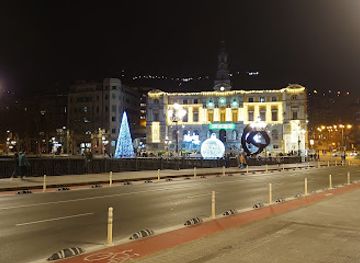
Shopping in Casco Viejo combines everyday local retail with visitor-friendly browsing through specialist shops, food stores and independent businesses. The Seven Streets and their connecting lanes contain traditional confectioners, delicatessens, bakeries, fashion shops, bookshops, gift stores and retailers selling Basque food products. Mercado de la Ribera is the major food destination, with stalls devoted to fresh produce and regional ingredients as well as places to eat. Plaza Nueva and the streets around it are useful for combining shopping with cafés and pintxos, while the lanes towards the cathedral reward slower browsing rather than a fixed retail itinerary. The area is not a conventional enclosed shopping centre: its appeal lies in older shopfronts, small businesses and the way commercial activity remains woven into residential streets. Stock, opening arrangements and independent ownership naturally vary.
-
Fashion accessories store
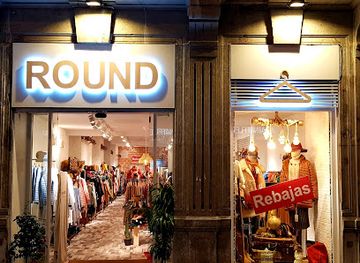
ROUND
Discover the latest fashion accessories at ROUND, a trendy store in Bilbao's Ibaiondo district, perfect for style enthusiasts and gift seekers.
2 min walk · 0.1 km from neighbourhood centre
-
Clothing store
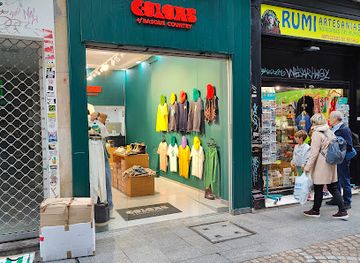
Colors of Basque Country
Discover the Colors of Basque Country in Bilbao, where vibrant fashion meets local culture in a stylish clothing store experience.
2 min walk · 0.1 km from neighbourhood centre
-
Store
Paragüería Leoz
Discover the heart of Bilbao at Paragüería Leoz, a store showcasing the best of Basque culture through unique artisanal products and crafts.
1 min walk · 0.1 km from neighbourhood centre
-
Gift shop
BASQ LORE - Bisutería y souvenirs
Explore BASQ LORE in Bilbao for exquisite costume jewelry and unique gifts that embody local artistry and charm.
3 min walk · 0.2 km from neighbourhood centre
Casco Viejo essentials
Getting There
Getting Around
Safety
Emergency Situations
Do's and Don'ts
Local Tips

From Eve
Local phrases worth knowing
You don't need to get them perfect. A few words go a long way, and locals appreciate the effort.
Basics
| English | Local | Say it |
|---|---|---|
| Hello | Hola | [oh-lah] |
| Goodbye | Adiós | [ah-dee-ohs] |
| Yes | Sí | [see] |
| No | No | [noh] |
| Please/You're welcome | Por favor/De nada | [por fah-vor/deh nah-dah] |
| Thank you | Gracias | [grah-thyahs] |
| Excuse me/Sorry | Perdón/Lo siento | [pair-dohn/loh syen-toh] |
| How are you? | ¿Cómo estás? | [koh-moh ehs-tahs] |
| Fine. And you? | Bien. ¿Y tú? | [byen. ee too] |
| Do you speak English? | ¿Hablas inglés? | [ah-blahs een-glays] |
| I don't understand | No entiendo | [noh ehn-tyen-doh] |
Eating & Drinking
| English | Local | Say it |
|---|---|---|
| I'd like to see the menu, please | Me gustaría ver el menú, por favor | [meh goos-tah-ree-ah behr ehl meh-noo, poor fah-vor] |
| I don't eat meat | No como carne | [noh koh-moh kahr-neh] |
| Cheers! | ¡Salud! | [sah-loohd] |
| I would like to pay, please | Me gustaría pagar, por favor | [meh goos-tah-ree-ah pah-gahr, poor fah-vor] |
Emergencies
| English | Local | Say it |
|---|---|---|
| Help! | ¡Ayuda! | [ah-yoo-dah] |
| Go away! | ¡Vete! | [veh-teh] |
| Call the Police! | ¡Llama a la policía! | [yah-mah ah lah poh-lee-see-ah] |
| Call a doctor! | ¡Llama a un médico! | [yah-mah ah oon meh-dee-koh] |
| I'm lost | Estoy perdido | [ehs-toy pair-dee-doh] |
| I'm ill | Estoy enfermo | [ehs-toy ehn-fehr-moh] |
Shopping
| English | Local | Say it |
|---|---|---|
| I'd like to buy... | Me gustaría comprar... | [meh goos-tah-ree-ah kohm-prahr] |
| I'm just looking | Solo estoy mirando | [soh-loh ehs-toy mee-rahn-doh] |
| How much is it? | ¿Cuánto cuesta? | [kwan-toh kwehs-tah] |
| That's too expensive | Esto es demasiado caro | [ehs-toh ehs deh-mah-syah-doh kah-roh] |
| Can you lower the price? | ¿Puede bajar el precio? | [pweh-deh bah-hahr ehl pree-syoh] |
Time & Numbers
| English | Local | Say it |
|---|---|---|
| What time is it? | ¿Qué hora es? | [keh oh-rah ehs] |
| It's one o'clock | Es la una | [ehs lah oo-nah] |
| Half past (10) | Las diez y media | [lahs d'yehs ee meh-dyah] |
| Morning | Mañana | [mah-nyah-nah] |
| Afternoon | Tarde | [tahr-deh] |
| Evening | Noche | [noh-cheh] |
| Yesterday | Ayer | [ah-yehr] |
| Today | Hoy | [oy] |
| Tomorrow | Mañana | [mah-nyah-nah] |
| 1 | Uno | [oo-noh] |
| 2 | Dos | [dohs] |
| 3 | Tres | [trehs] |
| 4 | Cuatro | [kwah-troh] |
| 5 | Cinco | [theen-koh] |
| 6 | Seis | [says] |
| 7 | Siete | [syeh-teh] |
| 8 | Ocho | [oh-choh] |
| 9 | Nueve | [nweh-veh] |
| 10 | Diez | [dyehs] |
Transport & Directions
| English | Local | Say it |
|---|---|---|
| Where's a/the...? | ¿Dónde está...? | [dohn-deh ehs-tah] |
| What's the address? | ¿Cuál es la dirección? | [kwal ehs lah dee-rehk-syohn] |
| Can you show me (on the map)? | ¿Puedes enseñarme (en el mapa)? | [pweh-dehs ehn-seh-nyahr-meh (ehn ehl mah-pah)] |
| When's the next (bus)? | ¿Cuándo es el próximo (autobús)? | [kwan-doh ehs ehl proh-ksee-moh (ow-toh-boos)] |
| A ticket (to ....) | Un billete (a ...) | [oon bee-yeht-eh (ah ...)] |
History of Casco Viejo
Bilbao’s Medieval Foundation
Bilbao was founded in 1300 by Diego López de Haro, Lord of Biscay, on the right bank of the Nervión. The original settlement developed around a small group of planned streets that became known as the Siete Calles, or Seven Streets. Their elongated layout, running broadly towards the river, still defines the core of Casco Viejo. The quarter grew as a commercial and maritime community, benefiting from Bilbao’s position within the estuary and its connections with inland Biscay. Although later rebuilding altered many façades, the street pattern preserves the basic shape of the medieval town.
Parish Churches and Civic Life
As Bilbao expanded, religious buildings and public institutions gave the old quarter a network of civic reference points. Santiago Cathedral, whose building history extends from the late medieval period into later alterations, became the principal church of the settlement. San Antón stands beside the former site of the town’s medieval defensive wall and later became one of Bilbao’s best-known symbols. San Nicolás, facing the Arenal area, reflects the quarter’s continuing relationship with the river and the city’s changing commercial life. Markets, guilds and parish communities made the Casco Viejo a working district as well as a centre of worship.
Commerce, Industry and Urban Change
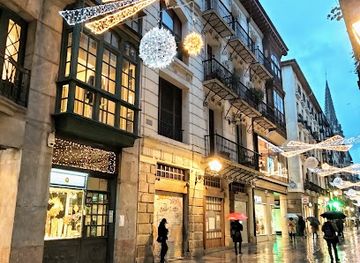
Bilbao’s nineteenth-century industrial and commercial expansion transformed the wider city while leaving Casco Viejo as its established retail and civic core. New bridges, roads and public spaces improved connections across the Nervión, and the Arenal became an important urban threshold beside the historic streets. Shops, workshops, cafés and food businesses filled the old quarter as Bilbao’s population and economy grew. The district’s built character consequently became layered rather than uniform, combining older masonry structures with nineteenth- and twentieth-century apartment blocks and the enclosed glazed balconies associated with the city’s Atlantic climate.
Floods, Renewal and Contemporary Identity
A severe flood in 1983 damaged large parts of Bilbao, including the historic centre, and prompted extensive reconstruction and public-realm improvements. The renewal of streets, utilities, buildings and the riverfront helped Casco Viejo recover as a pedestrian-friendly residential and commercial quarter. Mercado de la Ribera was subsequently restored and modernised, while cultural venues, cafés and independent retailers strengthened the area’s appeal to visitors. Today, the Seven Streets retain their historic role, but the quarter also reflects broader changes in Bilbao: heritage conservation, hospitality-led activity and the continuing effort to balance visitor interest with everyday local life.
Casco Viejo in Photos
Browse through our photo collection highlighting the charm and character of the destination.
Neighbourhoods near Casco Viejo
The closest neighbourhoods to Casco Viejo, if you have time for more than one stop.
-

-

-

-


Swipe for more neighbourhoods
Explore more

Explore more of Bilbao
Explore Bilbao, a vibrant city in Spain's Basque Country, where modern architecture meets rich tradition and stunning natural beauty.
Explore Bilbao