

Montseny Natural Park Travel Guide - Free Web & App
Your ultimate guide to Montseny Natural Park. Discover top landmarks, proposed trips, and local tips. Free on the web or via the Evendo companion app.


Montseny Natural Park in Spain offers beech forests, mountain trails, Catalan villages, ancient heritage and scenic peaks near Barcelona and Girona.
A Mountain Landscape Near Barcelona
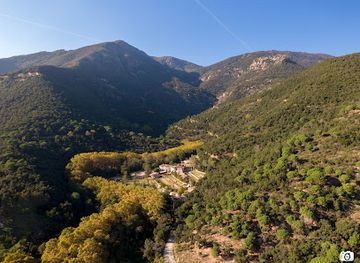
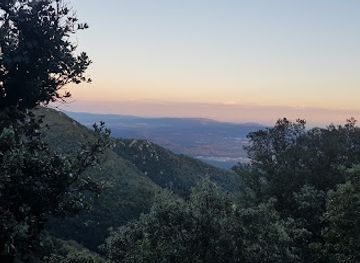
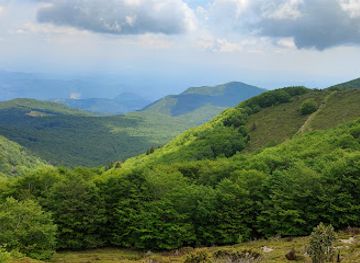
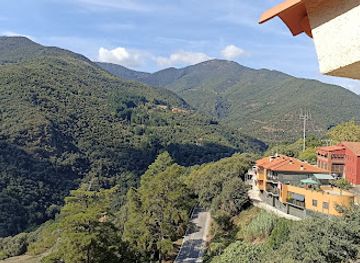
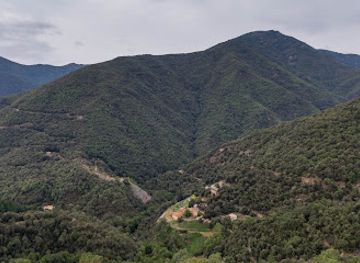
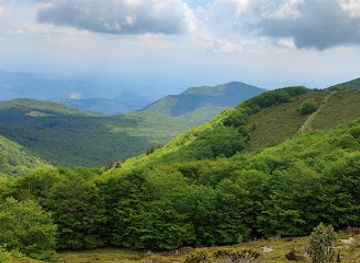
Montseny Natural Park rises between the Catalan coastal plain and the inland valleys of Osona and Vallès Oriental, within convenient reach of Barcelona and Girona. Its compact but varied landscape ranges from Mediterranean holm-oak woodland and aromatic scrub to beech forests, streams and high mountain heath. The highest summits are Turó de l'Home, at 1,706 metres, Les Agudes and Matagalls, whose open ridges offer expansive views when weather conditions are clear. The park's changing vegetation reflects its altitude, orientation and proximity to both Mediterranean and central European climatic influences.Read more about Montseny Natural Park
Villages, Heritage and Living Landscapes
Exploring the Park
When is the best time to visit Montseny Natural Park?
Best: April–May, October · 21–26°C| Month | High (°C) | Rainfall (mm) |
|---|---|---|
| January | 12 | 75 |
| February | 13 | 64 |
| March | 17 | 67 |
| April (best) | 21 | 69 |
| May (best) | 26 | 121 |
| June | 32 | 128 |
| July | 36 | 141 |
| August | 35 | 145 |
| September | 30 | 125 |
| October (best) | 25 | 98 |
| November | 18 | 68 |
| December | 13 | 73 |
Getting to and around Montseny Natural Park
How to get there
Transportation
Best attractions in Montseny Natural Park
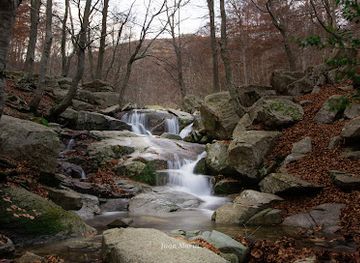
Montseny's attractions are distributed across a mountain landscape rather than concentrated in one visitor centre. The high ground around Turó de l'Home, Les Agudes and Matagalls provides demanding walks and broad views, while the beech woods of Santa Fe del Montseny create a cooler, more enclosed landscape of streams, woodland paths and seasonal colour. La Calma offers open upland scenery and prehistoric monuments, and the Iberian settlement of Montgròs near El Brull adds archaeological depth to the rural setting. The valleys around Arbúcies, Viladrau and Montseny contain traditional farmhouses, chapels, springs and forest tracks, while the Tagamanent sector combines highland walking with the remains of a medieval castle. Park information facilities and local museums in surrounding municipalities provide context on ecology, farming, forestry and regional history, making it possible to combine outdoor exploration with cultural visits.
-
Nature preserve
Parc del Montnegre i el Corredor
Explore the serene trails and diverse ecosystems of Parc del Montnegre i el Corredor, a nature preserve offering breathtaking landscapes near Barcelona.
-
Tourist attraction
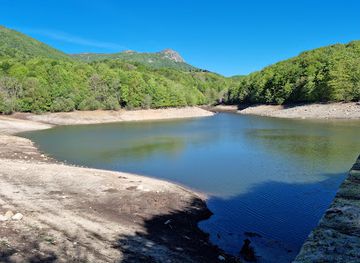
Presa De Santa Fe del Montseny
Experience the breathtaking landscapes and serene waters of Presa De Santa Fe del Montseny, a must-visit natural attraction in the heart of Catalonia.
-
Park
Gualba Montseny
Discover Gualba Montseny, a serene park in Catalonia, where stunning landscapes, diverse wildlife, and peaceful trails await every nature lover.
-
Theme park
La Selva de l'Aventura
Discover thrilling adventures and breathtaking natural beauty at La Selva de l'Aventura, the ultimate theme park experience in Girona, Spain.
Best landmarks in Montseny Natural Park
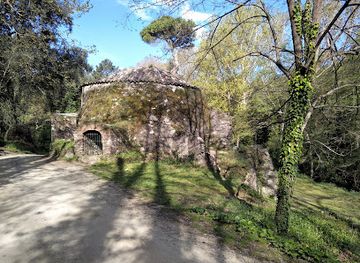
Montseny's defining natural landmarks are its elevated summits and contrasting forest zones. Turó de l'Home, Les Agudes and Matagalls form the best-known high points, while the beech forests around Santa Fe express the park's cooler Atlantic influence within a largely Mediterranean region. The open uplands of La Calma are significant for both their broad grazing landscape and their prehistoric dolmens, which connect the mountain with early human ritual and movement. At El Brull, the remains of Montgròs preserve an important Iberian fortified settlement, and the ruins of Tagamanent Castle occupy a commanding historical position above the Congost valley. Romanesque churches such as Sant Martí del Brull and scattered masies add architectural landmarks to the landscape, showing how religious, defensive and agricultural structures were integrated into Montseny's valleys and ridges.
-
National forest
Font de Passavets. Montseny
Experience the breathtaking beauty of Font de Passavets in Montseny National Park, a serene escape into nature's wonders in Catalonia.
-
Nature preserve
Montseny
Explore the breathtaking beauty of Montseny Nature Preserve, a UNESCO Biosphere Reserve, offering diverse landscapes and a wealth of outdoor adventures.
-
National park
Parc Natural del Montseny
Discover the breathtaking beauty of Parc Natural del Montseny, a UNESCO Biosphere Reserve with stunning landscapes, diverse ecosystems, and rich cultural heritage.
Explore Montseny Natural Park on the map
Plan your trip on one map. See where the top attractions, landmarks, restaurants and hotels are, and book hotels and experiences in a few clicks.
Best hotels in Montseny Natural Park
Best restaurants in Montseny Natural Park
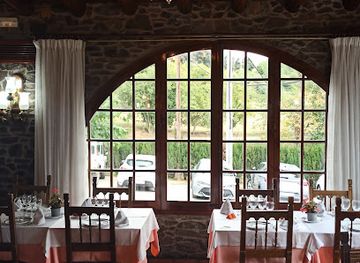
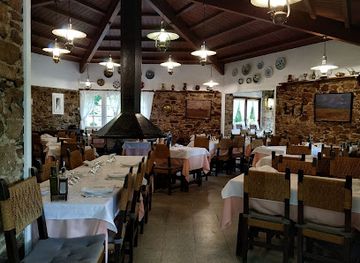
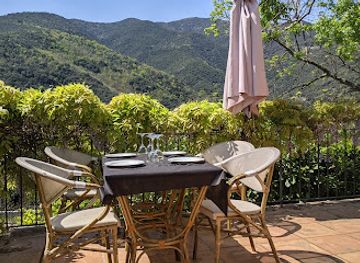
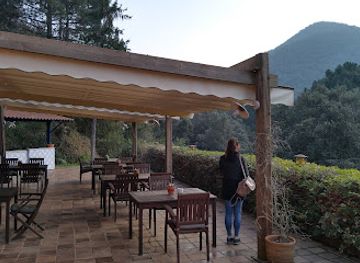
Dining in and around Montseny reflects the cooking of inland Catalonia, where mountain produce, woodland resources and farm traditions shape the table. Rural restaurants, country inns and village establishments commonly provide seasonal menus rooted in ingredients such as beans, mushrooms, vegetables, cured meats and locally produced meat, with dishes varying according to the season and municipality. Chestnuts and woodland products are especially associated with the autumn landscape, while nearby agricultural areas contribute cheeses, bread, honey and other provisions. Food options are concentrated in settlements and along established approach roads rather than beside every trailhead, so walkers should not assume that a remote sector has cafés or shops. Gateway towns including Sant Celoni, Arbúcies, Viladrau, Seva and La Garriga offer a broader choice, while farm shops and local producers can provide regional specialities when open.
-
Restaurant
La Falda Del Montseny
Experience exquisite Mediterranean cuisine at La Falda Del Montseny amidst stunning natural beauty in Barcelona's picturesque region.
-
Catalonian
Avet Blau Hostal Restaurant
Experience authentic Catalonian cuisine at Avet Blau Hostal Restaurant amidst the stunning landscapes of Montseny.
-
Catalonian
Restaurant Fonda Montseny
Discover authentic Catalonian flavors at Restaurant Fonda Montseny - where culinary tradition meets breathtaking views.
-
Restaurant
Restaurant Masia Can Nena
Discover Restaurant Masia Can Nena: A Mediterranean culinary haven nestled in Montseny's breathtaking landscapes.
Best bars in Montseny Natural Park
Montseny is a quiet rural destination rather than a nightlife centre. Evenings are generally spent in the restaurants, cafés, traditional bars and village inns of settlements such as Montseny, Viladrau, Arbúcies, El Brull and nearby Sant Celoni, where the atmosphere is oriented towards conversation, local food and mountain hospitality rather than late-night clubs. Some accommodation businesses have their own dining or bar areas, but opening arrangements vary and should not be presumed outside the main season. Larger evening entertainment, including a wider selection of bars and cultural programming, is more likely in towns beyond the park, such as Sant Celoni, La Garriga or Vic. In the park's upland areas, darkness and the absence of commercial facilities are part of the setting, so visitors should arrange evening meals and transport before leaving their base.
-
Restaurant
Les Piscines Del Montseny
Discover the perfect blend of nature and culinary delights at Les Piscines Del Montseny, a barbecue restaurant with stunning views and refreshing pools.
-
Catalonian
L'Ou de Reig Hostal Restaurant
Discover the exquisite Catalonian flavors at L'Ou de Reig, a charming restaurant in Seva, Barcelona, offering a delightful Mediterranean dining experience.
-
Hotel
Can Barrina
Discover the serene beauty and culinary delights of Can Barrina in the heart of Montseny, Barcelona's enchanting retreat.
Best shops in Montseny Natural Park
Shopping in Montseny is small-scale and regional, with supplies and a wider range of shops concentrated in gateway towns rather than in the high mountain areas. Visitors may find local food products, bread, honey, cheeses, cured meats, preserves, chestnut goods and other seasonal specialities through village businesses, farm shops or producers in the surrounding municipalities. Arbúcies, Viladrau, Seva, Sant Celoni and other nearby settlements are more useful than remote trailheads for everyday provisions, outdoor necessities and locally made gifts. Traditional craft and rural products vary by locality and season, so visitors should distinguish established producers from generic souvenirs. Weekly markets and village festivities in the wider Montseny region can offer produce and handmade goods when scheduled, but they should be checked locally rather than assumed to operate every day.
-
Park
Montseny
Explore Montseny National Park, a UNESCO Biosphere Reserve filled with breathtaking landscapes, rich biodiversity, and endless outdoor adventures.
-
National park
Parc Natural del Montseny
Explore the breathtaking landscapes and rich biodiversity of Parc Natural del Montseny, a UNESCO Biosphere Reserve near Barcelona, perfect for nature lovers.
Get your free copy of our complete guide to Montseny Natural Park, delivered straight to you.
Everything on this page, from attractions and restaurants to essentials and local phrases, in one PDF you can read offline, print or share.
Already have an account? Sign in
Your Montseny Natural Park guide is ready.
We'll send it to · Not you? Sign out

Getting your guide ready…
We are putting together a fresh copy of the Montseny Natural Park guide. This can take up to a minute.
This can take a few moments. If your browser asks, choose Allow so the download can start. You'll find the guide in your Downloads folder.
Nothing happened? Download it again
Sorry, the guide is taking longer than usual. Please try again in a minute, or get it by email instead.
Montseny Natural Park essentials
Currency and Payment
Safety
Emergency Situations
Do's and Don'ts
Local Tips
From Eve
Local phrases worth knowing
You don't need to get them perfect. A few words go a long way, and locals appreciate the effort.
Basics
| English | Local | Say it |
|---|---|---|
| Hello | Hola | [oh-lah] |
| Goodbye | Adéu | [ah-deh-oo] |
| Yes | Sí | [see] |
| No | No | [noh] |
| Please/You're welcome | Si us plau/De res | [see oos plow/deh ress] |
| Thank you | Gràcies | [grah-see-ess] |
| Excuse me/Sorry | Perdó/Ho sento | [pehr-doh/oh sehn-toh] |
| How are you? | Com estàs? | [kohm ehs-tahs] |
| Fine. And you? | Bé. I tu? | [beh/ee too] |
| Do you speak English? | Parles anglès? | [pahr-lehs ahn-glehs] |
| I don't understand | No entenc | [noh ehn-tenk] |
Eating & Drinking
| English | Local | Say it |
|---|---|---|
| I'd like to see the menu, please | M'agradaria veure la carta, si us plau | [mah-grah-dee-ah veh-oo-reh lah cahr-tah/see oos plow] |
| I don't eat meat | No menjo carn | [noh mehn-hoh kahrn] |
| Cheers! | Salut! | [sah-loot] |
| I would like to pay, please | Voldria pagar, si us plau | [vohl-dree-ah pah-gahr/see oos plow] |
Emergencies
| English | Local | Say it |
|---|---|---|
| Help! | Ajuda! | [ah-hoo-dah] |
| Go away! | Ves-te'n! | [vehs-tehn] |
| Call the Police! | Truca a la policia! | [troo-kah ah lah poh-lee-see-ah] |
| Call a doctor! | Truca un metge! | [troo-kah oon meh-tgeh] |
| I'm lost | Estic perdut | [ehs-teek pehr-dooh] |
| I'm ill | Estic malalt | [ehs-teek mah-lahlt] |
Shopping
| English | Local | Say it |
|---|---|---|
| I'd like to buy... | Voldria comprar... | [vohl-dree-ah kohm-prahr] |
| I'm just looking | Només estic mirant | [noh-mehs ehs-teek mee-rahn] |
| How much is it? | Quant val? | [kwahnt vahl] |
| That's too expensive | Això és massa car | [ahy-shoh ehs mah-sah kahr] |
| Can you lower the price? | Pots baixar el preu? | [pohs by-shahr ehl preh-oo] |
Time & Numbers
| English | Local | Say it |
|---|---|---|
| What time is it? | Quina hora és? | [kee-nah oh-rah ehs] |
| It's one o'clock | És la una | [ehs lah oo-nah] |
| Half past (10) | Dos quarts de onze | [dohs kwahrts deh ohn-zeh] |
| Morning | Matí | [mah-teeh] |
| Afternoon | Tarda | [tahr-dah] |
| Evening | Vespre | [vehs-preh] |
| Yesterday | Ahir | [ah-eer] |
| Today | Avui | [ah-voo-ee] |
| Tomorrow | Demà | [deh-mah] |
| 1 | Un | [oon] |
| 2 | Dos | [dohs] |
| 3 | Tres | [trehs] |
| 4 | Quatre | [kwah-treh] |
| 5 | Cinc | [seenk] |
| 6 | Sis | [sees] |
| 7 | Set | [seht] |
| 8 | Vuit | [vweet] |
| 9 | Nou | [noh] |
| 10 | Deu | [deh-oo] |
Transport & Directions
| English | Local | Say it |
|---|---|---|
| Where's a/the...? | On és un/el...? | [ohn ehs oon/ehl] |
| What's the address? | Quina és l'adreça? | [kee-nah ehs la-dreh-sah] |
| Can you show me (on the map)? | Em pots ensenyar (al mapa)? | [ehm pohs ehn-sehn-yahr (ahl mah-pah)] |
| When's the next (bus)? | Quan és el proper (autobús)? | [kwahn ehs ehl proh-pehr (ow-toh-boos)] |
| A ticket (to ....) | Un bitllet (a ...) | [oon bee-lyet (ah)] |
History of Montseny Natural Park
A Mountain Range Shaped by Geology
Montseny forms part of the Catalan Coastal Range, with a varied geological structure that has produced ridges, valleys, streams and contrasting soils. Its elevation and position between Mediterranean and more humid inland influences created a meeting place for different vegetation communities. Holm oak, cork oak and other Mediterranean woodland occupy warmer lower slopes, while beech and mixed forests appear in cooler, wetter areas. This environmental variety is central to the park's history because it encouraged differing forms of agriculture, grazing, forestry and woodland use across a relatively compact mountain area.
Prehistoric Monuments and Early Settlement
Human occupation in Montseny reaches back to prehistoric periods, when communities used the uplands and passes for movement, farming and burial. La Calma contains megalithic remains, including dolmens associated with prehistoric funerary practices, while other archaeological evidence around the massif records later settlement and land use. The Iberian settlement of Montgròs, near El Brull, is one of the most important archaeological sites in the area, preserving traces of an Iron Age fortified community. These remains show that the mountain landscape was economically and strategically significant long before the rise of medieval villages.
Roman and Medieval Mountain Communities
Roman influence reached the wider Montseny region through roads, agriculture and settlement, although the surviving identity of the massif is especially associated with its medieval communities. Churches, farmsteads, castles and parish territories developed around valleys and routes linking the coastal plain with inland Catalonia. The remains of Tagamanent Castle occupy a prominent summit above the Congost valley, while Sant Martí del Brull and other Romanesque churches reflect the medieval organisation of local religious and agricultural life. Small settlements grew around estates and parish centres, linking mountain resources with markets in surrounding lowlands.
Forestry, Farming and Rural Industry
For centuries, Montseny households combined cultivation, livestock, woodland work and the seasonal use of upland pastures. Forests supplied timber, firewood and charcoal, while streams supported mills and local industries in the surrounding valleys. Traditional farmhouses, known in Catalonia as masies, remain an important architectural expression of this dispersed rural economy. Chestnut and oak woodland, beech forests and open grazing areas were not simply natural scenery: they were managed landscapes shaped by cutting, grazing, cultivation and changing patterns of rural settlement.
Protection, Research and the Biosphere Reserve
Modern conservation developed as pressure on rural landscapes, forests and water resources changed during the twentieth century. Montseny Natural Park was established in 1977 to protect its ecological and cultural values while maintaining a relationship with resident communities and traditional land uses. UNESCO recognised Montseny as a Biosphere Reserve in 1978, reflecting its biological diversity and the importance of balancing conservation with sustainable human activity. Today, park management combines habitat protection, environmental education, research, heritage interpretation and regulated recreation across a landscape still used by local residents, farmers and visitors.
Montseny Natural Park in Photos
Browse through our photo collection highlighting the charm and character of the destination.
Neighbouring destination travel guides
The closest destinations to Montseny Natural Park, if you have time for more than one.
-

-

-

-

-


Swipe for more destinations
Explore more

Explore more of Catalonia
Discover Catalonia: A vibrant blend of culture, nature, and cuisine in northeastern Spain, from Gaudí’s masterpieces to the scenic Costa Brava and Pyrenees mountains.
Explore Catalonia
Explore more of Spain
Discover Spain: A vibrant tapestry of culture, history, and breathtaking landscapes, where every city offers a unique adventure and unforgettable experiences.
Explore Spain