

Portixol (Palma de Mallorca) Travel Guide - Free
Explore Portixol in Palma de Mallorca with Evendo's free guide. Find the best shops, historic streets, restaurants, and gems on web or mobile.


Portixol in Palma de Mallorca pairs a former fishing quarter with a seafront promenade, swimming coves, seafood restaurants and easy cycling into the city.
From Fishing Village to Waterfront Quarter
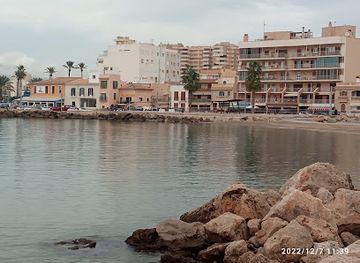
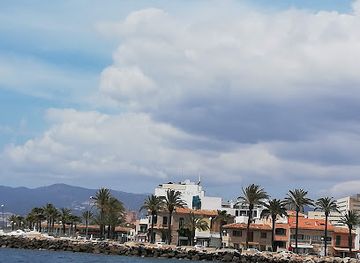
Portixol lies immediately east of Palma’s historic centre, where the city gives way to a low-rise shoreline of former fishermen’s houses, small beaches and a broad maritime promenade. Once a modest coastal settlement beyond the old urban core, it has become one of Palma’s most recognisable seaside districts while retaining traces of its working-waterfront past. White façades, coloured shutters and compact terraces sit alongside renovated restaurants, apartment buildings and the harbour of Club Náutico Portixol.Read more about Portixol
Walking Beside the Bay
Food, Architecture and Everyday Life
Best attractions in Portixol
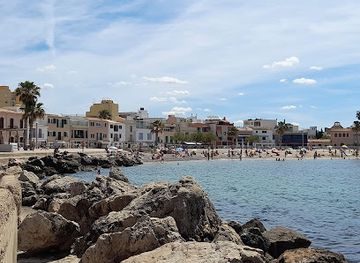
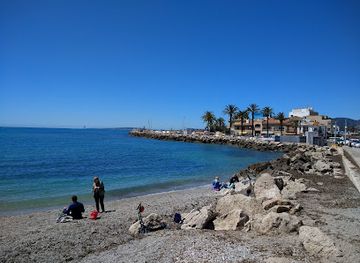
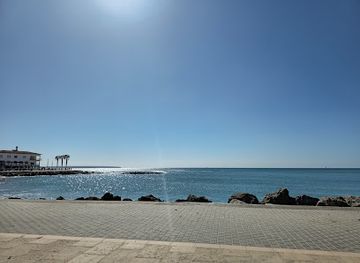
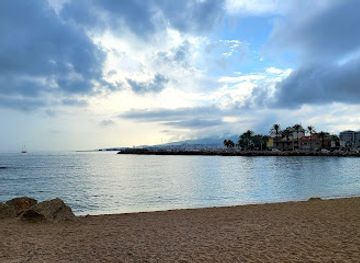
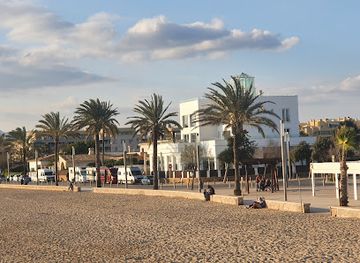
Portixol’s principal attraction is its seawater setting, experienced through a walk along the promenade between Portixol Beach, the harbour and the eastern edge of the neighbourhood. Portixol Beach is a small urban bathing spot rather than a remote strand, and its appeal lies in the immediate contrast between sand, boats, apartments and Palma Bay. The harbour of Club Náutico Portixol adds a working maritime presence, with pleasure craft and smaller boats gathered beside the public waterfront. Visitors can continue east towards the shoreline of El Molinar, a separate adjacent neighbourhood known for its coastal path and traditional windmills, or turn west towards Palma’s centre. The old fishermen’s houses and low-rise lanes are attractions in their own right, revealing the domestic scale that existed before the area became a fashionable place for waterfront dining and leisure.
-
Public beach
Platja del Portitxolet
Experience the charm of Platja del Portitxolet, a tranquil public beach in Palma, offering golden sands, clear waters, and a vibrant atmosphere.
2 min walk · 0.1 km from neighbourhood centre
-
Park
Parc de la Petrolera
Experience the beauty of nature at Parc de la Petrolera, a tranquil park in Platja de Palma perfect for relaxation and leisure.
3 min walk · 0.2 km from neighbourhood centre
-
Tourist attraction
Aula de la Mar
Explore the rich maritime heritage of the Balearic Islands at Aula de la Mar, a captivating museum on the shores of Platja de Palma.
2 min walk · 0.2 km from neighbourhood centre
-
Tourist attraction
Faro 1
Experience the enchanting Faro 1 in Platja de Palma, a historic lighthouse offering breathtaking views and a glimpse into Mallorca's maritime heritage.
3 min walk · 0.2 km from neighbourhood centre
Best landmarks in Portixol
Portixol’s most significant landmarks are modest coastal structures rather than monumental buildings. The former fishermen’s houses along and behind the waterfront preserve the low-rise scale and colourful domestic architecture associated with the old settlement, even where façades have been renovated. Club Náutico Portixol is a defining maritime landmark, marking the harbour’s continuing relationship with boats and the bay. Portixol Beach and the curving seafront promenade are also important public features: together they show how a once-working shoreline was incorporated into Palma’s recreational waterfront. The harbour, beach, lanes and surviving traditional houses should be read as a connected local landscape rather than isolated sights. The historic windmills visible farther east belong principally to El Molinar, the neighbouring coastal district, and should not be presented as landmarks within Portixol itself.
-
Restaurant
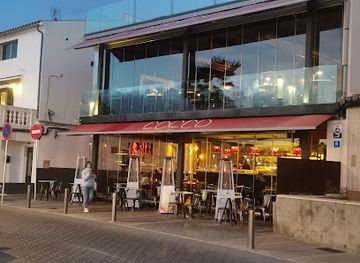
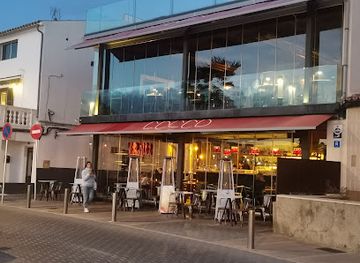
Restaurante Cocco Portitxol
Discover the vibrant Mediterranean flavors at Restaurante Cocco Portitxol, a culinary haven in Platja de Palma, renowned for its delicious seafood and pizza.
3 min walk · 0.2 km from neighbourhood centre
-
Hotel
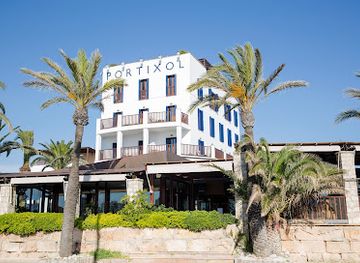
Portixol Hotel
Experience luxury and tranquility at Portixol Hotel, a premier seaside destination in Palma, perfect for relaxation and cultural exploration.
1 min walk · 0.1 km from neighbourhood centre
-
Modern European
proSecCo PORTIXOL
Discover the perfect blend of modern European and Mediterranean flavors at proSecCo PORTIXOL in Platja de Palma, where every meal is a celebration.
2 min walk · 0.2 km from neighbourhood centre
-
Public beach
Platja del Portitxolet
Discover the tranquil beauty of Platja del Portitxolet, a public beach in Platja de Palma, where golden sands meet the azure Mediterranean waters.
2 min walk · 0.1 km from neighbourhood centre
Explore Portixol on the map
A handpicked selection of must-see spots in Portixol, mapped for you.
Best hotels in Portixol
Best restaurants in Portixol
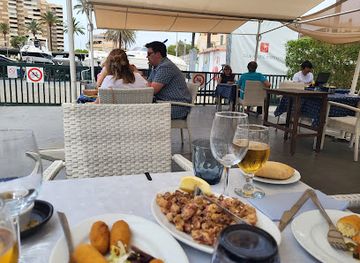
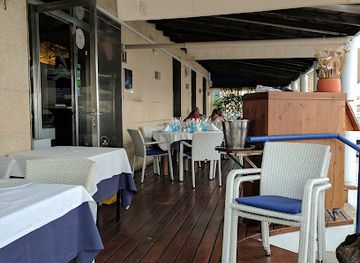
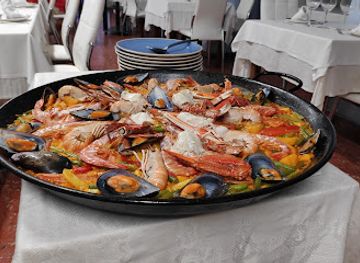
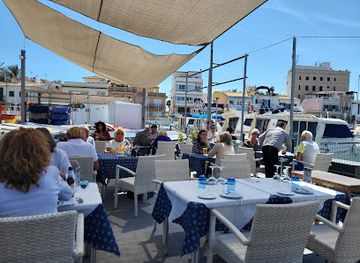
Portixol’s dining identity is inseparable from the sea, with the waterfront lined by restaurants and cafés centred on Mediterranean cooking, seafood, rice dishes and relaxed outdoor meals. The neighbourhood has long been associated with eating beside the harbour and beach, and establishments such as Ola del Mar reflect the area’s established reputation for seafood and Mallorcan flavours. Menus and businesses change, so visitors should distinguish the enduring style of the district from any particular restaurant’s current offering. Behind the promenade, the choice becomes more residential and informal, while the seafront provides the strongest concentration of places to eat with views across Palma Bay. Dining here is generally about setting as much as spectacle: boats, bathing areas and the curve of the shoreline form the backdrop, while local ingredients and island-influenced Mediterranean dishes anchor the culinary experience.
-
Restaurant
Restaurante Cocco Portitxol
Experience authentic Mediterranean flavors at Restaurante Cocco Portitxol - where every dish tells a story of culinary tradition.
3 min walk · 0.2 km from neighbourhood centre
-
Mediterranean
Restaurant Club Nàutic Portixol
Experience authentic Mediterranean flavors at Club Nàutic Portixol in Palma - a culinary gem by the sea offering fresh dishes in a vibrant atmosphere.
1 min walk · 0.1 km from neighbourhood centre
-
Mediterranean
Restaurante Ola del Mar,
Savor exquisite seafood and authentic Spanish dishes at Restaurante Ola del Mar in beautiful Platja de Palma.
1 min walk · 0.1 km from neighbourhood centre
-
Mediterranean
Restaurante Hoyo 10
Experience authentic Mediterranean flavors at Restaurante Hoyo 10 in Platja de Palma - where every dish tells a story.
1 min walk · 0.1 km from neighbourhood centre
Best bars in Portixol
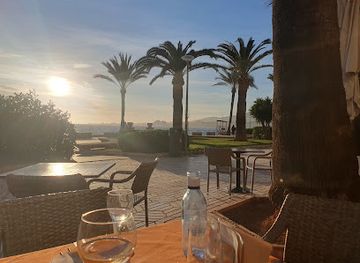
Portixol has an evening scene built around seaside dining, hotel and restaurant bars rather than a dense concentration of nightclubs. As daylight fades, the promenade fills with people meeting for drinks, supper and views across the bay, while the harbour gives the neighbourhood a more relaxed maritime atmosphere than Palma’s central party areas. Some waterfront venues offer cocktails, wine and after-dinner drinks, but the character varies by season and individual business. Visitors seeking loud clubs and late-night venues will find a broader choice elsewhere in Palma, particularly in the central nightlife districts, while Portixol is better suited to conversation, sunset drinks and a gradual evening beside the water. Residents’ homes sit close to the promenade, making considerate noise levels especially important after dinner.
-
Restaurant
Restaurante Cocco Portitxol
Experience the essence of Mediterranean cuisine at Restaurante Cocco Portitxol, where delightful flavors and a welcoming atmosphere await in Palma.
3 min walk · 0.2 km from neighbourhood centre
-
Mediterranean
Restaurant Club Nàutic Portixol
Discover the flavors of the Mediterranean at Club Nàutic Portixol, where fresh ingredients and stunning sea views create an unforgettable dining experience.
1 min walk · 0.1 km from neighbourhood centre
-
Pizza
Restaurante Diablito Portixol - Comida y Música
Experience the best of Italian and Mediterranean cuisine at Diablito Portixol, where delicious pizza meets vibrant music in a stunning coastal setting.
6 min walk · 0.5 km from neighbourhood centre
-
Bar
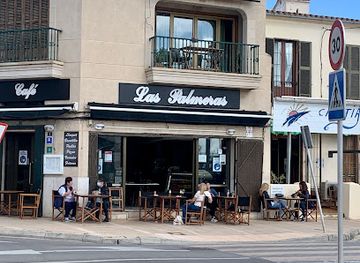
Las Palmeras
Experience the vibrant ambiance of Las Palmeras, a cozy bar in Platja de Palma offering delicious drinks and stunning beach views.
1 min walk · 0.1 km from neighbourhood centre
Best nightclubs in Portixol
Portixol has an evening scene built around seaside dining, hotel and restaurant bars rather than a dense concentration of nightclubs. As daylight fades, the promenade fills with people meeting for drinks, supper and views across the bay, while the harbour gives the neighbourhood a more relaxed maritime atmosphere than Palma’s central party areas. Some waterfront venues offer cocktails, wine and after-dinner drinks, but the character varies by season and individual business. Visitors seeking loud clubs and late-night venues will find a broader choice elsewhere in Palma, particularly in the central nightlife districts, while Portixol is better suited to conversation, sunset drinks and a gradual evening beside the water. Residents’ homes sit close to the promenade, making considerate noise levels especially important after dinner.
-
Night club
Club Puerto Rico
Discover the vibrant nightlife of Palma at Club Puerto Rico, a night club where music and dance come together for an unforgettable experience.
5 min drive · 1.6 km from neighbourhood centre

Best shops in Portixol
Portixol is not a major shopping district, and its retail character is secondary to food, leisure and the waterfront. Visitors will find everyday services, small convenience shops and businesses serving local residents, together with the occasional specialist or lifestyle outlet around the streets behind the promenade. The area is better suited to browsing its architecture, harbour and café terraces than to planning a dedicated shopping expedition. For broader retail, Palma’s central shopping streets and markets are nearby to the west, while the Mercat de l’Olivar and other city-centre destinations offer a much wider selection of food and local products. Portixol’s most distinctive commercial experience remains its relationship with the sea: restaurants, cafés and maritime businesses occupy the shoreline where fishing and small coastal activity once shaped daily life.
-
Fishing store
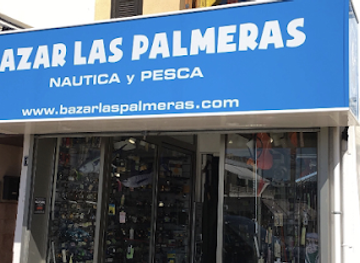
Bazar Las Palmeras - Portitxol
Discover the ultimate fishing and diving gear at Bazar Las Palmeras - your gateway to aquatic adventures in Palma.
1 min walk · 0.1 km from neighbourhood centre
-
Vintage clothing store
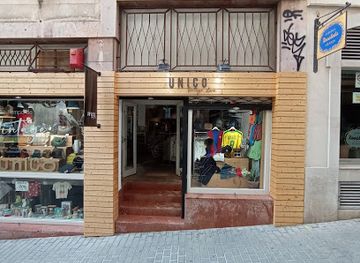
UNICO Vintage store
Explore UNICO Vintage Store in Palma for unique, sustainable fashion pieces that tell a story and elevate your wardrobe.
6 min drive · 2.2 km from neighbourhood centre
-
Gift shop
Típika
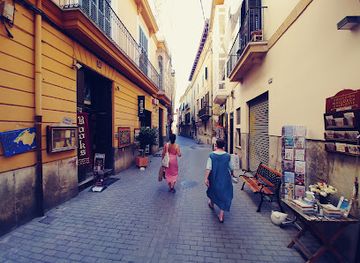
Explore Típika in Palma for unique, locally crafted gifts that capture the spirit of Mallorca, perfect for tourists seeking memorable keepsakes.
6 min drive · 1.9 km from neighbourhood centre
-
Fishing store
Ca'n Sion Portitxol
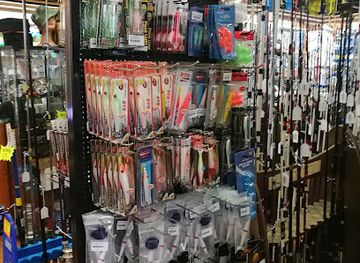
Explore the best fishing store in Palma at Ca'n Sion Portitxol, offering top-quality gear and expert advice for all fishing enthusiasts.
1 min walk · 0.1 km from neighbourhood centre
Portixol essentials
Getting There
Getting Around
Safety
Emergency Situations
Do's and Don'ts
Local Tips

From Eve
Local phrases worth knowing
You don't need to get them perfect. A few words go a long way, and locals appreciate the effort.
Basics
| English | Local | Say it |
|---|---|---|
| Hello | Hola | [oh-la] |
| Goodbye | Adiós | [ah-dyohs] |
| Yes | Sí | [see] |
| No | No | [noh] |
| Please/You're welcome | Por favor/De nada | [por fah-vor/de nah-dah] |
| Thank you | Gracias | [grah-thyahs] |
| Excuse me/Sorry | Perdón/Lo siento | [pehr-dohn/loh syen-toh] |
| How are you? | ¿Cómo estás? | [koh-moh ehs-tahs] |
| Fine. And you? | Bien. ¿Y tú? | [byen. ee too] |
| Do you speak English? | ¿Hablas inglés? | [ah-blahs een-glehs] |
| I don't understand | No entiendo | [noh ehn-tyen-doh] |
Eating & Drinking
| English | Local | Say it |
|---|---|---|
| I'd like to see the menu, please | Me gustaría ver la carta, por favor | [meh goo-stah-ree-ah behr lah kahr-tah, por fah-vor] |
| I don't eat meat | No como carne | [noh koh-moh kahr-neh] |
| Cheers! | ¡Salud! | [sah-loohd] |
| I would like to pay, please | Me gustaría pagar, por favor | [meh goo-stah-ree-ah pah-gahr, por fah-vor] |
Emergencies
| English | Local | Say it |
|---|---|---|
| Help! | ¡Ayuda! | [ah-yoo-dah] |
| Go away! | ¡Vete! | [veh-teh] |
| Call the Police! | ¡Llama a la Policía! | [yah-mah ah lah poh-lee-thee-ah] |
| Call a doctor! | ¡Llama a un médico! | [yah-mah ah oon meh-dee-koh] |
| I'm lost | Estoy perdido/a | [ehs-toy pehr-dee-doh/ah] |
| I'm ill | Estoy enfermo/a | [ehs-toy ehn-fehr-moh/ah] |
Shopping
| English | Local | Say it |
|---|---|---|
| I'd like to buy... | Me gustaría comprar... | [meh goo-stah-ree-ah kohm-prahr...] |
| I'm just looking | Solo estoy mirando | [soh-loh ehs-toy meer-ahn-doh] |
| How much is it? | ¿Cuánto cuesta? | [kwan-toh kwehs-tah] |
| That's too expensive | Eso es demasiado caro | [eh-soh ehs deh-mah-syah-doh kah-roh] |
| Can you lower the price? | ¿Puede rebajar el precio? | [pweh-deh reh-bah-hahr ehl pree-syoh] |
Time & Numbers
| English | Local | Say it |
|---|---|---|
| What time is it? | ¿Qué hora es? | [keh oh-rah ehs] |
| It's one o'clock | Es la una | [ehs lah oo-nah] |
| Half past (10) | Las diez y media | [lahs dyehs ee meh-dee-ah] |
| Morning | Mañana | [mah-nyah-nah] |
| Afternoon | Tarde | [tahr-deh] |
| Evening | Noche | [noh-cheh] |
| Yesterday | Ayer | [ah-yehr] |
| Today | Hoy | [oy] |
| Tomorrow | Mañana | [mah-nyah-nah] |
| 1 | Uno | [oo-noh] |
| 2 | Dos | [dohs] |
| 3 | Tres | [trehs] |
| 4 | Cuatro | [kwah-troh] |
| 5 | Cinco | [theen-koh] |
| 6 | Seis | [says] |
| 7 | Siete | [syeh-teh] |
| 8 | Ocho | [oh-choh] |
| 9 | Nueve | [nweh-veh] |
| 10 | Diez | [dyehs] |
Transport & Directions
| English | Local | Say it |
|---|---|---|
| Where's a/the...? | ¿Dónde está...? | [dohn-deh ehs-tah] |
| What's the address? | ¿Cuál es la dirección? | [kwal ehs lah dee-rehk-syohn] |
| Can you show me (on the map)? | ¿Puedes enseñarme (en el mapa)? | [pweh-dehs ehn-seh-nyahr-meh (ehn ehl mah-pah)] |
| When's the next (bus)? | ¿Cuándo es el próximo (autobús)? | [kwan-doh ehs ehl proh-ksee-moh (ow-toh-boos)] |
| A ticket (to ....) | Un billete (para ....) | [oon bee-yeh-teh (pah-rah)] |
History of Portixol
A Small Coastal Settlement
Portixol developed as a modest coastal settlement outside Palma’s historic centre, shaped by fishing, small-scale maritime activity and the practical needs of families living close to the bay. Its built character was traditionally low-rise, with simple houses facing narrow lanes and the water rather than grand urban avenues. The shoreline formed part of the wider eastern coast of Palma, where separate communities and beach settlements maintained close connections with the city while retaining their own everyday rhythms. The surviving maritime orientation of Portixol, including its compact waterfront and small harbour, reflects this earlier role more clearly than the neighbourhood’s contemporary restaurants and apartments do.
The Eastern Shoreline Expands
As Palma grew during the nineteenth and twentieth centuries, coastal settlements east of the old city became increasingly connected to the expanding urban area. Roads and improved movement along the bay brought Portixol closer to Palma’s commercial and residential life, while the shoreline continued to support fishing boats and local leisure. Urban growth did not erase the older settlement pattern completely: small houses, waterfront lanes and views across the bay remained important elements of the area’s identity. Portixol’s development therefore followed a gradual transition from peripheral coastal village to urban waterfront quarter rather than a single moment of transformation.
From Working Shore to Leisure Coast
During the later twentieth century, changes in Palma’s economy and the decline of small-scale coastal industries altered Portixol’s relationship with the sea. Fishing and harbour activity remained part of its character, but swimming, promenading and seaside dining became increasingly important to visitors and city residents. The waterfront was progressively integrated into the public coastal route linking Palma with neighbouring eastern districts, making the shoreline more accessible for walking and cycling. This shift brought investment and improved public use while also changing the social and commercial balance of the former fishing settlement.
Contemporary Waterfront Identity
Portixol’s present identity emerged through the renovation of older coastal buildings, the growth of hospitality and the continued improvement of the seafront connection with Palma and El Molinar. The neighbourhood is now associated with restaurants, beaches, cycling and views across the bay, yet its low-rise fishermen’s houses and maritime facilities continue to distinguish it from denser parts of the city. The transformation has also made the area more desirable and commercially oriented, illustrating the wider pressure placed on accessible waterfront districts. Portixol remains meaningful precisely because its modern leisure role still sits visibly alongside traces of its working-coast past.
Portixol in Photos
Browse through our photo collection highlighting the charm and character of the destination.
Neighbourhoods near Portixol
The closest neighbourhoods to Portixol, if you have time for more than one stop.
-

-

-

-


Swipe for more neighbourhoods
Explore more

Explore more of Palma de Mallorca
Palma de Mallorca blends Gothic architecture, Mediterranean beaches, historic streets, island cuisine and cultural sights in Mallorca’s lively Mediterranean capital.
Explore Palma de Mallorca