

Badulla District, Sri Lanka Travel Guide
Discover the natural beauty and cultural heritage of Badulla District, Sri Lanka's hidden gem, featuring stunning waterfalls, ancient temples, and colonial architecture.
Nestled in the lush green hills of Sri Lanka, Badulla District is a picturesque haven waiting to be explored. Known for its scenic beauty, this region offers a perfect blend of rich cultural heritage and natural wonders. The district is home to tea plantations, cascading waterfalls, and ancient temples that tell the story of Sri Lanka's vibrant past. One of the must-visit spots in Badulla is the Dunhinda Falls, a breathtaking waterfall that mesmerizes visitors with its misty spray and thunderous roar. The hike to the falls is an adventure in itself, taking you through dense forests and offering glimpses of exotic wildlife. Another highlight is the Muthiyangana Temple, one of the Solosmasthana, the sixteen sacred sites in Sri Lanka. This ancient temple, steeped in history, provides a serene atmosphere for reflection and prayer. For those interested in colonial history, the Demodara Nine Arch Bridge is an architectural marvel. This iconic bridge, surrounded by lush greenery, is a testament to engineering brilliance and is a favorite spot for photography enthusiasts. Badulla's cool climate and laid-back vibe make it an ideal destination for travelers seeking to escape the hustle and bustle of city life.

Know before you go
Hi, I'm Eve. Here are a few practical things to know before exploring Badulla District.
- Wear comfortable hiking shoes for the trek to Dunhinda Falls.
- Visit Muthiyangana Temple early in the morning to avoid crowds.
- Take the train to Demodara Nine Arch Bridge for a scenic journey through Sri Lanka's hill country.
- Bring a jacket as the weather in Badulla can be cool, especially in the evenings.
- Try local delicacies such as 'kithul jaggery' and 'pol roti' at small eateries.
Top City Travel Guides in Badulla District
The cities of Badulla District, and the easiest places to base yourself.


Destinations in Badulla District
Resorts, valleys and scenic spots worth a trip of their own.

Explore Badulla District: Things to Do, Places to Eat, Hotels & More
Handpicked recommendations for top attractions, local dining, accommodations, and more

Top Attractions & Sightseeing in Badulla District
Top-rated picks
Best Attractions

Nine Arches Bridge
Discover the breathtaking Nine Arches Bridge in Ella, Sri Lanka - a stunning blend of history, architecture, and nature's beauty.

Lipton's Seat
Explore Lipton's Seat in Haputale, where breathtaking views and rich tea heritage come together in a stunning Sri Lankan experience.

Diyaluma Falls
Experience the breathtaking beauty and adventure of Diyaluma Falls, Sri Lanka's stunning natural wonder and a paradise for nature lovers.

Ravana Waterfall
Discover the breathtaking beauty of Ravana Waterfall in Ella, Sri Lanka, a natural wonder surrounded by lush greenery and rich cultural significance.

Best landmarks in Badulla District
Top-rated picks
Best Landmarks

Lipton's Seat
Experience breathtaking views and rich tea heritage at Lipton's Seat, a must-visit destination in Sri Lanka's central highlands.

Diyaluma Falls
Discover the breathtaking beauty of Diyaluma Falls, Sri Lanka's second-highest waterfall, where adventure meets tranquility in a stunning natural setting.
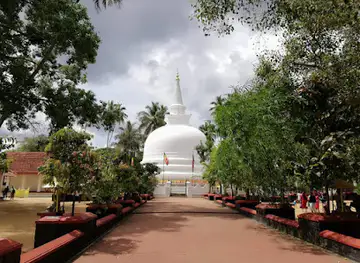
Muthiyangana Raja Maha Vihara
Discover the spiritual serenity of Muthiyangana Raja Maha Vihara, a stunning Buddhist temple in Badulla, rich in history and cultural heritage.

Thangamale Sanctuary
Experience the serene beauty of Thangamale Sanctuary, a national forest in Beragala, where nature and tranquility meet in perfect harmony.

Best restaurants in Badulla District
Top-rated picks
Best Restaurants

The Heritage Grand Badulla
Experience unparalleled comfort at The Heritage Grand Badulla, your gateway to exploring Sri Lanka's rich heritage amidst stunning landscapes.

Melheim Resort and Spa
Experience luxury amidst nature at Melheim Resort and Spa in Haputale – where breathtaking views meet exceptional hospitality.

Dulsara Restaurant
Experience authentic Sri Lankan cuisine at Dulsara Restaurant in Badulla - a haven for non-vegetarian food lovers.

Dunhinda Falls Inn
Discover tranquility at Dunhinda Falls Inn in Badulla—your gateway to breathtaking landscapes and authentic Sri Lankan hospitality.

Best bars in Badulla District
Top-rated picks
Best Bars

Cafe Chill
Discover Cafe Chill, a culinary gem in Ella, where traditional Sri Lankan flavors meet stunning vistas and a relaxed atmosphere.

360 Ella
Experience the flavors of Ella at 360 Ella, where breathtaking views meet exquisite cuisine in a charming ambiance.

Rainbow Cafe
Experience the vibrant flavors of Sri Lanka at Rainbow Cafe, a vegan and gluten-free restaurant nestled in the scenic town of Ella.

Café UFO Ella
Experience the best of Sri Lankan and Western cuisines at Café UFO Ella, where culinary creativity meets breathtaking views.

Best nightclubs in Badulla District
Top-rated picks
Best Nightclubs

Happy Laugh Mountain View - Ella
Discover the lively spirit of Ella at Happy Laugh Mountain View - a vibrant disco, cozy hostel, and delightful restaurant all in one.

Pub Ceylon
Discover Pub Ceylon in Ella: A lively pub offering a delightful selection of drinks, delicious snacks, and a vibrant atmosphere amidst stunning landscapes.

On The Rocks Bar
Discover the vibrant atmosphere and breathtaking views at On The Rocks Bar in Ella, the perfect spot for drinks and snacks.

The Journey
Experience the vibrant nightlife at The Journey, Ella's premier disco club, where music and dance come alive under the stars.

Best shops in Badulla District
Top-rated picks
Best Shops

MKB Supermarket- Badulla
Discover the best of Badulla at MKB Supermarket, where local flavors and global products come together to enhance your shopping experience.

Visvam's
Explore Visvam's in Badulla - the ultimate shopping mall blending local charm with modern retail experiences.

Chill Bay Ella
Discover unique clothing and artisanal souvenirs at Chill Bay Ella, your go-to shop for a taste of Sri Lanka's vibrant culture.

Mahindas Book Shop
Discover Mahindas Book Shop in Badulla, a treasure trove of literature and local culture, perfect for every book lover's journey.

Explore Badulla District on the Map
A handpicked selection of must-see spots in Badulla District, mapped for you.
Badulla District Essentials
-
Badulla District is located in the Uva Province of Sri Lanka. The nearest international airport is Bandaranaike International Airport in Colombo, approximately 220 kilometers away. From Colombo, you can take a direct train to Badulla, which is known for its scenic route through the central highlands. The journey takes around 8 to 10 hours by train. Alternatively, you can take a bus from Colombo to Badulla, which also takes around 6 to 8 hours. Private taxis and car rentals are available for a more flexible and comfortable journey.
-
Within Badulla District, local buses and tuk-tuks are the most common forms of transportation. Buses connect major towns and villages, while tuk-tuks are ideal for shorter distances. For a more personalized experience, you can hire a private car with a driver. If you prefer cycling, renting a bicycle is an eco-friendly and enjoyable way to explore the area. Walking is also a great option for exploring the local attractions within towns.
-
The official currency in Sri Lanka is the Sri Lankan Rupee (LKR). Credit cards are accepted in most hotels, restaurants, and larger shops, but it is advisable to carry cash, especially in smaller towns and rural areas. ATMs are available in Badulla and other major towns, so you can withdraw cash as needed. Make sure to inform your bank of your travel plans to avoid any issues with your card.
-
Badulla District is generally safe for tourists. However, it is important to take standard precautions. Avoid walking alone at night in unfamiliar areas and keep an eye on your belongings, especially in crowded places. There are no specific high-crime areas targeting tourists, but staying vigilant is always a good practice. Avoid accepting unsolicited offers for tours or goods from strangers.
-
In case of an emergency, dial 119 for police assistance and 110 for medical emergencies. Major towns in Badulla District have police stations and hospitals. It is recommended to have travel insurance that covers medical emergencies. For minor health issues, there are pharmacies in Badulla and other towns where you can purchase over-the-counter medications.
-
Fashion: Do dress modestly, especially when visiting religious sites. Avoid wearing revealing clothing. Religion: Do respect local customs and traditions. Remove your shoes and cover your head when entering temples. Public Transport: Do be respectful and give up your seat to elderly passengers. Don't eat or drink on public transport. Greetings: Do greet people with a smile and a slight bow of the head. A handshake is common in more formal settings. Eating & Drinking: Do try local delicacies and accept food offerings graciously. Don't refuse hospitality, as it is considered impolite.
-
To experience Badulla District like a local, visit the weekly markets where you can buy fresh produce and traditional Sri Lankan goods. Engage with locals, who are often friendly and willing to share stories about the area's history and culture. Don't miss visiting the Dunhinda Falls, one of the most beautiful waterfalls in Sri Lanka. For a unique experience, take a ride on the Badulla train, which offers breathtaking views of the surrounding landscapes.
When is the best time to visit Badulla District?
Useful Local Phrases for Badulla District
You don't need to speak the language perfectly. Even learning a few simple words can make conversations warmer—and locals usually appreciate the effort.
— Eve

Here are the phrases I use most often in Badulla District. Try a few—you'll be surprised how far they go! 😊
❤️
-
- Helloආයුබෝවන්
[Āyubōvan] - Goodbyeබයි
[Bai] - Yesඔව්
[Ov] - Noනැහැ
[Næhæ] - Please/You're welcomeකරුණාකර/ආයුබෝවන්
[Karunākara/Āyubōvan] - Thank youස්තුතියි
[Stutiyi] - Excuse me/Sorryකණගාටුයි
[Kaṇagāṭuyi] - How are you?ඔබට කෙසේද?
[Obaṭa kesēda?] - Fine. And you?මට හොඳයි. ඔබට?
[Maṭa hoṇḍai. Obaṭa?] - Do you speak English?ඔබට ඉංග්රීසි කතා කරන්න පුළුවන්ද?
[Obaṭa iṅgrīsi kathā karanna puḷuvanda?] - I don't understandමට තේරෙන්නේ නෑ
[Maṭa thērānnē næ]
- Helloආයුබෝවන්
-
- I'd like to see the menu, pleaseමට මෙනුව බලන්න ඕනෑ
[Maṭa menuva balanna ōnā] - I don't eat meatමම මස් කෑමක් නොකෙරේ
[Mama mas kæmak nokerē] - Cheers!සතුටින්!
[Satuṭin!] - I would like to pay, pleaseමට ගෙවන්න ඕනෑ
[Maṭa gewanna ōnā]
- I'd like to see the menu, pleaseමට මෙනුව බලන්න ඕනෑ
-
- Help!ආධාරය!
[Ādāraya!] - Go away!යාන්න!
[Yānna!] - Call the Police!පොලිසියට ඇමතුමක් කරන්න!
[Polisiyata æmaṭhumak karanna!] - Call a doctor!ඩොක්ටර්ට ඇමතුමක් කරන්න!
[Ḍokṭarṭa æmaṭhumak karanna!] - I'm lostමම අහිංසකයි
[Mama ahinsakai] - I'm illමම රෝගීයි
[Mama rōgīyi]
- Help!ආධාරය!
-
- I'd like to buy...මට මිලදී ගන්න ඕනෑ...
[Maṭa milādī ganna ōnā...] - I'm just lookingමම බලනවා
[Mama balanavā] - How much is it?එය කොපමණද?
[Eya kopamaṇada?] - That's too expensiveඑය බොහෝ මිලයි
[Eya bohō milayi] - Can you lower the price?මිල පහත කරන්න පුළුවන්ද?
[Mila pahata karanna puḷuvanda?]
- I'd like to buy...මට මිලදී ගන්න ඕනෑ...
-
- What time is it?ඇයි කාලය?
[Æyi kālaya?] - It's one o'clockඑය එකටයි
[Eya ekatayi] - Half past (10)අර්ධය (10)
[Ardhaya (10)] - Morningඋදෑසන
[Udæśana] - Afternoonමැදපෙර
[Mædapæra] - Eveningහවස
[Havasa] - Yesterdayඔබට යාමේ
[Obaṭa yāmē] - Todayඅද
[Ada] - Tomorrowහෙට
[Hæṭa] - 11
[1] - 22
[2] - 33
[3] - 44
[4] - 55
[5] - 66
[6] - 77
[7] - 88
[8] - 99
[9] - 1010
[10]
- What time is it?ඇයි කාලය?
-
- Where's a/the...?ඇයි ...?
[Æyi ...?] - What's the address?ලිපිනය කුමක්ද?
[Lipinaya kumakda?] - Can you show me (on the map)?මට පතේ පෙන්වන්න පුළුවන්ද?
[Maṭa patē penwanna puḷuvanda?] - When's the next (bus)?උඩුකඩට ගමන කවදාද?
[Uḍukaḍaṭa gamana kawdāda?] - A ticket (to ....)මිලපතක් (.... කුමක්ට)
[Milapaṭhak (.... kumakṭa)]
- Where's a/the...?ඇයි ...?
History of Badulla District
-
Badulla District has roots tracing back to ancient Sri Lankan civilizations. The area was part of the Kingdom of Uva-Wellassa, known for its rich agricultural lands and strategic location. Badulla itself is believed to have been an important administrative center during the reigns of Sinhala kings, evident from the remnants of ancient temples and inscriptions found in the region.
-
The arrival of the British in the 19th century marked a significant transformation for Badulla District. The British established tea plantations in the hilly terrain of Badulla, which became a major economic driver. The town of Badulla was developed as a hub for administrative and commercial activities. The British also built the iconic Badulla Railway Station in 1924, which remains a landmark today.
-
Badulla District played a pivotal role in the Kandyan Rebellion against British rule, also known as the Uva Rebellion. Local chieftains and peasants from Uva-Wellassa rose against the colonial administration, protesting excessive taxation and loss of autonomy. The rebellion was brutally suppressed by the British, but it remains a symbol of resistance and pride in Sri Lankan history.
-
Badulla District is home to a diverse population comprising Sinhalese, Tamils, and Muslims. This blend of ethnicities has contributed to a rich cultural tapestry. The district hosts several cultural festivals, including the annual Kataragama Perehera, which attracts devotees from across the country. The town of Badulla is also known for its colonial-era architecture, including the Old Welekade Market and St. Mark's Church.
-
Badulla District is renowned for its stunning landscapes, including tea plantations, waterfalls, and lush greenery. The Dunhinda Falls, one of the most famous waterfalls in Sri Lanka, is located here. The district's natural beauty has made it a popular destination for eco-tourism. The Namunukula mountain range offers trekking opportunities, and the scenic views from Ella Gap attract numerous visitors.
-
In recent years, Badulla District has seen significant infrastructure development. The construction of new roads and the upgrading of the railway network have improved connectivity. The district is also focusing on sustainable tourism practices to preserve its natural and cultural heritage. As a result, Badulla continues to be a key destination for both local and international tourists.
Neighbouring Regions of Badulla District
The closest regions to Badulla District, if you have time for more than one.



Your all‑in‑one travel companion app
Explore expert travel guides, compare and book tours, experiences, hotels, and more—all from the palm of your hand. Download now for seamless trip planning wherever your wanderlust takes you.


Explore More of Sri Lanka

Looking beyond Badulla District? Discover Sri Lanka for broader travel guides, local hot-spots, and regional highlights.
Explore Sri LankaBadulla District in Photos
Browse through our photo collection highlighting the charm and character of the destination.


Enchanting Badulla: Sri Lanka's Hidden Gem
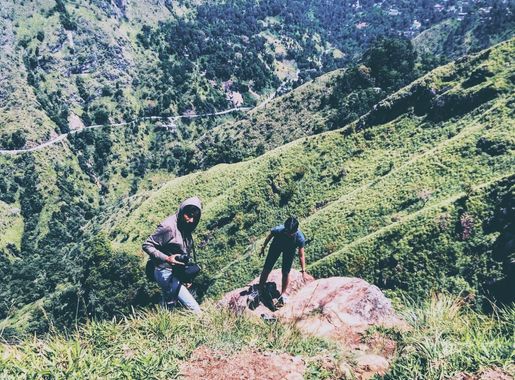
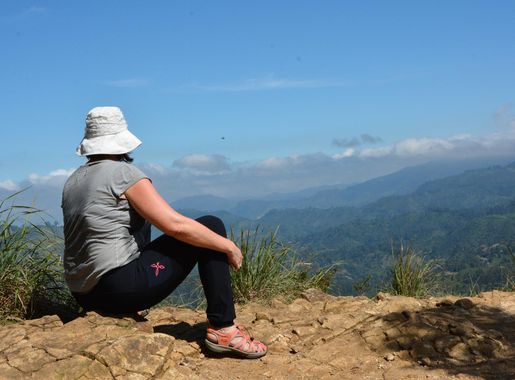
Nestled in the lush green hills of Sri Lanka, Badulla District is a picturesque haven waiting to be explored. Known for its scenic beauty, this region offers a perfect blend of rich cultural heritage and natural wonders. The district is home to tea plantations, cascading waterfalls, and ancient temples that tell the story of Sri Lanka's vibrant past. One of the must-visit spots in Badulla is the Dunhinda Falls, a breathtaking waterfall that mesmerizes visitors with its misty spray and thunderous roar. The hike to the falls is an adventure in itself, taking you through dense forests and offering glimpses of exotic wildlife. Another highlight is the Muthiyangana Temple, one of the Solosmasthana, the sixteen sacred sites in Sri Lanka. This ancient temple, steeped in history, provides a serene atmosphere for reflection and prayer. For those interested in colonial history, the Demodara Nine Arch Bridge is an architectural marvel. This iconic bridge, surrounded by lush greenery, is a testament to engineering brilliance and is a favorite spot for photography enthusiasts. Badulla's cool climate and laid-back vibe make it an ideal destination for travelers seeking to escape the hustle and bustle of city life.