

Free Moneragala District Travel Guide & Mobile App
Explore Moneragala District with free travel guides. Discover regional history, expert tips, proposed trips, and audio guides on web or mobile app.


Explore Moneragala District for ancient Buddhist sites, Kataragama pilgrimage, dry-zone forests, wildlife and rural landscapes in southeastern Sri Lanka.
When is the best time to visit Moneragala District?
Best: January–March · 30–31°C| Month | High (°C) | Rainfall (mm) |
|---|---|---|
| January (best) | 30 | 75 |
| February (best) | 31 | 60 |
| March (best) | 31 | 90 |
| April | 32 | 120 |
| May | 32 | 150 |
| June | 32 | 130 |
| July | 31 | 110 |
| August | 31 | 100 |
| September | 31 | 120 |
| October | 31 | 150 |
| November | 31 | 160 |
| December | 30 | 130 |
Getting to and around Moneragala District
How to get there
Transportation
Top city travel guides in Moneragala District
The cities of Moneragala District, and the easiest places to base yourself.
-

-


Swipe for more cities
Destinations in Moneragala District
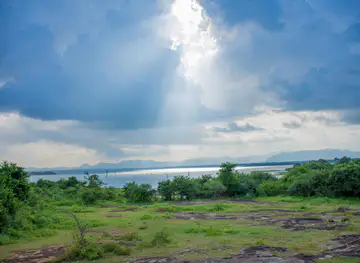
Resorts, valleys and scenic spots worth a trip of their own.
-

-
-

-

-


Swipe for more destinations
Best attractions in Moneragala District
Moneragala District’s attractions combine archaeology, pilgrimage and dry-zone nature rather than concentrating in one compact sightseeing centre. Buduruwagala near Wellawaya is the best-known archaeological site, with monumental rock-cut Buddhist figures set in a quiet wooded landscape. Maligavila and Dematamal Vihara provide further insight into early medieval Buddhist sculpture and monastic history, while Yudaganawa offers another important temple landscape associated with the island’s ancient past. Kataragama brings together the Ruhunu Maha Kataragama Devalaya, Kiri Vehera and an enduring multi-faith pilgrimage tradition. For nature, the forested areas around Nilgala and the Lunugamvehera landscape support birdlife and larger mammals, including elephants; access and wildlife viewing should be organised through official or experienced local operators. Rural roads between Monaragala, Wellawaya, Bibile and Kataragama reveal cultivation, reservoirs and changing dry-zone scenery, although remote travel requires patience and preparation. The most rewarding itineraries balance formal heritage sites with the district’s living temples, agricultural settlements and protected landscapes rather than trying to cover every attraction in a single day.
-
Tourist attraction
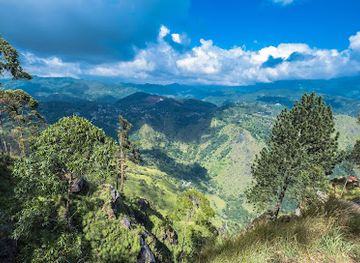
Ella Rock View Point
Discover the stunning vistas of Ella Rock View Point in Sri Lanka, a top destination for nature lovers and adventure seekers alike.
-
Tourist attraction
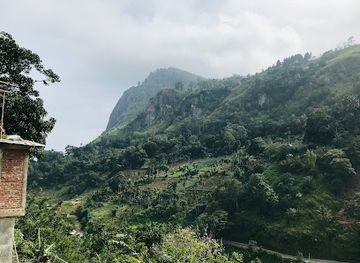
Ravana's Cave
Explore Ravana's Cave in Ella, Sri Lanka – a historic gem surrounded by stunning landscapes and steeped in fascinating legends.
-
Buddhist temple
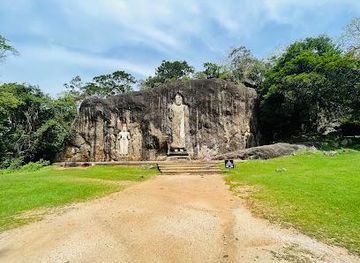
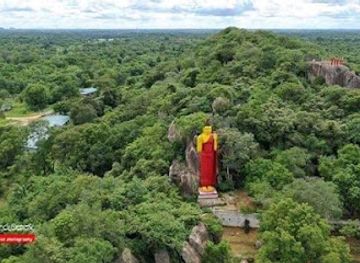
Buduruwagala Raja Maha Viharaya
Explore Buduruwagala Raja Maha Viharaya, a serene Buddhist temple with stunning rock carvings and rich cultural heritage in the heart of Sri Lanka.
-
Tourist attraction
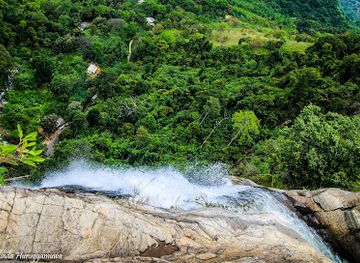
Upper Diyaluma Waterfall
Experience the breathtaking beauty of Upper Diyaluma Waterfall, a must-visit natural attraction in Sri Lanka, perfect for adventure and relaxation.
Best landmarks in Moneragala District
Buduruwagala’s monumental rock face is Moneragala’s most distinctive archaeological landmark: its standing Buddha and accompanying figures were carved directly into a forested cliff and are associated with Sri Lanka’s early medieval Buddhist sculptural tradition. At Maligavila, the large standing Buddha is an important example of religious art created from living rock, while nearby Dematamal Vihara adds a separate monastic presence to the surrounding landscape. Kataragama’s defining landmarks are religious rather than purely architectural. The Ruhunu Maha Kataragama Devalaya is a major sacred complex connected with the worship of Kataragama Deviyo, and Kiri Vehera is a prominent Buddhist stupa within the pilgrimage environment. Yudaganawa’s temple and stupa landscape provides another visible link with the island’s ancient kingdoms. Beyond built heritage, the dry forests, rocky country and open agricultural plains around Nilgala and the Lunugamvehera area serve as geographical landmarks, demonstrating how closely Moneragala’s identity is tied to the boundary between cultivation, pilgrimage and wildlife habitat.
-
National park
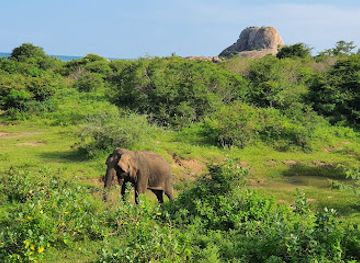
Yala National Park
Explore Yala National Park: A wildlife haven and adventure destination in Sri Lanka, featuring diverse ecosystems and stunning landscapes.
-
National park
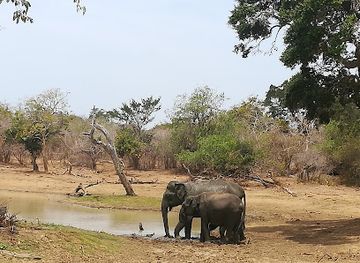
Yala National Park Sri Lanka
Explore the enchanting wilderness of Yala National Park, Sri Lanka, where diverse wildlife and breathtaking landscapes await.
-
Buddhist temple
Buduruwagala Raja Maha Viharaya
Explore the serene beauty and ancient artistry of Buduruwagala Raja Maha Viharaya, a historical Buddhist temple in the heart of Sri Lanka.
-
Buddhist temple
Dematamal Viharaya| දෙමටමල් විහාරය
Experience the serenity and spiritual depth of Dematamal Viharaya, a magnificent Buddhist temple in Sri Lanka, steeped in history and tranquility.
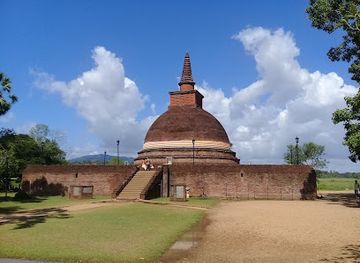
Explore Moneragala District on the map
Plan your trip on one map. See where the top cities, national parks and sights are, and book hotels and experiences in a few clicks.
Best hotels in Moneragala District
Best restaurants in Moneragala District
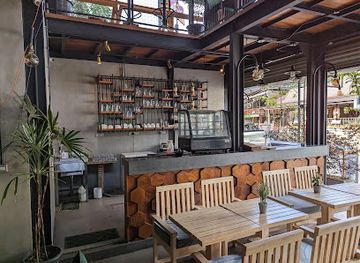
Dining in Moneragala District is generally informal, local and closely linked to Sri Lanka’s rice-growing countryside. Small restaurants and hotel dining rooms serve rice and curry with seasonal vegetables, dhal, sambols, mallung and meat or fish dishes, while breakfast menus commonly include hoppers, string hoppers, roti or other island-wide specialities. In rural areas, meals may be simple and choices limited, so travellers should not expect the range found in Colombo or major resort towns. Kurakkan-based foods and locally grown produce appear in some traditional and contemporary cooking, and fresh fruit is widely available when in season. Kataragama and Wellawaya have the broadest selection of practical eateries, including vegetarian food near pilgrimage sites, cafés and family-run establishments. Food markets and roadside stalls can offer useful glimpses of everyday life, but visitors should choose busy outlets with good turnover, take care with untreated water and remember that spice levels can be adjusted by asking politely.
-
Restaurant
The Barn by Starbeans
Discover delightful flavors at The Barn by Starbeans in Ella - where great food meets breathtaking views.
-
Family-friendly
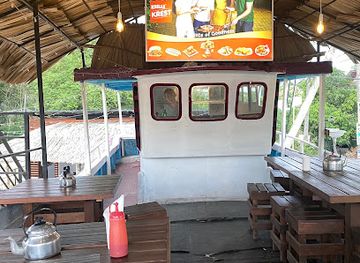
Kauma's boat kitchen
Experience authentic Sri Lankan flavors at Kauma's Boat Kitchen, where family-friendly dining meets culinary excellence in Wellawaya.
-
Restaurant
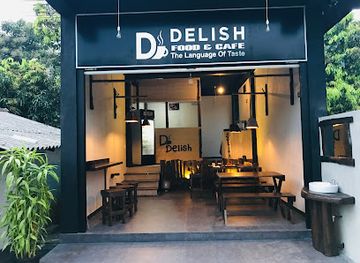
Delish Food & Cafe
Experience authentic Sri Lankan flavors at Delish Food & Cafe in Wellawaya – where every dish tells a story.
-
Family-friendly
Kauma's Boat Kitchen Moneragala
Experience delicious local cuisine at Kauma's Boat Kitchen Moneragala – where dining meets breathtaking waterside views.

Best bars in Moneragala District
Moneragala is not a destination for a large nightclub scene. Evening life centres on family restaurants, hotel dining rooms, tea shops and traditional bars in the larger towns, particularly Monaragala and Wellawaya, while Kataragama’s atmosphere is shaped more by pilgrimage than by late-night entertainment. During busy religious periods the streets may remain active after sunset, with food stalls, devotional activity and crowds, but this should not be confused with a conventional nightlife district. In rural areas, evenings are generally quiet and organised around local community life rather than tourist venues. Some hotels may offer limited drinks or relaxed outdoor seating, though availability varies. Visitors should dress and behave respectfully near temples and devales, avoid photographing ceremonies without permission, and plan transport in advance because late public services can be limited outside the principal towns.
-
Bar
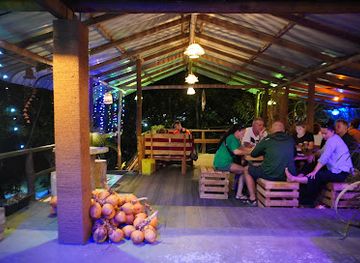
Hiking bar & Restaurant
Discover the perfect blend of adventure and flavor at Hiking Bar & Restaurant in Ella, where stunning views meet delicious cuisine.
-
Hotel
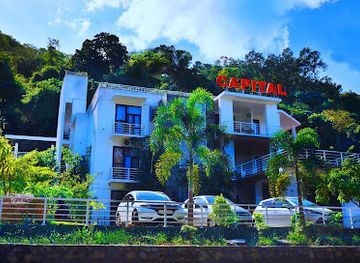
Capital Resort Inn
Experience the enchanting beauty and warm hospitality of Capital Resort Inn, a premier hotel and resort in Monaragala, Sri Lanka.
-
Bar
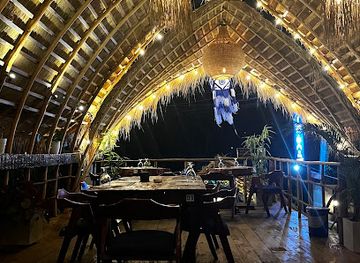
Tree House Cafe & Bar
Experience the charm of Ella at Tree House Cafe & Bar, where delicious meals and stunning views await in a cozy, nature-inspired setting.
-
Bar
CHINGU RESTAURANT
Discover the vibrant flavors at Chingu Restaurant in Ambagollapathana, where local cuisine meets a friendly bar atmosphere.

Best nightclubs in Moneragala District
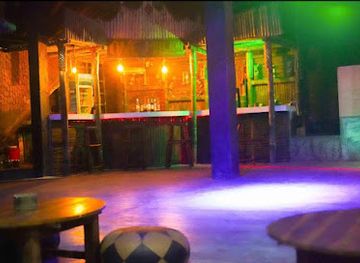
Moneragala is not a destination for a large nightclub scene. Evening life centres on family restaurants, hotel dining rooms, tea shops and traditional bars in the larger towns, particularly Monaragala and Wellawaya, while Kataragama’s atmosphere is shaped more by pilgrimage than by late-night entertainment. During busy religious periods the streets may remain active after sunset, with food stalls, devotional activity and crowds, but this should not be confused with a conventional nightlife district. In rural areas, evenings are generally quiet and organised around local community life rather than tourist venues. Some hotels may offer limited drinks or relaxed outdoor seating, though availability varies. Visitors should dress and behave respectfully near temples and devales, avoid photographing ceremonies without permission, and plan transport in advance because late public services can be limited outside the principal towns.
-
Bar
Old Trinitian's Sports Club
Experience the essence of Kandy at Old Trinitian's Sports Club, where heritage meets hospitality in a vibrant bar atmosphere.
-
Disco club
Happy Laugh Mountain View - Ella
Experience the vibrant nightlife and culinary delights at Happy Laugh Mountain View, the ultimate spot to enjoy Ella's stunning views and lively atmosphere.
-
Bar
Nisee Juice Bar
Discover tropical flavors at Nisee Juice Bar in Ambagollapathana, where refreshing drinks and a welcoming atmosphere meet.
-
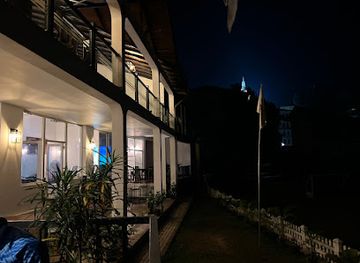
Pub
Pub Ceylon
Discover the charm of Ella at Pub Ceylon, where refreshing drinks and a lively atmosphere await every visitor.


Best shops in Moneragala District
Shopping in Moneragala District is primarily local and practical, with the largest choice found in Monaragala, Wellawaya, Bibile and Kataragama. Produce markets sell rice, vegetables, fruit, spices and other staples from the surrounding farming areas, while shops near pilgrimage sites stock devotional objects, flowers, incense and simple souvenirs. Kataragama has the most obvious visitor-oriented retail, although its stalls and small shops are closely connected with religious travel rather than luxury shopping. In town centres, visitors may find pharmacies, clothing shops, household goods and small food retailers, but specialist craft and designer shopping is limited. Packaged spices, regional snacks and dry foods can make useful purchases when labelled and properly sealed. Where handicrafts or textiles are offered, compare quality and ask about materials before buying. Bargaining is not appropriate everywhere; it is more likely in informal market settings than in fixed-price shops, supermarkets or established businesses.
-
Supermarket
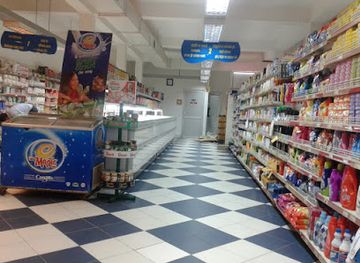
Cargills Food City - Monaragala
Explore local flavors and vibrant community spirit at Cargills Food City in Monaragala, a treasure trove of fresh produce and local specialties.
-
Store
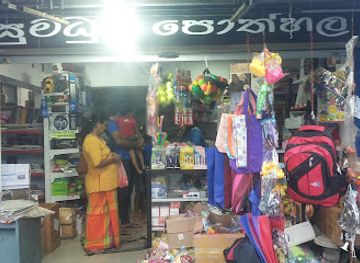
Sumadura Bookshop
Discover the literary charm of Sumadura Bookshop in Monaragala, a delightful haven for book lovers in Sri Lanka.
-
Clothing store
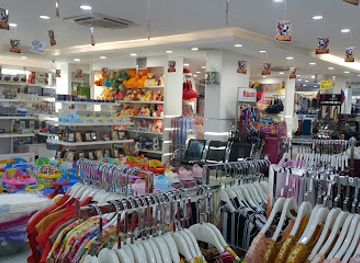
ASB Fashion
Explore the latest trends and timeless styles at ASB Fashion, the ultimate clothing store in Monaragala for all your wardrobe needs.
-
Furniture store
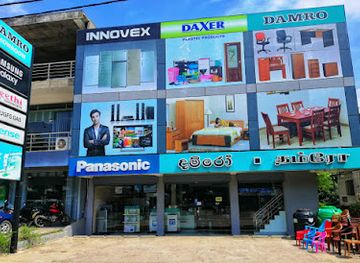
Damro Showroom
Explore the finest selection of stylish and durable furniture at Damro Showroom in Monaragala, a perfect stop for home decor enthusiasts.
Get your free copy of our complete guide to Moneragala District, delivered straight to you.
Everything on this page, from attractions and restaurants to essentials and local phrases, in one PDF you can read offline, print or share.
Already have an account? Sign in
Your Moneragala District guide is ready.
We'll send it to · Not you? Sign out

Getting your guide ready…
We are putting together a fresh copy of the Moneragala District guide. This can take up to a minute.
This can take a few moments. If your browser asks, choose Allow so the download can start. You'll find the guide in your Downloads folder.
Nothing happened? Download it again
Sorry, the guide is taking longer than usual. Please try again in a minute, or get it by email instead.
Moneragala District essentials
Currency and Payment
Safety
Emergency Situations
Do's and Don'ts
Local Tips
From Eve
Local phrases worth knowing
You don't need to get them perfect. A few words go a long way, and locals appreciate the effort.
Basics
| English | Local | Say it |
|---|---|---|
| Hello | හෙලෝ | [Hello] |
| Goodbye | ගුඩ්බායි | [Goodbye] |
| Yes | ඔව් | [Ov] |
| No | නැහැ | [Næhæ] |
| Please/You're welcome | කරුණාකර/ස්තුති | [Karunākara / Stuthi] |
| Thank you | ස්තුතියි | [Stuthiyi] |
| Excuse me/Sorry | කණගාටුයි | [Kaṇagāṭuyi] |
| How are you? | ඔබට කෙසේද? | [Obaṭa Kesēda?] |
| Fine. And you? | හොඳයි. ඔබට? | [Hoṇḍayi. Obaṭa?] |
| Do you speak English? | ඔබට ඉංග්රීසි කතා කරන්නද? | [Obaṭa Iṅgrīsi Kathā Karanna da?] |
| I don't understand | මට අවබෝධයක් නැහැ | [Maṭa Avabōdhayak Næhæ] |
Eating & Drinking
| English | Local | Say it |
|---|---|---|
| I'd like to see the menu, please | මට මෙනුව බලන්න ඕනෑ | [Maṭa Menuwa Balanna Ṍnā] |
| I don't eat meat | මට මාළු කන්න ආවේනියි | [Maṭa Māḷu Kanna Āvēniyi] |
| Cheers! | සැමරීම! | [Sæmarīma!] |
| I would like to pay, please | මට ගෙවන්න ඕනෑ | [Maṭa Gēvanna Ṍnā] |
Emergencies
| English | Local | Say it |
|---|---|---|
| Help! | ආධාරය! | [Ādhāraya!] |
| Go away! | නැතිවන්න! | [Næthivanna!] |
| Call the Police! | පොලිසිය කැදවන්න! | [Polisiya Kædavanna!] |
| Call a doctor! | ඩොක්ටර් කෑදැවීම! | [Ḍokṭar Kædæwīma!] |
| I'm lost | මට අහිංසකයි | [Maṭa Ahinsakai] |
| I'm ill | මට රෝගීයි | [Maṭa Rōgīyi] |
Shopping
| English | Local | Say it |
|---|---|---|
| I'd like to buy... | මට මිලදී ගන්න ඕනෑ... | [Maṭa Milādī Ganna Ṍnā...] |
| I'm just looking | මම බලනවා | [Mama Balnavā] |
| How much is it? | මෙය කොච්චරද? | [Meya Kochchara da?] |
| That's too expensive | ඒක මහඟුයි | [Ēka Mahanguyi] |
| Can you lower the price? | මිල පහල කරන්න පුළුවන්ද? | [Mila Pahala Karanna Puḷuvanda?] |
Time & Numbers
| English | Local | Say it |
|---|---|---|
| What time is it? | මේක කීයක්ද? | [Mēka Kīyakda?] |
| It's one o'clock | එකේ අටයි | [Ekē Aṭayi] |
| Half past (10) | අඩක් (10) පසු | [Aḍak (10) Pasu] |
| Morning | ආරැබි | [Āræbi] |
| Afternoon | පස්වරු | [Pasvaru] |
| Evening | සවස | [Sawasa] |
| Yesterday | ඊයේ | [Īyē] |
| Today | අද | [Ada] |
| Tomorrow | හෙට | [Hēṭa] |
| 1 | 1 | [1] |
| 2 | 2 | [2] |
| 3 | 3 | [3] |
| 4 | 4 | [4] |
| 5 | 5 | [5] |
| 6 | 6 | [6] |
| 7 | 7 | [7] |
| 8 | 8 | [8] |
| 9 | 9 | [9] |
| 10 | 10 | [10] |
Transport & Directions
| English | Local | Say it |
|---|---|---|
| Where's a/the...? | කොහේද ...? | [Kohēda ...?] |
| What's the address? | ලිපිනය කුමක්ද? | [Lipinaya Kumakda?] |
| Can you show me (on the map)? | මට පෙනුමක් දිය හැකිද? | [Maṭa Penumak Diya Hækidā?] |
| When's the next (bus)? | ඊළඟ (බස්) කවදද? | [Īḷaṅga (Bas) Kawadā?] |
| A ticket (to ....) | ටිකට්පතක් (....) | [Tikatpataḳ (....)] |
History of Moneragala District
Early settlement and dry-zone agriculture
Moneragala forms part of Sri Lanka’s southeastern dry zone, where settlement has long depended on seasonal rainfall, small reservoirs and cultivation adapted to a pronounced dry period. Ancient communities combined paddy farming in irrigated lowlands with forms of shifting or chena cultivation on higher ground. Although the district is less densely covered by monumental remains than the cultural triangle, its tanks, village settlements and archaeological sites reflect the wider hydraulic and agricultural traditions that supported kingdoms in Sri Lanka’s interior.
Early Buddhist and medieval religious centres
From the early historic period onwards, Buddhism shaped the cultural landscape of southeastern Sri Lanka. Monastic establishments occupied prominent locations near roads, cultivation areas and rocky outcrops, receiving royal or local patronage. Sites now associated with Yudaganawa, Dematamal Vihara, Maligavila and nearby settlements preserve fragments of this history. Their sculptures, stupas and ruined structures demonstrate that the region was not an isolated frontier but part of wider religious and political networks linking the island’s ancient kingdoms.
Maligavila and the sculpture tradition
Maligavila is among the district’s most important early medieval archaeological sites. Its large standing Buddha, carved from the living rock and traditionally associated with the seventh century, belongs to a period when major Buddhist images and monastic foundations were established across southern and southeastern Sri Lanka. Nearby Dematamal Vihara adds another layer of religious history. The sites are significant not only for their sculpture but also for showing how monumental religious art was placed within a wider landscape of forests, cultivation and pilgrimage.
Kataragama as a multi-faith pilgrimage centre
Kataragama has been an important pilgrimage destination for centuries, centred on the worship of Skanda or Kataragama Deviyo and incorporating Buddhist and Hindu traditions. The Ruhunu Maha Kataragama Devalaya and nearby Kiri Vehera draw visitors from across Sri Lanka, particularly during the annual festival season. The town’s importance extends beyond its buildings: pilgrimage routes, ritual offerings and the meeting of different religious communities have made Kataragama one of the island’s most distinctive sacred landscapes.
Colonial rule and the Uva rebellion of 1818
The southeastern interior was affected by the political upheavals that followed the British annexation of the Kandyan Kingdom. The Uva-Wellassa rebellion of 1818 involved resistance to colonial authority across a wide area of the central and southeastern highlands. British reprisals, including destruction of settlements and crops, caused severe disruption and loss of life. The episode remains an important part of regional historical memory and helps explain the political significance of Uva beyond its later reputation as a rural agricultural province.
Post-independence settlement and development
After Sri Lanka gained independence in 1948, state-led agricultural, irrigation and settlement programmes altered parts of Moneragala District. Roads, schools, irrigation works and new cultivation areas connected previously remote communities more closely with national markets. These changes brought economic opportunities but also transformed forests, land use and relations between farming and wildlife. Today the district’s identity reflects both long-established village agriculture and a continuing effort to balance rural development with conservation and heritage protection.
Moneragala District in Photos
Browse through our photo collection highlighting the charm and character of the destination.
Neighbouring regions of Moneragala District
The closest regions to Moneragala District, if you have time for more than one.
-

-

-

-

-


Swipe for more regions
Explore more

Explore more of Sri Lanka
Discover Sri Lanka: Rich culture, stunning landscapes, and warm hospitality await you in this tropical paradise. Explore ancient cities, wildlife, tea plantations, and pristine beaches.
Explore Sri Lanka