

Free Uva Province Travel Guide & Mobile App
Explore Uva Province with free travel guides. Discover regional history, expert tips, proposed trips, and audio guides on web or mobile app.


Explore Uva Province for Sri Lanka’s misty tea hills, waterfalls, ancient Buddhist monuments, forested plains and distinctive rural landscapes.
Read more about Uva Province
When is the best time to visit Uva Province?
Best: January–March · 29–30°C| Month | High (°C) | Rainfall (mm) |
|---|---|---|
| January (best) | 29 | 75 |
| February (best) | 30 | 75 |
| March (best) | 30 | 100 |
| April | 31 | 155 |
| May | 32 | 200 |
| June | 31 | 155 |
| July | 30 | 135 |
| August | 30 | 120 |
| September | 30 | 145 |
| October | 30 | 215 |
| November | 30 | 235 |
| December | 29 | 160 |
Getting to and around Uva Province
How to get there
Transportation
Top city travel guides in Uva Province
The cities of Uva Province, and the easiest places to base yourself.
-

-
-


Swipe for more cities
Destinations in Uva Province
Resorts, valleys and scenic spots worth a trip of their own.
-

-
-

-

-

-


Swipe for more destinations
Best attractions in Uva Province
Uva Province offers a wide range of experiences shaped by its sharp change from highland to dry zone. Around Ella, visitors walk to Little Adam’s Peak, view the Nine Arches Bridge from designated paths and see Ravana Falls beside the road towards Wellawaya. The Badulla and Bandarawela area adds tea estates, cool mountain scenery and access to Dunhinda Falls, while Haputale provides elevated views across the southern escarpment. In the lower country, Buduruvagala’s rock-cut Buddhist sculpture is one of the province’s major cultural sites, and Maligavila contains important ancient religious monuments. Mahiyanganaya combines pilgrimage with river-valley landscapes, while the forests and open country around Monaragala offer a quieter setting for rural travel and wildlife excursions. Waterfalls, reservoirs, temple complexes and small museums are usually best visited with additional local planning, since facilities and public transport become more limited away from the main towns. The attraction landscape is therefore varied but dispersed: Uva is better suited to linked journeys by road than to a single concentrated sightseeing circuit.
-
Tourist attraction
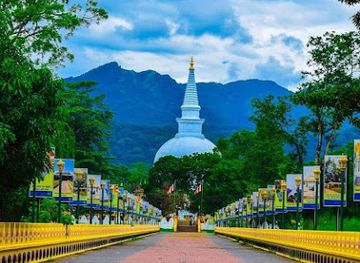
Mahiyangana Raja Maha Viharaya
Discover the serene beauty and rich history of Mahiyangana Raja Maha Viharaya, a revered Buddhist temple in Sri Lanka's cultural heart.
-
Tourist attraction
Nine Arches Bridge Path
Discover the breathtaking views and rich history of the Nine Arches Bridge Path in Sri Lanka, a must-see for every nature lover.
-
Tourist attraction
Uva Halpewatte Tea Factory Tour
Explore the beauty of Sri Lankan tea culture and savor the exquisite flavors at Uva Halpewatte Tea Factory in Ella.
-
Tour agency
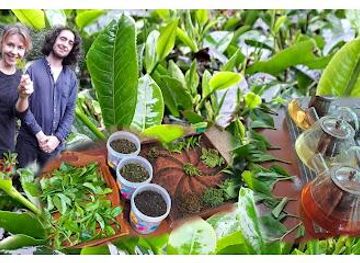
Ella Organic Tea Garden
Explore the serene beauty and rich heritage of Sri Lankan tea at Ella Organic Tea Garden, a must-visit for nature and tea lovers alike.


Best landmarks in Uva Province
Uva’s most recognisable landmarks include the Nine Arches Bridge at Demodara, an early twentieth-century railway viaduct built in stone and brick and set within the tea-covered hills near Ella. The bridge is part of a working railway, so visitors must keep clear of the track and follow local access guidance. Dunhinda Falls, reached from the Badulla area, is a prominent natural feature where water drops through a forested gorge. In the dry zone, Buduruvagala’s monumental rock face carries a remarkable group of Buddhist sculptures, dominated by a tall standing Buddha and accompanied by attendant figures. Maligavila is known for its large medieval Buddhist images, while Muthiyangana Raja Maha Vihara in Badulla remains an important pilgrimage site. The rugged profile of Namunukula and the steep escarpments around Haputale provide Uva with powerful geographical landmarks, contrasting with the open plains and rocky landscapes of Monaragala District.
-
Buddhist temple
Dambulla Royal Cave Temple and Golden Temple
Explore the breathtaking Dambulla Royal Cave Temple and Golden Temple, a UNESCO World Heritage site showcasing Sri Lanka's rich Buddhist culture and history.
-
National park
Horton Plains National Park
Discover the breathtaking beauty and rich biodiversity of Horton Plains National Park, a UNESCO World Heritage Site in Sri Lanka's central highlands.
-
Tourist attraction
Lipton's Seat
Experience the breathtaking views and rich tea heritage at Lipton's Seat, a must-visit attraction in Sri Lanka's picturesque hills.
-
Buddhist temple
Ruhunu Maha Kataragama Dewalaya
Explore the rich spiritual heritage of Sri Lanka at Ruhunu Maha Kataragama Dewalaya, a unique blend of Buddhist and Hindu traditions in a serene setting.

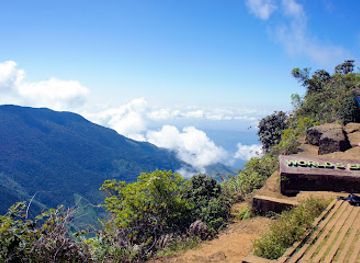


Explore Uva Province on the map
Plan your trip on one map. See where the top cities, national parks and sights are, and book hotels and experiences in a few clicks.
Best hotels in Uva Province
Best restaurants in Uva Province
Dining in Uva follows Sri Lanka’s wider rice-and-curry tradition while reflecting the province’s elevation, agriculture and travelling communities. Small restaurants and family-run cafés serve rice with vegetable curries, dhal, sambols, string hoppers, hoppers, roti and kottu, with flavours ranging from gently spiced to deeply hot. Hill-country markets supply greens, carrots, leeks, potatoes and other vegetables grown around Badulla, Bandarawela and Haputale, while fruit stalls become more common on lower routes. Tea is central to the upland experience, whether served in a simple café or bought as estate produce, although quality and presentation vary by outlet. In Ella there is a broad selection of Sri Lankan and international food aimed at visitors; Badulla and Monaragala offer more everyday local dining. Rural inns and roadside stops can be useful for trying regional cooking, but menus may be limited and meal times less predictable. Vegetarian food is widely available, while visitors seeking meat or fish should ask about preparation and availability rather than assume every dish is served daily.
-
Restaurant
Cafe Chill
Discover authentic Sri Lankan flavors amidst breathtaking views at Cafe Chill - a culinary haven in Ella.
-
Restaurant
The Barn by Starbeans
Discover culinary delights at The Barn by Starbeans in Ella - where local flavors meet vibrant atmosphere and live music.
-
Family-friendly
Kauma's boat kitchen
Experience authentic Sri Lankan cuisine at Kauma's Boat Kitchen in Wellawaya – where family-friendly dining meets delightful flavors.
-
Restaurant
Matey Hut Ella Sri Lanka
Experience authentic Sri Lankan flavors at Matey Hut Ella – where every meal is a journey through local cuisine.


Best bars in Uva Province
Uva’s evening life is concentrated in Ella and, to a lesser extent, Badulla and Bandarawela. Ella has the province’s most developed visitor-oriented scene, with restaurants, small bars and venues offering music or late-evening socialising, although the atmosphere is generally more relaxed than that of Sri Lanka’s major coastal cities. In Badulla and the smaller towns, traditional hotels, cafés and local restaurants provide a quieter night out, while rural evenings usually centre on family meals, tea shops or accommodation rather than clubs. Alcohol is not appropriate at temples or during religious observances, and some areas have limited late-night transport, so arrange a safe return before going out. Seasonal visitor numbers can influence the availability of live music and late opening, and establishments may change more quickly than the underlying character of the region’s nightlife.
-
Restaurant
The Barn by Starbeans
Experience the heart of Ella's culinary scene at The Barn by Starbeans, where local flavors meet cozy ambiance and live music.
-
Bar
Slightly Chilled Lounge Bar and Restaurant
Discover the vibrant flavors of Slightly Chilled Lounge Bar and Restaurant in Kandy, where Asian fusion cuisine meets a lively lounge atmosphere.
-
Bar
Cafe One Love
Experience the vibrant flavors of Ella at Cafe One Love, where delicious food and a warm atmosphere create unforgettable moments.
-
Bar
Shashika viewpoint juice bar
Discover the perfect blend of stunning views and refreshing juices at Shashika Viewpoint Juice Bar in Ella, Sri Lanka.

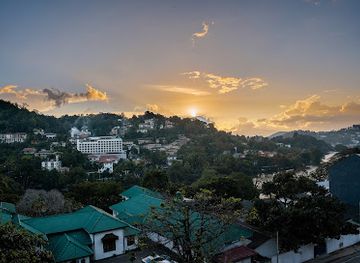


Best nightclubs in Uva Province
Uva’s evening life is concentrated in Ella and, to a lesser extent, Badulla and Bandarawela. Ella has the province’s most developed visitor-oriented scene, with restaurants, small bars and venues offering music or late-evening socialising, although the atmosphere is generally more relaxed than that of Sri Lanka’s major coastal cities. In Badulla and the smaller towns, traditional hotels, cafés and local restaurants provide a quieter night out, while rural evenings usually centre on family meals, tea shops or accommodation rather than clubs. Alcohol is not appropriate at temples or during religious observances, and some areas have limited late-night transport, so arrange a safe return before going out. Seasonal visitor numbers can influence the availability of live music and late opening, and establishments may change more quickly than the underlying character of the region’s nightlife.
-
Asian Fusion
Slightly Chilled Lounge Bar and Restaurant
Discover the vibrant culinary experience at Slightly Chilled Lounge Bar and Restaurant in Kandy, blending Asian fusion with a relaxed atmosphere.
-
Night club
Capri Club
Discover the vibrant nightlife at Capri Club, Colombo's premier destination for dancing, music, and unforgettable experiences.
-
Bar
Old Trinitian's Sports Club
Experience the vibrant social scene of Kandy at Old Trinitian's Sports Club, where drinks, sports, and camaraderie come together.
-
Night club
Cleopatra Nightclub
Discover the lively and electrifying atmosphere of Cleopatra Nightclub in Colombo, where unforgettable nightlife experiences come alive.
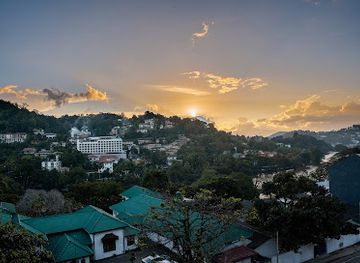
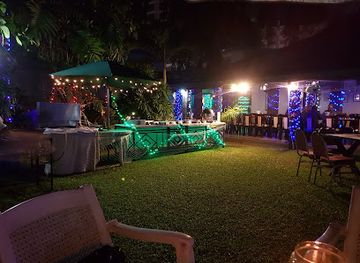
Best shops in Uva Province
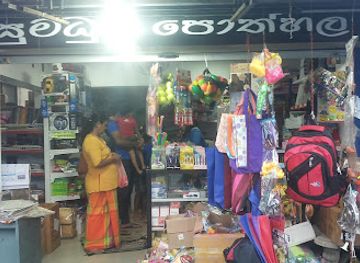
Shopping in Uva is primarily local and practical rather than centred on large retail complexes. Ella, Badulla, Bandarawela and Monaragala have small markets and high streets where visitors can buy fruit, spices, snacks, clothing and everyday goods, while weekly markets in smaller towns are useful for seeing the agricultural economy at close range. Tea is the province’s most recognisable purchase, but buy sealed or clearly labelled produce when provenance and quality matter. Hill-country stalls may also sell vegetables, herbs and locally made foods, while temple towns offer devotional items rather than general souvenirs. Handicrafts and Indigenous-themed products require particular care: choose items made and sold responsibly, and avoid anything presented as archaeological, wildlife-derived or taken from protected areas. Independent shops in Ella stock books, clothing, art and travel goods for visitors, whereas Badulla and Monaragala provide a more representative local shopping experience. Bargaining is not appropriate everywhere, so ask politely and accept fixed prices in established shops.
-
Store
Sumadura Bookshop
Explore the literary haven of Sumadura Bookshop in Monaragala, Sri Lanka, where local culture and literature come together in a cozy setting.
-
Clothing store
ASB Fashion
Discover fashionable clothing and unique local styles at ASB Fashion in Monaragala, perfect for every tourist's wardrobe.
-
Print shop
BrownKEY Advertising
Explore BrownKEY Advertising in Badulla for exceptional printing and graphic design services, showcasing local creativity at its finest.
-
Saree Shop
Devduwa Handloom & Bathik
Discover the art of Sri Lankan textiles at Devduwa Handloom & Bathik, where tradition meets contemporary elegance in every saree.


Get your free copy of our complete guide to Uva Province, delivered straight to you.
Everything on this page, from attractions and restaurants to essentials and local phrases, in one PDF you can read offline, print or share.
Already have an account? Sign in
Your Uva Province guide is ready.
We'll send it to · Not you? Sign out

Getting your guide ready…
We are putting together a fresh copy of the Uva Province guide. This can take up to a minute.
This can take a few moments. If your browser asks, choose Allow so the download can start. You'll find the guide in your Downloads folder.
Nothing happened? Download it again
Sorry, the guide is taking longer than usual. Please try again in a minute, or get it by email instead.
Uva Province essentials
Currency and Payment
Safety
Emergency Situations
Do's and Don'ts
Local Tips
From Eve
Local phrases worth knowing
You don't need to get them perfect. A few words go a long way, and locals appreciate the effort.
Basics
| English | Local | Say it |
|---|---|---|
| Hello | ආයුබෝවන් | [Āyubōvan] |
| Goodbye | බුද්ධිමත් වෙන්න | [Budhimath wenna] |
| Yes | ඔව් | [Ov] |
| No | නැහැ | [Næhæ] |
| Please/You're welcome | කරුණාකර/ආයුබෝවන් | [Karunākarā/Āyubōvan] |
| Thank you | ස්තූතියි | [Stūthiyi] |
| Excuse me/Sorry | කණගාටුයි | [Kaṇagāṭuyi] |
| How are you? | ඔබට කෙසේද? | [Obaṭa kesēda?] |
| Fine. And you? | හොඳයි. ඔබට? | [Hoṇḍayi. Obaṭa?] |
| Do you speak English? | ඔබට ඉංග්රීසි කතා කරන්න පුළුවන්ද? | [Obaṭa iṅgrīsi kathā karanna puḷuvanda?] |
| I don't understand | මට තේරෙන්නේ නැහැ | [Maṭa thērenne næhæ] |
Eating & Drinking
| English | Local | Say it |
|---|---|---|
| I'd like to see the menu, please | කරුණාකර මෙනුව බලන්න | [Karunākarā menu balanna] |
| I don't eat meat | මම මස් කන්නෙ නැහැ | [Mama mas kannē næhæ] |
| Cheers! | සතුටින්! | [Satuṭin!] |
| I would like to pay, please | කරුණාකර මම ගෙවන්නම් | [Karunākarā mama gewannam] |
Emergencies
| English | Local | Say it |
|---|---|---|
| Help! | ආධාරයක්! | [Ādhārayak!] |
| Go away! | ඉවත් වන්න! | [Iwat wanna!] |
| Call the Police! | පොලිසිය කැදවන්න! | [Polisiya kædawanna!] |
| Call a doctor! | ඩොක්ටරයෙක් කැදවන්න! | [Ḍokṭarayek kædawanna!] |
| I'm lost | මම අහිමි වෙනවා | [Mama ahimi wenavā] |
| I'm ill | මට රෝගයක් තියෙනවා | [Maṭa rōgayak tiyenavā] |
Shopping
| English | Local | Say it |
|---|---|---|
| I'd like to buy... | මට මිලදී ගන්න ඕනෑ... | [Maṭa milādī ganna ōnæ...] |
| I'm just looking | මම පමණක් බලනවා | [Mama pamaṇak balanavā] |
| How much is it? | එය කොච්චරද? | [Eya kochcharada?] |
| That's too expensive | එය අධික මිලක් | [Eya adhika milak] |
| Can you lower the price? | මිල අඩු කරන්න පුළුවන්ද? | [Mila aḍu karanna puḷuvanda?] |
Time & Numbers
| English | Local | Say it |
|---|---|---|
| What time is it? | අවුරුදු කුමාරිද? | [Avarudu kumārida?] |
| It's one o'clock | එය එක් මසටයි | [Eya ek masṭayi] |
| Half past (10) | මැදියම් (10) | [Mædiyam (10)] |
| Morning | පැය | [Pæya] |
| Afternoon | දහවල් | [Dahaval] |
| Evening | සන්දයා | [Sandayā] |
| Yesterday | ඊයේ | [Īyē] |
| Today | අද | [Ada] |
| Tomorrow | හෙට | [Hæṭa] |
| 1 | 1 | [1] |
| 2 | 2 | [2] |
| 3 | 3 | [3] |
| 4 | 4 | [4] |
| 5 | 5 | [5] |
| 6 | 6 | [6] |
| 7 | 7 | [7] |
| 8 | 8 | [8] |
| 9 | 9 | [9] |
| 10 | 10 | [10] |
Transport & Directions
| English | Local | Say it |
|---|---|---|
| Where's a/the...? | කොතැනක? | [Kothaenak?] |
| What's the address? | ලිපිනය කුමක්ද? | [Lipinaya kumakda?] |
| Can you show me (on the map)? | මට පMaps පෙන්වන්න පුළුවන්ද? | [Maṭa pMaps penwanna puḷuvanda?] |
| When's the next (bus)? | ඉදිරි (බස්) කවදද? | [Idiri (bas) kawadada?] |
| A ticket (to ....) | ට්රැන්සිට් එකක් (ට ...) සඳහා | [ṭrænsit ekak (ṭa ...) sandahā] |
History of Uva Province
Early Settlement and Indigenous Heritage
Uva’s forests, river valleys and dry-zone margins have long supported human settlement, hunting and cultivation. The region remains associated with the Vedda people, whose Indigenous heritage is particularly connected with the forests around Dambana in Badulla District. Their culture has changed under pressure from settlement, agriculture and state development, and should be understood as a living heritage rather than a museum display. Archaeological evidence across the wider dry zone also reflects the long history of farming and movement through the island’s interior, although many early sites are less extensively documented for visitors than Sri Lanka’s major ancient capitals.
Ancient Buddhist Centres and the Mahaweli Valley
From the ancient period onwards, Buddhist institutions and royal networks extended into the valleys and plains of present-day Uva. Mahiyanganaya became an important religious centre, while monuments at Buduruvagala, near Wellawaya, demonstrate the artistic and devotional ambitions of medieval Sri Lankan Buddhism. The great rock-cut images at Buduruvagala, including a standing Buddha and attendant figures, were carved into a secluded cliff face and probably belong to the late first millennium. Ruins and temple traditions across the province reveal how religion, irrigation and political authority were closely connected.
Medieval Kingdoms and Regional Trade Routes
Uva lay between the central highlands and the dry-zone kingdoms, making its valleys and passes important for movement between different parts of the island. Local rulers, monasteries and agricultural communities depended on reservoirs, streams and river systems to sustain settlement in a seasonally dry environment. Sites such as Maligavila and Dematamal Vihara preserve links with medieval Buddhist traditions in the Monaragala area. The region’s terrain also gave strategic value to routes through the hills, although political control shifted repeatedly as royal centres rose and declined elsewhere in Sri Lanka.
Kandyan Frontier and the 1818 Rebellion
The highlands of Uva were closely connected with the Kandyan Kingdom, which resisted European control for centuries. After the British annexed Kandy in 1815, opposition intensified in Uva and neighbouring areas. The 1818 rebellion, associated with leaders including Keppetipola Disawe, became a major anti-colonial uprising. British reprisals, confiscations and disruption affected communities across the interior, and the episode remains an important part of regional memory. Roads, administrative changes and new patterns of land control subsequently tied Uva more firmly to the colonial state.
Tea, Railways and the Colonial Hill Country
British-era plantation development transformed the cooler uplands around Badulla, Haputale, Bandarawela and Ella. Tea estates expanded where elevation and climate suited cultivation, bringing new labour communities from southern India and reshaping the social and economic character of the hill country. Railway construction eventually linked the highlands with Colombo and the central plantation belt, creating the scenic routes for which the area is now known. The system served colonial commerce above all, but its tracks, stations, estate bungalows and worker settlements remain visible elements of Uva’s modern landscape.
Post-Independence Agriculture and Regional Change
After Sri Lanka gained independence in 1948, Uva continued to combine plantation agriculture in the hills with paddy cultivation, chena farming and other rural production in the drier districts. State-led irrigation and settlement schemes altered parts of the Monaragala and Mahaweli basin landscapes, while new roads improved connections between the province’s scattered communities. Tourism has grown rapidly in Ella and parts of the hill country, creating new accommodation and employment but also pressure on water, waste management and fragile slopes. Elsewhere, Uva remains comparatively agricultural and lightly urbanised.
Uva Province in Photos
Browse through our photo collection highlighting the charm and character of the destination.
Neighbouring regions of Uva Province
The closest regions to Uva Province, if you have time for more than one.
-

-

-

-

-


Swipe for more regions
Explore more

Explore more of Sri Lanka
Discover Sri Lanka: Rich culture, stunning landscapes, and warm hospitality await you in this tropical paradise. Explore ancient cities, wildlife, tea plantations, and pristine beaches.
Explore Sri Lanka