

Free Hambantota District Travel Guide & Mobile App
Explore Hambantota District with free travel guides. Discover regional history, expert tips, proposed trips, and audio guides on web or mobile app.


Explore Hambantota District for Sri Lankan wildlife parks, turtle beaches, dry-zone wetlands, ancient Ruhuna heritage and warm southern coastlines.
Read more about Hambantota District
When is the best time to visit Hambantota District?
Best: July–September · 31°C| Month | High (°C) | Rainfall (mm) |
|---|---|---|
| January | 32 | 75 |
| February | 32 | 55 |
| March | 33 | 65 |
| April | 33 | 115 |
| May | 32 | 165 |
| June | 32 | 105 |
| July (best) | 31 | 65 |
| August (best) | 31 | 45 |
| September (best) | 31 | 55 |
| October | 31 | 115 |
| November | 31 | 165 |
| December | 32 | 135 |
Getting to and around Hambantota District
How to get there
Transportation
Destinations in Hambantota District
Resorts, valleys and scenic spots worth a trip of their own.
-
-

-


Swipe for more destinations
Best attractions in Hambantota District
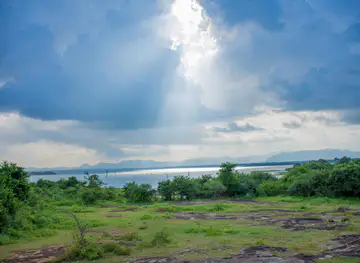
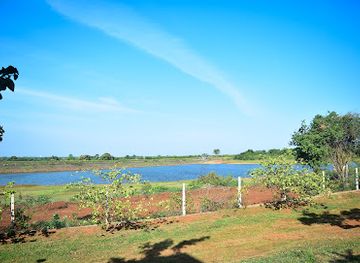
Hambantota District’s attractions are shaped by the meeting of dry-zone wildlife, coastal wetlands and the Buddhist heritage of ancient Ruhuna. Yala National Park is the best-known draw, offering dry forest, open plains, rocky outcrops and lagoons inhabited by elephants, crocodiles and a wide range of birds. Bundala National Park provides a contrasting wetland experience of shallow lagoons, mudflats and migratory bird habitat, while Lunugamwehera National Park combines forest with reservoir scenery. Near Tangalle, the Kalametiya wetland is suited to quieter birdwatching and boat excursions, and Rekawa is associated with guided sea-turtle conservation on the coast. Inland visits can focus on Tissamaharama’s ancient stupas, Sithulpahuwa’s forest monastery and Mulkirigala’s cave temples. Beaches around Tangalle offer swimming only where conditions are suitable, alongside opportunities for walking and observing coastal life. Hambantota’s salt pans, lagoons and contemporary port landscape add a distinctly local dimension, showing how industry, settlement and protected nature coexist across the district.
-
Bird watching area
Birds Park & Birds Research Center - Hambantota
Explore the enchanting Birds Park & Birds Research Center in Hambantota, a sanctuary for birdwatchers and nature lovers amidst breathtaking landscapes.
-
Botanical garden
Dry Zone Botanic Gardens, Hambantota
Explore the enchanting Dry Zone Botanic Gardens in Hambantota, a lush retreat showcasing Sri Lanka's unique flora and biodiversity amidst serene landscapes.
-
Wildlife park
Wirawila Tissa Sanctuary
Discover the enchanting Wirawila Tissa Sanctuary, a wildlife park in Sri Lanka, where vibrant ecosystems and diverse wildlife await your exploration.
-
Tourist attraction
Madunagala Hot Water Spring
Discover the soothing waters and serene landscapes of Madunagala Hot Water Spring in Southern Sri Lanka, perfect for relaxation and rejuvenation.

Best landmarks in Hambantota District
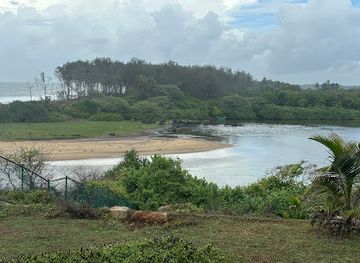
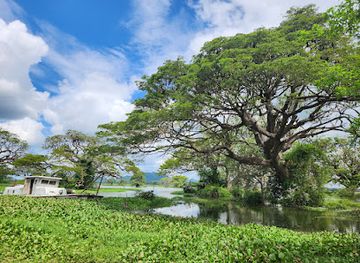
The Tissamaharama Stupa and nearby Yatala Vehera are among Hambantota District’s most important historic landmarks, marking the former prominence of southern Ruhuna as a Buddhist and political centre. Mulkirigala Raja Maha Vihara rises from a rocky outcrop near the southern coast, combining stairways, cave shrines, murals and elevated views over the dry-zone countryside. Sithulpahuwa’s monastery, set among the forested rocks of the Yala landscape, is distinguished by its ancient religious associations and secluded setting. Kirinda’s temple and rocky coastal surroundings provide a landmark where Buddhist tradition meets the open sea, although conditions on the exposed shore can be rough. The lagoons and salt pans around Hambantota are important geographical landmarks rather than monumental architecture, revealing the district’s long relationship with evaporation, fishing and wetland ecology. Modern Hambantota Port and its associated infrastructure form a striking contemporary counterpoint to these older sites, representing the district’s strategic position on Indian Ocean routes.
-
 Hotel
HotelShangri-La Hambantota
Experience the perfect blend of luxury and natural beauty at Shangri-La Hambantota, a premier resort in Sri Lanka's southern coast, ideal for relaxation and adventure.
-
Wildlife and safari park
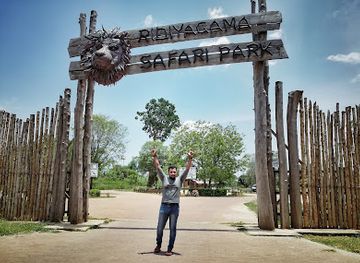
Ridiyagama Safari Park
Discover the beauty of wildlife at Ridiyagama Safari Park, an immersive experience showcasing Sri Lanka's rich biodiversity and conservation efforts.
-
Bird watching area
Birds Park & Birds Research Center - Hambantota
Explore the diverse avian life at the Birds Park & Birds Research Center in Hambantota, a haven for bird watchers and nature lovers.
-
Tourist attraction
Hummanaya Blow Hole
Explore the stunning Hummanaya Blow Hole, a natural marvel on Sri Lanka's southern coast, where ocean waves create breathtaking geysers.
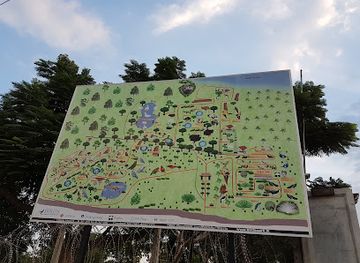
Explore Hambantota District on the map
Plan your trip on one map. See where the top cities, national parks and sights are, and book hotels and experiences in a few clicks.
Best hotels in Hambantota District
Best restaurants in Hambantota District
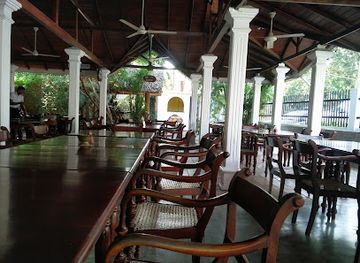
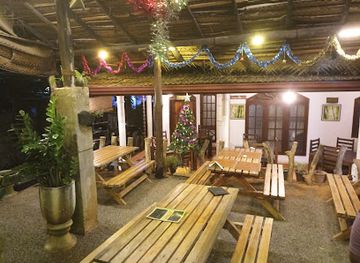
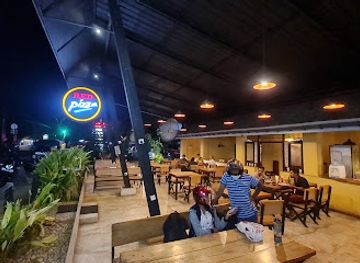
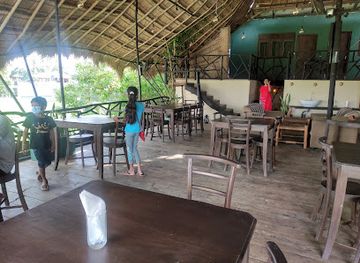
Dining in Hambantota District reflects southern Sri Lankan home cooking, coastal produce and the practical food culture of towns spread across a large rural area. Rice and curry, coconut-based sambols, dhal, vegetables, freshwater or marine fish and spicy seafood preparations are common, with roadside cafés and family-run eateries often providing the most direct introduction to local flavours. Around Tangalle, seafood is prominent, while inland restaurants and guesthouses commonly serve rice, roti, hoppers and string hoppers with regional curries. Small markets offer fruit, coconut products and snacks, although selection and opening patterns vary between towns. Hotels catering to wildlife visitors generally provide both Sri Lankan and international dishes, often with early breakfasts for park excursions. In rural areas, it is sensible to arrange meals with a guesthouse in advance, particularly when staying near parks or wetlands. Tea, king coconut and fresh fruit drinks are widely available, but visitors should choose treated or sealed drinking water.
-
Seafood
Refresh Seafood Restaurant
Discover fresh seafood delights at Refresh Seafood Restaurant near Yala National Park - a must-visit dining destination for every traveler.
-
Restaurant
The Flavors Restaurant
Experience authentic Sri Lankan cuisine at The Flavors Restaurant in Tissamaharama – where every dish tells a story of tradition and flavor.
-
Restaurant
RED Restaurant Tissamaharama
Experience culinary excellence at RED Restaurant Tissamaharama with a diverse menu that celebrates both local and international flavors.
-
Sri Lankan
Smoky Kitchen
Experience authentic Sri Lankan cuisine at Smoky Kitchen in Tissamaharama - where every meal tells a story.
Best bars in Hambantota District
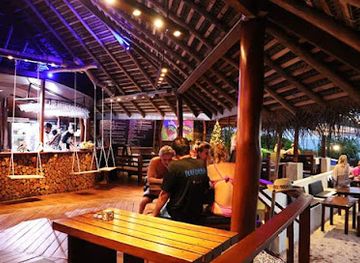
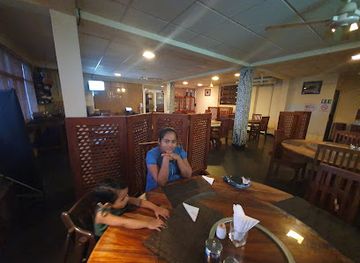
Nightlife in Hambantota District is relatively restrained and centred on restaurants, hotel bars, beach cafés and traditional social spaces rather than large clubs. Tangalle has the broadest selection of evening venues for visitors, with informal beachfront and town-centre establishments offering food, drinks and occasional music, while Hambantota and Tissamaharama have a more local, low-key evening rhythm. Around Yala and the rural parks, evenings are usually spent at lodges or guesthouses, where dinner and conversation replace a formal nightlife scene. Some hotels serve beer, spirits and cocktails, but licensing and opening arrangements differ, so current details should be checked locally. Visitors should avoid drinking before driving or joining early wildlife excursions, and should respect the quieter atmosphere of fishing villages, temple areas and rural accommodation.
-
Bar
THE LOUNGE
Experience the ultimate dining and relaxation at The Lounge in Tangalle, where stunning ocean views meet exquisite flavors in a serene atmosphere.
-
Bar
Ruhunu Resort
Experience the charm of Ruhunu Resort in Ambalantota, where tropical beauty meets delightful dining and refreshing drinks.
-
Restaurant
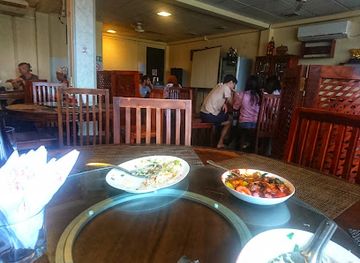
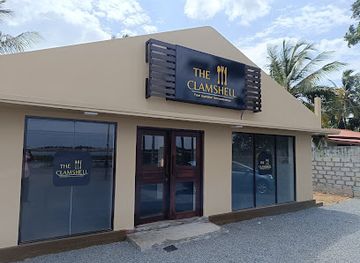
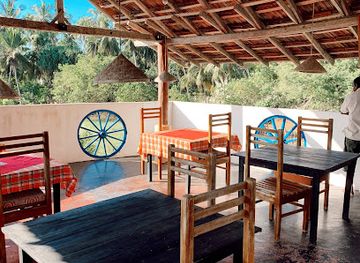
The Clamshell
Discover authentic Sri Lankan cuisine at The Clamshell, a culinary delight in Hambantota that promises a memorable dining experience.
-
Bar
Sunshine Cafe & Relax Cabanas
Experience the perfect blend of relaxation and culinary delight at Sunshine Cafe & Relax Cabanas in Tangalle, Sri Lanka.
Best nightclubs in Hambantota District
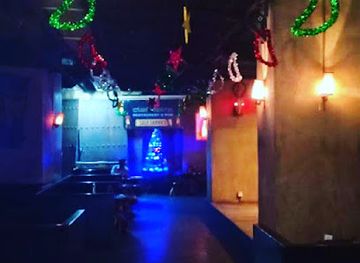
Nightlife in Hambantota District is relatively restrained and centred on restaurants, hotel bars, beach cafés and traditional social spaces rather than large clubs. Tangalle has the broadest selection of evening venues for visitors, with informal beachfront and town-centre establishments offering food, drinks and occasional music, while Hambantota and Tissamaharama have a more local, low-key evening rhythm. Around Yala and the rural parks, evenings are usually spent at lodges or guesthouses, where dinner and conversation replace a formal nightlife scene. Some hotels serve beer, spirits and cocktails, but licensing and opening arrangements differ, so current details should be checked locally. Visitors should avoid drinking before driving or joining early wildlife excursions, and should respect the quieter atmosphere of fishing villages, temple areas and rural accommodation.
-
Hotel
Shangri-La Hambantota
Discover luxury and tranquility at Shangri-La Hambantota, where stunning views, world-class amenities, and a vibrant cultural experience await.
-
Bar
The Doctor's House
Discover The Doctor's House in Matara: A vibrant bar, restaurant, hostel, and hotel offering a perfect blend of relaxation and adventure on the stunning Sri Lankan coast.
-
Bar
Ruhunu Resort
Experience the culinary delights and relaxed atmosphere at Ruhunu Resort, the perfect dining destination in Ambalantota.
-
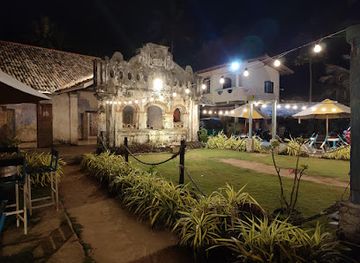
Night club
Cleopatra Nightclub
Immerse yourself in the lively atmosphere of Cleopatra Nightclub, Colombo's hotspot for unforgettable nights filled with music, dance, and excitement.
Best shops in Hambantota District
Shopping in Hambantota District is generally practical and local rather than centred on extensive retail complexes. Tangalle and Hambantota provide the widest choice of supermarkets, pharmacies, clothing shops and everyday markets, while smaller roadside stalls serve fruit, snacks and household goods. Farmers’ markets and village shops are useful places to find coconuts, bananas, seasonal produce, spices and locally prepared food, though their hours and selection vary. Around the coast, visitors may encounter dried fish and other seafood products, while salt is an especially relevant regional product near Hambantota’s salt-making areas; buy food items only from clean, reputable sellers and check customs rules before taking them home. Guesthouses and craft outlets may sell woven goods, carvings, batik or small souvenirs, but more specialised handicrafts are often easier to find in larger Sri Lankan towns. Choose locally made items, avoid products derived from protected wildlife, and carry cash for markets and independent traders.
-
Supermarket
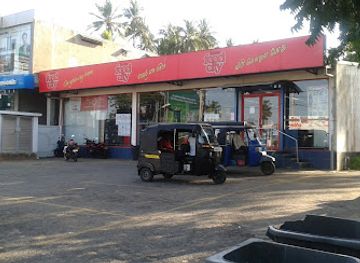
Cargills Food City - Hambanthota
Explore Cargills Food City in Hambanthota for a delightful selection of local and international groceries, perfect for every culinary enthusiast.
-
Candy store
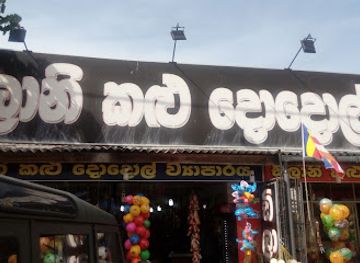
Dilani Kalu Dodol
Discover the sweet flavors of Sri Lanka at Dilani Kalu Dodol, a charming candy store in Hambantota offering traditional delights.
-
Computer service
Horizon Computers
Explore top-notch computer services and products at Horizon Computers, your trusted tech hub in the heart of Hambantota.
-
Shopping mall
Champa Kalu Dodol Hambantota
Experience the vibrant shopping scene at Champa Kalu Dodol Hambantota, where local culture meets modern retail in an inviting atmosphere.

Get your free copy of our complete guide to Hambantota District, delivered straight to you.
Everything on this page, from attractions and restaurants to essentials and local phrases, in one PDF you can read offline, print or share.
Already have an account? Sign in
Your Hambantota District guide is ready.
We'll send it to · Not you? Sign out

Getting your guide ready…
We are putting together a fresh copy of the Hambantota District guide. This can take up to a minute.
This can take a few moments. If your browser asks, choose Allow so the download can start. You'll find the guide in your Downloads folder.
Nothing happened? Download it again
Sorry, the guide is taking longer than usual. Please try again in a minute, or get it by email instead.
Hambantota District essentials
Currency and Payment
Safety
Emergency Situations
Do's and Don'ts
Local Tips
From Eve
Local phrases worth knowing
You don't need to get them perfect. A few words go a long way, and locals appreciate the effort.
Basics
| English | Local | Say it |
|---|---|---|
| Hello | ආයුබෝවන් | [Āyubōvan] |
| Goodbye | ආයුබෝවන් | [Āyubōvan] |
| Yes | ඔව් | [Ov] |
| No | නැහැ | [Næhæ] |
| Please/You're welcome | කරුණාකර/ආයුබෝවන් | [Karunākara/Āyubōvan] |
| Thank you | ස්තූතියි | [Stūtiyi] |
| Excuse me/Sorry | කණගාටුයි | [Kaṇagāṭuyi] |
| How are you? | ඔබට කොහෙද? | [Obaṭa koheda?] |
| Fine. And you? | හරි. ඔබට? | [Hari. Obaṭa?] |
| Do you speak English? | ඔබට ඉංග්රීසි කතා කරන්නේද? | [Obaṭa iṅgrīsi kathā karannēda?] |
| I don't understand | මට තේරෙන්නේ නැහැ | [Maṭa thērennē næhæ] |
Eating & Drinking
| English | Local | Say it |
|---|---|---|
| I'd like to see the menu, please | කරුණාකර මෙනුව බලන්න | [Karunākara menuva balanna] |
| I don't eat meat | මට මස් කෑම නැහැ | [Maṭa mas kæma næhæ] |
| Cheers! | ආයුබෝවන්! | [Āyubōvan!] |
| I would like to pay, please | කරුණාකර ගෙවන්න | [Karunākara gewanna] |
Emergencies
| English | Local | Say it |
|---|---|---|
| Help! | ආධාරයක්! | [Ādhārayak!] |
| Go away! | දුරට යන්න! | [Durata yanna!] |
| Call the Police! | පොලිසිය හොඳින් ඇ හෝ! | [Polisiya hondin æ hō!] |
| Call a doctor! | ඩොකටරය ඇ හෝ! | [Ḍokaṭaraya æ hō!] |
| I'm lost | මට අහසක් විය | [Maṭa ahasak viya] |
| I'm ill | මට අසනීපයි | [Maṭa asanīpayī] |
Shopping
| English | Local | Say it |
|---|---|---|
| I'd like to buy... | මට ... මිලදී ගන්න ඕනෑ | [Maṭa ... milādī ganna ōnē] |
| I'm just looking | මම පෙනී සිටී | [Mama penī sitī] |
| How much is it? | එය කොපමණද? | [Eya kopamaṇada?] |
| That's too expensive | එය බොහෝ මිලටයි | [Eya bohō milatayī] |
| Can you lower the price? | මිල පහළ කරන්න පුළුවන්ද? | [Mila pahala karanna puḷuvanda?] |
Time & Numbers
| English | Local | Say it |
|---|---|---|
| What time is it? | දැන් කීයක්ද? | [Dæn kiyākda?] |
| It's one o'clock | එය එකයි | [Eya ekayi] |
| Half past (10) | අඩු ගණනක් (10) | [Aḍu gaṇanak (10)] |
| Morning | උදේ | [Udē] |
| Afternoon | දහවල් | [Dahawal] |
| Evening | වෙලාව | [Velāwa] |
| Yesterday | ඊයේ | [Īyē] |
| Today | අද | [Ada] |
| Tomorrow | හෙට | [Hæṭa] |
| 1 | 1 | [1] |
| 2 | 2 | [2] |
| 3 | 3 | [3] |
| 4 | 4 | [4] |
| 5 | 5 | [5] |
| 6 | 6 | [6] |
| 7 | 7 | [7] |
| 8 | 8 | [8] |
| 9 | 9 | [9] |
| 10 | 10 | [10] |
Transport & Directions
| English | Local | Say it |
|---|---|---|
| Where's a/the...? | කොහෙද ...? | [Koheda ...?] |
| What's the address? | ලිපිනය කුමක්ද? | [Lipinaya kumakda?] |
| Can you show me (on the map)? | මට පෙන්වන්න පුළුවන්ද (මැප් එකේ)? | [Maṭa penwanna puḷuvanda (mæp ekē)?] |
| When's the next (bus)? | ආපසු (බස්) කවදද? | [Āpasu (bas) kawadada?] |
| A ticket (to ....) | ට්රෙෂ්පයක් (ට ...) | [Ṭreṣpayak (ṭa ...)] |
History of Hambantota District
Early Settlement and the Ancient Ruhuna Kingdom
Southern Sri Lanka was associated with Ruhuna, a kingdom and political sphere that often operated alongside the island’s northern centres of power. The region’s dry-zone settlement depended on tanks, reservoirs and paddy cultivation, while its position near the southern and south-eastern coast supported links with maritime trade. Archaeological remains around Tissamaharama, including ancient religious monuments and settlement layers, show that this was not an isolated frontier but an organised landscape with agriculture, commerce and Buddhist institutions.
Buddhist Foundations around Tissamaharama
Tissamaharama became one of the principal religious and political centres of ancient southern Sri Lanka. The Tissamaharama Stupa, Yatala Vehera and nearby monasteries reflect the expansion of Buddhism and the patronage of regional rulers. The associated tanks and cultivated plains illustrate the close relationship between religious communities and irrigation-based agriculture. Although the surviving monuments have been restored and altered over time, the area remains important for understanding the historical prominence of Ruhuna.
Monastic Landscapes of the Dry Zone
Rock monasteries and cave sanctuaries developed across the district as Buddhist communities sought secluded locations while remaining connected to settled agricultural areas. Sithulpahuwa, within the wider Yala landscape, is especially notable for its caves, stupas and elevated setting. Mulkirigala, near the southern coast, later became an important monastic centre with cave temples and painted interiors. Together, these sites show how religious life adapted to rocky outcrops, forest margins and the seasonal environment of southern Sri Lanka.
European Maritime Influence and Coastal Trade
From the sixteenth century, Portuguese and later Dutch and British powers competed for influence along Sri Lanka’s coasts, seeking control of ports, trade routes and valuable commodities. The southern coast did not lose its older connections, but European intervention altered patterns of administration, commerce and coastal defence. Hambantota and surrounding settlements remained linked to salt production, fishing, agriculture and maritime movement, while colonial rule gradually introduced new legal and economic structures across the district.
Irrigation, Agriculture and the Dry-Zone Economy
Water management has shaped Hambantota for centuries, but modern irrigation schemes significantly expanded cultivation and resettlement in the twentieth century. Reservoirs and canals enabled paddy farming and supported villages in landscapes where rainfall is seasonal and unreliable. These changes also affected wildlife habitats, wetlands and traditional land use. The district’s present character—an interwoven pattern of tanks, farmland, scrub, settlements and protected areas—owes much to the continuing effort to balance agriculture with the dry-zone environment.
National Parks and Conservation
The creation and expansion of protected areas transformed parts of Hambantota into major destinations for nature tourism. Yala, Bundala and Lunugamwehera protect different combinations of dry forest, grassland, lagoons, wetlands and reservoirs, while coastal conservation initiatives address the needs of sea turtles and migratory birds. Conservation has brought international attention and tourism income, but it also requires careful management of visitor numbers, vehicle behaviour, water use and the relationship between wildlife habitats and neighbouring communities.
Hambantota’s Contemporary Port and Development
In the twenty-first century, Hambantota became the focus of major infrastructure projects, including an international port and associated industrial and logistics plans. The projects reflect Sri Lanka’s strategic position along Indian Ocean shipping routes and have reshaped parts of the district’s coastal economic landscape. Their presence contrasts with the area’s older livelihoods in salt-making, fishing and farming, illustrating the competing scales of contemporary development, environmental protection and regional heritage.
Hambantota District in Photos
Browse through our photo collection highlighting the charm and character of the destination.
Neighbouring regions of Hambantota District
The closest regions to Hambantota District, if you have time for more than one.
-

-

-

-

-


Swipe for more regions
Explore more

Explore more of Sri Lanka
Discover Sri Lanka: Rich culture, stunning landscapes, and warm hospitality await you in this tropical paradise. Explore ancient cities, wildlife, tea plantations, and pristine beaches.
Explore Sri Lanka