

Free Southern Province Travel Guide & Mobile App
Explore Southern Province with free travel guides. Discover regional history, expert tips, proposed trips, and audio guides on web or mobile app.


Explore Southern Province for Galle Fort, surf beaches, whale-watching, rainforest, lagoons and wildlife across Sri Lanka’s varied southern coast.
Read more about Southern Province
When is the best time to visit Southern Province?
Best: January–March · 30°C| Month | High (°C) | Rainfall (mm) |
|---|---|---|
| January (best) | 30 | 100 |
| February (best) | 30 | 90 |
| March (best) | 30 | 115 |
| April | 31 | 160 |
| May | 31 | 220 |
| June | 31 | 190 |
| July | 31 | 165 |
| August | 31 | 150 |
| September | 30 | 170 |
| October | 30 | 240 |
| November | 30 | 220 |
| December | 30 | 170 |
Getting to and around Southern Province
How to get there
Transportation
Top city travel guides in Southern Province
The cities of Southern Province, and the easiest places to base yourself.
-

-

-

-

-


Swipe for more cities
Destinations in Southern Province
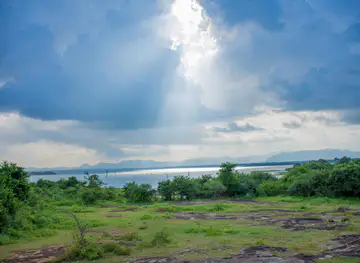
Resorts, valleys and scenic spots worth a trip of their own.
-

-
-

-

-


Swipe for more destinations
Best attractions in Southern Province
Southern Province offers a broad mix of heritage, coast and wildlife rather than one concentrated attraction circuit. Galle Fort is the principal cultural focus, with ramparts, historic buildings, churches, museums and independent galleries within a living urban neighbourhood. Around Galle, Koggala Lake provides boat trips through mangroves and islands, while Kanneliya and other wet-zone forest landscapes offer birdwatching, guided walks and a cooler contrast to the shore. Hikkaduwa, Unawatuna, Weligama and Mirissa are associated with swimming where conditions permit, surfing, snorkelling and marine excursions, though reefs and currents require responsible local guidance. Farther east, Bundala National Park is known for lagoons and birdlife, while Yala’s Hambantota landscapes offer organised safaris in dry forest and scrub. Kalametiya’s wetlands are valuable for waterbirds and quiet boat journeys, and Mulkirigala provides a dramatic cultural and archaeological setting among rock outcrops. Temples, village markets, cinnamon-producing areas and the historic townscapes of Matara add depth between major sites. Distances are significant, so these experiences are best grouped geographically rather than attempted as a series of short day trips from one coastal base.
-
Tourist attraction
Hummanaya Blow Hole
Discover the breathtaking Hummanaya Blow Hole in Kudawella, where nature's power creates stunning water displays and unforgettable memories.
-
Buddhist temple
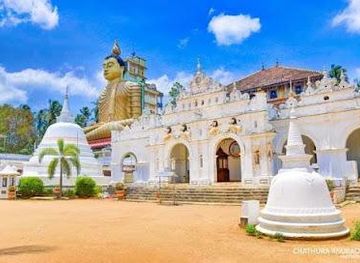
Wewurukannala Buduraja Maha Viharaya
Discover the serene beauty and rich culture of Wewurukannala Buduraja Maha Viharaya, a striking Buddhist temple in Dikwella, Sri Lanka.
-
Tour operator
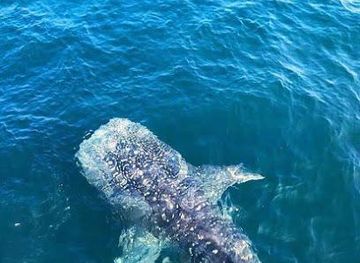
Whale Watching Mirissa with Kumara
Experience the breathtaking beauty of whale watching in Mirissa, Sri Lanka with Kumara Whale Watching.
-
Buddhist temple
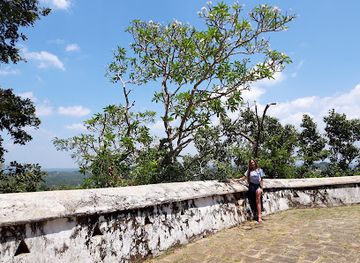
Mulgirigala Raja Maha Viharaya
Explore the serene beauty and rich cultural heritage of Mulgirigala Raja Maha Viharaya, a captivating Buddhist temple in southern Sri Lanka.

Best landmarks in Southern Province
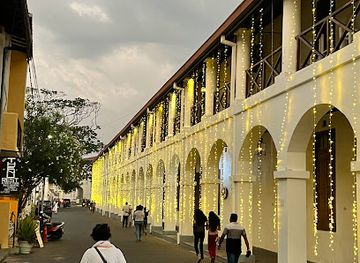
Galle Fort is Southern Province’s defining architectural landmark: its Portuguese origins, Dutch reconstruction, stone ramparts, bastions and grid of streets create a rare surviving fortified town on the Indian Ocean. Within it, the Dutch Reformed Church and other colonial-era buildings illustrate the commercial and religious history of the port, while the fort walls remain important public viewpoints rather than a museum enclosure. At the province’s southern tip, Dondra Head marks the island’s southernmost point and is associated with the historic Devundara Devalaya and the tall modern lighthouse, although access to individual structures can vary. Matara Fort and Star Fort represent later layers of European military planning, with the smaller Star Fort standing inland from the main coastal stronghold. Mulkirigala Rock Temple in Hambantota District rises above the dry-zone landscape and combines rock shelters, stairways, caves and Buddhist paintings with a long monastic tradition. The lagoons and salt-marsh horizons of Bundala and Kalametiya are natural landmarks as well as protected habitats, while the forested hills inland of Galle provide a marked visual contrast to the open southern shore.
-
Buddhist temple
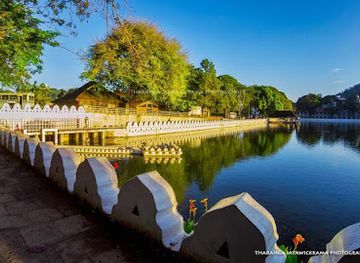
Sri Dalada Maligawa
Experience the spiritual essence of Sri Lanka at the iconic Sri Dalada Maligawa, a UNESCO World Heritage Site in Kandy.
-
Fortress
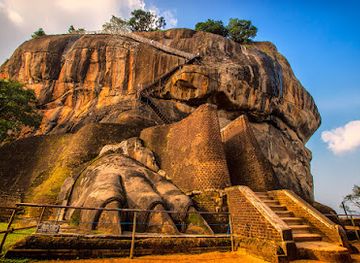
Sigiriya
Discover the ancient wonder of Sigiriya, Sri Lanka's breathtaking rock fortress, steeped in history and surrounded by stunning landscapes.
-
Fortress
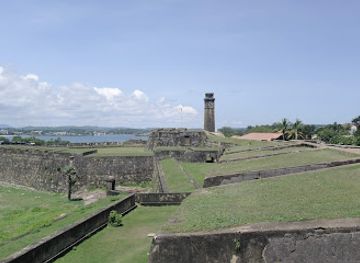
Galle Dutch Fort
Explore the historical charm and stunning coastal views of Galle Dutch Fort, a UNESCO World Heritage Site steeped in colonial history.
-
City park
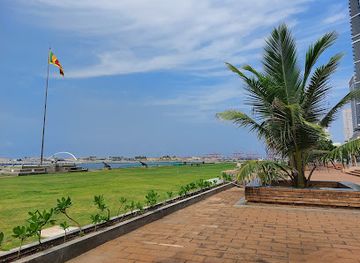
Galle Face Green
Discover Galle Face Green, a coastal park in Colombo that blends relaxation with local culture and stunning ocean views.
Explore Southern Province on the map
Plan your trip on one map. See where the top cities, national parks and sights are, and book hotels and experiences in a few clicks.
Best hotels in Southern Province
Best restaurants in Southern Province
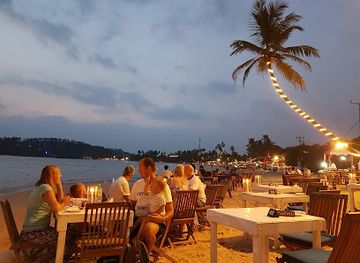
Dining in Southern Province reflects the coast, agricultural hinterland and Sri Lanka’s wider rice-and-curry tradition. Fish and seafood are prominent in coastal towns, with daily availability varying according to weather and landing conditions; prawns, crab and grilled or curried fish appear alongside coconut sambols, dhal and vegetable dishes. Galle and the established beach settlements offer the widest choice, from cafés and bakeries to contemporary restaurants and hotel dining, while smaller villages are more likely to serve home-style meals, short eats and rice plates. The south is strongly associated with cinnamon, which is used in savoury cooking, tea and sweets, and local markets also feature coconut, bananas, papaya, jackfruit and other tropical produce. Weligama and Matara provide useful places to sample everyday southern food beyond resort menus. Ask about spice levels rather than assuming that every dish is mild, and try regional preparations at family-run eateries where possible. Tea, king coconut and fruit drinks are common refreshments; alcohol availability is more limited around religious sites and in some rural communities.
-
Seafood
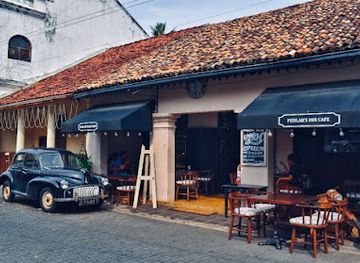
Pedlar's Inn Cafe and Restaurant
Discover exquisite seafood dining at Pedlar's Inn Cafe in Galle – where local flavors meet stunning coastal views.
-
Restaurant
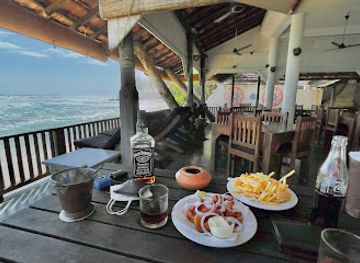
Wijaya Beach Restaurant
Discover delightful dining at Wijaya Beach Restaurant - where fresh seafood meets breathtaking ocean views on Sri Lanka's southern coast.
-
Restaurant
The Dutchman's Street
Discover the flavors of Sri Lanka at The Dutchman's Street in Matara - where culinary tradition meets modern delight.
-
Restaurant
Zephyr Ceylon
Experience exquisite dining and stunning views at Zephyr Ceylon in Kamburugamuwa - A must-visit culinary destination in Sri Lanka.
Best bars in Southern Province
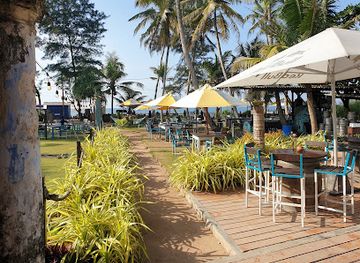
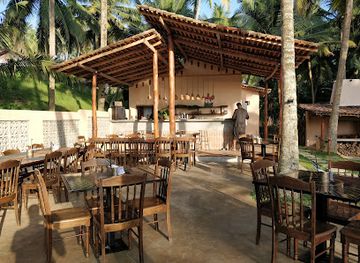
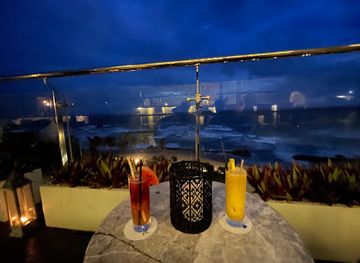
Nightlife in Southern Province is concentrated along the tourist coast, particularly around Galle Fort, Unawatuna, Hikkaduwa, Weligama and Mirissa, rather than in a single large entertainment district. Galle Fort has wine bars, cocktail-led venues, hotel lounges and restaurants suited to an early evening, while beach settlements offer relaxed bars, cafés and occasional live music. Hikkaduwa and parts of the western southern coast have a longer-established party reputation, but the scale and schedule of nightlife change with the season and local licensing arrangements. Weligama and Mirissa tend towards surf cafés, beach bars and informal evening dining, whereas Matara and Hambantota are more oriented towards local restaurants, family gatherings and everyday town life. Outside these centres, rural evenings generally revolve around small restaurants, tea shops and neighbourhood gatherings rather than clubs. Check transport before staying out late, respect noise restrictions and local religious observances, and choose venues that handle waste responsibly near beaches and lagoons.
-
Bar
Zephyr Ceylon
Discover the delightful flavors of Zephyr Ceylon, a unique bar and restaurant offering stunning ocean views and exquisite dishes on Sri Lanka's southern coast.
-
Bar
The Doctor's House
Experience vibrant local culture and delicious cuisine at The Doctor's House, Matara's top destination for food, drinks, and live music.
-
Restaurant
Smoke & Bitters
Discover the vibrant flavors and unique culinary creations at Smoke & Bitters, a must-visit restaurant in Dickwella, Sri Lanka.
-
 Restaurant
The Bungalow Galle Fort - Restaurant & Bar.
Experience the vibrant culinary scene at The Bungalow Galle Fort, a perfect blend of local flavors and international cuisine in the heart of Galle.
Best nightclubs in Southern Province
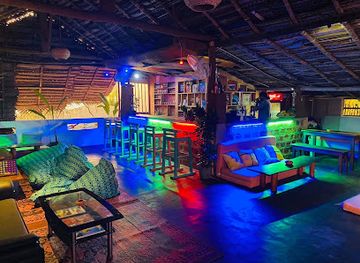
Nightlife in Southern Province is concentrated along the tourist coast, particularly around Galle Fort, Unawatuna, Hikkaduwa, Weligama and Mirissa, rather than in a single large entertainment district. Galle Fort has wine bars, cocktail-led venues, hotel lounges and restaurants suited to an early evening, while beach settlements offer relaxed bars, cafés and occasional live music. Hikkaduwa and parts of the western southern coast have a longer-established party reputation, but the scale and schedule of nightlife change with the season and local licensing arrangements. Weligama and Mirissa tend towards surf cafés, beach bars and informal evening dining, whereas Matara and Hambantota are more oriented towards local restaurants, family gatherings and everyday town life. Outside these centres, rural evenings generally revolve around small restaurants, tea shops and neighbourhood gatherings rather than clubs. Check transport before staying out late, respect noise restrictions and local religious observances, and choose venues that handle waste responsibly near beaches and lagoons.
-
Grill
Surf Control Rooftop Lounge
Experience the best of coastal dining at Surf Control Rooftop Lounge, where exquisite flavors meet stunning ocean views in Hikkaduwa.
-
Bar
Bommu Lounge & Bar at Radisson Blu Resort, Galle
Discover the serene Bommu Lounge & Bar at Radisson Blu Resort, Galle, where relaxation meets exquisite flavors and breathtaking views.
-
Fishing club
Sweetheart by Club Mirissa
Explore Sweetheart by Club Mirissa, where fishing meets fun in a vibrant riverside setting, perfect for relaxation and local flavors.
-
Night club
Arabian Youth Club
Discover the vibrant energy of the Arabian Youth Club in Beruwala, where youth and nightlife come alive with music, dance, and unforgettable experiences.
Best shops in Southern Province
Shopping in Southern Province ranges from practical town markets to craft and food-focused purchases in coastal visitor centres. Galle Fort has the most concentrated selection of galleries, design shops, bookshops, jewellery sellers, textiles and contemporary crafts, though prices and provenance vary and visitors should ask clear questions about materials. Matara is a useful everyday shopping centre with clothing, household goods, spices and produce, while Hikkaduwa, Weligama and Mirissa have smaller collections of beachwear, surf-related items, handicrafts and souvenirs. Cinnamon is the province’s most characteristic purchase; buy packaged products from reputable sellers and check labelling when quality matters. Markets and roadside stalls offer tropical fruit, tea, coconut products, dried fish and spice mixtures, but perishable goods may be difficult to transport. Handwoven textiles, woodwork, masks and jewellery can be found in tourist areas, although not every item marketed as locally made has a clear regional origin. Bargaining is common in informal markets but should remain courteous; fixed-price shops and established galleries provide greater clarity over cost and provenance.
-
Shopping mall
Old Dutch Hospital
Experience the historic charm and vibrant atmosphere of Old Dutch Hospital in Galle, a unique shopping and dining destination.
-
Clothing store
The Factory Outlet - Galle
Discover fashion treasures at The Factory Outlet in Galle, where style meets affordability for the discerning traveler.
-
Tourist attraction
Sunflower Arts & Crafts
Discover the essence of Sri Lankan craftsmanship at Sunflower Arts & Crafts, where unique souvenirs and local artistry come together in Bentota.
-
Jeweler
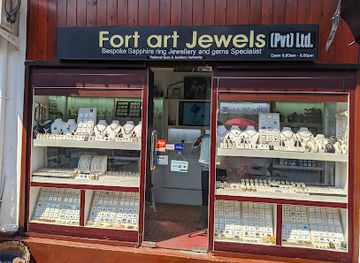
Fort Art Jewels
Explore the charm of Fort Art Jewels in Galle, where exquisite craftsmanship meets exceptional service in the heart of Sri Lanka.
Get your free copy of our complete guide to Southern Province, delivered straight to you.
Everything on this page, from attractions and restaurants to essentials and local phrases, in one PDF you can read offline, print or share.
Already have an account? Sign in
Your Southern Province guide is ready.
We'll send it to · Not you? Sign out

Getting your guide ready…
We are putting together a fresh copy of the Southern Province guide. This can take up to a minute.
This can take a few moments. If your browser asks, choose Allow so the download can start. You'll find the guide in your Downloads folder.
Nothing happened? Download it again
Sorry, the guide is taking longer than usual. Please try again in a minute, or get it by email instead.
Southern Province essentials
Currency and Payment
Safety
Emergency Situations
Do's and Don'ts
Local Tips
From Eve
Local phrases worth knowing
You don't need to get them perfect. A few words go a long way, and locals appreciate the effort.
Basics
| English | Local | Say it |
|---|---|---|
| Hello | ආයුබෝවන් | [Āyubōvan] |
| Goodbye | ස්තුතියි | [Stūthiyi] |
| Yes | ඔව් | [Ov] |
| No | නැහැ | [Næhæ] |
| Please/You're welcome | කරුණාකර | [Karunakara] |
| Thank you | ස්තූතියි | [Stūthiyi] |
| Excuse me/Sorry | කණගාටුයි | [Kaṇagāṭuyi] |
| How are you? | ඔබට කොහොමද? | [Obaṭa kohomada?] |
| Fine. And you? | හොඳයි. ඔබට? | [Hoṇḍayi. Obaṭa?] |
| Do you speak English? | ඔබට ඉංග්රීසි කතා කරන්න ද? | [Obaṭa iṅgrīsi kathā karanna da?] |
| I don't understand | මට තේරෙන්නේ නැහැ | [Maṭa thēreṇnē næhæ] |
Eating & Drinking
| English | Local | Say it |
|---|---|---|
| I'd like to see the menu, please | කරුණාකර මෙනුව බලන්න | [Karunakara menuva balanna] |
| I don't eat meat | මට මස් කෑමක් නැහැ | [Maṭa mas kæmak næhæ] |
| Cheers! | සුභපැතුම්! | [Subhapæṭhum!] |
| I would like to pay, please | කරුණාකර ගෙවන්න | [Karunakara gewanna] |
Emergencies
| English | Local | Say it |
|---|---|---|
| Help! | ආධාර කරන්න! | [Ādhāra karanna!] |
| Go away! | ඔන්න ගිහින්! | [Onna gihīn!] |
| Call the Police! | පොලිසිය අමතා! | [Polisiya amathā!] |
| Call a doctor! | සෞඛ්ය වෛද්යය අමතා! | [Saukhya vaidya amathā!] |
| I'm lost | මට හමු නොවේ | [Maṭa hamu novae] |
| I'm ill | මට රෝගීයි | [Maṭa rōgīyi] |
Shopping
| English | Local | Say it |
|---|---|---|
| I'd like to buy... | මම ... මිලදී ගන්න කැමතියි | [Mama ... milādī ganna kæmaṭiyi] |
| I'm just looking | මම බලනවාම | [Mama balanavāma] |
| How much is it? | ඒක කොච්චරද? | [Ēka kochcharada?] |
| That's too expensive | ඒක ඉතා වැයියි | [Ēka ithā væyiyi] |
| Can you lower the price? | මිල වැටුම් කළ හැකිද? | [Mila væṭum kaḷa hækidā?] |
Time & Numbers
| English | Local | Say it |
|---|---|---|
| What time is it? | දැන් කීයටද? | [Dæn kīyatada?] |
| It's one o'clock | එය එකයි | [Eya ekayi] |
| Half past (10) | අර්ධය (10) | [Ardhaya (10)] |
| Morning | පැතියි | [Pæṭhiyi] |
| Afternoon | දහවල් | [Dahaval] |
| Evening | සිහිනය | [Sihinaya] |
| Yesterday | ඊයේ | [Īyē] |
| Today | අද | [Ada] |
| Tomorrow | හෙට | [Heṭa] |
| 1 | 1 | [1] |
| 2 | 2 | [2] |
| 3 | 3 | [3] |
| 4 | 4 | [4] |
| 5 | 5 | [5] |
| 6 | 6 | [6] |
| 7 | 7 | [7] |
| 8 | 8 | [8] |
| 9 | 9 | [9] |
| 10 | 10 | [10] |
Transport & Directions
| English | Local | Say it |
|---|---|---|
| Where's a/the...? | කොහේ ...? | [Kohē ...?] |
| What's the address? | ලිපිනය කුමක්ද? | [Lipinaya kumakda?] |
| Can you show me (on the map)? | මට පෙන්වන්න පුළුවන්ද? | [Maṭa pænvanna puḷuvanda?] |
| When's the next (bus)? | ඊළඟ (බස්) කවදද? | [Īḷaṅga (bas) kawadada?] |
| A ticket (to ....) | එක් ටිකට්පත (....) | [Ek ṭikaṭpatha (....)] |
History of Southern Province
Early settlements and Buddhist heritage
Southern Sri Lanka has a long archaeological and religious history, reflected in ancient Buddhist sites, monastic remains and inscriptions distributed across the region. The southern lowlands supported agriculture, inland settlement and coastal exchange, while Buddhist institutions became important centres of learning and landholding. Many historic temples have been rebuilt or altered over time, so the visible structures do not always date from the earliest periods. Even so, the continued importance of Buddhist worship, sacred trees, image houses and monastic compounds provides a direct link between the province’s contemporary communities and its earlier political and cultural landscapes.
Ports, cinnamon and Indian Ocean trade
The southern coast formed part of the Indian Ocean trading world for centuries, linking Sri Lanka with ports in India, Arabia and Southeast Asia. Cinnamon was among the most valuable products associated with the island, while pearls, gems, ivory, coir and other commodities also moved through coastal networks. Galle’s sheltered harbour helped make the area an important point of contact, although trade was never confined to one port. Coastal settlements absorbed religious, linguistic and architectural influences from merchants and migrants, creating a maritime culture that predates European colonial rule.
Portuguese and Dutch rule
Portuguese forces established control over parts of the southern coast in the sixteenth century, competing with local rulers and existing trading communities. The Dutch East India Company displaced them in the seventeenth century and developed the fortified settlement at Galle into a major administrative and commercial centre. The surviving Galle Fort, with its ramparts, bastions, street plan and institutional buildings, is the clearest physical legacy of this period. Dutch influence also affected cinnamon administration, Christianity, legal practice and coastal architecture, although these changes existed alongside established Sinhala and Buddhist institutions.
British Ceylon and changing transport
British rule followed the capture of Dutch possessions at the end of the eighteenth century and the later incorporation of the Kandyan kingdom into the colonial state. Under British Ceylon, plantation agriculture expanded in the island’s wetter districts, while roads, postal services and railways altered the relationship between southern towns and Colombo. Galle and Matara became significant administrative and commercial centres, and coastal trade increasingly operated within an imperial economy. Rail connections later helped open the southern shoreline to movement of people, produce and visitors, leaving a lasting influence on regional settlement patterns.
Cinnamon, coconut and the rural economy
Agriculture remained central to Southern Province after independence, with cinnamon especially associated with the coastal districts around Galle and Matara. Coconut, paddy, rubber, tea in wetter inland areas, fishing and small-scale commerce have also shaped livelihoods. Cinnamon production ranges from cultivation to peeling, processing and trade, and its regional importance is visible in local food, gardens and agricultural landscapes. The province’s economy has never been solely rural: ports, markets, schools, religious institutions and expanding towns have connected farming communities with national and international commerce.
Independence and coastal transformation
Sri Lanka’s independence in 1948 brought the southern districts into a national administrative and economic framework, while Galle and Matara retained their roles as major regional towns. From the late twentieth century, beaches, historic Galle Fort and marine activities attracted increasing international tourism. Guesthouses, cafés and small hotels spread along parts of the coast, producing opportunities as well as pressure on land, waste management and shore environments. The 2004 Indian Ocean tsunami caused severe loss of life and damage in coastal communities, after which reconstruction and disaster preparedness became important parts of the region’s modern history.
Wildlife conservation and the dry-zone south
The eastern part of the province has become increasingly associated with protected habitats, including Bundala National Park, Yala National Park’s southern landscapes and wetland areas such as Kalametiya. Conservation protects lagoons, coastal scrub, marshes and dry-zone forests that support birds, elephants, leopards and other wildlife, while also regulating access to traditional landscapes. Tourism linked to safaris has grown, but the region remains shaped by farming, fishing, salt production and water management. The modern south therefore combines heritage tourism and beach travel with a significant conservation economy.
Southern Province in Photos
Browse through our photo collection highlighting the charm and character of the destination.
Neighbouring regions of Southern Province
The closest regions to Southern Province, if you have time for more than one.
-

-

-

-

-


Swipe for more regions
Explore more

Explore more of Sri Lanka
Discover Sri Lanka: Rich culture, stunning landscapes, and warm hospitality await you in this tropical paradise. Explore ancient cities, wildlife, tea plantations, and pristine beaches.
Explore Sri Lanka