

Free Matara District Travel Guide & Mobile App
Explore Matara District with free travel guides. Discover regional history, expert tips, proposed trips, and audio guides on web or mobile app.


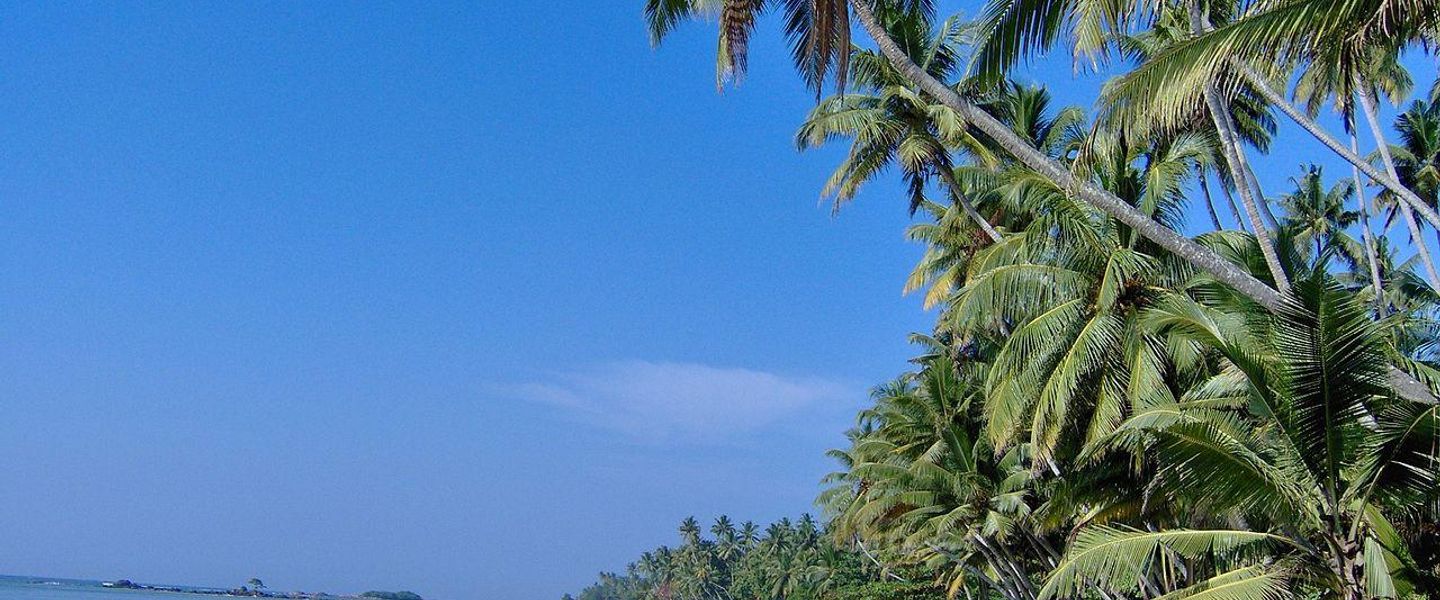


Matara District combines Sri Lanka’s southern beaches, surf bays, historic forts, pilgrimage temples, seafood and distinctive coastal landscapes.
Read more about Matara District
When is the best time to visit Matara District?
Best: January–March · 30–31°C| Month | High (°C) | Rainfall (mm) |
|---|---|---|
| January (best) | 30 | 75 |
| February (best) | 31 | 60 |
| March (best) | 31 | 85 |
| April | 32 | 160 |
| May | 32 | 300 |
| June | 32 | 200 |
| July | 31 | 150 |
| August | 31 | 150 |
| September | 31 | 190 |
| October | 31 | 290 |
| November | 31 | 240 |
| December | 30 | 160 |
Getting to and around Matara District
How to get there
Transportation
Top city travel guides in Matara District
The cities of Matara District, and the easiest places to base yourself.
-

-

-

-


Swipe for more cities
Best attractions in Matara District
Matara District’s attractions range from colonial military architecture and pilgrimage centres to surf beaches, sheltered coves and marine excursions. In Matara, Matara Fort and Star Fort provide an compact introduction to the district’s European colonial history, while the riverfront and nearby beaches show how the town remains connected to both commerce and the coast. Weligama Bay is suited to beginner surf lessons in appropriate conditions, with nearby Midigama attracting more experienced surfers. Mirissa and the surrounding coast are associated with boat trips and seasonal whale-watching, although sea conditions and responsible operating practices should guide any booking. Polhena offers a more sheltered coastal setting, while Dikwella and Kudawella provide access to beaches, rocky shorelines and Hummanaya, Sri Lanka’s well-known blowhole. Religious visits can include Devinuwara’s temple complex and Weherahena’s large subterranean shrine. Inland roads reveal coconut plantations, paddy fields and villages rather than a single concentrated attraction zone, so private transport or carefully planned local journeys are useful. The district’s appeal lies in combining these different experiences without losing sight of its working coastal communities.
-
Tourist attraction
Coconut Tree Hill
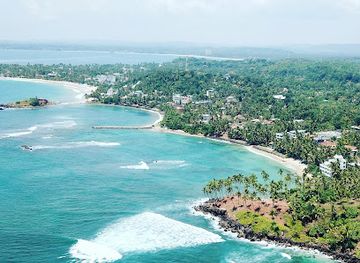
Discover the enchanting beauty of Coconut Tree Hill in Mirissa, Sri Lanka, where lush landscapes meet breathtaking ocean views.
-
Farm
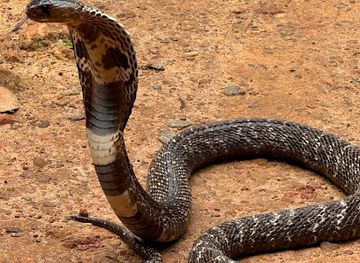
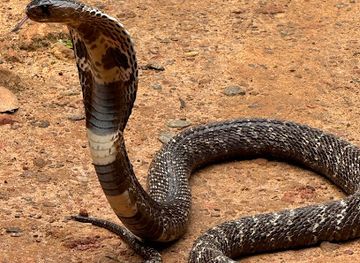
Snake Farm Weligama (Traditional Farm)
Explore Snake Farm Weligama, a captivating traditional farm showcasing Sri Lanka's rich biodiversity and cultural heritage through its diverse snake species and farming practices.
-
Landmark
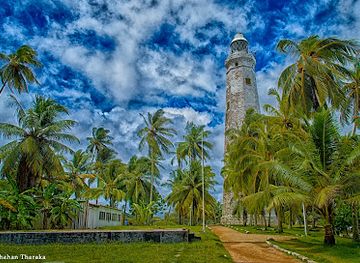
Dondra Head
Experience the breathtaking beauty and rich maritime history at Dondra Head, Sri Lanka's southernmost landmark.
-
Animal protection organization
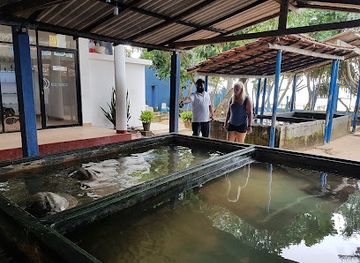
Sea Turtle Hatchery - Habaraduwa
Explore the Sea Turtle Hatchery in Habaraduwa, a vital conservation site where you can learn about and witness the amazing journey of sea turtles.
Best landmarks in Matara District
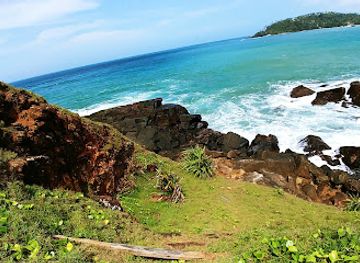
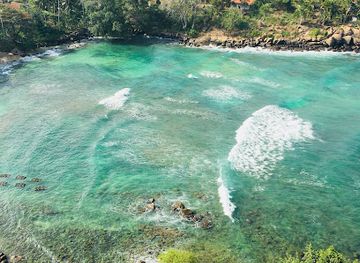
Matara Fort is the district’s most prominent colonial landmark, occupying the river-side position that helped protect the settlement and its maritime connections. Across the Nilwala River, Star Fort is a smaller and distinctive star-shaped defensive work whose compact design reflects the military engineering of the Dutch period. At the southern edge of the district, Dondra Head Lighthouse forms a recognisable maritime landmark, although the lighthouse itself is not generally an ordinary walk-in visitor attraction. Devinuwara’s temple precinct, traditionally known as Dondra, is significant for its long Buddhist and Hindu pilgrimage associations and for the religious history of the southern coast. Weherahena’s monumental Buddha and underground temple complex create another visually distinctive religious site inland from the beaches. Natural landmarks include the rocky coast around Dikwella and Kudawella, particularly Hummanaya, where waves can drive spray through a blowhole. These places differ in character: Matara’s forts represent colonial strategy, Dondra expresses sacred and seafaring history, and the southern shoreline demonstrates the continuing force of ocean, weather and geology.
-
Tourist attraction
Coconut Tree Hill
Experience the stunning beauty of Coconut Tree Hill in Mirissa, Sri Lanka, where palm trees meet the ocean for unforgettable views and tranquility.
-
Buddhist temple
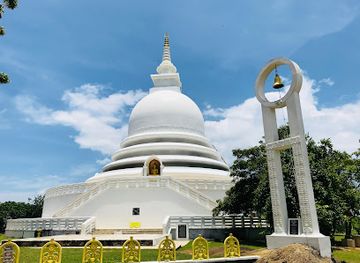
Japanese Peace Pagoda - Rumassala
Discover harmony and tranquility at the Japanese Peace Pagoda in Rumassala, a stunning Buddhist temple offering serene views and a peaceful atmosphere.
-
Farm
Snake Farm Weligama (Traditional Farm)
Experience the wonders of Sri Lanka's biodiversity at Snake Farm Weligama, where traditional farming meets snake conservation in a breathtaking natural setting.
-
Landmark
Dondra Head
Explore Dondra Head, Sri Lanka's southernmost point, featuring stunning views, rich maritime history, and the iconic Dondra Lighthouse.
Explore Matara District on the map
Plan your trip on one map. See where the top cities, national parks and sights are, and book hotels and experiences in a few clicks.
Best hotels in Matara District
Best restaurants in Matara District
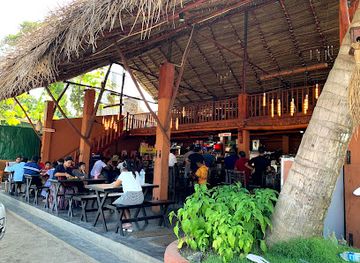
Dining in Matara District is grounded in Sri Lanka’s southern rice-and-curry tradition, with coconut, chilli, curry leaves, tamarind and Maldive fish shaping many everyday dishes. Coastal towns offer grilled or curried fish, prawns and other seafood alongside vegetarian curries, dhal, hoppers, string hoppers and roti. Small cafés and family-run restaurants in Matara, Weligama, Mirissa and Dikwella are often the best places to encounter practical, local cooking, while beach restaurants add international dishes for visitors. Freshness and availability vary with weather and fishing activity, so the catch of the day may change quickly. Tropical fruit, king coconut and sweet snacks are widely available from roadside stalls and markets. Mirissa and Weligama have a broader selection of cafés and contemporary restaurants, whereas inland villages and market areas tend to offer simpler meals at local prices. When ordering seafood, confirm whether the price is by portion or weight, and remember that spice levels can be adjusted if requested.
-
Restaurant
The Dutchman's Street
Discover flavorful dishes and vibrant atmosphere at The Dutchman's Street in Matara - where culinary tradition meets modern flair.
-
Restaurant
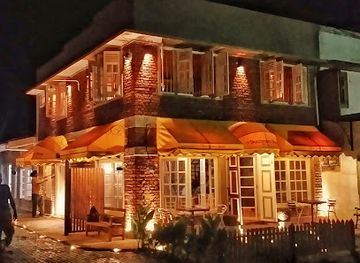
The Doctor's House
Discover exquisite dining and cozy accommodations at The Doctor's House in Matara - where culinary delights meet beachside relaxation.
-
Seafood
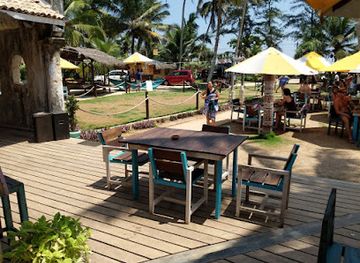
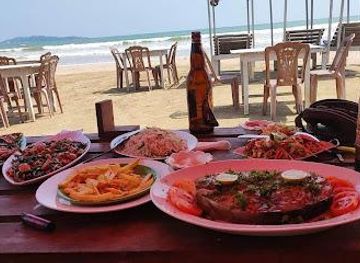
Fish Point Weligama SeaFood Restaurant
Select your fresh catch from the beachside display at Fish Point Weligama, where grilled seafood meets ocean waves in a simple, flavorful Sri Lankan paradise.
-
Restaurant
Matara Kema - Take Away & Restaurant
Discover the authentic taste of Sri Lanka at Matara Kema - where delicious rice and curry await in Godagama.
Best bars in Matara District
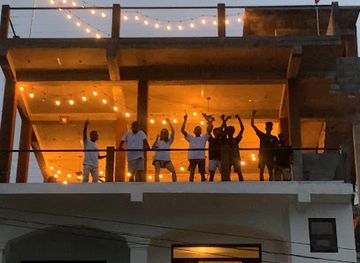
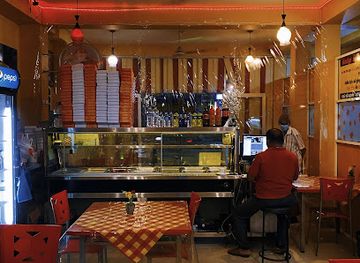
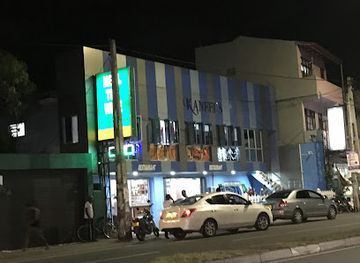
Evening life in Matara District is centred more on cafés, hotel terraces, beach restaurants, traditional pubs and occasional live music than on a large club scene. Weligama and Mirissa have the greatest concentration of visitor-oriented places, with informal venues serving tropical drinks and food near the coast; their atmosphere and operating patterns can be seasonal. Matara offers more conventional town restaurants, cafés and hotel bars, while Dikwella and smaller coastal settlements are generally quieter after dinner. Some guesthouses and surf-oriented businesses organise relaxed social evenings, but these are not permanent festivals or fixed nightlife districts. Visitors should choose well-lit routes back to their accommodation, check local closing arrangements and respect residential neighbourhoods. Alcohol is available in licensed establishments, but enjoying the district’s evening culture does not depend on drinking; sunset walks, seafood dinners and early-morning coastal activities are equally characteristic of the southern coast.
-
Bar
The Doctor's House
Experience the vibrant atmosphere and delightful culinary offerings at The Doctor's House, your coastal retreat in Matara, Sri Lanka.
-
Bar
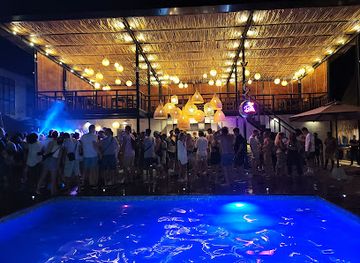
Funky Sol Hotel, Rooftop Bar & Restaurant
Discover the perfect blend of breathtaking views, delicious cuisine, and a lively atmosphere at Funky Sol Hotel, Rooftop Bar & Restaurant in Weligama.
-
Restaurant
Chamin Restaurant and Open Bar
Experience the vibrant flavors of Sri Lanka at Chamin Restaurant and Open Bar, where every meal is a delightful culinary journey.
-
Bar
Neel The Wine
Experience the finest wines and a vibrant atmosphere at Neel The Wine in Matara, a bar that embodies local charm and global flavors.

Best nightclubs in Matara District
Evening life in Matara District is centred more on cafés, hotel terraces, beach restaurants, traditional pubs and occasional live music than on a large club scene. Weligama and Mirissa have the greatest concentration of visitor-oriented places, with informal venues serving tropical drinks and food near the coast; their atmosphere and operating patterns can be seasonal. Matara offers more conventional town restaurants, cafés and hotel bars, while Dikwella and smaller coastal settlements are generally quieter after dinner. Some guesthouses and surf-oriented businesses organise relaxed social evenings, but these are not permanent festivals or fixed nightlife districts. Visitors should choose well-lit routes back to their accommodation, check local closing arrangements and respect residential neighbourhoods. Alcohol is available in licensed establishments, but enjoying the district’s evening culture does not depend on drinking; sunset walks, seafood dinners and early-morning coastal activities are equally characteristic of the southern coast.
-
Bar
The Doctor's House
Experience the vibrant nightlife and exquisite dining at The Doctor's House, Matara's ultimate coastal destination for relaxation and fun.
-
Bar
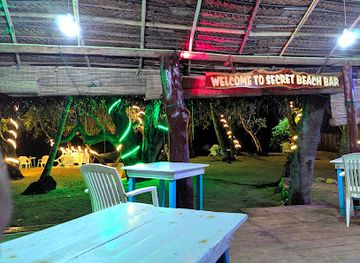
Secret Beach Bar
Experience the tranquil charm of Secret Beach Bar, a hidden oasis on Mirissa Beach, serving delightful drinks and local cuisine.
-
Restaurant
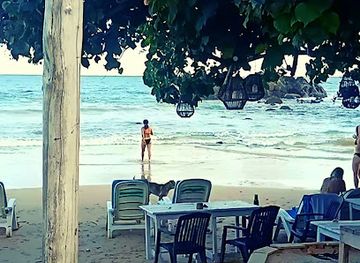
Shima Guni Beach Club
Experience the ultimate beach getaway at Shima Guni Beach Club, where relaxation meets vibrant nightlife in Matara.
-
Bar
Taboo Lounge Mirissa
Discover the taste of Mirissa at Taboo Lounge, where fresh seafood meets creative tapas in a vibrant coastal setting.

Best shops in Matara District
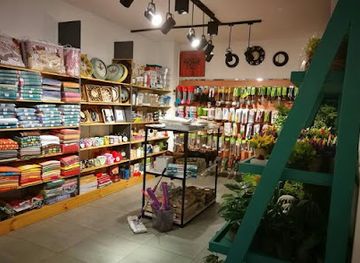
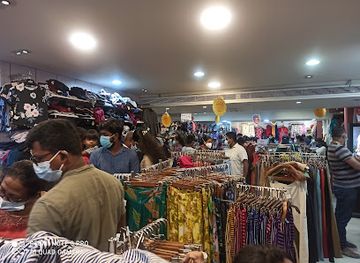
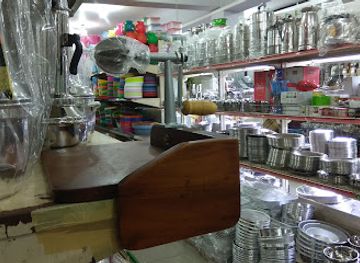
Shopping in Matara District is centred on practical town markets, small high-street businesses, supermarkets, beachside boutiques and informal stalls rather than large luxury centres. Matara has the broadest everyday choice, including clothing, household goods, books, toiletries and produce, while Weligama, Mirissa and Dikwella offer visitor-oriented shops selling beachwear, surf-related items, handicrafts and gifts. Fresh fruit, spices, coconut products, tea and packets of local snacks make useful edible purchases, provided they are bought from reputable sellers and packed appropriately for travel. Fish markets are primarily working food markets rather than souvenir attractions, and visitors should be considerate around traders and customers. Art, jewellery and handmade items appear in coastal shopping areas, but quality and pricing vary, so compare products and ask whether an item is genuinely locally made. Polite bargaining is normal in some informal settings, whereas fixed-price shops and supermarkets generally do not expect it.
-
Clothing store
Fashion Bug - Matara
Discover trendy and affordable fashion at Fashion Bug in Matara, a must-visit clothing store for every stylish traveler.
-
Shopping mall
Kotuwe Kade Shopping Centre
Experience the vibrant Kotuwe Kade Shopping Centre in Matara, where shopping and local culture come together in a delightful atmosphere.
-
Clothing store
Samanmal - Matara
Discover unique Sri Lankan fashion trends at Samanmal, Matara's premier clothing store, offering style and quality for every occasion.
-
Shopping mall
Kotuwe Kade (Pvt) Ltd
Experience the vibrant local culture and shop for unique Sri Lankan crafts at Kotuwe Kade in Matara, a shopping haven for every traveler.

Get your free copy of our complete guide to Matara District, delivered straight to you.
Everything on this page, from attractions and restaurants to essentials and local phrases, in one PDF you can read offline, print or share.
Already have an account? Sign in
Your Matara District guide is ready.
We'll send it to · Not you? Sign out

Getting your guide ready…
We are putting together a fresh copy of the Matara District guide. This can take up to a minute.
This can take a few moments. If your browser asks, choose Allow so the download can start. You'll find the guide in your Downloads folder.
Nothing happened? Download it again
Sorry, the guide is taking longer than usual. Please try again in a minute, or get it by email instead.
Matara District essentials
Currency and Payment
Safety
Emergency Situations
Do's and Don'ts
Local Tips
From Eve
Local phrases worth knowing
You don't need to get them perfect. A few words go a long way, and locals appreciate the effort.
Basics
| English | Local | Say it |
|---|---|---|
| Hello | ආයුබෝවන් | [Aayubowan] |
| Goodbye | ආයුබෝවන් | [Aayubowan] |
| Yes | ඔව් | [Ow] |
| No | නැහැ | [Næhæ] |
| Please/You're welcome | කරුණාකර/ආයුබෝවන් | [Karunākara/Aayubowan] |
| Thank you | ස්තුතියි | [Sthuthiyi] |
| Excuse me/Sorry | කණගාටුයි | [Kaṇagāṭuyi] |
| How are you? | ඔබට කෙසේද? | [Obata kesēda?] |
| Fine. And you? | හොඳයි. ඔබට? | [Hoṇḍayi. Obata?] |
| Do you speak English? | ඔබට ඉංග්රීසි කතා කරන්න පුළුවන්ද? | [Obata iṅgrīsi kathā karanna puḷuvanda?] |
| I don't understand | මට අවබෝධයක් නැහැ | [Maṭa avabōdhayak næhæ] |
Eating & Drinking
| English | Local | Say it |
|---|---|---|
| I'd like to see the menu, please | කරුණාකර මෙනුව බලන්න | [Karunākara menuwa balanna] |
| I don't eat meat | මට මාස් නොකියනවා | [Maṭa mā́s nokiyanavā] |
| Cheers! | සුභපැතුම්! | [Subhapæṭhum!] |
| I would like to pay, please | කරුණාකර මම ගෙවීමට කැමතියි | [Karunākara mama gevīmaṭa kæmaṭiyi] |
Emergencies
| English | Local | Say it |
|---|---|---|
| Help! | ඇයි! | [Æyi!] |
| Go away! | පැන යන්න! | [Pæna yanna!] |
| Call the Police! | පුද්ගල සවිස්තරය අමතන්න! | [Pudgala savistharaya amathanna!] |
| Call a doctor! | ඩොක්ටරන් අමතන්න! | [Ḍokṭaran amathanna!] |
| I'm lost | මට හමුවෙන්නෙ නැහැ | [Maṭa hamuvenne næhæ] |
| I'm ill | මට රෝගීයි | [Maṭa rōgīyi] |
Shopping
| English | Local | Say it |
|---|---|---|
| I'd like to buy... | මට ... මිලදී ගැනීමට කැමතියි | [Maṭa ... miladī gænīmaṭa kæmaṭiyi] |
| I'm just looking | මට බලන්නයි | [Maṭa balannayi] |
| How much is it? | ඇත්තටම කොච්චරද? | [Ættatama kochcharada?] |
| That's too expensive | එය බොහෝ මිලකින් යුක්තයි | [Eya bohō milakin yukthayi] |
| Can you lower the price? | ඔබ මිල අඩු කරන්න පුළුවන්ද? | [Oba mila aḍu karanna puḷuvanda?] |
Time & Numbers
| English | Local | Say it |
|---|---|---|
| What time is it? | මේ කාලය කීයක්ද? | [Mē kālaya kīyakda?] |
| It's one o'clock | එය එකයි | [Eya ekayi] |
| Half past (10) | හාල්පස්ත (10) | [Hālpastha (10)] |
| Morning | පැහැදිලි | [Pæhædili] |
| Afternoon | අපේක්ෂාවන් | [Apēkṣāvan] |
| Evening | සවස | [Sawasaya] |
| Yesterday | ඊයේ | [Īyē] |
| Today | අද | [Ada] |
| Tomorrow | හෙට | [Hæṭa] |
| 1 | 1 | [1] |
| 2 | 2 | [2] |
| 3 | 3 | [3] |
| 4 | 4 | [4] |
| 5 | 5 | [5] |
| 6 | 6 | [6] |
| 7 | 7 | [7] |
| 8 | 8 | [8] |
| 9 | 9 | [9] |
| 10 | 10 | [10] |
Transport & Directions
| English | Local | Say it |
|---|---|---|
| Where's a/the...? | කොහේ ...? | [Kohē ...?] |
| What's the address? | ලිපිනය කුමක්ද? | [Lipinaya kumakda?] |
| Can you show me (on the map)? | ඔබට මට පෙන්වන්න පුළුවන්ද? | [Obata maṭa penwanna puḷuvanda?] |
| When's the next (bus)? | ඉදිරියෙන් (බස්) කවදද? | [Idiriyen (bas) kawadada?] |
| A ticket (to ....) | එක ටිකට්පතක් (ට ....) | [Eka ṭikaṭpathak (ṭa ....)] |
History of Matara District
Ruhuna and the Early Buddhist Landscape
Matara District forms part of the historic southern cultural zone associated with Ruhuna, a kingdom and regional sphere that often stood apart from the political centres of northern and central Sri Lanka. Buddhism became deeply established across the south, leaving a legacy of temples, monastic sites, images and ritual traditions. The precise history of many local settlements is complex, but the continued importance of religious centres such as Devinuwara and Weherahena reflects the longevity of Buddhist and Hindu worship in the region.
Devinuwara and the Southern Pilgrimage Tradition
Devinuwara, or Dondra, developed as one of southern Sri Lanka’s important religious centres. Its sanctuary was historically associated with both Buddhist and Hindu worship and attracted pilgrims and traders as well as local communities. The site’s position at the island’s southern extremity also gave it maritime significance. Portuguese forces destroyed the principal shrine complex in the sixteenth century, but religious activity continued and later buildings preserved Dondra’s role as a major pilgrimage destination.
Portuguese and Dutch Control of the Coast
European colonial powers competed for control of Sri Lanka’s ports, coastal trade and cinnamon-producing areas from the sixteenth century onwards. Matara became strategically important because of its river mouth, coastal position and connection with the southern hinterland. The Dutch strengthened the town’s defences and developed Matara Fort on the northern side of the river, while Star Fort was built as a compact defensive work inland from the main fort. Their surviving structures are among the clearest colonial traces in the district.
British Rule and Changing Regional Administration
The British took control of the maritime provinces at the end of the eighteenth century and later incorporated the interior into a unified colonial administration. Under British rule, Matara grew as an administrative and commercial centre linked to the surrounding agricultural districts. Roads, courts, schools and government buildings altered the townscape, while plantation agriculture and expanding markets connected the southern lowlands more closely with the island’s wider economy.
Railways, Trade and the Coastal Economy
The railway’s arrival in Matara in the late nineteenth century strengthened the town’s role as a southern transport hub and improved connections with Colombo and other coastal settlements. Roads and rail supported the movement of coconut, cinnamon, rice, fish and other products, while coastal villages remained closely tied to fishing and small-scale agriculture. The modern district still reflects this dual economy: tourism shares the shoreline with working harbours, markets and long-established residential communities.
Post-Independence Development and the Indian Ocean Tsunami
After Sri Lanka gained independence in 1948, Matara District continued to develop as a regional centre while coastal tourism expanded around Weligama, Mirissa, Polhena and Dikwella. The Indian Ocean tsunami of 26 December 2004 caused severe loss of life and extensive damage along the southern coast, affecting homes, businesses, transport and fishing communities. Reconstruction reshaped parts of the shoreline, but the event remains an important part of local memory and of the district’s contemporary history.
Matara District in Photos
Browse through our photo collection highlighting the charm and character of the destination.
Neighbouring regions of Matara District
The closest regions to Matara District, if you have time for more than one.
-

-

-

-

-


Swipe for more regions
Explore more

Explore more of Sri Lanka
Discover Sri Lanka: Rich culture, stunning landscapes, and warm hospitality await you in this tropical paradise. Explore ancient cities, wildlife, tea plantations, and pristine beaches.
Explore Sri Lanka