

Free Ratnapura District Travel Guide & Mobile App
Explore Ratnapura District with free travel guides. Discover regional history, expert tips, proposed trips, and audio guides on web or mobile app.


Ratnapura District combines Sri Lankan gem heritage, Sinharaja rainforest, waterfalls, pilgrimage routes and richly green mountain landscapes.
Read more about Ratnapura District
When is the best time to visit Ratnapura District?
Best: January–March · 31–32°C| Month | High (°C) | Rainfall (mm) |
|---|---|---|
| January (best) | 31 | 100 |
| February (best) | 32 | 90 |
| March (best) | 32 | 130 |
| April | 33 | 180 |
| May | 32 | 300 |
| June | 31 | 240 |
| July | 31 | 200 |
| August | 31 | 180 |
| September | 31 | 200 |
| October | 31 | 300 |
| November | 31 | 260 |
| December | 31 | 160 |
Getting to and around Ratnapura District
How to get there
Transportation
Top city travel guides in Ratnapura District
The cities of Ratnapura District, and the easiest places to base yourself.
-

-


Swipe for more cities
Destinations in Ratnapura District
Resorts, valleys and scenic spots worth a trip of their own.
-

-
-

-

-


Swipe for more destinations
Best attractions in Ratnapura District
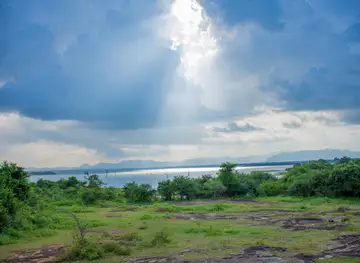
Ratnapura District’s attractions are shaped by the meeting of rainforest, mountain, river and gem country. In Ratnapura town, visitors can explore the regional gem heritage and the Maha Saman Devalaya, an important shrine associated with Saman and Sabaragamuwa’s pilgrimage traditions. Around Kuruwita, Bopath Ella provides a scenic waterfall setting, although conditions can change quickly after rain. The district’s southern forest edge offers access to the Ratnapura side of Sinharaja, where guided walks reveal endemic birds, trees, amphibians and dense lowland rainforest rather than conventional landscaped scenery. The Palabaddala route towards Sri Pada combines demanding walking with religious significance and changing mountain vegetation. Balangoda and the uplands provide archaeological interest, tea-growing landscapes and cooler hill-country air, while the eastern lowlands around Embilipitiya connect with broader wildlife and reservoir country. Gem-related visits, when arranged responsibly, explain how stones are recovered from alluvial deposits and prepared for the jewellery trade. Across the district, small temples, paddy fields, bridges, markets and village roads add context to the headline attractions, making the region particularly rewarding for travellers interested in geology, ecology, pilgrimage and rural landscapes.
-
National park
Udawalawe National Park
Discover the incredible wildlife and stunning landscapes of Udawalawe National Park, a must-visit destination for every nature lover in Sri Lanka.
-
National forest
Sinharaja Forest Reserve
Explore the lush biodiversity of Sinharaja Forest Reserve, a UNESCO World Heritage site and a must-visit for nature lovers in Sri Lanka.
-
Tourist attraction
Bopath Falls
Experience the breathtaking beauty of Bopath Falls, a stunning waterfall in Sri Lanka, surrounded by lush landscapes and serene nature.
-
National park
Sripada Peak Wilderness Sanctuary
Experience the breathtaking views and spiritual journey at Sripada Peak Wilderness Sanctuary, a national park steeped in natural beauty and rich cultural significance.


Best landmarks in Ratnapura District
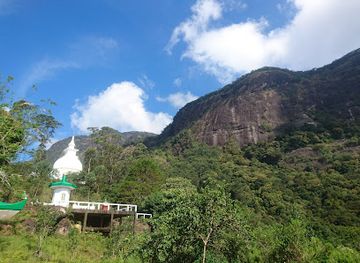
The Maha Saman Devalaya in Ratnapura is the district’s most important religious landmark, an established centre of devotion to Saman and a reminder of Sabaragamuwa’s distinctive sacred traditions. The Kalu Ganga and its bridges form a geographical landmark system rather than a single monument, tying Ratnapura town to the river valleys and gem-bearing landscapes that shaped its history. Bopath Ella near Kuruwita is recognisable for the broad, leaf-shaped fall created by the Kuru Ganga, although visitors must treat the surrounding rocks and pools with caution. Sri Pada is the district’s most prominent mountain landmark: the summit is sacred to several faiths, while the Palabaddala route shows how pilgrimage and highland geography overlap. Around Balangoda, the upland terrain and caves associated with the Balangoda archaeological tradition provide a deeper prehistoric context. The forested slopes of the Sinharaja region, accessed from the Ratnapura side, are also a defining natural landmark, distinguished by exceptional endemism and dense rainforest rather than by monumental architecture.
-
 National park
Udawalawe National Park
Discover the wildlife wonders of Udawalawe National Park, a top destination for nature lovers and adventure seekers in Sri Lanka.
-
Historical landmark
Maduwanwela Walawwa
Discover the beauty and history of Maduwanwela Walawwa, an architectural gem and a glimpse into Sri Lanka's rich cultural heritage.
-
Historical landmark
Indi Katupāna - Point of Needles
Explore the stunning Indi Katupāna - Point of Needles, a captivating historical landmark in Sri Lanka, rich in culture and breathtaking views.
-
Tourist attraction
Katugas Ella Waterfall
Experience the breathtaking beauty of Katugas Ella Waterfall in Ratnapura, a hidden gem surrounded by lush landscapes and vibrant wildlife perfect for nature lovers.


Explore Ratnapura District on the map
Plan your trip on one map. See where the top cities, national parks and sights are, and book hotels and experiences in a few clicks.
Best hotels in Ratnapura District
Best restaurants in Ratnapura District
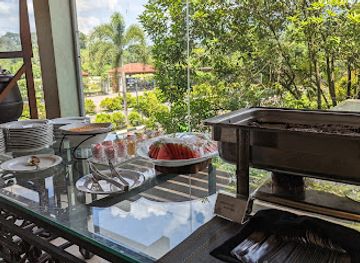
Dining in Ratnapura District is primarily local, informal and closely tied to Sri Lanka’s rice-and-curry tradition. Ratnapura town and the larger market centres have restaurants serving rice with vegetable curries, dhal, sambols, fish and meat, while smaller roadside establishments specialise in short eats such as rolls, patties, vadai and roti. Tropical fruit, leafy mallung, jackfruit and coconut feature widely in home-style cooking, and tea is particularly relevant in the cooler upland areas around Balangoda. Rural guesthouses may offer meals arranged in advance, often using produce from nearby gardens and farms. Markets are useful for seeing the district’s agricultural variety, including bananas, spices, vegetables and other wet-zone crops. Near pilgrimage routes, simple vegetarian meals and tea stalls serve walkers, while Ratnapura provides the broadest choice of cafés, bakeries and hotel dining rooms. Visitors should not assume that every establishment accepts cards or maintains extensive evening hours, particularly outside the main town.
-
Restaurant
Silver Ray Grand (pvt) Ltd
Experience authentic Sri Lankan cuisine at Silver Ray Grand along Colombo - Batticaloa Hwy, where every meal tells a story.
-
Restaurant
Pizza Hut - Ratnapura
Experience the taste of Sri Lanka's favorite pizza chain at Pizza Hut - Ratnapura, where comfort food meets local hospitality.
-
Cafe
Garland Café
Discover the flavors of Sri Lanka at Garland Café - your go-to destination for breakfast and family dining in Ratnapura.
-
Resort hotel
River Garden Resort
Experience unparalleled serenity at River Garden Resort – your gateway to Sri Lanka's natural beauty and rich culture.


Best bars in Ratnapura District
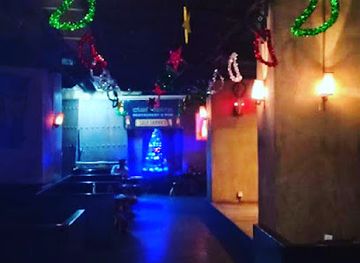
Ratnapura District does not have a major clubbing scene, and evening life is centred more on family restaurants, hotel bars, cafés and traditional pubs than on purpose-built nightlife districts. Ratnapura town has the greatest concentration of places to eat and meet after dark, while Balangoda and Embilipitiya offer a smaller, more local evening scene. Licensed hotel bars may serve beer and spirits, but opening arrangements and alcohol sales can vary, especially around religious holidays and public observances. In rural areas, evenings are generally quiet, with guesthouses, roadside tea shops and small restaurants providing the main social settings. Live entertainment is more likely to be occasional or attached to a hotel or community event than part of a permanent venue circuit. Visitors travelling to Sinharaja, Sri Pada trailheads or remote waterfalls should arrange food and accommodation beforehand rather than expect late-night services.
-
Restaurant
The Paasto 47
Discover the authentic taste of Sri Lanka at The Paasto 47, a charming restaurant in Ratnapura offering delicious local cuisine and a warm atmosphere.
-
Restaurant
Iceberg Cafe
Discover the flavors of Sri Lanka at Iceberg Cafe, a cozy restaurant in Ratnapura, offering a delightful menu of local and international dishes.
-
Bar
Machan Ratnapura (මචං)
Discover the vibrant nightlife and local flavors at Machan Ratnapura, a must-visit bar in the heart of Kuruwita, Sri Lanka.
-
Restaurant
Cartwheel Cafe & Restaurant
Experience the rich culinary heritage of Sri Lanka at Cartwheel Cafe & Restaurant, where local flavors meet international cuisine.


Best nightclubs in Ratnapura District
Ratnapura District does not have a major clubbing scene, and evening life is centred more on family restaurants, hotel bars, cafés and traditional pubs than on purpose-built nightlife districts. Ratnapura town has the greatest concentration of places to eat and meet after dark, while Balangoda and Embilipitiya offer a smaller, more local evening scene. Licensed hotel bars may serve beer and spirits, but opening arrangements and alcohol sales can vary, especially around religious holidays and public observances. In rural areas, evenings are generally quiet, with guesthouses, roadside tea shops and small restaurants providing the main social settings. Live entertainment is more likely to be occasional or attached to a hotel or community event than part of a permanent venue circuit. Visitors travelling to Sinharaja, Sri Pada trailheads or remote waterfalls should arrange food and accommodation beforehand rather than expect late-night services.
-
Night club
Cleopatra Nightclub
Discover the electrifying nightlife at Cleopatra Nightclub in Colombo, where vibrant music and a lively atmosphere await every night.
-
Disco club
Base Night Club
Discover Sri Lanka's vibrant nightlife at Base Night Club, a premier disco destination filled with music, dance, and excitement.
-
Night club
Club Lavix
Experience the vibrant nightlife of Colombo at Club Lavix, where music meets stunning views and unforgettable moments await.
-
Night club
Royal Park Night Club
Discover the vibrant nightlife at Royal Park Night Club in Dehiwala-Mount Lavinia, where great music and lively crowds create unforgettable experiences.


Best shops in Ratnapura District
Shopping in Ratnapura is inseparable from the district’s gem economy, but buying a stone requires more care than purchasing an ordinary souvenir. Licensed dealers and established jewellery businesses can explain the differences between sapphires, other corundum varieties and imitations, while certificates and written receipts are important for significant purchases and international export. Visitors should be wary of unsolicited offers and claims of exceptional rarity. Ratnapura’s markets and shops also sell Sri Lankan tea, spices, coconut-based sweets, batik, wood products and everyday handicrafts, with a wider selection in the town than in forest or mountain villages. Balangoda and other market centres provide a more practical local-shopping experience, including fresh produce and small household goods rather than specialist souvenirs. Near religious sites, modest devotional items may be available, while guesthouses sometimes sell locally made food products. Bargaining can occur in informal markets, but fixed prices are common in established shops and should be respected.
-
Grocery store
Keells - Ratnapura
Experience authentic Sri Lankan shopping at Keells Supermarket in Ratnapura, where local flavors and community spirit come together.
-
Book store
සරසවි Sarasavi Bookshop (Pvt) Ltd
Explore Sarasavi Bookshop in Ratnapura for a unique selection of Sri Lankan literature and a cozy atmosphere perfect for book lovers.
-
Clothing store
CIB Shopping Center - Ratnapura
Explore the CIB Shopping Center in Ratnapura for a unique blend of Sri Lankan fashion and friendly local service, ensuring a memorable shopping experience.
-
Clothing store
NOLIMIT - Ratnapura
Discover stylish apparel and accessories at NOLIMIT - Ratnapura, the ultimate clothing destination for tourists and locals alike.


Get your free copy of our complete guide to Ratnapura District, delivered straight to you.
Everything on this page, from attractions and restaurants to essentials and local phrases, in one PDF you can read offline, print or share.
Already have an account? Sign in
Your Ratnapura District guide is ready.
We'll send it to · Not you? Sign out

Getting your guide ready…
We are putting together a fresh copy of the Ratnapura District guide. This can take up to a minute.
This can take a few moments. If your browser asks, choose Allow so the download can start. You'll find the guide in your Downloads folder.
Nothing happened? Download it again
Sorry, the guide is taking longer than usual. Please try again in a minute, or get it by email instead.
Ratnapura District essentials
Currency and Payment
Safety
Emergency Situations
Do's and Don'ts
Local Tips
From Eve
Local phrases worth knowing
You don't need to get them perfect. A few words go a long way, and locals appreciate the effort.
Basics
| English | Local | Say it |
|---|---|---|
| Hello | ආයුබෝවන් | [Āyubōvan] |
| Goodbye | ගොස් යන්න | [Gos yanna] |
| Yes | ඔව් | [Ov] |
| No | නැහැ | [Næhæ] |
| Please/You're welcome | කරුණාකර | [Karunākara] |
| Thank you | ස්තුතියි | [Stutiyi] |
| Excuse me/Sorry | කණගාටුයි | [Kaṇagāṭuyi] |
| How are you? | ඔබට කෙසේද? | [Obata kesēda?] |
| Fine. And you? | හොඳයි. ඔබට? | [Hoṇḍayi. Obata?] |
| Do you speak English? | ඔබට ඉංග්රීසි කතා කළ හැකිද? | [Obata iṅgrīsi kathā kaḷa hækida?] |
| I don't understand | මට තේරුම් ගන්න බැහැ | [Maṭa thērum ganna bæhæ] |
Eating & Drinking
| English | Local | Say it |
|---|---|---|
| I'd like to see the menu, please | කරුණාකර මෙනුව බලන්න | [Karunākara menuva balanna] |
| I don't eat meat | මට මස් කෑම නොවේ | [Maṭa mas kæma novē] |
| Cheers! | චියර්ස්! | [Chiyars!] |
| I would like to pay, please | කරුණාකර මම ගෙවන්න ඕනෑ | [Karunākara mama gewanna ōnæ] |
Emergencies
| English | Local | Say it |
|---|---|---|
| Help! | ආධාරයක්! | [Ādhārayak!] |
| Go away! | ගියන්න! | [Giyanna!] |
| Call the Police! | පොලීසිය කැඳවන්න! | [Polīsiya kæḍavanna!] |
| Call a doctor! | ඩොක්ටර් කෑඳවන්න! | [Ḍokṭar kæḍavanna!] |
| I'm lost | මට අහිමිවී ඇත | [Maṭa ahimiwi æta] |
| I'm ill | මට රෝගීයි | [Maṭa rōgīyi] |
Shopping
| English | Local | Say it |
|---|---|---|
| I'd like to buy... | මට මිලදී ගන්න අවශ්ය | [Maṭa milādī ganna avashya] |
| I'm just looking | මම බලනවා | [Mama balanavā] |
| How much is it? | එකේ මිළ කොච්චරද? | [Ekē miḷa kochcharada?] |
| That's too expensive | එක විශාල මිළක් | [Eka viśāla miḷak] |
| Can you lower the price? | ඔබට මිළ අඩු කරන්න පුළුවන්ද? | [Obata miḷa aḍu karanna puḷuvanda?] |
Time & Numbers
| English | Local | Say it |
|---|---|---|
| What time is it? | මේ වෙලාව කීයක්ද? | [Mē velāva kīyakda?] |
| It's one o'clock | එකයි | [Ekayi] |
| Half past (10) | දහට අඩු පැයක් | [Dahaṭa aḍu pæyak] |
| Morning | උදෑසන | [Udæsanā] |
| Afternoon | මැදපැන් | [Mædapæn] |
| Evening | සඳ මැද | [Sanda mæda] |
| Yesterday | ඊයේ | [Īyē] |
| Today | අද | [Ada] |
| Tomorrow | සිහිනෙන් | [Sihinen] |
| 1 | 1 | [1] |
| 2 | 2 | [2] |
| 3 | 3 | [3] |
| 4 | 4 | [4] |
| 5 | 5 | [5] |
| 6 | 6 | [6] |
| 7 | 7 | [7] |
| 8 | 8 | [8] |
| 9 | 9 | [9] |
| 10 | 10 | [10] |
Transport & Directions
| English | Local | Say it |
|---|---|---|
| Where's a/the...? | කොහෙද...? | [Koheda...?] |
| What's the address? | ලිපිනය කුමක්ද? | [Lipinaya kumakda?] |
| Can you show me (on the map)? | මාපය මත පෙන්වන්න? | [Māpayama pænvanna?] |
| When's the next (bus)? | ඊළඟ බස් කීයටද? | [Īlaṅga bas kīyatda?] |
| A ticket (to ....) | පොතක් (....ට) | [Pothak (...ṭa)] |
History of Ratnapura District
The Balangoda prehistoric tradition
Caves and other sites around the upland parts of Ratnapura District are associated with the Balangoda archaeological tradition, named after the nearby town. These hunter-gatherer communities lived in Sri Lanka during the Late Pleistocene and early Holocene, leaving evidence of long occupation, stone-tool production and changing relationships with forest and grassland environments. Faunal remains and human burials from the wider region have helped archaeologists reconstruct early settlement on the island. The legacy is especially relevant around the foothills and cave country near Balangoda, where the district’s present landscapes still expose the importance of forests, streams and upland corridors.
Early Sabaragamuwa and the cult of Saman
Sabaragamuwa developed as a region of forested valleys, river routes and religious foundations linked to the wider kingdoms of Sri Lanka. Ratnapura’s Maha Saman Devalaya reflects the enduring importance of Saman, a guardian deity associated with the central hills and the protection of pilgrims travelling towards Sri Pada. The district’s religious history cannot be separated neatly into Buddhist and local traditions: devales, temples and seasonal processions express layers of belief that have been adapted over many centuries. These institutions also connected scattered settlements and helped give the region a cultural identity distinct from the island’s royal capitals.
Ratnapura and the ancient gem trade
Gem-bearing gravels in the Ratnapura basin have made the district one of Sri Lanka’s principal sources of precious stones for centuries. River action concentrated minerals in alluvial deposits, allowing sapphires and other stones to be recovered through pits and washing methods that evolved over time. Traders carried gems through Sri Lankan ports and commercial centres, linking the region to wider Indian Ocean markets. The industry shaped Ratnapura’s name, wealth and social organisation, while also influencing local expertise in cutting, valuation and jewellery. Small-scale mining remains visible in the countryside, although modern regulation and environmental care are important concerns.
European maritime empires and inland trade
From the sixteenth century onwards, Portuguese, Dutch and later British power transformed Sri Lanka’s coastal politics and commercial systems, with consequences for inland Sabaragamuwa. Ratnapura was not a principal colonial port, but its gems, forest products and agricultural goods entered networks controlled or influenced by European powers. Roads and administrative arrangements gradually connected the interior more closely with lowland markets. Colonial interest also encouraged new forms of land management and plantation agriculture. The district’s present combination of traditional villages, market towns, religious institutions and export-oriented farming reflects this long interaction between inland communities and external commercial systems.
Plantations, roads and the modern district
During the British period and after independence, parts of Ratnapura District saw the expansion of rubber, tea and other commercial agriculture. The uplands around Balangoda and the wetter foothills differ from the lowland cultivation zones around Ratnapura and Embilipitiya, but all were affected by improved roads, estate labour systems and expanding markets. The twentieth century also strengthened Ratnapura’s role as an administrative and trading centre. These changes did not replace gem mining or subsistence agriculture; instead, several livelihoods continued side by side, with seasonal work, smallholdings and commerce linking villages to the main towns.
Sinharaja and the conservation era
The recognition and protection of Sinharaja’s remaining lowland rainforest marked a major change in how the south-western hills were valued. The forest, whose Ratnapura-side access is commonly associated with Weddagala and Kudawa, contains exceptionally rich endemic biodiversity and is part of a wider conservation landscape extending beyond the district. Protection has brought ecological research, guided walking and environmental education, while also highlighting the pressures created by roads, cultivation and changing livelihoods. For visitors, Sinharaja is not simply a scenic woodland but a living ecosystem whose protection depends on controlled access and respect for local regulations.
Floods, landslides and contemporary resilience
Ratnapura’s steep terrain and very high rainfall have repeatedly exposed settlements and infrastructure to floods and landslides, particularly along the Kalu Ganga and its tributaries. Such events are part of the district’s modern social history because they affect homes, roads, agriculture, schools and access to pilgrimage routes. Climate variability and intense rainfall have increased the importance of early warnings, careful construction and resilient transport planning. Contemporary Ratnapura therefore combines long-established industries and sacred landscapes with practical efforts to manage environmental risk in a densely settled wet-zone region.
Ratnapura District in Photos
Browse through our photo collection highlighting the charm and character of the destination.
Neighbouring regions of Ratnapura District
The closest regions to Ratnapura District, if you have time for more than one.
-

-

-

-

-


Swipe for more regions
Explore more

Explore more of Sri Lanka
Discover Sri Lanka: Rich culture, stunning landscapes, and warm hospitality await you in this tropical paradise. Explore ancient cities, wildlife, tea plantations, and pristine beaches.
Explore Sri Lanka