

Free Ruhuna Travel Guide & Mobile App
Explore Ruhuna with free travel guides. Discover regional history, expert tips, proposed trips, and audio guides on web or mobile app.


Explore Ruhuna’s ancient Buddhist sites, dry-zone wildlife, lagoons, pilgrimage centres and southern coastal landscapes across Sri Lanka.
Read more about Ruhuna
When is the best time to visit Ruhuna?
Best: January–March · 31–32°C| Month | High (°C) | Rainfall (mm) |
|---|---|---|
| January (best) | 31 | 75 |
| February (best) | 31 | 65 |
| March (best) | 32 | 85 |
| April | 33 | 125 |
| May | 33 | 175 |
| June | 32 | 125 |
| July | 32 | 100 |
| August | 32 | 100 |
| September | 32 | 125 |
| October | 32 | 175 |
| November | 31 | 175 |
| December | 31 | 125 |
Getting to and around Ruhuna
How to get there
Transportation
Top city travel guides in Ruhuna
The cities of Ruhuna, and the easiest places to base yourself.
-

-

-

-

-


Swipe for more cities
Destinations in Ruhuna
Resorts, valleys and scenic spots worth a trip of their own.
-

-
-

-

-


Swipe for more destinations
Best attractions in Ruhuna
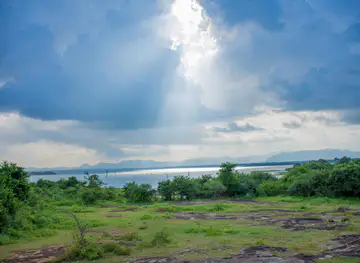
Ruhuna’s principal attractions arise from the meeting of wildlife, wetlands, ancient settlement and pilgrimage. Yala National Park is the region’s best-known draw, with dry forest, lagoons, rocky country and grasslands supporting elephants, leopards, sloth bears, crocodiles and many bird species; sightings are never guaranteed, and responsible driving matters. Bundala National Park offers a different experience, centred on lagoons, mudflats and salt marshes that attract resident and migratory birds. Around Tissamaharama and Kataragama, visitors can explore ancient Buddhist monuments, reservoir landscapes and living shrines, including the pilgrimage complexes of Kataragama and the forest monastery environment of Sithulpahuwa. Kirinda adds a historic and coastal dimension, while Hambantota’s wetlands, salt pans and shoreline show how industry, fishing and conservation occupy the same dry-zone landscape. The region is also suited to birdwatching, nature photography, village excursions and quiet exploration of rural roads, although heat, limited shade and long distances make an unhurried itinerary more rewarding than a packed sightseeing schedule.
-
Tour operator
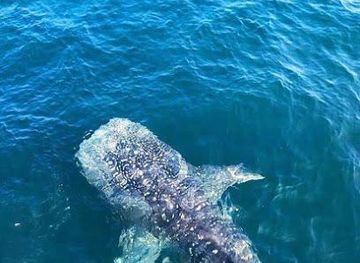
Whale Watching Mirissa with Kumara
Embark on an unforgettable whale watching adventure in Mirissa with Kumara and witness the majestic beauty of marine life in Sri Lanka.
-
Resort hotel
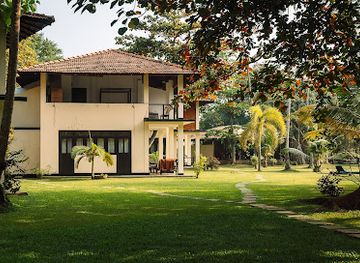
Talalla Retreat
Experience ultimate relaxation and adventure at Talalla Retreat, a premier wellness resort on Sri Lanka's stunning southern coast.
-
 Tourist attraction
Hotel Nawathana
Discover the charm of Hotel Nawathana in Matara, Sri Lanka, offering cozy accommodations and a perfect base for exploring stunning coastal attractions.
-
Buddhist temple
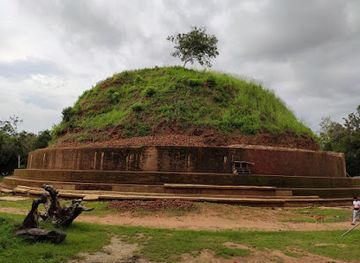
නීලගිරි මහා සෑය / Neelagiri Seya
Explore the tranquil beauty of Neelagiri Seya, a stunning Buddhist temple in Sri Lanka, where spirituality meets nature in perfect harmony.
Best landmarks in Ruhuna
The great stupa of Tissamaharama is one of Ruhuna’s most recognisable religious landmarks, rising above a landscape associated with the ancient settlement of Mahagama and its Buddhist institutions. At Kataragama, the sacred precinct is a living pilgrimage landmark shared by several religious traditions, with shrines, processional spaces and ritual activity rather than a single monumental building defining its importance. Sithulpahuwa’s rock monastery combines cave dwellings, ancient religious remains and a dramatic setting within the dry zone. Kirinda is marked by its historic Buddhist shrine and elevated coastal position, where the inland plain meets the ocean. The reservoirs around Tissamaharama are also significant landscape landmarks: they demonstrate the long relationship between irrigation, settlement and religious life in southern Sri Lanka. Further east and south-east, the lagoons and salt-marsh horizons of Bundala and the rocky, forested terrain of Yala function as natural landmarks, expressing the region’s dry-zone geography more clearly than conventional architecture alone.
-
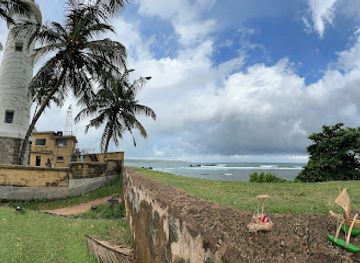
Fortress
Galle Dutch Fort
Explore Galle Dutch Fort: A UNESCO Heritage Site of architectural beauty and rich history, perfect for culture enthusiasts and beach lovers alike.
-
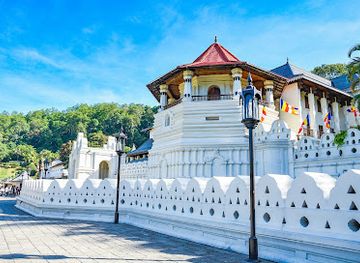
Historical landmark
Sacred City of Kandy
Explore Kandy, a UNESCO World Heritage Site, home to the Temple of the Tooth Relic and rich Sri Lankan culture amidst lush landscapes.
-
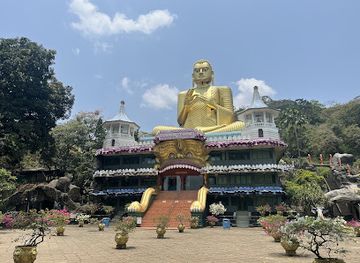
Buddhist temple
Dambulla Royal Cave Temple and Golden Temple
Explore the Dambulla Royal Cave Temple, a UNESCO World Heritage site featuring stunning Buddha statues and breathtaking frescoes in a serene setting.
-
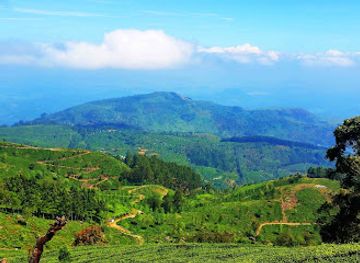
Tourist attraction
Lipton's Seat
Experience breathtaking views and rich tea heritage at Lipton's Seat, a must-visit attraction in the heart of Sri Lanka's tea country.
Explore Ruhuna on the map
Plan your trip on one map. See where the top cities, national parks and sights are, and book hotels and experiences in a few clicks.
Best hotels in Ruhuna
Best restaurants in Ruhuna
Ruhuna’s food reflects southern Sri Lankan cooking, dry-zone agriculture and the produce of the Indian Ocean coast. Rice and curry is central, with coconut, chilli, curry leaves, local vegetables, dhal, sambols and freshwater or marine fish appearing in many forms. Seafood is most prominent in coastal settlements, while inland roadside cafés and family-run eateries offer practical meals for travellers heading towards Yala or Kataragama. Buffalo curd with treacle is a notable southern speciality, and coconut-based sweets, string hoppers, hoppers and short eats are widely available across the region as part of broader Sri Lankan food culture. Markets and small shops are useful for bananas, king coconut, seasonal fruit and snacks for long drives, though hygiene standards vary. Hotels and safari lodges often provide familiar international dishes alongside local food, while larger towns have a wider choice of vegetarian, Muslim and South Indian-influenced cooking. Ask about spice levels rather than assuming that a dish labelled mild will be entirely free of chilli.
-
Restaurant
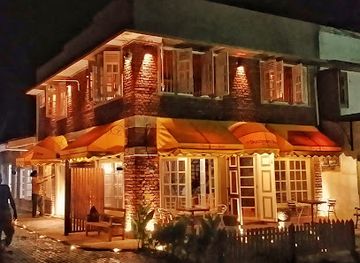
The Dutchman's Street
Experience authentic Sri Lankan flavors at The Dutchman's Street – where every meal tells a story amidst Matara's vibrant culture.
-
Restaurant
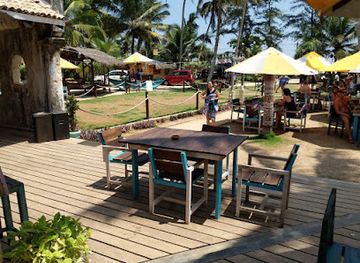
Zephyr Ceylon
Experience exquisite dining at Zephyr Ceylon—where authentic Sri Lankan flavors meet stunning coastal views.
-
Restaurant
The Doctor's House
Experience exceptional dining at The Doctor's House in Matara – where culinary excellence meets stunning coastal views.
-
Restaurant
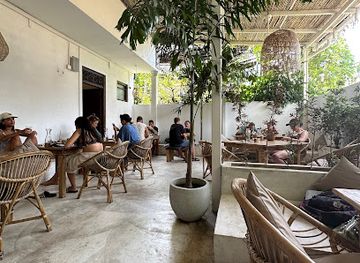
Nomad Café
Discover authentic Sri Lankan cuisine at Nomad Café in Weligama – a culinary haven blending tradition with modern flavors.

Best bars in Ruhuna
Evening life in Ruhuna is generally quiet and local rather than centred on a large nightclub scene. Hambantota and the larger tourist hotels provide the broadest choice of restaurants, lounges and occasional live entertainment, while Tissamaharama and Kataragama mainly revolve around hotel dining, cafés, small local restaurants and early starts for safaris or pilgrimage. Traditional bars and hotel lounges exist, but alcohol is not served everywhere, particularly around religious institutions and during some observances. Along the coast, a few resort areas offer sunset drinks and informal evening dining, although seasonal changes and local licensing affect what is available. The region’s most distinctive night-time activity is often cultural or natural: attending a respectful religious ceremony, listening to local music during a community event, or sitting outdoors beneath a dark rural sky. Visitors should avoid loud behaviour near temples, shrines and residential areas.
-
Restaurant
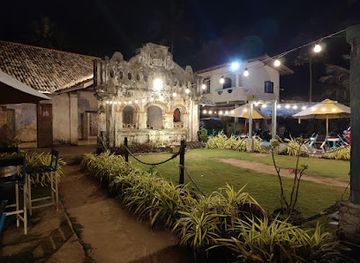
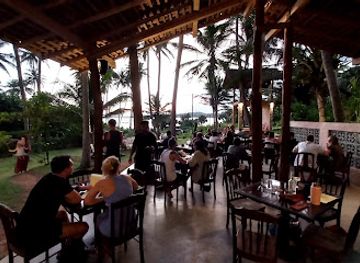
The Doctor's House
Discover the flavors of Sri Lanka at The Doctor's House, where delicious cuisine meets stunning ocean views in Matara.
-
Bar
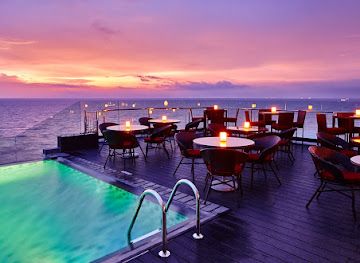
ON14 Rooftop Lounge & Bar
Experience the vibrant nightlife of Colombo at ON14 Rooftop Lounge & Bar, featuring stunning views and exquisite cuisine.
-
Restaurant
Smoke & Bitters
Discover the rich flavors of Sri Lanka at Smoke & Bitters, a must-visit restaurant in Dickwella that promises a delightful culinary experience.
-
Hookah bar
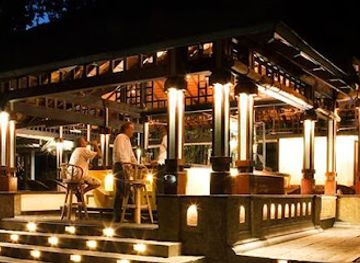
The Breeze Bar
Discover the perfect blend of relaxation and entertainment at The Breeze Bar in Colombo, where stunning views and exquisite tastes await you.
Best nightclubs in Ruhuna
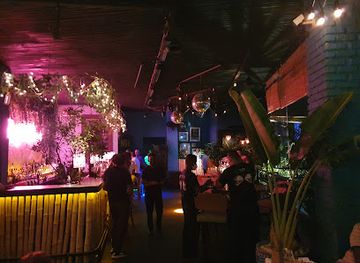
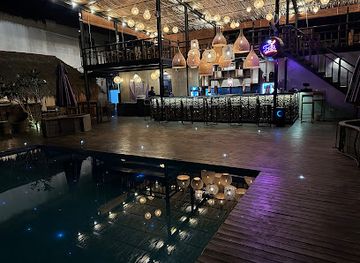
Evening life in Ruhuna is generally quiet and local rather than centred on a large nightclub scene. Hambantota and the larger tourist hotels provide the broadest choice of restaurants, lounges and occasional live entertainment, while Tissamaharama and Kataragama mainly revolve around hotel dining, cafés, small local restaurants and early starts for safaris or pilgrimage. Traditional bars and hotel lounges exist, but alcohol is not served everywhere, particularly around religious institutions and during some observances. Along the coast, a few resort areas offer sunset drinks and informal evening dining, although seasonal changes and local licensing affect what is available. The region’s most distinctive night-time activity is often cultural or natural: attending a respectful religious ceremony, listening to local music during a community event, or sitting outdoors beneath a dark rural sky. Visitors should avoid loud behaviour near temples, shrines and residential areas.
-
Bar
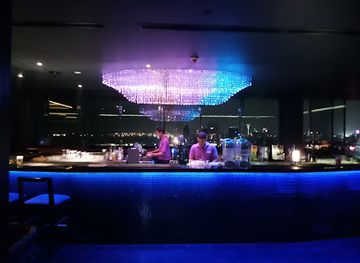
ON14 Rooftop Lounge & Bar
Experience breathtaking views and delectable drinks at ON14 Rooftop Lounge & Bar, the perfect spot for relaxation and nightlife in Colombo.
-
Disco club
The Love Bar at Flamingo House
Discover the pulse of Colombo's nightlife at The Love Bar, where vibrant music meets exquisite cocktails in a chic atmosphere.
-
Karaoke bar
Sopranos
Discover the vibrant nightlife of Colombo at Sopranos, the ultimate karaoke bar with an energetic atmosphere and extensive song selection.
-
Restaurant
Shima Guni Beach Club
Experience the vibrant atmosphere and delicious flavors of Shima Guni Beach Club, a must-visit destination on Madiha's stunning coastline.

Best shops in Ruhuna
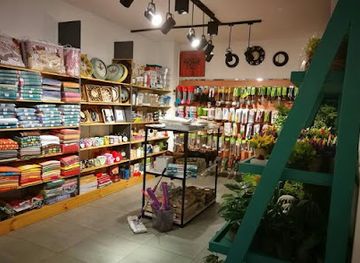
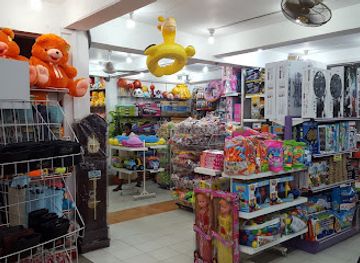
Shopping in Ruhuna is concentrated in the market streets and small commercial centres of Hambantota, Tissamaharama and Kataragama rather than in large retail complexes. Local markets are useful for fruit, vegetables, spices, coconut products, snacks and practical supplies for a safari or road journey. Around pilgrimage centres, stalls sell offerings, devotional objects, incense, textiles and inexpensive souvenirs, but visitors should distinguish mass-produced items from genuinely local craftwork. Southern food products, including treacle, buffalo curd, dried fish and regional spice mixtures, can make more useful souvenirs than fragile decorative goods, provided they are packed and transported appropriately. Small shops may carry handloom textiles, masks, wooden objects and woven items associated with wider Sri Lankan craft traditions, although provenance varies. Hambantota and larger hotel areas offer more polished gifts and contemporary necessities, while rural towns are better for observing everyday trade. Bargaining is common in some informal markets but is not appropriate in every shop; ask the price politely and keep negotiations good-natured.
-
Clothing store
Fashion Bug - Matara
Discover affordable fashion at Fashion Bug in Matara, where style meets value for every wardrobe need.
-
Public university
University of Ruhuna
Discover the rich educational heritage and stunning landscapes at the University of Ruhuna in Matara, Sri Lanka, a perfect blend of culture and learning.
-
Shopping mall
Kotuwe Kade Shopping Centre
Explore the vibrant Kotuwe Kade Shopping Centre in Matara, a perfect blend of shopping, dining, and local culture.
-
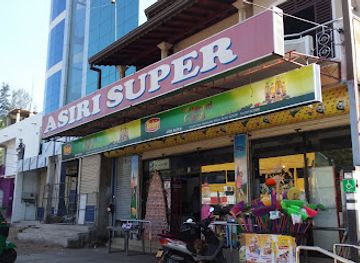
Supermarket
Asiri Super, Asiri Backery & Litro Gas Station
Discover the vibrant flavors of Sri Lanka at Asiri Super, Matara's premier supermarket for fresh produce and local delicacies.

Get your free copy of our complete guide to Ruhuna, delivered straight to you.
Everything on this page, from attractions and restaurants to essentials and local phrases, in one PDF you can read offline, print or share.
Already have an account? Sign in
Your Ruhuna guide is ready.
We'll send it to · Not you? Sign out

Getting your guide ready…
We are putting together a fresh copy of the Ruhuna guide. This can take up to a minute.
This can take a few moments. If your browser asks, choose Allow so the download can start. You'll find the guide in your Downloads folder.
Nothing happened? Download it again
Sorry, the guide is taking longer than usual. Please try again in a minute, or get it by email instead.
Ruhuna essentials
Currency and Payment
Safety
Emergency Situations
Do's and Don'ts
Local Tips
From Eve
Local phrases worth knowing
You don't need to get them perfect. A few words go a long way, and locals appreciate the effort.
Basics
| English | Local | Say it |
|---|---|---|
| Hello | හෙලෝ | [Hello] |
| Goodbye | ගුඩ්බායි | [Goodbye] |
| Yes | ආයි | [Aayi] |
| No | නැත | [Nætha] |
| Please/You're welcome | කරුණාකර/ආයුබෝවන් | [Karunakarā/Ayubōvan] |
| Thank you | ස්තුතියි | [Sthuthiyi] |
| Excuse me/Sorry | කැමතිද/සමාවන්න | [Kæmatiða/Samāvanna] |
| How are you? | ඔබට කෙසේද? | [Obaṭa kesēda?] |
| Fine. And you? | හොඳයි. ඔබට කෙසේද? | [Hoṇḍayi. Obaṭa kesēda?] |
| Do you speak English? | ඔබට ඉංග්රීසි කතා කළ හැකිද? | [Obaṭa iṅgrīsi kathā kaḷa hækiða?] |
| I don't understand | මට තේරෙන්නේ නැහැ | [Maṭa tērenne næhæ] |
Eating & Drinking
| English | Local | Say it |
|---|---|---|
| I'd like to see the menu, please | කරුණාකර මෙනුව බලන්න | [Karunākarā menuva balanna] |
| I don't eat meat | මම මස් කෑම නොකරමි | [Mama mas kāma nokarami] |
| Cheers! | චියර්ස්! | [Cheers!] |
| I would like to pay, please | කරුණාකර ගෙවන්න | [Karunākarā gewanna] |
Emergencies
| English | Local | Say it |
|---|---|---|
| Help! | ආධාර කරන්න! | [Ādhāra karanna!] |
| Go away! | ඔබට පිටවන්න! | [Obaṭa piṭavanna!] |
| Call the Police! | පොලීසිය කැඳවන්න! | [Polīsiya kæḍavanna!] |
| Call a doctor! | කුලියක් කැඳවන්න! | [Kuliyak kæḍavanna!] |
| I'm lost | මම ගැටුනුයි | [Mama gæṭunuyi] |
| I'm ill | මට රෝගීයි | [Maṭa rōgīyi] |
Shopping
| English | Local | Say it |
|---|---|---|
| I'd like to buy... | මට මිලදී ගන්න ඕනෑ... | [Maṭa miladī ganna ōnā...] |
| I'm just looking | මම පමණක් බලනවා | [Mama pamaṇak balanavā] |
| How much is it? | එය කොච්චර ද? | [Eya kochchara da?] |
| That's too expensive | එය අධික මිලක් | [Eya adhika milak] |
| Can you lower the price? | මිල පහළ කළ හැකිද? | [Mila pahala kaḷa hækiða?] |
Time & Numbers
| English | Local | Say it |
|---|---|---|
| What time is it? | ඔබට කාලය කුමක්ද? | [Obaṭa kālaya kumakda?] |
| It's one o'clock | මෙය එකයි | [Meya ekayi] |
| Half past (10) | අර්ධය (10) | [Ardhaya (10)] |
| Morning | උදෑසන | [Udæsaṇa] |
| Afternoon | දැන්වීම | [Dænwīma] |
| Evening | සවස | [Savasā] |
| Yesterday | ඊයේ | [Īye] |
| Today | අද | [Ada] |
| Tomorrow | හෙට | [Heṭa] |
| 1 | 1 | [1] |
| 2 | 2 | [2] |
| 3 | 3 | [3] |
| 4 | 4 | [4] |
| 5 | 5 | [5] |
| 6 | 6 | [6] |
| 7 | 7 | [7] |
| 8 | 8 | [8] |
| 9 | 9 | [9] |
| 10 | 10 | [10] |
Transport & Directions
| English | Local | Say it |
|---|---|---|
| Where's a/the...? | කොහේද ...? | [Koheda ...?] |
| What's the address? | ලිපිනය කුමක්ද? | [Lipinaya kumakda?] |
| Can you show me (on the map)? | මට පෙන්වා දිය හැකිද? | [Maṭa penvā diya hækiða?] |
| When's the next (bus)? | ඉදිරි (බස්) කවදද? | [Idiri (bas) kawadada?] |
| A ticket (to ....) | පතක් (ට ....) | [Pathak (ṭa ....)] |
History of Ruhuna
Early Settlements and Irrigated Agriculture
Ruhuna’s history is rooted in the settlement of Sri Lanka’s southern dry zone, where communities developed agriculture around tanks, streams and seasonal wetlands. The Tissamaharama area, traditionally associated with ancient Mahagama, contains evidence of long-established habitation, irrigation and religious activity. These water-management systems were not merely agricultural works: they supported towns, monasteries and trading networks in a landscape that remains dependent on careful management of scarce seasonal water.
The Ancient Principality of Ruhuna
In the early historic period, Ruhuna functioned as a powerful southern kingdom or principality alongside the wider political centres of Anuradhapura. Its relative distance from the northern royal capital gave local rulers room to preserve authority and develop their own religious and administrative networks. The region appears frequently in the island’s chronicles and became an important source of political resistance, military support and dynastic leadership during periods of conflict in ancient Sri Lanka.
King Dutugemunu and Mahagama
Ruhuna is closely connected with the early life of King Dutugemunu, traditionally known as Gamani Abhaya, who was raised in the southern kingdom before challenging the power of the Anuradhapura ruler Elara. His eventual victory and the subsequent political unification of much of the island made him one of Sri Lanka’s most influential ancient kings. The association remains visible in the religious and historical traditions surrounding Tissamaharama and other southern sites, even where later legend has added layers to the surviving evidence.
Buddhist Monasteries and Sacred Landscapes
From the early centuries of Buddhism in Sri Lanka, Ruhuna became a major centre of monastic activity. Tissamaharama, Sithulpahuwa and other sites combined cave dwellings, stupas, image houses and reservoirs within an extensive religious landscape. These establishments served farming communities and pilgrims while also linking the southern region to the wider Buddhist world of the island. Rock shelters, ancient brickwork and surviving monuments show how religious institutions participated in settlement, land management and cultural exchange.
Medieval Kingdoms and Regional Power
After the weakening of Anuradhapura and the rise of successive capitals elsewhere, southern Sri Lanka continued to function as a region of strategic and economic importance. Its rulers, ports and agricultural settlements were connected to changing networks of authority across the island. Kataragama developed enduring religious significance, while inland strongholds and monasteries remained tied to local power. The historical record for some periods is fragmentary, but the archaeological landscape shows that Ruhuna was never an isolated frontier.
Coastal Trade and European Colonial Rule
The southern coast experienced the influence of Portuguese, Dutch and later British colonial expansion, although colonial control was concentrated most strongly in ports and coastal settlements. Trade in cinnamon, areca, rice and other goods linked the region to wider Indian Ocean networks. Inland Ruhuna retained distinctive political, agricultural and religious traditions, while colonial administration gradually altered taxation, transport and patterns of coastal commerce. Fortifications and historic buildings are more prominent in the western and central southern coast than in the dry-zone interior.
Modern Conservation and Regional Change
During the twentieth century, southern Sri Lanka underwent major changes through irrigation, road building, settlement schemes, port development and the creation of protected areas. Yala and Bundala became internationally recognised conservation landscapes, while the region’s wetlands and dry forests gained importance for wildlife protection. Modern Ruhuna therefore combines ancient pilgrimage and agriculture with safari tourism, conservation challenges, expanding infrastructure and communities whose livelihoods remain connected to farming, fishing and seasonal natural resources.
Ruhuna in Photos
Browse through our photo collection highlighting the charm and character of the destination.
Neighbouring regions of Ruhuna
The closest regions to Ruhuna, if you have time for more than one.
-

-

-

-

-


Swipe for more regions
Explore more

Explore more of Sri Lanka
Discover Sri Lanka: Rich culture, stunning landscapes, and warm hospitality await you in this tropical paradise. Explore ancient cities, wildlife, tea plantations, and pristine beaches.
Explore Sri Lanka