

Kandy District, Sri Lanka Travel Guide
Discover the historical, cultural, and natural wonders of Kandy District in Sri Lanka, where sacred temples, lush gardens, and vibrant festivals await.
Nestled in the central highlands of Sri Lanka, Kandy District is a treasure trove of history, culture, and natural beauty. This enchanting region is home to the sacred Temple of the Tooth Relic, one of the most important religious sites for Buddhists worldwide. The temple, set against the backdrop of the beautiful Kandy Lake, offers a serene and spiritual experience for visitors. Kandy's lush, rolling hills are a haven for nature lovers. The Royal Botanical Gardens in Peradeniya showcase a stunning variety of flora, making it a paradise for botanists and casual visitors alike. The Udawattakele Forest Reserve provides a peaceful retreat, with its canopy of towering trees and a variety of wildlife. For those looking to explore further, the scenic train ride through the tea plantations offers breathtaking views of the region's verdant landscapes. The city of Kandy itself is a vibrant blend of old and new. Traditional markets buzz with activity, offering everything from fresh produce to handcrafted souvenirs. The annual Esala Perahera festival, a grand procession featuring dancers, drummers, and decorated elephants, is a spectacle not to be missed. Whether you're seeking cultural immersion or natural beauty, Kandy District offers an unforgettable journey into the heart of Sri Lanka.

Know before you go
Hi, I'm Eve. Here are a few practical things to know before exploring Kandy District.
- Visit the Temple of the Tooth Relic early in the morning to avoid crowds and experience the morning rituals.
- Wear comfortable shoes for exploring the Royal Botanical Gardens and Udawattakele Forest Reserve.
- Plan your visit during the Esala Perahera festival to witness one of Sri Lanka's most spectacular cultural events.
- Take the scenic train ride from Kandy to Ella for stunning views of tea plantations and waterfalls.
- Stay hydrated and apply sunscreen, especially when exploring outdoor attractions.
- Try local delicacies at the Kandy Market for an authentic culinary experience.
Top City Travel Guides in Kandy District
The cities of Kandy District, and the easiest places to base yourself.


Destinations in Kandy District
Resorts, valleys and scenic spots worth a trip of their own.


Explore Kandy District: Things to Do, Places to Eat, Hotels & More
Handpicked recommendations for top attractions, local dining, accommodations, and more

Top Attractions & Sightseeing in Kandy District
Top-rated picks
Best Attractions

Sri Dalada Maligawa
Explore the sacred Sri Dalada Maligawa in Kandy, a UNESCO site housing the revered Tooth Relic of Buddha, surrounded by stunning architecture and lush gardens.
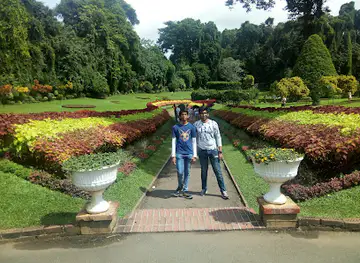
Royal Botanic Gardens, Peradeniya
Experience the beauty of nature at Royal Botanic Gardens, Peradeniya—a stunning collection of diverse flora in a tranquil setting.

Ambuluwawa Temple - අම්බුළුවාව විහාරය
Discover the breathtaking heights and serene spirituality at Ambuluwawa Temple in Gampola, a unique blend of culture and nature.

Ambuluwawa Biodiversity Complex
Experience the breathtaking views and rich biodiversity at Ambuluwawa Biodiversity Complex, a hidden gem in Gampola, Sri Lanka.

Best landmarks in Kandy District
Top-rated picks
Best Landmarks

Sri Dalada Maligawa
Explore Sri Dalada Maligawa, the sacred Temple of the Tooth in Kandy, where history, spirituality, and breathtaking architecture converge.

Royal Botanic Gardens, Peradeniya
Explore the lush landscapes of the Royal Botanic Gardens in Peradeniya, a serene retreat showcasing the diverse flora of Sri Lanka.

Sacred City of Kandy
Explore the Sacred City of Kandy, Sri Lanka's historical gem, known for its stunning landscapes, cultural richness, and the sacred Temple of the Tooth.

Nelligala International Buddhist Centre
Discover tranquility and spiritual enlightenment at Nelligala International Buddhist Centre, a stunning temple in the serene hills of Muruthalawa.

Best restaurants in Kandy District
Top-rated picks
Best Restaurants

Cafe Nuwara
Experience authentic Sri Lankan flavors at Café Nuwara in Kandy - where local ingredients meet global tastes.

Fab Ceylon
Experience authentic Sri Lankan flavors with a modern twist at Fab Ceylon in Kandy – where every meal is a celebration.

Slightly Chilled Lounge Bar and Restaurant
Experience Asian fusion cuisine at its finest with stunning views at Slightly Chilled Lounge Bar and Restaurant in Kandy.

Hideout Lounge
Discover delicious gourmet pizzas and vibrant nightlife at Hideout Lounge in Kandy - a culinary gem for all travelers.

Best bars in Kandy District
Top-rated picks
Best Bars

Fab Ceylon
Discover the flavors of Sri Lanka at Fab Ceylon, a delightful restaurant and café in the heart of Kandy, perfect for culinary adventures.

Slightly Chilled Lounge Bar and Restaurant
Experience the vibrant flavors of Asian fusion cuisine in a stylish lounge setting, perfect for relaxation and socializing in Kandy.

Hideout Lounge
Discover the vibrant flavors of Kandy at Hideout Lounge, where delightful pizzas and refreshing drinks await in a lively atmosphere.

Royal Bar & Hotel
Discover the essence of Kandy at Royal Bar & Hotel - a blend of comfort, culture, and culinary excellence in Sri Lanka.

Best nightclubs in Kandy District
Top-rated picks
Best Nightclubs

Slightly Chilled Lounge Bar and Restaurant
Experience the vibrant fusion of Asian flavors and relaxation at Slightly Chilled Lounge Bar and Restaurant in Kandy, the perfect spot to unwind.

Old Trinitian's Sports Club
Discover the heart of Kandy's nightlife at Old Trinitian's Sports Club, where drinks, camaraderie, and nostalgia come together.

The Kandy Club
Experience the perfect blend of luxury and culture at The Kandy Club, your ideal hotel in the heart of Kandy, Sri Lanka.

Tavern 29 Rooftop Bar
Discover breathtaking views and a vibrant atmosphere at Tavern 29 Rooftop Bar in Kandy, where every sip is paired with stunning scenery.

Best shops in Kandy District
Top-rated picks
Best Shops

Kandy City Centre
Experience the ultimate shopping and dining destination at Kandy City Centre, where modern comforts meet local charm.

Kandy Municipal Central Market
Experience the charm of Kandy at its bustling Municipal Central Market, where local culture meets vibrant commerce and authentic flavors await.

Cool Planet
Explore Cool Planet, a premier department store in Kandy, featuring trendy fashion accessories and stylish women's clothing for the savvy traveler.

D-Blaq - KCC
Discover D-Blaq - the ultimate men's clothing store in Kandy City Centre, offering stylish apparel and unique fashion pieces for every occasion.

Explore Kandy District on the Map
A handpicked selection of must-see spots in Kandy District, mapped for you.
Kandy District Essentials
-
Kandy District is located in the Central Province of Sri Lanka. The nearest international airport is Bandaranaike International Airport (CMB) in Colombo, roughly 104 kilometers away. From Colombo, travelers can take a train or bus to Kandy. The train journey is particularly scenic and takes approximately 2.5 to 3 hours. Alternatively, you can hire a taxi or use ride-sharing services for a direct but more expensive option.
-
Transportation within Kandy District is varied and convenient. Tuk-tuks are widely available and are an economical way to travel short distances. Buses operate frequently and connect Kandy with surrounding towns and villages. For more comfort, private taxis can be hired, and car rental services are also available. Walking is a feasible option within the city of Kandy itself, especially around the lake and main attractions.
-
The official currency in Sri Lanka is the Sri Lankan Rupee (LKR). ATMs are widely available in Kandy, and credit cards are accepted at most hotels, restaurants, and shops. However, it's advisable to carry some cash, especially when visiting rural areas or smaller establishments. Currency exchange services are available at banks and dedicated exchange counters.
-
Kandy District is generally safe for tourists, but standard precautions should be taken. Avoid walking alone at night in unfamiliar areas and be cautious of pickpockets in crowded places such as markets and public transport hubs. While Kandy itself is relatively safe, areas like Katugastota have reported higher rates of petty crime. Always keep your belongings secure and be aware of your surroundings.
-
In case of an emergency, dial 119 for police assistance or 110 for medical emergencies. Major hospitals in Kandy include the Kandy General Hospital and the Lakeside Adventist Hospital. Pharmacies are widely available for minor health issues. It is advisable to have travel insurance that covers medical emergencies. For consular assistance, contact your respective embassy in Colombo.
-
Fashion: Do dress modestly, especially when visiting religious sites. Avoid wearing revealing clothing. Religion: Do respect local customs and traditions. Always remove your shoes and cover your head when entering temples. Public Transport: Do be respectful and give up your seat to elderly passengers. Don't eat or drink on public transport. Greetings: Do greet people with a smile and a slight bow, and use the traditional greeting 'Ayubowan'. Eating & Drinking: Do try local delicacies and accept food offerings graciously. Don't refuse hospitality, as it is considered impolite.
-
To experience Kandy District like a local, visit the bustling Kandy Market for fresh produce and local goods. Engage with locals, who are often friendly and willing to share stories about the region's history and culture. Don't miss the Temple of the Sacred Tooth Relic, a UNESCO World Heritage Site. For a unique experience, take a stroll around Kandy Lake or visit during the Kandy Esala Perahera festival to witness vibrant cultural celebrations.
When is the best time to visit Kandy District?
Useful Local Phrases for Kandy District
You don't need to speak the language perfectly. Even learning a few simple words can make conversations warmer—and locals usually appreciate the effort.
— Eve

Here are the phrases I use most often in Kandy District. Try a few—you'll be surprised how far they go! 😊
❤️
-
- Helloආයුබෝවන්
[Āyubōvan] - Goodbyeආයුබෝවන්
[Āyubōvan] - Yesඔව්
[Ov] - Noනැහැ
[Næhæ] - Please/You're welcomeකරුණාකර/ඔබට සාදරයෙන් පිළිගනිමු
[Karunākar/Obaṭa sādara yen piḷigaṇimu] - Thank youස්තුතියි
[Sthūtiyi] - Excuse me/Sorryකැමැත්තක්/කනගාටුයි
[Kæmættak/Kanagāṭuyi] - How are you?ඔබට කොහොමද?
[Obaṭa kohomada?] - Fine. And you?මට හොඳයි. ඔබට?
[Maṭa hondai. Obaṭa?] - Do you speak English?ඔබට ඉංග්රීසි කතා කරන්න පුළුවන්ද?
[Obaṭa iṅgrīsi kathā karanna puḷuvanda?] - I don't understandමට තේරෙන්නේ නැහැ
[Maṭa thērennē næhæ]
- Helloආයුබෝවන්
-
- I'd like to see the menu, pleaseකරුණාකර මෙනුව බලන්න
[Karunākar menuva balanna] - I don't eat meatමට මස් කන්න බෑ
[Maṭa mas kanna bæ] - Cheers!සුභ පතමි!
[Subha pathami!] - I would like to pay, pleaseකරුණාකර මුදල් ගෙවන්න
[Karunākar mudal gewanna]
- I'd like to see the menu, pleaseකරුණාකර මෙනුව බලන්න
-
- Help!ආධාරයක්!
[Ādhārayak!] - Go away!ඉතින් යන්න!
[Ithin yanna!] - Call the Police!පොලිසිය ඇමතුම් කරන්න!
[Polisiya æmaturum karanna!] - Call a doctor!ඩොක්ටර් ඇමතුම් කරන්න!
[Ḍokṭar æmaturum karanna!] - I'm lostමට හුඟාක් අතුරුදන් වුණා
[Maṭa huṅgāk athurudan wunā] - I'm illමට රෝගීත්වයක් තිබෙනවා
[Maṭa rōgītvayak thibēnavā]
- Help!ආධාරයක්!
-
- I'd like to buy...මට මිලදී ගන්න ඕනෙ...
[Maṭa milādī ganna ōne...] - I'm just lookingමම බලන්න පමණයි
[Mama balanna pamaṇai] - How much is it?මෙය කීයක්ද?
[Meya kīyakda?] - That's too expensiveඑය ගණන් වැඩි
[Eya gaṇan væḍi] - Can you lower the price?ඔබට මිල අඩු කරන්න පුළුවන්ද?
[Obaṭa mila aḍu karanna puḷuvanda?]
- I'd like to buy...මට මිලදී ගන්න ඕනෙ...
-
- What time is it?ලැබෙන වේලාව කුමක්ද?
[Læbena vēlāva kumakda?] - It's one o'clockඑය එකට වේලාව
[Eya ekata vēlāva] - Half past (10)අර්ධය (10) පසු
[Ardhaya (10) pasu] - Morningसुबह
[Subaha] - Afternoonඊපත්
[Īpath] - Eveningසවස
[Savasa] - Yesterdayගෙදර
[Gedara] - Todayඅද
[Ada] - Tomorrowහෙට
[Hēṭa] - 11
[1] - 22
[2] - 33
[3] - 44
[4] - 55
[5] - 66
[6] - 77
[7] - 88
[8] - 99
[9] - 1010
[10]
- What time is it?ලැබෙන වේලාව කුමක්ද?
-
- Where's a/the...?ආයුබෝවන්
[Āyubōvan] - What's the address?ලිපිනය කුමක්ද?
[Lipinaya kumakda?] - Can you show me (on the map)?ඔබට මට (පැහැදිලි සිතියමෙහි) පෙන්වන්න පුළුවන්ද?
[Obaṭa maṭa (pæhædili sithiyamehi) penwanna puḷuvanda?] - When's the next (bus)?පසුව (බස්) කවදාද?
[Pasuwa (bas) kawadāda?] - A ticket (to ....)පතමක් (ට ....)
[Pathamāk (ṭa ....)]
- Where's a/the...?ආයුබෝවන්
History of Kandy District
-
The Kingdom of Kandy was an independent monarchy that existed in the central and eastern portion of Sri Lanka from the 15th century until it was absorbed into the British Empire in 1815. It served as a bastion of Sinhalese culture and resisted multiple invasions by Portuguese, Dutch, and British colonial forces.
-
The Temple of the Sacred Tooth Relic, or Sri Dalada Maligawa, is one of the most venerated places of worship for Buddhists worldwide. This temple, located in Kandy, houses the relic of the tooth of Buddha and has been a symbol of Sri Lankan sovereignty since ancient times. The temple was built within the royal palace complex, which was the last capital of the Sri Lankan kings.
-
The Kandyan Wars were a series of conflicts between the Kingdom of Kandy and the British colonial forces in the early 19th century. The wars culminated in the signing of the Kandyan Convention in 1815, which led to the annexation of the kingdom by the British Empire. These wars marked the end of over 2,300 years of Sinhalese monarchy.
-
The Esala Perahera is one of the oldest and grandest of all Buddhist festivals in Sri Lanka, featuring dancers, jugglers, musicians, fire-breathers, and lavishly decorated elephants. This annual procession takes place in Kandy to honor the Sacred Tooth Relic of Buddha and to ask for rain from the gods for the cultivation of crops.
-
Following the annexation of the Kingdom of Kandy in 1815, the British established Kandy as an important administrative and cultural center. The British built roads, established plantations, and introduced new administrative systems. However, the colonial rule also led to significant cultural and social changes, some of which were met with resistance from the local population.
-
Kandy Lake, also known as Kiri Muhuda or the Sea of Milk, is an artificial lake created in 1807 by King Sri Wickrama Rajasinghe next to the Temple of the Sacred Tooth Relic. The lake is considered a pivotal part of the city's charm and history, with various legends and folklore surrounding its creation.
-
In 1988, Kandy was designated a UNESCO World Heritage Site in recognition of its rich cultural heritage. The city's unique blend of architecture, art, and history embodies the essence of Sri Lankan culture and traditions. The recognition has helped preserve and promote the city’s historical landmarks and cultural practices.
Neighbouring Regions of Kandy District
The closest regions to Kandy District, if you have time for more than one.




Your all‑in‑one travel companion app
Explore expert travel guides, compare and book tours, experiences, hotels, and more—all from the palm of your hand. Download now for seamless trip planning wherever your wanderlust takes you.


Explore More of Sri Lanka

Looking beyond Kandy District? Discover Sri Lanka for broader travel guides, local hot-spots, and regional highlights.
Explore Sri LankaKandy District in Photos
Browse through our photo collection highlighting the charm and character of the destination.


Kandy District: The Heartbeat of Sri Lankan Heritage
Nestled in the central highlands of Sri Lanka, Kandy District is a treasure trove of history, culture, and natural beauty. This enchanting region is home to the sacred Temple of the Tooth Relic, one of the most important religious sites for Buddhists worldwide. The temple, set against the backdrop of the beautiful Kandy Lake, offers a serene and spiritual experience for visitors. Kandy's lush, rolling hills are a haven for nature lovers. The Royal Botanical Gardens in Peradeniya showcase a stunning variety of flora, making it a paradise for botanists and casual visitors alike. The Udawattakele Forest Reserve provides a peaceful retreat, with its canopy of towering trees and a variety of wildlife. For those looking to explore further, the scenic train ride through the tea plantations offers breathtaking views of the region's verdant landscapes. The city of Kandy itself is a vibrant blend of old and new. Traditional markets buzz with activity, offering everything from fresh produce to handcrafted souvenirs. The annual Esala Perahera festival, a grand procession featuring dancers, drummers, and decorated elephants, is a spectacle not to be missed. Whether you're seeking cultural immersion or natural beauty, Kandy District offers an unforgettable journey into the heart of Sri Lanka.