

Free Hill Country Travel Guide & Mobile App
Explore Hill Country with free travel guides. Discover regional history, expert tips, proposed trips, and audio guides on web or mobile app.


Explore Sri Lanka’s Hill Country for Kandy’s heritage, cool tea estates, mountain railways, highland walks and misty valleys.
Read more about Hill Country
When is the best time to visit Hill Country?
Best: January–March · 22–23°C| Month | High (°C) | Rainfall (mm) |
|---|---|---|
| January (best) | 22 | 100 |
| February (best) | 23 | 90 |
| March (best) | 23 | 110 |
| April | 24 | 130 |
| May | 24 | 150 |
| June | 25 | 170 |
| July | 24 | 180 |
| August | 24 | 170 |
| September | 23 | 160 |
| October | 23 | 150 |
| November | 22 | 130 |
| December | 22 | 110 |
Getting to and around Hill Country
How to get there
Transportation
Top city travel guides in Hill Country
The cities of Hill Country, and the easiest places to base yourself.
-

-

-
-
-


Swipe for more cities
Destinations in Hill Country
Resorts, valleys and scenic spots worth a trip of their own.
-

-

-

-

-

-


Swipe for more destinations
Best attractions in Hill Country
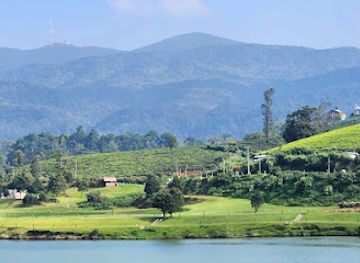
The Hill Country’s attractions are shaped by elevation, history and working landscapes. Kandy combines the Temple of the Sacred Tooth Relic, former royal surroundings, museums and cultural performances with lake-side and hillside walks, while the Peradeniya Royal Botanic Gardens extend the area’s horticultural appeal. Around Nuwara Eliya and Hatton, tea estates, factories and colonial-era highland architecture provide insight into the plantation economy, although access arrangements vary and working sites should be visited with permission. Horton Plains National Park offers marked routes across montane grassland and cloud forest, including the popular escarpment walk to World’s End when conditions permit. The Knuckles range presents more demanding scenery of ridges, forests, rivers and rural villages, best explored with careful planning and local guidance. Ella, Haputale and Bandarawela are bases for shorter walks, railway viewpoints and excursions through steep valleys, while Sri Pada combines a major pilgrimage with a strenuous mountain ascent. The region also supports birdwatching, photography, cycling and slower train travel, but distances, weather and road conditions mean that a realistic itinerary should concentrate on one or two highland areas rather than attempt everything at once.
-
Tourist attraction
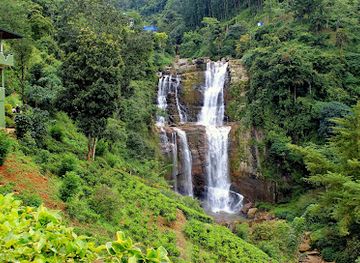
Ramboda Falls
Explore Ramboda Falls, a stunning waterfall in Sri Lanka surrounded by lush greenery, offering breathtaking views and serene hiking trails.
-
Farm
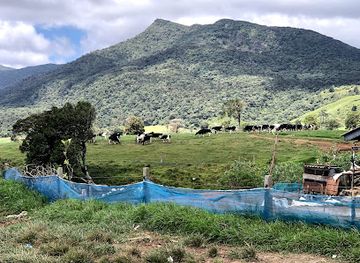
Ambewela Farm
Explore Ambewela Farm, a serene agritourism destination in Sri Lanka, offering delightful experiences with nature and farm life.
-
Tour agency
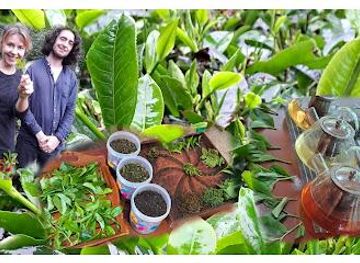
Ella Organic Tea Garden
Explore Ella Organic Tea Garden, where breathtaking views and organic tea cultivation create a serene escape in the heart of Sri Lanka.
-
Tourist attraction
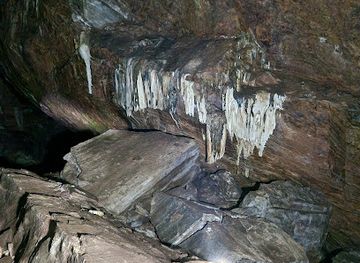
Nil Diya Pokuna
Explore Nil Diya Pokuna, a serene spring surrounded by lush greenery in Udakirida, Sri Lanka, perfect for relaxation and nature photography.
Best landmarks in Hill Country
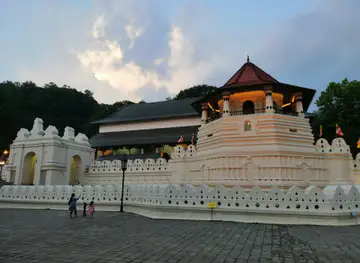
Kandy’s Temple of the Sacred Tooth Relic is the Hill Country’s most important religious and architectural landmark, occupying a central place in Sri Lankan Buddhist tradition within the former royal precinct. Kandy Lake and the surrounding hills form a recognisable urban landscape, while nearby Peradeniya is distinguished by the historic layout and mature plantings of its royal botanical garden. In the tea districts, factory buildings, estate bungalows and sloping rows of tea around Hatton, Bogawantalawa and Nuwara Eliya are physical reminders of the plantation economy, although many are working properties rather than public monuments. The railway’s viaducts, tunnels and steep alignments remain defining features of the central mountain route. Sri Pada is both a natural summit and a major pilgrimage landmark, marked by its summit shrine and long ascent. Further south, the escarpments around Haputale and the exposed plateau of Horton Plains convey the geological and ecological character of the highlands, while the serrated ridges of the Knuckles range provide one of the region’s most distinctive natural silhouettes.
-
Fortress
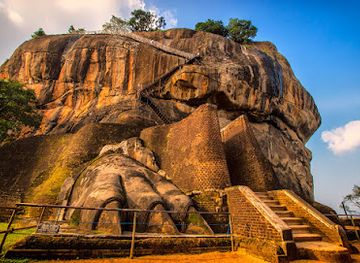
Sigiriya
Discover the breathtaking Sigiriya, an ancient fortress in Sri Lanka, famed for its stunning frescoes and panoramic views of lush landscapes.
-
Fortress
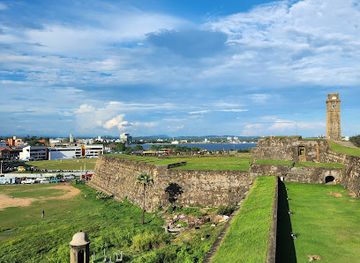
Galle Dutch Fort
Discover Galle Dutch Fort, a UNESCO World Heritage site blending colonial architecture with vibrant local culture along Sri Lanka's stunning coastline.
-
Historical landmark
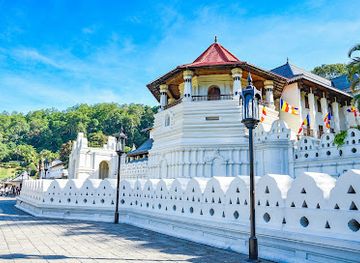
Sacred City of Kandy
Experience the vibrant culture and rich history of Kandy, Sri Lanka's Sacred City, home to the revered Temple of the Tooth Relic and stunning landscapes.
-
Buddhist temple
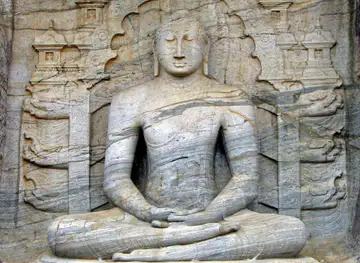
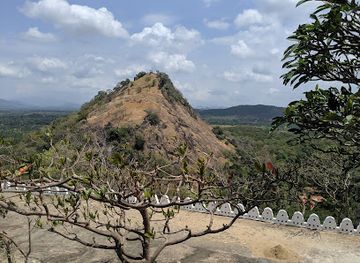
Dambulla Royal Cave Temple and Golden Temple
Explore the Dambulla Royal Cave Temple, a UNESCO World Heritage Site known for its stunning Buddhist art and serene atmosphere.
Explore Hill Country on the map
Plan your trip on one map. See where the top cities, national parks and sights are, and book hotels and experiences in a few clicks.
Best hotels in Hill Country
Best restaurants in Hill Country
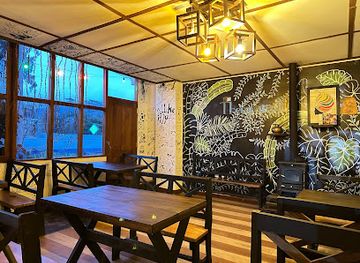
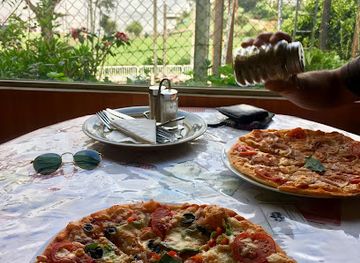
Dining in the Hill Country is grounded in Sri Lankan rice and curry, hoppers, string hoppers, kottu, roti and sambols, with spice levels and menus varying between urban restaurants, guesthouses and estate communities. Kandy has the broadest choice of traditional eateries and contemporary restaurants, while Nuwara Eliya and the southern highland towns offer cafés, bakeries and hotel dining influenced by the cool climate and colonial-era tourism. Tea is the region’s signature drink, available as everyday cups, estate tastings and packaged produce; locally grown vegetables, including potatoes, carrots, leeks and cabbages, are prominent around Nuwara Eliya. Tamil plantation communities contribute dishes such as dosai, vadai and richer vegetarian curries, alongside Sri Lankan favourites. In rural areas, food may be simple and homespun rather than highly varied, so visitors with dietary requirements should explain them clearly. Markets are useful for fruit, snacks and seasonal produce, while guesthouses can introduce visitors to regional cooking without claiming that every dish is exclusive to the highlands.
-
Restaurant
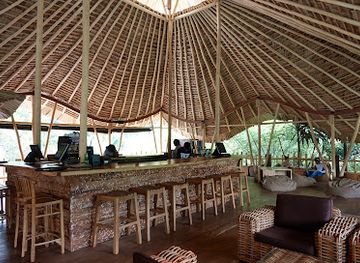
Cafe Chill
Experience authentic Sri Lankan flavors at Cafe Chill in Ella—where great food meets breathtaking views.
-
Family-friendly
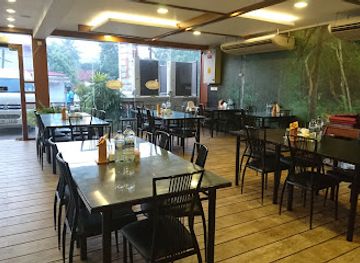
Nihal Family Restaurant - Pasyala
Discover delightful Sri Lankan flavors at Nihal Family Restaurant - the perfect family-friendly dining spot on your journey.
-
Restaurant
Themparadu
Experience exquisite dining at Themparadu in Nuwara Eliya with stunning views and delicious local flavors.
-
Italian
Salmiya Italian Restaurant
Experience authentic Italian cuisine at Salmiya Italian Restaurant in Nuwara Eliya - where every dish tells a story.
Best bars in Hill Country
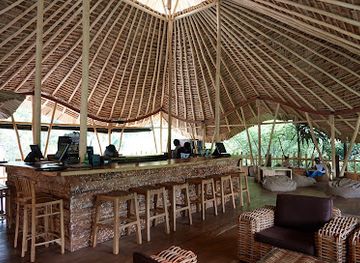
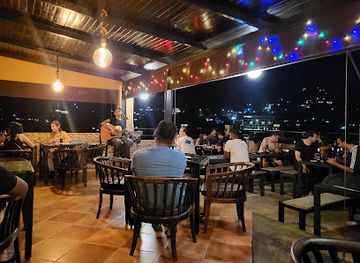
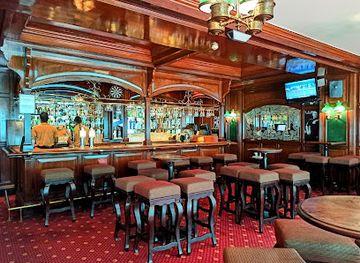
Nightlife in the Hill Country is generally early and low-key rather than club-focused. Kandy has the widest range of evening restaurants, hotel bars, cafés and cultural performances, while Ella offers a concentrated selection of casual restaurants, small bars and music-oriented venues aimed at travellers. Nuwara Eliya and Hatton are quieter, with evenings centred on hotel lounges, restaurants, cafés and traditional pubs rather than large clubs. In Bandarawela and Haputale, social life is primarily local and hospitality-led, with limited late-night options. Some establishments serve locally produced or nationally distributed beer and spirits, but drinking is not necessary to experience the region’s evening culture. Travellers should check current arrangements locally, particularly outside the main tourist towns, and remember that weather, transport and early walking plans often make an early night the practical choice.
-
Restaurant
Cafe Chill
Experience the heart of Sri Lankan cuisine at Cafe Chill, a cozy restaurant in Ella known for its stunning views and vibrant atmosphere.
-
Bar
Slightly Chilled Lounge Bar and Restaurant
Experience the blend of Asian fusion cuisine and a vibrant lounge atmosphere at Slightly Chilled Lounge Bar and Restaurant in Kandy, Sri Lanka.
-
Pub
Cheers Pub
Experience the vibrant nightlife of Colombo at Cheers Pub, where great food, drinks, and live entertainment await you.
-
Bar
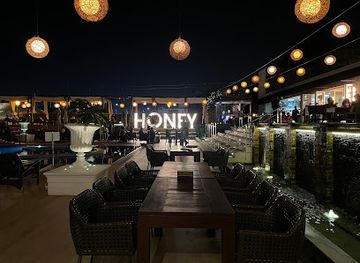
Honey Beach Club
Discover the exquisite luxury of Honey Beach Club in Colombo: a perfect blend of stunning ocean views, gourmet dining, and vibrant nightlife.
Best nightclubs in Hill Country
Nightlife in the Hill Country is generally early and low-key rather than club-focused. Kandy has the widest range of evening restaurants, hotel bars, cafés and cultural performances, while Ella offers a concentrated selection of casual restaurants, small bars and music-oriented venues aimed at travellers. Nuwara Eliya and Hatton are quieter, with evenings centred on hotel lounges, restaurants, cafés and traditional pubs rather than large clubs. In Bandarawela and Haputale, social life is primarily local and hospitality-led, with limited late-night options. Some establishments serve locally produced or nationally distributed beer and spirits, but drinking is not necessary to experience the region’s evening culture. Travellers should check current arrangements locally, particularly outside the main tourist towns, and remember that weather, transport and early walking plans often make an early night the practical choice.
-
Disco club
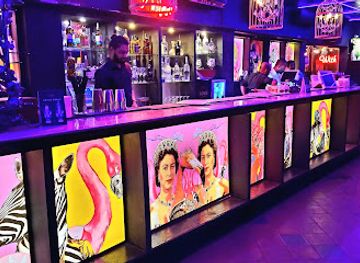
The Love Bar at Flamingo House
Discover the pulse of Colombo's nightlife at The Love Bar, where vibrant music and exquisite cocktails create unforgettable moments.
-
Disco club
Rhythm and Blues
Experience the vibrant nightlife of Colombo at Rhythm and Blues, a premier disco club with electrifying music and unforgettable themed events.
-
Bar
Old Trinitian's Sports Club
Experience the vibrant culture and tradition of Kandy at the Old Trinitian's Sports Club, a must-visit bar for tourists.
-
Night club
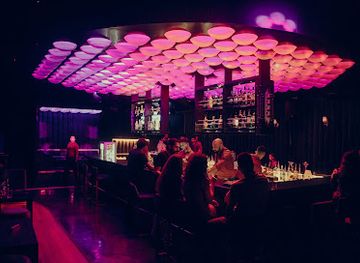
Cleopatra Nightclub
Dive into the lively atmosphere of Cleopatra Nightclub, Colombo's ultimate destination for dancing and vibrant nightlife.

Best shops in Hill Country
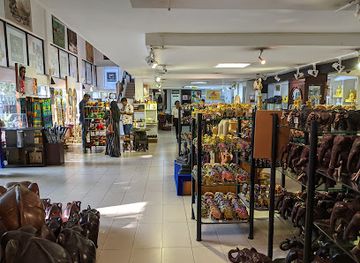
Shopping in the Hill Country ranges from urban markets and craft outlets to estate tea shops and small-town high streets. Kandy is the main centre for handicrafts, textiles, jewellery, carved work, books and packaged Sri Lankan foods, with bargaining more common in informal markets than in established shops. Nuwara Eliya is associated with tea, fruit and cool-climate vegetables, while Hatton and other plantation towns have practical local markets rather than extensive souvenir retail. Ella and Bandarawela offer small independent shops, cafés with retail sections, clothing, handicrafts and tea aimed at visitors, though selection and quality vary. Reputable tea outlets can explain the grade, origin and packaging of their products; sealed packs are easier to transport internationally than loose tea. Regional produce, spices, coconut-based sweets and locally made textiles can make meaningful purchases, but visitors should avoid buying protected wildlife products, antiquities or unlabelled medicines. Markets are often busiest in the morning, and cash remains useful away from larger hotels and established retailers.
-
Shopping mall
Kandy City Centre
Explore Kandy City Centre for an unforgettable shopping experience blending local culture and modern amenities.
-
Souvenir store
Laksala
Discover the essence of Sri Lankan culture at Laksala, your go-to destination for authentic souvenirs and handcrafted treasures.
-
Ecological park
Pitawala Pathana, Riverston
Explore the breathtaking beauty of Pitawala Pathana, an ecological park in Riverston, where nature and adventure await every traveler.
-
Restaurant
Adma Agro Strawberry Farm Shop
Explore the sweet side of Nuwara Eliya at Adma Agro Strawberry Farm Shop, where fresh strawberries and delightful treats await.
Get your free copy of our complete guide to Hill Country, delivered straight to you.
Everything on this page, from attractions and restaurants to essentials and local phrases, in one PDF you can read offline, print or share.
Already have an account? Sign in
Your Hill Country guide is ready.
We'll send it to · Not you? Sign out

Getting your guide ready…
We are putting together a fresh copy of the Hill Country guide. This can take up to a minute.
This can take a few moments. If your browser asks, choose Allow so the download can start. You'll find the guide in your Downloads folder.
Nothing happened? Download it again
Sorry, the guide is taking longer than usual. Please try again in a minute, or get it by email instead.
Hill Country essentials
Currency and Payment
Safety
Emergency Situations
Do's and Don'ts
Local Tips
From Eve
Local phrases worth knowing
You don't need to get them perfect. A few words go a long way, and locals appreciate the effort.
Basics
| English | Local | Say it |
|---|---|---|
| Hello | Howdy | [Haudi] |
| Goodbye | See ya | [See ya] |
| Yes | Yup | [Yup] |
| No | Nope | [Nope] |
| Please/You're welcome | Sure thing | [Shur thing] |
| Thank you | Thanks a lot | [Thanks a lot] |
| Excuse me/Sorry | Sorry 'bout that | [Sorry 'bout that] |
| How are you? | How y'all doin'? | [How y'all doin'?] |
| Fine. And you? | I'm good. And you? | [I'm good. And you?] |
| Do you speak English? | Do ya speak English? | [Do ya speak English?] |
| I don't understand | I ain't got it | [I ain't got it] |
Eating & Drinking
| English | Local | Say it |
|---|---|---|
| I'd like to see the menu, please | Can I see the menu? | [Can I see the menu?] |
| I don't eat meat | I don't eat meat | [I don't eat meat] |
| Cheers! | Cheers! | [Cheers!] |
| I would like to pay, please | I'd like to settle up, please | [I'd like to settle up, please] |
Emergencies
| English | Local | Say it |
|---|---|---|
| Help! | Help! | [Help!] |
| Go away! | Get lost! | [Get lost!] |
| Call the Police! | Call the cops! | [Call the cops!] |
| Call a doctor! | Get a doctor! | [Get a doctor!] |
| I'm lost | I'm turned around | [I'm turned around] |
| I'm ill | I'm not feelin' well | [I'm not feelin' well] |
Shopping
| English | Local | Say it |
|---|---|---|
| I'd like to buy... | I wanna buy... | [I wanna buy...] |
| I'm just looking | Just browsing | [Just browsing] |
| How much is it? | What’s the price? | [What’s the price?] |
| That's too expensive | That’s too pricey | [That’s too pricey] |
| Can you lower the price? | Can ya drop the price? | [Can ya drop the price?] |
Time & Numbers
| English | Local | Say it |
|---|---|---|
| What time is it? | What time is it? | [What time is it?] |
| It's one o'clock | It's one | [It's one] |
| Half past (10) | Half past ten | [Half past ten] |
| Morning | Mornin' | [Mornin'] |
| Afternoon | Afternoon | [Afternoon] |
| Evening | Evenin' | [Evenin'] |
| Yesterday | Yesterday | [Yesterday] |
| Today | Today | [Today] |
| Tomorrow | Tomorrow | [Tomorrow] |
| 1 | One | [One] |
| 2 | Two | [Two] |
| 3 | Three | [Three] |
| 4 | Four | [Four] |
| 5 | Five | [Five] |
| 6 | Six | [Six] |
| 7 | Seven | [Seven] |
| 8 | Eight | [Eight] |
| 9 | Nine | [Nine] |
| 10 | Ten | [Ten] |
Transport & Directions
| English | Local | Say it |
|---|---|---|
| Where's a/the...? | Where's the...? | [Where's the...? ] |
| What's the address? | What's the address? | [What's the address?] |
| Can you show me (on the map)? | Can ya show me on the map? | [Can ya show me on the map?] |
| When's the next (bus)? | When's the next bus? | [When's the next bus?] |
| A ticket (to ....) | A ticket to... | [A ticket to...] |
History of Hill Country
Early Highland Kingdoms and Buddhist Heritage
The central highlands have long been important to Sri Lanka’s political and religious history. Kandy developed as the capital of the last independent Sinhalese kingdom after earlier royal centres in the island’s dry zone became vulnerable to European expansion. Its location among hills and forests provided a degree of protection, while Buddhist institutions gave the court religious authority. The Temple of the Sacred Tooth Relic became the kingdom’s principal ceremonial centre. Kandy’s surviving buildings, lake and sacred sites continue to express the relationship between kingship, Buddhism and the upland landscape.
European Expansion and the Kandyan Kingdom
Portuguese and Dutch powers controlled coastal parts of Sri Lanka before the British captured Kandy in 1815. The Kandyan Convention ended the kingdom’s independence and brought the central highlands into the British colonial system, although resistance continued, including the major uprising of 1817–1818. The political transfer altered administration, landholding and movement through the interior. British rule also introduced new roads, plantation infrastructure and commercial connections that reshaped the region well beyond Kandy.
Plantation Agriculture and the Rise of Tea
British plantations first concentrated on coffee, but a devastating coffee-leaf disease in the nineteenth century encouraged a shift towards tea. Estates expanded around Nuwara Eliya, Hatton, Bogawantalawa and other upland districts, supported by roads, railways, factories and export capital. Tea became the defining industry of the highlands and left a distinctive pattern of clipped slopes, estate bungalows and processing buildings. The industry remains economically important, though its history also includes unequal land ownership and demanding labour conditions.
Indian Tamil Plantation Communities
Large numbers of Tamil workers were brought from southern India during the colonial plantation expansion. Their descendants formed communities across the tea districts, maintaining Tamil language, Hindu religious traditions, distinctive foods and social institutions. Their history has been affected by difficult working conditions, disputes over citizenship after independence and gradual political change. Hindu temples, estate settlements and plantation towns make this community’s contribution visible throughout the Hill Country, although living conditions and opportunities vary considerably between estates and urban areas.
Railways, Roads and the Remaking of the Highlands
Railway construction in the nineteenth and early twentieth centuries connected Colombo and the lowlands with Kandy, the tea districts and eventually the uplands around Nanu Oya. The lines were built chiefly to move plantation produce, but they also transformed passenger travel and helped establish towns such as Hatton and Nuwara Eliya as regional centres. The railway’s bridges, cuttings and looping mountain routes remain among the most recognisable legacies of colonial infrastructure, while modern roads now link places that once depended almost entirely on rail and foot travel.
Independence, Land Reform and the Modern Tea Economy
After Sri Lanka gained independence in 1948, the plantation system gradually came under greater state regulation and later new management arrangements. Land reform in the 1970s transferred many estates to public ownership, followed by the introduction of regional plantation companies in the 1990s. These changes affected workers, housing and production without removing tea’s central role in the upland economy. Today the Hill Country combines commercial plantations with smallholder cultivation, tourism, vegetable farming, conservation and expanding urban services.
Conservation and Highland Tourism
The ecological value of Sri Lanka’s central mountains has gained increasing recognition through protected areas including Horton Plains National Park, the Knuckles Conservation Forest and other highland reserves. These landscapes contain montane forests, grasslands, streams and species found nowhere else. Tourism has expanded around scenic rail travel, tea heritage, walking and pilgrimage, particularly in Kandy, Nuwara Eliya and Ella. The modern challenge is to balance visitor demand with watershed protection, waste management, wildlife conservation and the rights of communities living and working in the highlands.
Hill Country in Photos
Browse through our photo collection highlighting the charm and character of the destination.
Neighbouring regions of Hill Country
The closest regions to Hill Country, if you have time for more than one.
-

-

-

-

-


Swipe for more regions
Explore more

Explore more of Sri Lanka
Discover Sri Lanka: Rich culture, stunning landscapes, and warm hospitality await you in this tropical paradise. Explore ancient cities, wildlife, tea plantations, and pristine beaches.
Explore Sri Lanka