

Free Nuwara Eliya District Travel Guide & Mobile App
Explore Nuwara Eliya District with free travel guides. Discover regional history, expert tips, proposed trips, and audio guides on web or mobile app.


Explore Nuwara Eliya District for cool highlands, tea estates, cloud forests, waterfalls, colonial architecture and Horton Plains walks.
Read more about Nuwara Eliya District
When is the best time to visit Nuwara Eliya District?
Best: January–March · 20–21°C| Month | High (°C) | Rainfall (mm) |
|---|---|---|
| January (best) | 20 | 75 |
| February (best) | 21 | 70 |
| March (best) | 21 | 86 |
| April | 22 | 150 |
| May | 23 | 175 |
| June | 22 | 150 |
| July | 22 | 125 |
| August | 22 | 125 |
| September | 22 | 150 |
| October | 21 | 175 |
| November | 21 | 200 |
| December | 20 | 125 |
Getting to and around Nuwara Eliya District
How to get there
Transportation
Top city travel guides in Nuwara Eliya District
The cities of Nuwara Eliya District, and the easiest places to base yourself.
-

-
-


Swipe for more cities
Destinations in Nuwara Eliya District
Resorts, valleys and scenic spots worth a trip of their own.
-

-

-


Swipe for more destinations
Best attractions in Nuwara Eliya District
Nuwara Eliya District's attractions combine highland nature, plantation history and the formal character of a colonial hill station. In Nuwara Eliya, Gregory Lake, Victoria Park and Galway's Land National Park offer accessible spaces for walking, birdwatching and observing the town's cooler environment. Hakgala Botanical Garden, south-east of the town, is known for its ornamental plant collections and highland setting, while tea estates around Nuwara Eliya, Talawakelle and Hatton provide insight into cultivation and processing where visitor access is available. Horton Plains National Park is the district's principal wilderness experience, with montane grassland, cloud forest, Baker's Falls and the escarpment viewpoint at World's End. Along the major roads, Ramboda, Devon and St Clair waterfalls provide scenic stops, although rain and water levels influence visibility and access. The district also includes Hindu temples, churches, market towns and estate communities that add social and cultural dimensions beyond scenery. Outdoor activities are mostly walking, photography, birdwatching and landscape touring rather than intensive adventure sports, and the best itineraries allow for mist, delayed road journeys and changing trail conditions.
-
Park
Gregory Park
Discover the tranquil beauty of Gregory Park in Nuwara Eliya, where nature, recreation, and relaxation come together in harmony.
-
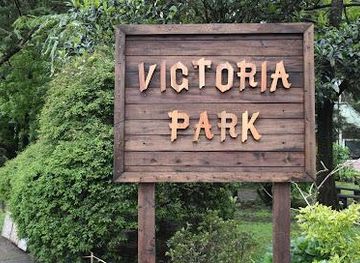
Victoria Park - Nuwaraeliya
Explore the serene beauty of Victoria Park, a lush garden oasis in Nuwara Eliya, perfect for leisurely walks, picnics, and nature photography.
-
Botanical garden
Hakgala Botanical Garden
Discover the breathtaking Hakgala Botanical Garden in Sri Lanka, where vibrant flora meets serene landscapes for an unforgettable nature experience.
-
Hindu temple
Seetha Amman Kovil
Discover the spiritual beauty of Seetha Amman Kovil, a vibrant Hindu temple in Seetha Eliya, Sri Lanka, rich in culture and breathtaking architecture.



Best landmarks in Nuwara Eliya District
The most recognisable landmarks of Nuwara Eliya District express both its mountain geography and its layered history. Nuwara Eliya's colonial-era buildings, landscaped public spaces and racecourse area give the town a distinctive hill-station appearance, while Gregory Lake forms a broad visual focal point below the centre. Pidurutalagala, Sri Lanka's highest mountain, rises north-east of the town, although access to upper areas is restricted and should not be assumed. In the southern highlands, Horton Plains and the escarpment at World's End mark a dramatic transition from upland plateau to lower country; Baker's Falls adds a well-known water feature along the park trail. Hakgala's forested slopes and botanical gardens provide another defining landscape, while the tea-covered ridges around Hatton and Talawakelle are living symbols of the district's plantation economy. Ramboda Falls, Devon Falls and St Clair Falls punctuate the principal road corridors with different expressions of the region's wet mountain terrain. Hindu temples such as Seetha Amman Temple contribute religious and architectural significance, and the rail approach through Nanu Oya remains an important historic route into the highlands.
-
Park
Gregory Park
Experience the serene beauty of Gregory Park in Nuwara Eliya, a picturesque retreat perfect for relaxation, recreation, and stunning landscapes.
-
Park
Victoria Park - Nuwaraeliya
Discover the beauty of Victoria Park in Nuwara Eliya, a serene garden oasis perfect for relaxation and exploration amidst stunning floral landscapes.
-
Botanical garden
Hakgala Botanical Garden
Explore the breathtaking beauty and diverse flora at Hakgala Botanical Garden, a serene escape in the heart of Sri Lanka's lush landscapes.
-
Tourist attraction
Moon Plains
Experience breathtaking views and rich biodiversity at Moon Plains, a scenic tourist attraction in the heart of Sri Lanka's highlands.


Explore Nuwara Eliya District on the map
Plan your trip on one map. See where the top cities, national parks and sights are, and book hotels and experiences in a few clicks.
Best hotels in Nuwara Eliya District
Best restaurants in Nuwara Eliya District
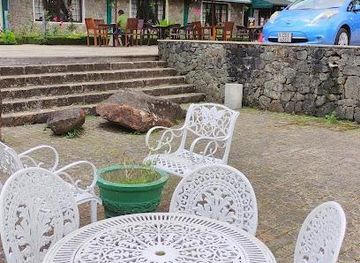
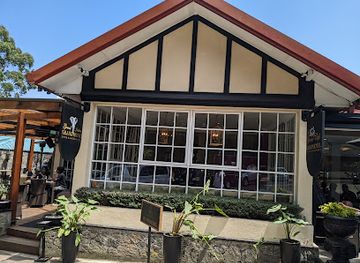
Dining in Nuwara Eliya District draws on Sri Lanka's national cooking while reflecting the cooler climate, plantation economy and agricultural plateau. Rice and curry, hoppers, string hoppers, kottu, dhal, sambols and savoury short eats are widely available in town restaurants, cafés and small family-run establishments. The surrounding uplands are known for vegetables such as leeks, carrots and strawberries, which appear in local markets and some hotel menus, while tea is central to the district's drink culture. Nuwara Eliya has the broadest choice of restaurants, from Sri Lankan dining rooms and bakeries to hotel restaurants serving international food; Hatton and Talawakelle offer more practical local options for travellers moving through tea country. Roadside stalls and town markets are useful for snacks, but standards vary, so choose busy premises and food that is freshly cooked. Estate areas may have limited public dining, making it sensible to check meal arrangements with accommodation in advance. There is no single dish exclusive to the district, but the combination of high-grown tea, fresh plateau produce and Tamil and Sinhalese culinary influences gives the region a recognisable highland character.
-
Tea house
Labookellie Tea Lounge
Discover Ceylon tea's essence amid Nuwara Eliya's misty hills: sip premium brews, taste fresh cakes, and tour historic gardens at this iconic highland retreat.
-
Hotel
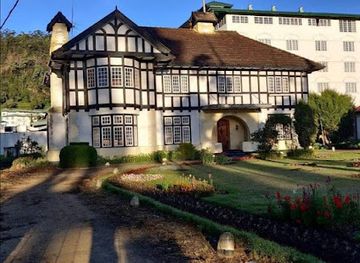
The Grand Hotel Nuwara Eliya - Heritage Grand
Discover unparalleled luxury and heritage at The Grand Hotel Nuwara Eliya, where timeless elegance meets breathtaking natural beauty.
-
Hotel
Heritance Tea Factory
Discover luxury and tranquility at Heritance Tea Factory, where history meets breathtaking landscapes in Kandapola's lush hills.
-
Indian
Grand Indian
Discover authentic Indian cuisine at Grand Indian in Nuwara Eliya, where exquisite flavors meet breathtaking landscapes.


Best bars in Nuwara Eliya District
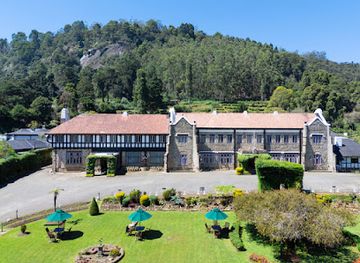
Evenings in Nuwara Eliya District are generally quiet and centred on hotel lounges, cafés, restaurants and traditional pubs rather than a large nightclub circuit. Nuwara Eliya town has the widest selection of places for a drink, with some historic hotel bars and informal venues offering tea, beer, spirits and simple meals; ambience and service vary, and opening arrangements can change seasonally. In Hatton and Talawakelle, nightlife is more closely tied to local restaurants, small bars and social life in the town centre. Around tea estates and in rural communities, visitors should expect little late-night entertainment and should arrange transport back to accommodation before leaving. Live music and busier evenings may appear during holiday periods, but they are not a permanent feature to rely on. Alcohol availability may be restricted around religious observances and public holidays under national regulations. Tea rooms and early-evening walks can be more representative of the district than seeking a club scene, particularly when mist and rain settle over the hills.
-
Bar
Araliya Green Hills Hotel
Experience the serene beauty of Nuwara Eliya at Araliya Green Hills Hotel, where comfort meets breathtaking landscapes.
-
Bar
Themparadu
Discover Themparadu in Nuwara Eliya: an enchanting bar and restaurant offering local delicacies and stunning views for a memorable dining experience.
-
Coffee shop
The Grand Café
Discover The Grand Café in Nuwara Eliya, where exceptional coffee meets stunning views in a cozy atmosphere.
-
Pub
The Pub - Nuwara Eliya
Experience the vibrant flavors and refreshing drinks at The Pub in Nuwara Eliya, the perfect retreat for food lovers and travelers alike.


Best nightclubs in Nuwara Eliya District
Evenings in Nuwara Eliya District are generally quiet and centred on hotel lounges, cafés, restaurants and traditional pubs rather than a large nightclub circuit. Nuwara Eliya town has the widest selection of places for a drink, with some historic hotel bars and informal venues offering tea, beer, spirits and simple meals; ambience and service vary, and opening arrangements can change seasonally. In Hatton and Talawakelle, nightlife is more closely tied to local restaurants, small bars and social life in the town centre. Around tea estates and in rural communities, visitors should expect little late-night entertainment and should arrange transport back to accommodation before leaving. Live music and busier evenings may appear during holiday periods, but they are not a permanent feature to rely on. Alcohol availability may be restricted around religious observances and public holidays under national regulations. Tea rooms and early-evening walks can be more representative of the district than seeking a club scene, particularly when mist and rain settle over the hills.
-
Pub
The Pub - Nuwara Eliya
Experience the charm of Nuwara Eliya at The Pub, where local flavors meet a cozy atmosphere in the heart of the hill country.
-
Fraternal organization
The Hill Club
Experience the colonial elegance and natural beauty of The Hill Club in Nuwara Eliya, where history meets tranquility in Sri Lanka's highlands.
-
Pub
The 19th HOLE PUB
The 19th HOLE PUB in Nuwara Eliya offers a cozy retreat with local flavors and stunning views, perfect for unwinding after exploring the hill country.
-
Sports club
Club Trout
Discover Club Trout in Nuwara Eliya: Enjoy pool, snooker, and a vibrant atmosphere for sports lovers in a scenic setting.



Best shops in Nuwara Eliya District
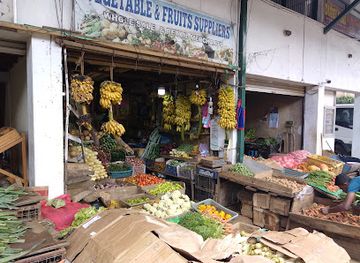
Shopping in Nuwara Eliya District is practical and produce-oriented rather than centred on large retail complexes. Nuwara Eliya market and surrounding shops are useful for fresh highland vegetables, fruit, spices, snacks and everyday goods, while Hatton and Talawakelle serve as important local shopping centres for tea-country communities. Packaged Ceylon tea is the most obvious regional purchase; buy from reputable estate outlets, established tea shops or factory visitor centres and check the grade, origin and packing date. Small shops also sell biscuits, sweets, woven items, religious objects and modest souvenirs, while nurseries and garden-related stalls reflect the district's horticultural character. Some hotels and specialist retailers stock handicrafts, textiles and local food products, but selection is more limited than in Colombo or Kandy. Market etiquette is straightforward: handle produce carefully, ask before photographing vendors and compare quality rather than assuming every packet labelled high-grown tea comes from the immediate area. Rural estate communities are not shopping attractions, so purchase from designated outlets rather than entering residential areas uninvited.
-
Supermarket
Keells SUPER (SuperK)
Explore the vibrant flavors of Sri Lanka at Keells SUPER, Nuwara Eliya's premier supermarket for locals and travelers alike.
-
Boutique
Oliphant Boutique Villa by Amaya
Oliphant Boutique Villa: A Luxurious Retreat in the Heart of Nuwara Eliya's Scenic Beauty, Perfect for Travelers Seeking Peace and Elegance.
-
Outlet mall
Kavitha's Complex
Explore the vibrant shopping scene at Kavitha's Complex in Nuwara Eliya, where local culture meets modern retail.
-
Vegetable wholesale market
Chee engineering & constructions
Explore Nuwara Eliya's Chee Engineering & Constructions Market for fresh produce and an authentic local experience in the heart of Sri Lanka's agriculture.


Get your free copy of our complete guide to Nuwara Eliya District, delivered straight to you.
Everything on this page, from attractions and restaurants to essentials and local phrases, in one PDF you can read offline, print or share.
Already have an account? Sign in
Your Nuwara Eliya District guide is ready.
We'll send it to · Not you? Sign out

Getting your guide ready…
We are putting together a fresh copy of the Nuwara Eliya District guide. This can take up to a minute.
This can take a few moments. If your browser asks, choose Allow so the download can start. You'll find the guide in your Downloads folder.
Nothing happened? Download it again
Sorry, the guide is taking longer than usual. Please try again in a minute, or get it by email instead.
Nuwara Eliya District essentials
Currency and Payment
Safety
Emergency Situations
Do's and Don'ts
Local Tips
From Eve
Local phrases worth knowing
You don't need to get them perfect. A few words go a long way, and locals appreciate the effort.
Basics
| English | Local | Say it |
|---|---|---|
| Hello | ආයුබෝවන් | [Āyubōvan] |
| Goodbye | ආයුබෝවන් | [Āyubōvan] |
| Yes | ඔව් | [Ov] |
| No | නැහැ | [Næhæ] |
| Please/You're welcome | කරුණාකර | [Karunākara] |
| Thank you | ස්තුතියි | [Sthuthiyi] |
| Excuse me/Sorry | කණගාටුයි | [Kaṇagāṭuyi] |
| How are you? | ඔබට කොහෙද? | [Obaṭa koheda?] |
| Fine. And you? | හරි. ඔබට කොහෙද? | [Hari. Obaṭa koheda?] |
| Do you speak English? | ඔබට ඉංග්රීසි කතා කරන්න පුළුවන්ද? | [Obaṭa iṅgrīsi kathā karanna puḷuvanda?] |
| I don't understand | මට තේරෙන්නේ නැහැ | [Maṭa therenne næhæ] |
Eating & Drinking
| English | Local | Say it |
|---|---|---|
| I'd like to see the menu, please | කරුණාකර මෙනුව බලන්න | [Karunākara menuva balanna] |
| I don't eat meat | මම මස් ආහාර නොකනවා | [Mama mas āhāra nokanavā] |
| Cheers! | සුබපැවැත්ම! | [Subapævætma!] |
| I would like to pay, please | කරුණාකර මම ගෙවන්න කැමතියි | [Karunākara mama gevanna kæmatiyi] |
Emergencies
| English | Local | Say it |
|---|---|---|
| Help! | ඇතුලට! | [Ætulata!] |
| Go away! | පැන්න! | [Pænna!] |
| Call the Police! | පොලිසිය අමතන්න! | [Polisiyā amathanna!] |
| Call a doctor! | ඩොක්ටර් අමතන්න! | [Ḍokṭar amathanna!] |
| I'm lost | මම හොරකම් වී ඇත | [Mama horakam vī æta] |
| I'm ill | මට රෝගයක් ඇති | [Maṭa rōgayak æti] |
Shopping
| English | Local | Say it |
|---|---|---|
| I'd like to buy... | මට මිලදී ගන්න කැමතියි... | [Maṭa milādī ganna kæmatiyi...] |
| I'm just looking | මම බලන්න පමණි | [Mama balanna pamaṇi] |
| How much is it? | එය කොච්චරද? | [Eya kochcharada?] |
| That's too expensive | එය අධික මිලකින් යුක්තයි | [Eya adhika milakin yuktayi] |
| Can you lower the price? | මිල අඩු කරන්න පුළුවන්ද? | [Mila aḍu karanna puḷuvanda?] |
Time & Numbers
| English | Local | Say it |
|---|---|---|
| What time is it? | මේ කොච්චර වේලාවද? | [Mē kochchar vėlāvada?] |
| It's one o'clock | ඒක වේලාවයි | [Ēka vēlāvayi] |
| Half past (10) | අඩක් (10) පසු | [Aḍak (10) pasu] |
| Morning | උදේ | [Udē] |
| Afternoon | උදේ පස්සේ | [Udē passe] |
| Evening | රාත්රිය | [Rāthriya] |
| Yesterday | අවුරුදු පෙර | [Avurudu pera] |
| Today | අද | [Ada] |
| Tomorrow | හෙට | [Hæṭa] |
| 1 | 1 | [1] |
| 2 | 2 | [2] |
| 3 | 3 | [3] |
| 4 | 4 | [4] |
| 5 | 5 | [5] |
| 6 | 6 | [6] |
| 7 | 7 | [7] |
| 8 | 8 | [8] |
| 9 | 9 | [9] |
| 10 | 10 | [10] |
Transport & Directions
| English | Local | Say it |
|---|---|---|
| Where's a/the...? | කිද්ද...? | [Kidda...?] |
| What's the address? | ලිපිනය කුමක්ද? | [Lipinaya kumakda?] |
| Can you show me (on the map)? | මට පෙන්වන්න පුළුවන්ද (මැප් එකේ)? | [Maṭa penvanna puḷuvanda (mæp ekē)?] |
| When's the next (bus)? | ඊළඟ (බස්) කවදද? | [Ēlaṅga (bas) kawadada?] |
| A ticket (to ....) | ටිකට්පතක් (ටිකට්පතක් ....) | [Ṭikaṭpathak (ṭikaṭpathak ....)] |
History of Nuwara Eliya District
Early Highland Landscapes and Sacred Traditions
The central highlands were used and understood long before the development of the modern hill station. Forests, grasslands and mountain springs supported wildlife and limited human settlement, while the wider highland region formed part of the cultural landscape of Sri Lankan kingdoms. Traditions associated with Seetha Amman Temple near Hakgala connect the area with the Ramayana, although such narratives belong to religious and literary tradition rather than straightforward archaeological history. The district's difficult terrain also helped preserve extensive upland ecosystems that later became important to conservation.
Kandyan-Era Highland Frontiers
Before British conquest, the highlands around present-day Nuwara Eliya District were linked to the Kandyan Kingdom and its surrounding settlements rather than functioning as a colonial-style resort or plantation zone. Mountain passes and valleys connected the interior to lower-country routes, while forest and elevation limited intensive agriculture in many areas. The eventual British occupation of Kandy in 1815 brought the central highlands into a new political and economic order, opening the way for systematic surveys, roads and European settlement.
The Colonial Hill Station, Nineteenth Century
British officials developed Nuwara Eliya during the nineteenth century as a cool retreat from the lowland climate. The town acquired broad roads, gardens, a racecourse and buildings influenced by British domestic and civic architecture. This period established the visual identity for which central Nuwara Eliya remains known, including the contrast between ornamental town spaces and the surrounding mountains. The hill station was never separate from the wider island: it depended on roads, labour, supplies and administrative links with the plantation districts beyond the town.
From Coffee to Commercial Tea
British plantation agriculture transformed the district's economy. Coffee was initially cultivated widely in Sri Lanka, but the coffee industry was devastated by coffee leaf disease in the late nineteenth century. Tea then became the dominant crop, especially on the elevated slopes around Nuwara Eliya, Hatton and Talawakelle. Estate companies built factories, roads and worker housing, while rail connections improved the movement of tea and supplies. The tea landscape seen today is therefore a product of colonial commercial agriculture as well as the area's cool climate and high rainfall.
Plantation Communities and Social Change
The tea industry relied heavily on Tamil labour brought from southern India during the colonial period, creating enduring plantation communities across the central highlands. Their languages, Hindu worship, foodways and labour traditions became an important part of the district's identity. Working conditions, citizenship and political representation have changed substantially since independence, but estate communities remain central to the region's social and economic life. Visitors should understand tea country as a lived environment rather than scenery alone, and should approach workers and residential areas with respect.
Independence, Conservation and the Modern District
After Sri Lanka became independent in 1948, land ownership, plantation management and the status of plantation workers evolved through successive political and economic changes. At the same time, the highlands gained growing conservation importance. Horton Plains became a protected national park, while other areas such as Galway's Land and Hakgala received formal protection or horticultural management. Today the district combines tea production, tourism, vegetable farming, religious life and ecological conservation, with continuing debate about development, waste, water and the protection of fragile mountain habitats.
Nuwara Eliya District in Photos
Browse through our photo collection highlighting the charm and character of the destination.
Neighbouring regions of Nuwara Eliya District
The closest regions to Nuwara Eliya District, if you have time for more than one.
-

-

-

-

-


Swipe for more regions
Explore more

Explore more of Sri Lanka
Discover Sri Lanka: Rich culture, stunning landscapes, and warm hospitality await you in this tropical paradise. Explore ancient cities, wildlife, tea plantations, and pristine beaches.
Explore Sri Lanka